Most Expensive Sports to Get Into
Some games need more cash upfront than a secondhand vehicle. Spot youngsters tossing around at the playground, feel like joining in, but peek at lesson fees and back off.
Cash requirements keep dabblers away before anyone even laces up cleats or grabs a racket. These activities ask for deep pockets – way past basic gear like runners and a drink jug.
Equestrian Sports

Horses cost money. A lot of money.
Before you even think about competing, you need a horse, which can run anywhere from $5,000 to $50,000 or more. Then comes boarding, feeding, veterinary care, farrier visits, tack, and training.
Monthly costs easily exceed $1,000, and that’s before you factor in competition fees, travel, and specialized riding apparel. The sport attracts wealthy families because it has to.
You can’t fake your way through horse ownership on a budget. The animal requires constant care and attention, and cutting corners risks the horse’s health and your safety.
Insurance alone can cost hundreds per month. Equestrian sports create a financial moat that keeps most people out entirely.
Polo
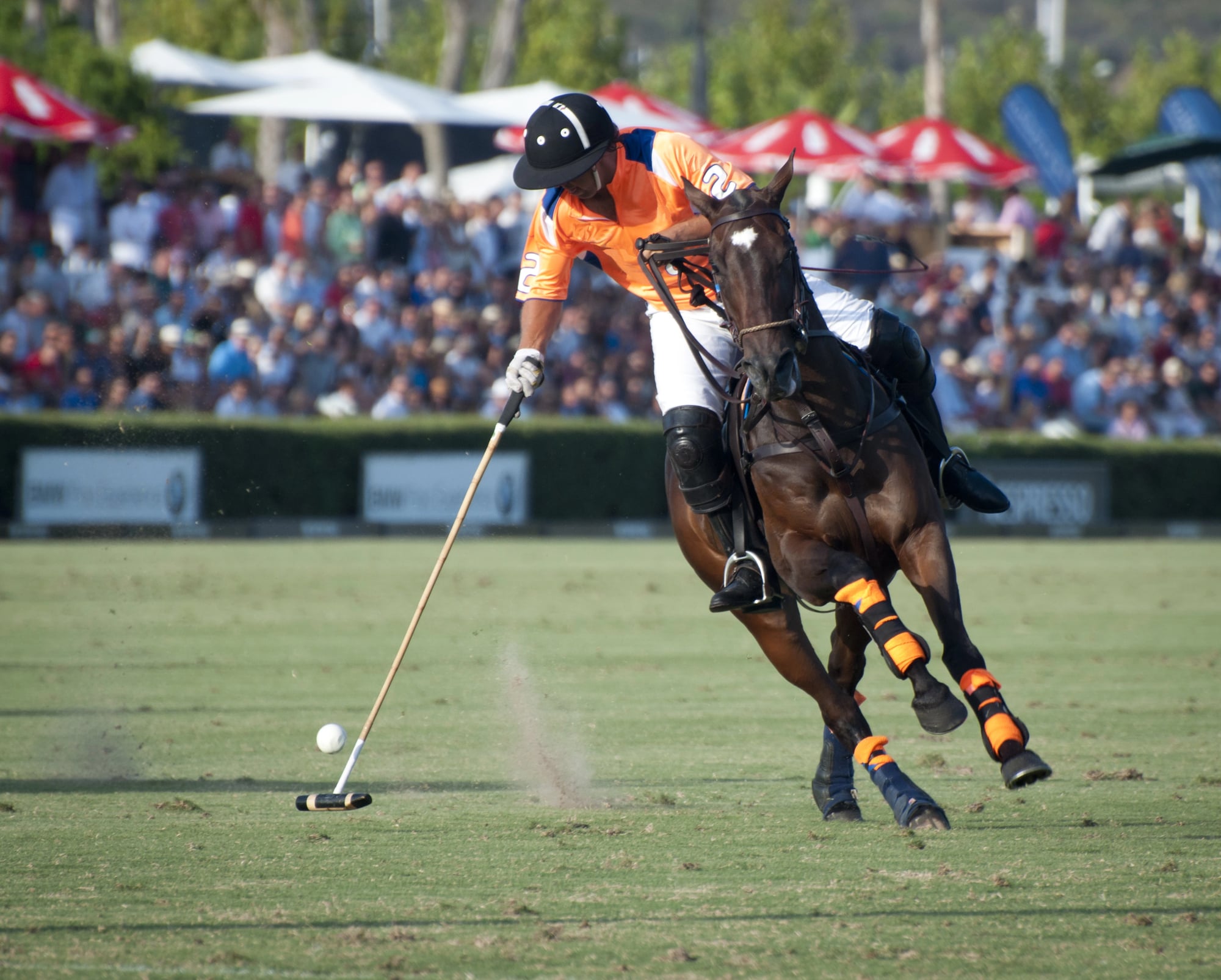
If equestrian sports seem expensive, polo takes it further. You need multiple horses because the sport is so physically demanding that you switch mounts between periods.
Each horse requires the same care and costs as any other, so multiply everything by four or five. Then add polo-specific equipment, field rental, and team fees.
Polo clubs often require membership fees that run into five figures annually. The sport exists almost exclusively in wealthy enclaves.
You won’t find community polo programs at your local rec center. The financial requirements create a sport that functions more like an exclusive club than an athletic pursuit accessible to anyone with talent and determination.
Sailing and Yacht Racing
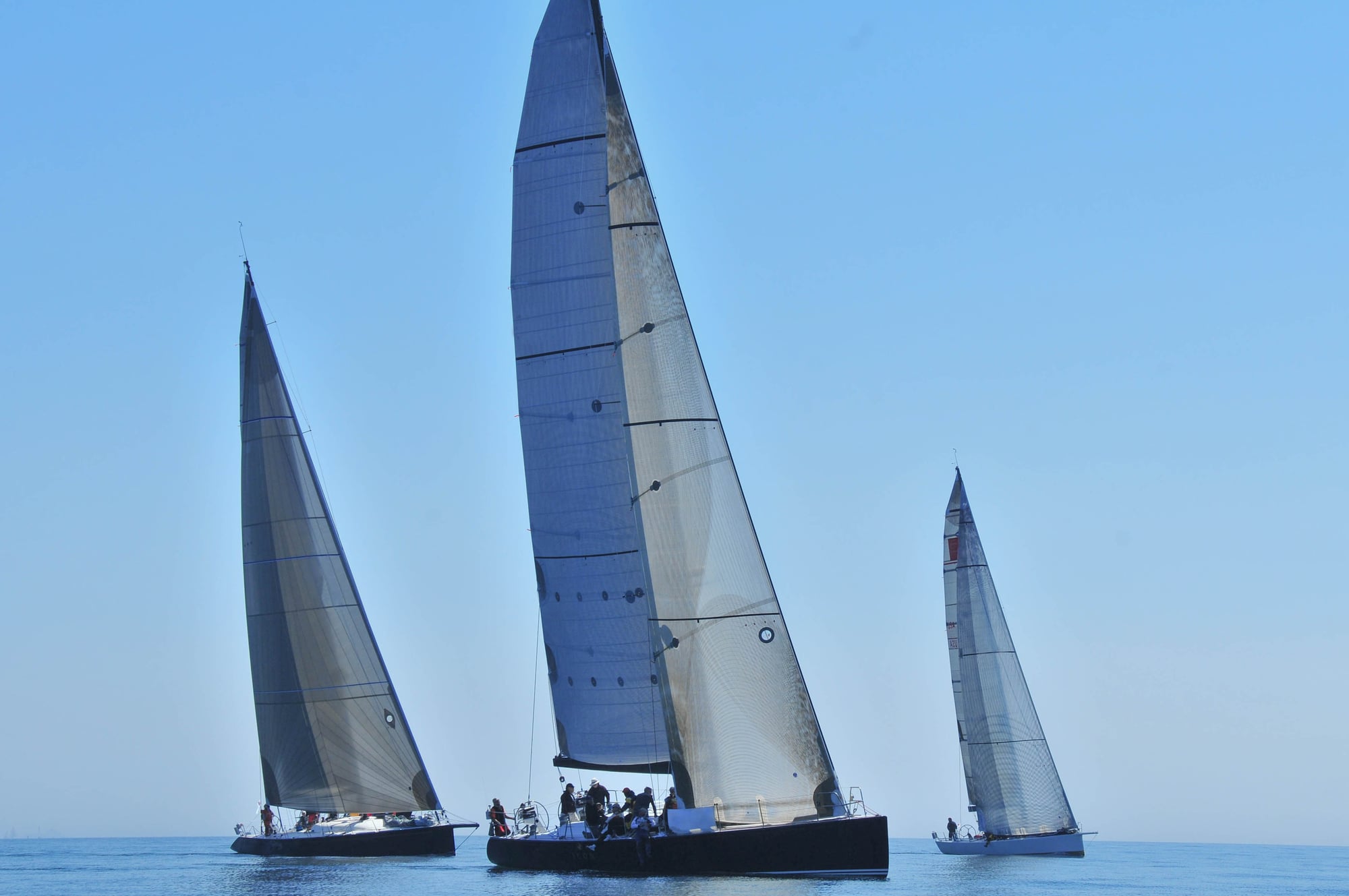
Boats cost more than most houses. Even entry-level racing sailboats start around $10,000, and competitive vessels easily reach six or seven figures.
Storage, maintenance, registration, and insurance add thousands more each year. You need specialized gear, safety equipment, and often crew members who also need outfitting.
The ongoing costs never stop. Boats require constant upkeep.
Parts break. Sails wear out.
You need to pay for slip fees at marinas. Winter storage alone can cost thousands.
The sport rewards people who can absorb these expenses without flinching, which explains why yacht clubs have historically served as gathering places for the wealthy.
Formula Racing

Getting into competitive car racing requires budgets that most professional athletes couldn’t afford. A basic formula car starts around $20,000, but competitive models cost well over $100,000.
Then you need a trailer to transport it, a support crew, spare parts, race fees, track time, fuel, tires, and safety equipment. Tires alone can cost thousands per race weekend.
The path to professional racing runs through karting, which itself costs tens of thousands per year at competitive levels. Parents spend small fortunes getting their kids noticed by racing academies.
The talent pipeline requires cash flow that eliminates most potential drivers before they ever get a real shot.
Ice Hockey

Youth hockey has become notorious for pricing out middle-class families. Equipment costs start around $1,000 and kids grow out of it constantly.
Ice time is expensive, often requiring 5 AM practices because that’s when rink rates are cheapest. Travel teams add hotel costs, tournament fees, and thousands of miles on your car each season.
At competitive levels, families easily spend $10,000 to $20,000 per year. Coaching, private lessons, and elite camps push costs even higher.
The sport’s expense has created geographic and economic barriers that limit who can participate. Canadian and northern U.S. kids have better access, but even then, only families with substantial disposable income can sustain it long-term.
Skiing and Snowboarding Competitively
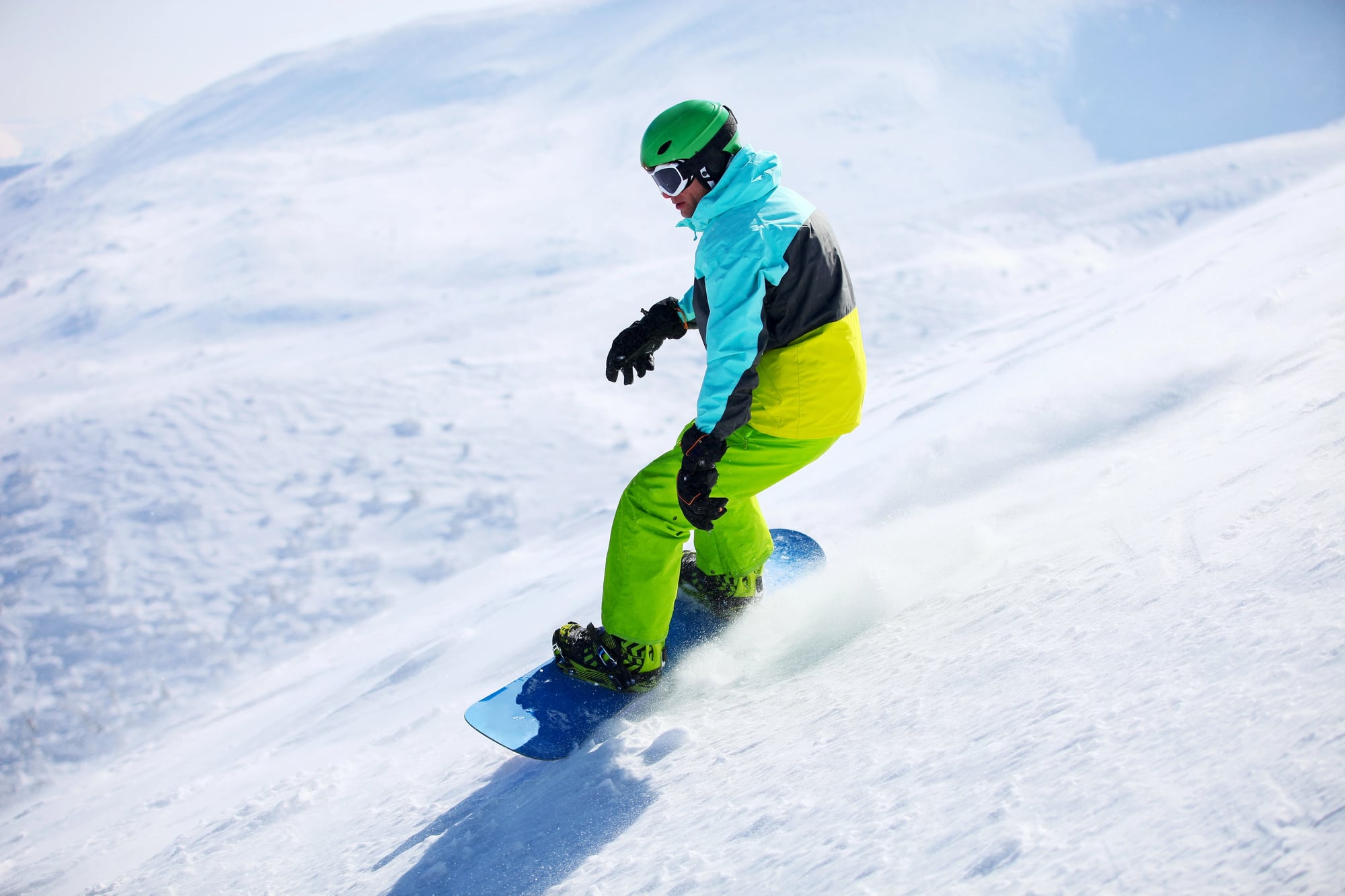
Recreational skiing is expensive enough. Competitive skiing takes it to another level entirely.
You need season passes at multiple mountains, coaching, race fees, specialized equipment, and travel to competitions scattered across regions or countries. A competitive ski season can cost $15,000 to $30,000, and that’s before you factor in the years of lessons and training required to reach that level.
Equipment wears out and technology changes. What worked last season doesn’t cut it this year.
You need multiple pairs of skis for different conditions and race types. The sport demands proximity to mountains and the financial flexibility to spend every weekend during winter traveling to races and training.
Pentathlon
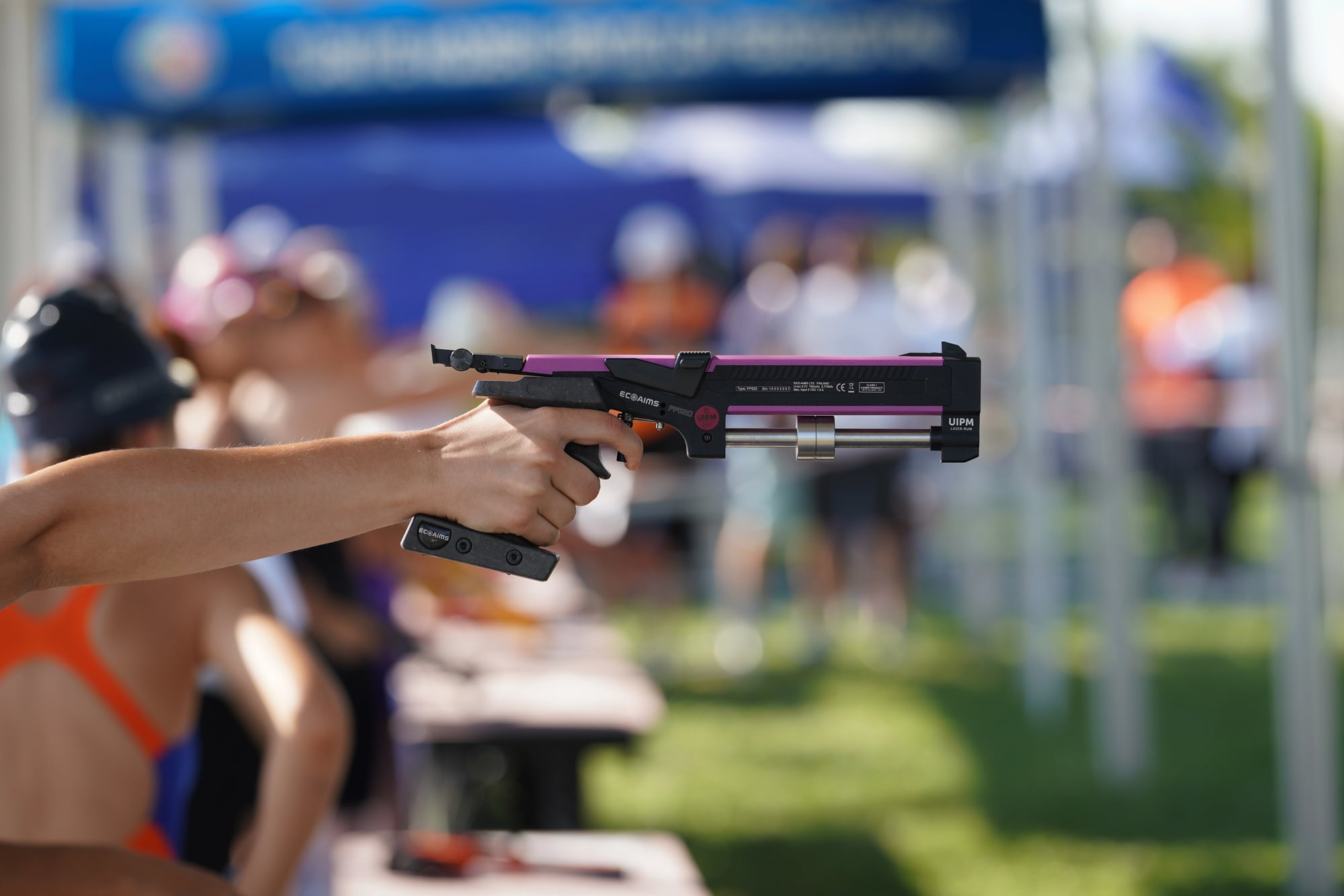
The modern pentathlon combines five sports: fencing, swimming, equestrian show jumping, and running with shooting. That’s four different sports that each require their own equipment, training, and facility access, plus horses.
The equipment costs alone stack up quickly, and you need coaching in multiple disciplines. Very few places offer pentathlon-specific training programs.
Athletes often piece together instruction from different coaches and facilities, which multiplies the cost. The sport remains obscure partly because so few people can afford to pursue it seriously.
The Olympics keep it alive, but the participation numbers stay tiny.
Bobsled and Luge
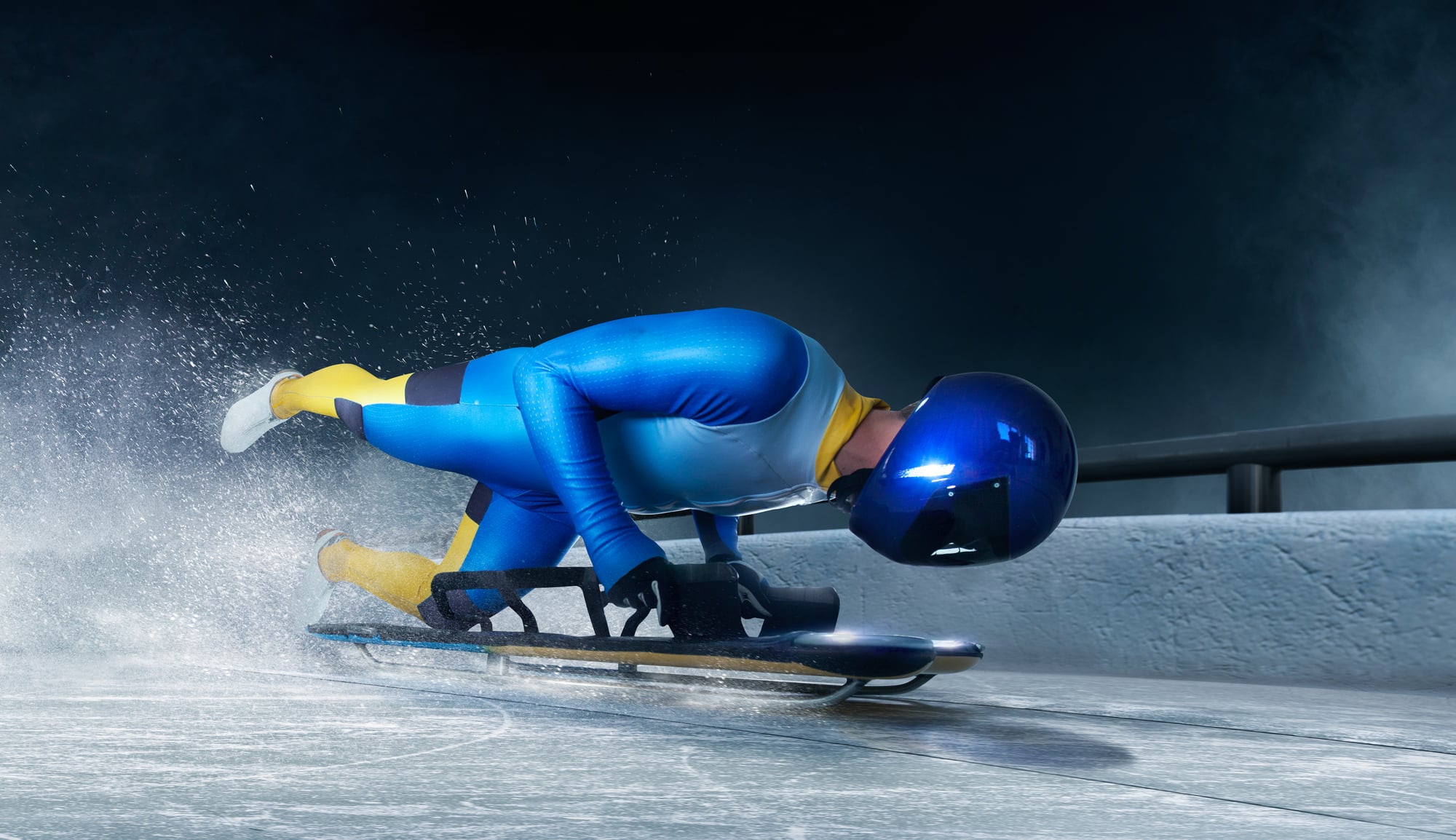
Winter sports get expensive fast, but bobsled and luge require access to specialized tracks that barely exist. There are only a handful of tracks in North America.
You need to relocate to train seriously, which means housing costs in expensive mountain towns. Equipment runs into thousands of dollars, and track time isn’t cheap.
The sport survives on national team funding and sponsorships because individuals can’t sustain the costs. Athletes often work multiple jobs while training, or they come from wealthy families who can support them through years of development.
The barrier to entry is so high that many talented athletes never even try.
Gymnastics at Elite Levels
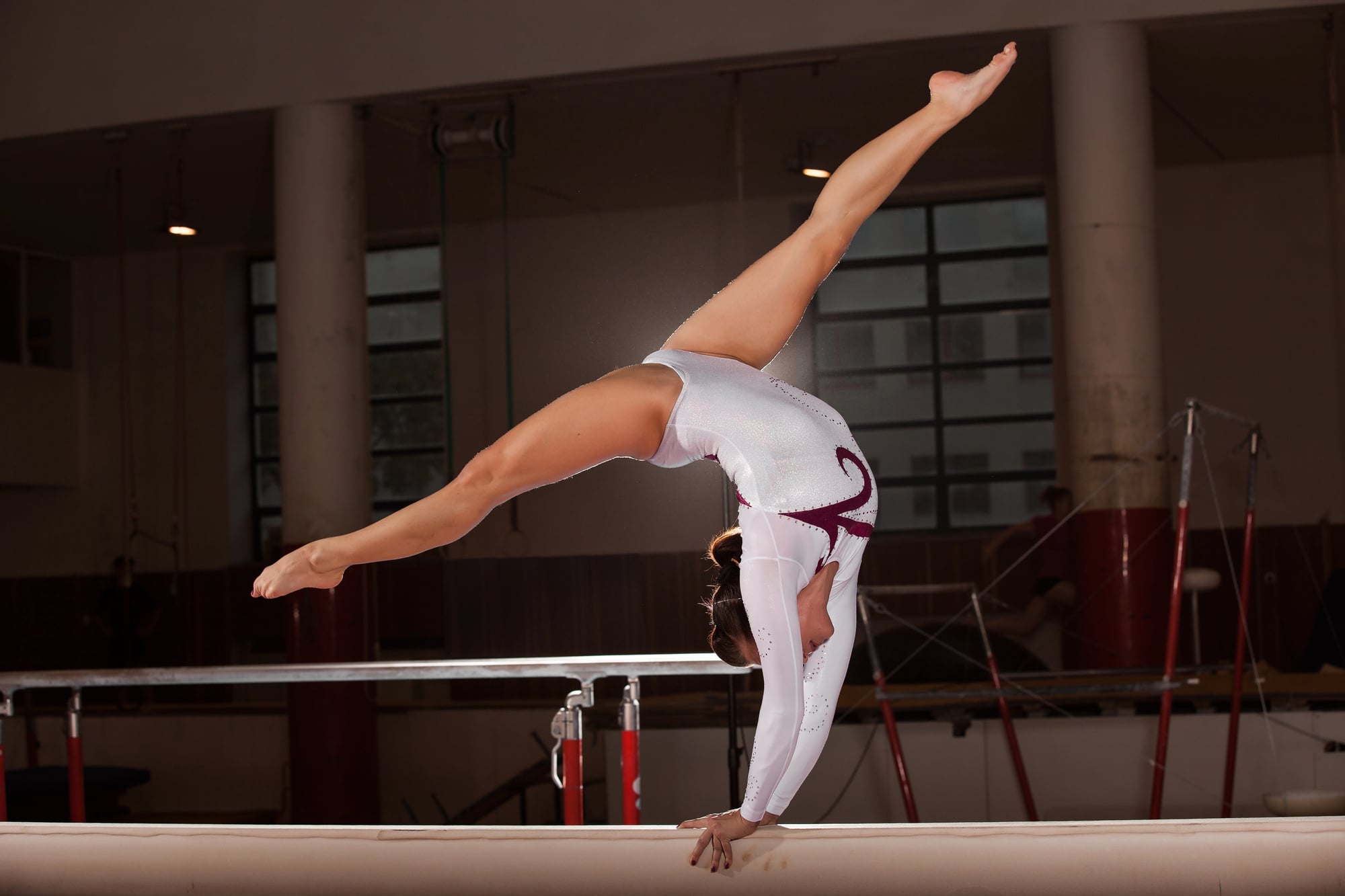
Recreational gymnastics classes are manageable. Elite gymnastics is a different financial universe.
Training 20 to 30 hours per week at a top gym costs $15,000 to $25,000 annually. Travel to national and international competitions adds more.
Specialized coaching, choreography, and medical care all cost extra. Families often relocate to be near elite training centers.
Parents take second jobs to cover costs. The financial pressure contributes to the sport’s burnout rate.
Only a tiny percentage of gymnasts ever make it to college scholarships or the Olympics, but families invest massive amounts trying to get there.
Golf at Competitive Junior Levels

Public courses make recreational golf accessible, but competitive junior golf requires country club memberships, private coaching, travel to AJGA tournaments, and specialized equipment. Annual costs easily exceed $15,000 to $20,000 for serious players.
The sport’s culture and structure favor families with both money and flexibility. Equipment alone creates barriers.
Quality clubs cost thousands, and growing kids need new sets regularly. Tournament travel spans regions or the entire country.
Parents often take time off work to caddy. The sport has tried to expand access, but the reality is that most top junior players come from wealthy backgrounds.
Figure Skating

The sport looks graceful on TV. Behind the scenes, it’s financially brutal.
Ice time, coaching, choreography, music editing, costume design, skate maintenance, and competition fees add up to $25,000 to $50,000 per year for serious competitive skaters. That doesn’t include the years of group lessons and basic training that came before.
Coaches at elite levels charge $100 to $200 per hour, and skaters need multiple coaches for different aspects of their programs. The costs never let up.
You can’t take a year off without losing skills. The sport demands continuous investment with no guarantee of return, which is why so many talented skaters quit when their families can’t sustain the expense.
Show Jumping
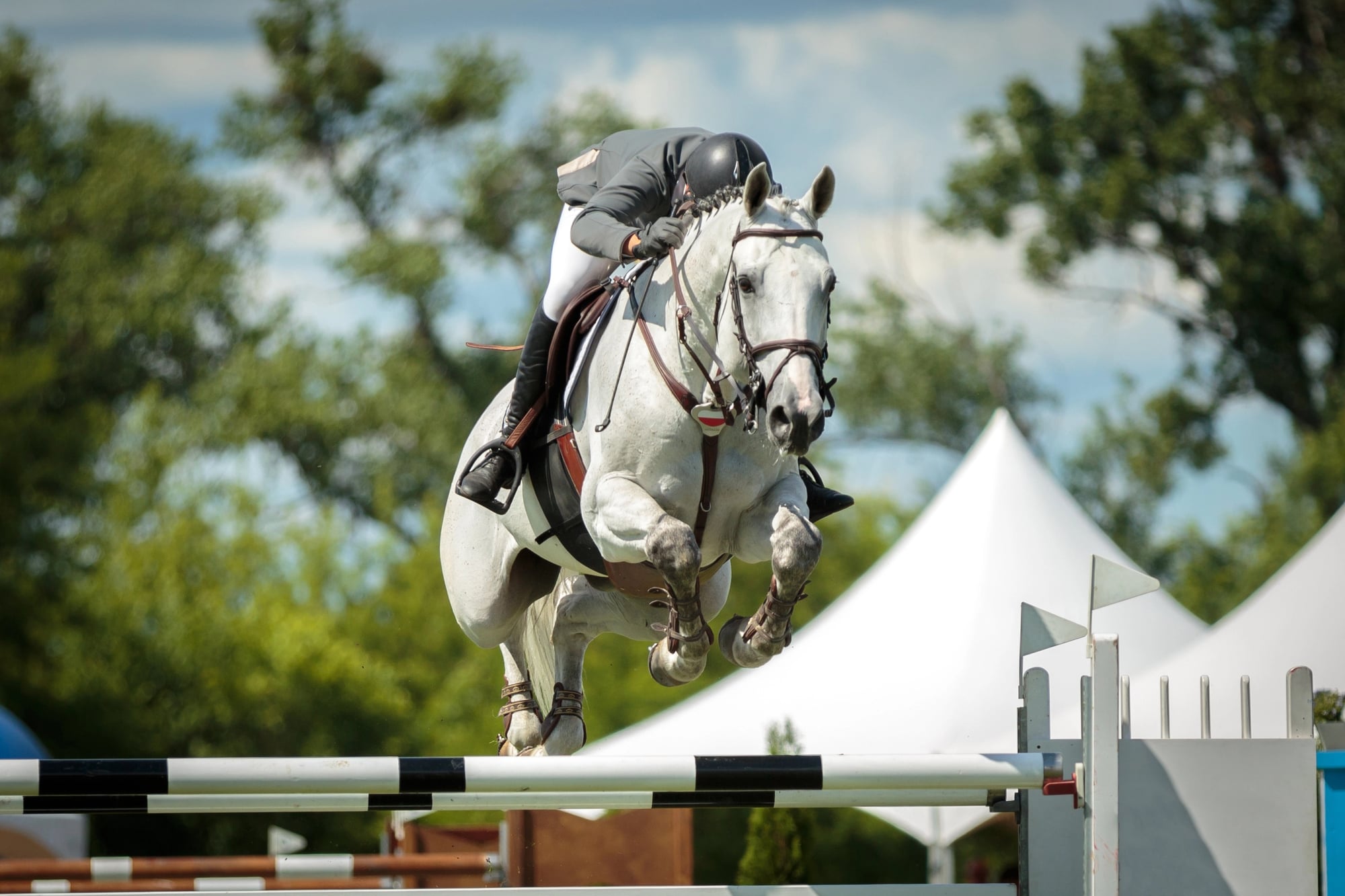
Showing off a horse’s jump takes cash – owning one is just the start. Still, pro-level animals go from fifty grand up past half a million bucks.
Top trainers? Big-time events?
Flying your horse overseas? All of it piles on expenses fast.
Year after year, you’re looking at five- or six-digit bills stacking high. The cost of the sport means only rich families can afford it.
Although sponsorships show up at elite stages, reaching those levels needs long-term money from parents. Because the prices are so high, people often call out the game for shutting out anyone who isn’t well-off.
The Real Cost of Dreams

Some games have something in common besides high cost. Not knowing if effort leads anywhere takes years of steady spending.
Parents bet on their child’s ability, often risking money they can’t spare for sports hopes. These activities aren’t truer or worth more than low-cost ones, yet price tags shut some out while pulling others in who can cover the steep starting charge.
More from Go2Tutors!

- The Romanov Crown Jewels and Their Tragic Fate
- 13 Historical Mysteries That Science Still Can’t Solve
- Famous Hoaxes That Fooled the World for Years
- 15 Child Stars with Tragic Adult Lives
- 16 Famous Jewelry Pieces in History
Like Go2Tutors’s content? Follow us on MSN.



