Iconic Landmarks That Were Once Meant to Be Temporary
Some of the world’s most celebrated landmarks exist purely by accident. What started as quick fixes, short-term solutions, or brief exhibitions somehow became permanent fixtures that define entire cities.
These structures were supposed to disappear after a few months or years, yet they’ve outlasted the empires that built them.
The irony runs deeper than simple oversight. Many of these “temporary” landmarks are now more famous than the permanent buildings they were meant to complement.
They’ve become symbols of human ingenuity, artistic vision, and the stubborn way great ideas refuse to disappear on schedule.
The Eiffel Tower
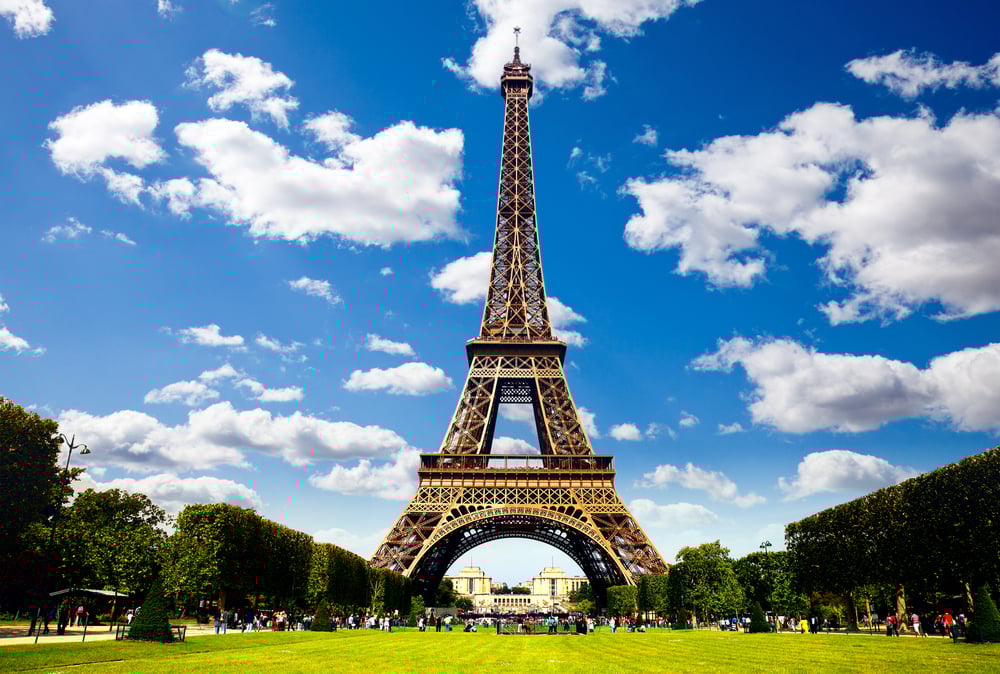
The Eiffel Tower was scheduled for demolition in 1909. Built for the 1889 World’s Fair, it was meant to stand for exactly 20 years before being torn down and sold for scrap metal.
The city considered it an eyesore.
Gustave Eiffel saved his creation by proving it had value as a radio transmission tower. Smart move.
The structure that Parisians once called a “metal asparagus” now attracts seven million visitors annually and generates over a billion dollars in tourism revenue.
The London Eye
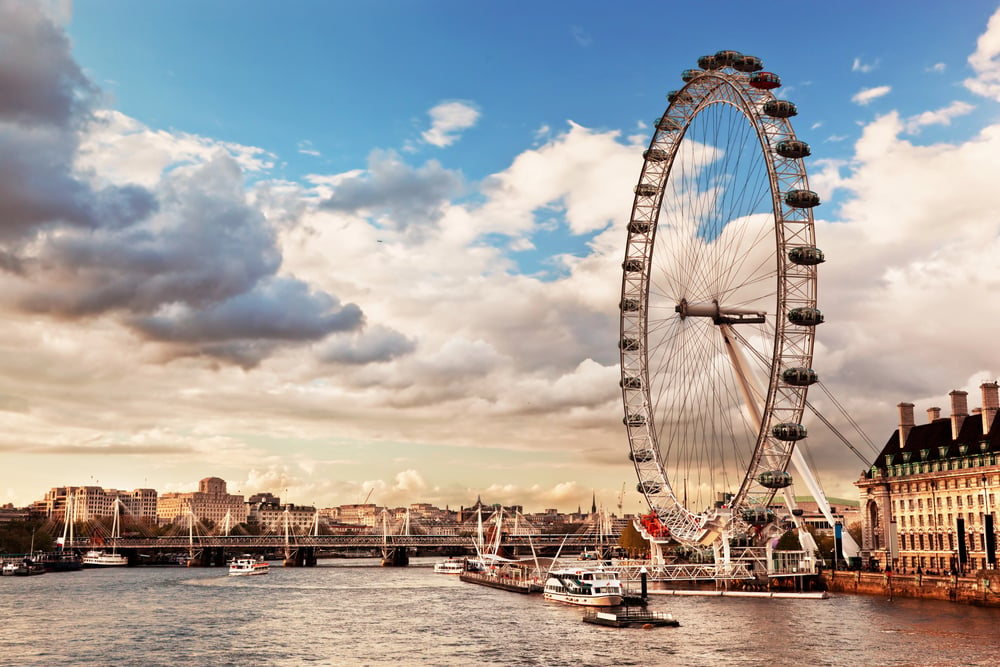
The London Eye was supposed to spin for five years and disappear by 2005. Planning permission came with a strict expiration date, and the massive Ferris wheel was meant to celebrate the millennium before being dismantled and shipped elsewhere.
But the Eye (originally called the Millennium Wheel, though that name felt clunky from the start) became London’s most popular paid tourist attraction faster than anyone anticipated. The city kept extending permits, and what was meant to be a brief celebration of the year 2000 is now approaching its 25th birthday.
So much for temporary.
The Hollywood Sign

Hollywood’s famous sign originally read “HOLLYWOODLAND” and was built in 1923 to advertise a luxury housing development in the hills above Los Angeles. The developers planned to leave it up for 18 months—just long enough to sell all the lots and move on to the next project.
The sign stayed because it became useful in ways nobody expected (radio beacon, landmark for pilots, tourist magnet), and by the time the real estate company went bankrupt in the 1940s, the deteriorating letters had become iconic enough that the city felt obligated to maintain them. And yet the whole thing nearly fell apart anyway—the “H” toppled over in the 1970s, and the entire structure was rebuilt with donated money from celebrities who couldn’t bear to see it disappear.
Even temporary advertising, it turns out, can become sacred.
The Space Needle
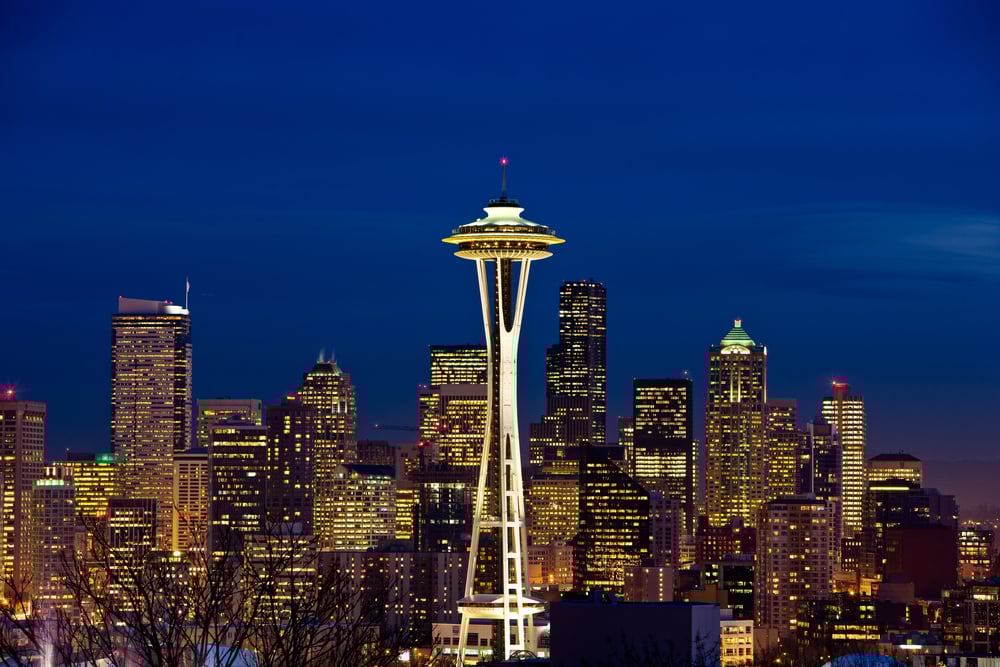
Seattle’s Space Needle stands like a confident lie about the future—all swooping curves and optimistic angles, as if we really were going to live in flying cars and glass bubbles by now. It was built for the 1962 World’s Fair with the understanding that most fair structures get demolished when the crowds go home.
The Needle survived because it managed to become Seattle’s visual signature before anyone realized what was happening. There’s something about its proportions that photographs well, something about its height that catches the right light at sunset.
The city that built it as a six-month novelty discovered they’d accidentally created their most recognizable landmark.
The Atomium

Belgium built the Atomium for the 1958 World’s Fair as a celebration of atomic energy and scientific progress. The giant steel structure, representing an iron crystal magnified 165 billion times, was meant to be dismantled after the fair ended.
The problem with the Atomium is that it’s genuinely weird and therefore memorable. Brussels discovered that tourists actually enjoyed visiting a building shaped like a molecule, and the structure became a symbol of the city despite—or perhaps because of—its complete absurdity.
Sometimes temporary architecture works precisely because it’s too strange to take seriously as permanent.
Big Ben’s Clock Tower

The clock tower that houses Big Ben (technically, Big Ben is just the bell, but everyone calls the whole tower by that name) wasn’t meant to be permanent when construction began in 1843. The original plan called for a temporary wooden tower while Parliament decided what they actually wanted.
But the architect, Augustus Pugin, designed something so dramatically Gothic and satisfying that Parliament kept extending the construction timeline and budget until they’d built something magnificent instead of something merely functional. The tower that was supposed to be a placeholder became the most recognizable symbol of London—which is saying something in a city full of iconic architecture.
And the famous clock faces weren’t even part of the original temporary design.
The Statue of Liberty’s Pedestal
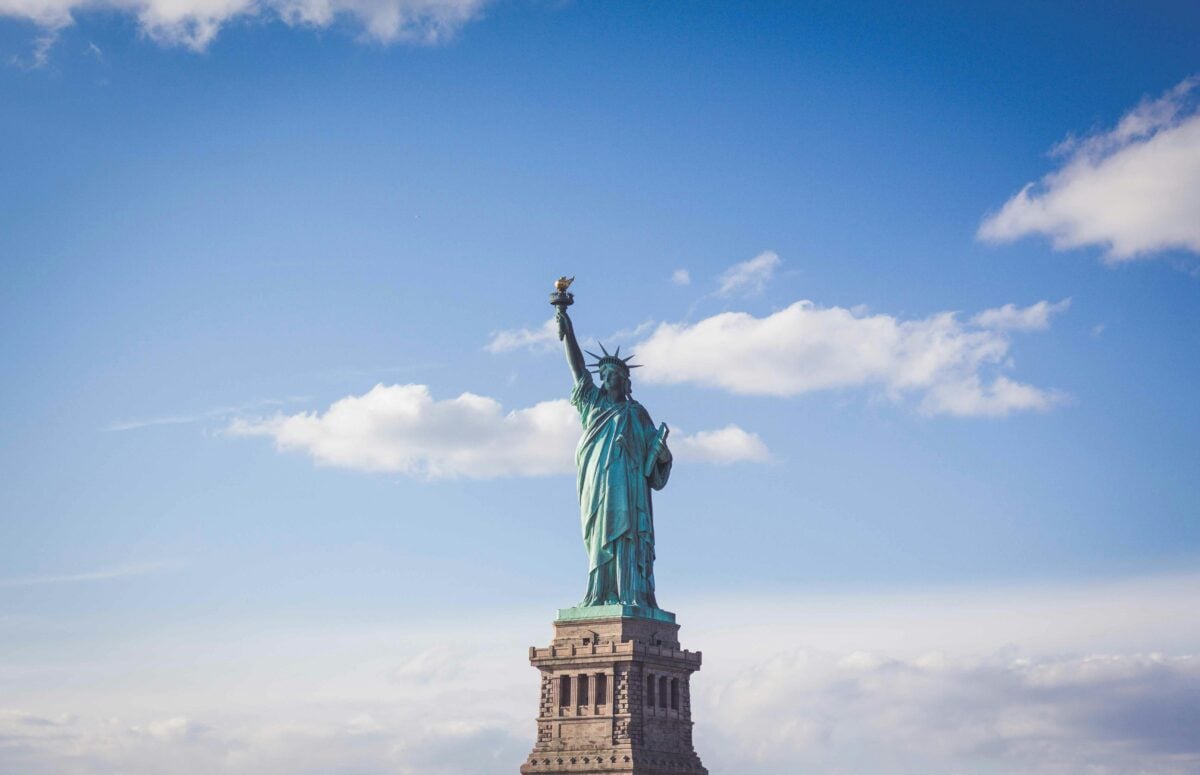
France gifted the Statue of Liberty to America in 1886, but the United States was responsible for building the pedestal. The American committee ran out of money and constructed what they called a “temporary foundation” while they figured out how to fund the proper base.
That temporary foundation, built of concrete and granite blocks in a somewhat haphazard fashion, is still holding up the statue today. The fundraising campaign led by newspaper publisher Joseph Pulitzer eventually raised enough money, but by then the temporary pedestal was working fine and changing it seemed like unnecessary risk and expense.
Liberty stands on a foundation that was never meant to last more than a few years.
The Centre Pompidou
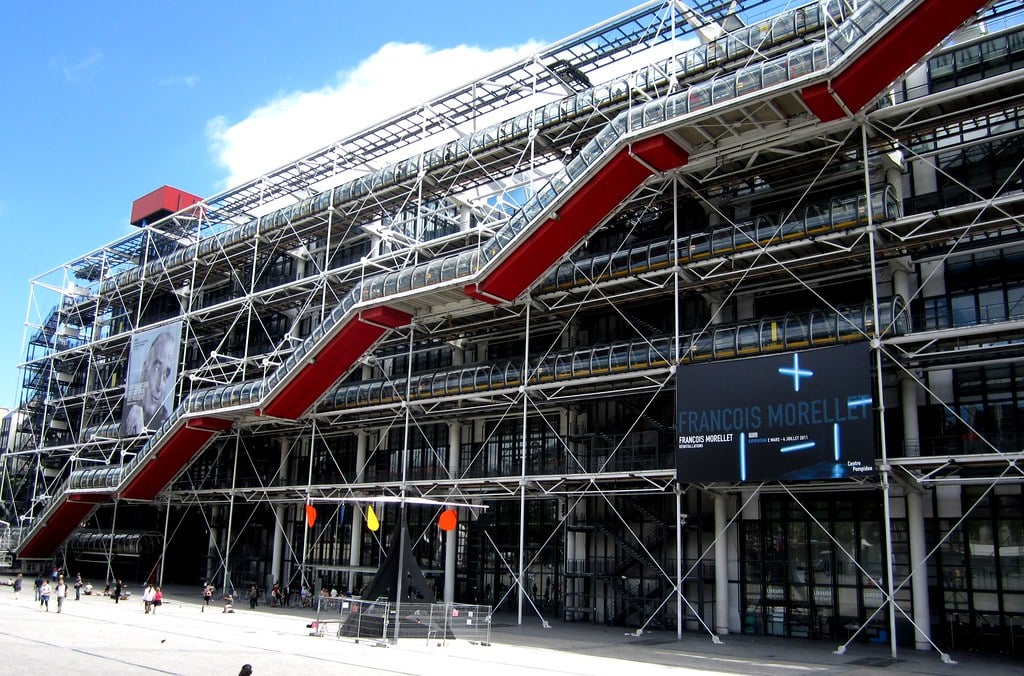
The Centre Pompidou in Paris was designed with a radical concept: all the building’s mechanical systems (heating, plumbing, electrical) would be placed on the exterior in brightly colored tubes, leaving the interior completely flexible. This wasn’t meant to be a permanent architectural statement—it was a practical solution for a building that needed to be reconfigured constantly.
The architects figured the external systems could be easily replaced or upgraded as technology changed, making the building essentially temporary in its specifics even if the structure itself was permanent. So the building is a kind of planned obsolescence that accidentally became one of the most influential architectural designs of the 20th century.
The temporary solution became the permanent aesthetic.
The Gateway Arch
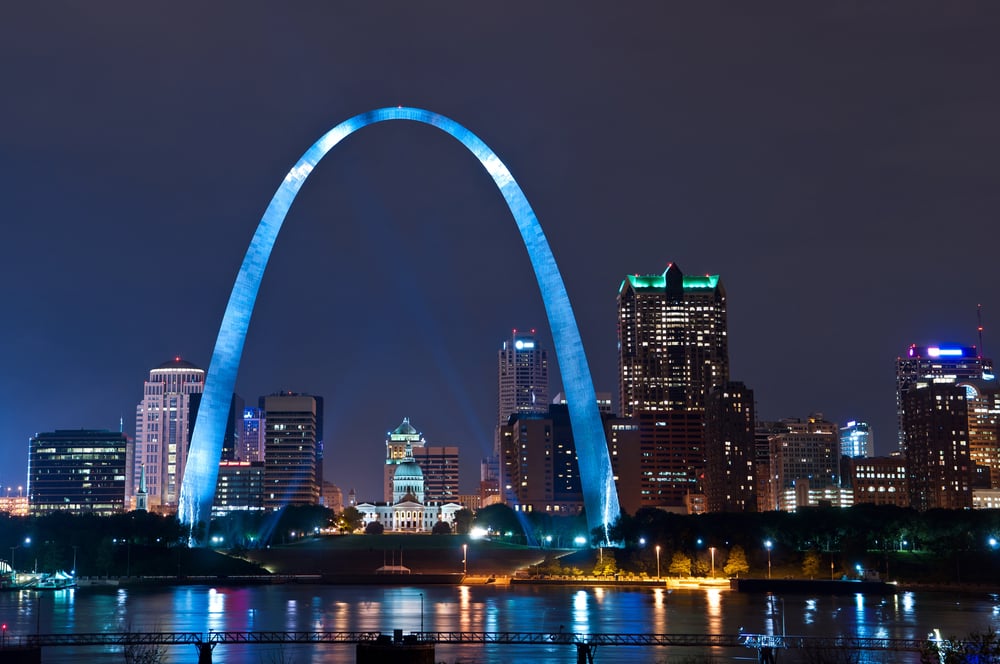
St. Louis conceived the Gateway Arch as a permanent memorial to commemorate the westward expansion of the United States and Thomas Jefferson’s vision. Initiated in 1933, the project proceeded through design competition and federal authorization, with the arch constructed between 1963 and 1965 as an intentional, lasting symbol of the city and nation—not a temporary exhibition that unexpectedly outlived its original purpose.
The arch survived by default. Turns out that once you build the tallest man-made monument in the Western Hemisphere, people expect it to stick around.
The structure that was meant to commemorate historical expansion became a symbol of the city itself, and removing it would have felt like civic vandalism.
The Sydney Harbour Bridge’s Approach Spans
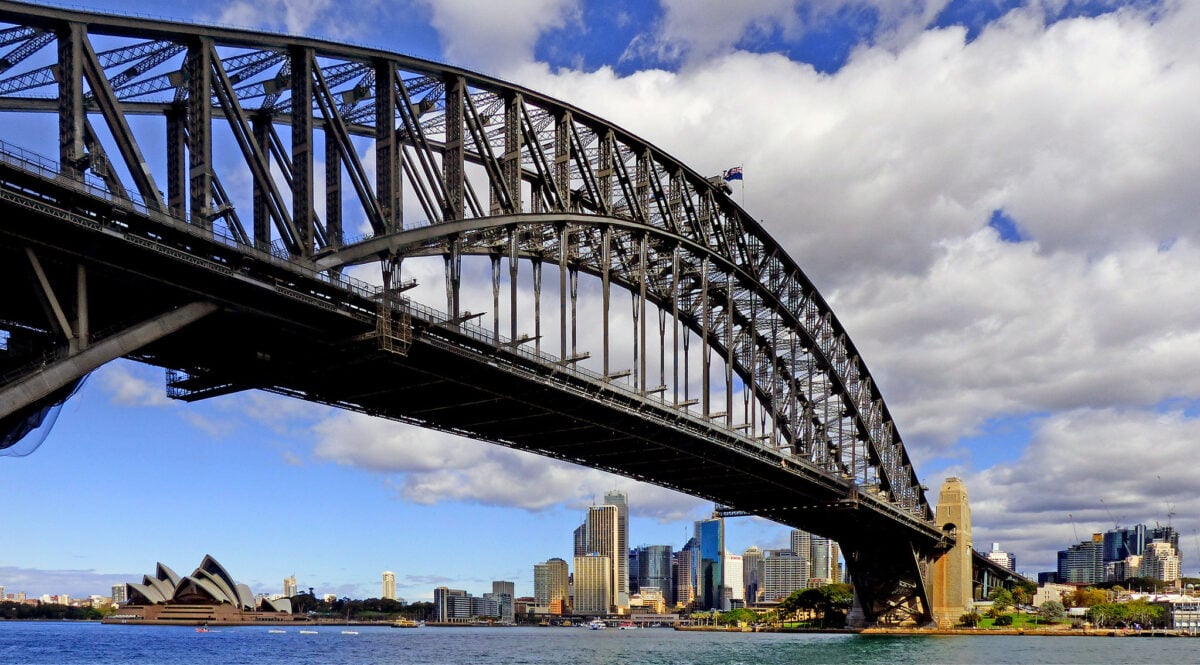
The main span of Sydney Harbour Bridge was always meant to be permanent, but the approach spans on both sides were temporary structures built to help with construction. The plan called for replacing them with more elegant stonework once the main bridge was complete.
The approach spans never got replaced because they worked perfectly and looked better than anyone expected. The temporary steel structures complemented the main bridge so well that changing them seemed pointless.
Sometimes temporary architecture succeeds by accident—when function and form align in ways that nobody anticipated during the planning phase.
The Washington Monument’s Temporary Cap
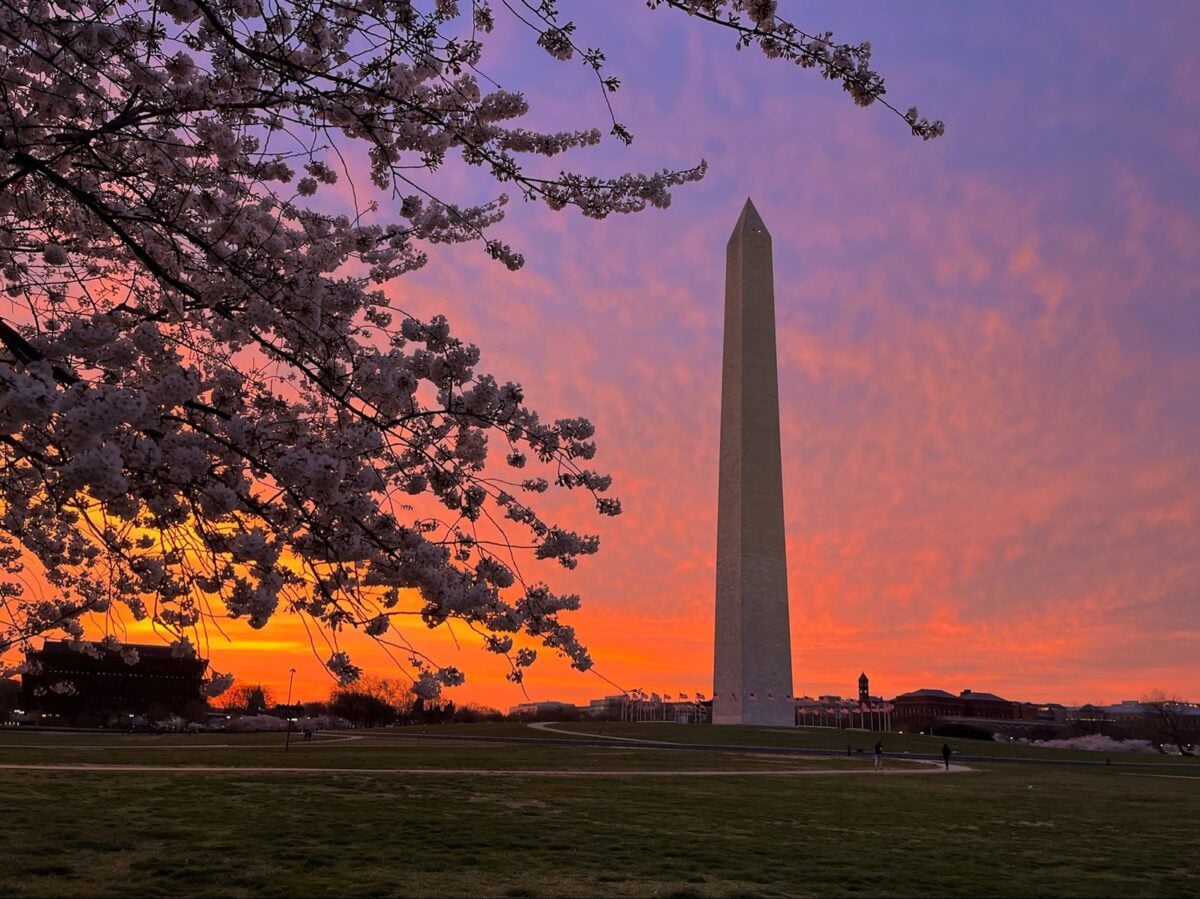
The Washington Monument was supposed to be topped with a elaborate sculptural crown featuring George Washington in a chariot. Construction delays and budget problems forced the builders to install a simple aluminum cap as a temporary measure while they figured out how to fund and build the intended finale.
That temporary cap, installed in 1884, is still there. The simple pyramid turned out to be more visually effective than the planned sculpture would have been—cleaner lines, better proportions, more dignity.
The monument that was meant to be ornate became iconic because of its restraint.
The Leaning Tower of Pisa’s Tilt

The Leaning Tower of Pisa started tilting during construction in the 12th century due to soft ground and poor foundation work. The builders installed temporary supports and kept adding floors, figuring they’d fix the tilt problem later with some kind of engineering solution.
They never fixed it. The temporary supports became permanent, and the tilt that was meant to be corrected became the tower’s most famous feature.
The engineering failure that everyone planned to solve eventually became the main reason people visit Pisa. The temporary problem became the permanent attraction.
Mount Rushmore’s Unfinished Details
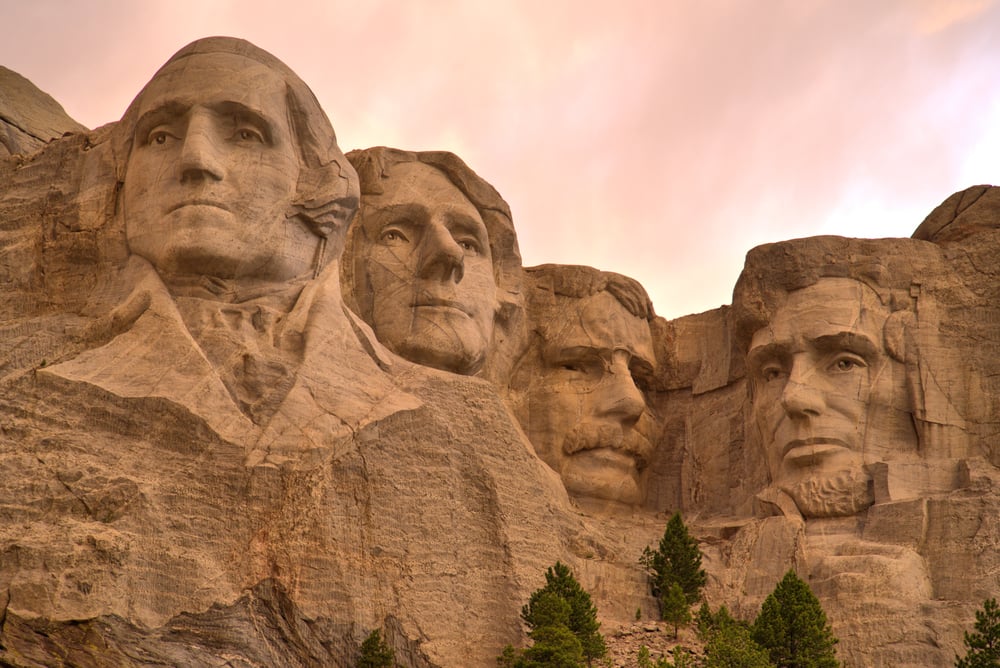
Mount Rushmore was supposed to show the presidents from head to waist, with intricate details like clothing, hands, and historical documents carved into the rock. Sculptor Gutzon Borglum created the four faces as temporary markers to establish scale and proportion while he worked on funding for the full vision.
Borglum died in 1941, and his son briefly continued the work before Congress cut funding and declared the monument complete. The temporary faces became the permanent monument—which turned out to be exactly right.
The simplified composition is more powerful than the planned elaborate version would have been.
When Temporary Becomes Timeless
These landmarks share a peculiar kind of honesty. They exist because someone needed to solve an immediate problem or celebrate a specific moment, without the burden of creating something eternal.
That freedom from permanence, paradoxically, often produces the most lasting results.
The best temporary structures succeed because they’re built for human needs rather than historical legacy. They work first and impress second—which might be the secret to creating something people actually want to keep around long after the original reason disappears.
More from Go2Tutors!

- The Romanov Crown Jewels and Their Tragic Fate
- 13 Historical Mysteries That Science Still Can’t Solve
- Famous Hoaxes That Fooled the World for Years
- 15 Child Stars with Tragic Adult Lives
- 16 Famous Jewelry Pieces in History
Like Go2Tutors’s content? Follow us on MSN.