Smallest Gadgets From The 90s That Changed Tech
The 1990s didn’t just give us grunge music and baggy jeans. Hidden inside that decade were tiny pieces of technology that would quietly reshape how humans interact with the digital world.
These weren’t the flashy desktop computers grabbing headlines — they were the small, overlooked gadgets that slipped into pockets and purses, then proceeded to change everything.
Most of these devices seemed almost trivial when they first appeared. A digital organizer here, a portable music player there.
But looking back, these compact innovations laid the groundwork for the smartphone revolution, wireless communication, and portable computing as we know it today.
Tamagotchi
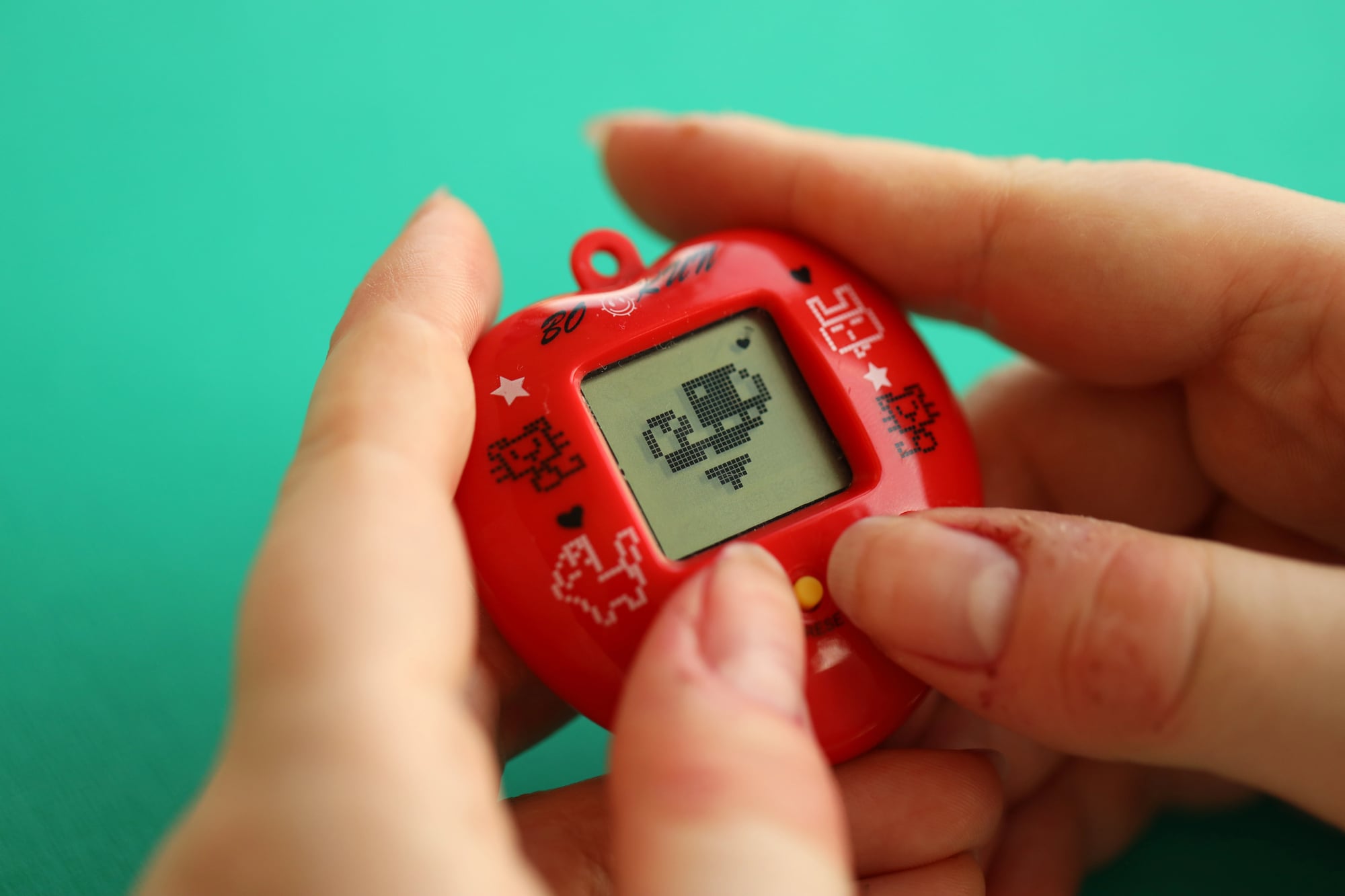
The Tamagotchi proved something nobody expected: people would obsess over caring for a creature that existed only as pixels on a tiny LCD screen.
Released in 1996, this egg-shaped device contained a simple virtual pet that demanded constant attention. Feed it, clean up after it, play with it — or watch it die from neglect.
The concept sounds absurd now, but millions of people carried these things everywhere, checking them during meetings and waking up at night to tend to their digital companions.
PalmPilot (by Palm Computing)
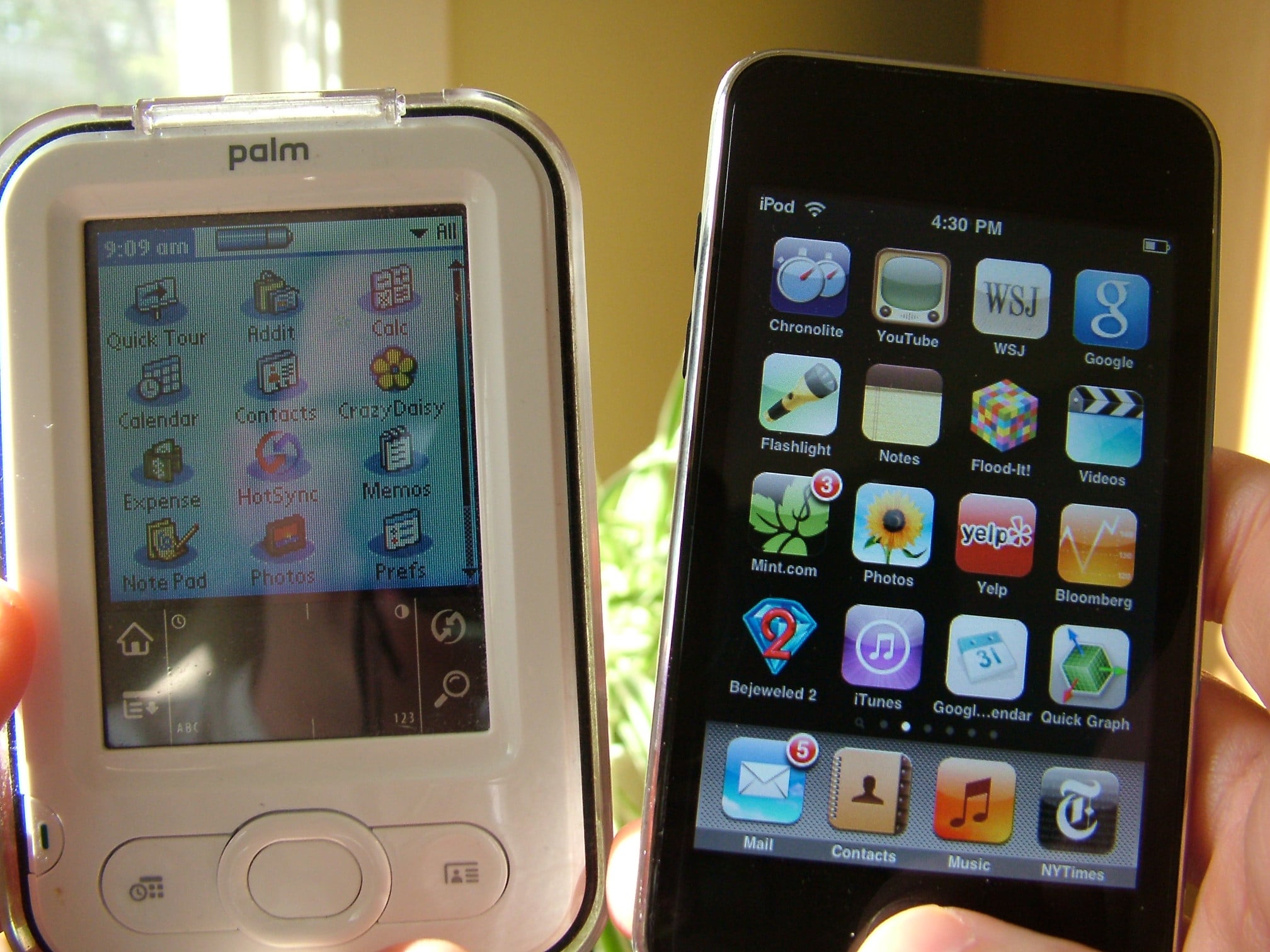
Personal digital assistants were supposed to be the future of portable computing, and for a brief moment, they actually were.
The PalmPilot (launched in 1996) fit in your hand and synchronized with your desktop computer — a revolutionary concept at the time.
You could store contacts, manage your calendar, and even take handwritten notes using a plastic stylus.
The Graffiti writing system forced you to learn a new alphabet, but once mastered, it felt like communicating directly with the machine.
Business professionals carried these religiously, creating the first generation of people who expected their data to follow them everywhere.
Motorola Pager
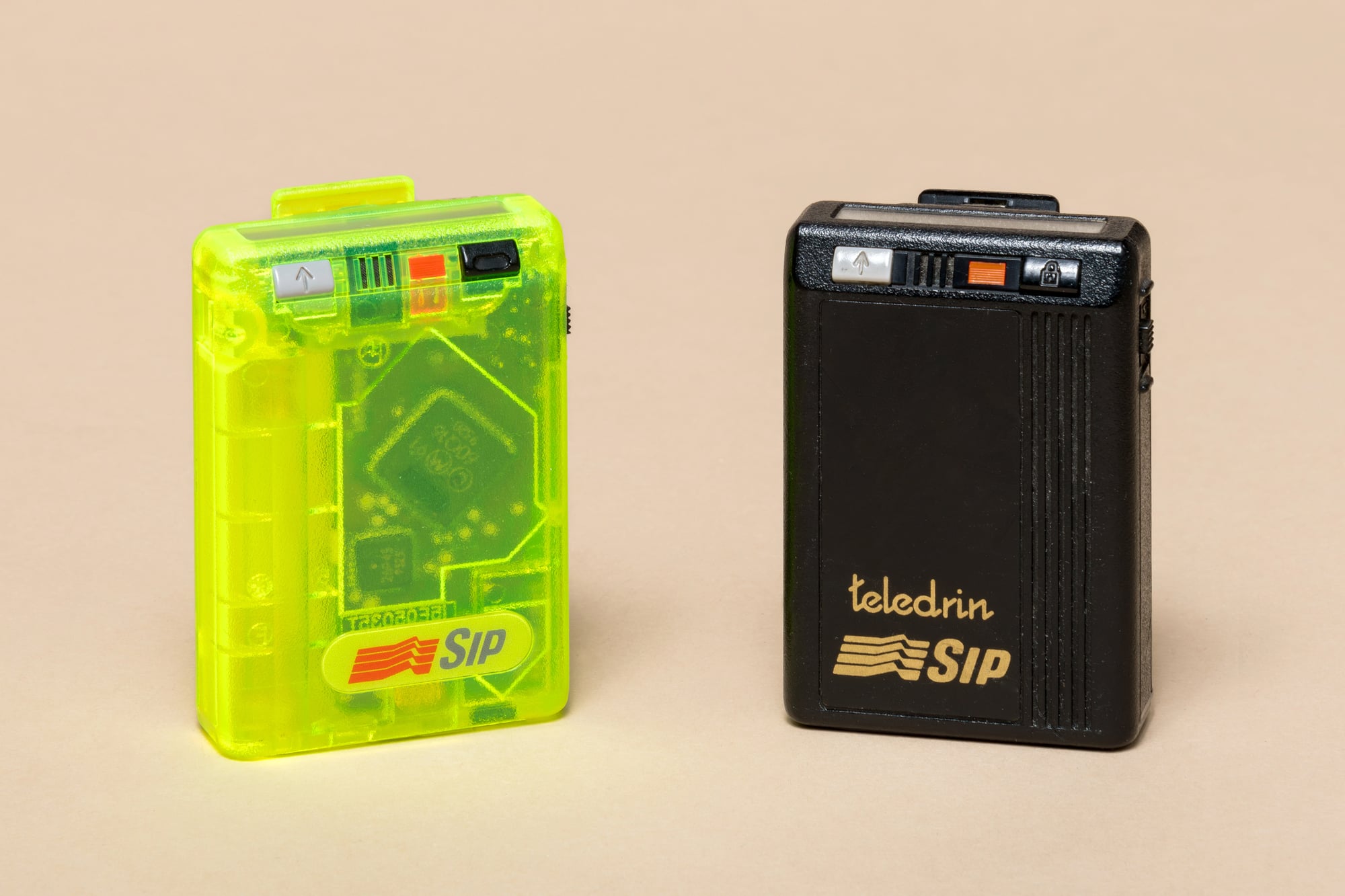
Before text messaging existed on phones, there were pagers — and they created the first culture of instant, portable communication that didn’t require finding a landline.
The technology itself was straightforward: a small device that beeped when someone wanted to reach you, displaying either a callback number or a brief message.
But the social impact was profound. Doctors, executives, and eventually teenagers developed an entirely new rhythm of staying connected.
You’d get a page, find the nearest payphone, and call back — a clunky dance that somehow felt revolutionary.
The constraint of limited characters (similar to early Twitter) forced a new kind of abbreviated communication that would later influence how we text today.
And the status symbol aspect wasn’t subtle. Wearing a pager meant you were important enough that people needed to reach you immediately — a concept that now seems quaint in our always-connected world, but was genuinely meaningful at the time.
Nintendo Game Boy
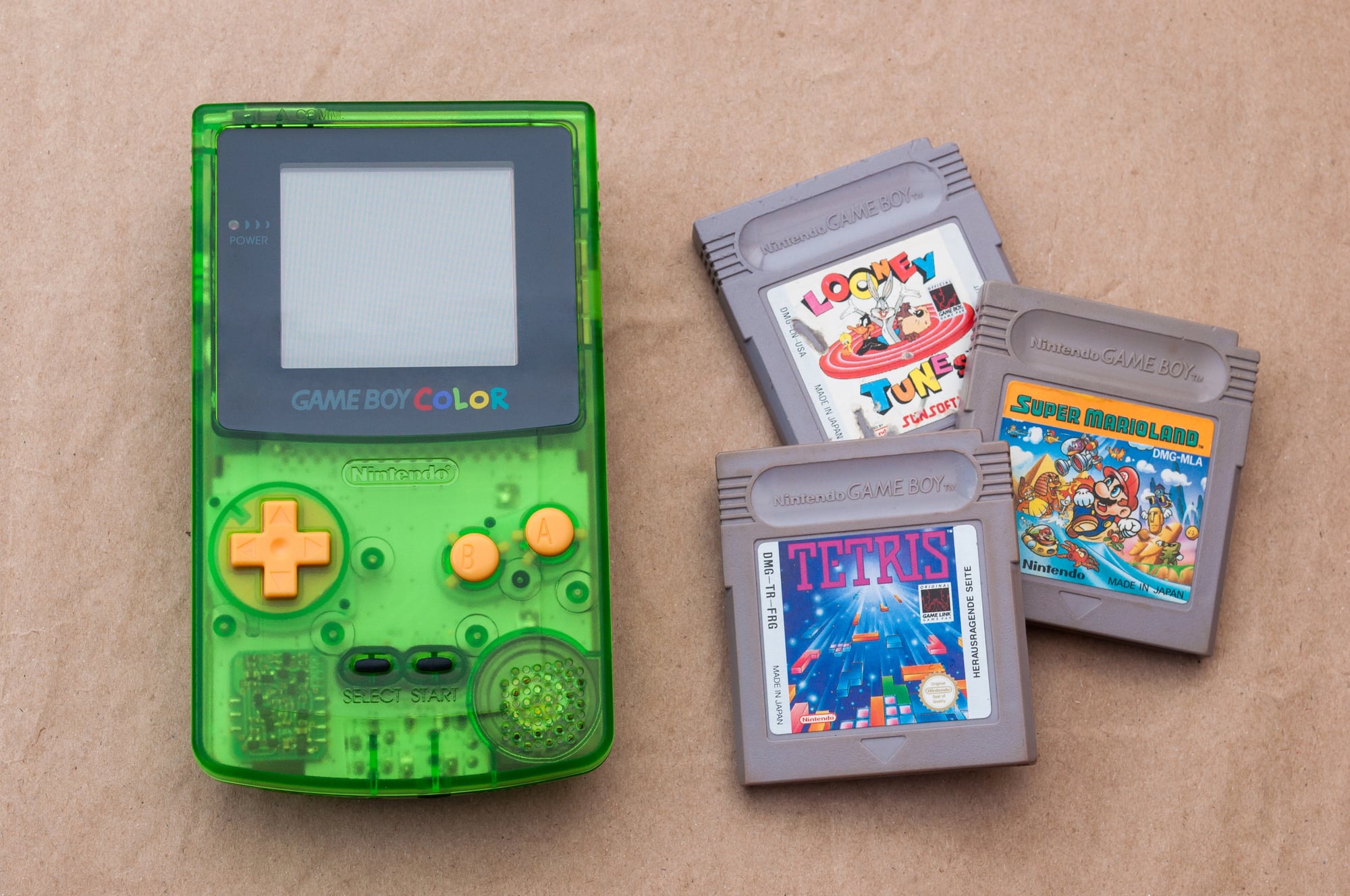
Portable gaming existed before the Game Boy, but nothing had successfully made video games truly pocket-sized and culturally unavoidable.
The Game Boy’s green-tinted LCD screen was primitive even by 1989 standards, but the device accomplished something more important than technical sophistication: it made gaming portable without compromise.
The battery life lasted for hours, the games were genuinely engaging, and the whole thing survived being dropped, forgotten in cars, and subjected to the general abuse that portable devices endure.
Tetris came bundled with most systems. That decision alone changed portable entertainment forever.
Casio Data Bank Watch
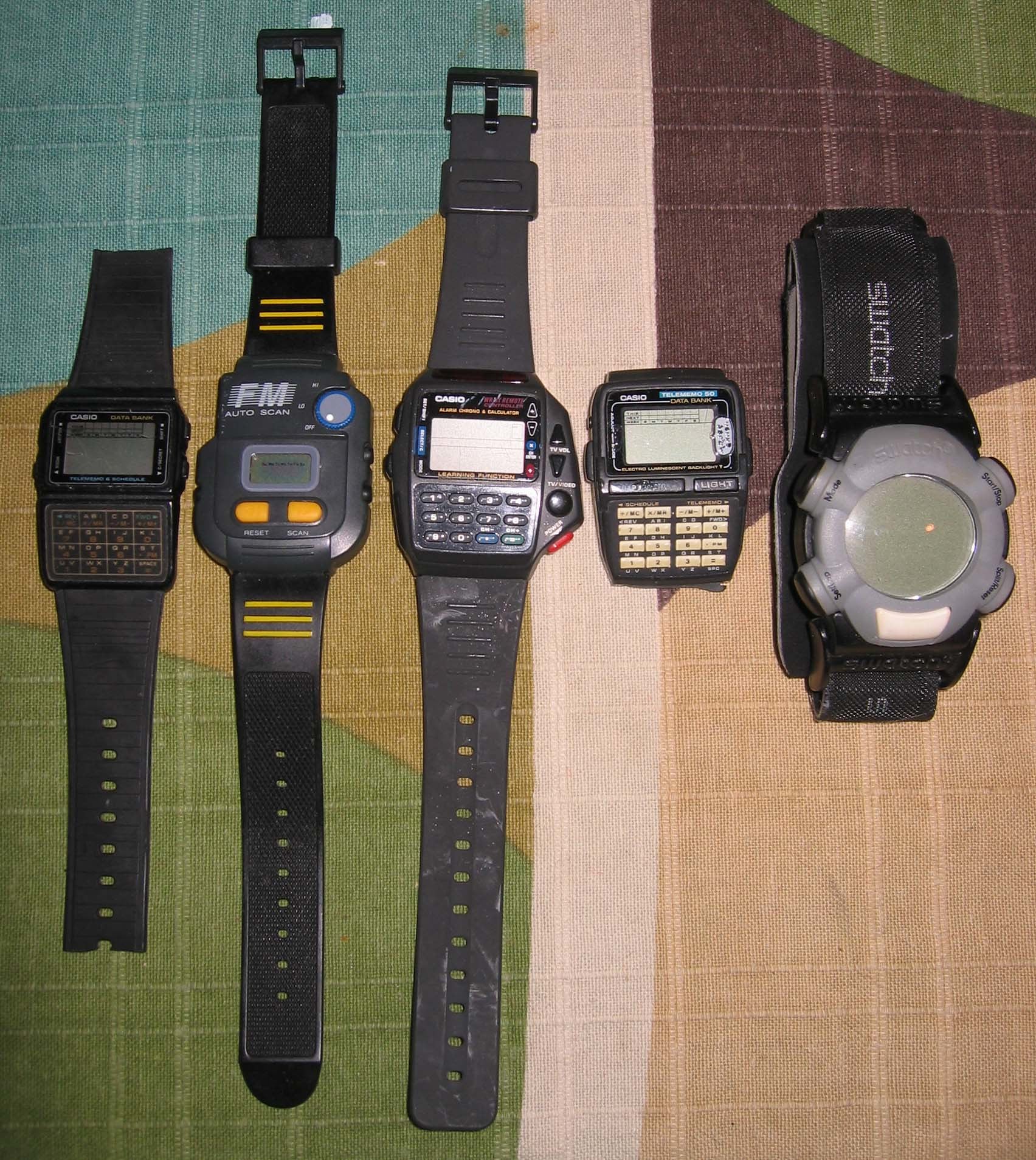
The Data Bank watch was essentially a tiny computer wrapped around your wrist, decades before anyone used the phrase “wearable technology.”
These watches stored phone numbers, displayed multiple time zones, and even functioned as calculators.
The interface was clunky — programming contacts required pressing tiny buttons in precise sequences — but the concept was revolutionary.
Information could live on your body, accessible without reaching for anything or opening any device.
The aesthetic was unmistakably nerdy: thick plastic bands, busy LCD displays, and enough buttons to confuse anyone borrowing it to check the time.
But beneath that awkward exterior was a glimpse of wearable computing that wouldn’t fully arrive until smartwatches appeared decades later.
Sony Discman
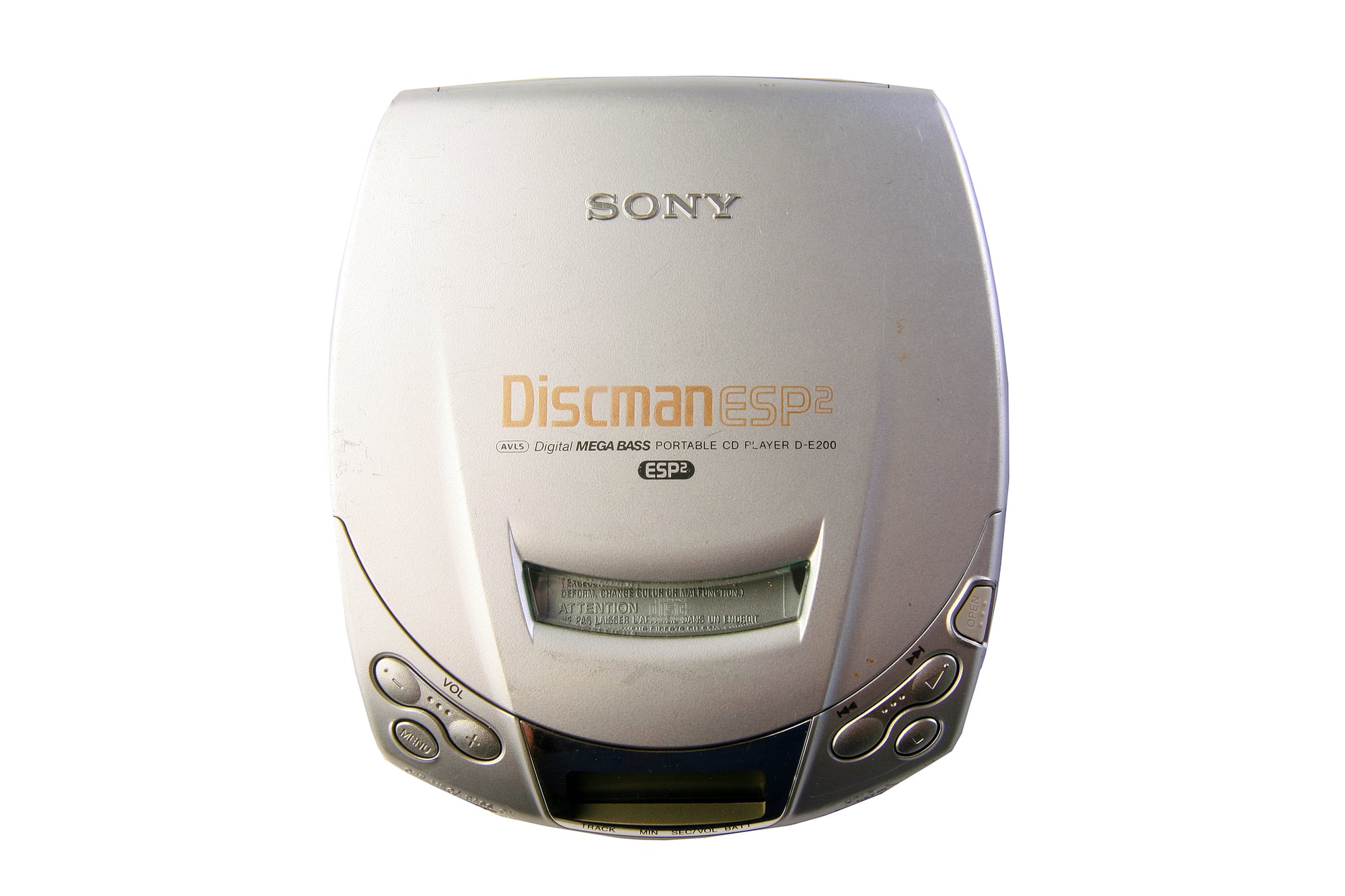
The Discman didn’t invent portable music, but it did perfect the idea of carrying your entire music collection in a bag slightly larger than the CDs themselves.
Sony’s portable CD player emerged in the late 80s and dominated the 90s by offering something the Walkman couldn’t: digital audio quality without the hassle of rewinding tapes.
The anti-skip technology improved throughout the decade, eventually allowing you to jog while listening to music without constant interruptions.
More importantly, the Discman established the expectation that music should follow you everywhere with perfect fidelity.
That expectation would later drive the development of MP3 players and, eventually, streaming music services.
The desire for portable, high-quality audio that the Discman created never went away — it just kept getting smaller and more convenient.
HP 48 Calculator
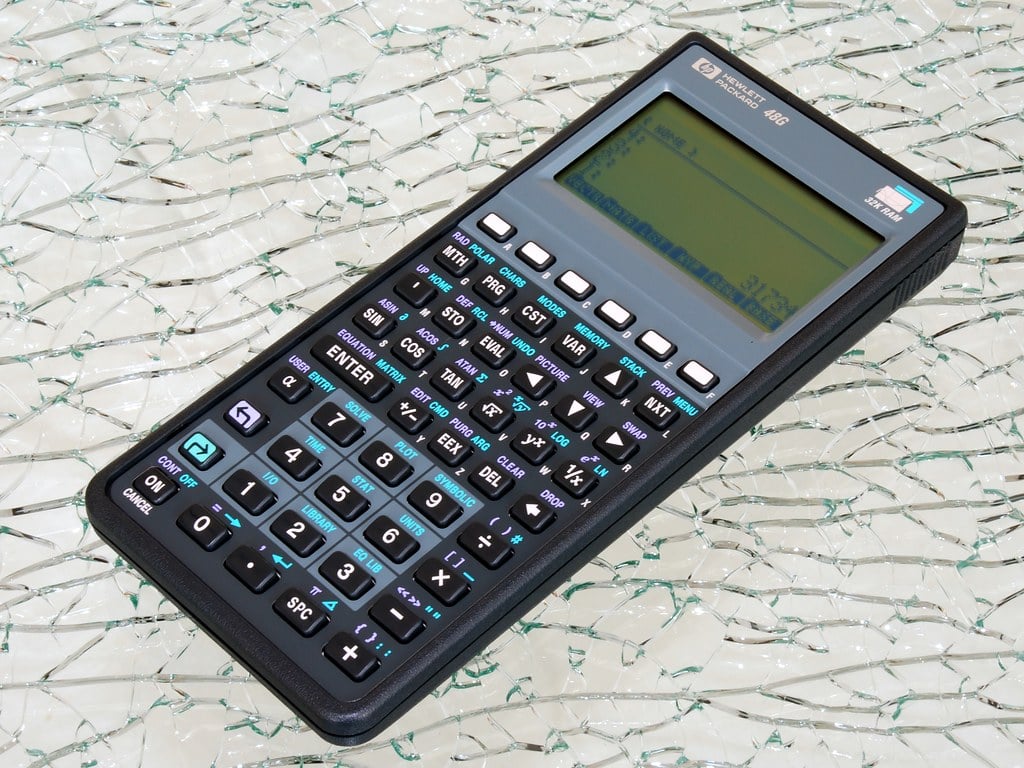
Calculators aren’t supposed to inspire devotion, but the HP 48 series created a genuine cult following among engineers, scientists, and math students.
This wasn’t just a calculator — it was a programmable computer that happened to be optimized for mathematical operations.
The reverse Polish notation input method confused newcomers but allowed experienced users to solve complex problems with remarkable efficiency.
The device could graph functions, solve equations, and run custom programs written in its built-in programming language.
The HP 48 proved that specialized, powerful computing could exist in a package small enough to carry to every math class and engineering meeting.
For many users, it was their first experience with a truly personal computer — one that understood their specific professional needs better than any desktop machine.
Motorola MicroTAC
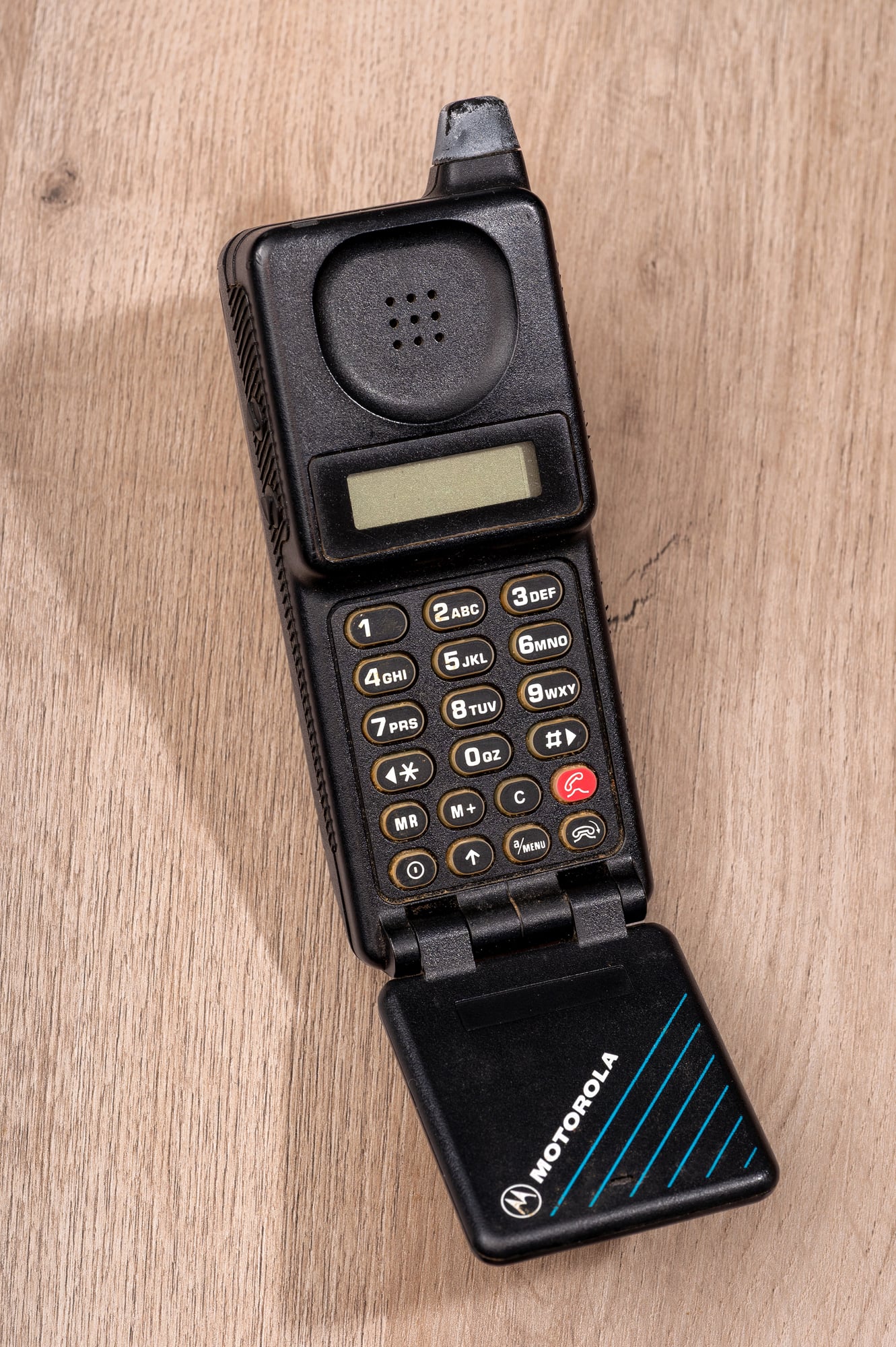
The MicroTAC was the first cell phone that didn’t look like you were carrying around radio equipment from a 1970s police procedural.
Released in 1989, the MicroTAC weighed less than a pound and actually fit in large pockets (sort of).
The extendable antenna became iconic, and the ability to make calls from anywhere with cellular coverage felt like science fiction.
The battery life was terrible, the call quality was inconsistent, and the monthly bills were astronomical, but none of that mattered — you could make phone calls while walking down the street.
The MicroTAC established cellular communication as something individuals could own, rather than a luxury reserved for businesses and wealthy early adopters.
Sharp Wizard Electronic Organizer
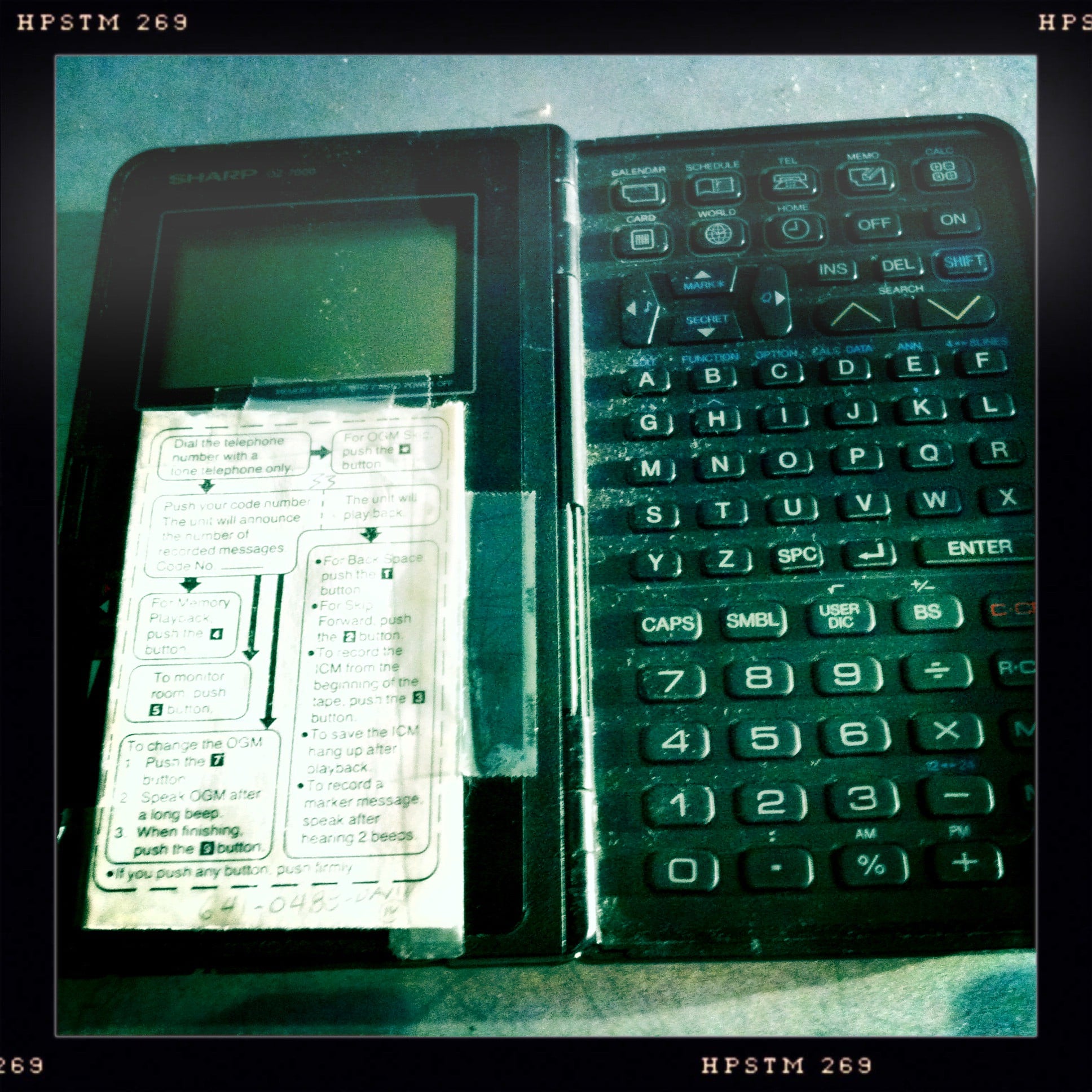
Before smartphones managed our schedules, the Sharp Wizard series created the first pocket-sized personal information managers that actually worked.
The Wizard devices featured fold-out keyboards and LCD screens that displayed contacts, appointments, and to-do lists.
The keyboard was tiny but functional, allowing for reasonably fast text entry once you adapted to the cramped layout.
Data could be backed up to a desktop computer, creating an early version of the cloud synchronization we now take for granted.
Different models offered various features — some included world clocks, currency converters, or even basic games.
But the core concept was revolutionary: comprehensive personal organization in a device smaller than most paperback books.
Apple Newton MessagePad
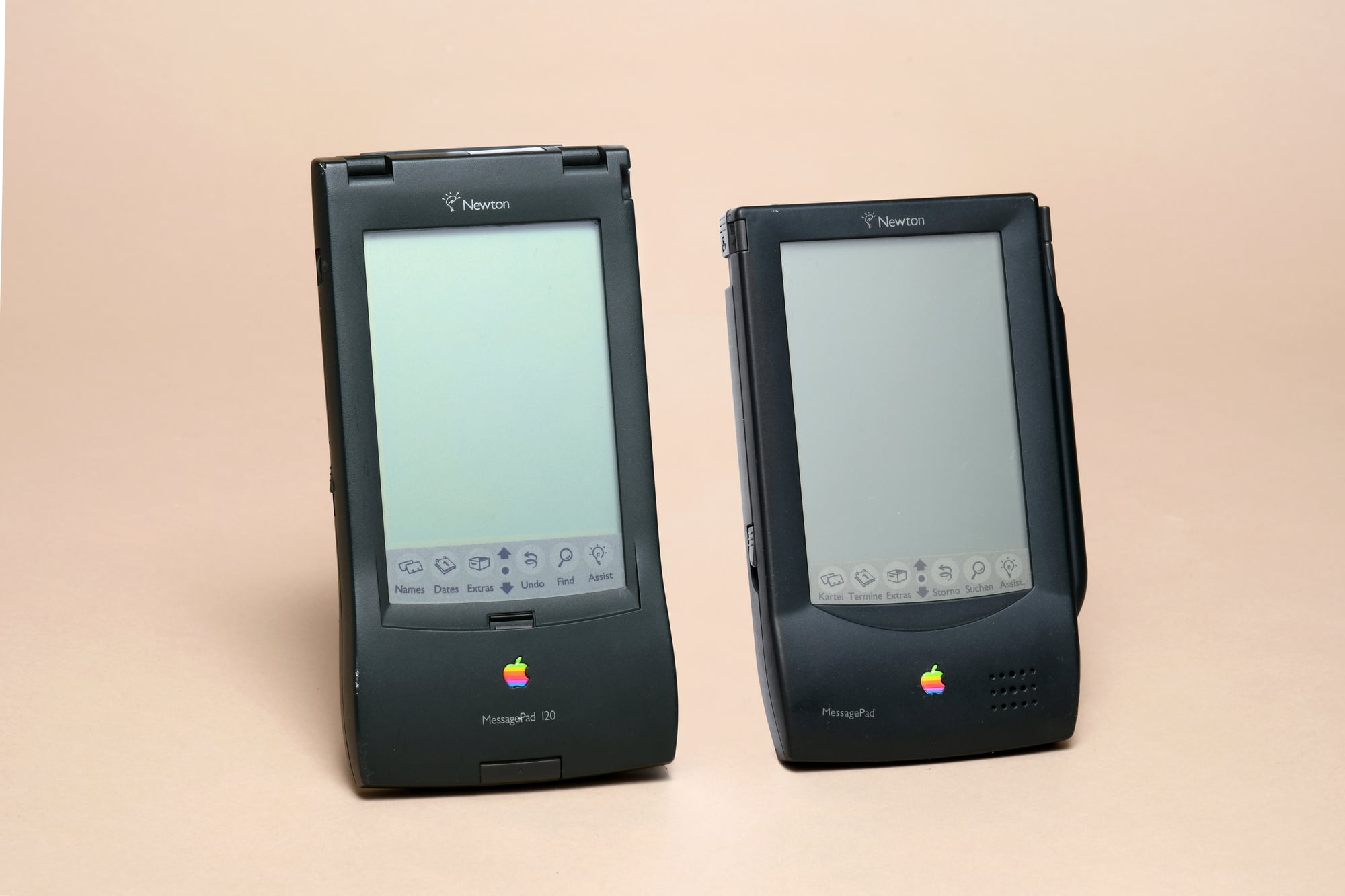
The Newton MessagePad was a commercial failure that accidentally invented tablet computing and handwriting recognition twenty years too early.
Apple’s 1993 device promised natural handwriting input, intelligent text recognition, and a computer interface designed around a stylus rather than a keyboard.
The handwriting recognition was famously unreliable, leading to widespread mockery and eventually cancellation of the entire product line.
But the Newton’s core ideas — a touch-sensitive screen, handwriting input, and a portable form factor focused on personal information management — would later become fundamental to both tablets and smartphones.
The Newton failed because the technology wasn’t ready, but its vision of computing was essentially correct.
Sega Game Gear
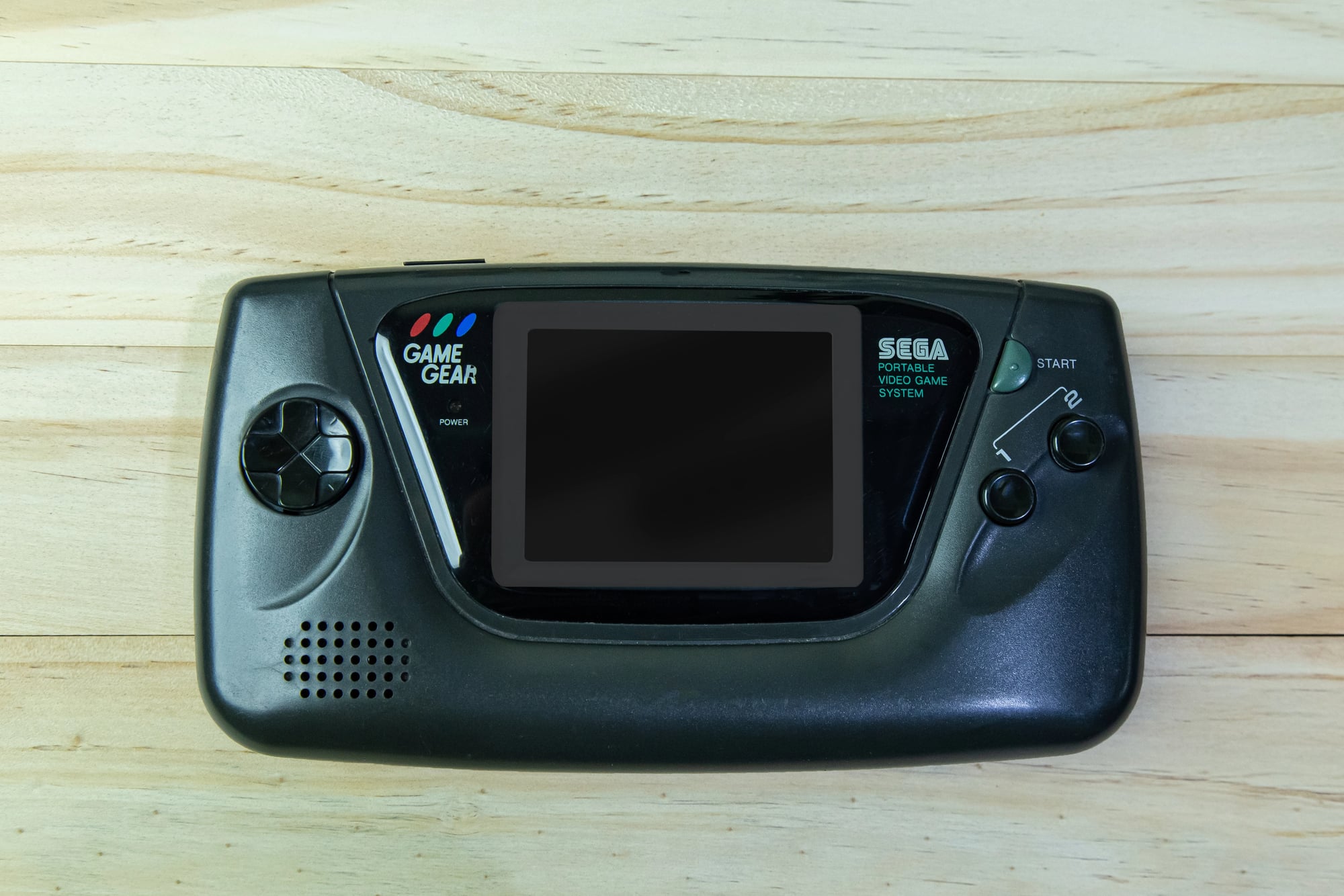
While Nintendo dominated portable gaming with the Game Boy, Sega’s Game Gear offered something revolutionary: full-color graphics in a truly portable gaming system.
The Game Gear’s backlit color screen was genuinely impressive, displaying graphics that were nearly identical to Sega’s home console games.
The device was significantly larger than the Game Boy and consumed batteries at an alarming rate, but the visual experience was undeniably superior.
The Game Gear demonstrated that portable devices didn’t have to accept significant compromises in display quality.
Its color screen technology and game library proved that handheld gaming could offer experiences nearly identical to home consoles — a concept that now seems obvious but was revolutionary in the early 1990s.
Sony MiniDisc Player

MiniDisc technology promised to combine the convenience of cassette tapes with the audio quality of compact discs, while adding the ability to record, edit, and re-record digital audio in a portable format.
The MiniDisc format used data compression and a small, durable disc format that could fit in a shirt pocket.
Players offered features that seemed impossible at the time: instant track access, digital recording, and the ability to edit recordings by moving, splitting, or combining tracks.
The shock resistance was exceptional — MiniDisc players could handle physical movement that would cause CD players to skip constantly.
Despite technical superiority, MiniDisc never achieved widespread adoption in the United States, largely due to Sony’s restrictive licensing and the emergence of MP3 technology.
But the format demonstrated possibilities for digital audio recording and editing that wouldn’t become commonplace until decades later.
Casio QV-11 Digital Camera
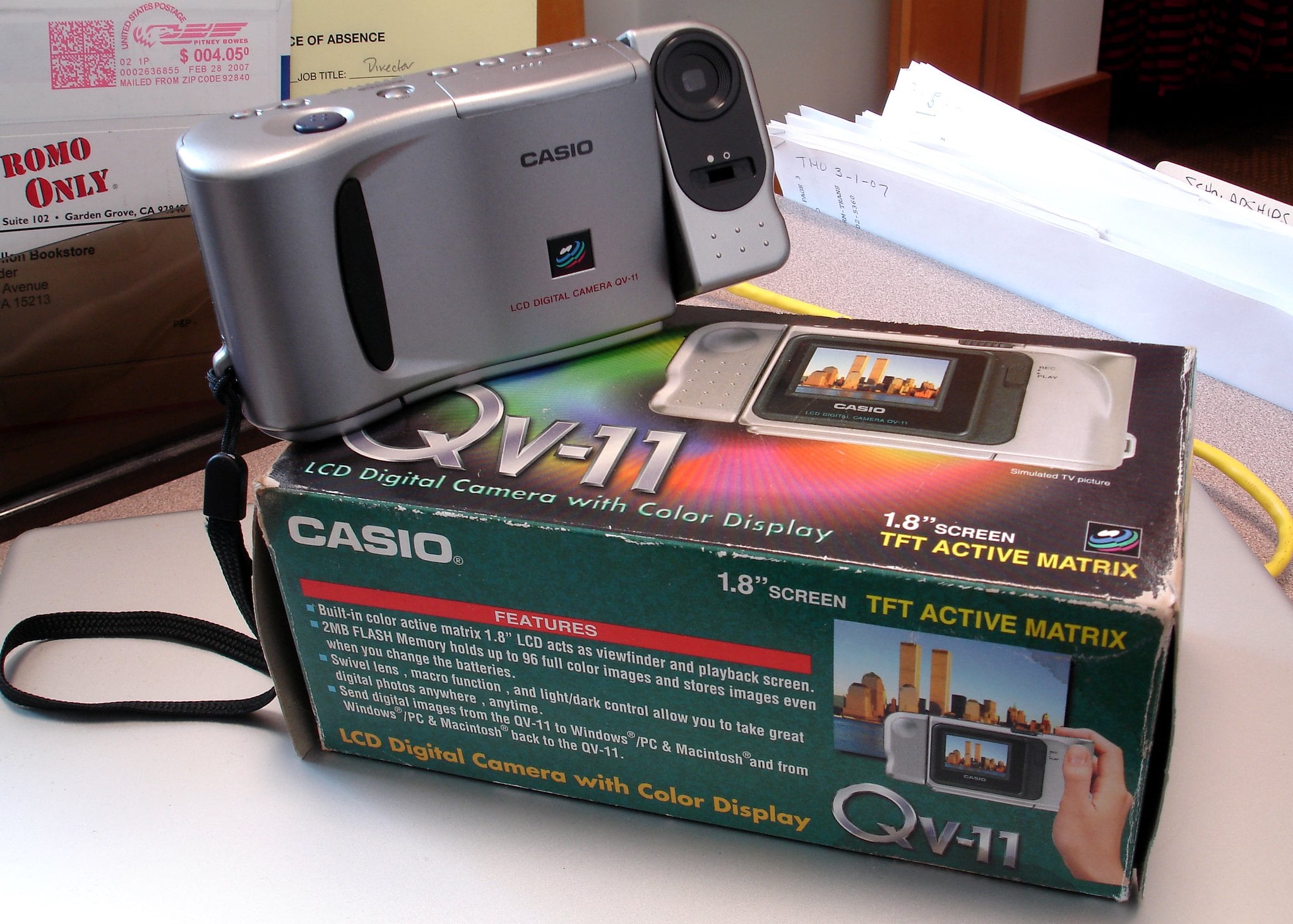
The Casio QV-11 was one of the first digital cameras designed for regular consumers rather than professional photographers, and it fundamentally changed how people think about taking pictures.
Released in 1995, the QV-11 captured images at a resolution that seems laughable today, but offered something revolutionary: instant feedback through a built-in LCD screen.
You could see the picture immediately after taking it, delete it if you didn’t like it, and retake it until you got the shot right.
No film costs, no developing delays, no uncertainty about whether the photo turned out well.
The image quality was poor by film standards, but the convenience was transformative.
The QV-11 and similar early digital cameras created the expectation that photography should be immediate, editable, and essentially free once you owned the device.
Timex Data Link Watch
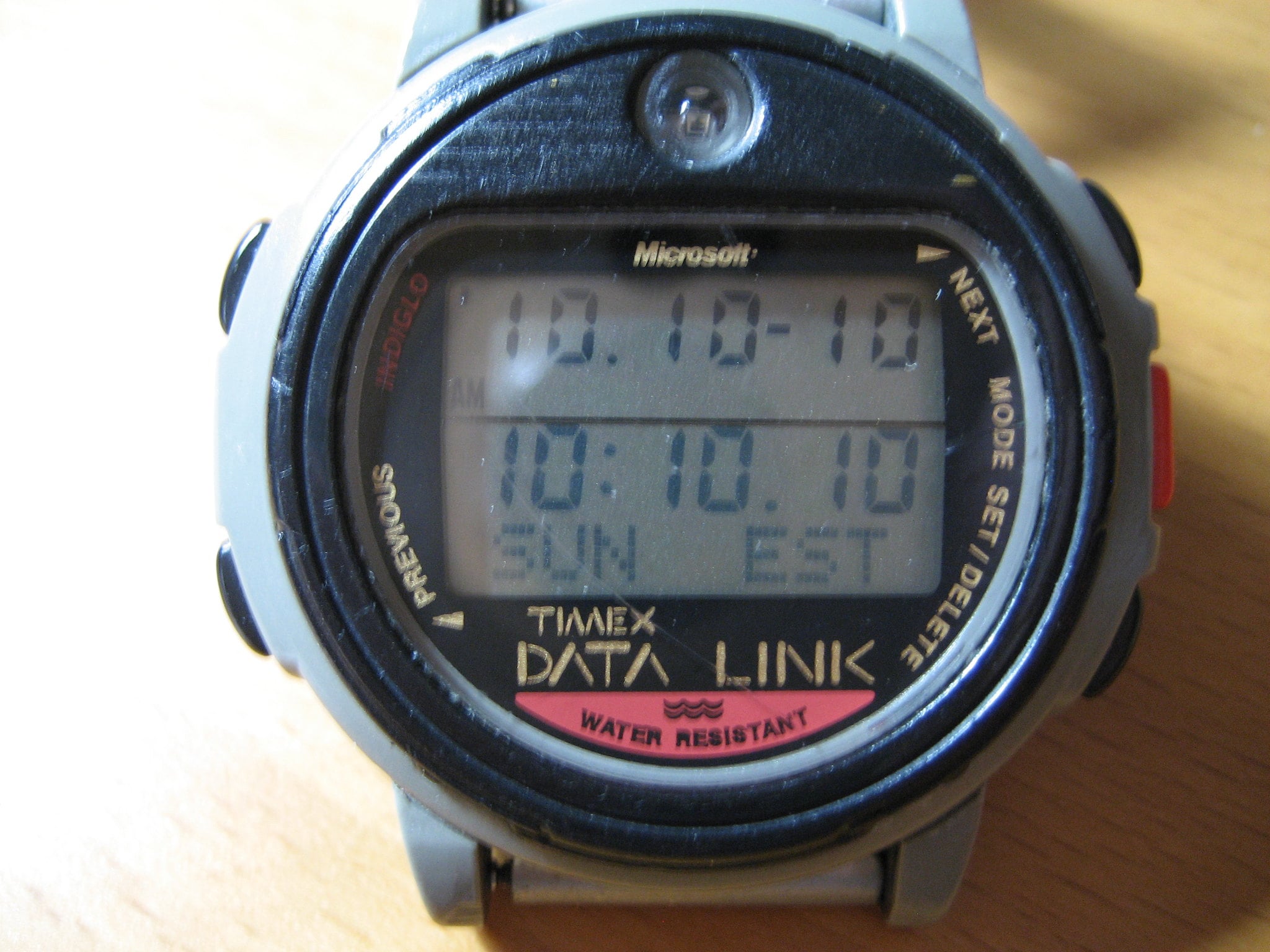
Microsoft and Timex created something genuinely futuristic with the Data Link watch: a timepiece that could receive data transmitted through your computer monitor’s flashing screen.
The setup process was wonderfully bizarre — you’d run software on your computer that would cause the monitor to flash patterns of light at the watch, which would receive and decode the information through a tiny optical sensor.
The watch could store appointments, phone numbers, and other personal data synchronized from your desktop computer.
The Data Link watch was clunky and the data transfer method was slow, but it represented the first successful attempt at wireless data synchronization between a personal computer and a wearable device.
The concept of having your computer’s information automatically available on your body was decades ahead of its time.
When small things cast long shadows

These tiny devices shared a common thread that their creators probably didn’t fully recognize at the time. Each one took something that previously required a larger, stationary device and made it genuinely portable.
More importantly, they trained an entire generation to expect that technology should adapt to human mobility rather than requiring humans to come to technology.
The Tamagotchi taught us to care about digital creatures. The PalmPilot showed us that data could follow us anywhere. Pagers created the first culture of instant communication.
The Game Boy proved that entertainment could be truly portable without significant compromise.
Looking back, these weren’t just smaller versions of existing technology — they were the first drafts of ideas that would eventually become smartphones, tablets, and wearable computers.
Every small device from the 1990s was quietly asking the same question: what happens when powerful technology becomes small enough to live in your pocket?
The answer, as it turned out, was everything.
More from Go2Tutors!

- The Romanov Crown Jewels and Their Tragic Fate
- 13 Historical Mysteries That Science Still Can’t Solve
- Famous Hoaxes That Fooled the World for Years
- 15 Child Stars with Tragic Adult Lives
- 16 Famous Jewelry Pieces in History
Like Go2Tutors’s content? Follow us on MSN.