Curious Facts About Holiday Cards Through History
Holiday cards feel like they’ve always been around, tucked into mailboxes each December and displayed on mantels across the country. But these festive greetings have a surprisingly rich backstory filled with odd traditions, unexpected origins, and practices that would seem downright strange today.
The simple act of mailing a card to wish someone well during the holidays has evolved through centuries of social customs, technological changes, and shifting tastes. The tradition started in ways nobody would expect and grew into something much bigger than anyone imagined.
These little pieces of decorated paper carry more history than most people realize.
The first holiday card wasn’t cheerful at all
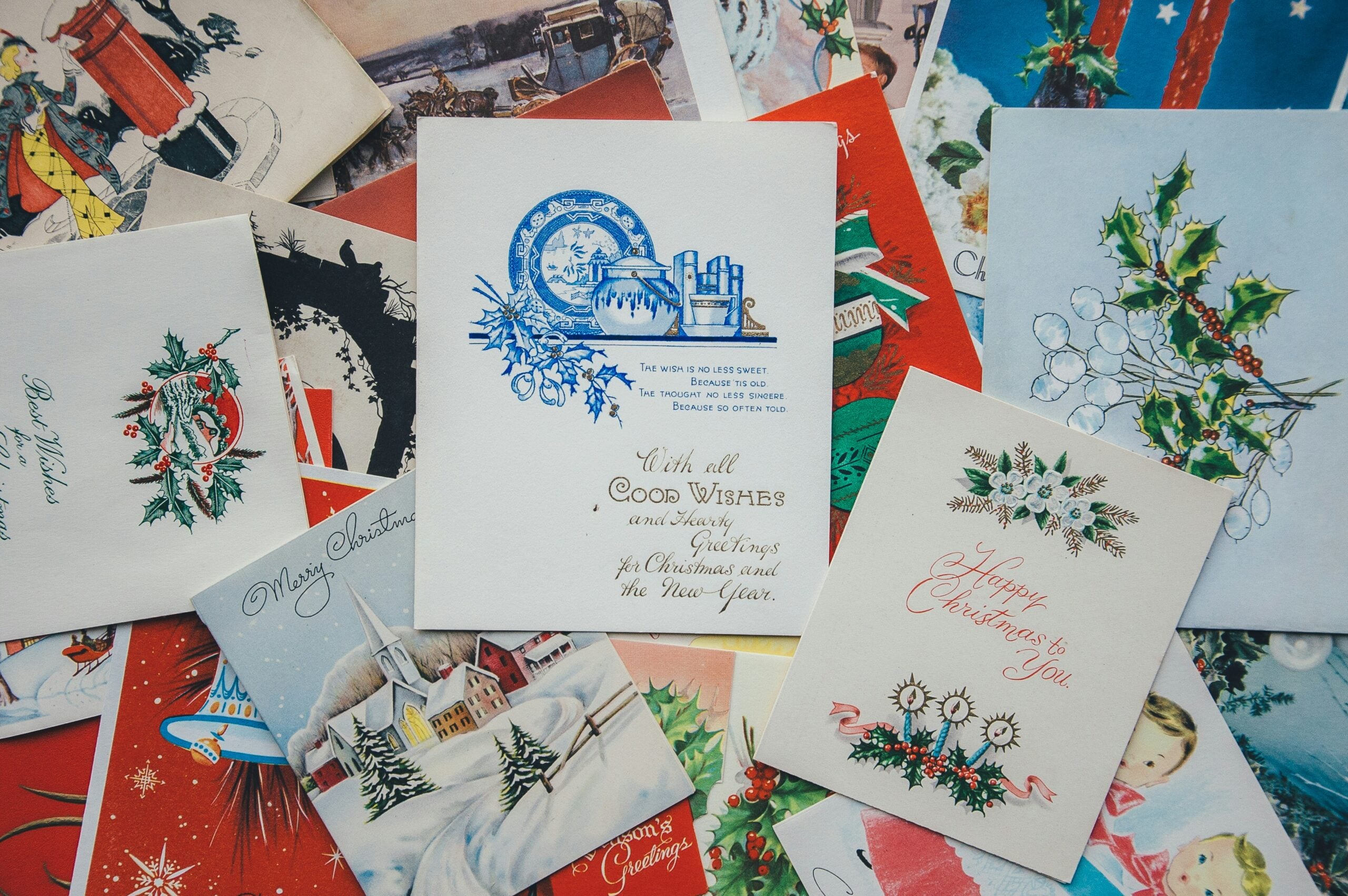
Sir Henry Cole commissioned the very first commercial Christmas card in London in 1843, and it caused quite a scandal. The card showed a family raising glasses of wine in a toast, including small children drinking alcohol alongside their parents.
Victorian society erupted in criticism over the image, with many people condemning it as promoting drunkenness to kids. Despite the controversy, Cole printed 1,000 copies and sold them for a shilling each, which was quite expensive at the time.
The card also showed acts of charity on the side panels, perhaps trying to balance out the party scene in the middle. Today, that controversial card would sell for thousands of dollars at auction if anyone could find one.
Postage made holiday cards possible for regular people

Before 1840, sending mail cost too much for average families to afford. The recipient actually paid for delivery, and the price depended on distance and number of pages.
When Britain introduced the Penny Post system, suddenly anyone could send a letter or card anywhere in the country for just one penny. This change made holiday greetings affordable for working-class families who never could have participated before.
The United States followed with similar reforms in 1863, dropping postal rates significantly. Within just a few years, holiday card sending exploded from a luxury for the wealthy to a practice nearly everyone could enjoy.
Victorian cards featured dead birds and frightening creatures
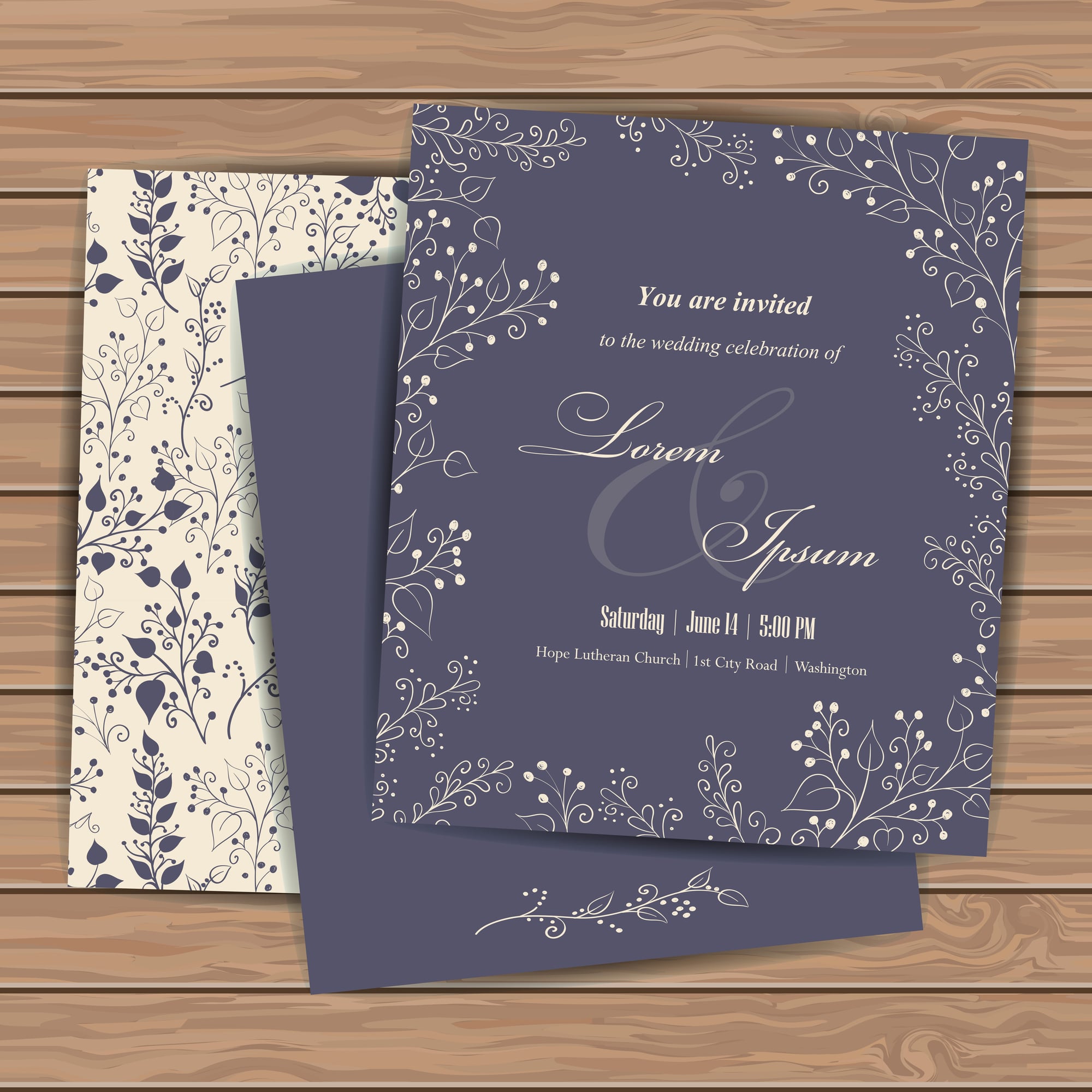
Holiday cards from the Victorian era often showed bizarre images that have nothing to do with modern celebrations. Dead robins lying in the snow appeared frequently, supposedly symbolizing the hardships of winter.
Frogs dressed in fancy clothes, turnips with faces, and aggressive-looking insects also decorated cards that people sent to wish others well. Some cards showed children being chased by enormous vegetables or threatened by kitchen utensils come to life.
These strange choices reflected Victorian humor and symbolism that doesn’t make much sense to modern eyes. The Victorians apparently found these images charming or funny in ways that got lost over time.
Louis Prang basically invented the American Christmas card industry
A German immigrant named Louis Prang started printing Christmas cards in his Boston workshop in 1875 and transformed them into an American tradition. Prang used a technique called chromolithography that could reproduce paintings in vibrant colors, making his cards look like tiny works of art.
He held annual design competitions that attracted famous artists and paid substantial prize money, which elevated card design to a respected craft. By the 1880s, Prang was printing millions of cards each year and exporting them back to Europe.
His cards cost more than competitors’ products but were so beautiful that people collected them as keepsakes rather than throwing them away after the season ended.
Hallmark started in a shoebox
Joyce Hall began selling postcards from a shoebox in 1910 when he was just 18 years old. He operated from a tiny room at the Kansas City YMCA with almost no money and big dreams.
Hall noticed that people wanted to write longer messages than postcards allowed, so he started importing decorative greeting cards with envelopes. A fire destroyed his entire inventory in 1915, nearly ending the business before it really started.
Instead of giving up, Hall rebuilt and eventually created Hallmark Cards, which became the largest greeting card company in the world. That shoebox beginning turned into a business that now produces cards in over 30 languages.
People used to mail holiday cards multiple times per day

During the Victorian era in London, the postal service delivered mail up to six times per day in some neighborhoods. People took advantage of this service by sending holiday cards that would arrive the same day they were mailed.
Families might receive cards at breakfast, lunch, and dinner from friends across the city. This practice turned card sending into an immediate conversation rather than the delayed greeting it became later.
The multiple daily deliveries meant people could respond to cards they received in the morning with cards of their own that same afternoon. Modern instant messaging basically recreates what Victorians were doing with cardboard and stamps.
Sending cards became a social obligation that caused stress
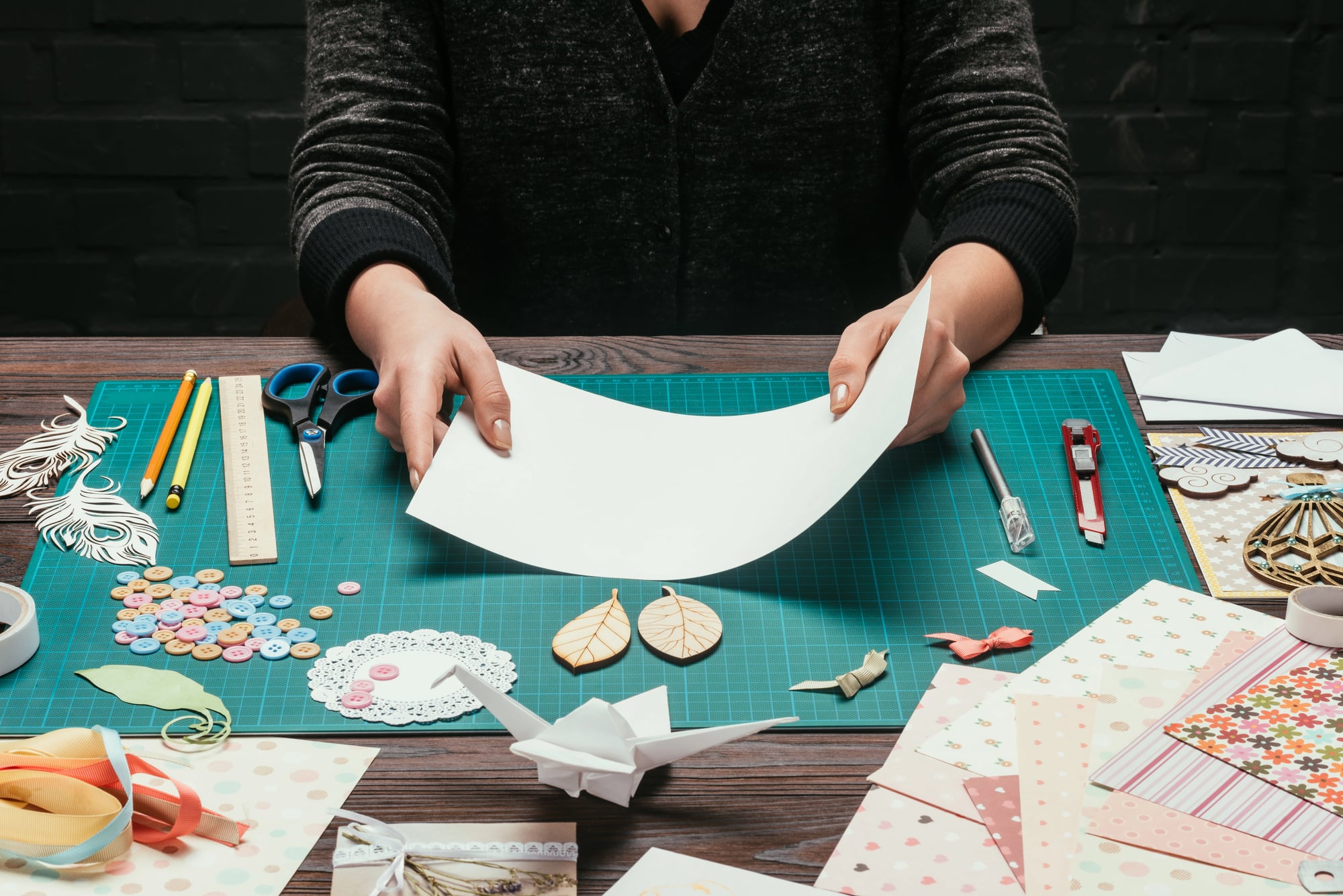
By the early 1900s, not sending a card to someone could damage relationships and social standing. Families kept detailed lists of everyone they needed to send cards to, and forgetting someone could cause genuine offense.
Etiquette books dedicated entire chapters to proper card-sending practices, including who should receive cards first. Some people sent hundreds of cards each season, turning what started as a pleasant custom into an exhausting chore.
The obligation got so intense that people complained about it in letters and diaries, though they kept doing it anyway. Sound familiar?
Photo Christmas cards started as a celebrity thing

Celebrities and wealthy families began including photographs in their holiday cards during the 1920s, but regular people couldn’t afford to do the same. The process required professional photography and expensive printing techniques that put it out of reach for average households.
By the 1950s, advancing technology made photo cards more accessible, though they still cost significantly more than regular printed cards. Families who sent photo cards were showing off a bit, demonstrating they could afford this luxury.
Today, photo cards are so common and inexpensive that not including a photo almost seems unusual. The tables turned completely.
World War II changed what holiday cards could say

During World War II, governments restricted what people could write in cards sent to soldiers overseas. Censors reviewed mail for any information that might help enemy forces if intercepted.
Holiday cards had to stick to cheerful, general messages without mentioning locations, troop movements, or anything military-related. Card companies created special designs specifically for military mail that included patriotic themes and messages of support.
Families often didn’t know if their cards even reached loved ones until months later. Despite these challenges, card sending increased during the war as people tried to maintain connections across vast distances.
The tradition of displaying cards came from Queen Victoria
Queen Victoria started the custom of displaying Christmas cards by arranging them on screens and tables in her royal residences. Her subjects noticed this practice and copied it enthusiastically, as people tended to do with anything the Queen did.
By the 1880s, elaborate card displays became a way to show how popular and well-connected a family was. Some households received so many cards they needed special stands and frames to show them all off.
The practice continues today, though fewer people go to the elaborate lengths that Victorians did. Those fancy card holders you can buy are continuing a tradition that’s nearly 150 years old.
Religious imagery wasn’t always the main focus

Early Christmas cards rarely showed nativity scenes or religious imagery. Victorians preferred winter landscapes, flowers, children playing, and those weird dead birds mentioned earlier.
Religious themes didn’t dominate Christmas card designs until the early 20th century when card companies started marketing specifically to churches and religious organizations. Even today, secular imagery like snowmen, Santa Claus, and winter scenes outsell religious cards in most markets.
The shift toward and then partially away from religious imagery reflects changing attitudes about how people celebrate the season. Cards mirror whatever society thinks the holiday means at any given time.
Hanukkah cards are a relatively recent invention
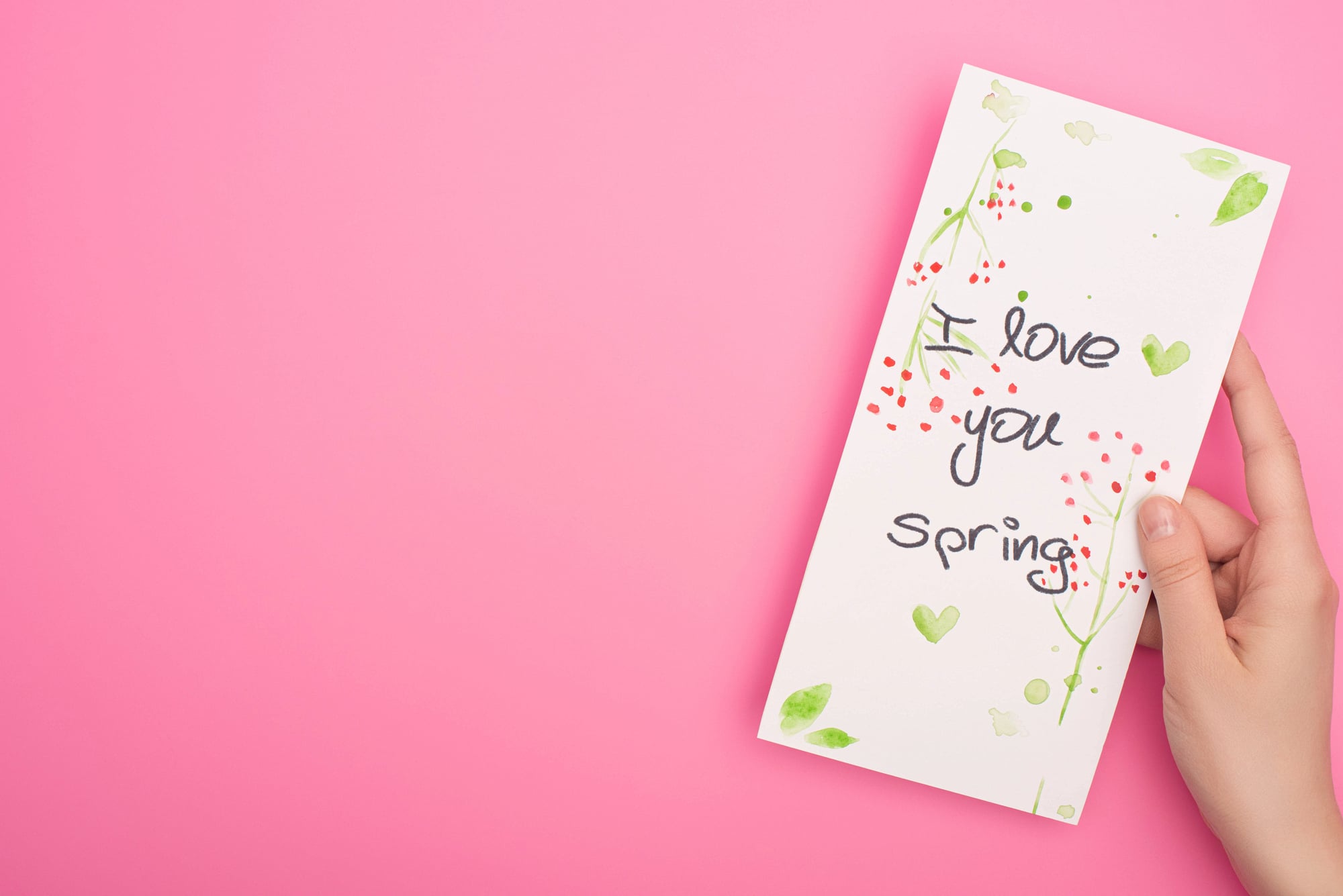
Jewish families in America started sending Hanukkah cards in significant numbers only in the 1950s. The practice developed partly as a response to the overwhelming presence of Christmas cards and partly as a way to celebrate Jewish identity in an increasingly assimilated community.
Early Hanukkah cards often looked quite similar to Christmas cards but with menorahs and dreidels instead of trees and wreaths. Today’s Hanukkah cards embrace specifically Jewish themes and humor while serving the same social function as other holiday greetings.
The tradition shows how card-sending adapted to include different celebrations beyond its Christian origins.
Once thought doomed by digital messages, paper cards survived anyway

Back in the late nineties, once email spread everywhere, folks thought printed holiday cards were done for – gone in just a few seasons. Millions started using free online options such as Blue Mountain Arts, sending flashy digital notes rather than folded paper ones.
Sales dipped sharply; shops shrank their card aisles because of it. Even so, real cards held on, leaning into how they feel in your hand and carrying something handwritten.
Digital never quite reached that mark. Surprisingly, hands-on letters started feeling special again. Today, each person picks – screen messages here, real envelopes there – shaped by who’s on the other end.
Once, getting custom cards meant finding an artist to draw them
Long ago, folks needed artists just to make holiday cards. Rich households paid for unique drawings, then got them printed by small studios.
Most people picked factory-made versions instead – or sent nothing at all. Some fancy orders drained a full week’s pay from regular salaries.
Printers at home mixed with simple photo tools broke that old limit wide open. Ordinary people could now make their own greeting cards without any special access.
In only twenty years, what felt rare became common as air. Looks once saved for the few spread to every household. What we thought cards had to be shifted completely off track.
Old Christmas cards have turned into sought-after treasures
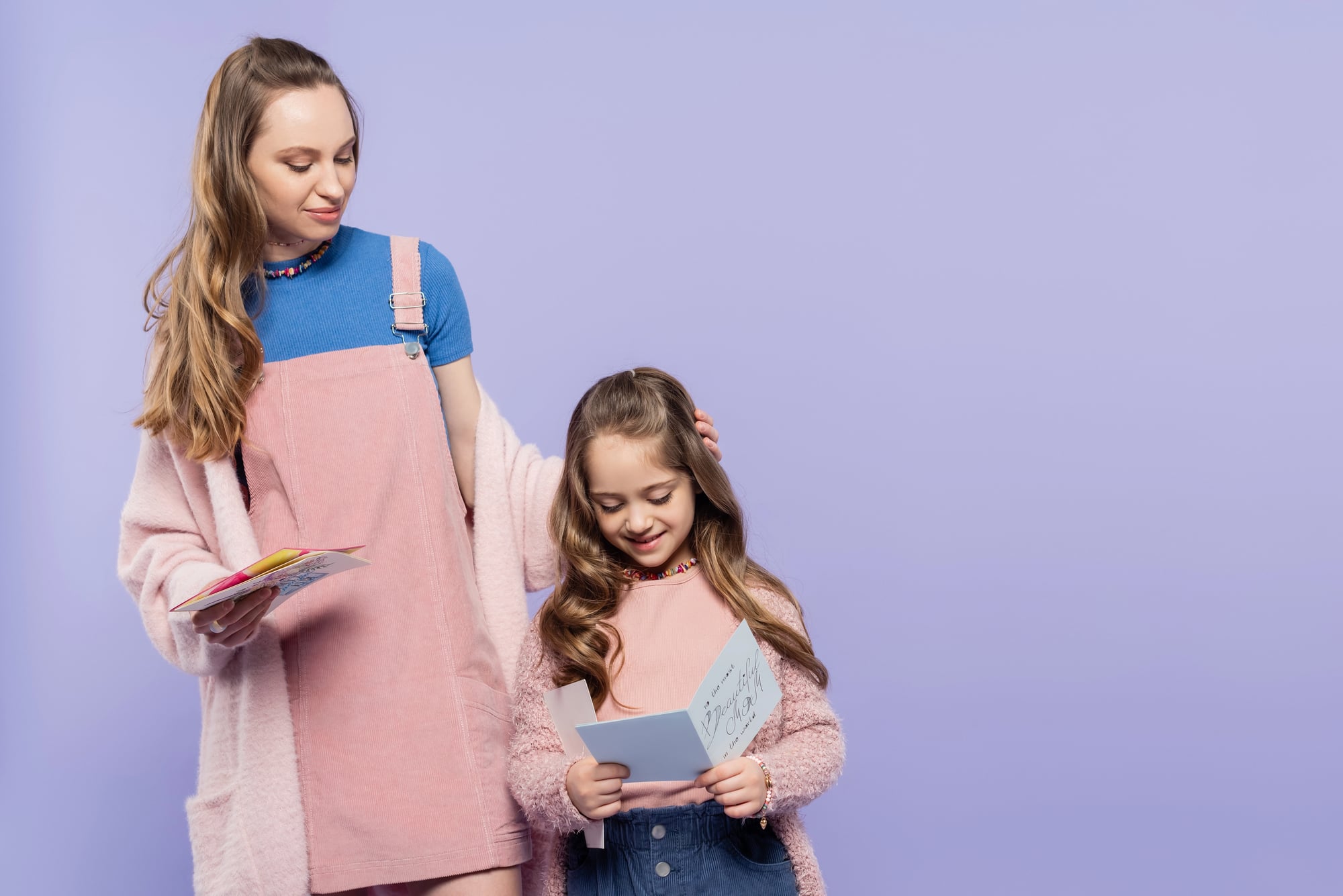
Nowadays, some holiday cards from the Victorian era or early 1900s fetch hundreds, sometimes thousands, of dollars. Because certain collectors want pieces tied to well-known figures, strange artwork, or unique topics.
What used to cost one cent might today appear in auctions right next to vintage paintings and heirlooms. When it comes to value, how the card looks plays a huge role – untouched ones bring top dollar, whereas worn versions lose most of their worth.
Turns out, sorting through dusty stacks from past years can turn up more than just memories. Holiday greetings tucked inside forgotten containers may carry surprising value when examined closely.
The tradition keeps evolving with technology
A single wave of pixels dances behind glass when you point a phone at certain holiday cards these days. These tiny squares unlock moving images, personal clips, or hidden corners of the web where news about cousins and pets piles up yearly.
Lights blink on some paper edges. Others carry miniature presents tucked into folds. Music hums quietly if you press a button just right.
Still, what matters stays unchanged beneath all the flash. Messages meant for December mornings travel faster now – sliding across screens instead of sitting in boxes by the door.
Old rituals twist slightly each decade, shaped by whatever fits neatly in our palms. Connection drives it all, no matter how thin the screen gets.
Paper and pixels both have their place
Even through global conflicts and shifts into digital life, holiday cards changed shape but kept meaning. What keeps them going is how much folks appreciate real gestures made just for one person.
Picking or making something by hand stays meaningful even now. It does not really matter if the greeting shows up on paper, screen, or phone – what counts lives inside the act itself.
Odd old drawings of birds dressed like people or clips shot on phones today both carry the same quiet wish: I see you, I remember you. Moments like these stretch beyond tools or trends.
More from Go2Tutors!

- The Romanov Crown Jewels and Their Tragic Fate
- 13 Historical Mysteries That Science Still Can’t Solve
- Famous Hoaxes That Fooled the World for Years
- 15 Child Stars with Tragic Adult Lives
- 16 Famous Jewelry Pieces in History
Like Go2Tutors’s content? Follow us on MSN.



