Most Isolated Jobs You Can Find on Earth
Some people crave silence. They want space, distance, and a break from the noise of everyday life.
For them, the idea of working alone in a remote corner of the planet sounds like freedom, not punishment.
These jobs exist in places where cell service doesn’t reach and neighbors are miles away. Let’s look at some of the most isolated jobs people actually do.
Antarctic Research Station Manager

Running a research station in Antarctica means living at the bottom of the world for months at a time. The job involves managing supplies, keeping equipment running, and making sure the small crew stays safe in temperatures that can drop below minus 100 degrees Fahrenheit.
Winter darkness lasts for months, and help is often impossible to reach. The nearest town could be thousands of miles away across the frozen ocean.
People who take this job need to handle extreme cold, complete isolation, and the weight of being responsible for everyone’s survival.
Lighthouse Keeper
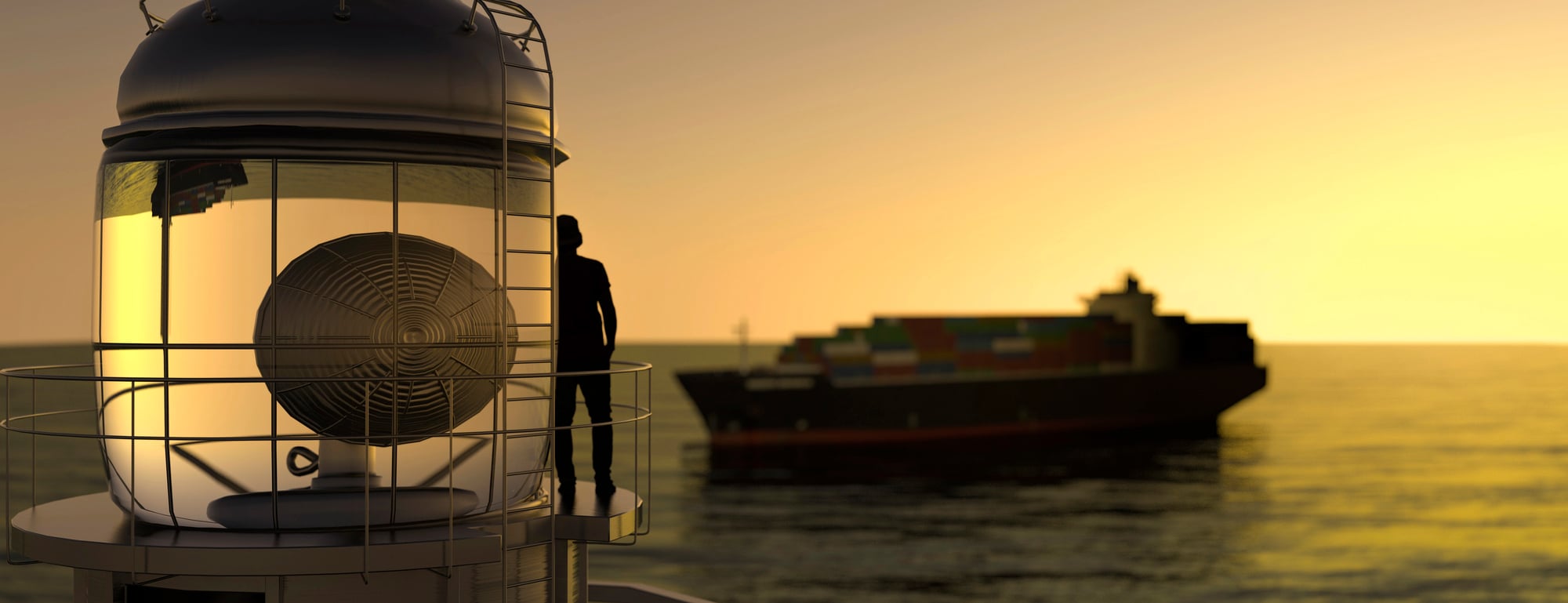
Lighthouse keepers once lived alone on rocky islands and cliff edges, making sure ships didn’t crash into the shore. The work required climbing steep stairs daily, maintaining the light, and watching the ocean for vessels in distress.
Most lighthouses have been automated now, but a few still employ keepers in remote locations around the world. These jobs come with small living quarters, limited supplies, and weeks between visits from the mainland.
The sound of waves and wind becomes the only company.
Fire Lookout in National Forests

High up in a tower surrounded by trees, fire lookouts spend their days scanning the horizon for smoke. They live in tiny cabins perched on mountain peaks, often accessible only by hiking trails or helicopter.
The job means solitude for weeks or even months, with no running water and limited electricity. Lookouts report what they see over radio and spend the rest of their time reading, writing, or just watching the wilderness.
Bears and storms are more common than human visitors.
Oil Rig Worker in the North Sea

Oil rigs sit miles offshore in some of the roughest waters on the planet. Workers spend weeks on the rig before rotating back to land, living in tight quarters with a small crew.
The North Sea is known for brutal storms, freezing winds, and waves that can reach terrifying heights. Days are long, the work is hard, and the rig becomes its own little world.
There’s no leaving early, no quick trips to town, and no escape from the ocean that surrounds everything.
Shepherd in the Australian Outback
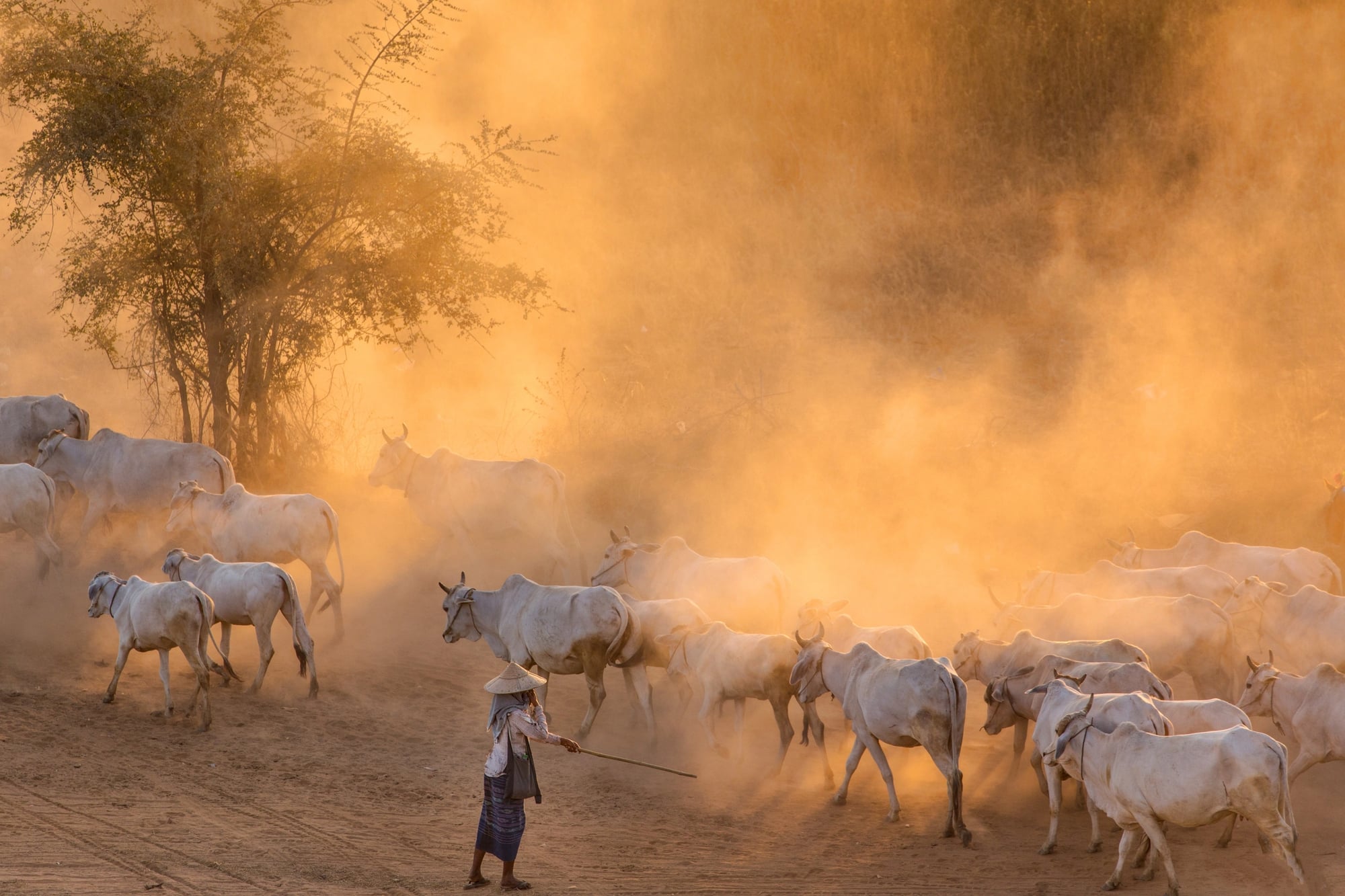
Herding sheep across vast stretches of the Outback means spending weeks alone with animals and open sky. Shepherds travel on foot or horseback, camping in temporary shelters and moving with the flock.
Distances between towns can stretch for hundreds of miles, and the heat during summer is relentless. Water is scarce, and the red dirt seems to go on forever.
This kind of work requires comfort with silence and the ability to solve problems without help.
Remote Weather Station Technician

Weather stations in places like Greenland, Siberia, and the Canadian Arctic need someone to keep them running. Technicians live on-site, often alone, repairing instruments and recording data in conditions most people would find unbearable.
Winters bring months of darkness, and temperatures can make exposed skin freeze in minutes. Supply deliveries happen infrequently, so technicians must be resourceful and self-sufficient.
The data they collect helps predict storms and understand climate, but the cost is total isolation.
Alaskan Bush Pilot
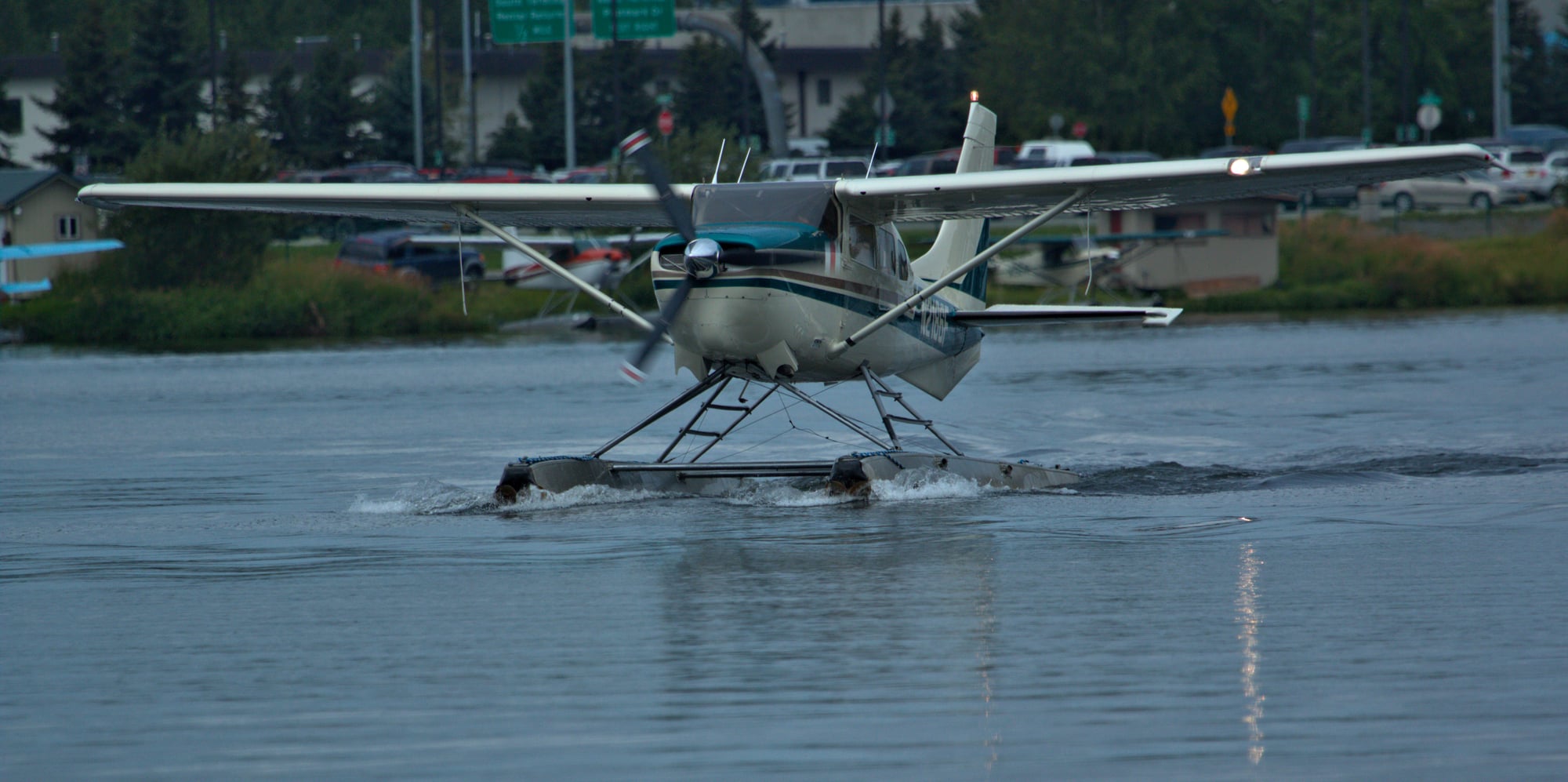
Bush pilots fly supplies, mail, and sometimes people to villages and camps scattered across Alaska’s wilderness. They land on gravel bars, frozen lakes, and makeshift airstrips where roads don’t exist.
Pilots often wait out the weather alone in remote cabins or sleep in their planes. The job requires constant decision-making in harsh conditions, and mistakes can be deadly.
There’s no air traffic control, no backup, and no guarantee of finding help if something goes wrong.
Solo Yacht Delivery Captain

Captains who deliver yachts across oceans spend weeks alone at sea, navigating by themselves through storms, calm waters, and everything in between. The job involves checking charts, adjusting sails, and staying awake during long stretches with no land in sight.
Days blur together, and the only sounds are wind, waves, and the creak of the boat. Some trips cross thousands of miles of open water with no other vessels for days.
It’s a test of both skill and mental endurance.
Subsistence Hunter in Northern Canada

Indigenous communities in Canada’s far north still rely on hunting and trapping for food and income. Hunters travel vast distances across tundra and ice, spending weeks away from their families.
They track caribou, seal, and other animals in extreme cold, camping in snow shelters or simple tents. This work connects deeply to tradition and survival, but it also means facing danger and isolation that most people will never experience.
Help is far away, and the land demands respect.
Scientific Researcher in the Amazon Rainforest
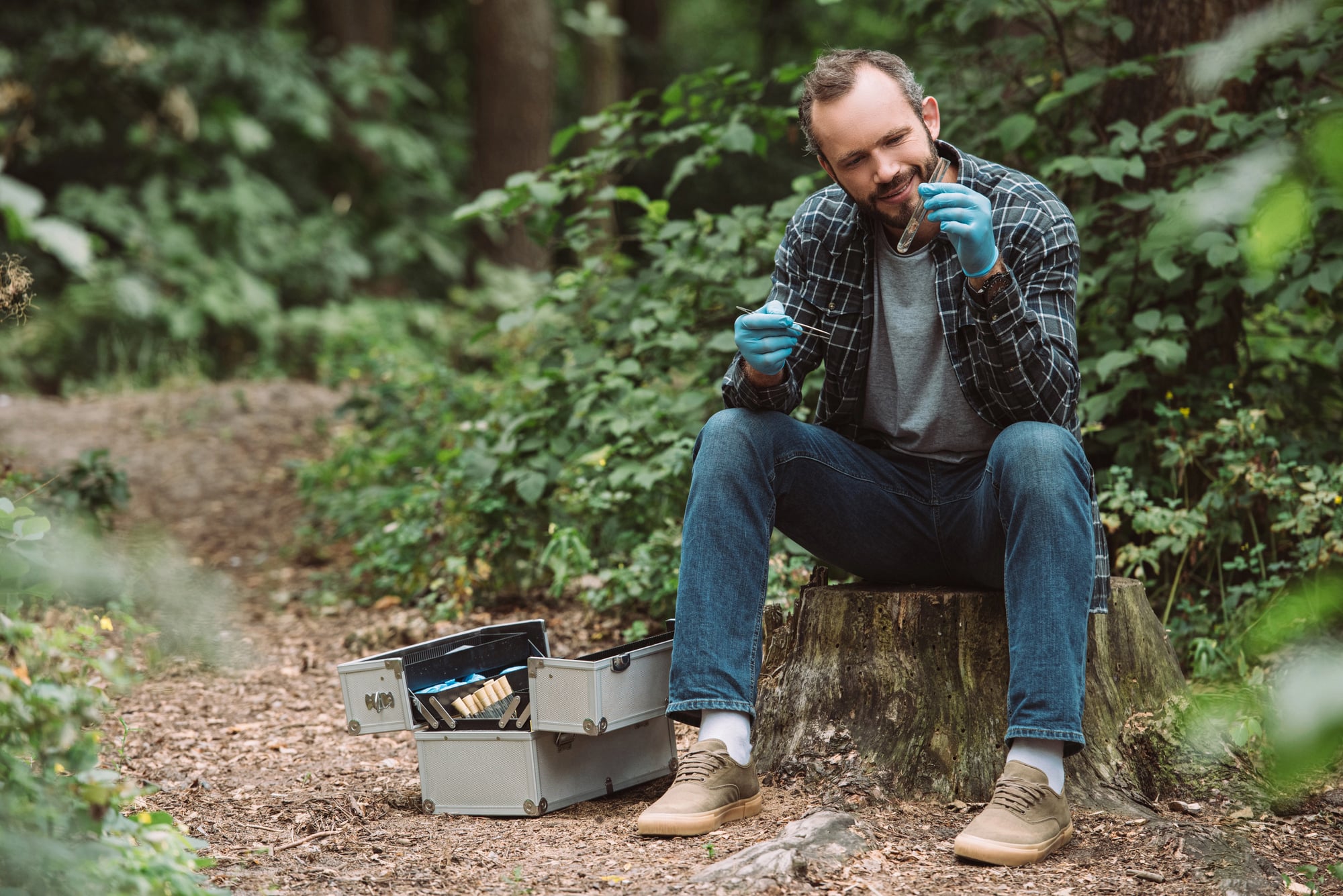
Scientists studying wildlife or plants in the Amazon often set up camps miles from any town or road. They live in the jungle for months, surrounded by insects, humidity, and dense vegetation that blocks out the sun.
The work involves collecting samples, observing animals, and surviving in an environment that’s both beautiful and unforgiving. Communication with the outside world is limited, and medical help can take days to arrive.
The forest is home to countless species, but human contact is rare.
Mine Worker in Remote Siberia

Siberia’s mining towns sit in some of the coldest inhabited places on Earth. Workers dig for gold, diamonds, and other minerals in regions where winter temperatures regularly hit minus 50 degrees Fahrenheit.
Towns are small, isolated, and built around the mine itself. Roads are impassable for much of the year, and supplies come in by air or ice road.
The work is grueling, the cold is constant, and the nearest city could be hundreds of miles away. People take these jobs for the pay, but the isolation is part of the deal.
Park Ranger in Remote Wilderness Areas

Rangers assigned to backcountry stations patrol areas that see few visitors and even fewer staff. They hike for days, camp alone, and monitor trails, wildlife, and campsites across huge territories.
These rangers enforce rules, respond to emergencies, and spend most of their time far from roads or cell towers. The job offers stunning landscapes and quiet, but it also means long stretches without seeing another person.
Rangers need to handle injuries, animal encounters, and weather on their own.
Deep-Sea Fisherman in the Bering Sea
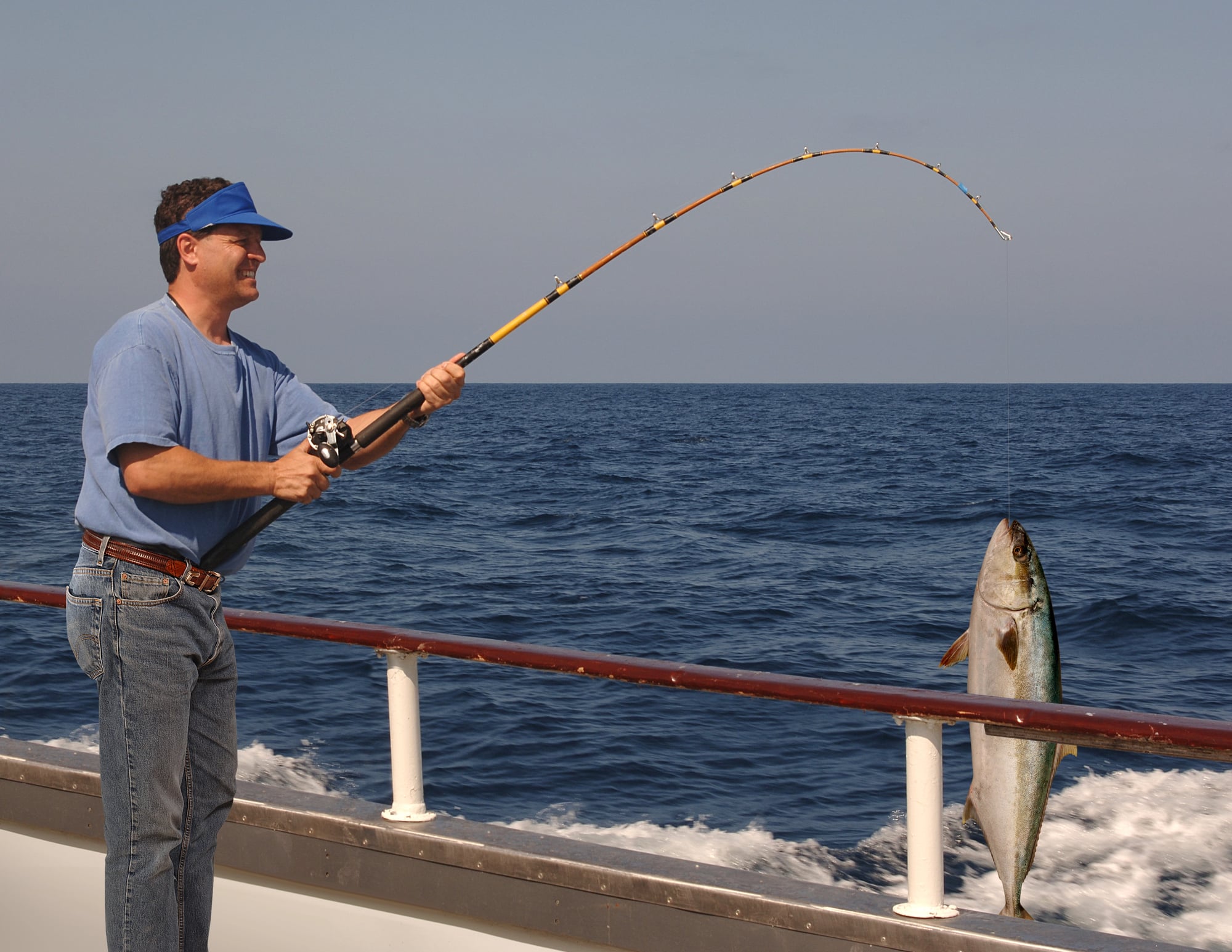
Fishing boats in the Bering Sea chase crab and fish in waters known for deadly storms and freezing spray. Crews work in shifts around the clock, hauling nets and traps while the boat pitches in massive swells.
The work is dangerous, exhausting, and isolating despite being done with a crew. Once the boat leaves port, there’s no going back until the hold is full or the season ends.
The ocean becomes everything, and land feels like a distant memory.
Solar Panel Technician in the Sahara Desert
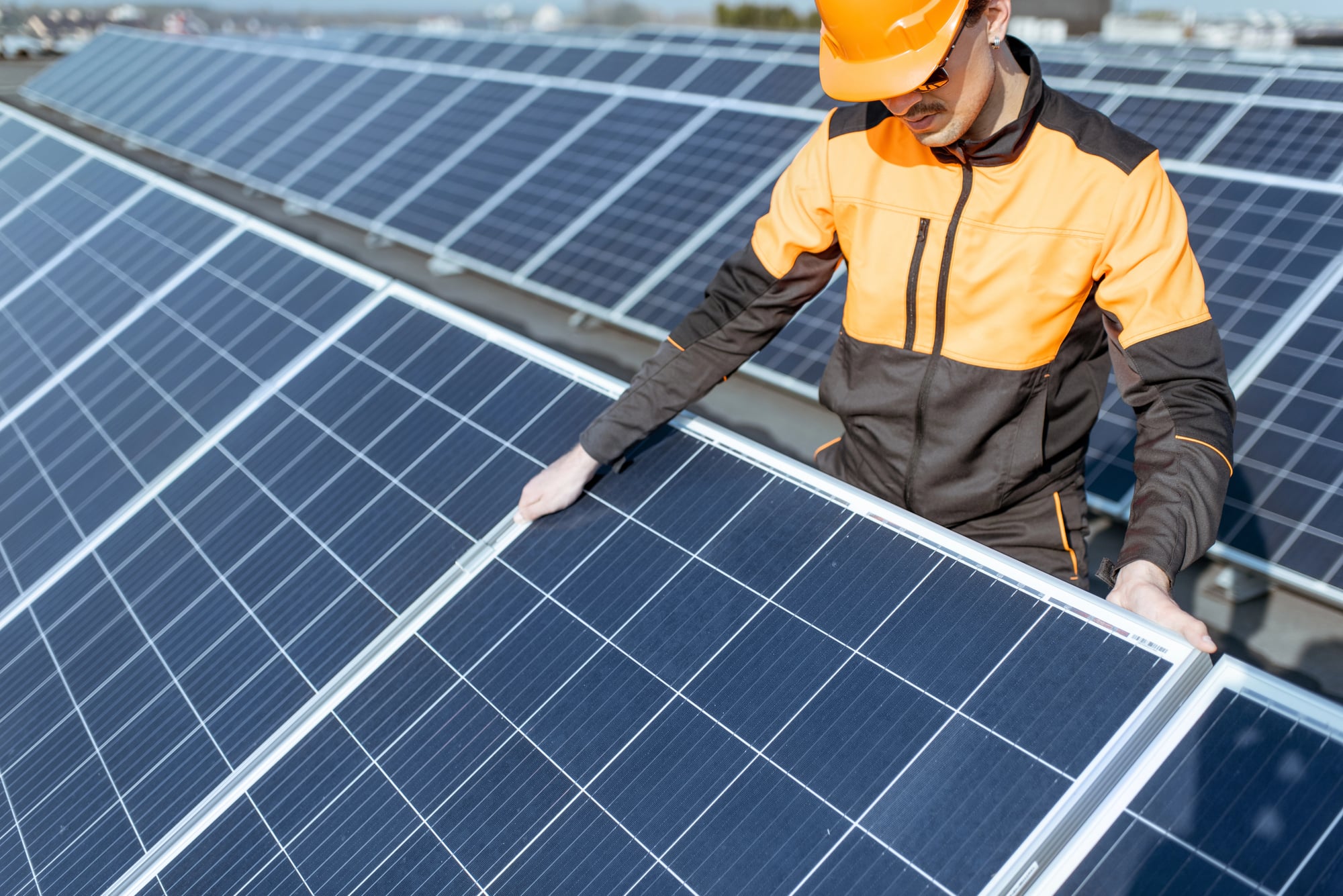
Large solar farms in the Sahara require technicians to maintain thousands of panels spread across empty desert. Workers live in small camps with limited shade, battling heat that can exceed 120 degrees Fahrenheit.
Sand gets into everything, and dust storms can last for days. The nearest town might be hours away by rough road, and supplies come infrequently.
Technicians fix equipment, clean panels, and endure an environment where water is precious and relief is hard to find.
Meteorologist on a Remote Island
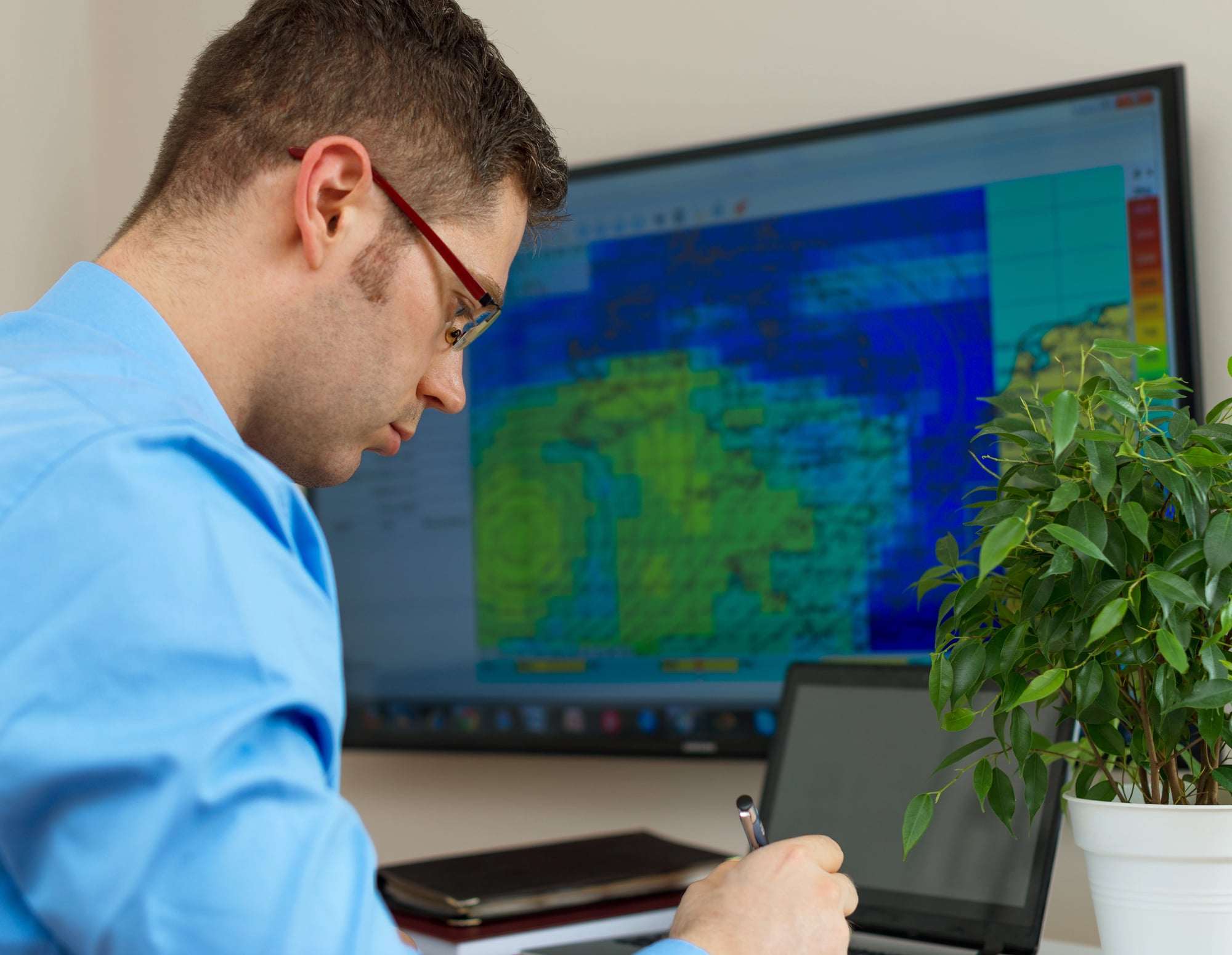
Islands like Tristan da Cunha and Kerguelen host weather stations staffed by meteorologists who live there for extended assignments. These islands sit in the middle of oceans, far from shipping routes and populated areas.
Staff record weather data, launch balloons, and maintain equipment while dealing with powerful winds and isolation. Resupply ships come only a few times a year, and communication is often by satellite.
The islands are beautiful but lonely, and leaving isn’t an option when things get hard.
Ice Road Trucker in Northern Territories

Ice roads form each winter across frozen lakes and rivers in Canada and Alaska, creating temporary routes to remote communities and work sites. Truckers drive heavy loads across ice that can crack or shift without warning.
The job involves long hours in extreme cold, with no cell service and no help if the truck breaks down or the ice gives way. Towns along the route are few and far between, and drivers spend nights alone in their cabs.
The season is short, the risks are high, and the isolation is total.
Conservation Officer On The Tibetan Plateau
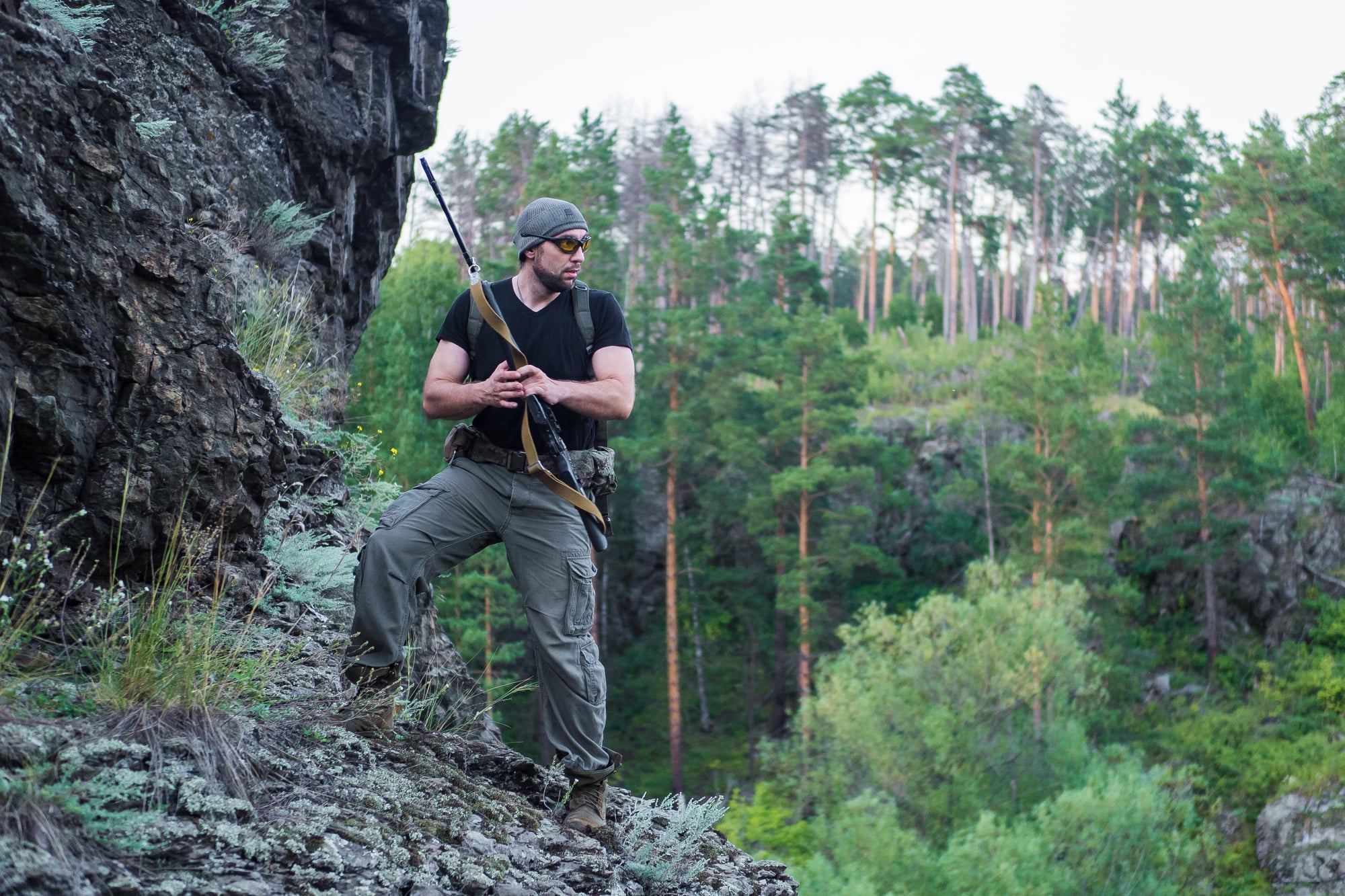
High up on the Tibetan Plateau, wildlife officers face some of the planet’s toughest terrain. Though air thins quickly here, patrols push forward across ground few ever cross.
Tracking rare animals happens alongside efforts to stop illegal hunting, each mission shaped by harsh conditions. Because supplies run low, life settles into camp routines that test endurance.
When paths vanish under snow or rock, travel stretches long before any village appears. Beauty spreads wide – raw, unshaped – but silence presses down just as hard.
Caretaker on a Private Island

A few rich people buy private islands, then bring in workers to look after everything through the seasons. Living there means staying put – sometimes solo, sometimes with just one or two others – fixing roofs, trimming plants, watching boundaries.
Beauty surrounds them, yet separation looms; reaching the shore isn’t quick, access limited by tides and distance. Deliveries come floating in on boats, slow and scheduled.
When trouble strikes, rescue must travel across open water, taking time. Each day folds into similar chores, while conversation? Mostly static-filled exchanges over radios or distant phone lines.
Alone, Yet Driven by Meaning

Out there, beyond main roads and cities, certain tasks keep calling. Not every person fits such roles, yet those who answer often discover worth in being far away.
Peace might draw them. Adventure could pull harder.
Sometimes it is only about earning. Distance shapes what they do each day.
Remote spots exist where human contact fades for days on end. Someone must show up anyway, ready to handle what needs doing.
More from Go2Tutors!

- The Romanov Crown Jewels and Their Tragic Fate
- 13 Historical Mysteries That Science Still Can’t Solve
- Famous Hoaxes That Fooled the World for Years
- 15 Child Stars with Tragic Adult Lives
- 16 Famous Jewelry Pieces in History
Like Go2Tutors’s content? Follow us on MSN.



