Unique Rituals Around Birth in Diverse Cultures
Bringing a new life into the world is something all humans share, but the way different societies celebrate and support this moment couldn’t be more varied. From month-long confinement periods to ceremonial showers with special oils, cultures around the globe have developed their own meaningful ways to mark the transition into parenthood.
Here is a list of 12 unique rituals around birth in diverse cultures.
Turkey’s Postpartum Sherbet
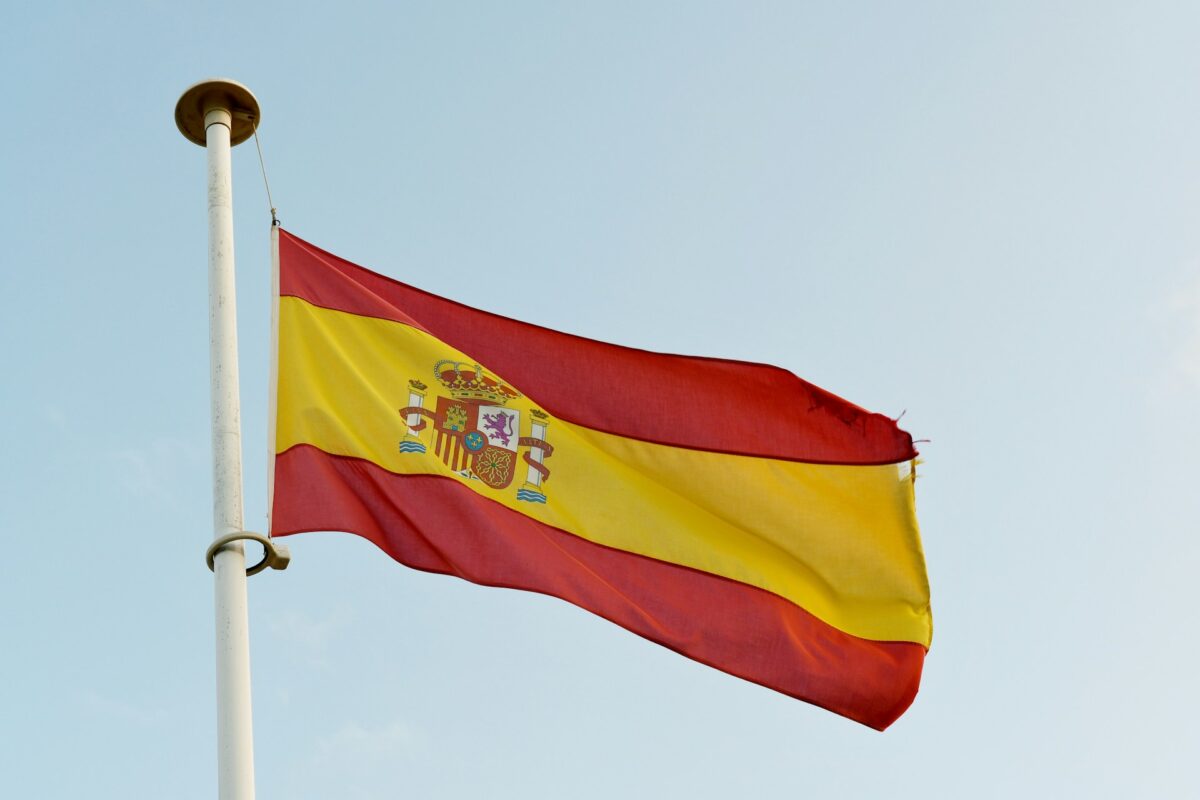
New mothers in Turkey drink a special beverage called lohusa serbeti, made with water, sugar, cloves, cinnamon and red food coloring, first served right in the hospital to celebrate the baby and encourage milk production. The celebration doesn’t stop there—for 20 days after delivery, mom and baby stay home while friends visit and share the sweet drink together.
Once those 20 days pass, the new mother takes her baby to visit gift givers, where they receive a handkerchief filled with candy for a good-natured baby and an egg for a healthy one.
Japan’s Silent Strength

Most Japanese women aim to give birth without painkillers, stemming from a Buddhist belief that labor pains must be endured as preparation for the challenges of motherhood. The approach to pain management reflects a cultural view of childbirth as a transformative test rather than a medical event.
After the baby arrives, the new mother traditionally stays at her parents’ home for at least a month, resting in bed for 21 days while family members handle household chores. On the seventh night after birth, parents officially share their baby’s name in a ceremony called Oshichiya, typically marking when mother and baby would be released from hospital care.
Like Go2Tutors’s content? Follow us on MSN.
Indonesia’s Sacred Placenta Burial

In this Hindu country, the placenta is believed to be alive and almost like a twin sibling of the newborn, leading to an elaborate burial ceremony. The placenta is cleaned, sealed in a container, wrapped in white cloth, and buried outside the home during a detailed ritual.
Meanwhile, newborns themselves are treated as divine beings descended from heaven, and their feet aren’t allowed to touch the ground for 210 days.
The Netherlands’ Home Birth Culture
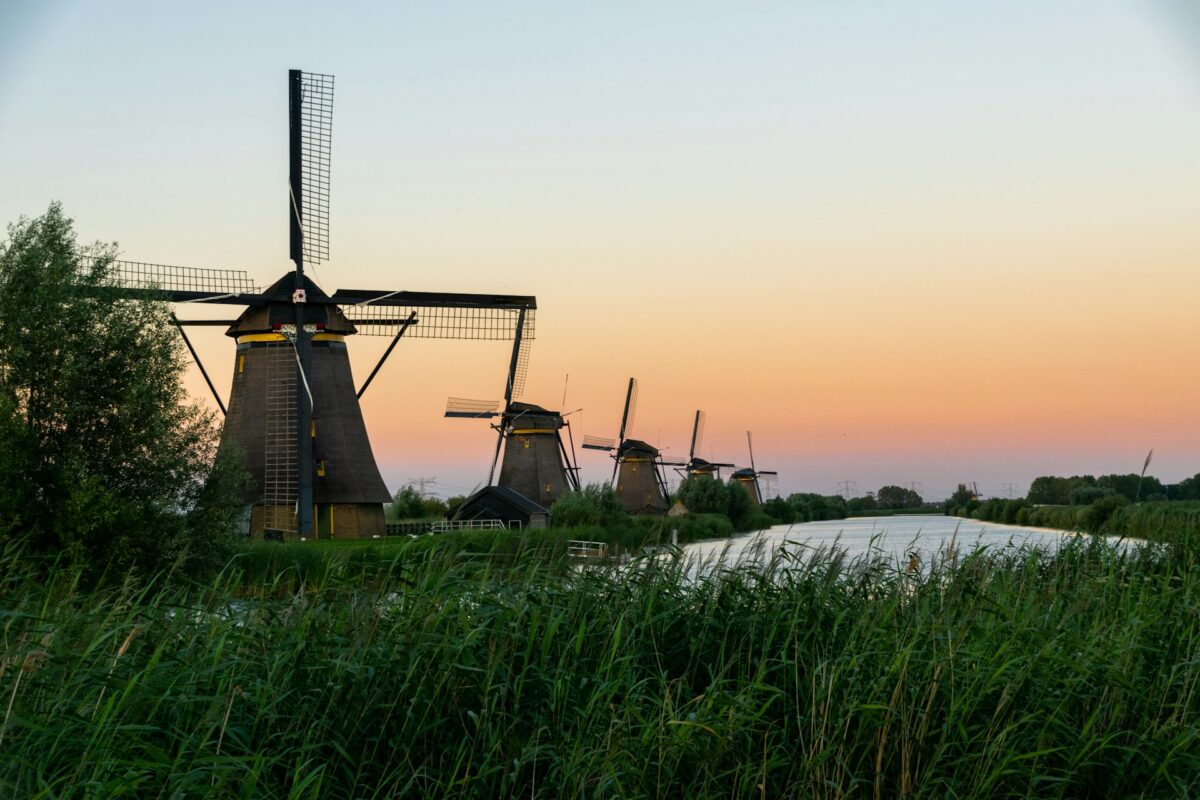
The Netherlands has one of the highest rates of planned home births, with 30% giving birth at home, attributed to their attitude toward home births being the norm. All pregnant women are required to pick up a kraampakket containing all medical supplies needed for a home birth, and the Dutch tend to view birth as a natural part of life rather than a medical condition.
To announce the baby’s arrival, parents place a stuffed stork in a window facing the street, making it look like the stork just flew in to make the delivery.
China’s Sitting Month
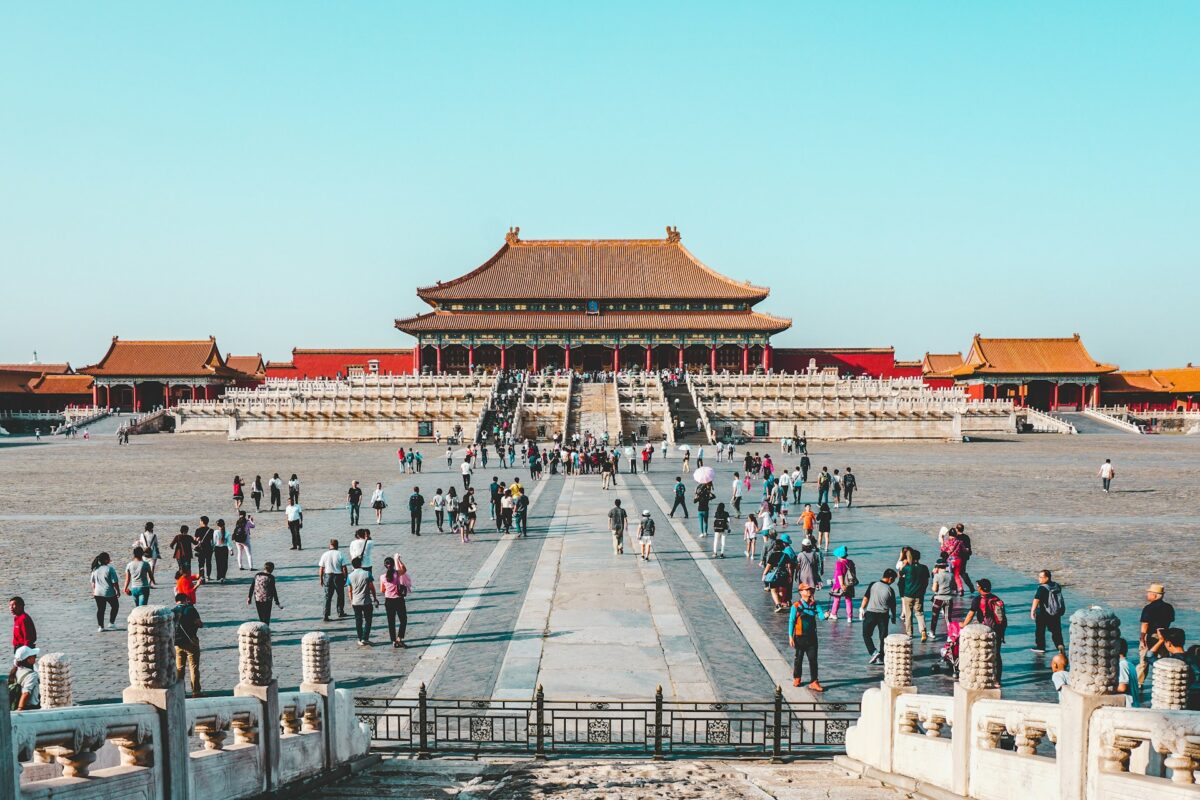
After birth, the first 30 days are known as the ‘sitting month,’ or more colloquially ’30 days in pyjamas,’ during which mothers and babies are often massaged to encourage recovery and healthy development. Foods eaten during this time are specifically chosen to balance yin and yang in the body.
After those 30 days, families officially celebrate their new arrival with friends and family in a party called a Red Egg and Ginger Party, where these items and other blessings are gifted to the new parents and baby.
Like Go2Tutors’s content? Follow us on MSN.
Mexico’s La Cuarentena
Mexico has a rest and recuperation period known as La Cuarentena with 40 days spent away from work and being looked after by female family members. It is believed to be derived from the Book of Leviticus where women need 40 days of purification after the birth of a son.
The rebozo, a traditional Mexican shawl four or five feet long and made from woven material, was traditionally used during birth to help support the weight of the laboring woman.
Nigeria’s Omugwo Support System
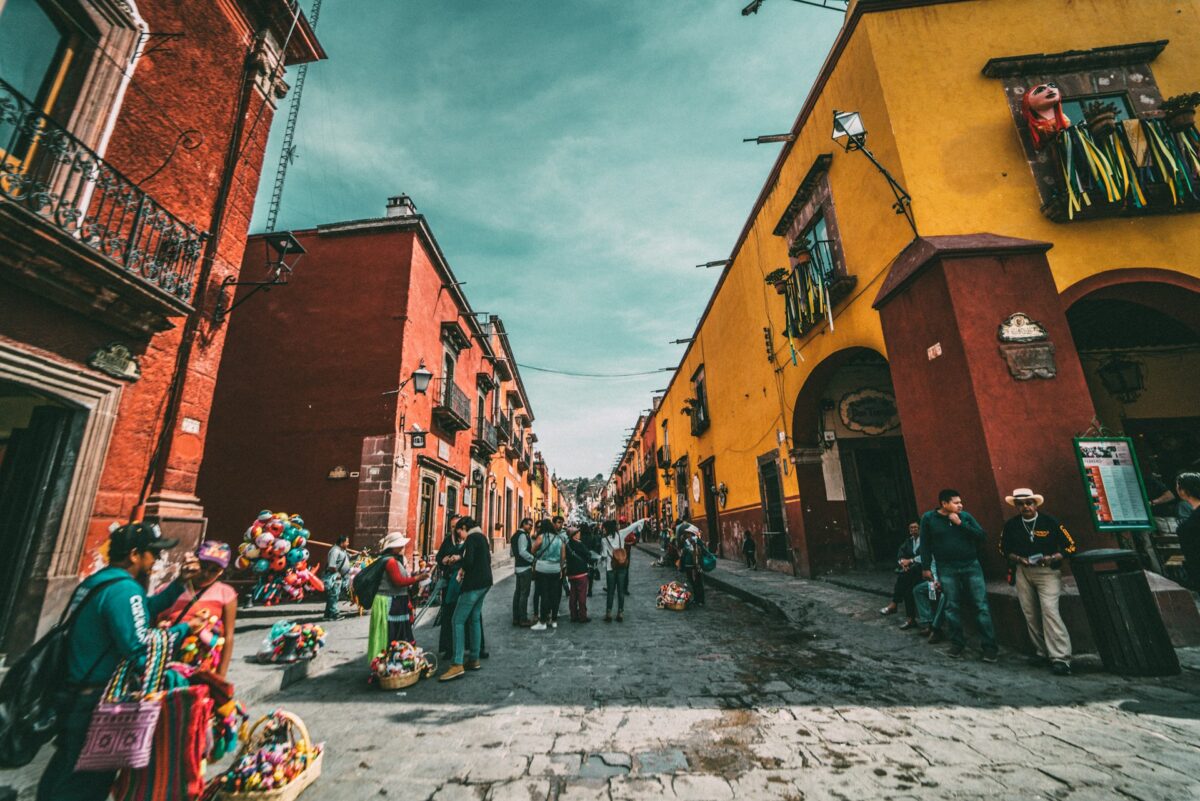
In Omugwo, the grandmother gives the baby his or her first bath if she is available, or an aunt or close friend may step in. This small gesture shows the mother that she is not alone in childrearing, and the community of women will rally around her.
The tradition emphasizes communal care rather than leaving new mothers to navigate parenthood in isolation.
Iran’s Post-Birth Pampering

A shower in Iran traditionally happens around 10 days after the baby is born or when the umbilical cord has fallen off, where the mother’s sister, mother or aunt showers the mother. She is then massaged with special oils, given a facial, and painted with henna as a reward for all her hard work and the pain she endured in labor.
Following the shower, friends and family are invited for a special lunch called Valimeh, traditionally featuring lamb, where guests bring clothes and blankets while close relatives often bring gold.
Like Go2Tutors’s content? Follow us on MSN.
Hindu Birth Ceremonies
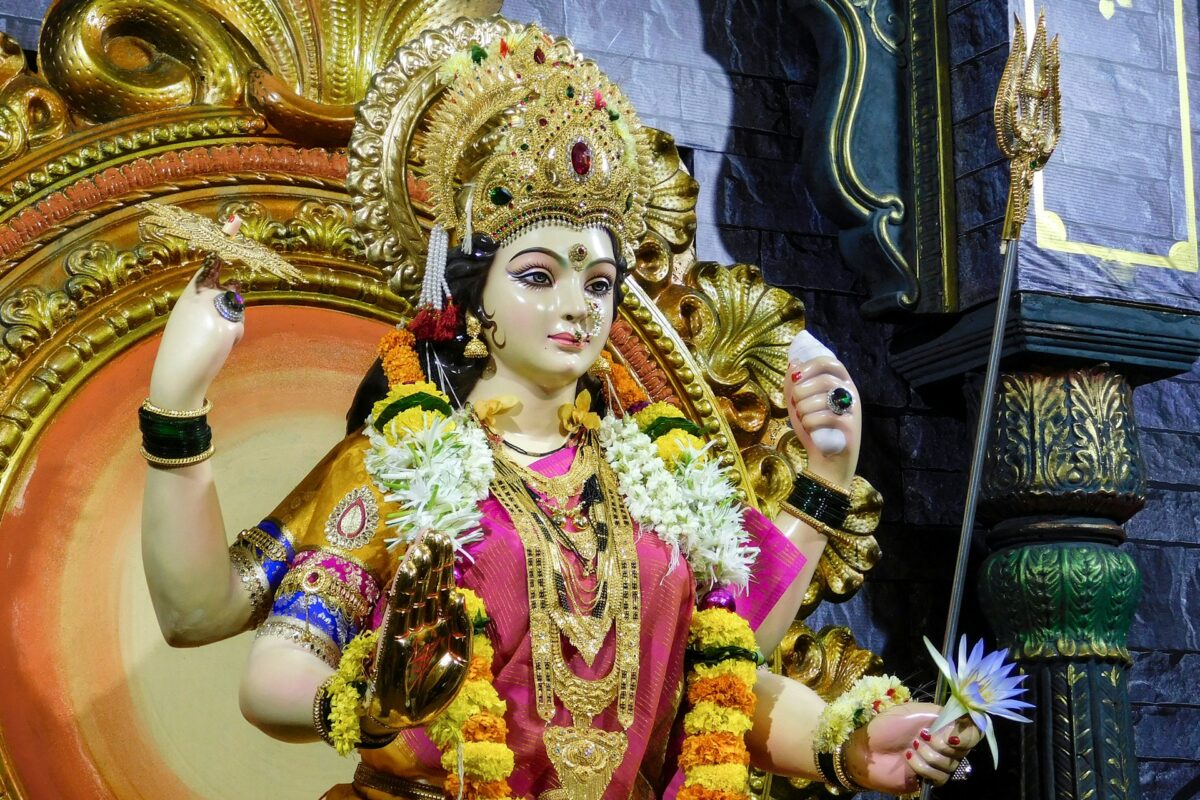
In Hindu tradition, a person goes through 16 rites of passage in their life, and two are dedicated to a newborn baby. First is the birth ceremony called Jatakarma, which celebrates the baby’s birth with hymns and prayers in a private ceremony for parents, close friends and relatives.
This is followed 11 days after birth with the Namakarana ceremony, the name giving ceremony, where the baby’s name is chosen using Vedic astrology including the child’s month of birth, family deity, and the position of the moon in the birth chart.
Brazil’s Reverse Gift-Giving

Instead of being showered with gifts when a baby is born, the opposite happens in Brazil—when guests come to see mother and child in the hospital, she gives them a basket of presents instead. This reversal of the typical gift-giving custom turns the celebration into an expression of gratitude from the new mother to her community.
Inuit’s Whispered Birth

In traditional Inuit culture, most women received support from a midwife figure during childbirth, with midwives being local women who had gained experience by attending many births. Birth is traditionally a calm and relatively peaceful affair, with Inuit midwives whispering all of their directions to laboring women because shouting and loud noises are believed to attract evil spirits.
Like Go2Tutors’s content? Follow us on MSN.
Italy’s Fiocco Della Nascita

Italy has a tradition called Fiocco Della Nascita, where a large ribbon is placed at the front door of the home where a baby is born. Pink ribbons announce the birth of a girl while blue ribbons announce the birth of a boy, and usually under the ribbon, the baby’s name is printed.
The colorful announcement serves as a public declaration of joy visible to the entire neighborhood.
Where Tradition Meets Tomorrow
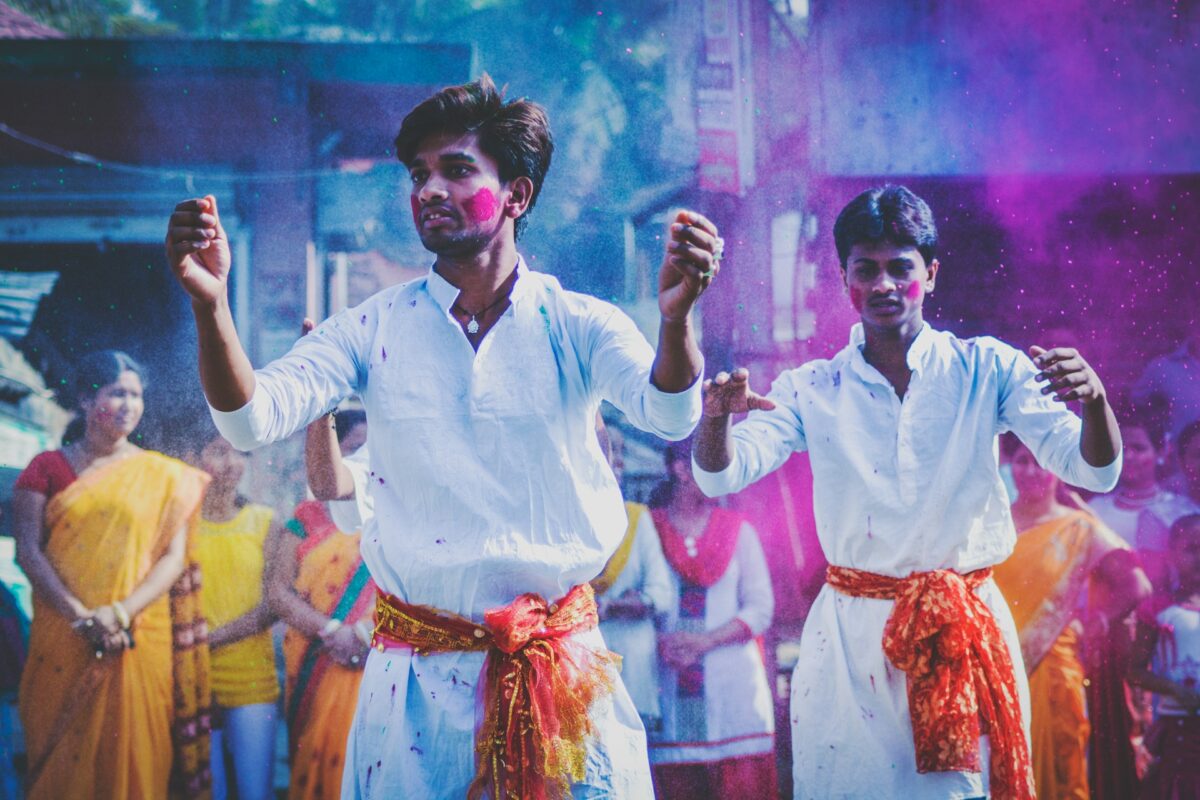
These birth rituals show us that while the biological process remains constant, the cultural response to new life varies wildly. Some traditions focus on physical recovery, others on spiritual protection, and many emphasize community support over individual effort.
What unites them all is a recognition that becoming a parent marks a profound transition—one that deserves to be honored, celebrated, and supported. As modern medicine spreads across the globe, many of these practices are adapting rather than disappearing, proving that ancient wisdom and contemporary care can coexist in meaningful ways.
More from Go2Tutors!

- 16 Historical Figures Who Were Nothing Like You Think
- 12 Things Sold in the 80s That Are Now Illegal
- 15 VHS Tapes That Could Be Worth Thousands
- 17 Historical “What Ifs” That Would Have Changed Everything
- 18 TV Shows That Vanished Without a Finale
Like Go2Tutors’s content? Follow us on MSN.



