Most Translated Poems
Poetry has this way of crossing borders that prose sometimes struggles with. A single verse, written centuries ago in one language, can find new life in dozens of others.
The poems that travel furthest aren’t always the longest or most complex. Sometimes a simple metaphor or a striking image is all it takes to speak to readers across continents and cultures.
The Rubaiyat of Omar Khayyam
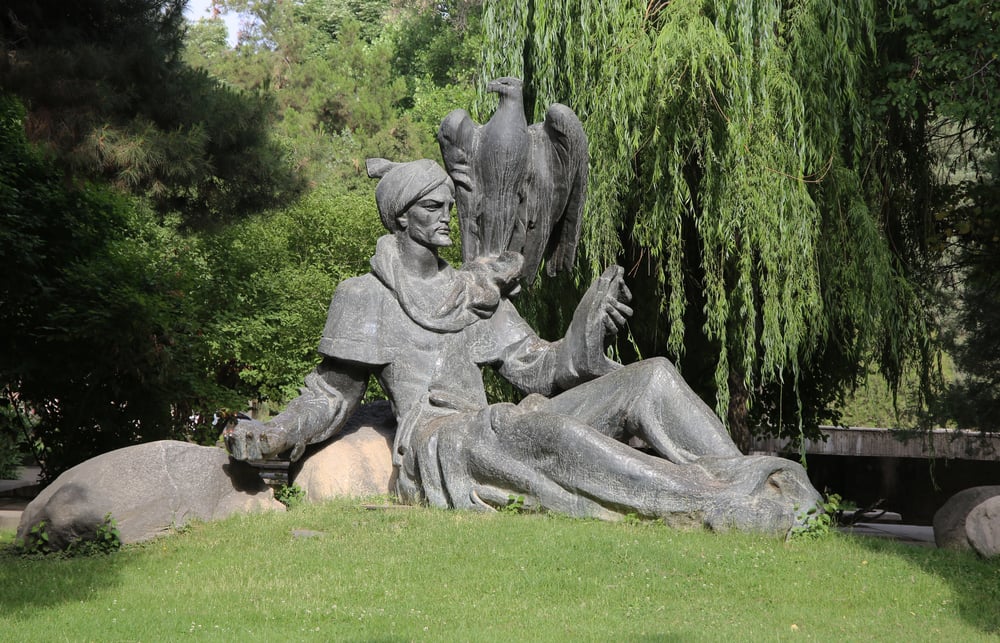
Persian mathematician and poet Omar Khayyam wrote his quatrains in the 11th century, but they didn’t become a global phenomenon until Edward FitzGerald translated them into English in 1859. Since then, these short verses about wine, love, and mortality have been translated into over 100 languages.
The originals celebrate the present moment with a directness that translates well—carpe diem works in any language. FitzGerald took considerable liberties with his translation, essentially creating a new work.
Yet his version sparked interest in the originals and inspired countless other translators to offer their own interpretations. You’ll find the Rubaiyat in everything from Arabic to Zulu, each version carrying its own cultural flavor while maintaining the core themes of fleeting time and earthly pleasures.
Pablo Neruda’s “Twenty Love Poems and a Song of Despair”
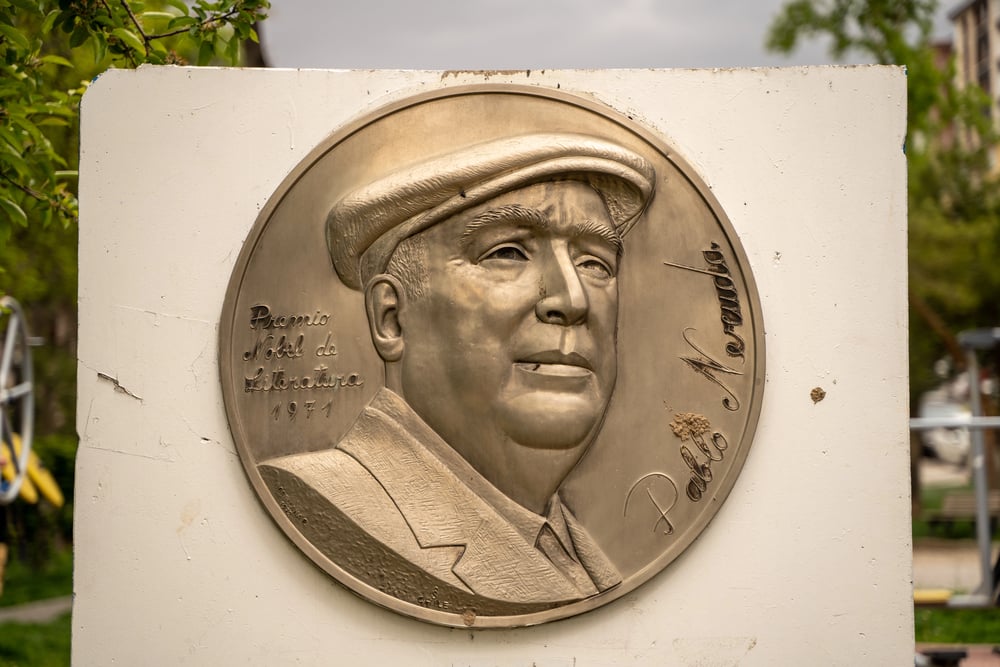
Neruda published this collection when he was just 19, and it became one of the most widely read poetry books ever written. The poems appear in over 50 languages, from Japanese to Swahili.
Neruda’s sensual imagery and emotional directness make his work accessible across cultural boundaries. When he writes about longing or loss, the feelings register universally.
The Chilean poet’s influence extends beyond literature. His verses show up in films, songs, and even political speeches around the world.
Translators face a particular challenge with Neruda because his language is both simple and deeply musical. Getting the rhythm right while preserving the meaning requires real skill.
The Epic of Gilgamesh
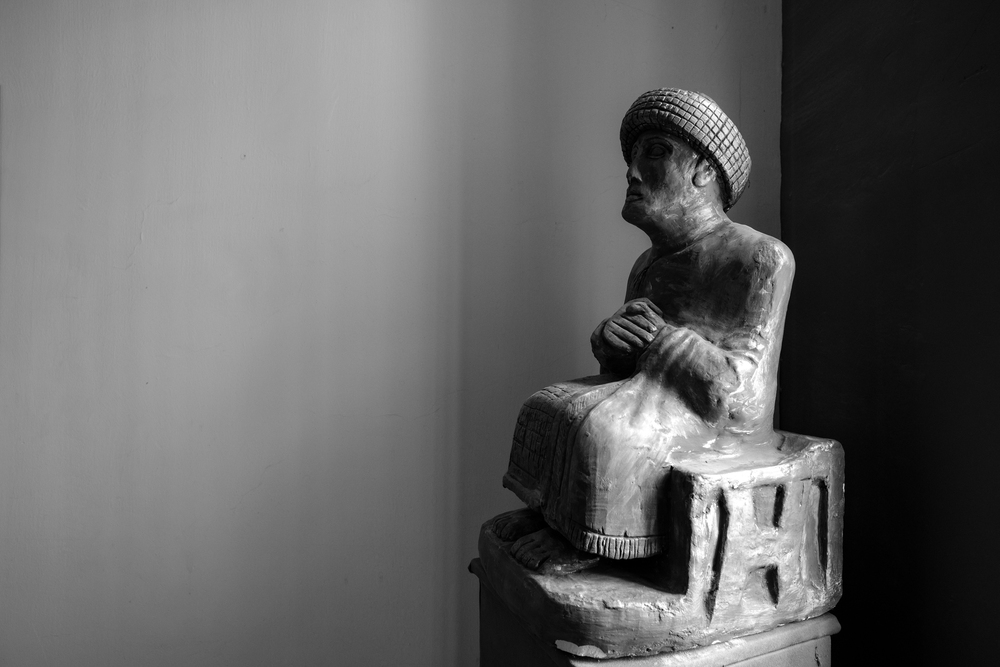
This ancient Mesopotamian poem predates most written literature. Dating back to around 2100 BCE, it tells the story of a king’s quest for immortality.
Archaeologists discovered clay tablets with the text in the 19th century, and since then, translators have been working to bring it into modern languages. You’ll find Gilgamesh in more than 60 languages today.
The poem’s themes—friendship, mortality, the search for meaning—resonate just as strongly now as they did 4,000 years ago. Translating ancient Sumerian presents unique challenges.
Many words have no modern equivalent, and entire sections of the original tablets are damaged or missing. Each translator has to make choices about how to fill in these gaps.
Rumi’s Masnavi
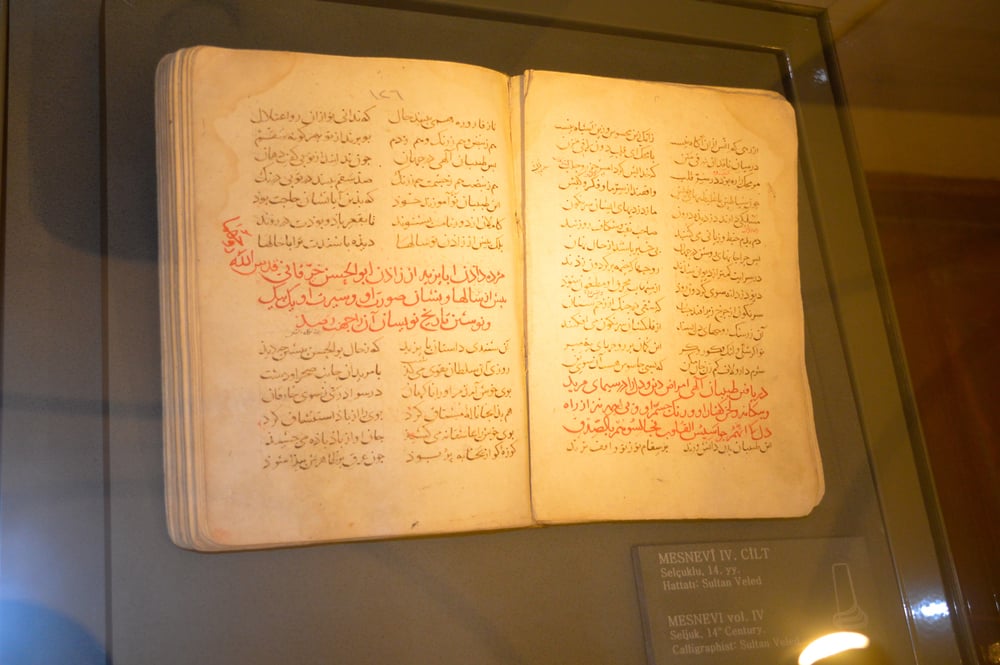
The 13th-century Persian mystic Jalaluddin Rumi wrote his Masnavi over the course of 12 years. This massive work spans six books and contains roughly 25,000 verses.
It’s been called the “Quran in Persian” for its spiritual depth and influence. Translators have tackled the Masnavi in at least 50 languages.
The work combines storytelling with spiritual teaching, using parables and metaphors to explore divine love. Rumi’s style is conversational, almost colloquial at times, which makes his mysticism more approachable.
But that same conversational quality poses challenges for translators who need to preserve both the meaning and the tone.
Rabindranath Tagore’s “Gitanjali”
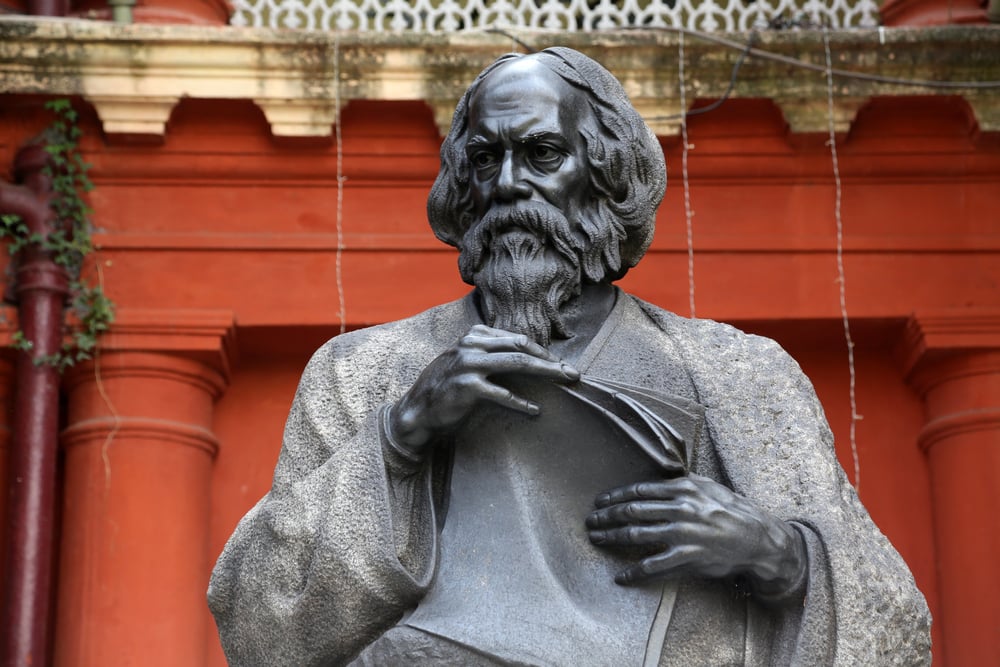
Tagore won the Nobel Prize in Literature in 1913, largely on the strength of this poetry collection. He translated his own work from Bengali into English, and from there, other translators brought it into dozens of languages.
You’ll find Gitanjali in more than 50 languages across six continents. The poems blend devotional themes with personal reflection.
Tagore’s voice is intimate but never sentimental. He addresses the divine with the same directness he might use talking to a friend.
This accessibility, combined with the universal spiritual themes, explains why the work travels so well across linguistic and cultural boundaries.
The Tao Te Ching

Lao Tzu’s ancient Chinese text blurs the line between poetry and philosophy. Written around the 6th century BCE, it consists of 81 short chapters in verse form.
The Tao Te Ching has been translated more than any other Chinese text except for religious scriptures. You’ll find versions in over 250 languages and dialects.
The original classical Chinese is famously ambiguous. Characters can have multiple meanings, and the grammar allows for various interpretations.
This flexibility means every translator produces a somewhat different text. Some emphasize the philosophical aspects, others focus on the poetic qualities, and still others bring out the practical wisdom.
Hafez’s Divan

The 14th-century Persian poet Hafez wrote ghazals that Iranians still memorize and quote today. His collected works, the Divan, exist in more than 50 languages.
Hafez mastered the ghazal form, a type of lyric poetry that originated in Arabic literature. Each couplet in a ghazal can stand alone, which gives translators some flexibility in their approach.
His poems work on multiple levels. On the surface, they celebrate wine and earthly love.
But many readers interpret them as spiritual allegories. This layered meaning lets people from different backgrounds find something that speaks to them.
Translators have to decide whether to preserve this ambiguity or commit to one interpretation.
Shakespeare’s Sonnets
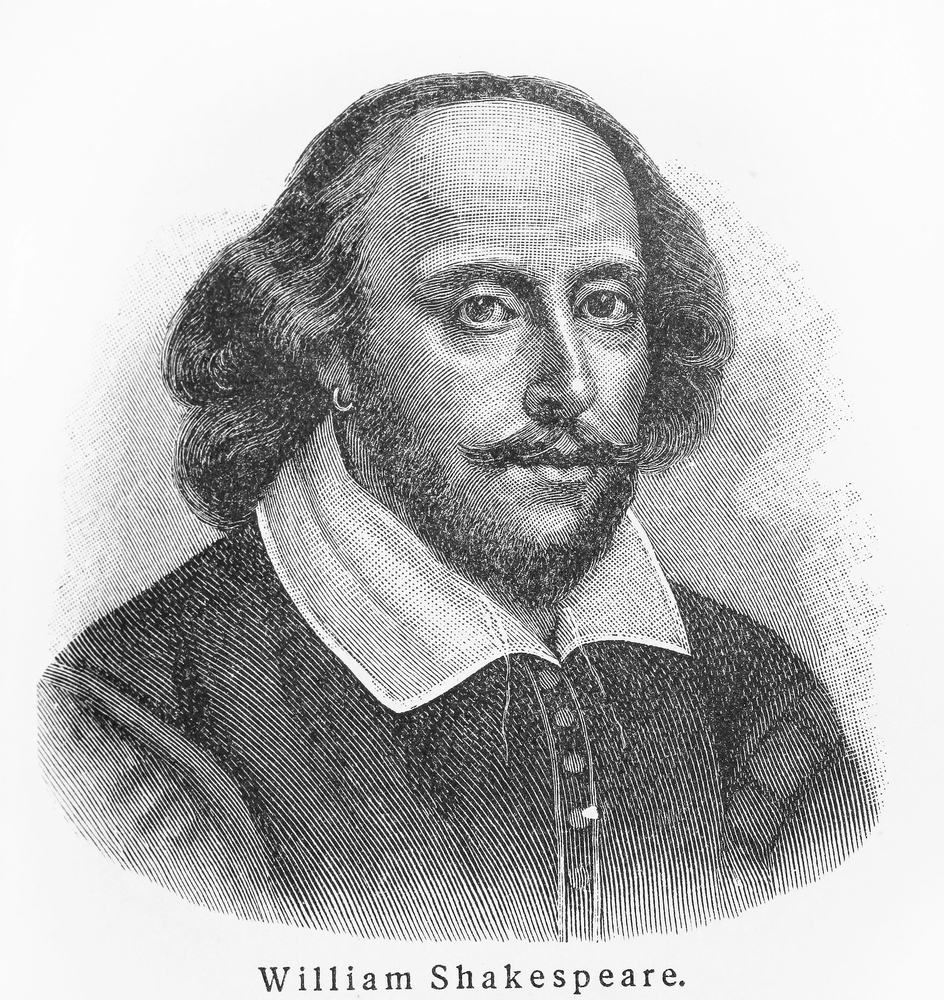
Shakespeare wrote 154 sonnets, and they’ve been translated into virtually every major language. These 14-line poems explore love, time, beauty, and mortality with a complexity that has kept readers engaged for over 400 years.
The sonnets present enormous challenges for translators. Shakespeare’s wordplay, his metaphors, his use of meter and rhyme—all of these elements are deeply tied to English.
Yet translators keep trying because the emotional truths in these poems transcend language. You’ll find Shakespeare’s sonnets in more than 100 languages, with new translations appearing regularly as each generation of translators takes their turn interpreting these verses.
Homer’s “Iliad” and “Odyssey”
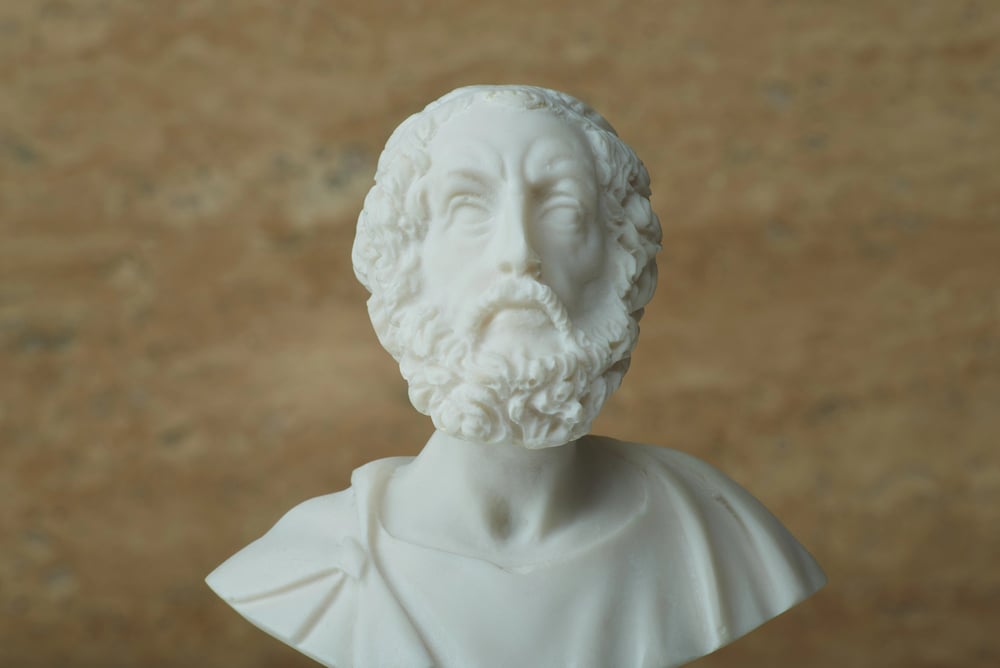
These ancient Greek epics have been in translation for over 2,000 years. Every literate culture seems to want its own version.
You’ll find Homer in more than 100 languages, from Icelandic to Indonesian. The Iliad tells the story of the Trojan War, while the Odyssey follows Odysseus’s long journey home.
Translating Homer means making choices about form. Do you preserve the original meter? Do you use contemporary language or something more archaic?
Different translators have answered these questions differently, giving us everything from literal prose versions to modern verse adaptations. The basic stories remain compelling regardless of the approach.
Dante’s “Divine Comedy”
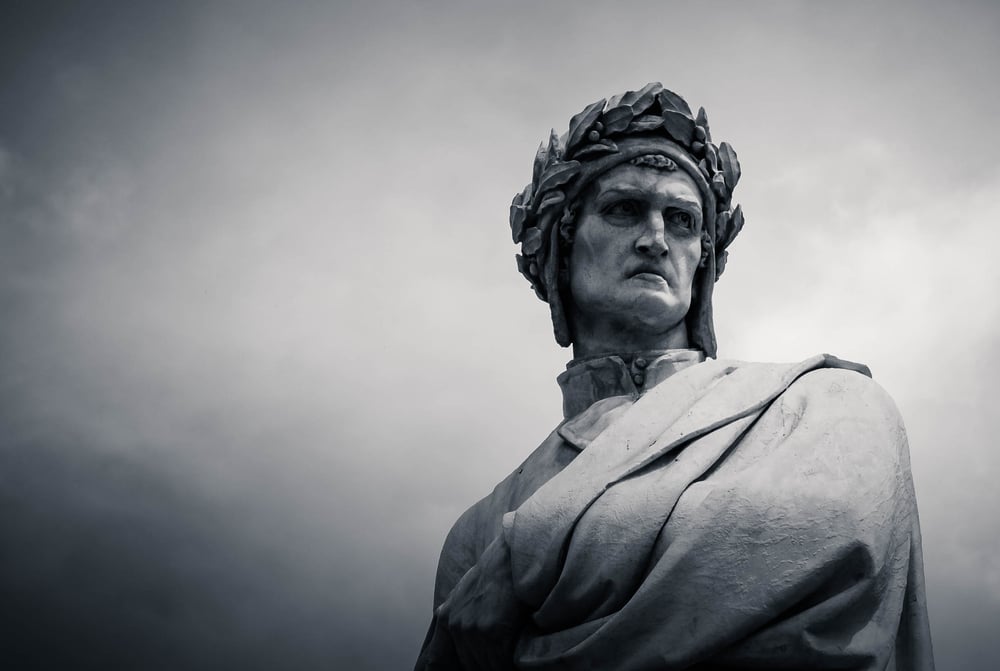
Dante wrote his three-part epic in Italian vernacular rather than Latin, a choice that made the work more accessible in its own time. Since then, translators have brought it into more than 50 languages.
The Divine Comedy follows Dante’s journey through Hell, Purgatory, and Paradise. The original uses terza rima, a rhyme scheme that’s notoriously difficult to reproduce in other languages.
Some translators maintain the rhyme, others abandon it to focus on meaning. Either way, the vivid imagery and philosophical depth come through.
You don’t need to be Catholic or even particularly religious to appreciate Dante’s vision of the afterlife as a complex moral landscape.
Baudelaire’s “Les Fleurs du Mal”
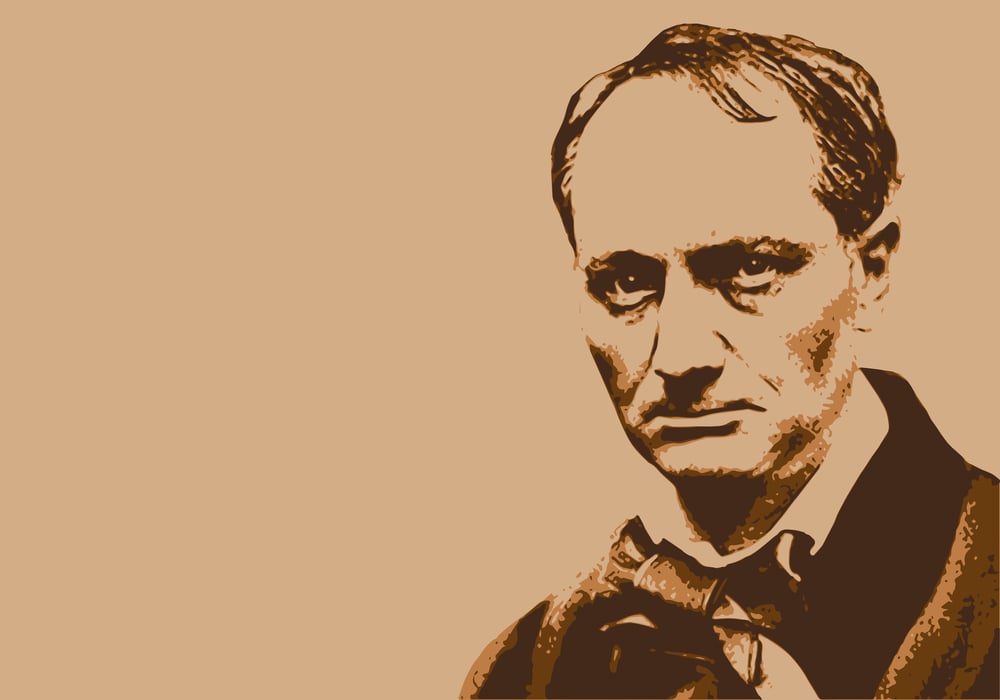
Charles Baudelaire’s 1857 collection shocked French society and influenced poetry worldwide. The poems explore beauty in ugliness, finding the sublime in urban decay and human vice.
You’ll find translations in more than 40 languages. Baudelaire wrote in formal verse, using traditional French meters and rhyme schemes.
Translators face the usual challenge of balancing form and content. His imagery is often jarring—he juxtaposes the beautiful and the grotesque deliberately.
Getting that tension right in translation requires both technical skill and artistic judgment.
Pushkin’s Verse
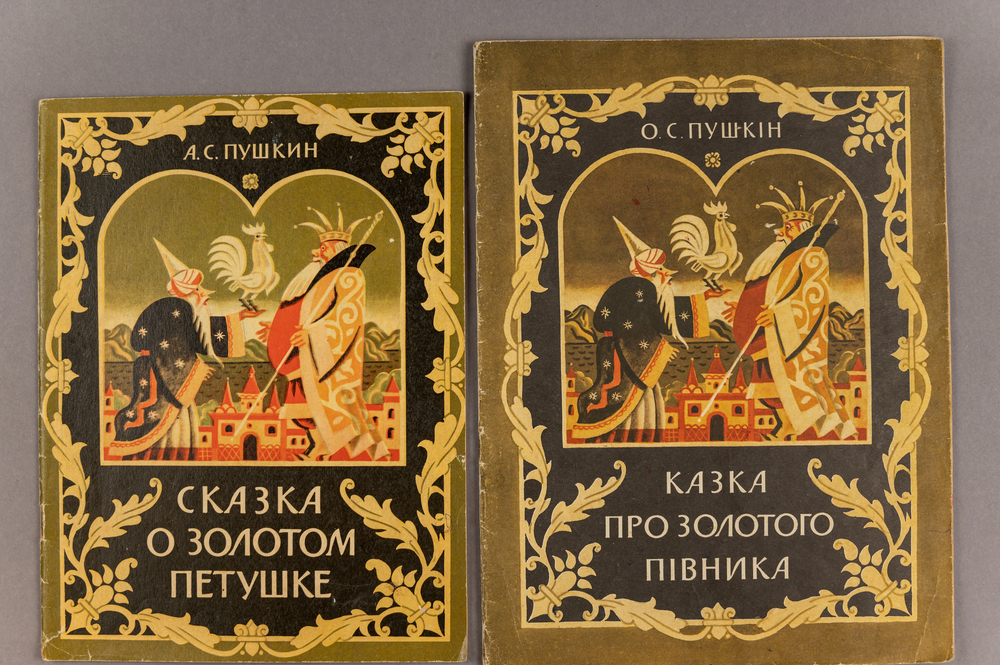
Out of thin air, he shaped what we now call Russian letters – his reach spills past borders like ink on paper. More than fifty tongues carry pieces of his work, especially those flowing tales and the book called Eugene Onegin.
Back then, few dared write so plainly; yet his words moved easily, almost without effort. What made it new? A voice that sounded real, not carved for show.
What trips people up about Pushkin? His clarity feels too easy. Each word sits precisely in place, shaped by how Russian flows through rhythm.
Take “Eugene Onegin” – translation stumbles most here, thanks to a stanza pattern he made up himself. Strong versions keep talk-like ease without losing poetic structure.
Where Words Meet the World
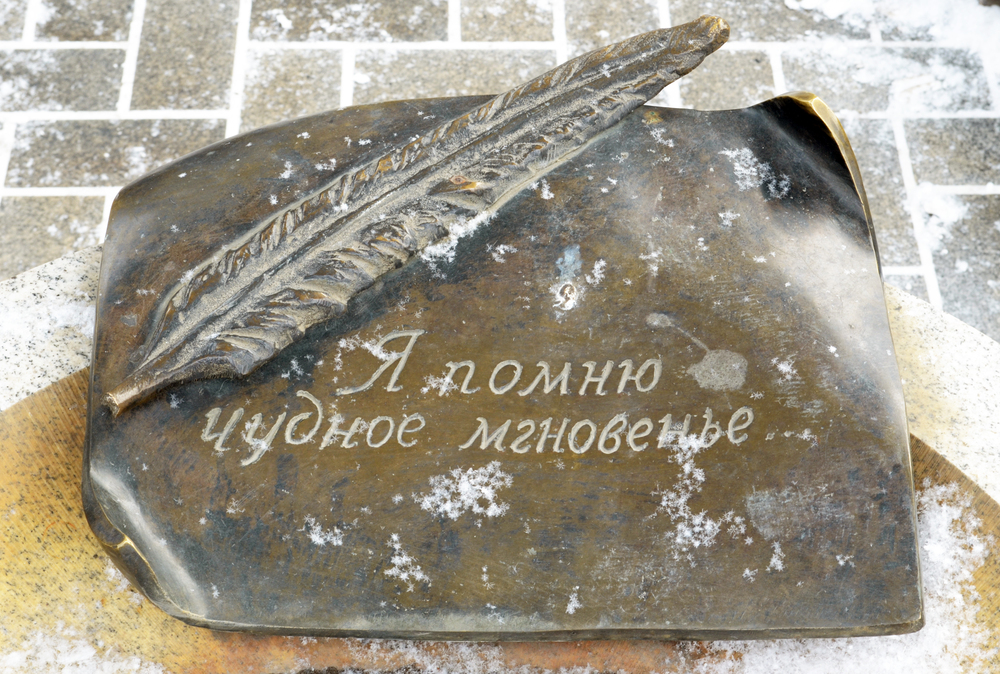
Words shift shape when they cross into foreign tongues – yet some core stays fixed. A poem slips borders, but its heartbeat lingers past distance.
What gets carried over again and again? Feelings anyone might recognize, even if their world looks nothing like yours. Trust shows up each time someone tries – the belief that rhythm and truth can leap barriers of history or vision.
Success appears real, given how these lines still land softly in ears far from home.
More from Go2Tutors!

- The Romanov Crown Jewels and Their Tragic Fate
- 13 Historical Mysteries That Science Still Can’t Solve
- Famous Hoaxes That Fooled the World for Years
- 15 Child Stars with Tragic Adult Lives
- 16 Famous Jewelry Pieces in History
Like Go2Tutors’s content? Follow us on MSN.