17 Hunting Methods That Required Years to Master
Hunting has been humanity’s primary survival method for millennia. It demanded courage, patience, plus an intricate grasp of nature, animal behavior, and specialized techniques handed down through generations. Modern hunters lean heavily on technology, yet our ancestors developed sophisticated methods that required decades to perfect.
These traditional hunting techniques represent some of the most challenging skills humans ever developed. Here is a list of 17 hunting methods that demanded years of dedicated practice to master.
Persistence Hunting

This ancient technique involved chasing prey on foot until the animal collapsed from exhaustion. Hunters would literally run down antelope, deer, or other game across vast distances — sometimes covering 20-30 miles in pursuit.
The method required extraordinary cardiovascular endurance plus intimate knowledge of animal psychology and terrain. Practitioners needed to understand exactly when to push harder versus when to maintain steady pressure, reading subtle signs of fatigue in their quarry.
Falconry

Training birds of prey to hunt alongside humans represents one of the most complex partnerships between species ever developed. Master falconers spent years learning to read their bird’s moods, health, and hunting instincts while building an unbreakable bond of trust.
The process involved understanding flight patterns, wind conditions, and prey behavior while managing a creature that could easily abandon its human partner. A single mistake in training or handling could result in losing a bird worth more than a horse in medieval times.
Persistence Fishing with Spears

Long before fishing hooks existed, hunters would wade into rivers and lakes with handcrafted spears — waiting motionless for hours to strike at the perfect moment. This technique required developing an almost supernatural ability to compensate for light refraction in water while maintaining perfect balance and timing.
Successful spear fishers could read water currents, understand fish behavior patterns, then strike with lightning precision despite the optical illusions created by moving water.
Bow Hunting with Primitive Bows

Creating and mastering traditional longbows or recurve bows demanded understanding wood grain, animal sinew properties, plus precise craftsmanship that took years to develop. Hunters had to learn judging distances accurately without modern rangefinders while accounting for wind, arrow drop, and animal movement.
The physical strength required to draw a hunting-weight bow repeatedly — combined with the mental discipline needed for consistent accuracy — separated master archers from casual practitioners.
Pit Trap Construction

Building effective pit traps required engineering skills that combined knowledge of soil composition, animal travel patterns, plus structural integrity. Master trap builders learned to disguise their creations so perfectly that even experienced animals would fall victim.
The technique involved understanding seasonal migration routes, calculating optimal trap placement, then constructing covers that would support smaller animals’ weight while collapsing under larger prey. A poorly constructed pit could cave in prematurely or fail to hold its intended target.
Deadfall Trapping

These weighted traps required precise understanding of leverage, balance points, plus trigger mechanisms that would activate reliably without false triggers from wind or small animals. Craftsmen spent years perfecting the delicate balance between sensitivity and stability.
The construction demanded knowledge of local materials, weather patterns that might affect wooden components, plus the specific behaviors of target animals. Master trappers could build deadfalls that’d function reliably for months in harsh outdoor conditions.
Blowgun Hunting

Achieving accuracy with a blowgun beyond 30 feet required breath control techniques similar to those used by professional wind instrument players. Hunters learned to account for projectile drop, wind drift, plus the lightweight nature of their ammunition while maintaining steady aim.
The skill involved developing specialized breathing techniques that allowed for consistent air pressure — then learning to craft perfectly straight darts that would fly true. Master blowgun hunters could consistently hit targets the size of a coin at distances that would challenge modern air rifle users.
Net Hunting in Groups

Coordinating large hunting parties with massive nets required leadership skills, precise timing, plus understanding of animal herd psychology that took decades to develop. Leaders learned to position dozens of hunters simultaneously while predicting exactly how frightened animals would react.
The technique involved reading terrain features that would funnel fleeing game, understanding wind direction effects on animal senses — then coordinating complex maneuvers without modern communication devices. Success depended on split-second timing plus the ability to adapt quickly when animals behaved unpredictably.
Ice Fishing Through Breathing Gaps

Arctic hunters developed the ability to locate seal breathing gaps in vast expanses of seemingly identical ice — then wait motionless for hours in temperatures that could kill unprepared individuals. This method required understanding tidal patterns, ice formation, plus marine mammal behavior in extreme conditions.
Hunters learned to interpret subtle variations in ice color and texture that indicated active breathing gaps versus abandoned ones. The physical endurance needed to remain perfectly still in sub-zero temperatures while maintaining reflexes necessary for a successful strike represented one of humanity’s most demanding hunting challenges.
Communal Buffalo Jumps
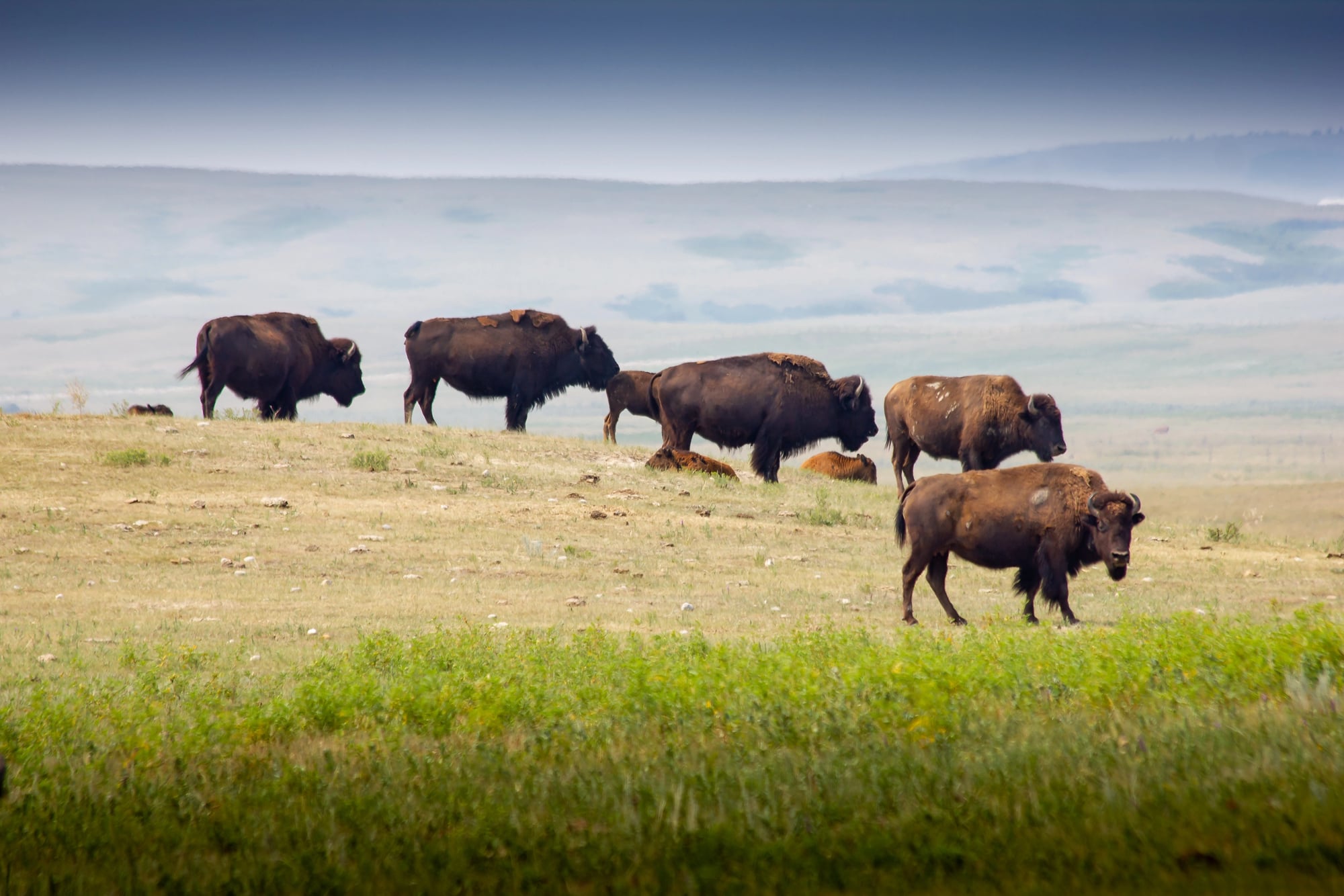
Organizing buffalo jumps required coordinating hundreds of people to drive massive herds over cliffs with precise timing — plus positioning that took lifetimes to master. Leaders spent years learning to read buffalo behavior, understand seasonal migration patterns, then predict how herds would react to various stimuli.
The technique involved constructing miles of stone cairns and brush walls to guide animals toward cliff edges while positioning hunters at strategic points. A single mistake in timing or positioning could scatter the herd, wasting months of preparation.
Tracking in All Conditions

Master trackers developed the ability to follow individual animals across various terrains and weather conditions, reading signs invisible to untrained eyes. They learned to interpret disturbed vegetation, scat analysis, feeding sign, though subtle ground disturbances that told complete stories about animal behavior.
The skill required understanding how different soil types hold tracks, how weather affects sign preservation, yet how to age tracks accurately. Expert trackers could follow trails days old across rocky ground where no visible footprints existed.
Ambush Hunting from Blinds

Constructing effective blinds required understanding animal vision, wind patterns, though natural camouflage principles while remaining comfortable enough for extended waiting periods. Hunters learned to build structures that blocked human scent while providing clear shooting lanes and quick escape routes.
The technique involved studying animal travel patterns over multiple seasons to identify optimal ambush locations. Master blind hunters could remain motionless for entire days while staying alert for the brief moments when game appeared within range.
Hunting with Trained Dogs
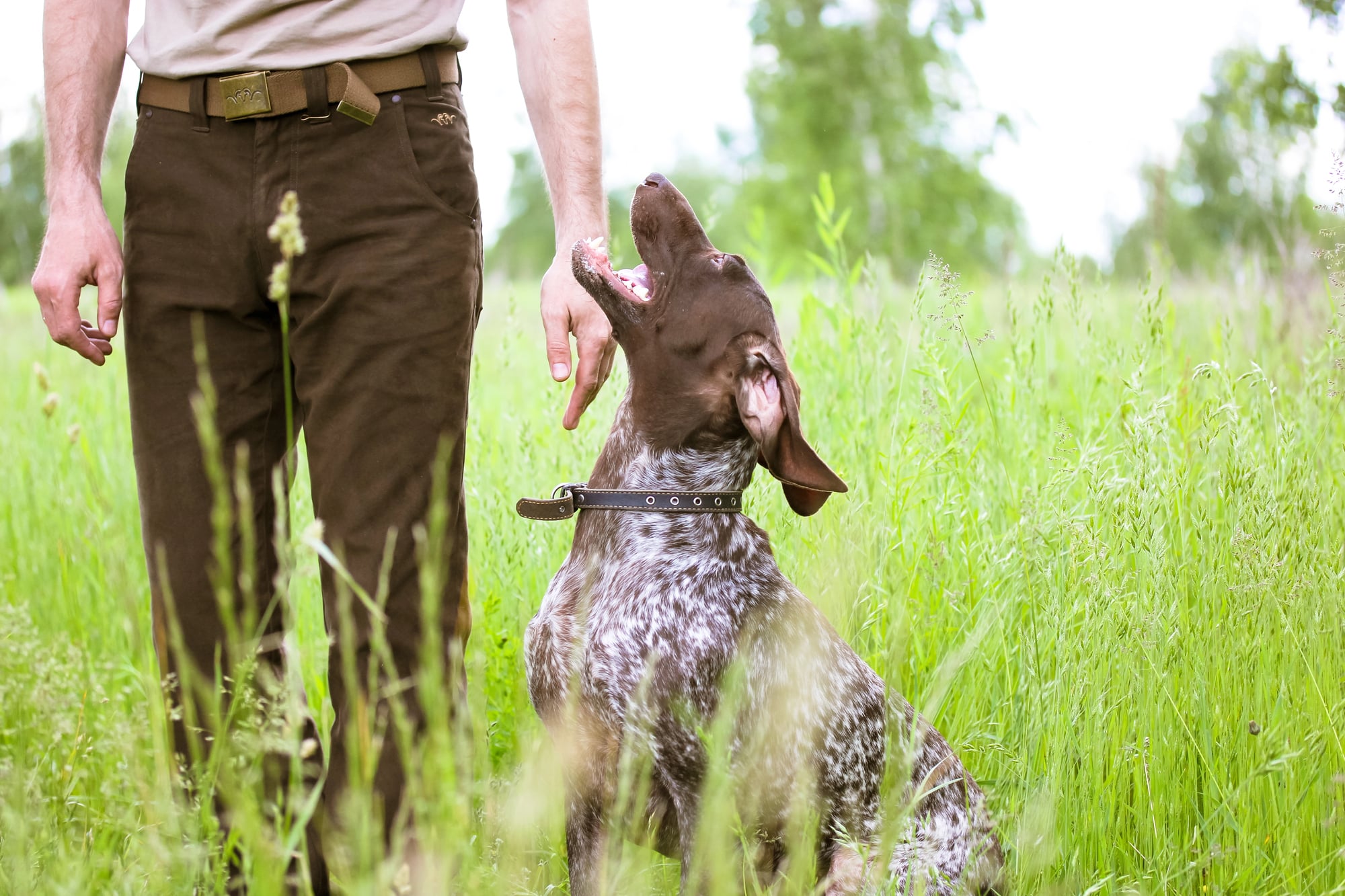
Developing effective hunting dog partnerships required understanding canine psychology, training methods, yet the complex communication between species that allowed coordinated hunts. Handlers learned to read their dogs’ body language, understand different breeds’ strengths and limitations, while maintaining pack discipline during exciting chase situations.
The relationship involved years of consistent training that built mutual trust and communication systems that functioned reliably in high-stress hunting situations. Successful dog handlers could direct their animals through subtle voice commands though hand signals while maintaining control during chaotic pursuits.
Horseback Hunting

Mastering mounted hunting required exceptional riding skills combined with weapons proficiency while managing a horse’s natural flight instincts around predators and prey. Riders learned to shoot accurately from a moving platform while controlling their mount with subtle leg pressure though weight shifts.
The technique demanded understanding horse psychology, maintaining calm during exciting chases, yet coordinating with other mounted hunters in complex maneuvers. Expert mounted hunters could pursue game across difficult terrain while maintaining perfect shooting form despite their horse’s unpredictable movements.
Underwater Hunting
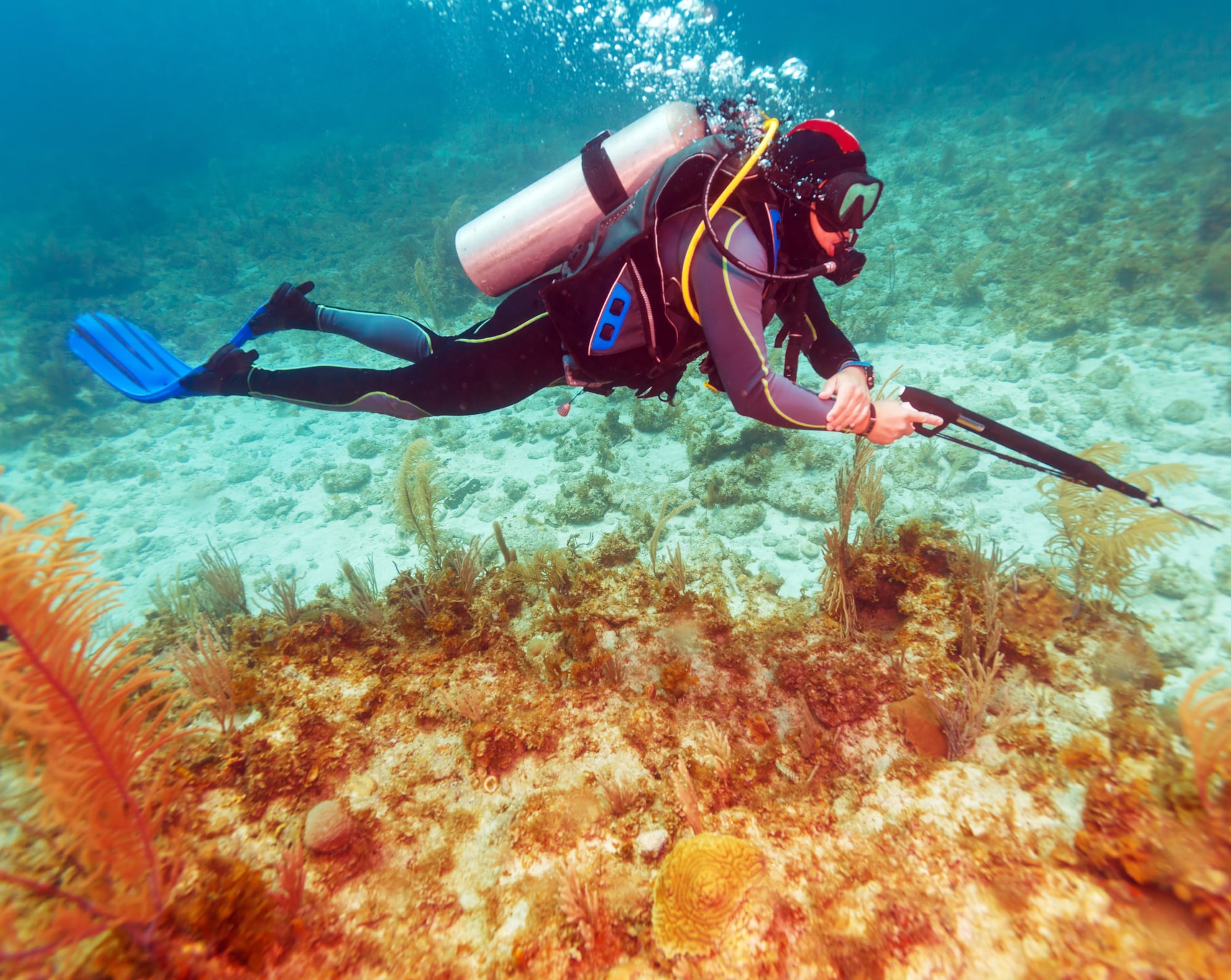
Free-diving hunters developed the ability to hold their breath for several minutes while swimming underwater to spear fish or gather shellfish. This method required exceptional physical conditioning, understanding of underwater currents, though the mental discipline to remain calm while oxygen levels dropped dangerously low.
Practitioners learned to read underwater terrain, predict fish behavior in their natural environment, yet make accurate strikes while dealing with water resistance and limited visibility. Master underwater hunters could dive to depths exceeding 100 feet using only their natural breath-holding ability.
Hunting with Atlatls

The atlatl, or spear-thrower, required years of practice to achieve the accuracy and power necessary for successful hunting. Users learned to coordinate complex arm and wrist movements that multiplied their throwing force while maintaining precision at distances up to 200 feet.
The technique involved understanding projectile physics, crafting perfectly balanced spears, though developing the muscle memory necessary for consistent performance. Master atlatl users could achieve penetration power comparable to modern crossbows while maintaining accuracy that rivaled experienced archers.
Cooperative Rabbit Drives

Organizing large-scale rabbit drives required coordinating entire communities in complex maneuvers that herded small game into nets or enclosed areas. Leaders learned to read rabbit behavior, understand how these animals react to coordinated pressure, yet time community efforts to coincide with peak rabbit populations.
The technique involved positioning dozens of participants in precise formations while maintaining communication across large distances without frightening the prey prematurely. Successful rabbit drives could provide protein for entire villages while requiring leadership skills that transferred to other community activities.
Skills That Shaped Our Species

These traditional hunting methods showcase humanity’s incredible ability to develop sophisticated techniques using only natural materials and inherited knowledge. While modern technology has largely replaced these ancient skills, indigenous communities worldwide still practice many of these methods, preserving knowledge that took countless generations to perfect.
The patience, observation skills, though deep understanding of natural systems required for these techniques offer valuable lessons for anyone seeking to connect more deeply with the natural world. Perhaps most remarkably, these hunting methods demonstrate that true mastery of any skill doesn’t just require practice, yet a willingness to spend years understanding the subtle complexities that separate competence from expertise.
More from Go2Tutors!

- The Romanov Crown Jewels and Their Tragic Fate
- 13 Historical Mysteries That Science Still Can’t Solve
- Famous Hoaxes That Fooled the World for Years
- 15 Child Stars with Tragic Adult Lives
- 16 Famous Jewelry Pieces in History
Like Go2Tutors’s content? Follow us on MSN.