Music Albums Recorded in Strange Places
Recording studios exist for a reason. Controlled acoustics, professional equipment, isolation from the outside world.
But throughout music history, some of the most interesting albums came from abandoning all of that entirely — from dragging equipment into places it had no business being and seeing what happened. Sometimes the location shaped the sound.
Sometimes it shaped the people making it. Sometimes it just made a good story.
The Rolling Stones in a French Mansion
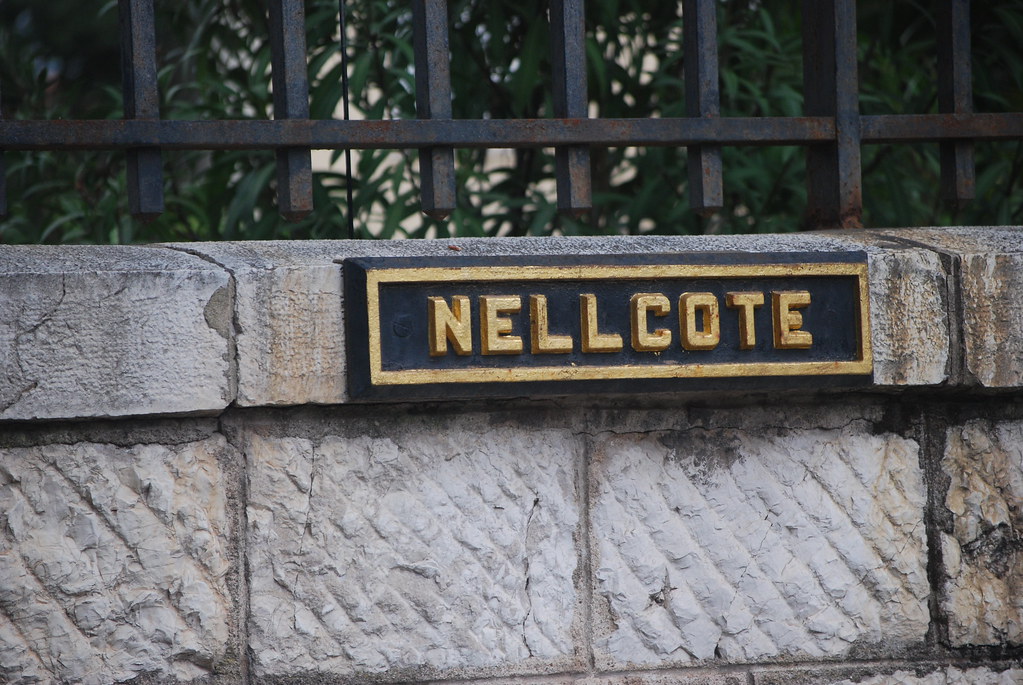
Exile on Main St., widely considered one of the greatest rock albums ever made, was recorded largely in the basement of a rented villa in the south of France in 1971. The Stones had left England for tax reasons and set up a mobile recording studio in the basement of Nellcôte, Keith Richards’ rented mansion near Nice.
The conditions were chaotic — the basement was hot, poorly ventilated, and cramped, with cables running through the entire house. People wandered in and out. Sessions started late and ran until dawn.
The looseness of the environment is audible in the final recordings, and that looseness is exactly what makes the album work.
Johnny Cash at Folsom Prison
Cash had been trying to record a live album at a prison for years before it finally happened at Folsom Prison in California in January 1968. Two performances were recorded in the prison dining hall in front of an audience of inmates.
The energy in the room was unlike anything a conventional venue could replicate — the audience responded to every song with the intensity of people who had nothing to lose. At Folsom Prison went on to resurrect Cash’s career and is still one of the best-selling live albums in country music history.
The location wasn’t incidental. That was the whole point.
AC/DC in a Converted Barn
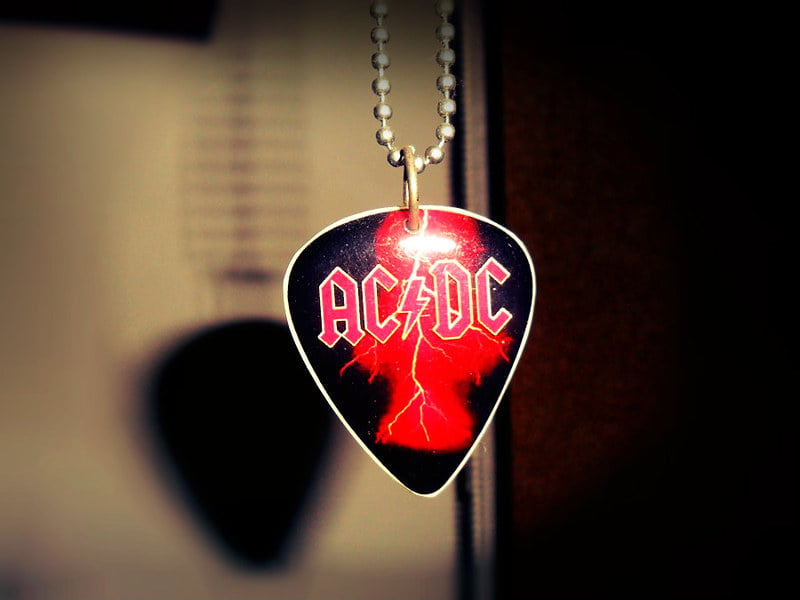
Back in Black, one of the best-selling albums of all time, was recorded in part at a converted yacht club and a rehearsal space in the Bahamas, but the band’s earlier records were tracked in considerably rougher settings. For their debut album High Voltage, AC/DC used a converted barn in Sydney with almost no acoustic treatment and basic equipment.
The rawness of those early recordings reflected the spaces they were made in — nothing polished, nothing controlled, just volume and directness.
Bon Iver in a Wisconsin Hunting Cabin
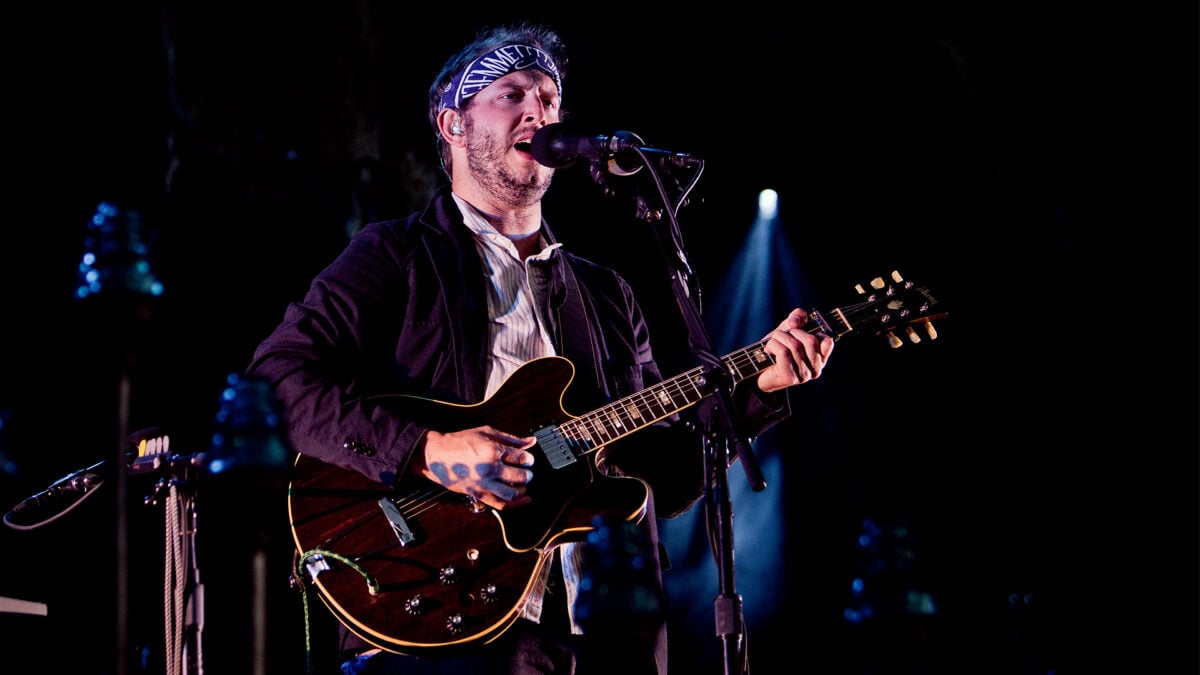
Justin Vernon recorded the first Bon Iver album, For Emma, Forever Ago, entirely alone in his father’s hunting cabin in the woods of Wisconsin during the winter of 2007. He had gone there to recover from illness, a breakup, and the collapse of his previous band.
With only basic recording equipment, he spent three months writing and recording in near-total isolation. The album’s sound — hushed, layered, deeply interior — is inseparable from the environment it came from.
It was self-released online and eventually became one of the most influential folk albums of the 2000s.
The Beach Boys and a Living Room in Hawthorne
Much of the early Beach Boys material was recorded not in professional studios but in the living room of the Wilson family home in Hawthorne, California. Brian Wilson set up a basic home recording setup and used it to experiment with arrangements and production ideas that would eventually become some of the most studied pop music ever made.
The limitations of the space pushed him toward certain creative choices that a fully equipped studio might never have produced. Pet Sounds, recorded later in proper studios, grew directly out of habits developed in that living room.
Nick Cave in a Haunted Cuban Hotel
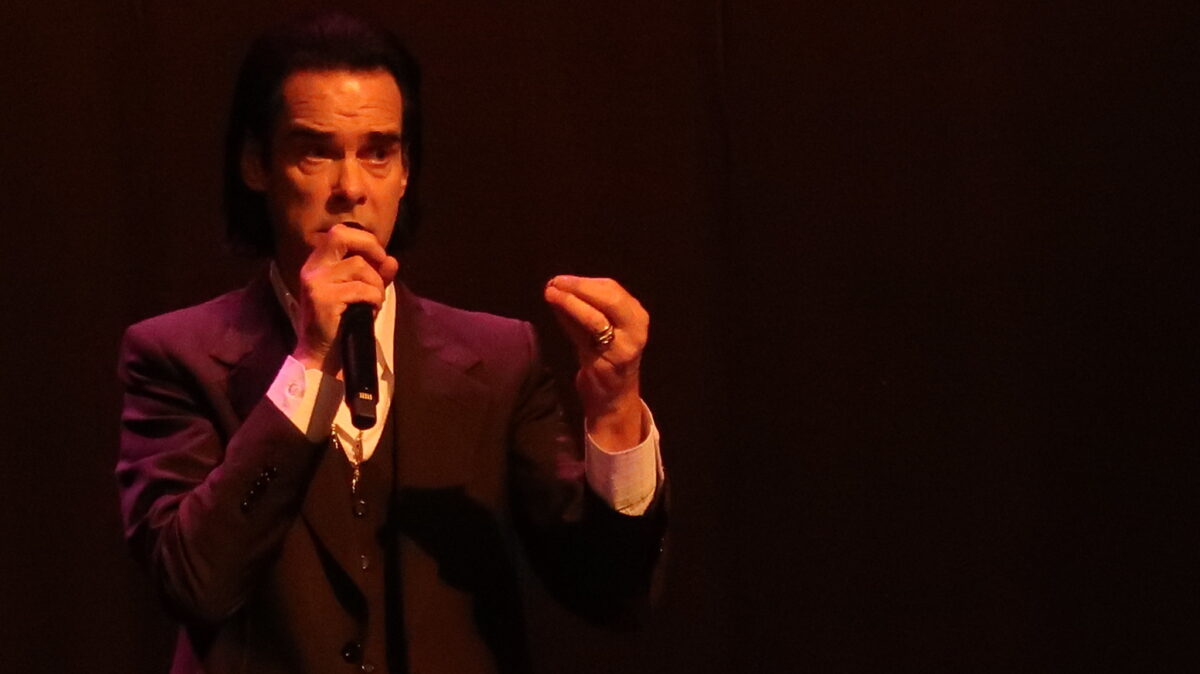
When Nick Cave and the Bad Seeds recorded The Boatman’s Call in 1997, they used a relatively conventional studio in London. But for an earlier album, Henry’s Dream, they recorded in a mansion in Melbourne with a troublesome acoustic environment that producer David Bridie described as nearly unworkable.
Cave has a long history of seeking out locations that match the mood of the material — theatres, churches, empty spaces — and treating the atmosphere of a place as part of the recording process rather than a problem to be corrected.
David Bowie in a Divided Berlin
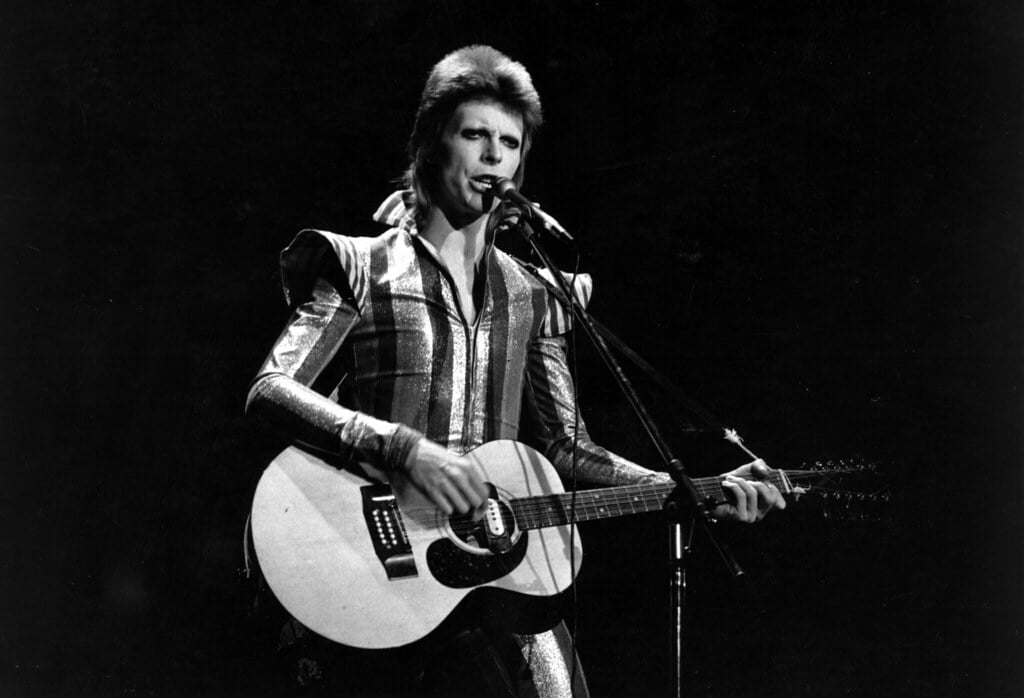
Low, Heroes, and Lodger — the trio of albums Bowie made between 1977 and 1979 with Brian Eno — were recorded primarily at Hansa Tonstudio in West Berlin, a large studio close to the Berlin Wall. The proximity to the Wall wasn’t incidental to Bowie’s choice.
He had moved to Berlin deliberately to escape the Los Angeles lifestyle that was destroying him, and the divided, strange atmosphere of the city fed directly into the albums. Heroes was partly inspired by Bowie watching two people embrace near the Wall from the studio window.
The geography of the place is embedded in the music.
The White Stripes Recorded an Album in Three Days
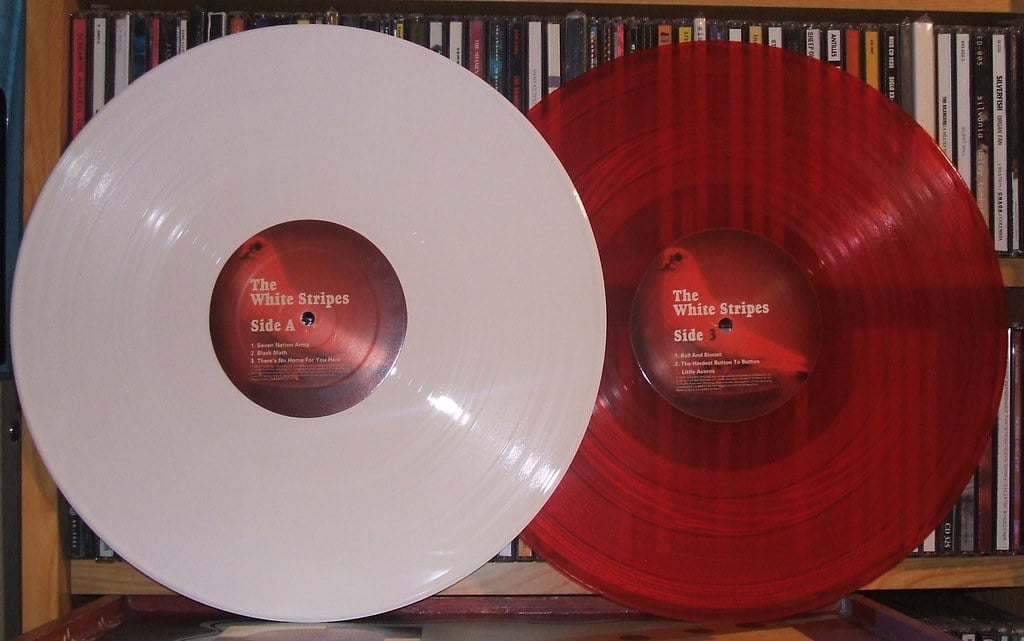
White Blood Cells, the White Stripes album that broke them nationally, was recorded in a single Memphis studio in three days in 2001. The studio — Easley-McCain Recording — was a modest operation in a residential neighbourhood that had previously recorded albums for Guided by Voices and Pavement.
Jack White deliberately chose speed and simplicity over polish. The rushed, live-to-tape quality was a choice, and the resulting album landed with an energy that slower, more deliberate sessions might have smoothed away.
Led Zeppelin in a Haunted Hampshire Mansion
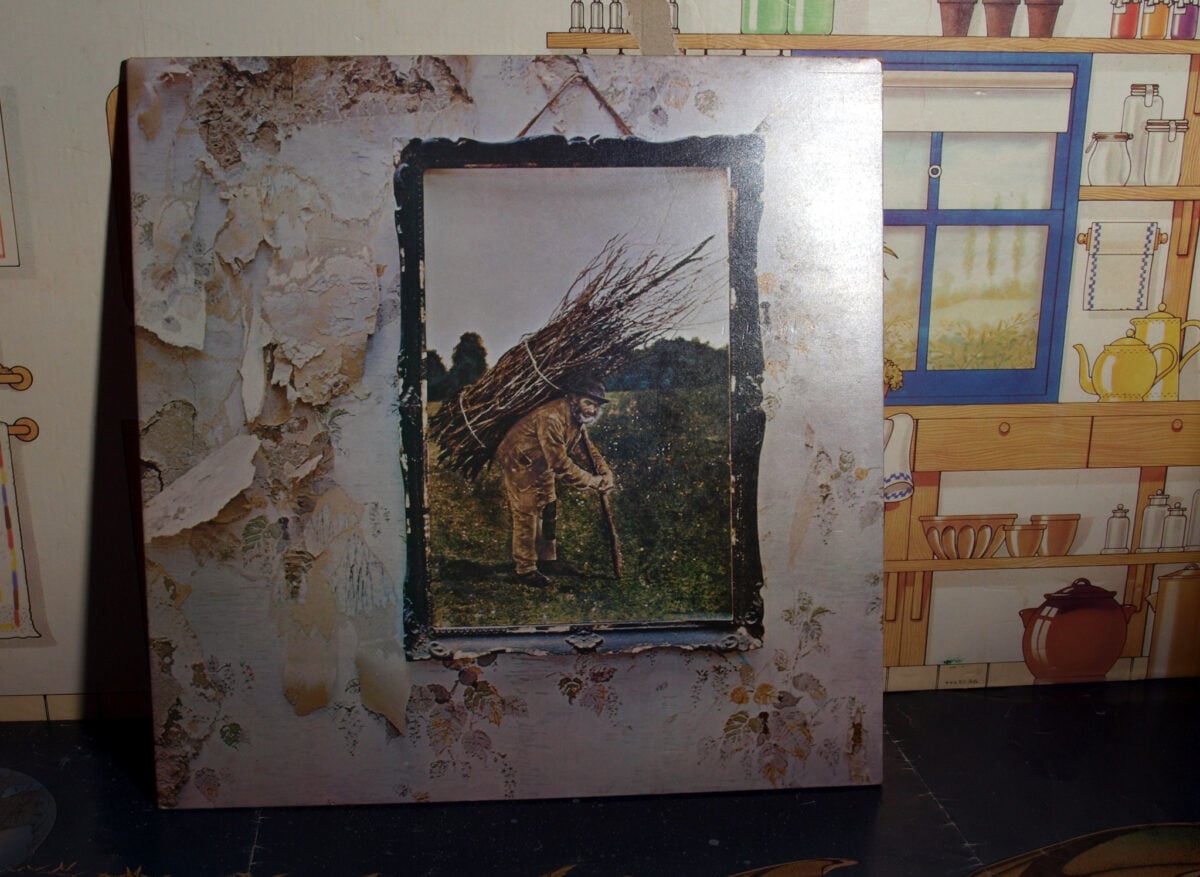
Led Zeppelin IV, home to Stairway to Heaven, was recorded partly at Island Studios in London and partly at Headley Grange, a former workhouse in Hampshire that the band rented for rehearsals and recording using the Rolling Stones’ mobile studio. The building had a reputation for being unpleasant — cold, damp, and reportedly haunted.
The large rooms produced natural reverb that the band captured directly. The drum sound on When the Levee Breaks was recorded in the entrance hall of the building, with John Bonham’s kit set up on the floor and the microphones placed on the staircase above to capture the natural decay of the space.
That sound has been sampled more than almost any other drum recording in history.
Tom Waits in Whatever Was Available
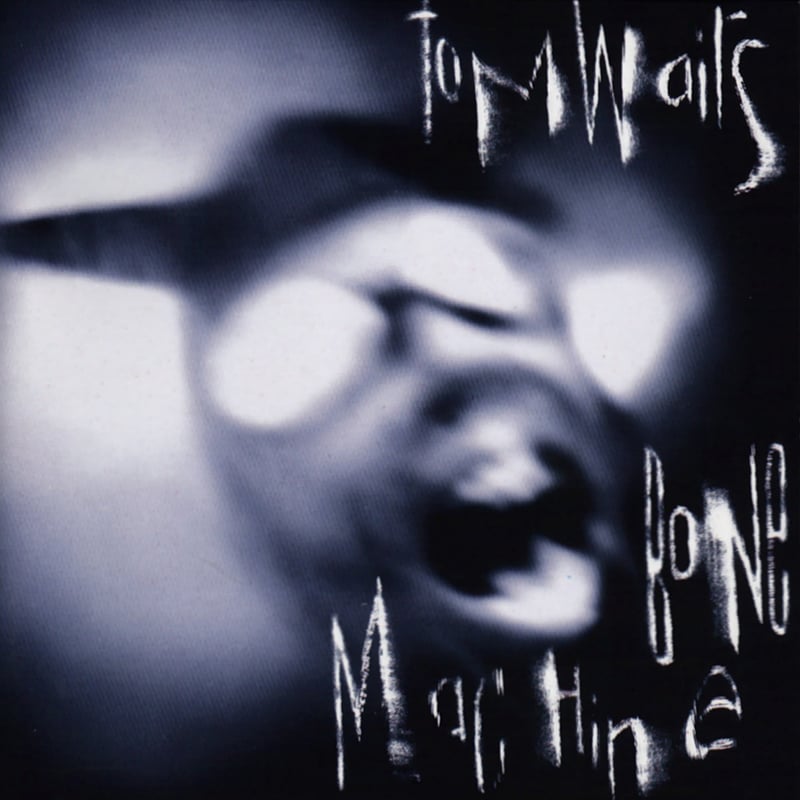
Tom Waits has made a habit of recording in unconventional settings throughout his career. Bone Machine, released in 1992, was recorded largely in a garage in Los Angeles, and Waits used the concrete surfaces and basic equipment deliberately.
He has recorded in storage units, warehouses, and rented houses over the years, and his approach to microphone placement and room sound treats location as an instrument. The rusted, broken, percussive quality of his recordings from the 1980s and 1990s is partly the result of rooms that would have horrified a conventional recording engineer.
Radiohead in a Country House
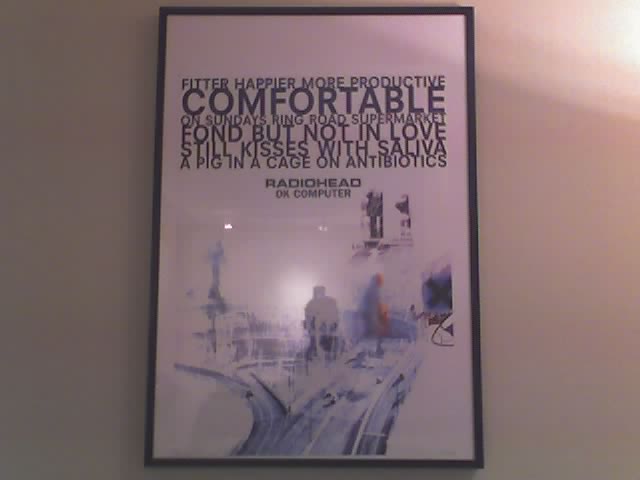
OK Computer was recorded in 1996 and early 1997 at St. Catherine’s Court, a 15th-century manor house in Somerset that Jane Seymour rented to the band. The building had a ballroom, a great hall, and numerous large rooms with old stone walls and high ceilings, and Radiohead used all of them.
Different songs were recorded in different rooms depending on the atmosphere they were looking for. The size and age of the building gave the album an expansive, slightly unsettling acoustic character that matched what the band was trying to say.
Recording in a rented stately home while writing songs about alienation and modern anxiety turned out to be its own kind of statement.
Bruce Springsteen in His Bedroom
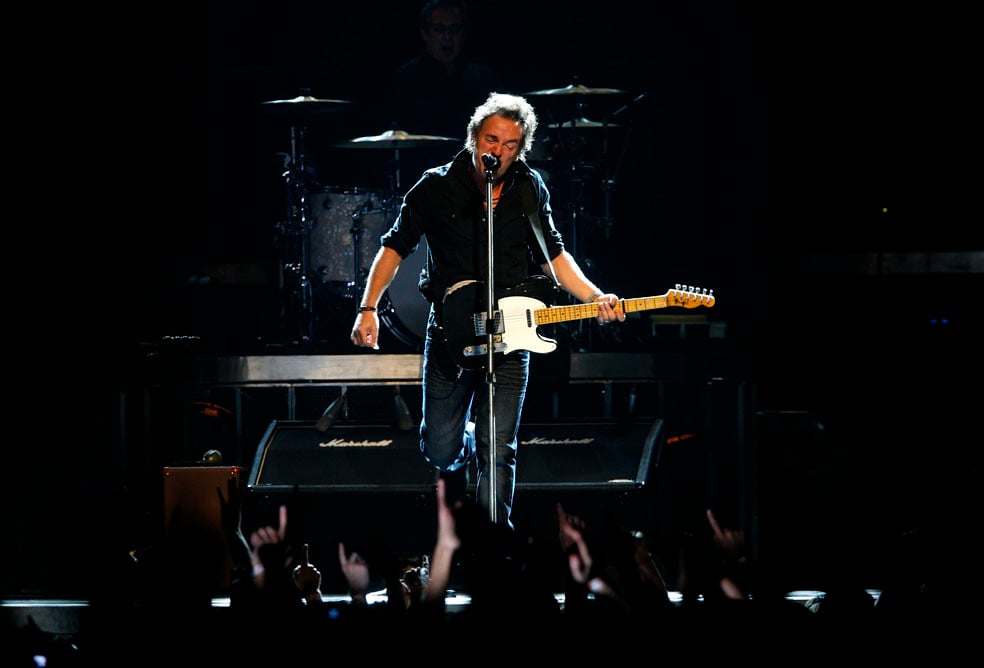
Nebraska, released in 1982, was recorded by Springsteen alone in his bedroom in New Jersey on a four-track Tascam cassette recorder. The original intention was to make rough demos for the E Street Band to work from, but when the band tried to record full versions in a proper studio, nothing matched the quality of the bedroom recordings.
The rawness, the tape hiss, the slight imperfections — all of it was part of what made the songs work. Springsteen eventually released the bedroom cassette as the finished album. Nebraska remains one of the starkest and most direct records of his career.
Sigur Rós in an Abandoned Swimming Pool
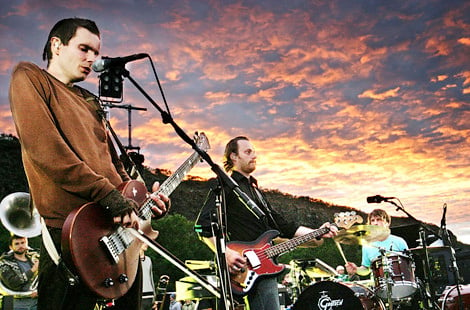
The Icelandic band Sigur Rós recorded parts of their album Ágætis byrjun in a disused swimming pool in Reykjavik that had been converted into a rehearsal and recording space. The tiled surfaces created long natural reverb that became part of the band’s signature sound — those slow, sustained notes that seem to hang in the air indefinitely.
The pool’s acoustics suited the music so well that the effect is almost impossible to replicate digitally. The band returned to similar spaces for later recordings, and the swimming pool reverb became something fans and producers have tried to chase ever since.
The Beatles in the Studio They Outgrew
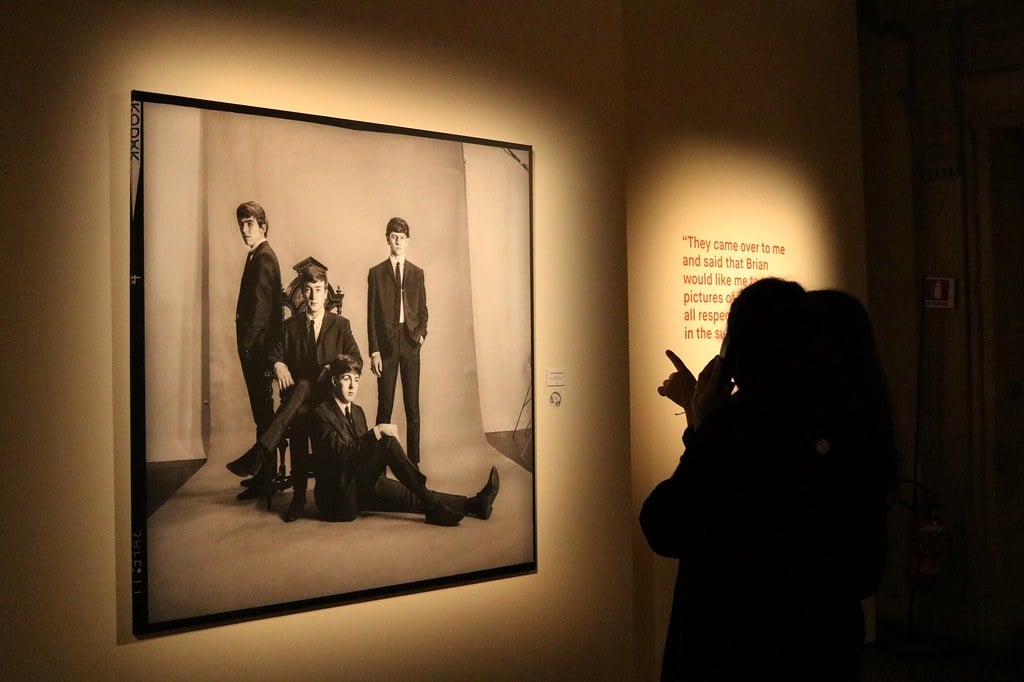
Abbey Road is named after the studio where it was recorded, which by 1969 was a place the Beatles had essentially lived in for seven years. But the tension during those sessions is well documented — Paul McCartney brought in director Michael Lindsay-Hogg to film the recording process, and what the cameras caught was a band barely holding together.
The rooftop concert in January 1969, filmed on top of the Apple Corps building in Savile Row, was the last live performance the Beatles ever gave. They played on a London rooftop in January, in the cold, with police eventually arriving to stop the noise.
The footage remains one of the most-watched documents in rock history. The location was chosen partly out of indecision and partly out of necessity, and it became iconic by accident.
Floors, Barns, Basements and Walls

Each story featured a place that somehow influenced the outcome. This could have been a prison dining hall, a cabin during winter, a room by the divide between two cities, or a swimming pool with tiles – the location ended up in the recording somehow.
Sound is physical – it bounces off hard surfaces, gets absorbed by soft materials, and even takes on the temperature and mood of a room. Engineers go to great lengths and spend a lot of money trying to control that.
Some of the most legendary albums throughout history were made by artists who didn’t resist it and instead let the natural presence of the room be part of their music.
More from Go2Tutors!

- The Romanov Crown Jewels and Their Tragic Fate
- 13 Historical Mysteries That Science Still Can’t Solve
- Famous Hoaxes That Fooled the World for Years
- 15 Child Stars with Tragic Adult Lives
- 16 Famous Jewelry Pieces in History
Like Go2Tutors’s content? Follow us on MSN.