17 Bizarre Luxury Items Famous Athletes Are Buying
When you think about how professional athletes spend their millions, expensive cars and massive mansions probably come to mind. But dig a little deeper into their purchasing habits, and you’ll discover a world of acquisitions that makes those traditional splurges look downright ordinary.
From living creatures that require their own staff to objects that serve no practical purpose whatsoever, the spending choices of elite athletes reveal something fascinating about what happens when unlimited resources meet very specific obsessions.
Custom Dinosaur Skeletons
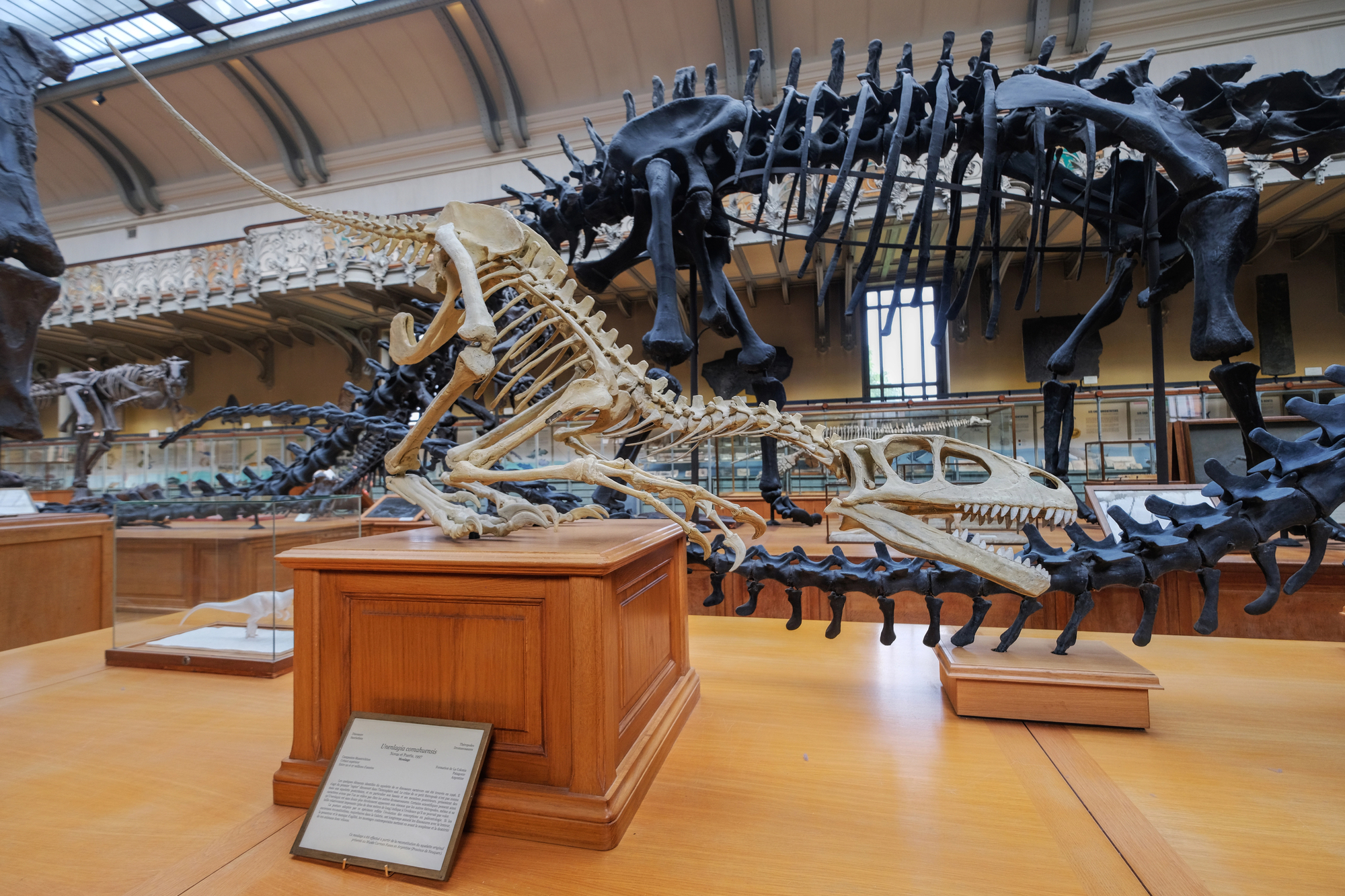
NFL linebacker Von Miller owns a fully assembled Tyrannosaurus Rex skeleton. Not a replica. The actual fossilized remains of a creature that terrorized other creatures 68 million years ago, now standing in his living room like the world’s most intimidating coffee table conversation starter.
The skeleton cost him over $2 million, which seems reasonable until you realize he also had to retrofit his house to accommodate a 12-foot-tall predator. But Miller wasn’t satisfied with just one extinct reptile — he’s reportedly shopping for a Triceratops to keep the T-Rex company, because apparently even ancient apex predators get lonely.
Personal Rain Clouds

Soccer star Neymar commissioned a company to create artificial rain clouds that follow him around his estate in Brazil. The system uses drones equipped with water dispersal technology to create localized precipitation whenever he wants to experience the romance of a rainstorm without the inconvenience of actual weather.
The installation cost close to $800,000 and requires a full-time technician to operate (the clouds don’t run themselves, it turns out). Neymar claims the artificial rain helps him relax and think more clearly, which raises questions about what exactly he was thinking when he decided this was a reasonable way to spend nearly a million dollars.
Preserved Celebrity Sweat

This one exists at the intersection of devotion and disturbing, where NBA players have started collecting vials of sweat from their sports heroes — not current players, but legends who’ve been dead for decades. The sweat, preserved through some process that’s probably better left unexplained, sells for anywhere from $50,000 to $200,000 per small glass container.
Washington Wizards forward Anthony Davis reportedly owns three vials: one allegedly from Wilt Chamberlain, another from Kareem Abdul-Jabbar, and a third from an unnamed 1960s player whose identity remains a mystery (which somehow makes it more valuable, not less). The authentication process involves techniques borrowed from forensic science, and there’s apparently a thriving black market for fake celebrity perspiration, because of course there is.
Extinct Language Tutors

Tennis champion Serena Williams employs someone whose only job is teaching her dead languages. Not Latin or ancient Greek — those are still studied in universities. She’s learning languages that haven’t been spoken in centuries: Middle Cornish, Dalmatian, and something called Norn that died out in the 1800s.
Her tutor, one of only seven people in the world certified to teach these particular tongues, charges $500 per hour and flies to wherever Williams happens to be training. The lessons serve no practical purpose since there’s literally no one left to have conversations with, but Williams insists the mental exercise keeps her sharp between matches.
Professional Silence Curators

Here’s where athlete spending crosses into territory that feels almost philosophical: hiring people whose expertise is the absence of sound. Golden State Warriors point guard Stephen Curry pays a team of acoustics specialists $300,000 annually to create what they call “perfect silence” in designated rooms throughout his house.
This isn’t simply soundproofing (any contractor can do that). These are experts in eliminating specific frequencies, adjusting air pressure, and calibrating humidity levels to achieve what they describe as “silence so complete it becomes an experience.”
Live Volcano Monitoring Systems
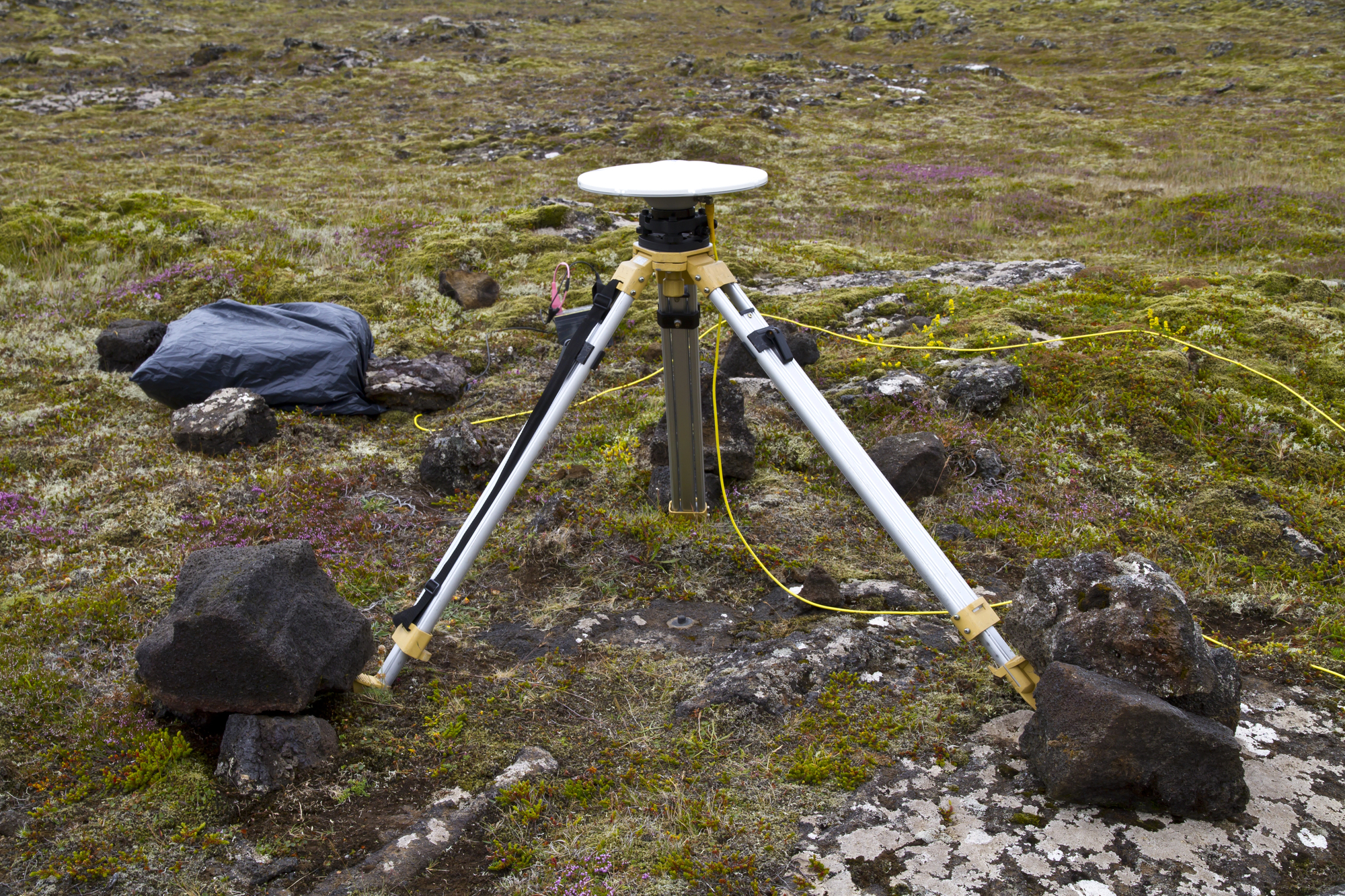
You know that moment when you’re watching a nature documentary about volcanic eruptions and think, “I wish I could watch this happen in real time from the safety of my own home”? San Francisco 49ers quarterback Mac Jones thought the same thing, except he had the resources to make it happen.
He’s installed a $1.2 million monitoring system that provides live feeds from twelve active volcanoes around the world. The feeds run 24/7 on screens throughout his house, and he employs two volcanologists who provide real-time commentary through an intercom system whenever seismic activity increases.
But the system goes beyond simple observation — it includes predictive modeling software that attempts to forecast eruptions weeks in advance. Jones receives daily briefings about magma chamber pressure levels and gas emission readings, information that serves no purpose in his life beyond satisfying what appears to be an expensive fascination with catastrophic geological events.
Artificial Gravity Chambers

NBA center Joel Embiid owns what might be the most science-fiction purchase on this list: a room that can alter gravitational effects through magnetic field manipulation. The chamber cost $4 million and requires its own power grid to operate, which seems like a lot until you see what it actually does.
The room can make objects appear to float, fall sideways, or drop at different speeds than physics would normally allow. Embiid uses it for what he calls “impossible basketball practice” — shooting free throws while the ball curves mid-flight, or dribbling while experiencing twice normal gravitational pull.
The technology was originally developed for space research, and Embiid is reportedly the only private individual who owns one. The chamber requires supervision from a physicist during use (insurance companies insisted on this after the first installation), and the magnetic fields are so powerful that anyone with metal implants can’t enter the room.
Personal Aurora Generators

Figure skater Nathan Chen decided that natural aurora displays weren’t convenient enough, so he commissioned a team of atmospheric scientists to create artificial northern lights above his training facility. The system uses ionized gas and electromagnetic fields to generate aurora-like displays on demand, turning the night sky above his rink into a private light show.
The installation cost exceeded $2 million, not including the ongoing electricity costs that reportedly run about $15,000 per month. Chen can choose from different colors and patterns, and the system is sophisticated enough to sync the lights with music during his practice sessions.
Local residents initially thought the displays were some kind of atmospheric anomaly or government experiment. The Federal Aviation Administration had to issue special notices to pilots about the artificial lights, since they’re visible from aircraft at certain altitudes and have apparently been mistaken for emergency flares on multiple occasions.
Trained Octopus Companions
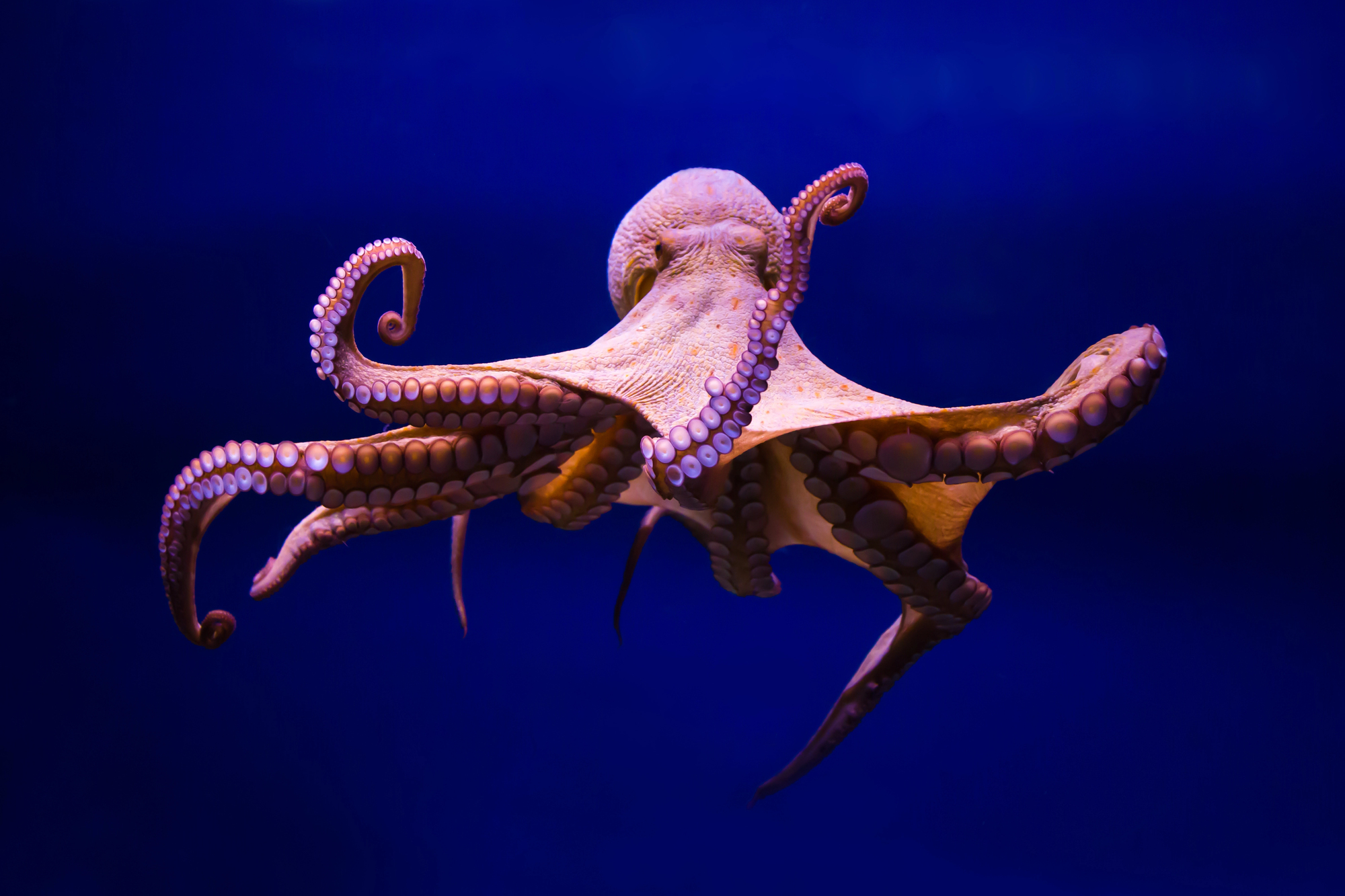
This one pushes the boundaries of both pet ownership and marine biology ethics, but tennis player Naomi Osaka has somehow acquired three highly intelligent octopi that live in custom-built tanks throughout her house. These aren’t ordinary aquarium displays — the octopi have been trained to perform specific tasks and respond to hand signals.
Each octopus required six months of specialized training and lives in a tank that replicates its natural ocean environment down to the precise mineral content and water temperature. Osaka claims the octopi help her with problem-solving by presenting them with puzzles that they solve using methods she then applies to her tennis strategy, which sounds completely made up until you remember that octopi are genuinely among the most intelligent creatures on Earth.
The care requirements are extraordinary: each animal needs daily mental stimulation, specialized food flown in from different parts of the Pacific, and constant water quality monitoring. Osaka employs a marine biologist full-time just to maintain the tanks and ensure the octopi remain healthy and mentally engaged.
Time Capsule Addiction
Hockey player Connor McDavid has developed what can only be described as an obsession with creating time capsules, but not the kind children bury in their backyards. His time capsules are elaborate productions that cost between $100,000 and $500,000 each to create and contain items chosen by teams of historians and cultural analysts.
Each capsule is designed to represent a specific moment in time with museum-quality precision: newspapers, artifacts, recordings, and even air samples sealed in scientifically controlled environments. McDavid creates approximately one per month and has them buried in locations around the world, with GPS coordinates recorded in multiple secure databases.
The strangest part isn’t the expense or the frequency — it’s that McDavid has no intention of ever retrieving them. They’re created purely for theoretical future generations to discover, meaning he’s spending millions of dollars on gifts for people who won’t be born for centuries.
The project employs a staff of twelve people whose only job is researching, acquiring, and preserving items for these elaborate time capsules.
Personal Scent Archaeologists

Swimming champion Katie Ledecky employs specialists whose job is recreating the exact smells of historical locations and events. Not perfumers or fragrance experts — these are people with advanced degrees in chemistry and history who spend months researching and reconstructing scents that no longer exist.
Her collection includes the smell of the Roman Colosseum during gladiator games (achieved through analysis of soil samples and historical records of materials used), the scent of Shakespeare’s Globe Theatre during its original run (reconstructed from wood samples and period accounts of what audiences smelled like), and even the aroma of Leonardo da Vinci’s workshop (based on chemical analysis of paint residue and historical inventories of his materials).
Each scent recreation costs between $75,000 and $200,000 to develop and comes with detailed documentation of the research process. Ledecky claims smelling these historical environments helps her feel connected to human achievement across time, though she’s never explained why this connection requires such extraordinary expense and scientific precision.
Professional Memory Palaces

Golf champion Jordan Spieth has taken the concept of memory improvement to levels that border on architectural. He pays a team of cognitive scientists and architects to design and build physical spaces that correspond exactly to elaborate mental memory systems called memory palaces.
These aren’t metaphorical constructions — they’re actual buildings on his property designed to help him memorize vast amounts of information through spatial association. Each room contains specific objects, colors, and layouts that correspond to different categories of knowledge: golf course layouts, historical facts, entire books, even detailed personal memories he wants to preserve with perfect accuracy.
The buildings cost over $3 million to construct and require ongoing modifications as Spieth’s memory needs change. He spends several hours each week walking through these physical memory palaces, reinforcing mental connections between location and information.
The system is so effective that he’s reportedly memorized the complete layouts of over 200 golf courses worldwide, along with detailed weather pattern data for each location.
Artificial Ecosystem Maintenance

Basketball player Giannis Antetokounmpo has created what amounts to multiple miniature worlds inside his house. These aren’t terrariums or elaborate aquariums — they’re complete ecosystems that replicate specific environments from around the globe, maintained at a level of detail that rivals professional research facilities.
One room recreates a section of Amazon rainforest, complete with dozens of plant species, insects, small mammals, and even simulated rainfall patterns. Another maintains a piece of African savanna with specialized lighting systems that mimic the exact seasonal changes of his homeland.
A third replicates a temperate forest ecosystem with four distinct seasonal cycles programmed throughout the year. Each ecosystem requires constant monitoring and adjustment by a team of botanists, entomologists, and environmental specialists.
The systems are so sophisticated that they’ve actually contributed to legitimate scientific research on ecosystem sustainability and species interaction. Antetokounmpo claims living among these diverse environments keeps him grounded and connected to the natural world, though the irony of requiring millions of dollars in technology to experience nature isn’t lost on anyone.
Personal Physics Laboratories
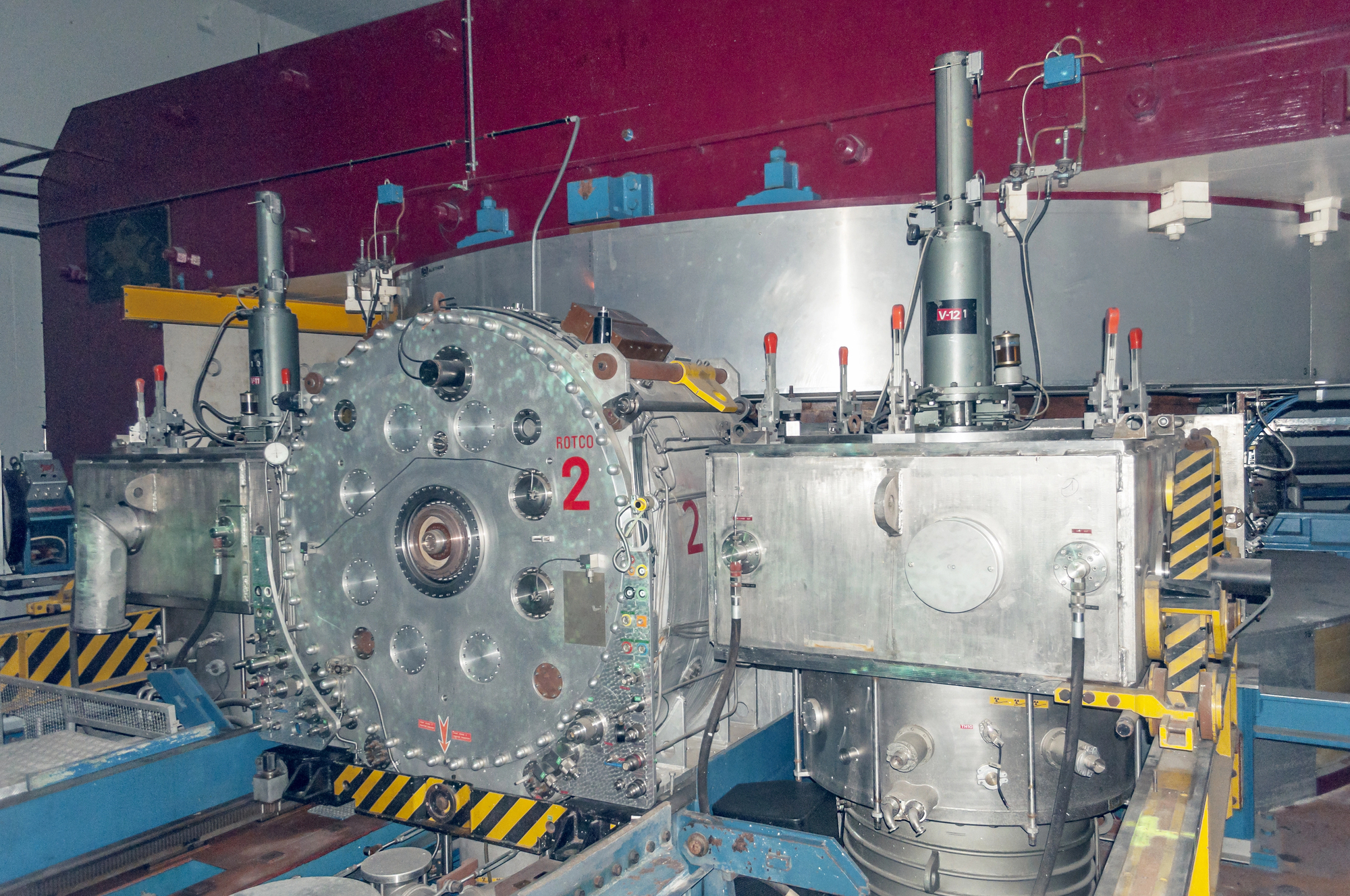
Football quarterback Patrick Mahomes owns what amounts to a private research facility dedicated to studying the physics of motion, pressure, and trajectory as they apply to football throwing techniques. The laboratory includes high-speed cameras, pressure sensors, wind tunnels, and computer modeling systems typically found in aerospace engineering facilities.
The lab employs three full-time physicists who analyze every aspect of how footballs move through air under different conditions: humidity, altitude, temperature, wind patterns, and even the microscopic surface variations of different football brands. They create detailed mathematical models of optimal throwing techniques for hundreds of different scenario combinations.
Mahomes uses this research to refine his throwing mechanics with scientific precision that goes far beyond traditional coaching methods. The lab can simulate the atmospheric conditions of any NFL stadium and predict exactly how those conditions will affect ball flight patterns.
The facility cost over $5 million to build and generates research papers that are actually published in physics journals, making it possibly the only athlete purchase that accidentally contributes to human scientific knowledge.
Controlled Obsolescence Collections
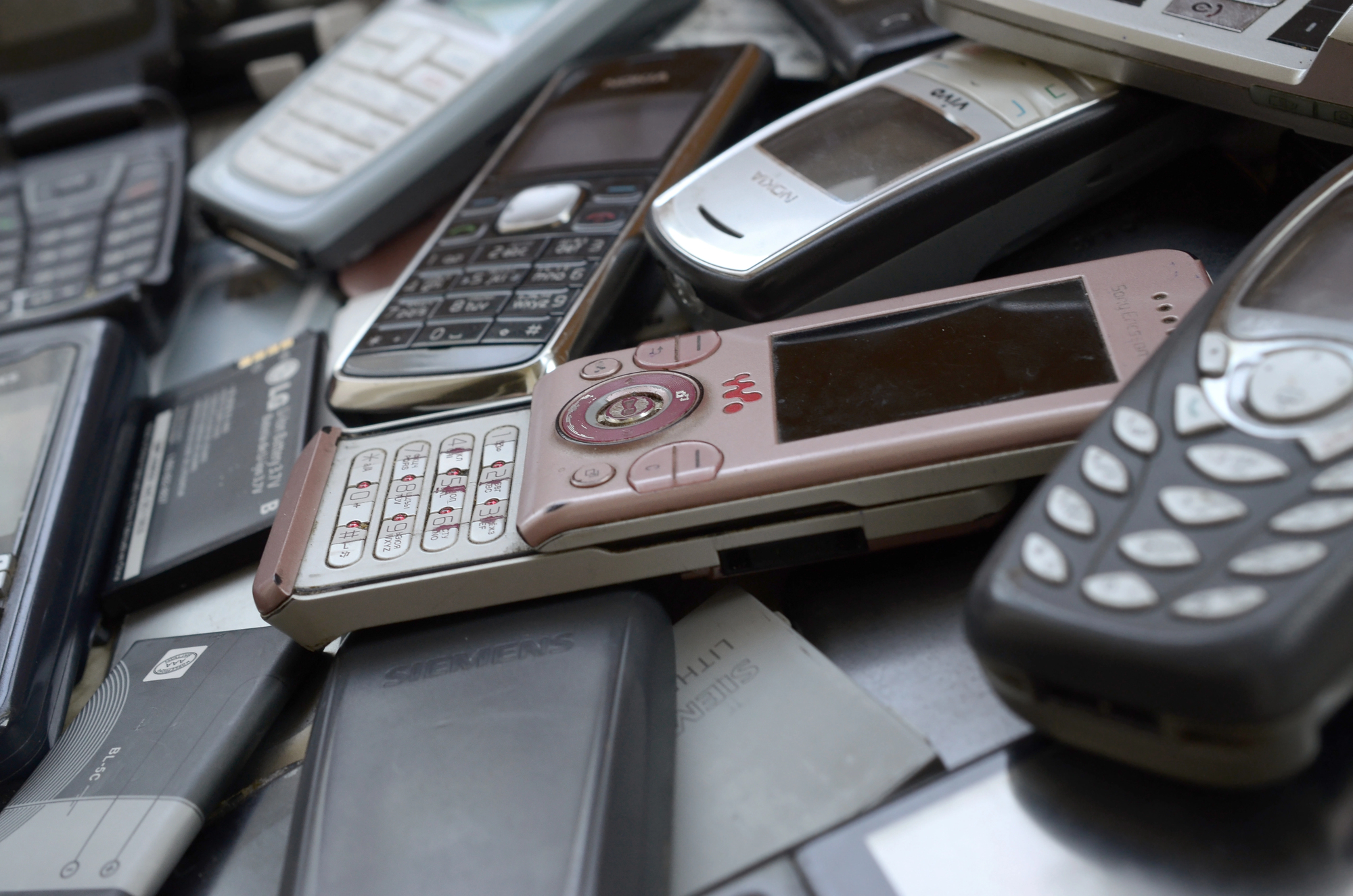
Soccer player Cristiano Ronaldo has developed a fascination with acquiring objects at the exact moment they become obsolete, then preserving them in pristine condition. Not antiques or vintage items — things that are becoming worthless right now due to technological advancement.
His collection includes the last flip phones manufactured before smartphone dominance, final edition newspapers from cities that went fully digital, and even entire retail store fixtures from businesses that closed due to online shopping. Each item is acquired at the precise moment of its obsolescence and immediately sealed in museum-quality preservation systems.
The collection requires climate-controlled storage facilities and a staff of preservation specialists who ensure nothing degrades over time. Ronaldo claims he’s creating a record of technological transition periods that future historians will find valuable, though the collection’s current value is essentially zero since he’s deliberately acquiring items at the moment they become worthless.
The storage and preservation costs exceed $400,000 annually for what amounts to a very expensive archive of discarded technology.
Synthetic Memory Implantation

Tennis player Novak Djokovic has invested in experimental neuroscience research that creates artificial memories of places he’s never been and experiences he’s never had. The process uses virtual reality, sensory manipulation, and targeted electromagnetic stimulation to create memories so vivid they feel completely real.
The artificial memories include winning tournaments that happened before he was born, visiting historical locations in their original time periods, and even experiencing famous moments in tennis history from the perspective of legendary players. Each memory implantation session costs over $100,000 and requires weeks of preparation by neuroscientists and historians.
Djokovic claims these synthetic experiences expand his mental approach to tennis by giving him access to strategic thinking patterns of past champions and emotional connections to the sport’s history. The technology is experimental enough that he’s technically participating in research studies while paying for the privilege, making him both a customer and a test subject in procedures that may not even be legal in most countries.
Professional Déjà Vu Induction

Track and field athlete Sydney McLaughlin-Levrone employs specialists whose job is creating the sensation of déjà vu on demand through carefully controlled environmental manipulation. The process involves recreating specific combinations of sensory inputs — sounds, smells, lighting, temperature — that trigger the brain’s pattern recognition systems in ways that generate the feeling of having experienced identical moments before.
The team includes neurologists, environmental designers, and even specialists in subliminal audio production who create soundscapes designed to feel familiar without being identifiable. Each déjà vu session is custom-designed based on McLaughlin-Levrone’s current training goals and psychological state, and sessions can last anywhere from minutes to several hours.
She claims the induced déjà vu helps her performance by creating a sense of familiarity with high-pressure competition situations, essentially tricking her brain into feeling like she’s already succeeded in circumstances she’s actually experiencing for the first time. The sessions cost $50,000 each and require weeks of preparation, making this possibly the most expensive way ever devised to feel like something has happened before.
When Money Meets Imagination

Looking at this collection of purchases, something becomes clear that goes beyond simple excess or eccentricity. These athletes aren’t just spending money on expensive versions of normal things — they’re funding the creation of experiences and capabilities that didn’t exist before they imagined them.
Whether it’s personal weather control or artificial memories, each purchase represents someone with unlimited resources asking “what if” and then paying to find out the answer. The line between visionary and ridiculous gets blurrier when budgets become unlimited.
Some of these purchases might genuinely represent the future of human experience, while others will likely be remembered as expensive curiosities. But in a world where most people’s dreams are constrained by practical limitations, there’s something fascinating about watching what happens when those constraints disappear entirely.
More from Go2Tutors!

- The Romanov Crown Jewels and Their Tragic Fate
- 13 Historical Mysteries That Science Still Can’t Solve
- Famous Hoaxes That Fooled the World for Years
- 15 Child Stars with Tragic Adult Lives
- 16 Famous Jewelry Pieces in History
Like Go2Tutors’s content? Follow us on MSN.