Mysterious Objects That Defy Historical Timelines
History books present a tidy narrative of human progress — stone tools gave way to bronze, bronze to iron, and so on in orderly succession. But buried in archaeological sites around the world are objects that refuse to follow the script.
They’re too advanced for their time, made from materials that shouldn’t exist in their era, or displaying knowledge that humanity supposedly hadn’t acquired yet.
These anomalies force uncomfortable questions. Either our understanding of ancient civilizations is incomplete, or these objects arrived through means we haven’t figured out how to explain.
What follows are some of the most puzzling discoveries that continue to challenge everything we thought we knew about the past.
The Antikythera Mechanism
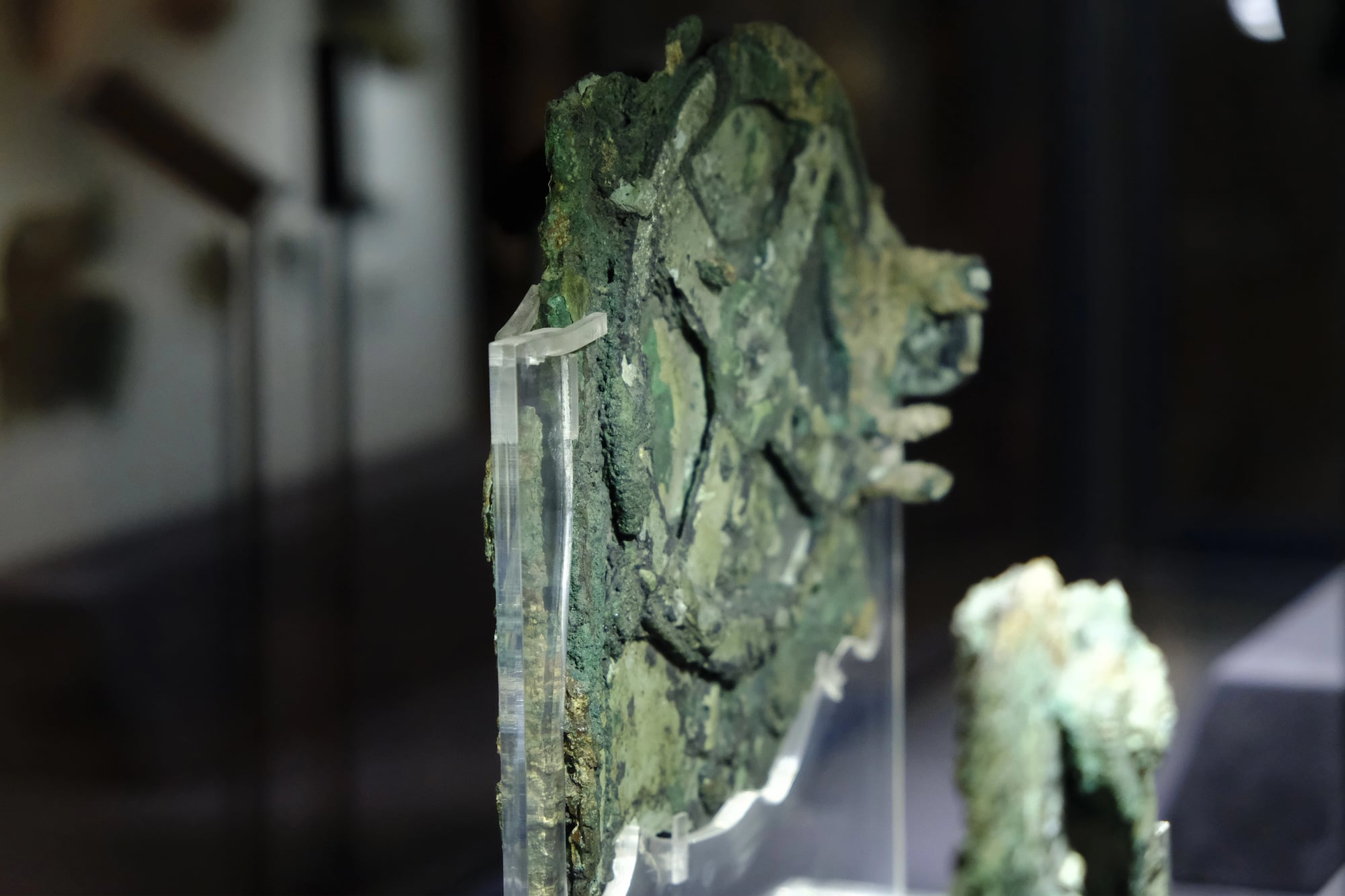
Ancient Greeks weren’t supposed to build computers. Yet in 1901, divers pulled a corroded bronze device from a Roman shipwreck that does exactly what early computers did — it calculates.
The Antikythera Mechanism dates to around 100 BCE. Inside its case, a complex system of at least 37 meshing bronze gears tracks the movements of the sun, moon, and known planets with startling precision.
It predicts eclipses decades in advance and follows the four-year cycle of the Olympic Games. The level of miniaturization and mechanical sophistication wouldn’t be seen again until astronomical clocks appeared in medieval Europe — more than a thousand years later.
Baghdad Battery
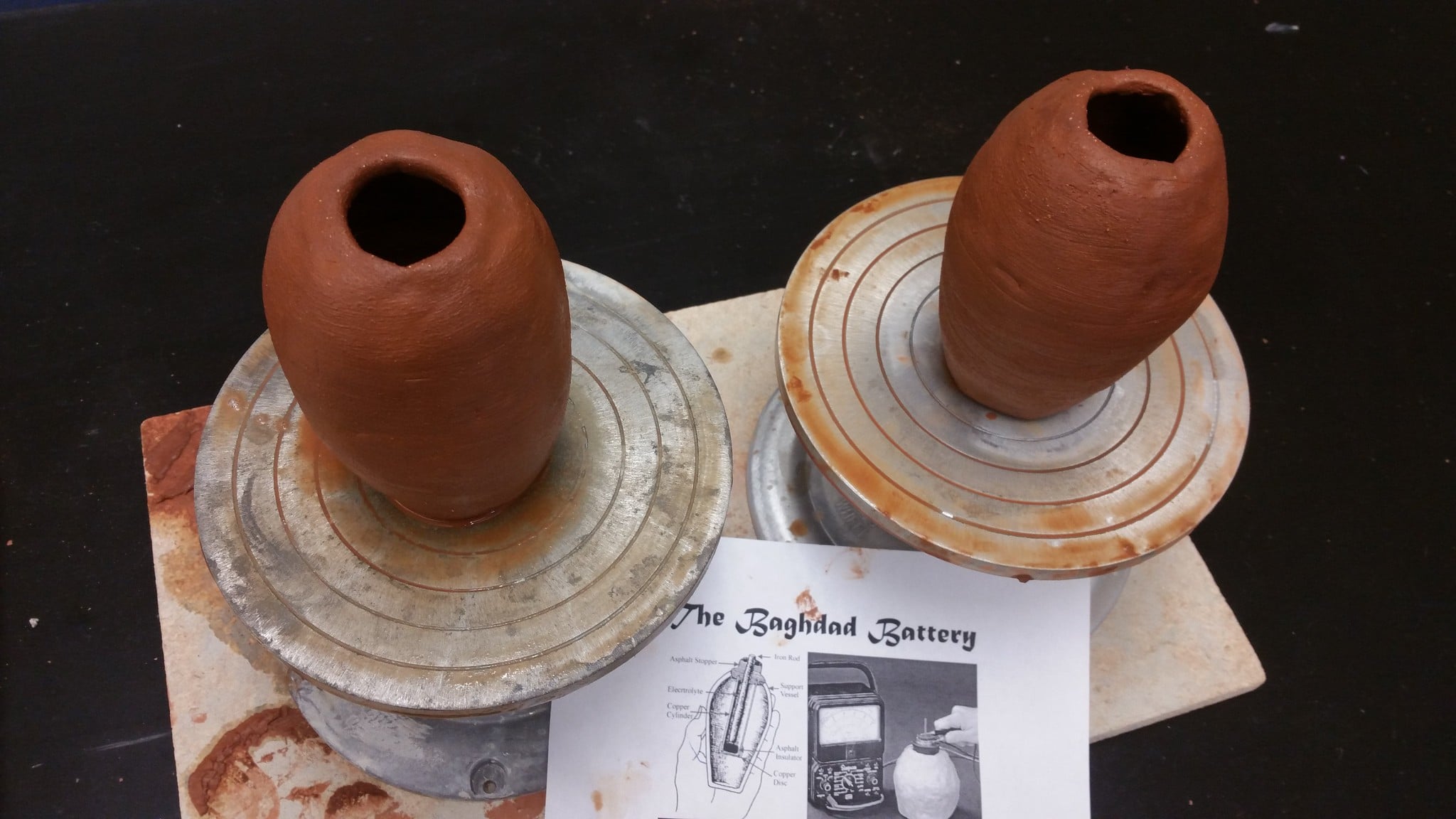
Pottery jars don’t generate electricity. Except when they do, apparently.
In 1936, archaeologists working near Baghdad discovered clay vessels dating to around 250 BCE that contained copper cylinders and iron rods — components that, when filled with an acidic solution, produce electrical current (though the voltage is admittedly weak, and the purpose remains stubbornly unclear, since no one has yet figured out what ancient Mesopotamians might have been trying to power with their makeshift batteries).
And yet the design works: modern replicas generate about half a volt. Not enough to run anything significant, but enough to make you wonder what they knew that got lost along the way.
The London Hammer
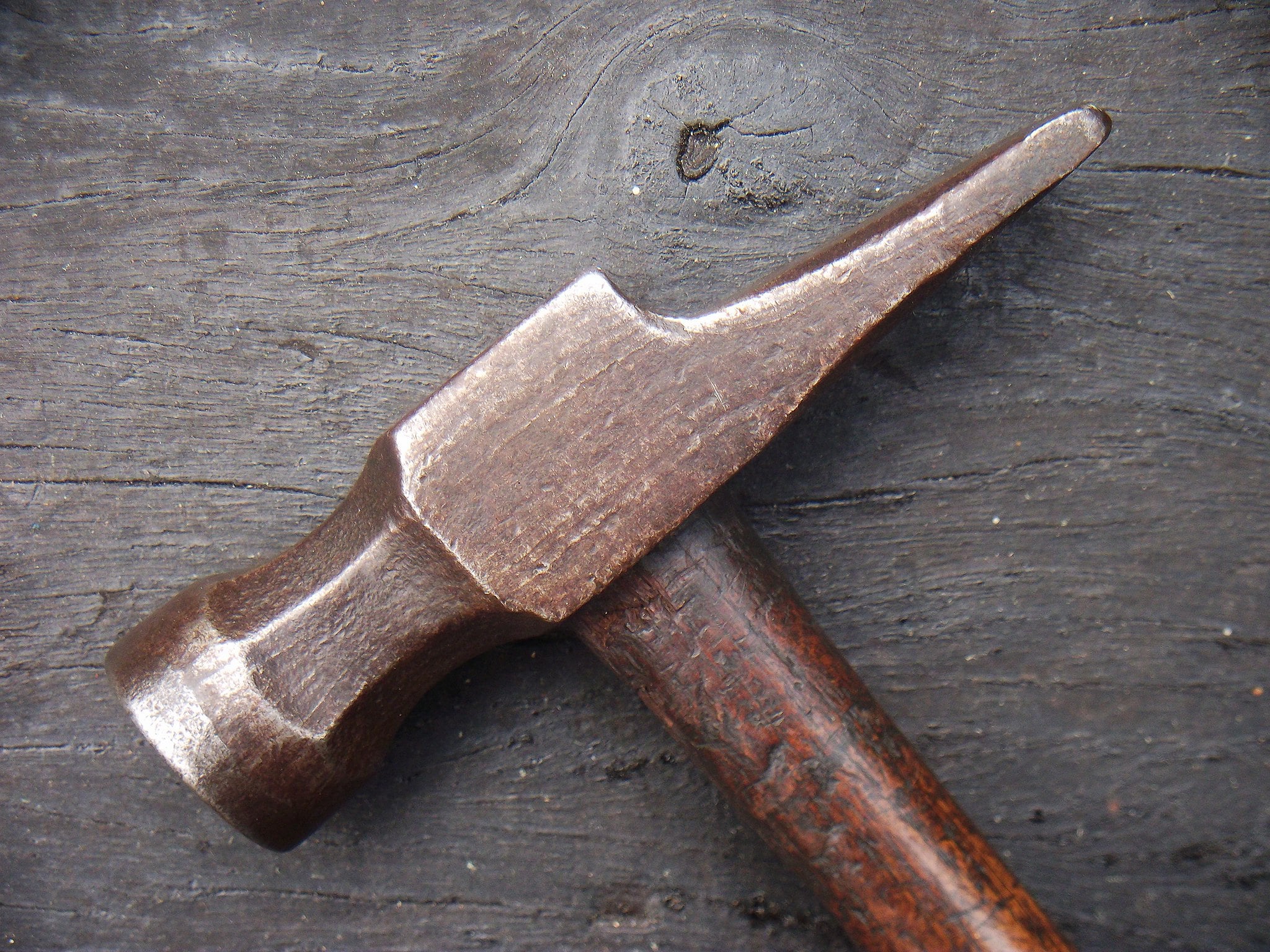
Sometimes an object’s mystery isn’t what it is, but where it was found. The London Hammer — a perfectly ordinary-looking tool with a wooden handle and iron head — was discovered embedded in Cretaceous limestone in Texas, rock that formed over 100 million years ago.
Max Hahn found it in 1934, and the hammer has been splitting opinions ever since. The rock formation surrounding it appears genuine, but humans weren’t around to forge iron tools 100 million years ago.
Skeptics argue the limestone formed around a much more recent hammer through rapid concretion, while others see evidence of something far stranger.
Roman Dodecahedra
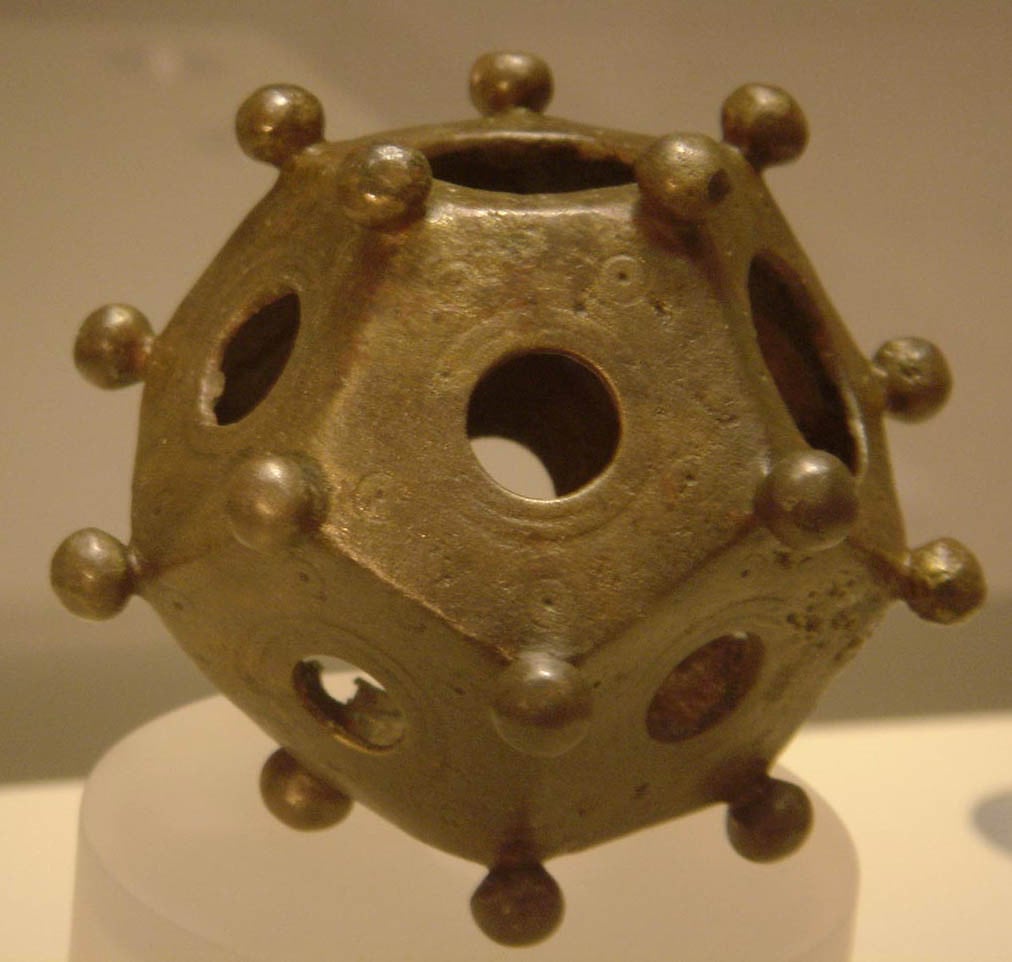
Picture this: you’re cataloguing artifacts from Roman sites across Europe, and you keep finding the same inexplicable object. It’s bronze, about the size of a baseball, with twelve pentagonal faces and circular rings of varying sizes.
No two are exactly alike, but they’re clearly related. Nobody wrote about making them.
Nobody described what they were for.
Roman dodecahedra have been turning up for centuries, scattered across Gaul, Britain, and Germanic territories. They’re beautifully crafted, often decorated, and completely absent from Roman literature.
Theories range from surveying instruments to religious objects to early knitting tools. The Romans documented everything — except these.
Which makes their silence more puzzling than the objects themselves.
Nazca Lines
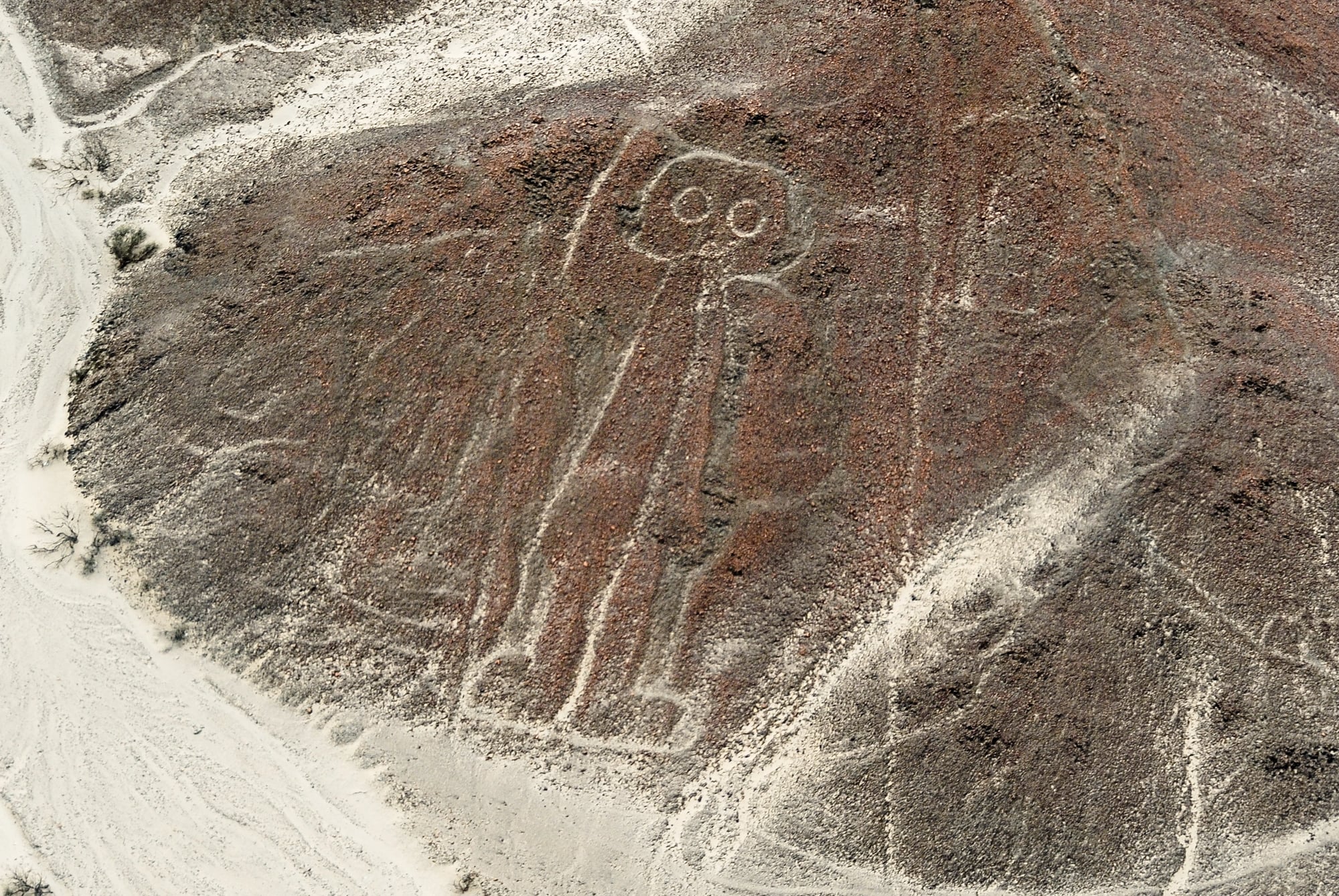
The Nazca Lines make perfect sense until you realize when they were created. These massive geoglyphs etched into the Peruvian desert between 500 BCE and 500 CE depict animals, plants, and geometric patterns with remarkable precision.
Some stretch over 1,200 feet long.
Here’s the problem: they’re only fully visible from the air. The Nazca people had no known flying technology, yet they somehow managed to create massive drawings that can only be properly appreciated from an altitude they couldn’t reach.
The precision required suggests they had some way to view their work from above, but archaeology offers no evidence of how they managed it.
Ooparts In Coal
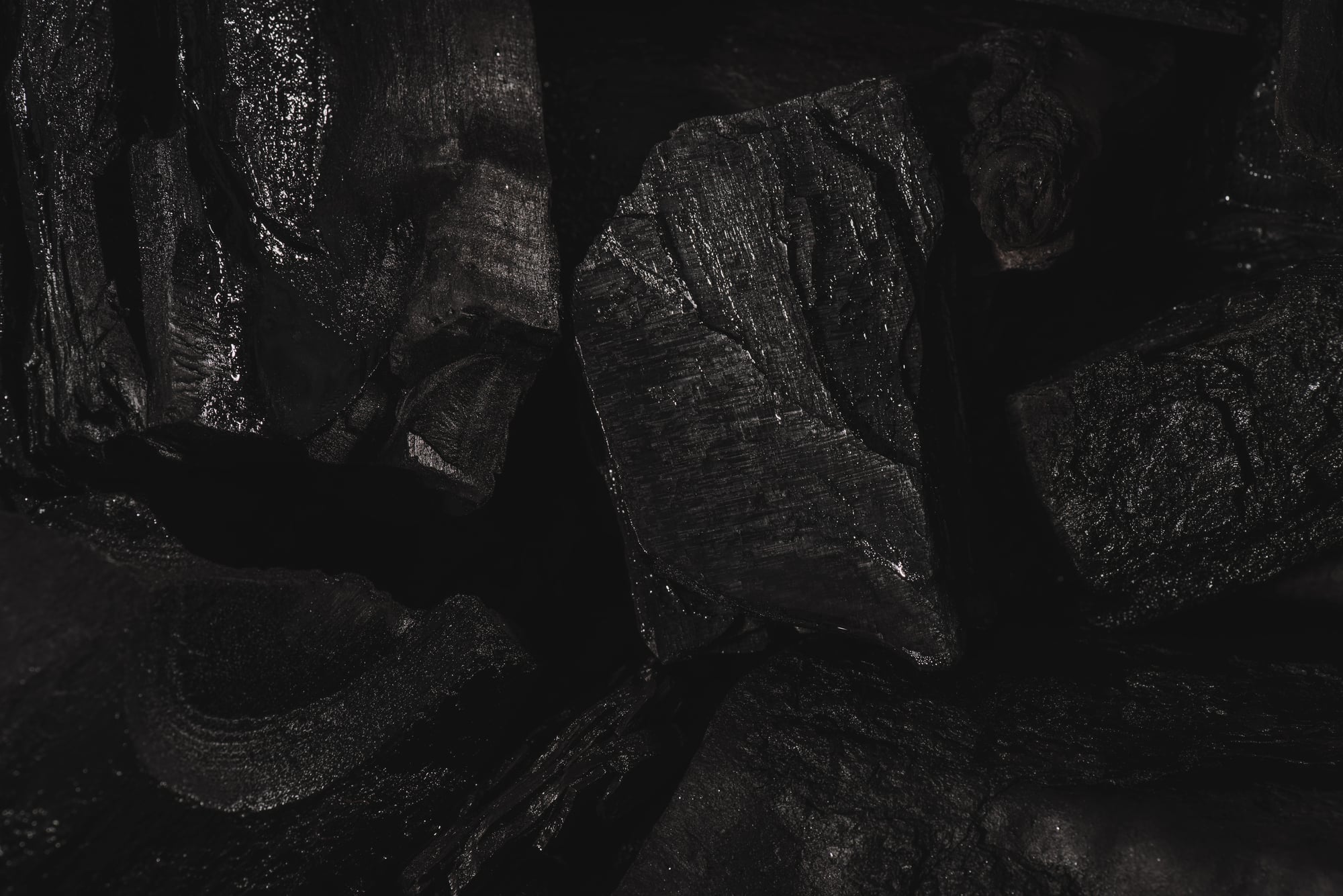
Coal formed millions of years before humans existed. So finding manufactured objects embedded in coal seams creates an uncomfortable timeline problem that geologists and archaeologists would prefer not to think about.
Over the past century, miners have reported discovering metal objects, tools, and even jewelry embedded in coal deposits. A brass bell allegedly found in coal dated to 300 million years old.
An iron pot discovered in coal in Oklahoma. A gold chain embedded in coal in Illinois.
Most of these finds lack proper documentation, making verification difficult. But the reports persist, and they all share the same troubling implication about when intelligent beings might have been crafting metal objects on Earth.
The Dropa Stones
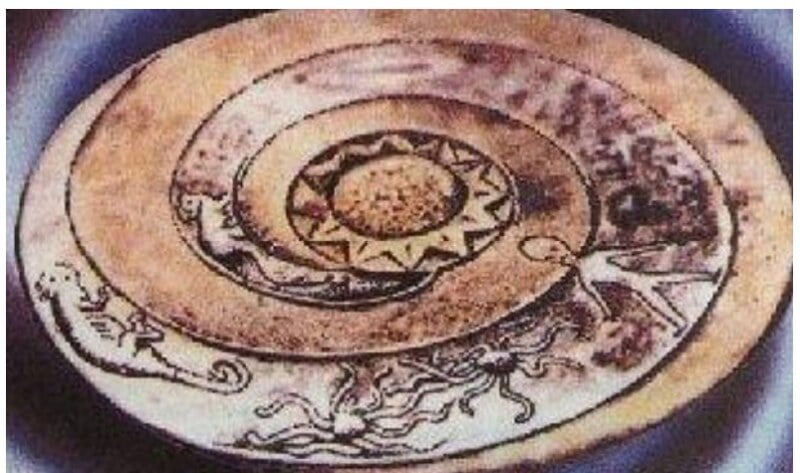
In 1938, Chinese archaeologist Chi Pu Tei reportedly discovered hundreds of stone discs in caves along the border between China and Tibet. The discs, dating to around 10,000 BCE, contained tiny hieroglyphs spiraling from center to edge — text that allegedly told the story of a crashed spacecraft and its occupants.
The Dropa Stones story has all the hallmarks of archaeological hoax, yet it refuses to disappear completely.
No major museum displays the stones. No peer-reviewed study confirms their existence.
But photographs circulate, and the story persists in that gray area between debunked myth and unexplained mystery.
Costa Rican Stone Spheres

Perfect spheres carved from stone shouldn’t be particularly mysterious, but the ones scattered across Costa Rica manage to be deeply puzzling anyway. Created by the Diquís culture between 600 and 1000 CE, these granite orbs range from a few inches to over eight feet in diameter.
Their precision is unsettling. Many are perfectly round to within a few millimeters — a level of accuracy that requires sophisticated measuring tools and techniques.
The Diquís left no written records explaining how they achieved this precision or why they bothered. The spheres just sit there, scattered across the landscape, mathematically perfect and historically inexplicable.
Ancient Nuclear Reactors
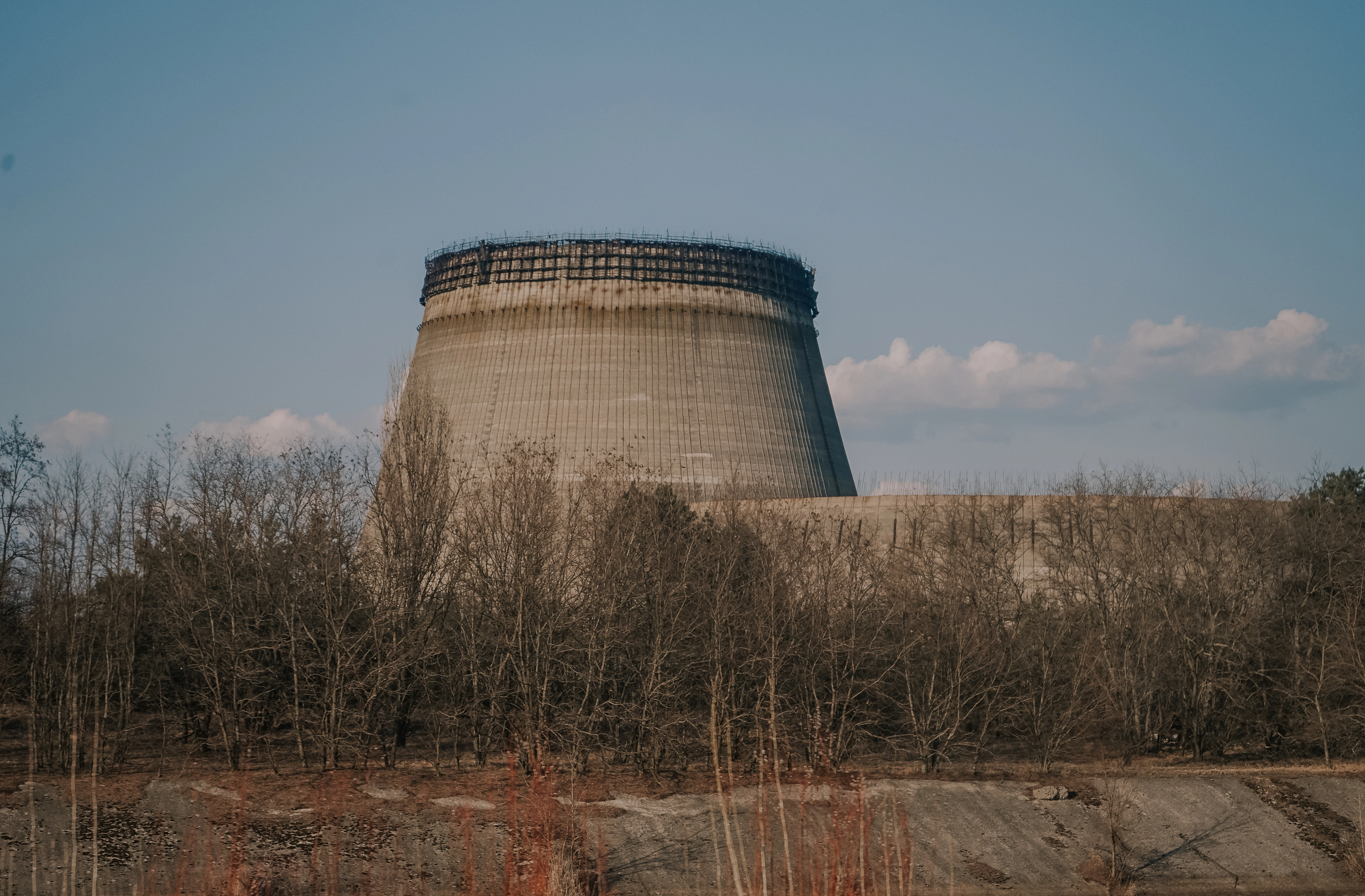
Natural nuclear reactors aren’t supposed to exist, but the uranium deposits at Oklo in Gabon prove they can — and did. 1.7 billion years ago, when uranium concentrations were higher and atmospheric conditions were different, groundwater created a natural fission reaction that sustained itself for hundreds of thousands of years.
The Oklo reactors operated before complex life existed on Earth, making them naturally occurring rather than artificially constructed.
But their existence raises uncomfortable questions about what ancient civilizations might have been capable of if they understood the principles involved.
The isotope signatures at Oklo match what modern nuclear waste produces, leading some to wonder whether similar signatures elsewhere might have more controversial explanations.
The Coso Artifact

Spark plugs don’t belong in 500,000-year-old geodes. Yet in 1961, three rockhounds cracking open what appeared to be a geode near Olancha, California, found what looked exactly like a modern spark plug embedded inside.
The object had a ceramic core surrounded by a metal sleeve, with what appeared to be threads for screwing into an engine. X-rays revealed internal structures consistent with electrical components.
Skeptics argue the “geode” was actually a concretion that formed around a much more recent spark plug, but the original discoverers maintained they found it in genuinely ancient rock.
Maine Penny
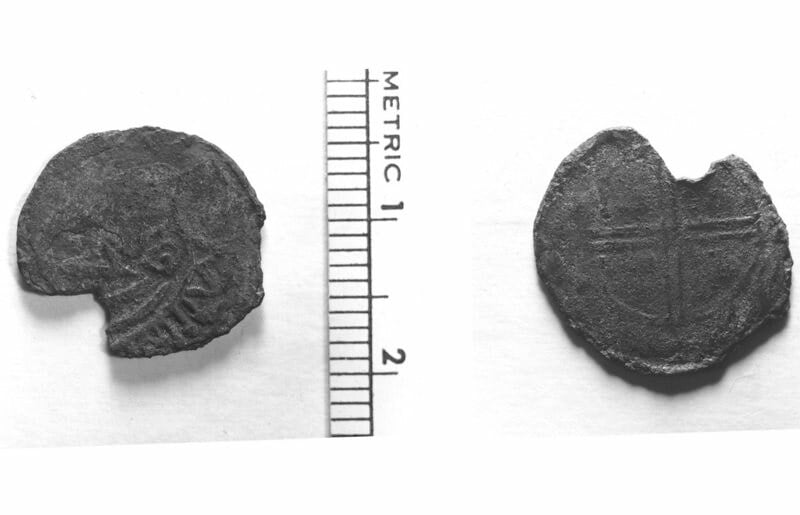
A single Norse coin shouldn’t rewrite American history, but the Maine Penny comes close. Discovered at an archaeological site in Maine in 1957, this small silver coin was minted in Norway between 1065 and 1080 CE — well before Columbus reached the Americas.
The penny confirms what Icelandic sagas claimed: Norse explorers reached North America centuries before other Europeans.
But it also raises questions about the extent of their exploration.
Was this coin dropped by a Viking visitor, or did it arrive through Native American trade networks that stretched much farther than previously imagined?
Impossible Fossils
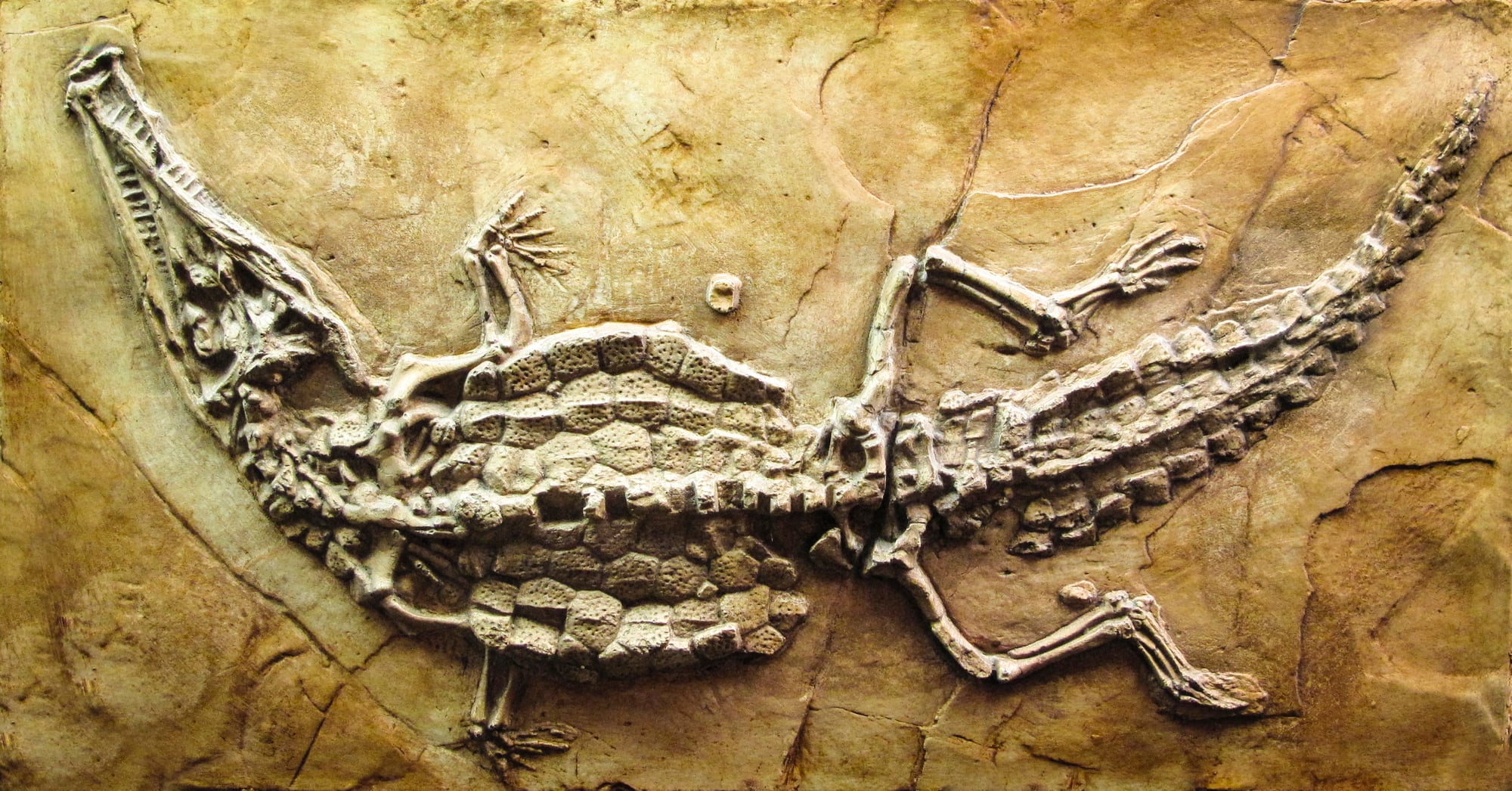
Fossils form under specific conditions over millions of years. They don’t include modern objects, human artifacts, or anything manufactured.
Except sometimes they do, creating geological impossibilities that frustrate both scientists and creationists for different reasons.
Reports persist of human footprints found alongside dinosaur tracks, modern tools embedded in ancient rock formations, and manufactured objects somehow incorporated into genuine fossils.
Most lack proper documentation or scientific verification. But the reports continue, suggesting either widespread misidentification or something genuinely strange about how objects sometimes end up preserved in rock that formed long before they should have existed.
Piri Reis Map
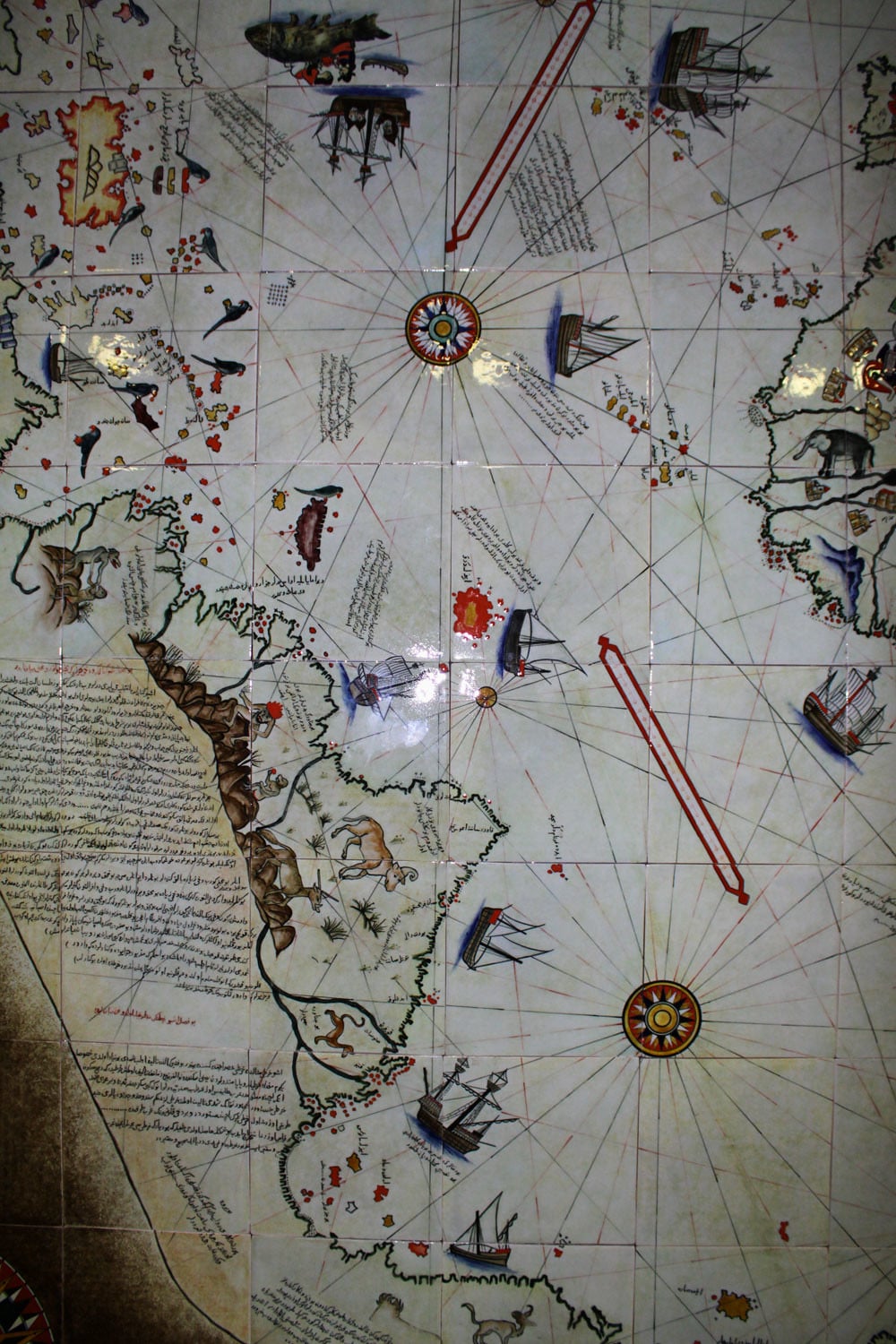
Maps drawn in 1513 shouldn’t show accurate coastlines of continents that hadn’t been fully explored yet. The Piri Reis map, created by Ottoman admiral Piri Reis, depicts the eastern coast of South America and the western coast of Africa with remarkable accuracy — including portions of Antarctica that weren’t officially discovered until centuries later.
Piri Reis claimed he compiled his map from earlier sources, including charts that dated back to Alexander the Great.
If accurate, this suggests ancient cartographers possessed geographical knowledge that somehow got lost and had to be rediscovered.
The alternative — that Piri Reis had access to information sources that history hasn’t recorded — raises equally puzzling questions about what ancient civilizations knew and how they knew it.
Bridging The Impossible
These objects share a common thread that makes archaeologists uncomfortable: they suggest knowledge, technology, or capabilities existing centuries or millennia before conventional history says they should. Some undoubtedly have conventional explanations that haven’t been discovered yet.
Others might be hoaxes, misidentifications, or wishful thinking transformed into alternative history.
But a few resist easy dismissal. They sit in museums, exist in photographs, and continue defying the timeline of human progress that textbooks present as settled fact.
Whether they represent lost chapters of human achievement, evidence of contact between civilizations separated by vast distances, or something else entirely, they serve as reminders that history still holds secrets it hasn’t shared yet.
More from Go2Tutors!

- The Romanov Crown Jewels and Their Tragic Fate
- 13 Historical Mysteries That Science Still Can’t Solve
- Famous Hoaxes That Fooled the World for Years
- 15 Child Stars with Tragic Adult Lives
- 16 Famous Jewelry Pieces in History
Like Go2Tutors’s content? Follow us on MSN.



