History’s Most Famous Imposters
Throughout history, certain individuals have pulled off deceptions so bold they seem almost impossible. These weren’t just people telling small lies or stretching the truth on their resumes.
They completely transformed themselves into someone else, fooling friends, families, governments, and sometimes entire nations. The art of impersonation has attracted con artists, thrill seekers, and desperate individuals who discovered they could become whoever they wanted to be, at least for a while.
What makes these stories fascinating isn’t just the audacity of the deception, but how easily people believed them. Here is a list of history’s most famous imposters who managed to fool the world.
Frank Abagnale Jr.
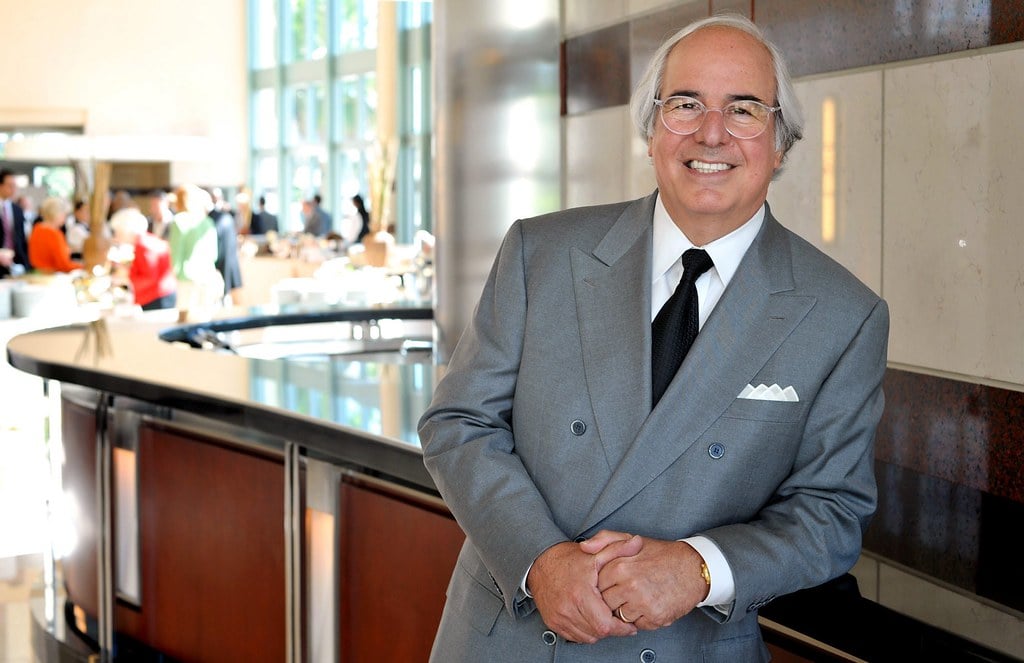
Before he turned 21, Frank Abagnale Jr. had already lived several lifetimes worth of lies. He successfully posed as a Pan Am pilot, a doctor, and a lawyer while cashing over $2.5 million in fraudulent checks across multiple countries.
His exploits became so legendary that Steven Spielberg turned his story into the hit film ‘Catch Me If You Can’, with Leonardo DiCaprio playing the young con artist who seemed to stay one step ahead of the FBI at every turn. The irony of his story comes at the end, when the very agency chasing him ended up hiring him as a fraud consultant, a position he still holds decades later.
Ferdinand Waldo Demara

Known as ‘The Great Impostor’, Ferdinand Waldo Demara made Frank Abagnale look like an amateur. His resume of fake identities included a surgeon, a prison warden, a monk, a teacher, a lawyer, and a cancer researcher, among dozens of others.
During the Korean War, he performed life-saving surgeries on wounded soldiers aboard a Canadian Navy ship, despite having zero medical training beyond reading a textbook in his cabin. Remarkably, all his patients survived, and he became a hero until press coverage exposed his true identity.
Anna Sorokin

Anna Sorokin, who rebranded herself as ‘Anna Delvey’, convinced New York’s elite she was a wealthy German heiress with a multimillion-euro trust fund. Between 2013 and 2017, she lived in luxury hotels, threw exclusive parties, and planned to open a private arts club, all while defrauding banks, hotels, and friends of approximately $275,000.
Her story gained worldwide attention when Netflix paid her $320,000 for the rights to her life, which became the hit series ‘Inventing Anna’. Even after serving time in prison and being placed under house arrest for immigration violations, she continues to monetize her notoriety through art sales and media appearances.
Christian Gerhartsreiter

For nearly three decades, German immigrant Christian Gerhartsreiter lived under various false identities, eventually settling on ‘Clark Rockefeller’ and claiming to be a member of America’s most famous dynasty. He married a successful Harvard-educated businesswoman, lived in million-dollar homes, and joined Boston’s exclusive social clubs, all while maintaining the elaborate fiction of being a wealthy Yale graduate.
His deception unraveled in 2008 when he kidnapped his own daughter during a custody dispute, sparking a manhunt that revealed his true identity. He was later convicted of murdering his former landlord’s son in California in 1985, a crime he committed while living under yet another false name.
Frédéric Bourdin
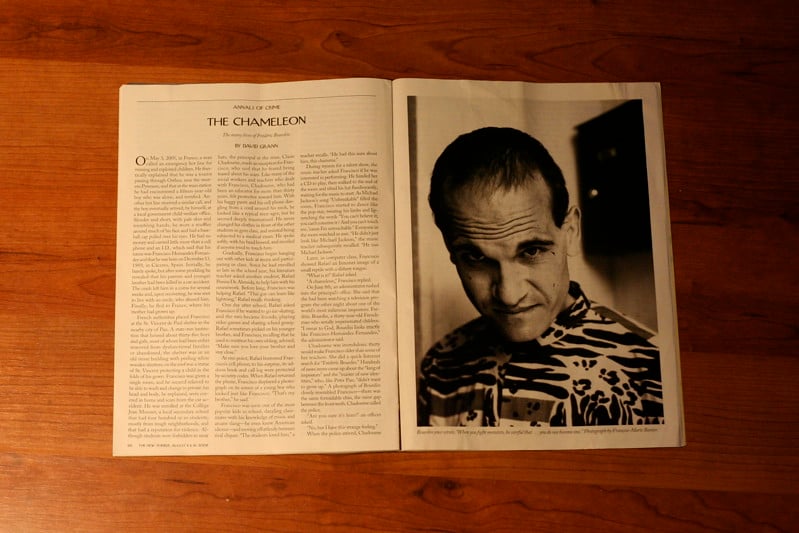
French-born Frédéric Bourdin earned the nickname ‘The Chameleon’ for assuming hundreds of false identities throughout his criminal career. His most audacious impersonation came in the 1990s when he convinced a Texas family he was their missing son Nicholas Barclay, despite looking nothing like the boy and having a completely different eye color.
The family accepted him for months, and even the FBI initially bought his story that he’d been kidnapped and smuggled to Europe. His scheme only fell apart when a private investigator working with a TV crew grew suspicious and began asking questions the impostor couldn’t answer.
Cassie Chadwick

In the early 1900s, Cassie Chadwick convinced bankers she was the illegitimate daughter of steel magnate Andrew Carnegie, one of the richest men in America. Without a shred of proof beyond her own confidence and forged documents, she borrowed over $2 million from financial institutions eager to curry favor with Carnegie’s supposed family.
She lived in lavish luxury, complete with mansions and servants, until Carnegie himself publicly denied knowing her. Her arrest became one of the biggest financial scandals of the era, and she died in prison while serving her sentence.
Victor Lustig
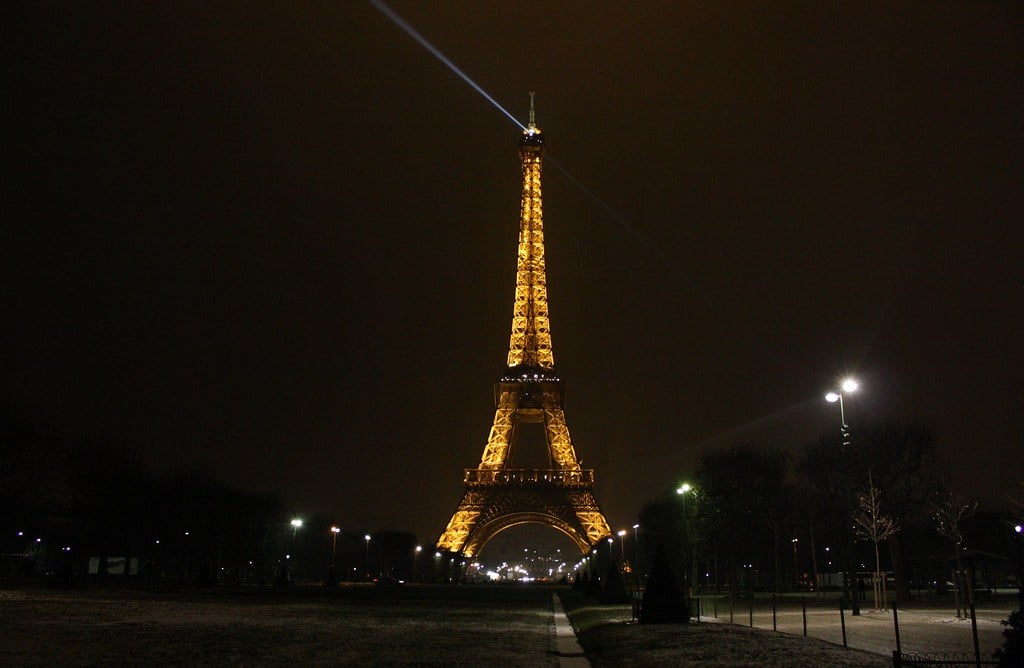
Victor Lustig didn’t just think small when it came to cons. In 1925, he actually convinced two scrap metal dealers that he had the authority to sell them the Eiffel Tower.
Posing as a government official, he explained that post-war France couldn’t afford to maintain the landmark and needed to sell it quietly to avoid public outcry. One dealer, desperate for prestige in Parisian society, handed over a bag of cash for 7,000 tonnes of steel he would never receive.
Lustig disappeared with the money, and the embarrassed victim never reported the crime.
Lambert Simnel
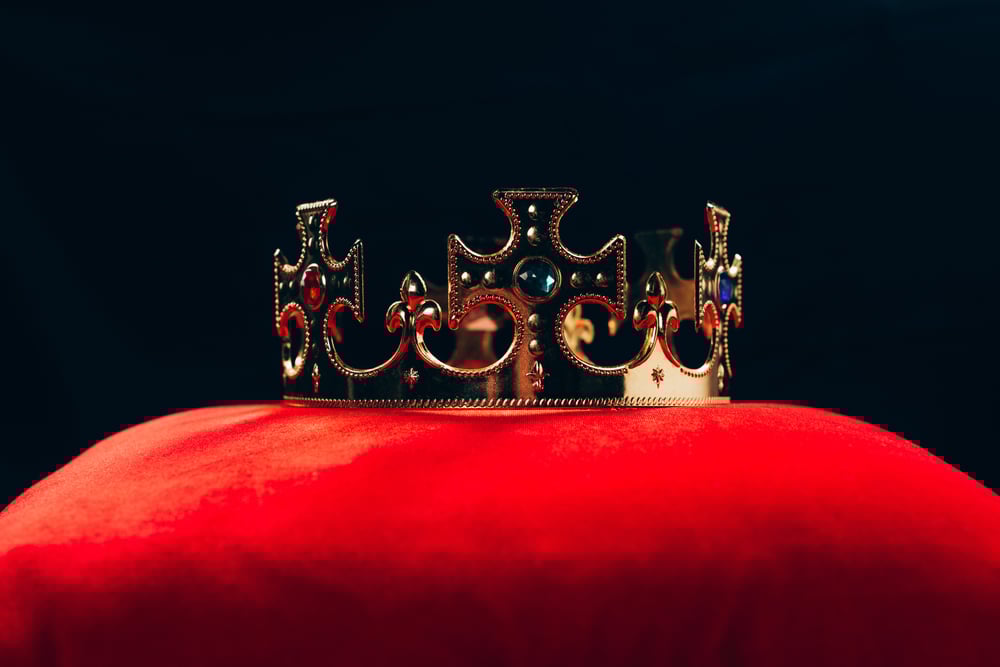
In 1487, a young boy named Lambert Simnel nearly changed the course of English history by claiming to be Edward Plantagenet, Earl of Warwick, and the rightful heir to the throne. Powerful Yorkist nobles backed his claim and crowned him king in Dublin, then invaded England with an army to press his supposed birthright.
King Henry VII had an ace up his sleeve though, the real Earl of Warwick was alive and imprisoned in the Tower of London. After the rebellion failed at the Battle of Stoke Field, Henry showed surprising mercy by giving Simnel a job in the royal kitchen rather than executing him.
Perkin Warbeck
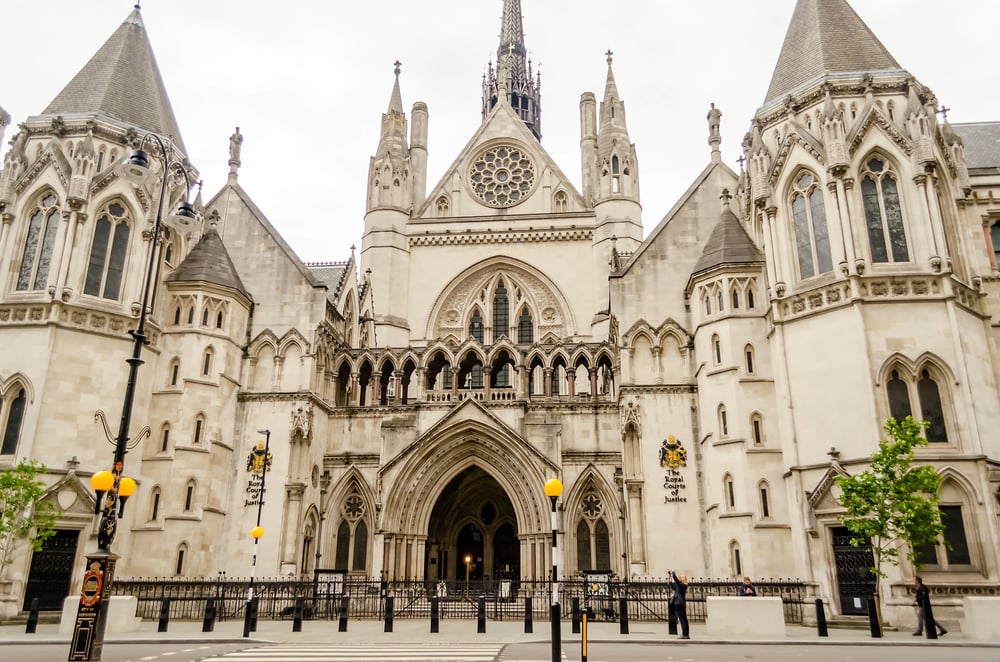
Following Lambert Simnel’s failed attempt, another pretender emerged claiming to be Richard of Shrewsbury, one of the mysterious Princes in the Tower who had vanished years earlier. Perkin Warbeck gained support from European monarchs and English nobles, becoming such a serious threat that dealing with him cost King Henry VII over £13,000.
He made multiple invasion attempts with foreign backing before finally being captured in 1497. After trying to escape from the Tower of London, he was hanged in 1499, though historians still debate whether he was truly an impostor or actually the lost prince he claimed to be.
Anna Anderson

For decades, Anna Anderson insisted she was Grand Duchess Anastasia Romanov, the youngest daughter of Russia’s last Tsar, who she claimed had miraculously survived the 1918 massacre that killed her family. Her story captivated the public throughout the 1920s through the 1990s, and she gained surprising support from people who wanted to believe the fairy tale of a rescued princess.
DNA testing in the 1990s definitively proved she was actually Franziska Schanzkowska, a Polish factory worker with no connection to Russian royalty. Despite the scientific evidence, her elaborate deception remains one of the most famous cases of royal impersonation in history.
David Hampton

At just 19 years old, David Hampton discovered that claiming to be Sidney Poitier’s son opened doors throughout Manhattan’s elite social scene. He used this fake identity to gain access to exclusive nightclubs, dine at expensive restaurants, and even stay in people’s homes, all while building trust through charm and confidence.
His story became so notorious that it inspired the play and film ‘Six Degrees of Separation’, which explored how easily people accepted his lies. Hampton’s scheme worked because people desperately wanted to believe they were connected to Hollywood royalty, even when the real Sidney Poitier had only daughters.
Barry Bremen

Barry Bremen became known as ‘The Great Impostor of Sports’ by repeatedly sneaking into professional sporting events in full uniform. He managed to warm up with NBA players before the finals, stepped onto the field during an MLB All-Star Game, and even accepted an Emmy Award he hadn’t earned.
His stunts were more about thrill-seeking than criminal intent, but they exposed serious security flaws at major sporting events. After his repeated successes, leagues across the country tightened their security measures to prevent future imposters from accessing restricted areas.
Stanley Weyman
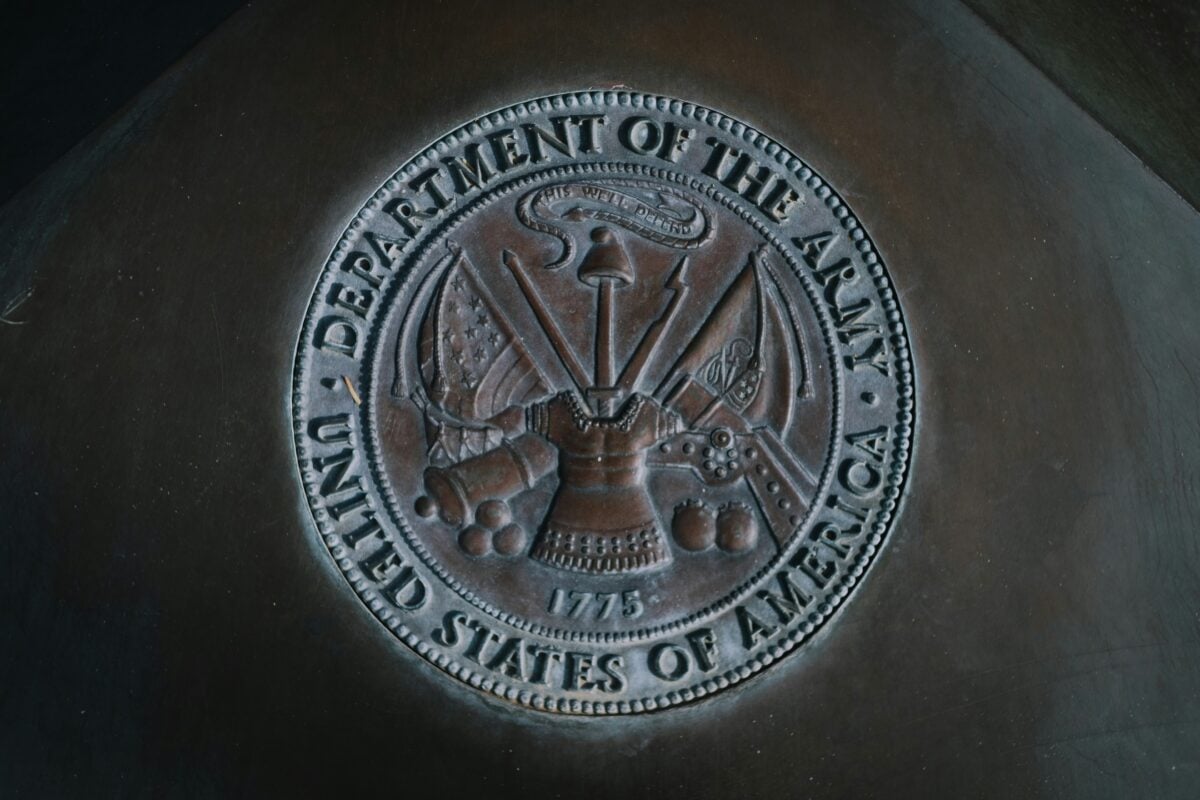
Stanley Clifford Weyman spent his life impersonating authority figures, convincing people he was a U.S. State Department official, a military officer, and even a physician. His most famous stunt came when he posed as a State Department official to escort Princess Fatima of Afghanistan around New York City in the 1920s.
Unlike many imposters motivated purely by money, Weyman seemed driven by a desire for recognition and the thrill of fooling people in positions of power. He was arrested multiple times throughout his career but kept returning to his life of impersonation after each prison sentence.
Alan Conway

Alan Conway spent years in the 1990s convincing people he was Stanley Kubrick, the notoriously reclusive director of films like ‘2001: A Space Odyssey’ and ‘The Shining’. Despite knowing almost nothing about filmmaking, he accepted luxury gifts, expensive meals, and VIP treatment from industry insiders desperate to meet the legendary filmmaker.
His scheme worked partly because Kubrick was so famously private that few people knew what he actually looked like or how he behaved. Conway’s bizarre impersonation only ended when he encountered people who actually knew the real Kubrick, and the whole charade fell apart.
Princess Caraboo

In 1817, a mysterious woman appeared in Gloucestershire, England, claiming to be Princess Caraboo from a distant exotic island. She spoke in an invented language, performed elaborate rituals, and completely enchanted the local aristocracy who were fascinated by tales of foreign lands.
For weeks, she lived as an honored guest in wealthy homes while scholars tried to decipher her made-up language and customs. The fantasy collapsed when someone recognized her as Mary Baker, a cobbler’s daughter from Devon who had created the entire persona to escape her ordinary life.
False Dmitry I
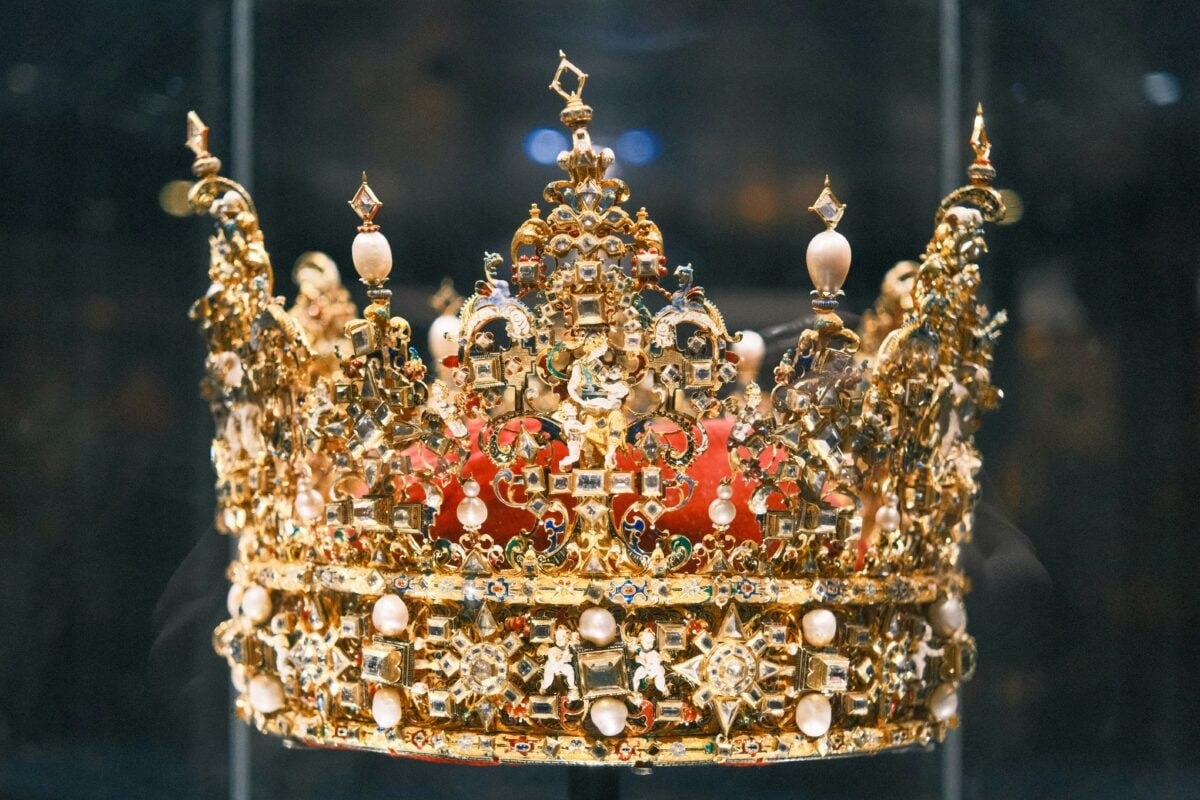
During Russia’s chaotic Time of Troubles in the early 1600s, a man emerged claiming to be Dmitry Ivanovich, the supposedly murdered son of Ivan the Terrible. He gained support from Polish nobles and convinced enough Russians of his royal lineage that he was actually crowned Tsar in 1605.
His reign lasted barely a year before he was overthrown and killed, partly because he pushed through too many changes too quickly and violated Russian customs. At least two more ‘False Dmitrys’ appeared after him, showing how desperate the era was for legitimate royal leadership.
George Dupre

George Dupre became a celebrated Canadian war hero after World War II by claiming he had served as a spy for the Special Operations Executive, conducting dangerous missions behind enemy lines. He traveled across Canada as a paid speaker, sharing thrilling tales of espionage and sabotage that captivated audiences hungry for war stories.
The problem was that almost none of it was true, and his actual wartime service bore little resemblance to the adventures he described. Unlike most imposters, Dupre’s deception was less about personal gain and more about creating a heroic identity that matched his own fantasies.
The Legacy of Deception

These imposters succeeded not because they were criminal geniuses, but because they understood something fundamental about human nature. People want to believe in exciting stories, prestigious connections, and the possibility that someone extraordinary has walked into their lives.
The digital age has made some forms of impersonation harder with background checks and DNA testing, but it has also created new opportunities for deception through social media and online personas. The con artists of tomorrow will use different tools, but they’ll rely on the same human weaknesses that made Lambert Simnel a king and Anna Delvey a Manhattan socialite.
More from Go2Tutors!

- The Romanov Crown Jewels and Their Tragic Fate
- 13 Historical Mysteries That Science Still Can’t Solve
- Famous Hoaxes That Fooled the World for Years
- 15 Child Stars with Tragic Adult Lives
- 16 Famous Jewelry Pieces in History
Like Go2Tutors’s content? Follow us on MSN.



