28 Summer Rituals Kids Looked Forward To All Year That Barely Exist Anymore
There was a version of summer that ran on anticipation. All year long, certain things waited on the other side of the last day of school: the ice cream truck’s schedule, the neighbor’s pool, the smell of sunscreen mixed with cut grass, the particular freedom of having no place to be.
These weren’t special occasions. They were the texture of the season itself — repeated, reliable, and now mostly gone.
Some disappeared because of technology. Some because of shifting ideas about risk.
Some because the places they required don’t exist the same way anymore. All of them were exactly as good as you remember.
Waiting For The Ice Cream Truck
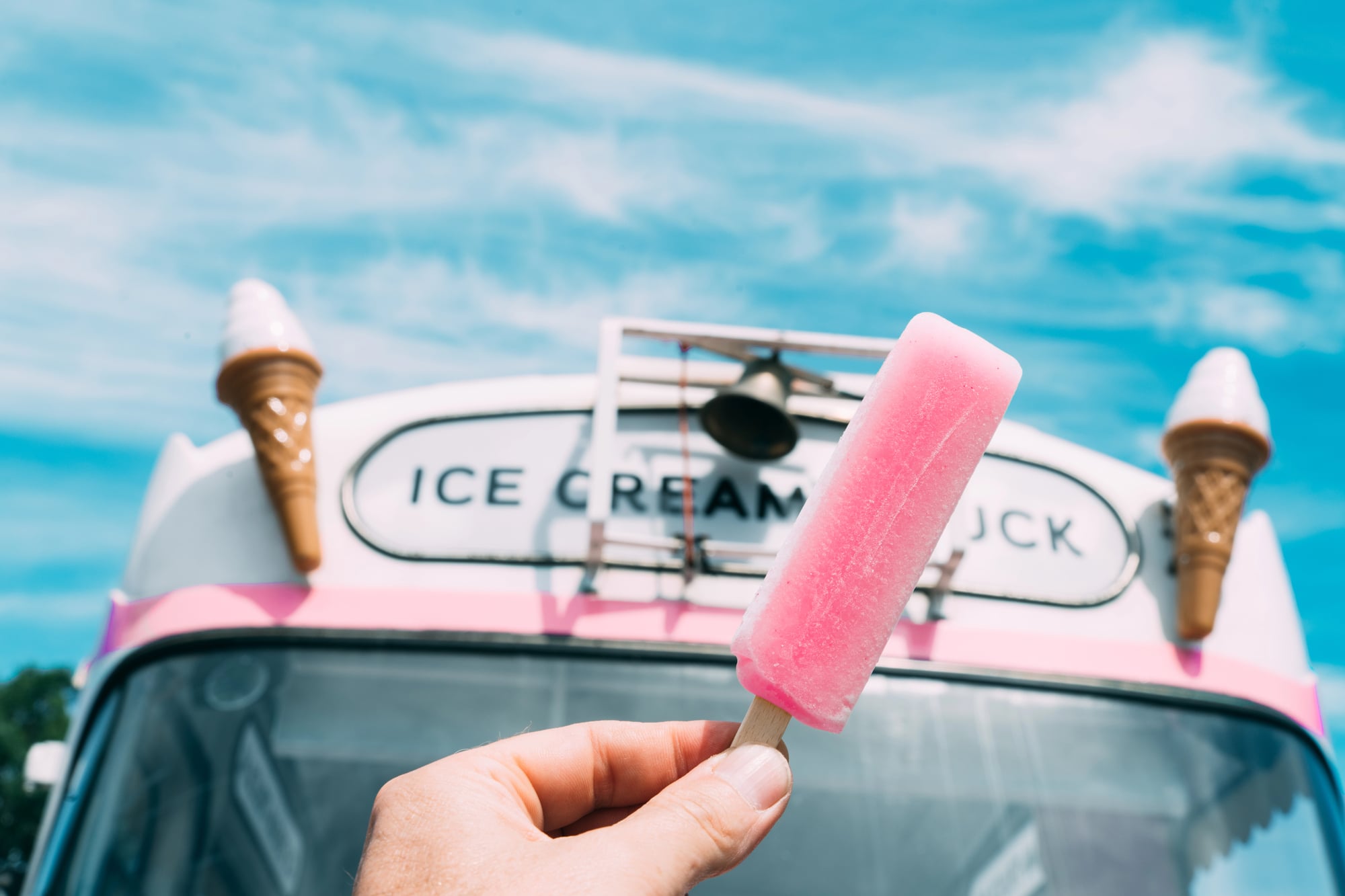
The ice cream truck ran on its own schedule, which you learned through attentive listening. A faint, tinny melody in the distance set off a sprint to wherever an adult kept emergency change.
The brief menu — displayed on the side of the truck in images faded by years of sun — contained options that don’t exist in normal supermarkets: the vanilla bar with the chocolate shell that always cracked, the rocket-shaped popsicle that left your lips red and blue, the Creamsicle that never quite held together past the first few bites.
The whole transaction took four minutes, and they were the most anticipated four minutes of any given afternoon.
Catching Lightning Bugs In A Jar
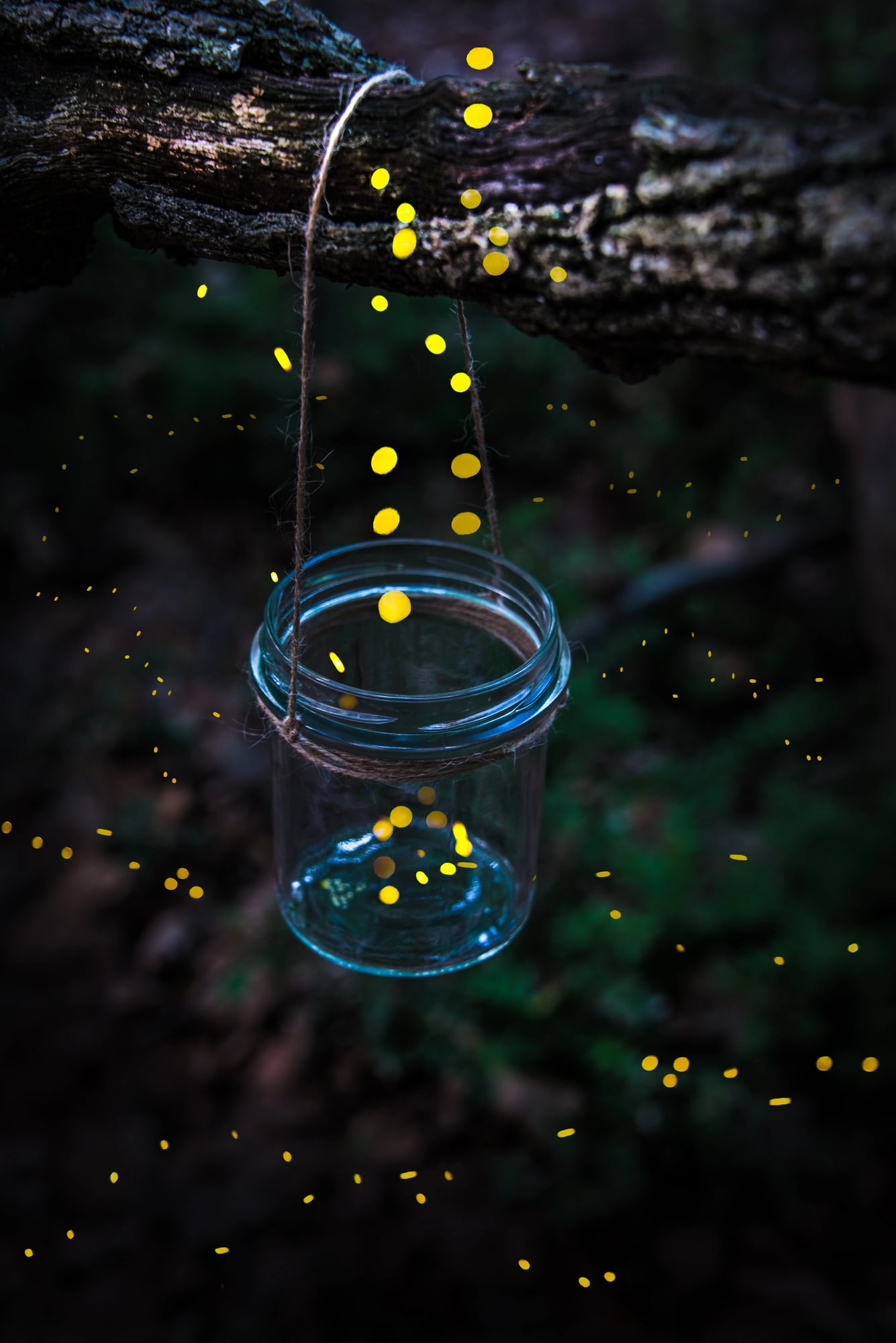
This required a mason jar, a piece of cheesecloth or a lid with poked openings, and the patience to wait until the light went low enough for fireflies to appear.
The catching was tactile and immediate — a slow, careful cupping of both hands over a blade of grass where you’d seen a flash.
Most kids let them go before bed.
The jar glowing on a nightstand for a few minutes was the point.
It was a piece of summer you could hold in your hands, briefly, and then release.
Going To The Drive-In
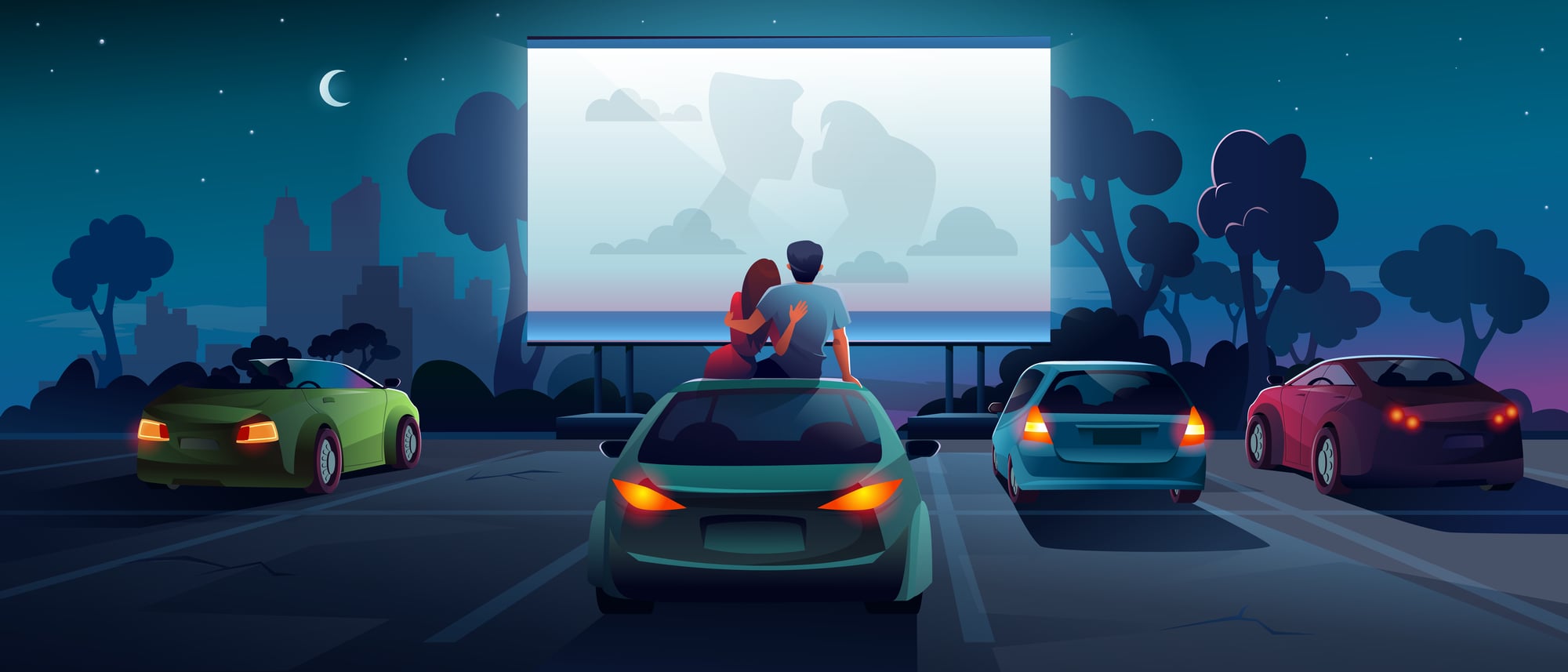
The drive-in movie theater required a car, a speaker that hooked onto the window, and a timing that aligned with dusk.
Kids in pajamas in the back seat. The windshield fogged slightly from the inside.
The film started at darkness, which meant the waiting was part of the event.
The intermission countdown featured animated concession stand items — dancing hot dogs, cups that waved — and the period between the first and second film was its own communal moment in the parking lot.
Drive-ins still exist in small numbers, but the experience as a standard summer fixture belongs to another era.
Drinking From The Garden Hose
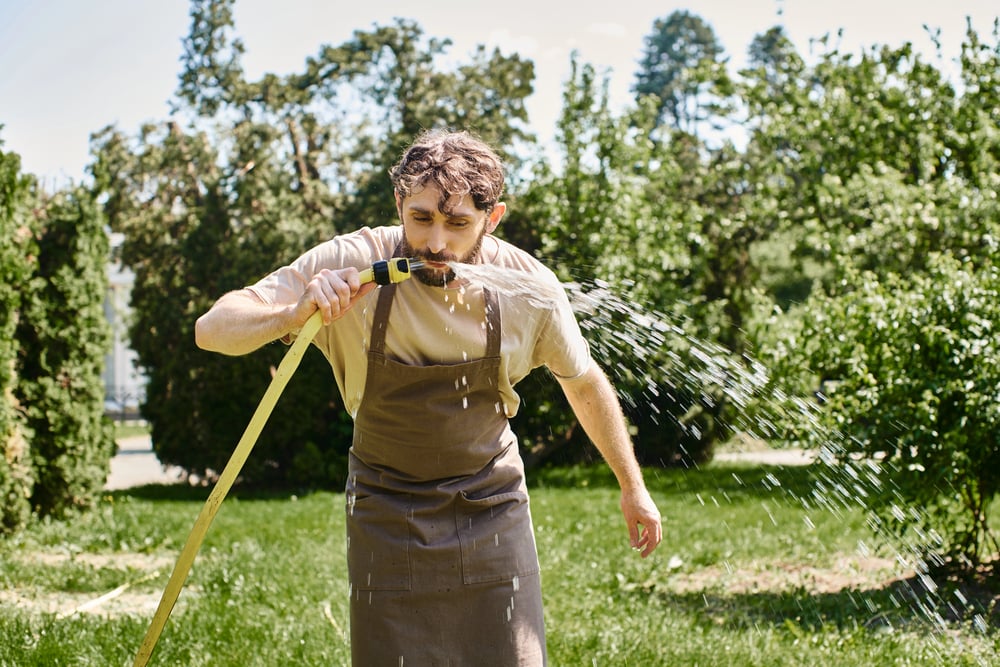
No glass, no filter, no particular concern — just the hose coiled on the side of the house, a moment’s wait for the warm water stored in the tubing to pass through, and then cold water directly into your face.
The taste was slightly rubbery and completely unmistakable.
Drinking from the hose was the drink of being outside, of not wanting to go inside just for water, of being in the middle of something that didn’t have a logical pause.
Parents have largely stopped permitting it, and the kids who grew up on it are in no position to explain why that’s a loss.
Road Trips Without GPS
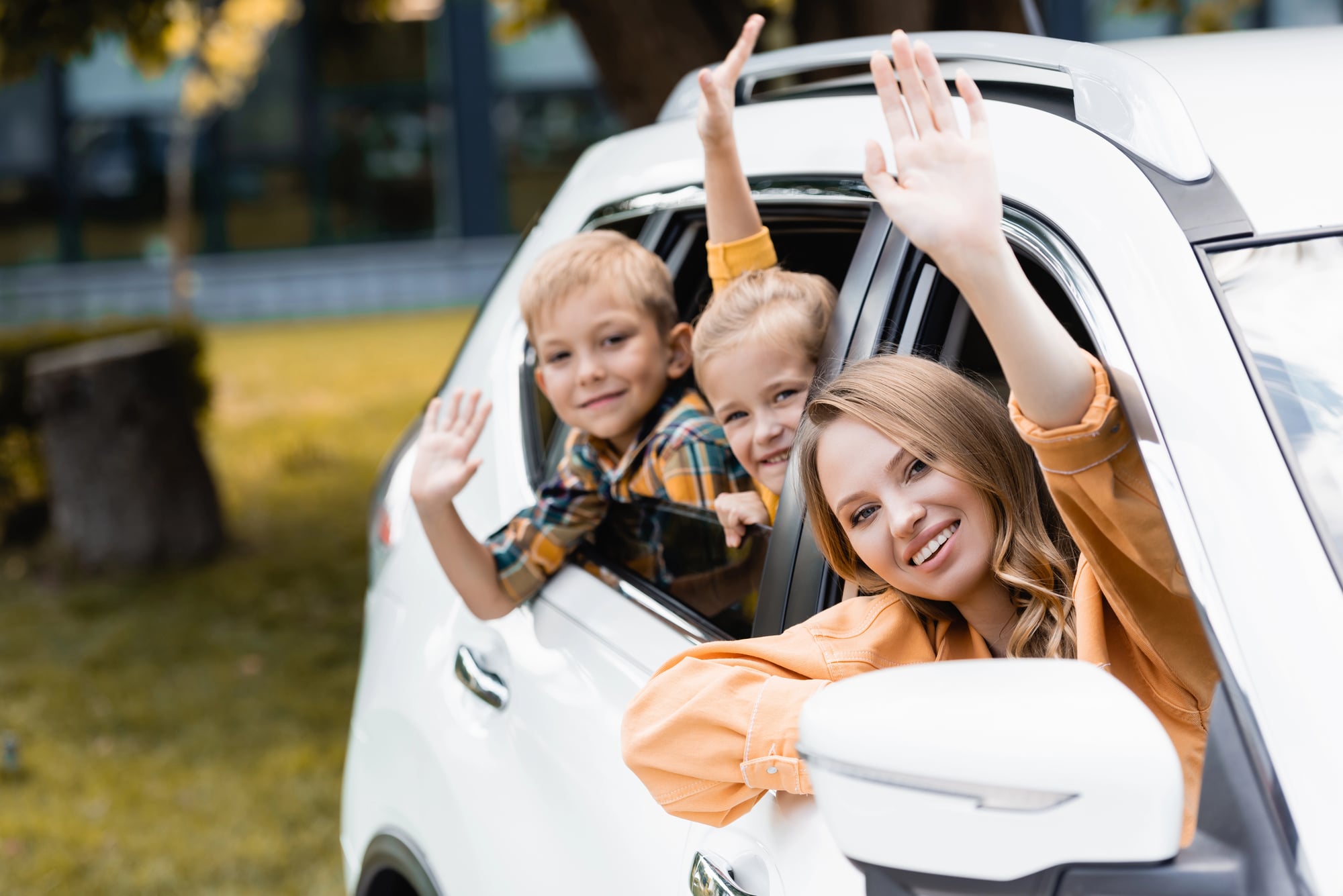
The pre-GPS road trip required a paper map that unfolded to approximately the size of a tablecloth, a parent who navigated by landmarks rather than coordinates, and a backseat that was either a cooperative kingdom or a contested territory depending on the company.
Driving past something interesting was its own discovery — you couldn’t look it up before you arrived.
Getting slightly lost was neither crisis nor catastrophe but simply part of arriving.
The destination was always somewhere at the end of driving, which made the driving part of the destination.
Going To The Public Pool

The public pool in summer was not a relaxation venue. It was a social institution.
You arrived as close to opening as possible to claim the best strip of chain-link fence for your towels.
The lifeguard’s whistle was the governing instrument of the afternoon.
The diving board line moved slowly and was worth it.
The changing rooms smelled of chlorine and damp concrete.
You stayed until your fingers pruned and your hair dried into whatever shape it wanted.
Admission cost very little and admission at that price was the whole point — it was a public thing, for anyone, all summer long.
Eating Popsicles Outside In The Heat
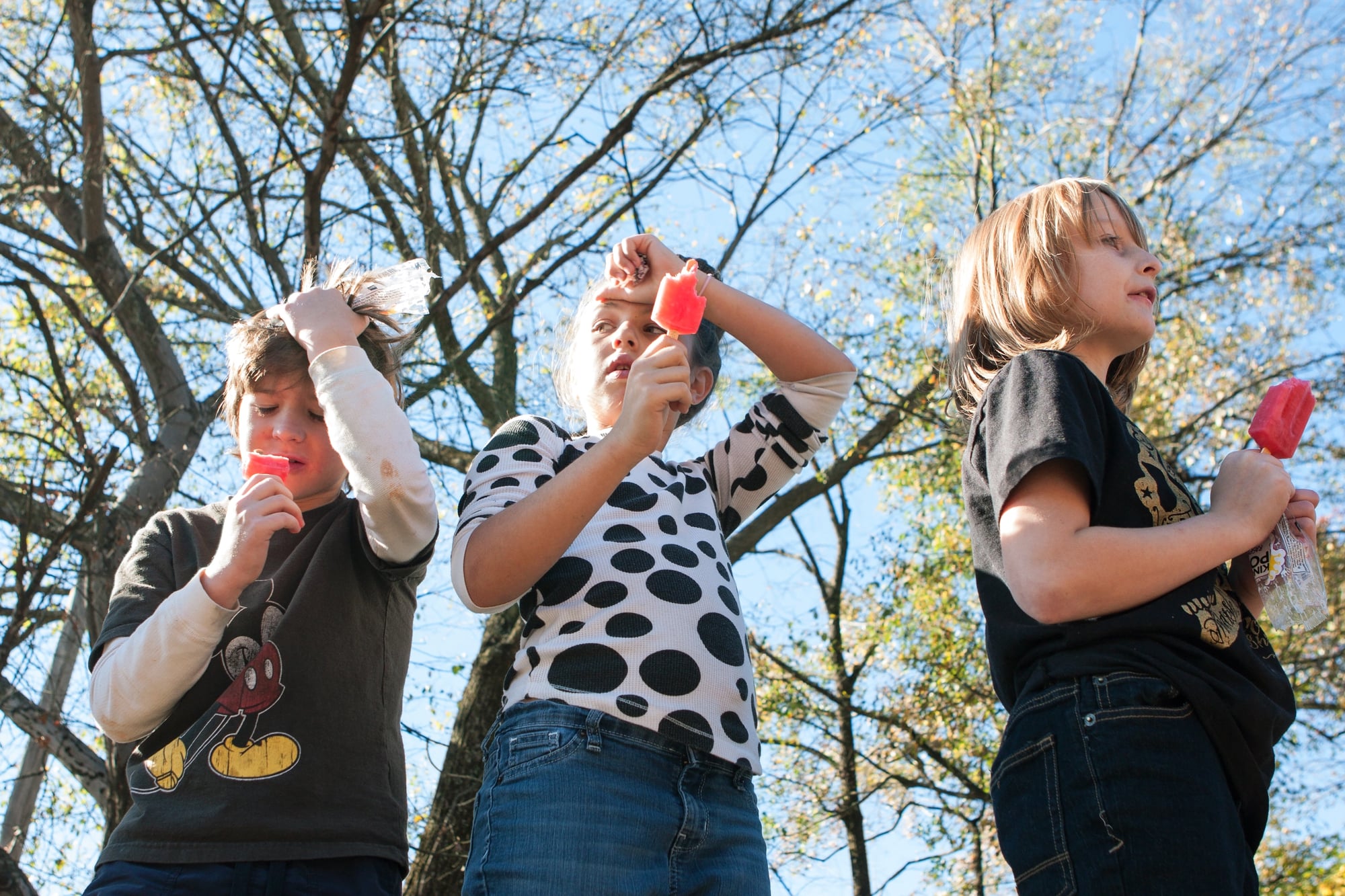
The popsicle was designed for the purpose of being eaten faster than it could melt, which meant eating one required your full attention and a strategic approach to the drip.
Orange, cherry, and grape were the core flavors, available in twin sticks that could be split down the middle and shared or simply eaten as a unit.
Eating them outside in the heat was not optional — eating them inside meant contributing to someone’s clean floor.
The wrapper, once unwrapped, had to be dealt with immediately, which was another problem that resolved itself outdoors.
Watching Saturday Morning Cartoons

From September to May, the Saturday morning cartoon block required getting up early, which was inexplicable in retrospect given that the same kids refused to wake before nine on school days.
In summer, the loss of this ritual was its own marker — no school meant the cartoons felt different, almost illicit at their usual time of 7 AM on a July Saturday when the rest of the house was quiet.
By the late 1990s, Saturday morning programming had largely shifted away from the cartoons that had defined it.
The dedicated block no longer exists on any major American network.
Going To The Library For Summer Reading

The summer reading program at the public library was one of the few structured things available in summer that didn’t feel like school.
You signed up, received a chart, and recorded each book you finished.
Reaching a milestone meant a prize, usually modest — a bookmark, a coupon, a small toy — that felt significant precisely because it was earned through reading rather than competition or performance.
The library itself was cool, quiet, and staffed by people who had time to talk about books.
Many of these programs still run, but they compete with summer schedules that leave less unstructured time to read.
Building A Tree House
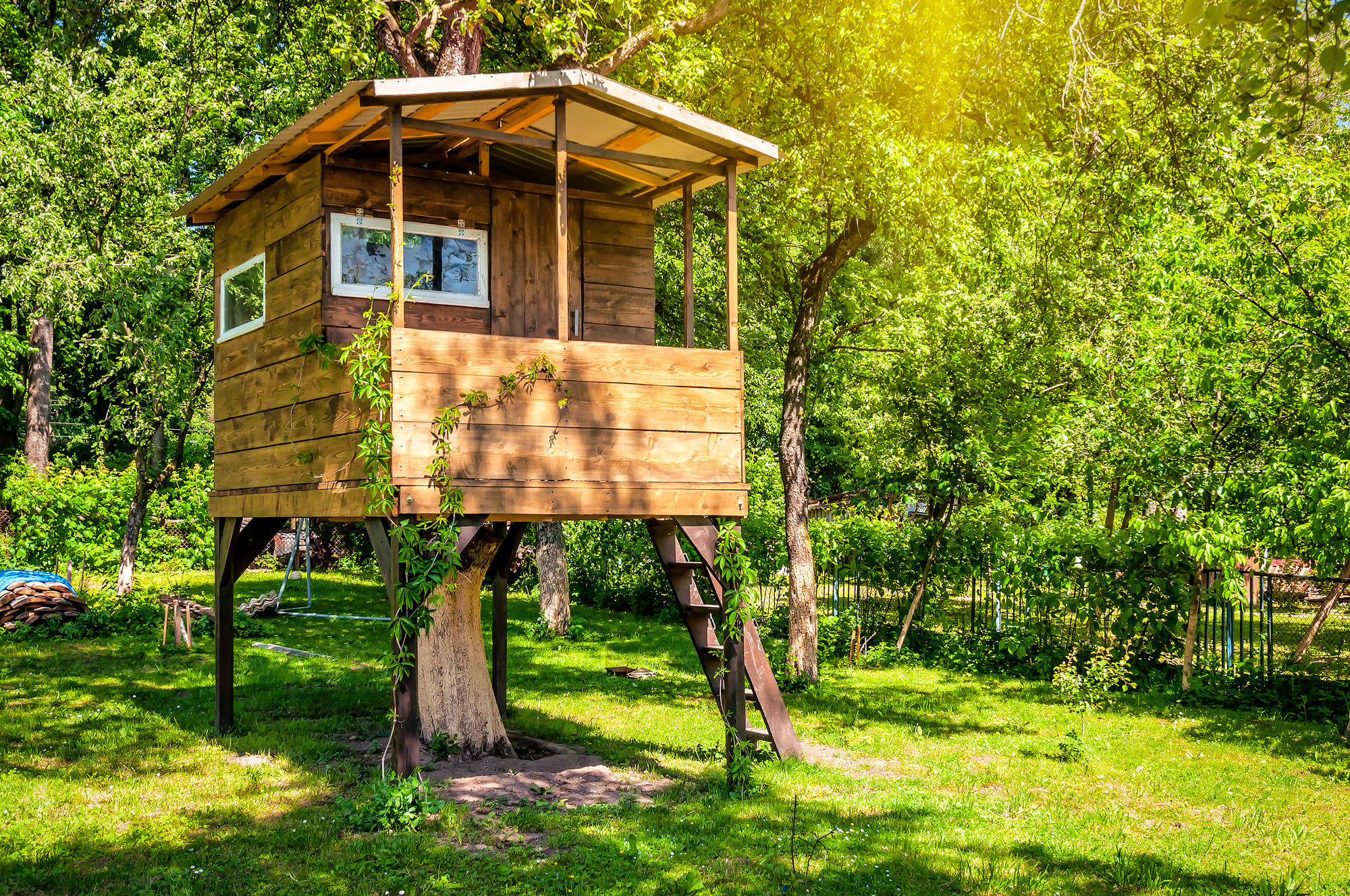
A tree house required a cooperative parent, a willing tree, scrap lumber, and several weekends.
The result was almost never level, weather-resistant, or structurally impressive by any adult standard.
It was, however, yours — a space at height, with a different view of the neighborhood, accessible by a ladder or notched planks nailed to the trunk, where the rules of the ground did not apply.
The construction was as important as the occupation.
Most tree houses that got finished were used all summer and ignored the following year, but the summer they were finished mattered enormously.
Neighborhood Cookouts That Were Actually Neighborhood Events
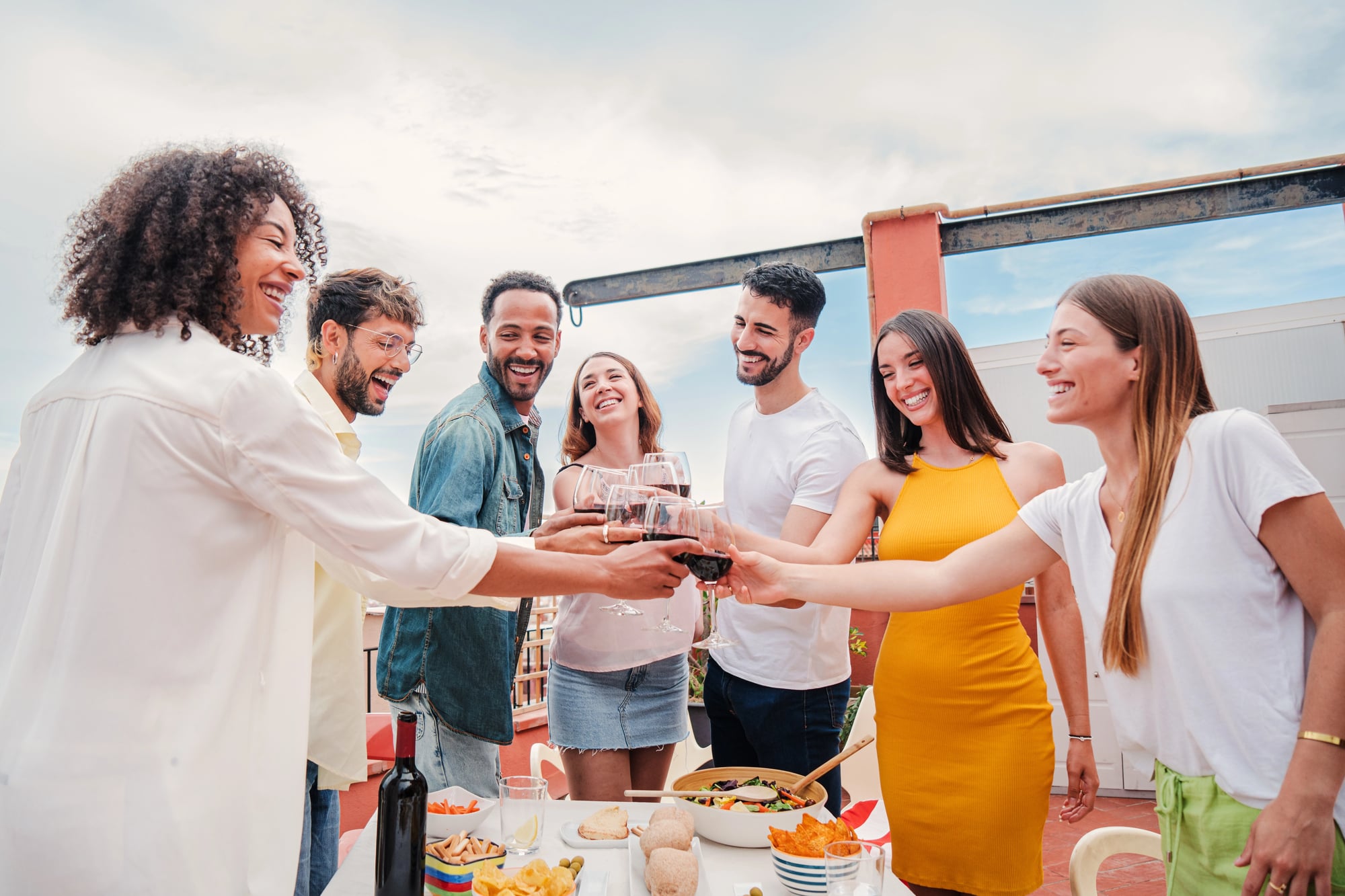
The summer cookout in its original form was not a planned gathering with a guest list. It was the smell of charcoal drifting across several yards, which functioned as an open invitation.
Neighbors walked over with potato salad or nothing at all.
Kids arrived from three houses down because they’d heard the sound of a cooler lid.
The event lasted until dark and ended without cleanup being divided among the guests.
Nobody photographed the food.
The event was so low-key it barely registered as an occasion, which was precisely what made it occur naturally all summer.
Wearing Cutoff Shorts

Cutoff shorts in the original form were not purchased as cutoffs.
They were last year’s jeans with the legs cut off, unevenly, above the knee.
The fraying was real rather than manufactured.
The fit was whatever fit the jeans had been before the conversion.
They were worn for swimming in when you hadn’t brought a swimsuit, for bike riding, for sitting in creeks, and for every other activity that involved getting things wet or dirty.
The garment was entirely functional and cost nothing beyond a pair of scissors and a willingness to ruin last year’s denim.
Counting Down To The County Fair

The county fair arrived in August and lasted a week.
There was livestock in buildings that smelled of hay and animals, a midway with games of improbable skill and prizes of low value and high appeal, a Ferris wheel that was assembled and disassembled every year, and food that was fried without apology.
The fair’s arrival was announced by the construction of the midway at the fairgrounds, which you drove past and monitored in the days before opening.
The ritual had a genuine endpoint and a genuine beginning, which gave summer a structure it otherwise lacked.
Staying Outside Until Dark Without Anyone Tracking Your Location
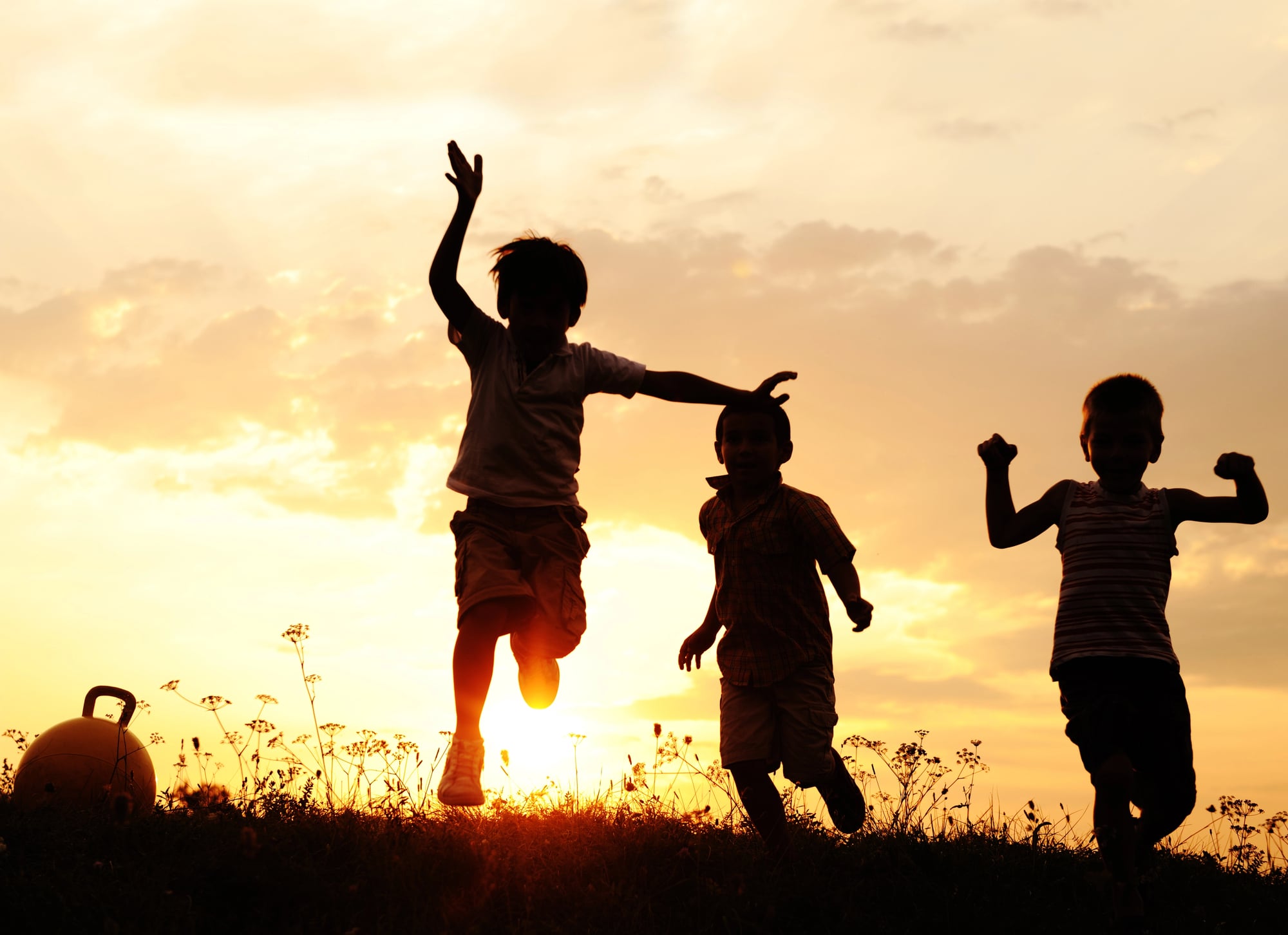
The streetlight standard — go out after breakfast, come home when the streetlights come on — organized a generation’s summer afternoons with near-total independence.
Nobody knew exactly where you were.
You might be three blocks away or six.
If you went to someone’s house, you told your parent at some point, but the telling was retrospective rather than real-time.
The experience of being physically out of contact with any responsible adult for six or seven hours was normal, unremarkable, and formative.
GPS tracking, parental anxiety, and reduced neighborhood density have largely ended it.
Making Homemade Ice Cream
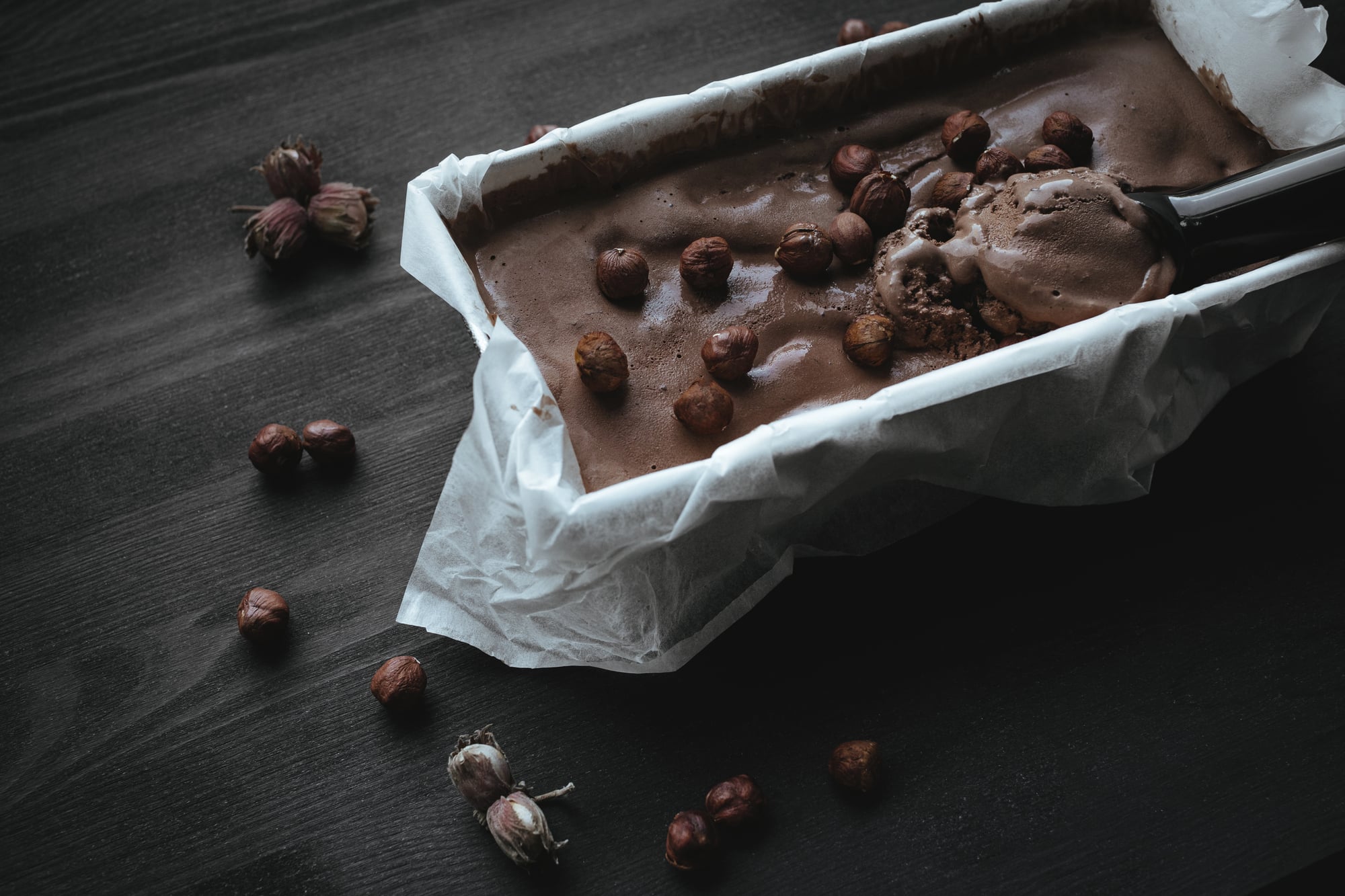
The hand-cranked ice cream maker required rock salt, ice, a cream mixture, and a commitment to taking turns on the crank that lasted longer than anyone expected.
The ice cream that resulted was not as smooth as commercial ice cream, was slightly icier, and tasted entirely better by virtue of having been made in the yard while everyone waited.
Letting the canister sit packed in ice for an additional twenty minutes before serving was required and nearly impossible.
The ritual required three hours and produced a quart of ice cream and an afternoon.
Writing And Receiving Letters To Summer Camp Friends

If you went to summer camp and made a friend from another state, the relationship continued through letters.
You wrote by hand, sent the letter, and waited two weeks for a response.
The correspondence required a deliberate commitment to the friendship — sitting down, finding paper, forming sentences without seeing the other person’s face.
The letters often included small objects: a leaf, a photograph, a drawing.
The whole system collapsed when email arrived and accelerated further when social media made the letter’s particular intimacy feel unnecessary.
Some of those letter-friendships lasted a decade.
The Pool Party As A Social Institution
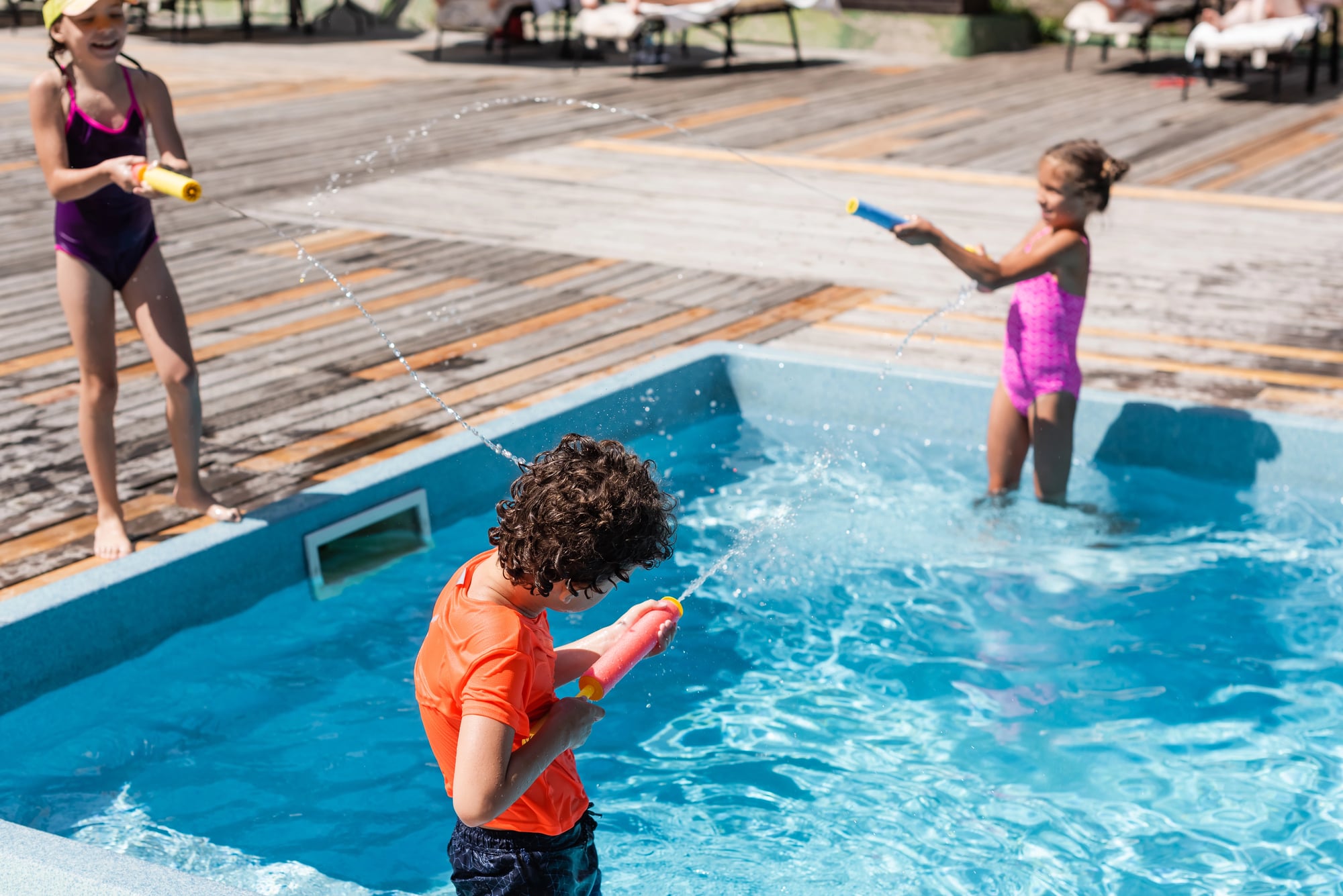
A pool party was the summer social event that required one ingredient: access to a pool.
Everyone else contributed themselves.
The host provided the water; the guests provided the afternoon.
There were no caterers, no themes, no rented equipment beyond possibly a few inflatable items.
The party lasted until everyone was waterlogged and the chips were gone.
The guest list was whoever could get there.
The invitation was usually verbal.
It sounds modest described this way, and it was — and it was also, for whoever showed up, the best way to spend a summer Saturday afternoon.
Counting Down The Days On A Paper Calendar

In the weeks before summer began, many kids maintained a paper countdown — a calendar on the wall or inside a notebook cover, with days crossed off each morning.
The physical action of crossing off a day made the approach of summer tangible in a way that a digital countdown cannot replicate.
When you crossed off a day, you held the pen and felt time move.
The last day of school, circled in advance, was the target everything pointed toward.
Riding In The Back Of A Pickup Truck
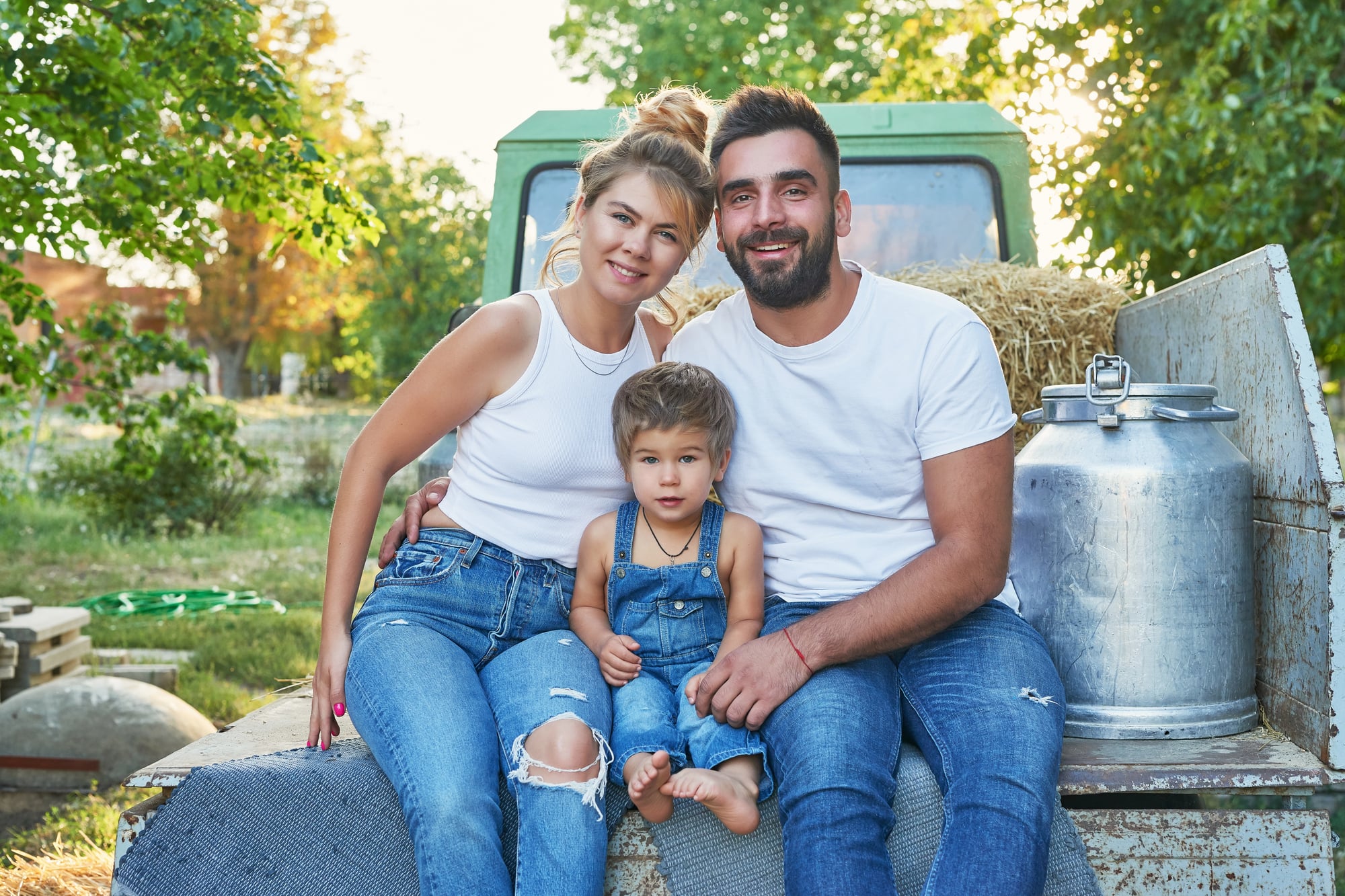
For a particular generation in rural and suburban areas, riding in the truck bed was a common summer experience — trips to the hardware store, to the lake, to a friend’s property, to wherever the truck was going on a Saturday morning.
You could see the road behind you and feel the wind going the opposite direction from the car’s motion.
It is now illegal in most US states and strongly discouraged elsewhere, which is a reasonable position that nonetheless marks the end of a specific kind of childhood experience.
Playing At The Playground Alone
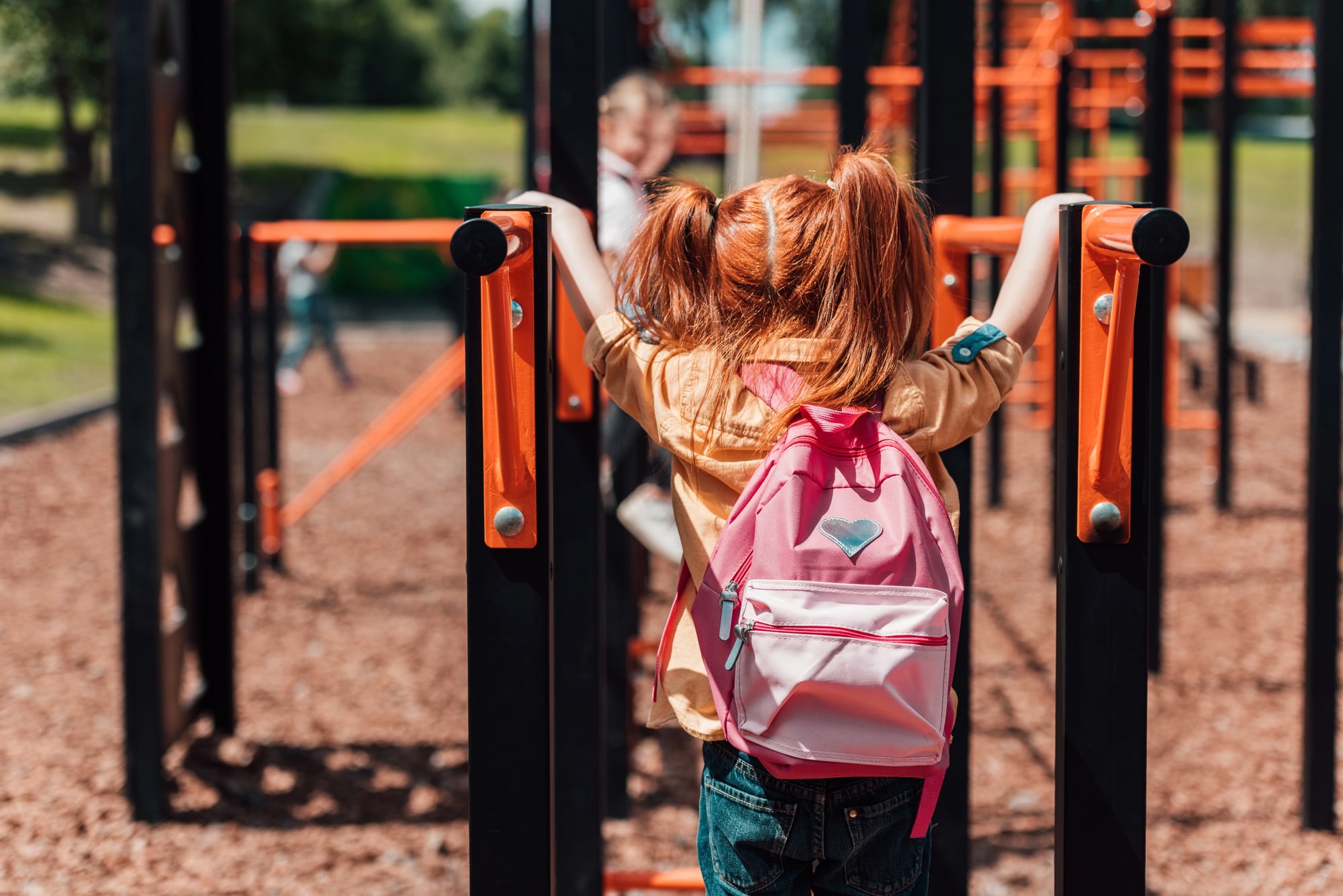
The playground of the 1970s and 1980s was not supervised.
You went to it, other kids were there or arrived, and something organized itself.
The equipment was often metal that got hot in the sun, with no rubberized surface beneath and a height standard that would not survive contemporary safety review.
Falls happened and were metabolized without incident.
The playground as an unsupervised gathering point — a place you could go alone and find company — has become largely theoretical as playgrounds require parental accompaniment and kids schedule playdates in advance.
Watching Thunderstorms From The Porch
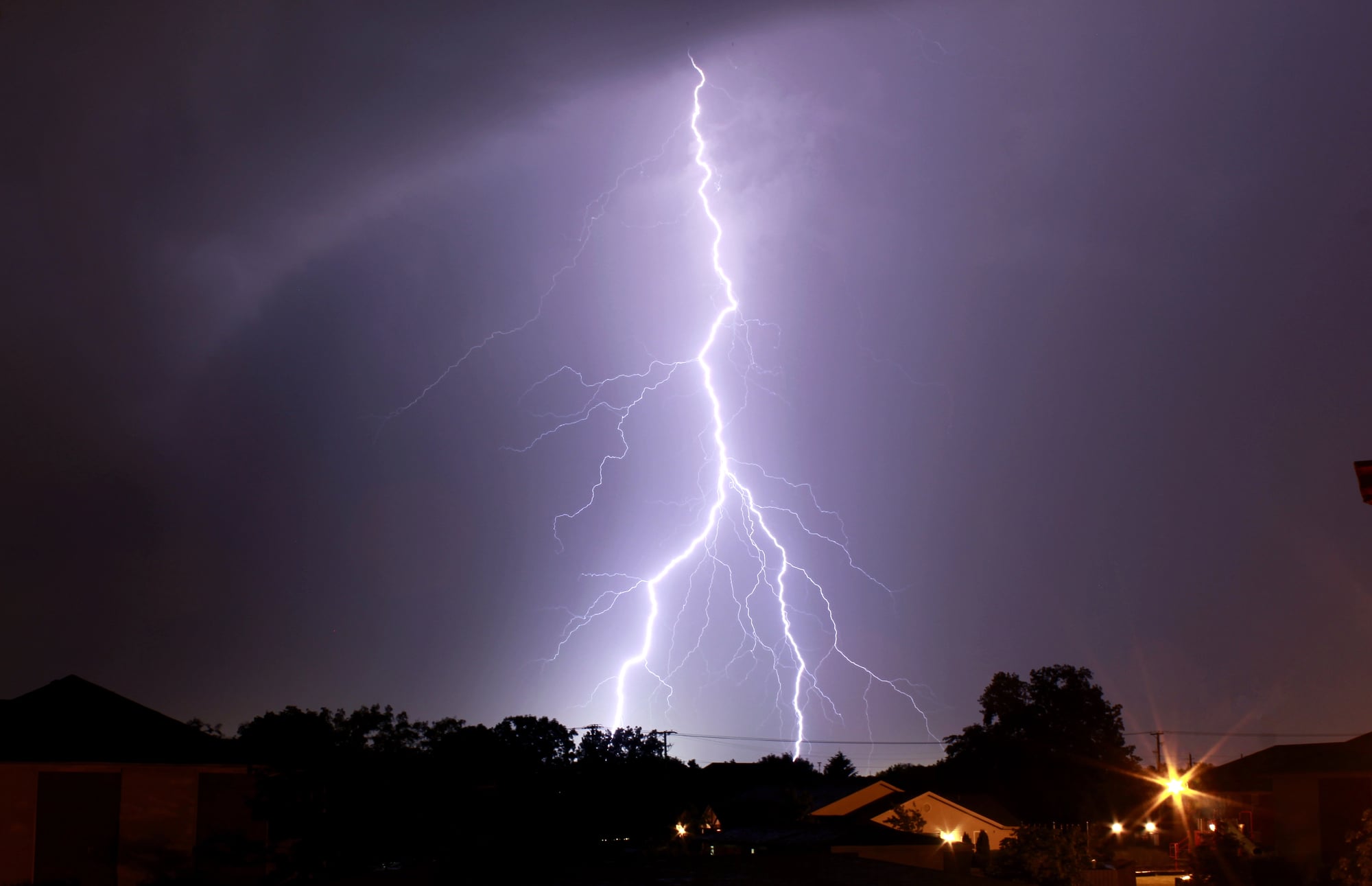
A summer thunderstorm was not an indoor event if you could help it.
The porch provided shelter and a front seat.
You could count the seconds between lightning and thunder to estimate distance, watch the sheets of rain move across the yard, and stay until the storm passed or until someone decided to call you in.
The smell of rain on dry concrete — petrichor, though nobody called it that — arrived before the rain itself.
Watching a storm rather than retreating from it was a specific pleasure that required a covered porch and no particular concern about lightning proximity.
The Ritual Of Buying School Supplies In August

Back-to-school shopping in August was summer’s formal ending, and it had its own pleasures.
A new package of pencils, unsharpened and identical.
A binder with a clear front pocket and rings that closed properly.
A backpack that smelled of new fabric.
These objects were not just supplies — they were potential, the tools of an academic year that hadn’t happened yet and might therefore go well.
The ritual acknowledged that summer had an end, and gave the end a specific texture rather than just the arrival of September.
Drive-Thru Diaries And Roadside Ice Cream Stands
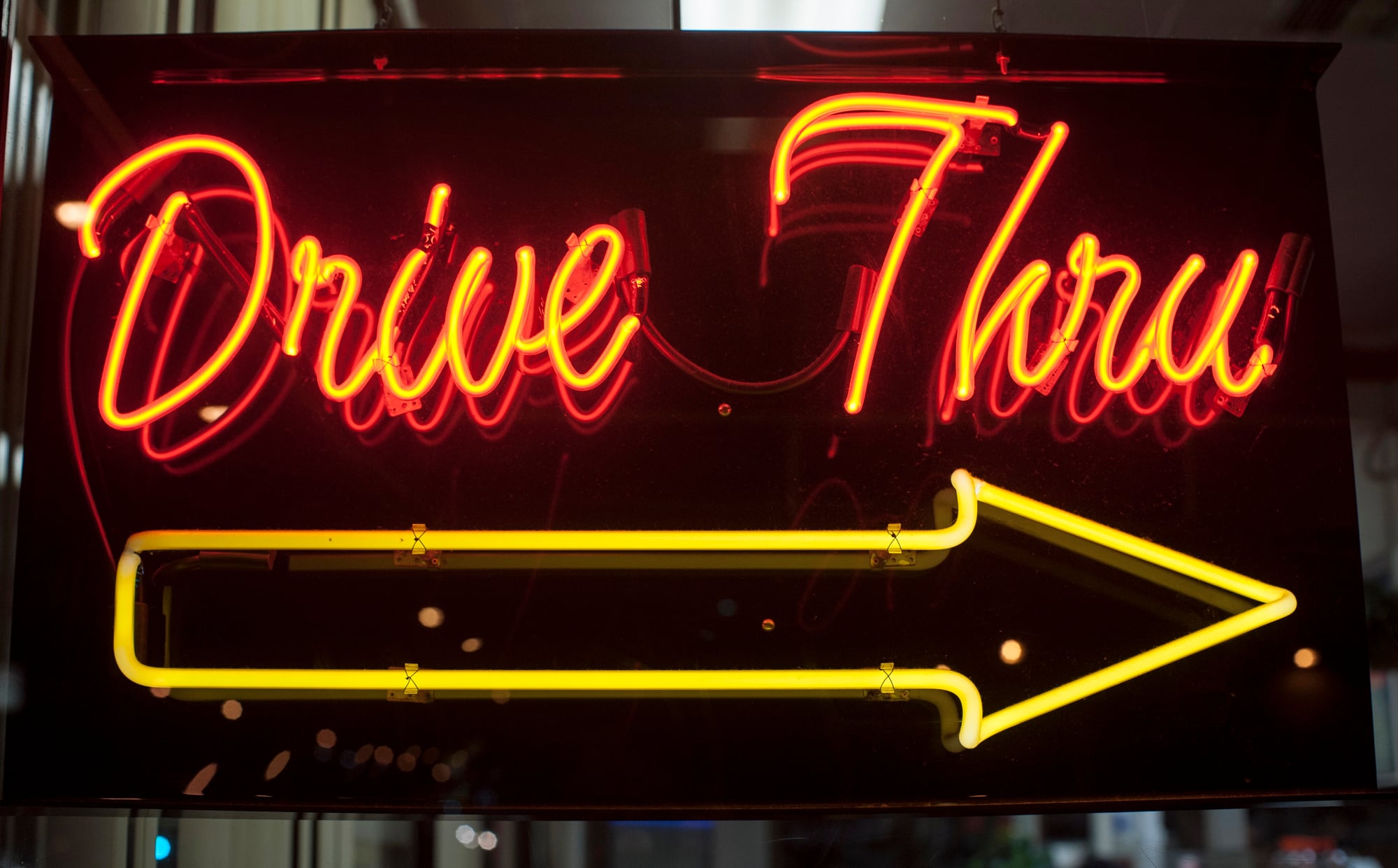
The dairy bar at the edge of town or at the highway junction was a single-window operation that sold soft-serve and little else.
You drove up, ordered, and ate in the parking lot or in the car with the windows down.
The soft-serve swirl required practice to eat without losing the top inch to gravity.
These establishments still exist in meaningful numbers, but the drive-through fast food that expanded around them removed their monopoly on casual summer food and reduced their cultural role as the automatic destination of summer evenings.
Getting Library Books Stamped

The library before digital checkout had a stamp.
The librarian pressed the due-date stamp against the card tucked inside the book’s back pocket, and you walked out with something that had been officially lent — a physical record of the transaction in your hands.
The stamp gave the checkout a ceremonial quality, and the due date card accumulated the names of everyone who had read the book before you, which was its own small intimacy.
Digital checkout is faster and more efficient and produces none of this.
Swimming In A Lake Or River

Not a pool — an actual body of water with unclear depth, unknown occupants, and a mud or sand floor you couldn’t fully see.
The freedom of swimming in a lake was that nobody owned it in any useful sense, nobody could see the bottom to tell you what was there, and the rules were entirely different from the public pool.
You could swim as far as you wanted with no lane markers.
You climbed out onto rocks or wooden docks and jumped back in.
You came out with the smell of lake on you, which is unlike any other smell and unlike any controlled aquatic environment.
The Summer Haircut

The summer haircut was a practical decision with cultural dimensions.
Hair was cut short enough to minimize time spent managing it during months when the priority was being outside.
For a lot of kids, this meant a substantially shorter cut than the school year allowed, applied in a single session in early June.
The haircut was not a fashion statement — it was a declaration of intent about how summer would be spent.
It has been displaced by year-round styling norms and an expanded vocabulary around children’s hair that makes the seasonal buzz cut feel like a different era’s logic.
Sleeping On The Porch Or In A Tent In The Backyard
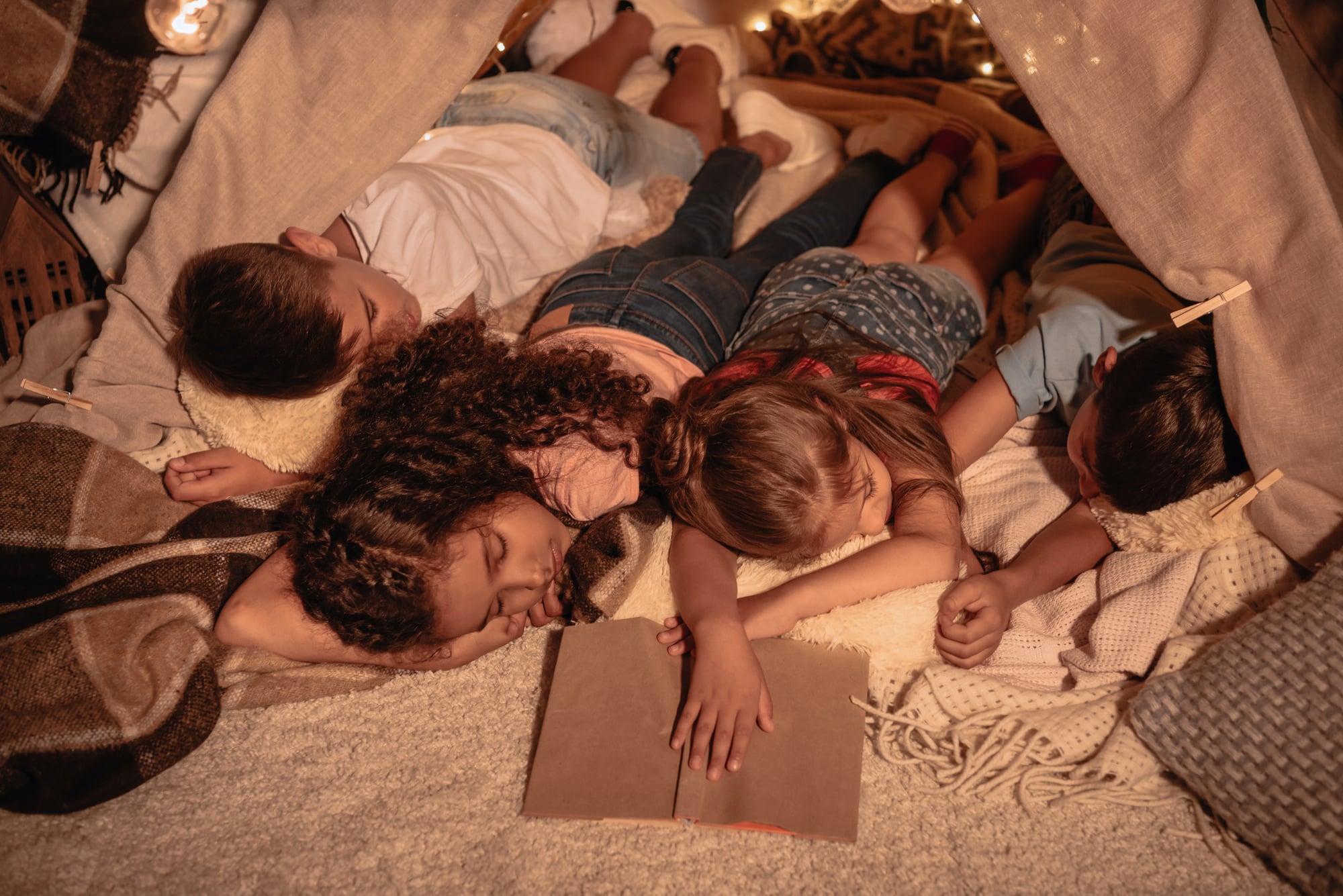
A tent in the backyard was not camping.
It was a legal fiction, the thinnest possible membrane between inside and outside, and it was entirely sufficient.
The sleeping bag, the flashlight, the sounds of the neighborhood in summer dark — crickets, distant traffic, someone else’s television — made the four feet between the tent and the house feel like a real distance.
If you actually fell asleep outside and stayed through the night, you woke to the particular quality of early summer morning light and the sense that you’d gotten away with something.
Making Your Own Fun Without Prompting

The absence from this list is worth naming: the unstructured time itself, the days without a plan or a screen or an adult who felt responsible for filling the hours.
The rituals above existed within that time, enabled by it, because kids who had nothing scheduled eventually invented something.
The invention required boredom as a precondition — that particular restless state that preceded every good summer afternoon.
Boredom is harder to sustain now, and the rituals that grew from it are harder to find.
What The Season Used To Hold
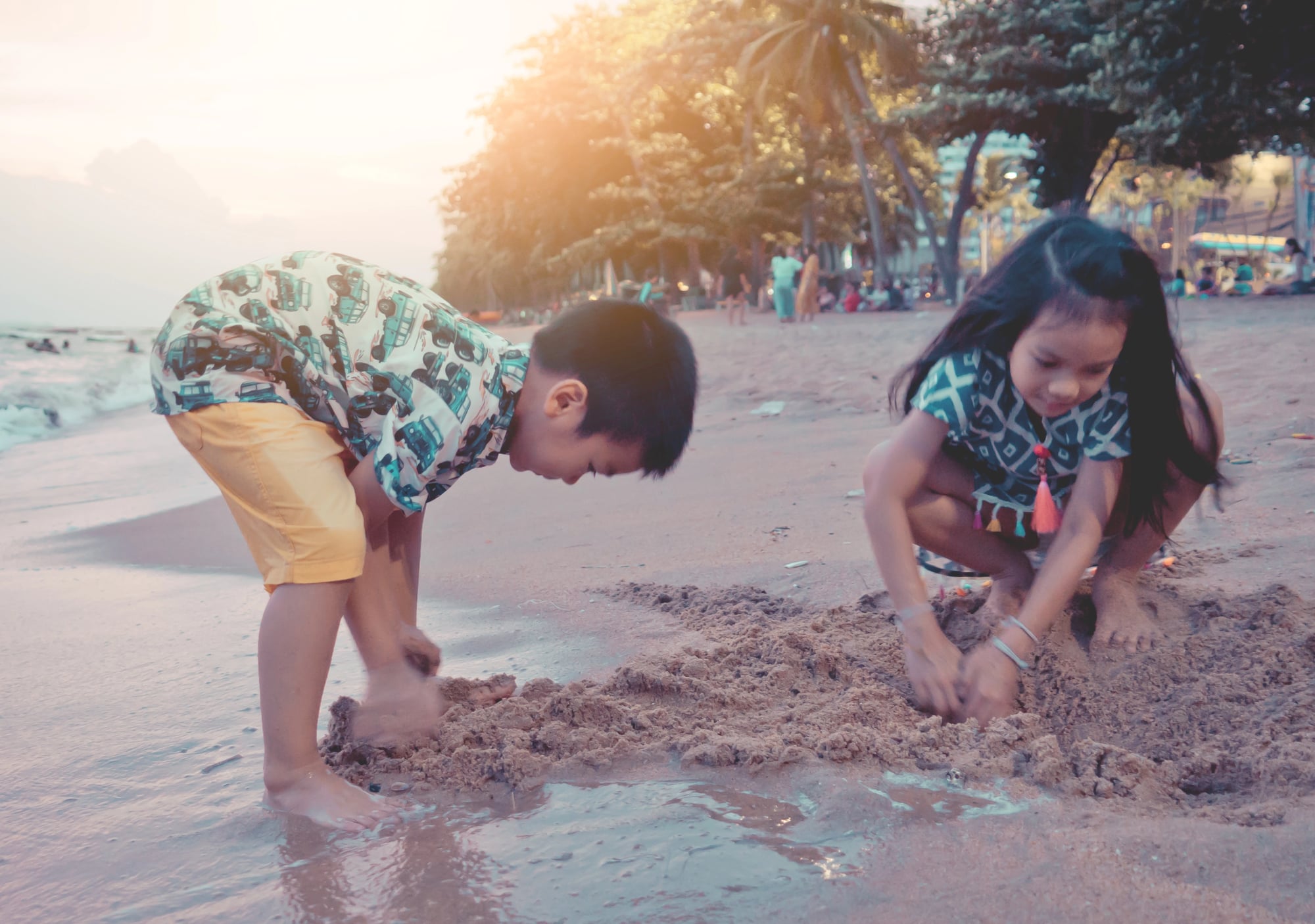
Summer was once a long enough container to fit real things: friendships built slowly over shared afternoons, skills acquired through repetition, a physical intimacy with the outdoors that came from simply spending all day in it.
The rituals on this list weren’t the season’s highlights. They were its ordinary material, the stuff that filled a Tuesday in July without anyone deciding to fill it.
Their disappearance is not nostalgia’s distortion — it reflects real changes in how childhood is organized, how time is managed, and what parents and kids consider acceptable risk.
What’s been lost is harder to name than any specific ritual: it’s the season itself, that particular version of it, the one that ran on nothing but time.
More from Go2Tutors!

- The Romanov Crown Jewels and Their Tragic Fate
- 13 Historical Mysteries That Science Still Can’t Solve
- Famous Hoaxes That Fooled the World for Years
- 15 Child Stars with Tragic Adult Lives
- 16 Famous Jewelry Pieces in History
Like Go2Tutors’s content? Follow us on MSN.