Mysterious Sounds and Phenomena Only Few Can Hear
Your ears pick up conversations, music, and traffic noise without much thought. But some people hear things that others don’t—sounds that appear out of nowhere, persist when they shouldn’t, or simply don’t exist for anyone else in the room.
These aren’t illusions or signs of problems in most cases. They’re real auditory experiences tied to how individual brains and ears process sound waves, and scientists have been studying them for decades.
The world of sound extends far beyond what most people perceive. Here is a list of mysterious sounds and phenomena that only a few can hear.
The Hum
Around two percent of people hear a persistent low-frequency droning noise that no one else seems to notice. It sounds like a distant engine idling or heavy machinery running somewhere far away.
The frustrating part is that moving to different rooms or even different buildings doesn’t make it stop, and recording equipment often fails to pick it up. Researchers have documented cases since the 1970s, though the exact cause remains unclear for many who experience it.
Exploding Head Syndrome

Some people wake up to the sound of explosions, gunshots, or crashing cymbals that never actually happened. This phenomenon occurs during the transition between sleeping and waking, lasting less than a second but feeling incredibly real.
Despite the alarming name, it causes no pain and indicates no danger to your brain. Roughly 10-15% of people experience this at least once in their lives.
Musical Ear Syndrome

Certain individuals with hearing loss start hearing music that isn’t playing anywhere. The brain essentially fills in the silence with familiar songs or melodies, similar to how it might fill in missing visual information.
These aren’t vague tunes either—people report hearing full orchestras, complete with instruments and harmonies. The phenomenon appears more common in older adults who’ve lost significant hearing in both ears.
Misophonia
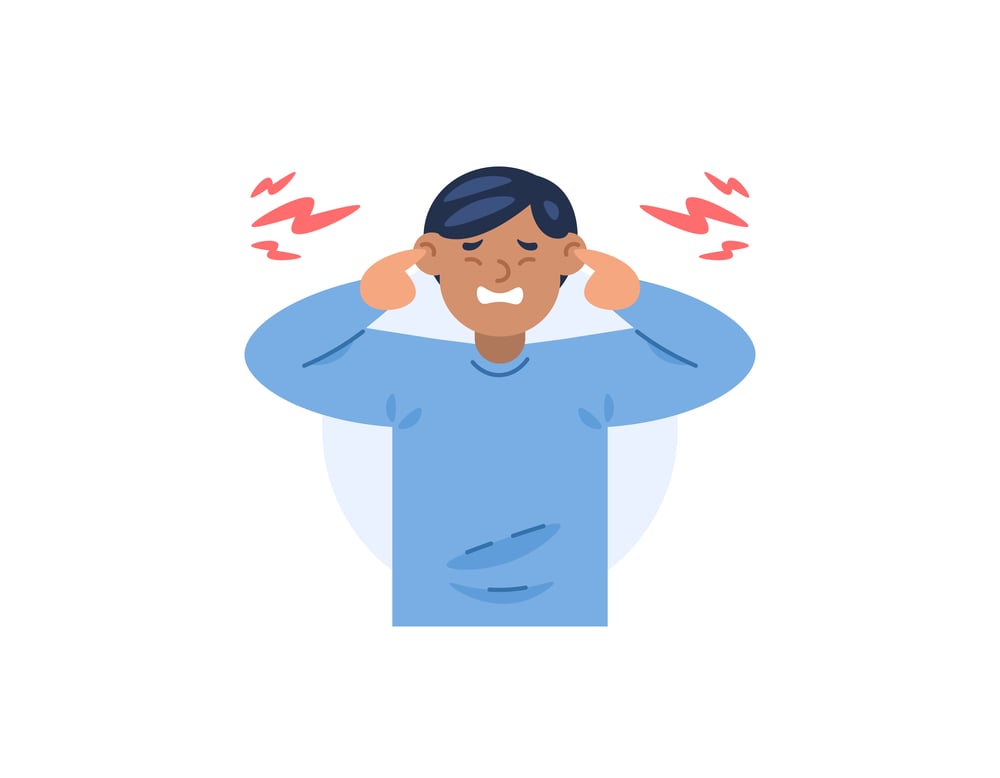
Specific sounds trigger intense emotional reactions in some people that go way beyond normal annoyance. Chewing, tapping, or breathing noises can cause genuine distress, anger, or even panic.
The sound itself isn’t particularly loud, but something about repetitive patterns activates a strong response in the limbic system. Studies show this affects more people than previously thought, though many suffer in silence because others dismiss their reactions.
Hyperacusis

While most people find loud concerts or construction sites unpleasant, individuals with hyperacusis experience actual pain from sounds that others consider merely annoying.
A door closing or dishes clanking becomes unbearable. The auditory system amplifies normal environmental sounds to painful levels, making everyday life genuinely challenging.
This condition differs from simply having sensitive hearing—it involves a physical response to sound intensity.
Palinacousis

Imagine hearing an echo of a conversation or TV dialogue that continues minutes or even hours after the original sound stopped. That’s palinacousis, a rare auditory phenomenon where sounds persist long after they should have ended.
The experience links closely to temporal lobe function, and most documented cases involve people recovering from strokes or dealing with seizure activity. The sounds aren’t new hallucinations but replays of actual auditory input.
Spontaneous Otoacoustic Emissions
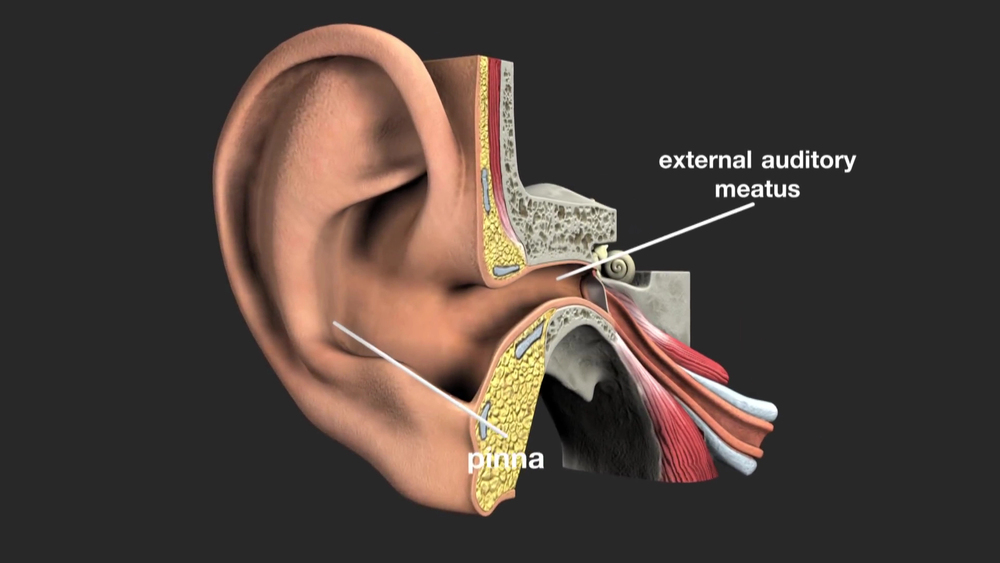
Your ears don’t just receive sound—they also produce it. About 35-50% of people generate tiny sounds from their inner ear without any external stimulus.
Most never notice because these emissions stay below conscious hearing levels. However, a small percentage can actually hear the high-pitched tones their own ears create, sometimes mistaking them for tinnitus.
These emissions come from the outer hair cells vibrating in the cochlea.
Infrasound Perception
Sound waves below 20 Hz fall beneath the typical human hearing range, but some people sense them anyway. Wind turbines, large machinery, and even weather systems produce these ultra-low frequencies.
Rather than ‘hearing’ them in the traditional sense, sensitive individuals report feeling pressure, unease, or even dizziness. The body perceives infrasound more than the ear does, creating sensations that others completely miss.
Ultrasound Detection

Just as some people detect infrasound, others can hear frequencies above the standard 20,000 Hz upper limit. Young people maintain this ability more commonly than adults, but it fades with age for most.
Factory workers exposed to high-frequency equipment sometimes report hearing whistles or hums that colleagues can’t detect. The sensation often feels more like pressure in the ear than traditional hearing.
ASMR

Certain sounds trigger pleasant tingling sensations in some people’s scalps and spines. Whispering, tapping, or crinkling paper creates what’s called Autonomous Sensory Meridian Response in about 20% of the population.
Those who experience it describe the feeling as deeply relaxing, almost sedating. The phenomenon gained recognition relatively recently, though people have likely experienced it throughout human history without a name for it.
Auditory Synesthesia

Some individuals hear sounds when they see movement or read text, even in complete silence. This crossing of sensory wires means their brain automatically translates visual input into auditory experiences.
Reading might produce different tones for different letters, or watching someone walk could create rhythmic sounds. The condition appears to have genetic components and occurs in roughly 4% of people.
The Taos Hum

Residents of Taos, New Mexico began reporting a specific mysterious hum in the early 1990s. About 2% of the local population heard it, each person describing slightly different frequencies between 32 and 80 Hz. Government investigations found no industrial or natural source that explained the sound.
The phenomenon persists today, making Taos one of the most studied examples of localized unexplained sounds.
The Windsor Hum

People living in Windsor, Ontario started hearing a low-frequency rumble in 2011 that some found unbearable. The sound appeared strong enough that 22,000 reports flooded local officials on one evening alone.
Researchers eventually traced it to industrial operations on nearby Zug Island in Michigan, though not everyone in the area could detect it.
The varying sensitivity among residents highlighted how differently individuals perceive low-frequency sounds.
Aurora Sounds

A small number of people claim to hear crackling, whistling, or clapping sounds while watching the Northern Lights. Scientists remained skeptical for centuries since sound shouldn’t travel from the aurora’s altitude to ground level.
Recent research suggests the phenomenon might result from electromagnetic discharges creating audible sounds closer to Earth’s surface during specific atmospheric conditions. The debate continues, as recording these sounds proves exceptionally difficult.
Microwave Auditory Effect

Brief pulses of radiofrequency energy can create clicking or buzzing sounds inside the heads of people standing near certain equipment. This effect, first documented in the 1960s, occurs when the energy creates tiny pressure waves in brain tissue.
The cochlea picks up these internal vibrations and interprets them as sound. Most people never encounter situations where this happens, as it requires specific equipment producing high-intensity pulses.
Singing Sand Dunes

Walk across certain sand dunes in places like Death Valley or the Sahara, and you might hear a low humming or booming sound. The noise comes from billions of sand grains sliding past each other in just the right way.
Not everyone hears it though—the phenomenon depends on the grain size, moisture levels, and how you move across the sand. Even at locations known for singing dunes, the sound only emerges under specific conditions.
Musical Hallucinations

People with significant hearing loss sometimes develop detailed auditory hallucinations of music playing constantly. Unlike Musical Ear Syndrome, these sounds can include original compositions the person has never heard before.
The brain essentially creates new music to compensate for reduced auditory input. These hallucinations differ from psychiatric conditions and result specifically from the way hearing loss changes brain activity.
When Silence Isn’t Silent

The human auditory system remains far more complex and variable than most people realize. What one person experiences as quiet might feel like a concert hall to someone else.
These phenomena remind us that perception isn’t universal—your reality might sound completely different from your neighbor’s. Understanding these variations helps explain why some people react strongly to environments that others find perfectly normal.
The next time someone mentions hearing something you can’t detect, remember that their experience might be just as real as any sound you’ve ever heard.
More from Go2Tutors!

- The Romanov Crown Jewels and Their Tragic Fate
- 13 Historical Mysteries That Science Still Can’t Solve
- Famous Hoaxes That Fooled the World for Years
- 15 Child Stars with Tragic Adult Lives
- 16 Famous Jewelry Pieces in History
Like Go2Tutors’s content? Follow us on MSN.