National Relaxation Day: 16 Ancient Relaxation Practices From Different Cultures
Stress isn’t new. People have always dealt with crazy stuff – wars, diseases, economic crashes. The difference? Our ancestors actually knew how to decompress properly.
They didn’t have Netflix or social media to zone out with. Instead, they developed these incredibly effective relaxation techniques that we’re still using today. Some are thousands of years old.
National Relaxation Day gives us a good reason to check out what worked before smartphones existed. Here’s 16 ancient ways people found peace that might actually help you chill out.
Vipassana Meditation
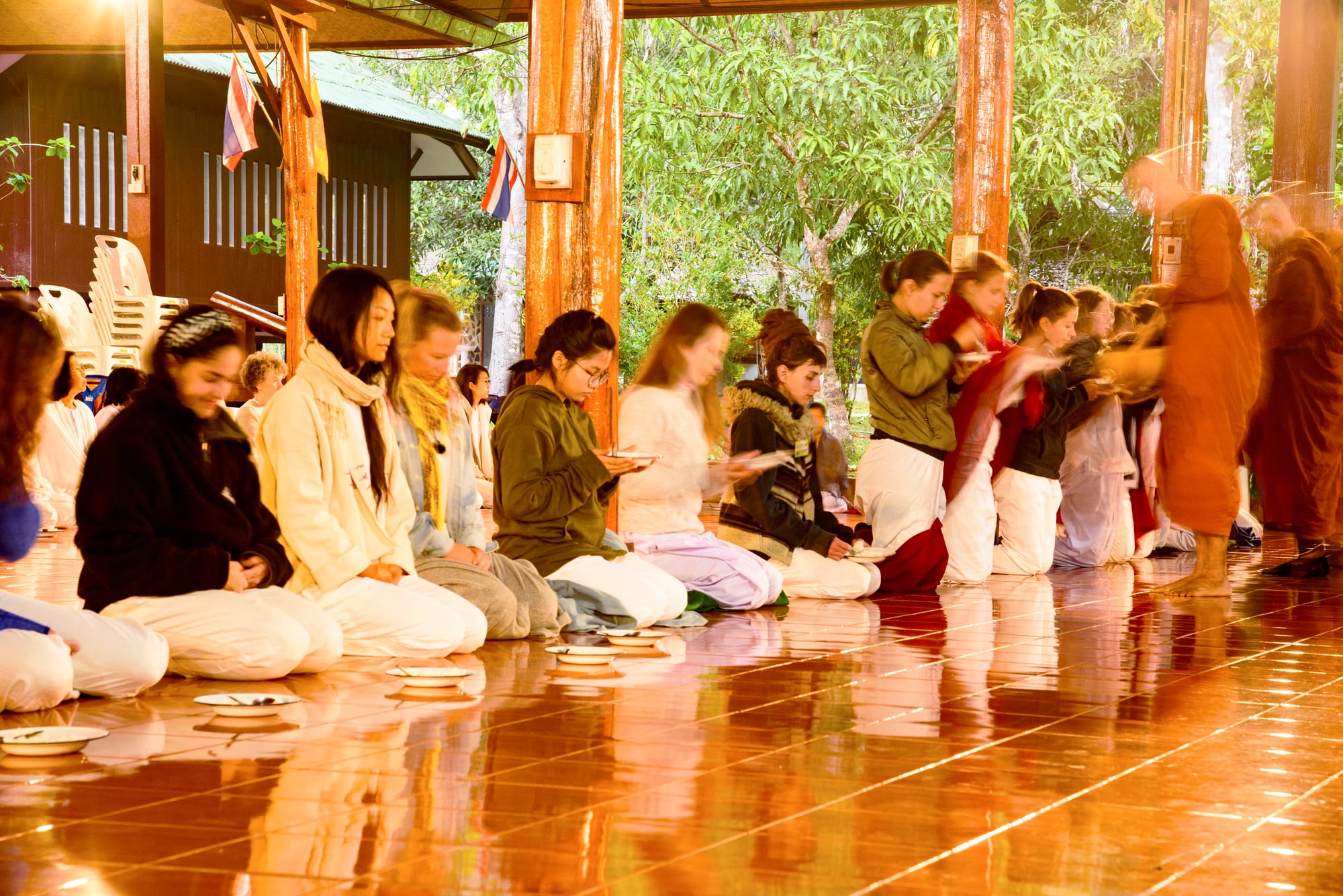
Buddhist monks invented this around 500 BCE. The idea’s pretty simple – sit quietly and observe whatever thoughts pop up without judging them.
Don’t try to stop thinking or force anything. Just watch your mind do its thing.
Thoughts come, thoughts go. Eventually you stop getting so worked up about every random worry that crosses your brain.
Research shows people who practice this regularly handle stress way better than those who don’t.
Finnish Sauna Culture
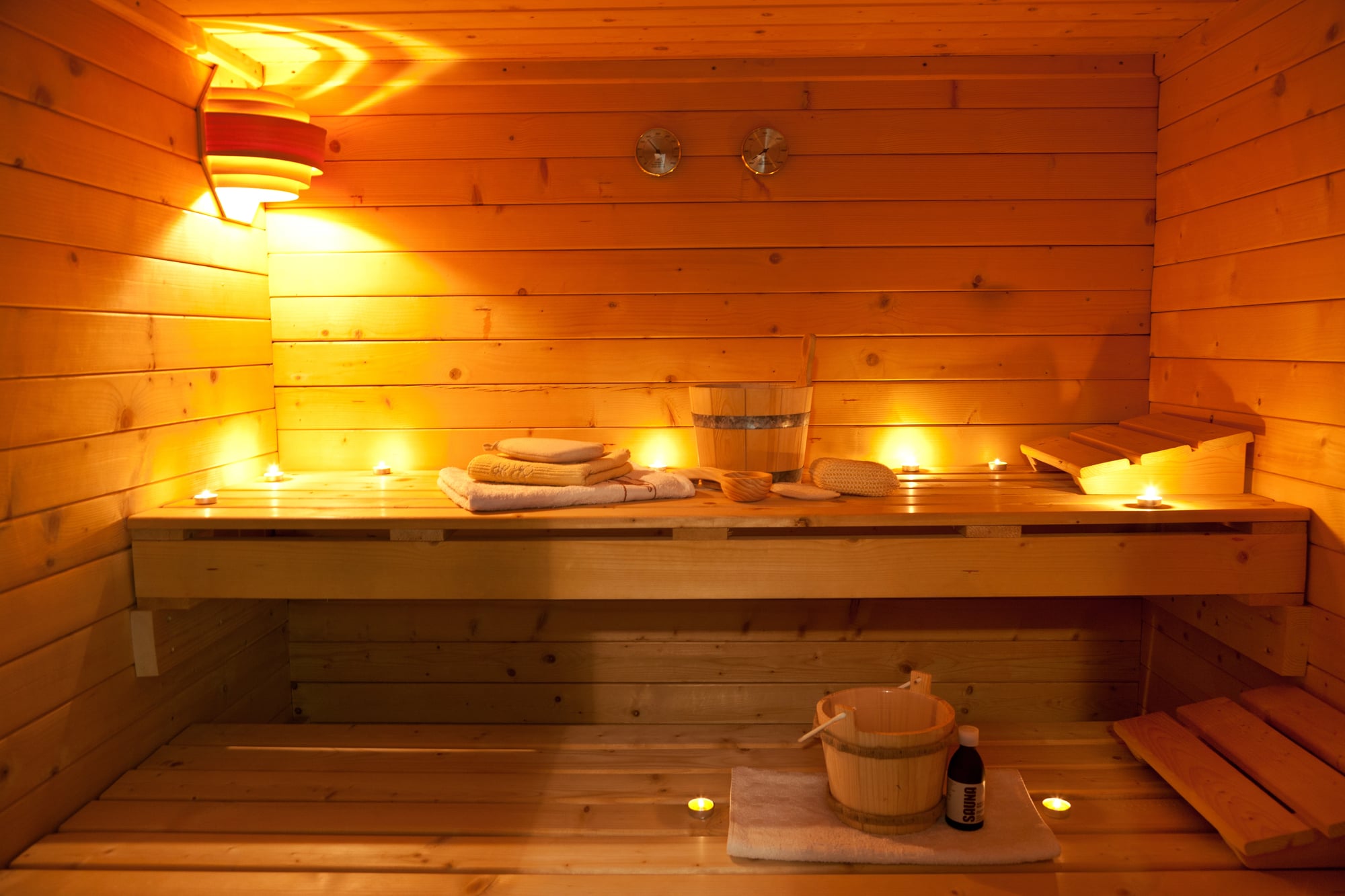
Imagine being stuck in Finland 2,000 years ago during winter. Brutal cold, barely any sunlight, probably really depressing.
So what did people do? They built these small wooden rooms and heated rocks until they were insanely hot.
Then they’d sit in there sweating their butts off before jumping into freezing lakes. Your body goes through this intense hot-cold cycle that releases endorphins and reduces stress hormones.
Plus it strengthens your heart over time.
Like Go2Tutors’s content? Follow us on MSN.
Chinese Qigong
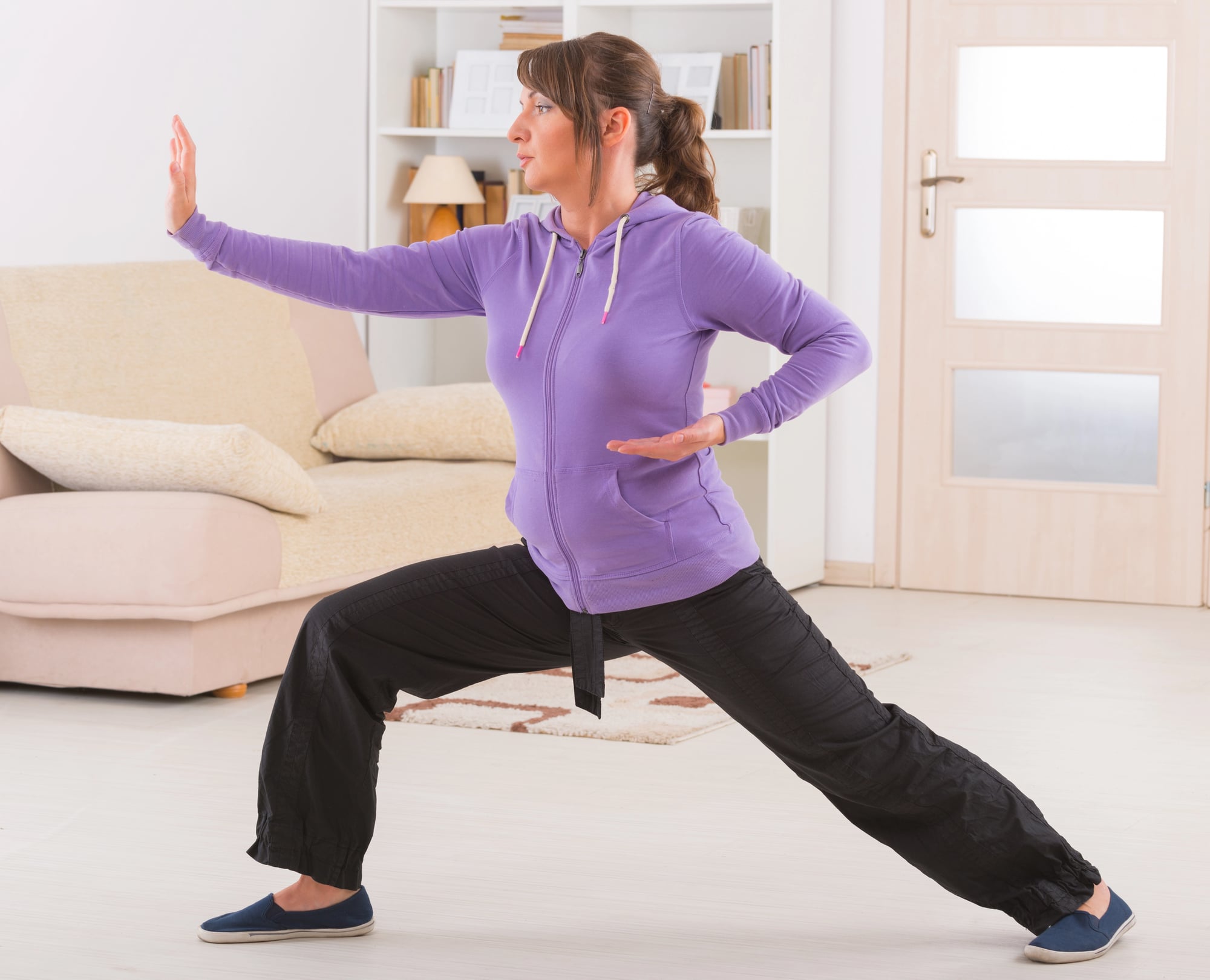
This started around 2000 BCE in China. Basically slow-motion exercise combined with deep breathing and visualization.
You move like you’re underwater while imagining energy flowing through your body. Looks weird if you’ve never seen it before.
But studies prove it lowers blood pressure, improves sleep, and releases muscle tension throughout your entire body. It takes about 20 minutes and you feel relaxed for hours afterward.
Ayurvedic Oil Massage
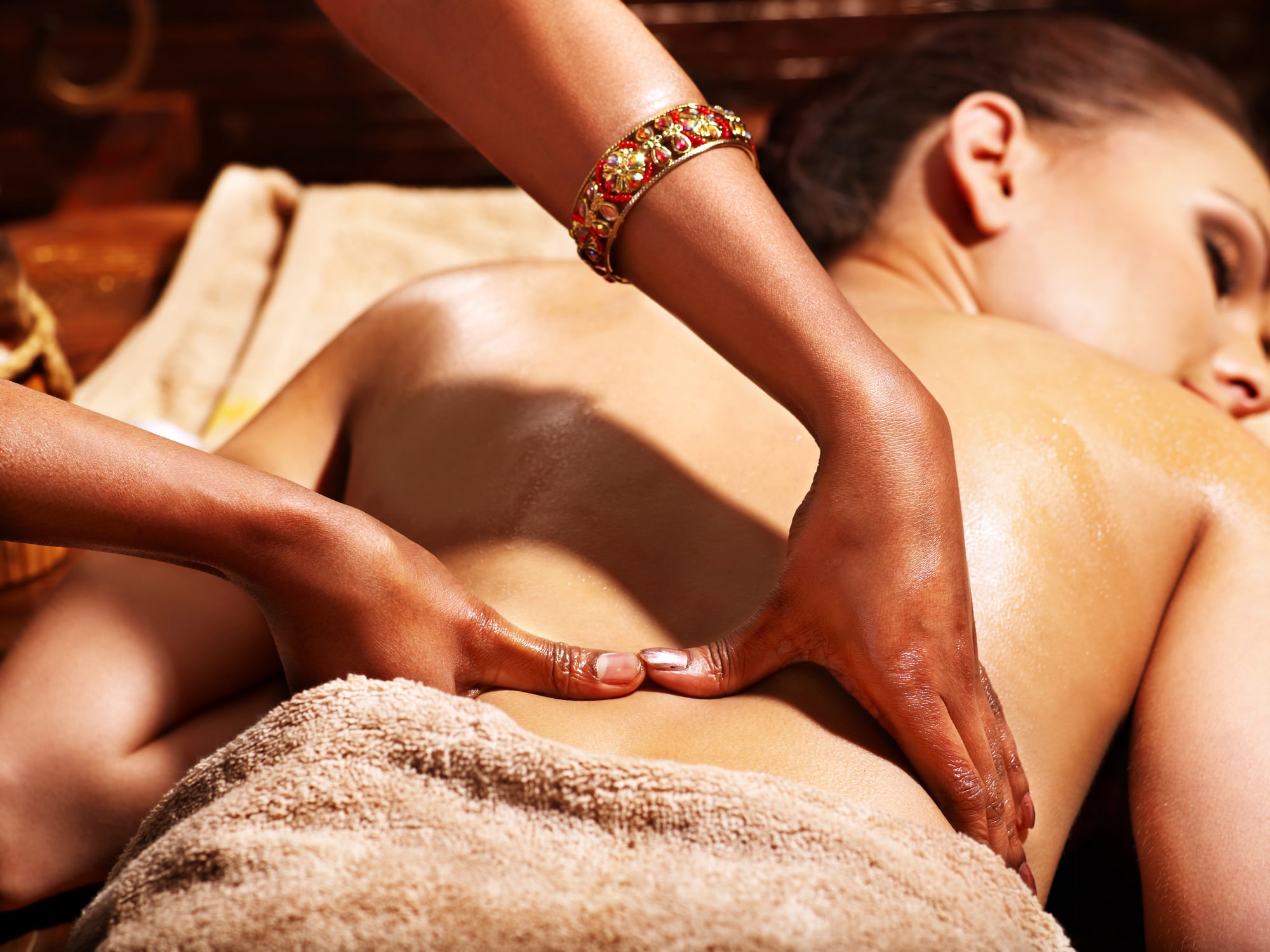
Indians figured this out 5,000 years ago. You heat up specific oils – sesame, coconut, or herb blends – then massage them into your skin using particular techniques.
Different oils work better for different people depending on their body type. The whole process takes maybe 30 minutes but leaves you feeling completely zen.
Warm oil soaks into your skin while the massage calms your nervous system. Ancient spa treatment that actually works.
Sweat Lodge Ceremonies
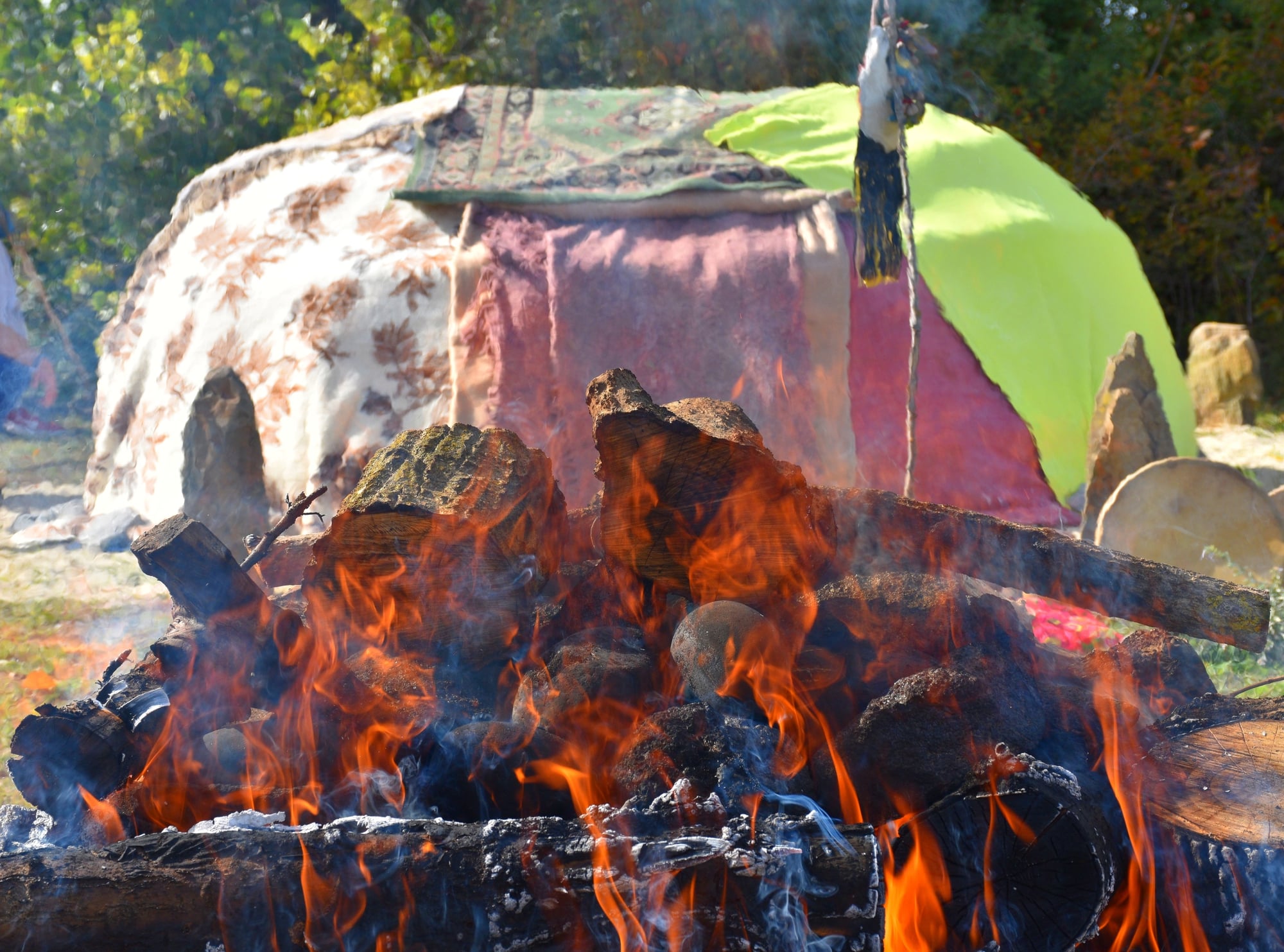
Native American tribes have done this forever. Build a dome structure, heat rocks in a fire, then crawl inside and pour water over the stones to create steam.
Everyone sits together praying, singing, and sweating intensely. The heat cleanses your body while the spiritual aspect heals emotional stress.
It’s not just the temperature – the community support and ceremony make it incredibly powerful for stress relief.
Like Go2Tutors’s content? Follow us on MSN.
Egyptian Scent Therapy
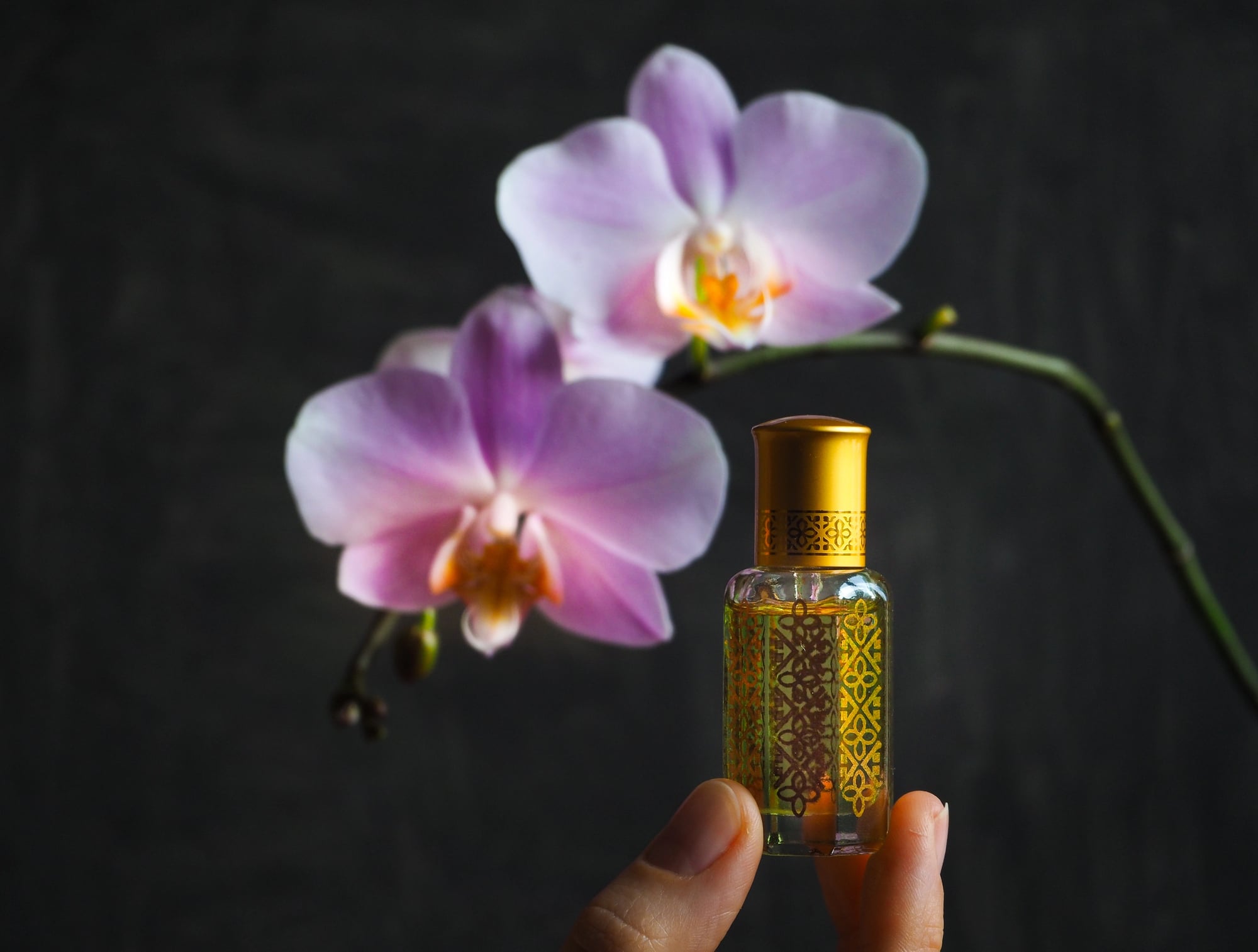
Egyptians were obsessed with fragrances 4,000 years ago. They burned frankincense, myrrh, and cedarwood during religious ceremonies and daily beauty routines.
Tomb art shows elaborate rituals involving aromatic oils and massage. They understood that certain smells could instantly change your mood and stress levels.
Modern science proves they were right – specific scents trigger brain chemicals that promote relaxation and reduce anxiety.
Forest Bathing
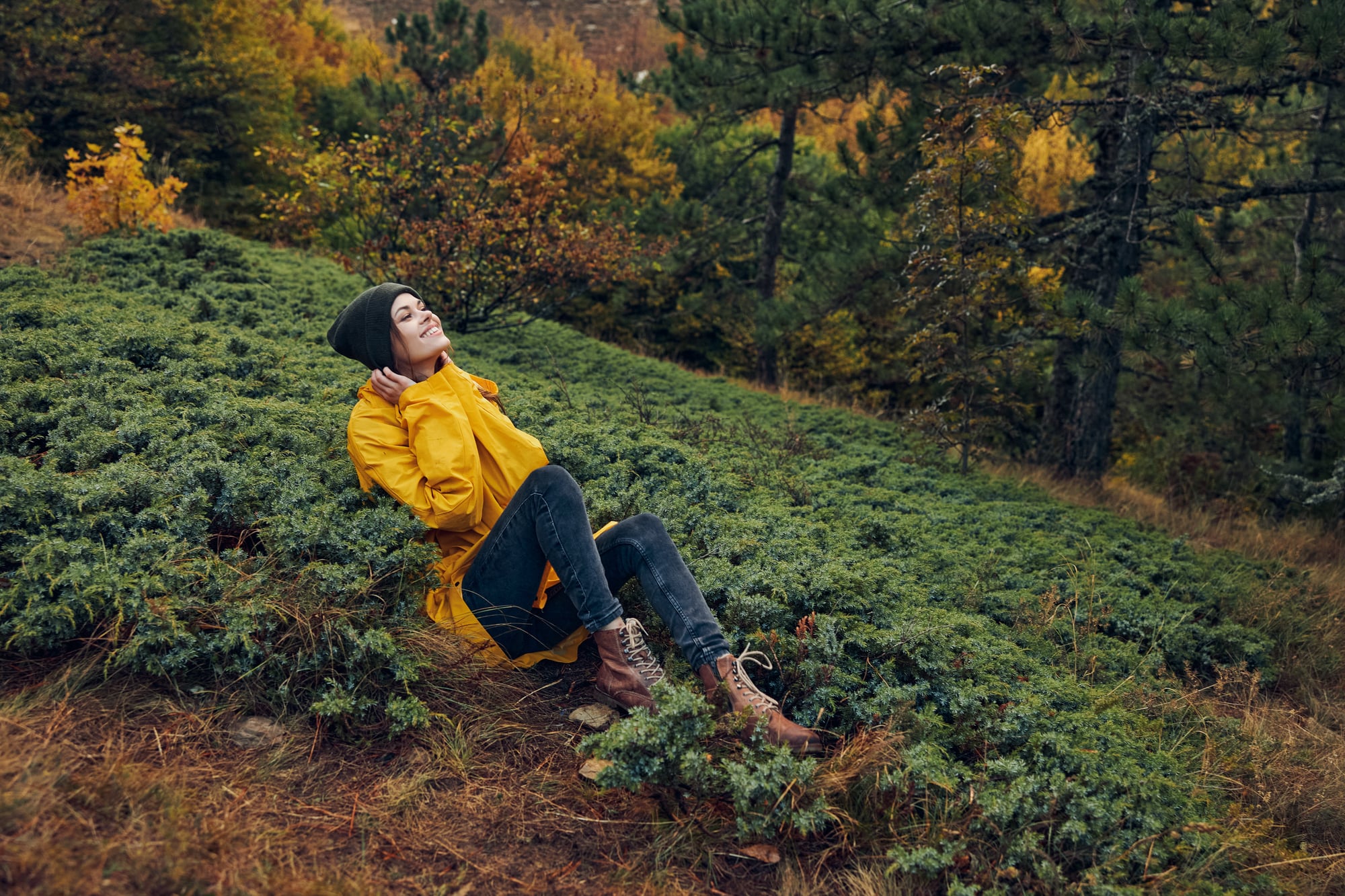
Japanese people call this Shinrin-yoku. Not hiking or exercising – just hanging out in forests mindfully.
Walk slowly, breathe deeply, touch trees, listen to nature sounds. You’re basically soaking up the forest atmosphere with all your senses.
Sounds too simple to work, but research shows your stress hormones drop significantly. Plus your immune system gets stronger just from breathing forest air.
Trees release compounds that boost human health.
Wu Wei Philosophy
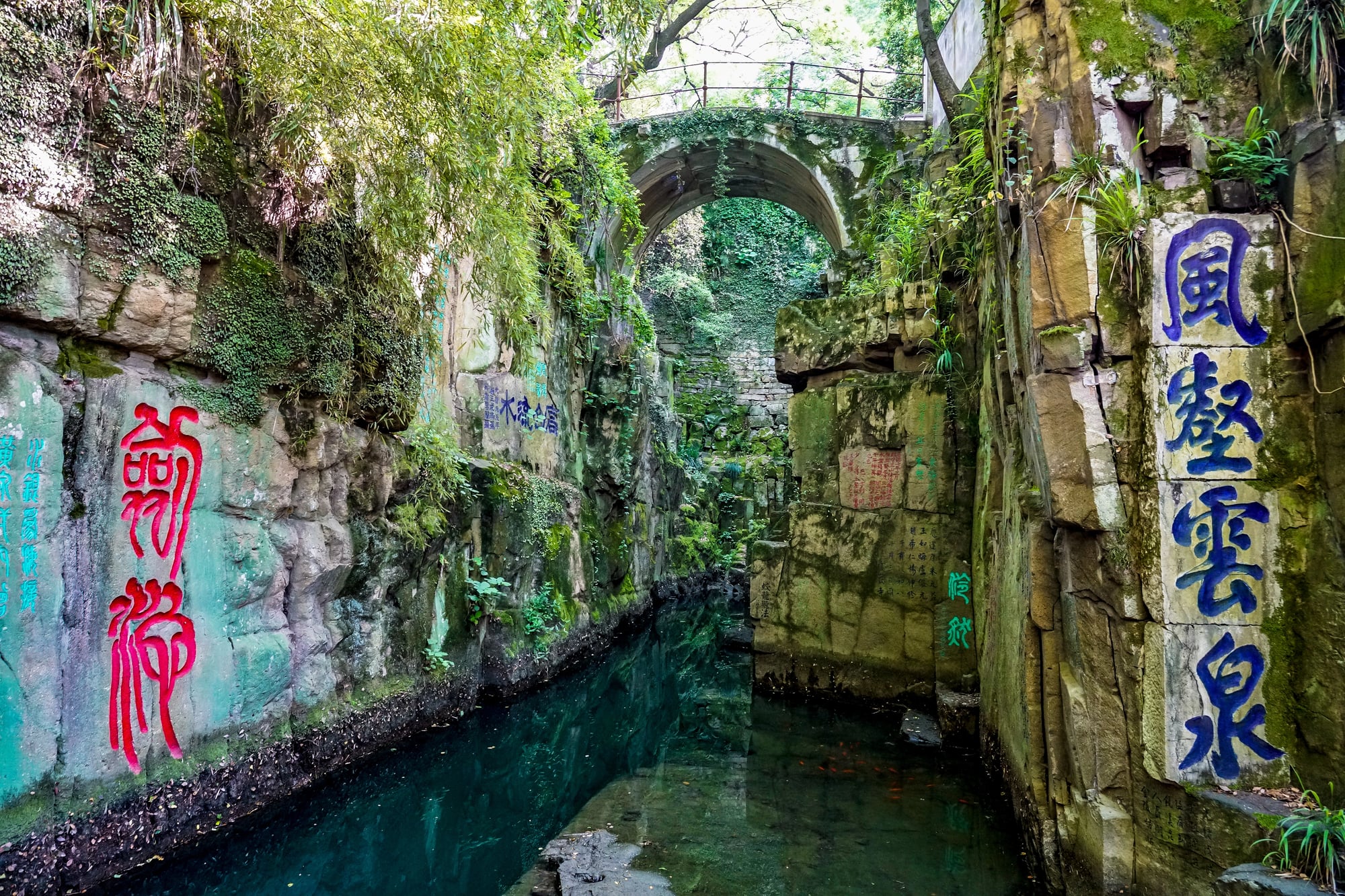
Chinese Taoists developed this concept meaning “effortless action.” Stop trying to control everything and learn to flow with life instead of fighting it constantly.
When you quit forcing outcomes and accept natural rhythms, anxiety often disappears on its own. Easier said than done, but incredibly effective once you get the hang of it.
Ancient wisdom that’s perfect for our control-obsessed modern world.
Like Go2Tutors’s content? Follow us on MSN.
Roman Bath Houses
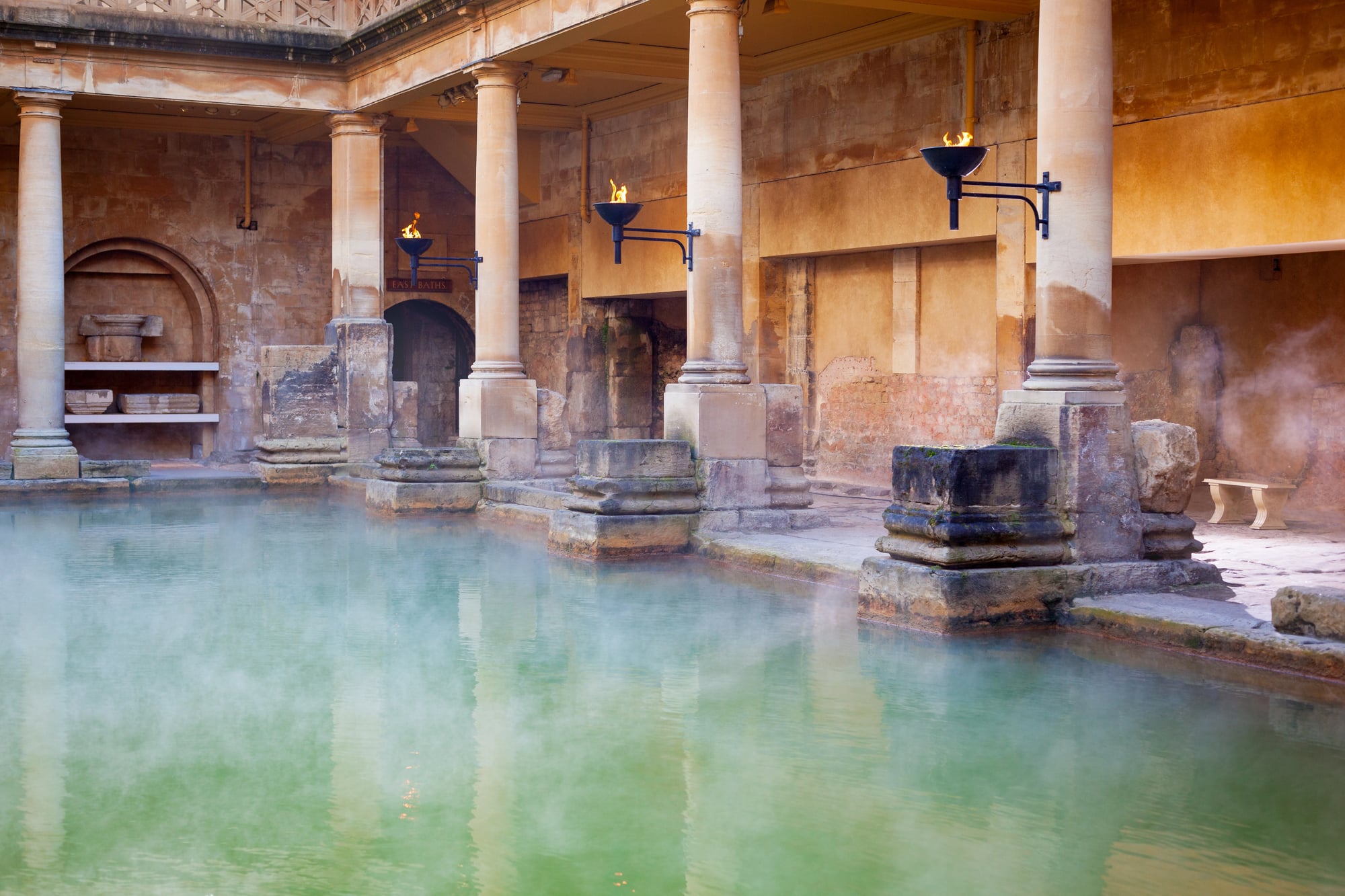
Greeks and Romans built these amazing communal bathing facilities with pools at different temperatures. You’d follow specific sequences – hot, warm, cold water.
The temperature changes boost circulation while mineral-rich waters soothe sore muscles. Plus socializing with friends provided emotional stress relief.
Basically ancient spa days that doubled as social therapy sessions.
African Drumming Circles
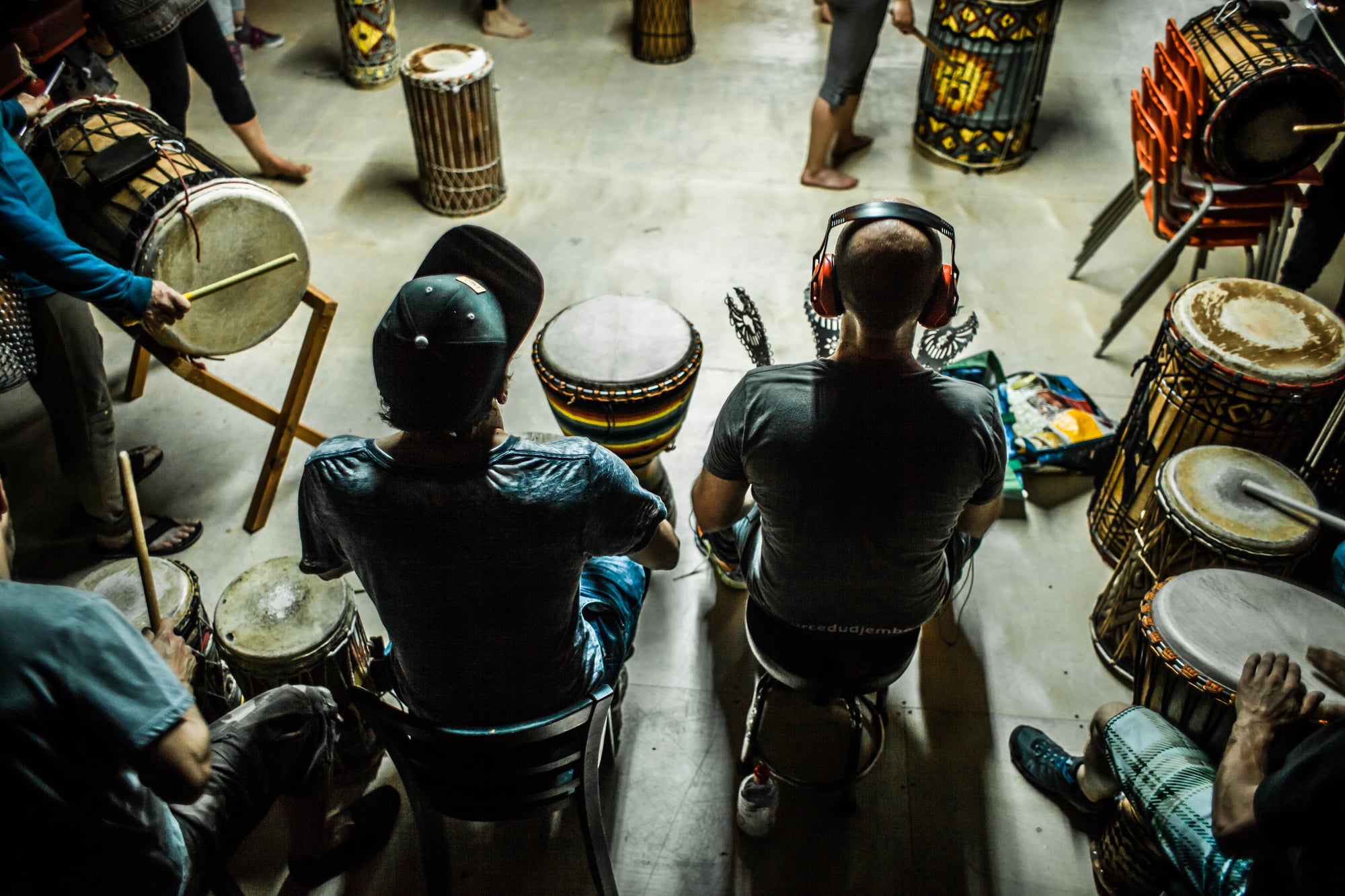
African communities have gathered to drum and dance for thousands of years. The rhythmic beats create trance-like states that help people release stored tension and trauma.
It’s not just fun – the drumming actually synchronizes brainwaves and floods your system with mood-boosting chemicals. Modern neuroscience confirms what they knew intuitively.
Group drumming also builds social connections, which reduces stress even more.
Hawaiian Lomilomi
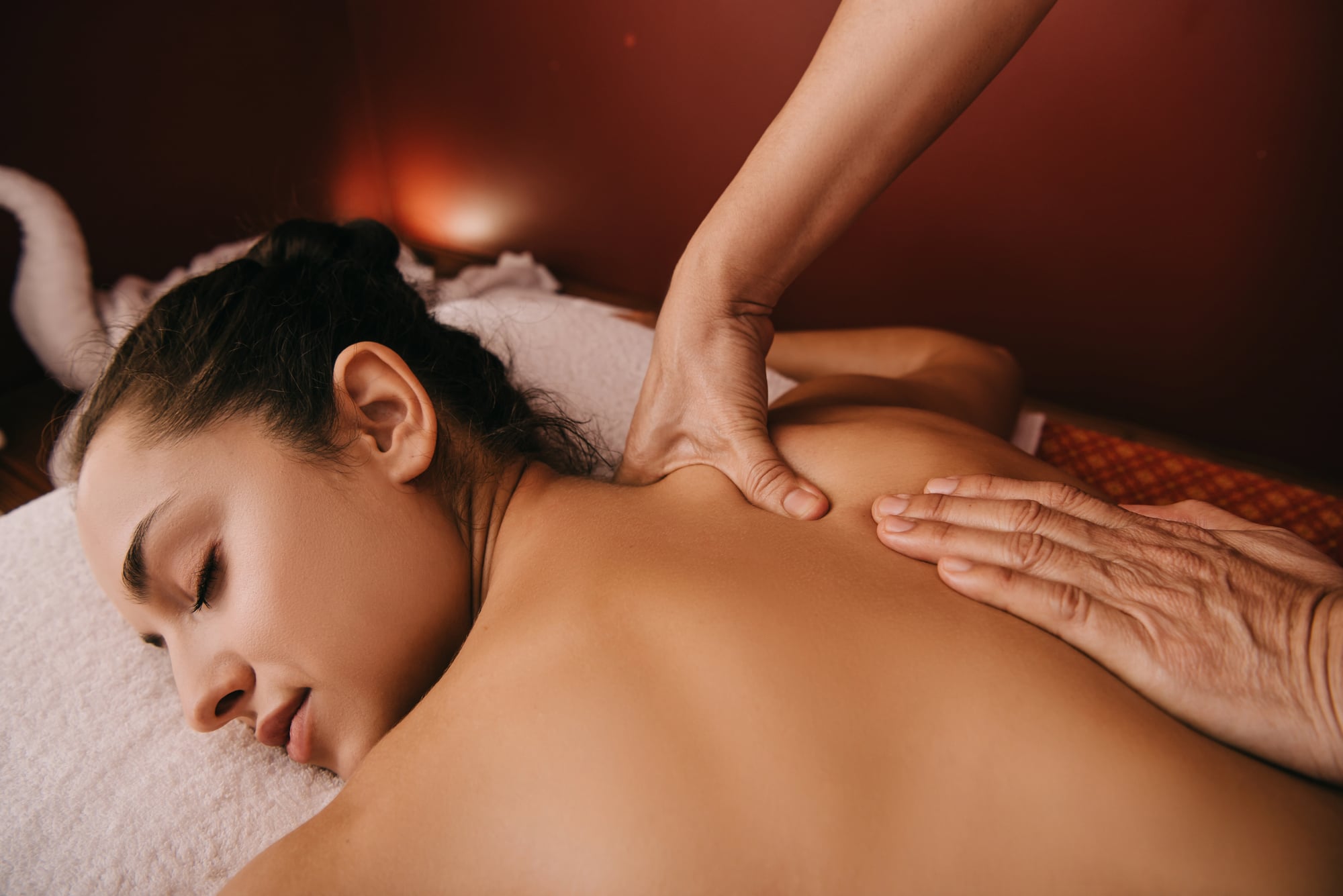
Native Hawaiians created this flowing massage style that mimics ocean waves. Practitioners use forearms and hands to work out knots while incorporating spiritual elements.
The technique treats your whole body as one connected system rather than isolated problem areas. Addresses emotional baggage alongside physical tension.
Sessions often include prayer or intention-setting, making it as much spiritual healing as physical therapy.
Like Go2Tutors’s content? Follow us on MSN.
Nordic Cold Exposure
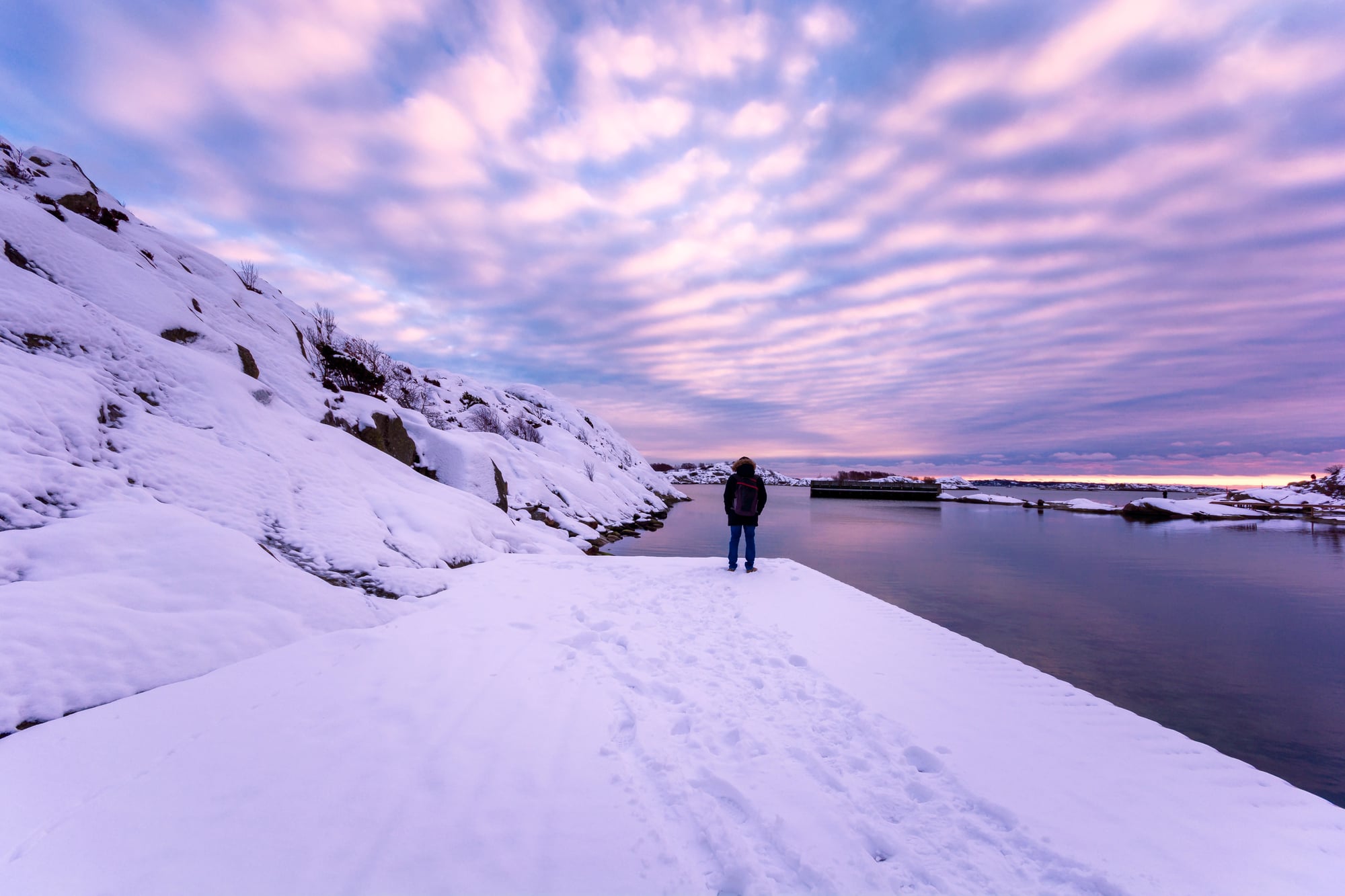
Scandinavian people discovered something weird – freezing temperatures actually make you feel incredible afterward. They’d alternate between hot saunas and icy water.
Cold exposure triggers massive endorphin release followed by deep relaxation. Regular practice builds mental resilience and strengthens immune function too.
Sounds miserable but people become addicted to the natural high it produces.
Yogic Breathing
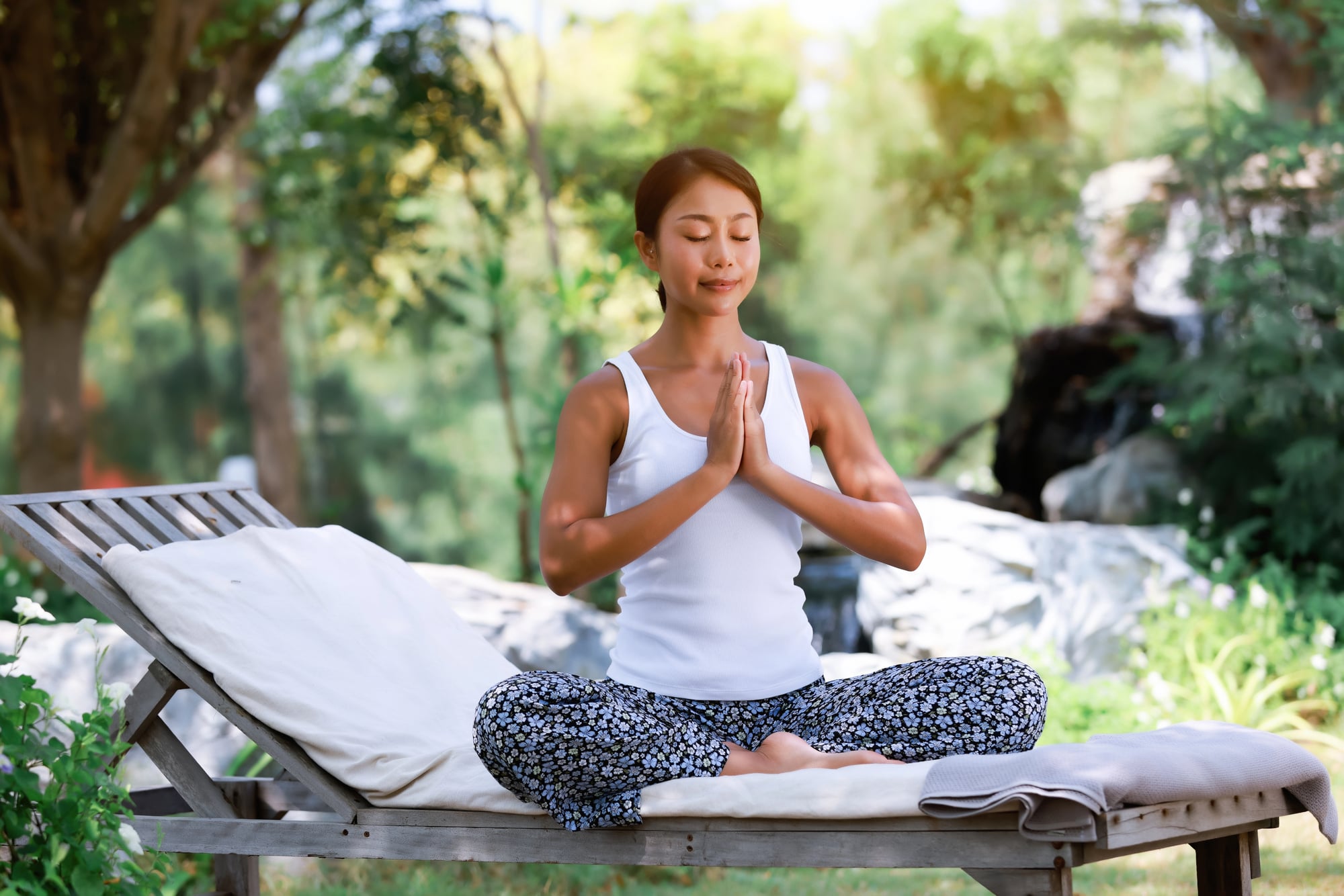
Ancient Indians created sophisticated breathing patterns to control life energy and reach meditative states. Different techniques produce specific effects on your nervous system.
Alternate nostril breathing balances brain hemispheres. Extended exhales activate relaxation response.
Each method targets different aspects of stress and anxiety. Often combined with meditation for maximum benefit.
Simple techniques with profound physiological effects.
Aboriginal Practices
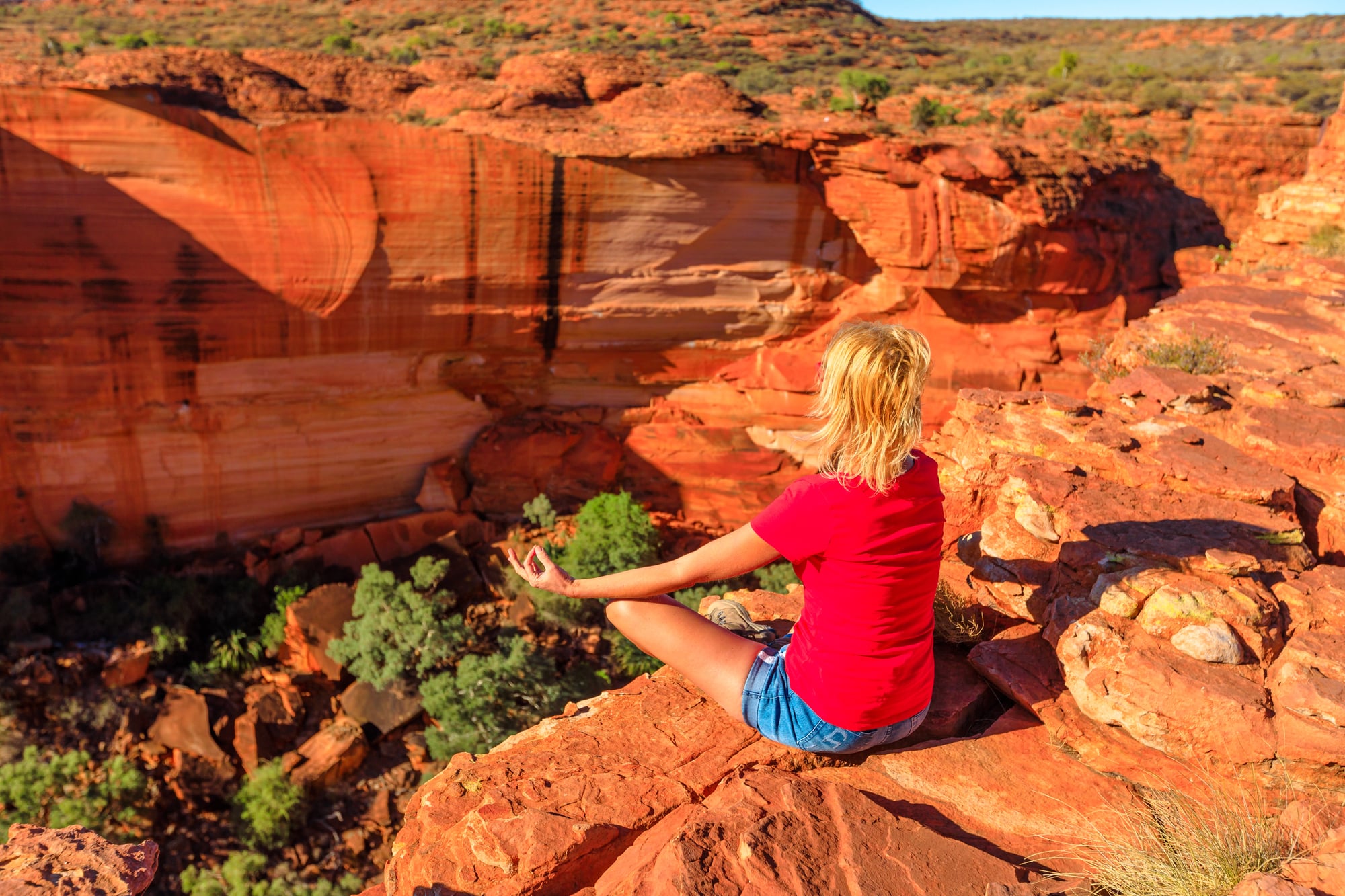
Indigenous Australians have used these contemplative methods for over 40,000 years. They connect with ancestral stories and sacred land through meditation and rhythmic breathing.
The circular breathing technique for didgeridoo playing naturally creates altered consciousness states. Emphasizes connection to community and environment as essential for wellbeing.
Oldest continuous spiritual tradition on Earth with practical stress-relief applications.
Like Go2Tutors’s content? Follow us on MSN.
Mayan Sweat Lodges
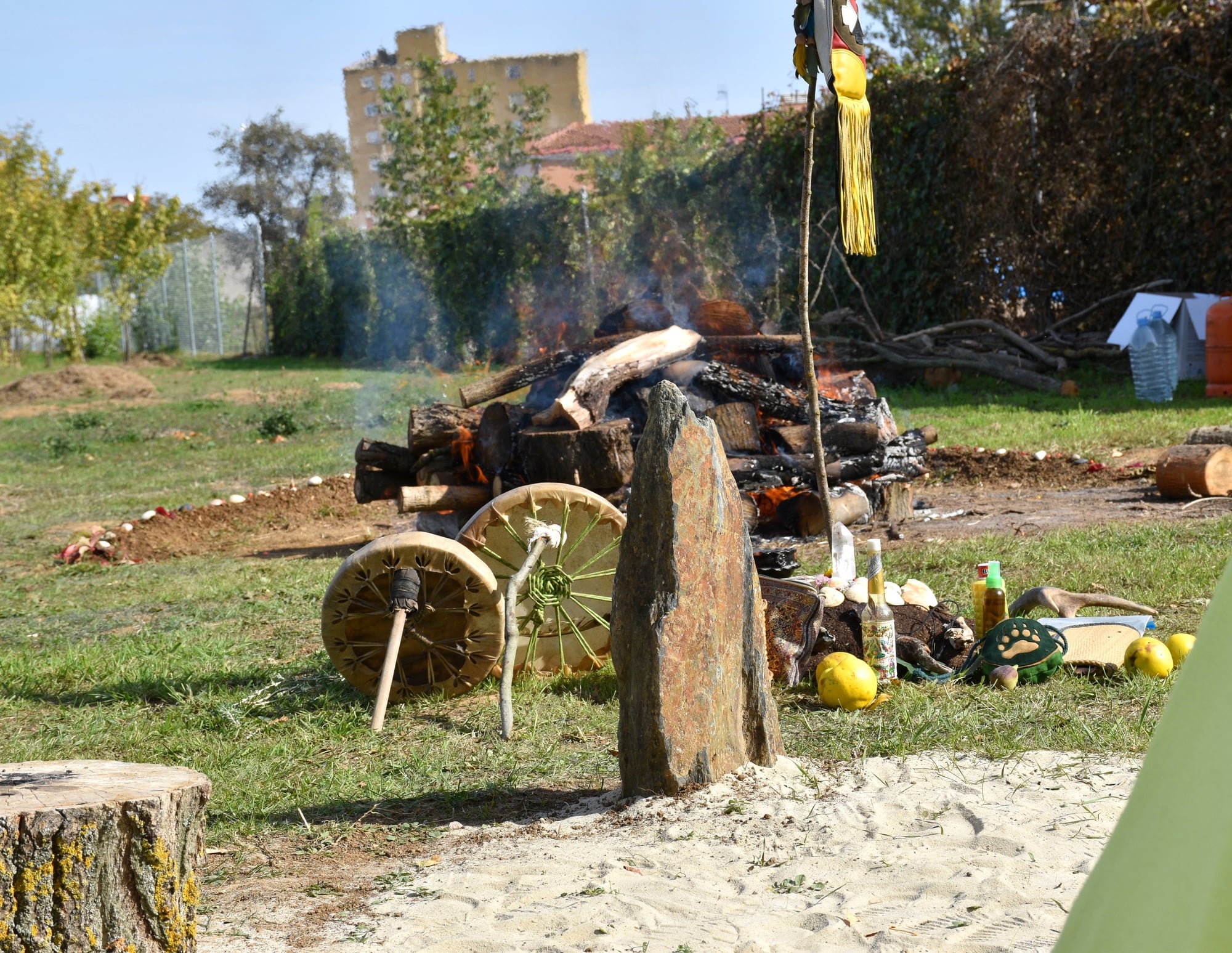
Ancient Mayans built dome-shaped structures heated with volcanic stones. They’d add medicinal herbs to create therapeutic steam during group ceremonies.
Intense heat combined with chanting and prayer creates powerful emotional release. Connects participants to cultural heritage and community support networks.
The physical purification combined with spiritual elements addresses multiple levels of stress simultaneously.
Celtic Nature Rituals
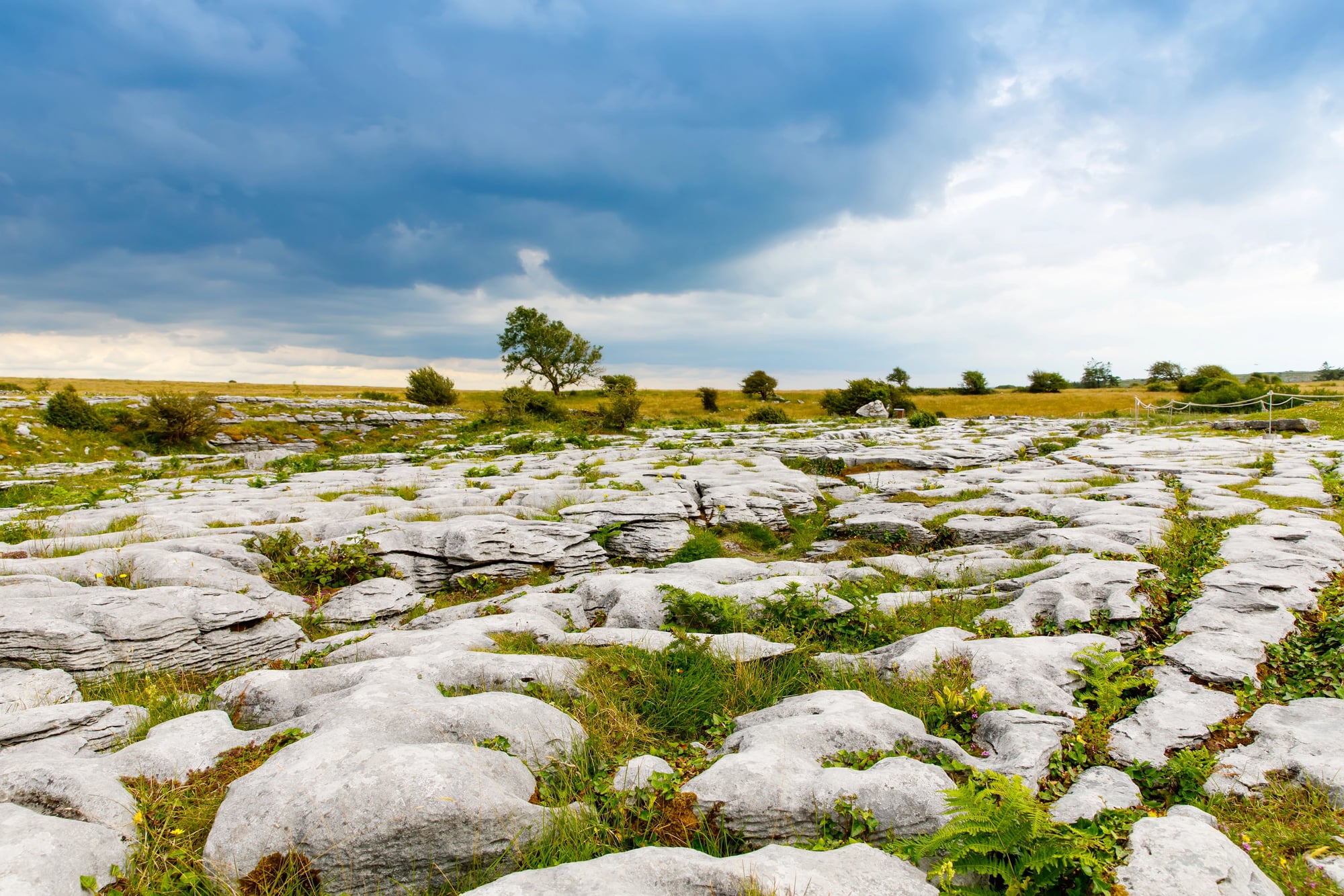
Celtic druids spent extended time in sacred groves and natural settings, observing environmental cycles mindfully. They’d synchronize breathing with wind or water patterns.
These practices reduced stress through deep nature connection and helped people understand their place within larger ecosystems. Emphasized harmony between human consciousness and natural rhythms as key to mental balance.
Why This Ancient Stuff Still Works
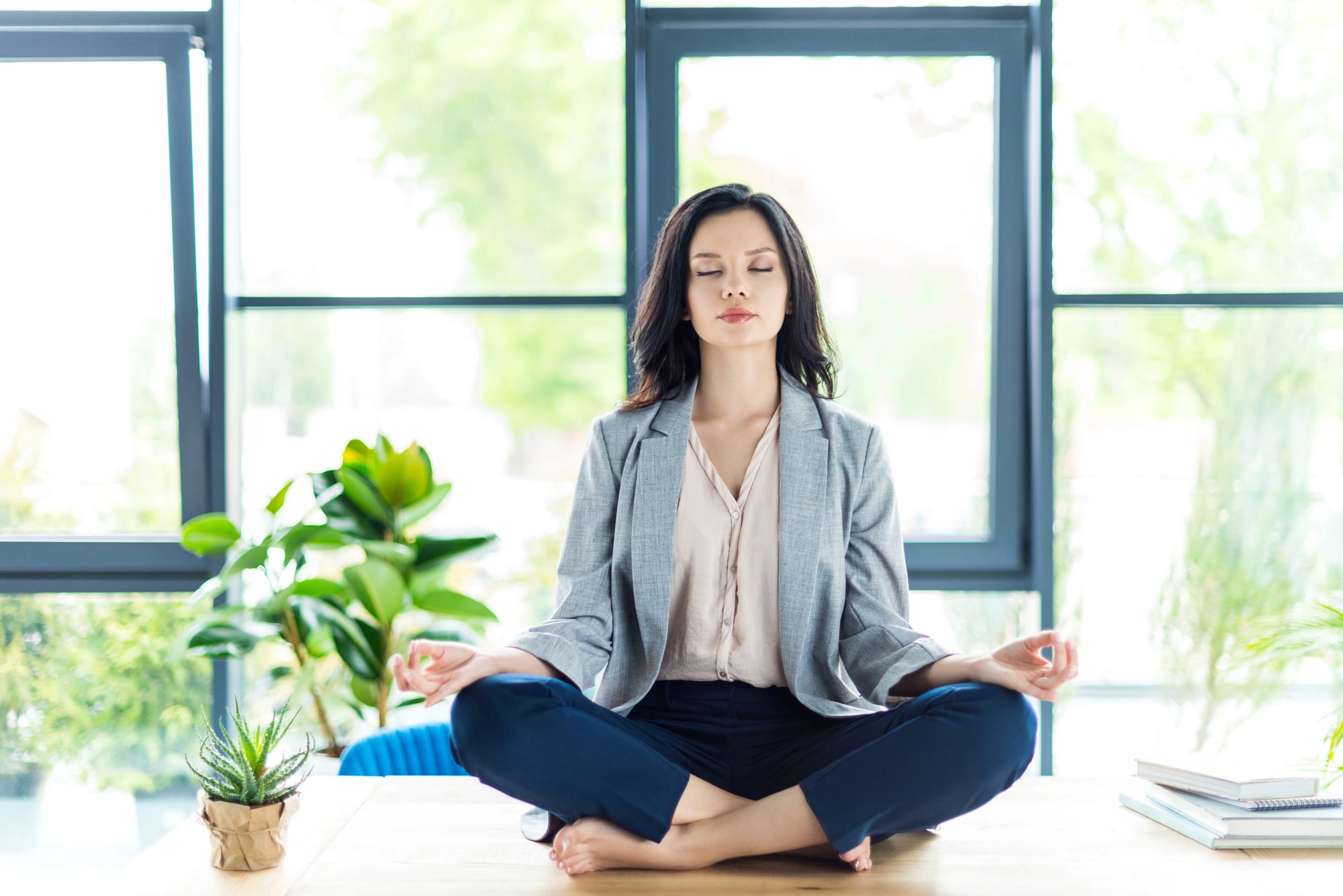
Every one of these techniques forces you to slow down and connect with something beyond daily worries. Whether that’s your breath, nature, community, or spiritual traditions doesn’t matter as much as the connection itself.
Our ancestors figured out that real relaxation requires active engagement, not passive consumption. You can’t just zone out watching TV and expect stress to disappear.
These practices work because they address the root cause – our disconnection from natural rhythms, community bonds, and deeper meaning. Maybe that’s exactly what our overwhelmed modern minds need most.
Try one that resonates with you. The worst that happens is you waste 20 minutes.
The best case? You discover something that transforms how you handle stress.
More from Go2Tutors!

- 16 Historical Figures Who Were Nothing Like You Think
- 12 Things Sold in the 80s That Are Now Illegal
- 15 VHS Tapes That Could Be Worth Thousands
- 17 Historical “What Ifs” That Would Have Changed Everything
- 18 TV Shows That Vanished Without a Finale
Like Go2Tutors’s content? Follow us on MSN.