16 Materials That Replaced Plastic
The world’s relationship with plastic is complicated. While this versatile material revolutionized everything from food packaging to medical devices, its environmental impact has become impossible to ignore. Eight million tons of plastic waste enter our oceans every year, and scientists have found microplastics in everything from table salt to human blood. Fortunately, innovators across the globe are developing and implementing alternatives that perform just as well as traditional plastic — sometimes even better.
These sustainable substitutes aren’t just theoretical concepts sitting in research labs. Companies are already using them to package products, manufacture goods, and create solutions that work in the real world. Here is a list of 16 materials that replaced plastic.
Hemp

Hemp has emerged as one of the most versatile plastic alternatives available today. This rapidly growing plant can be transformed into everything from packaging materials to car parts, with companies like Ford already using hemp fiber composites in their vehicles.
Hemp-based materials are stronger than many plastics while being completely biodegradable — plus the plant actually removes carbon dioxide from the atmosphere as it grows.
Bamboo

Bamboo grows incredibly fast, with some species shooting up three feet in a single day, making it one of the most renewable resources on Earth. Companies worldwide are using bamboo to create disposable cutlery, phone cases, and even textiles that replace synthetic fabrics.
The material is naturally antimicrobial and water-resistant, though it requires less chemical processing than many other plant-based alternatives.
Like Go2Tutors’s content? Follow us on MSN.
Glass

Glass might seem old-fashioned, yet it’s experiencing a major comeback as companies and consumers seek plastic-free alternatives. Unlike plastic containers that can leach chemicals into food, glass is completely inert and infinitely recyclable without losing quality.
Many food and beverage companies are returning to glass packaging, while consumers are rediscovering the benefits of glass storage containers that last for decades.
Stainless Steel

The durability of stainless steel makes it an excellent replacement for single-use plastic items like water bottles, food containers, and straws. This material doesn’t retain flavors or odors, can withstand extreme temperatures, and lasts virtually forever with proper care.
Major coffee chains now encourage customers to bring steel cups, while restaurants are switching to steel straws that can be washed and reused thousands of times.
Cork
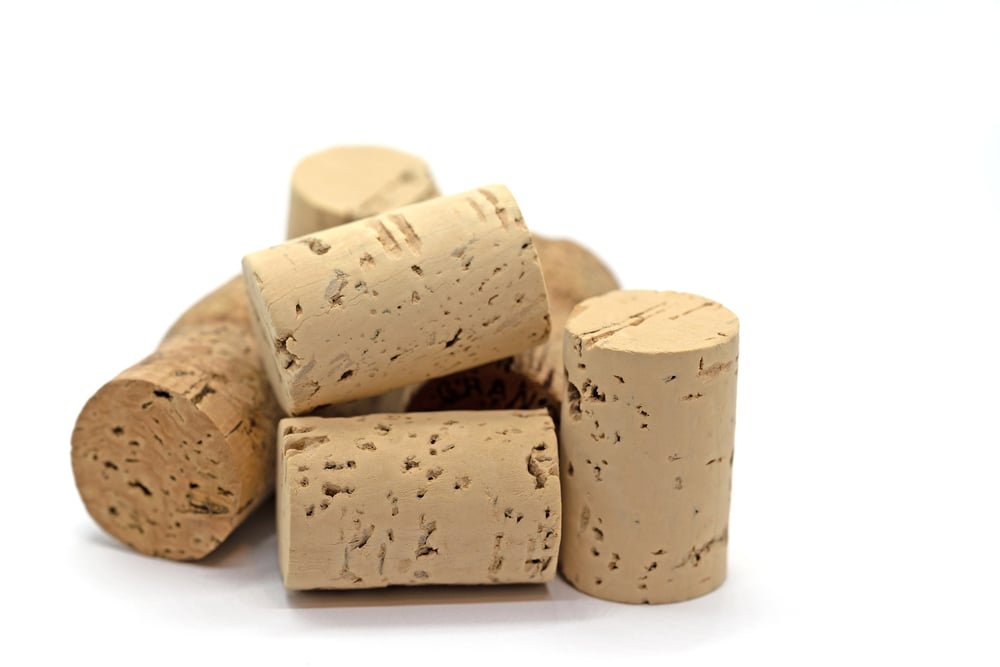
Cork offers unique properties that make it ideal for replacing plastic in packaging and consumer goods. Harvested from cork oak trees without harming them, this lightweight material is waterproof, fire-resistant, and naturally elastic.
Portuguese companies are leading the way in cork innovation, creating everything from shoes and handbags to protective packaging that outperforms plastic foam.
Like Go2Tutors’s content? Follow us on MSN.
Seaweed

Seaweed-based materials represent one of the most exciting developments in plastic alternatives. Companies like Notpla have created edible packaging from seaweed that completely biodegrades in less than two months.
This marine plant grows without fresh water, fertilizers, or land use, making it incredibly sustainable while offering the flexibility and barrier properties needed for food packaging.
Mycelium
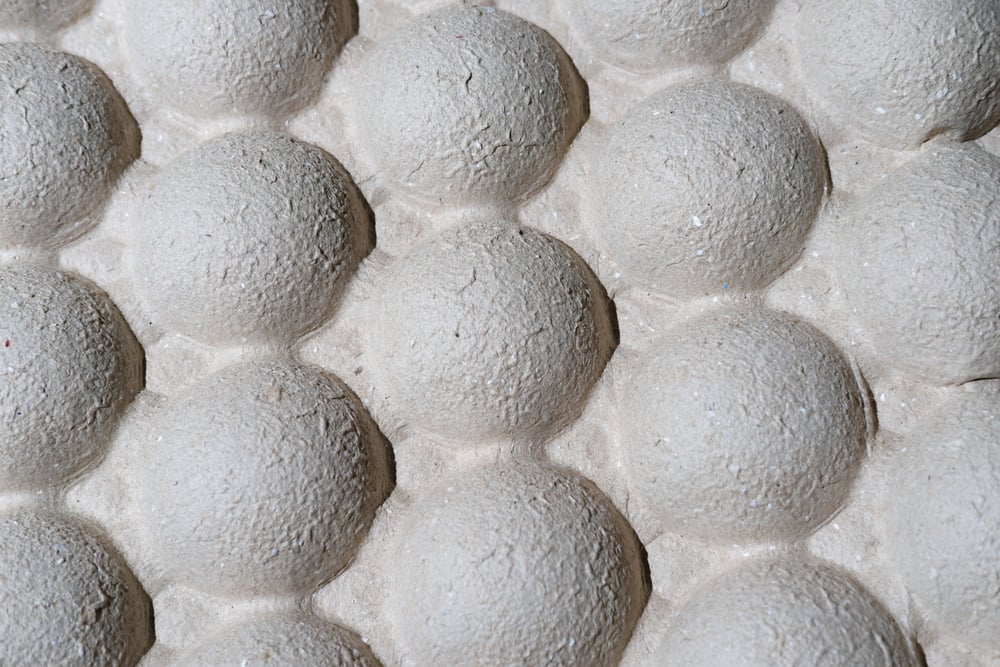
Mushroom roots, known as mycelium, can be grown into packaging materials that perfectly replace Styrofoam and plastic foam. Companies like Ecovative grow mycelium on agricultural waste to create protective packaging that’s stronger than plastic yet completely compostable.
Major brands including Dell and IKEA have already switched to mycelium packaging for their products.
Organic Cotton

Organic cotton provides a natural alternative to synthetic fabrics and plastic bags without the environmental damage of conventional cotton farming. This material requires significantly less water and no toxic pesticides, making it safer for both the environment and workers.
Retailers are increasingly offering organic cotton bags as permanent replacements for plastic shopping bags.
Like Go2Tutors’s content? Follow us on MSN.
Beeswax Wraps

Beeswax-coated fabric has become a popular replacement for plastic wrap and food storage bags. These reusable wraps mold around food using body heat, creating an airtight seal that keeps items fresh for days.
They can be washed with cool water and reused for up to a year, eliminating the need for hundreds of feet of disposable plastic wrap.
Silicone

While silicone shares some properties with plastic, it’s made from sand rather than petroleum and offers superior performance in many applications. Food-grade silicone containers can go from freezer to oven without breaking down, and they don’t leach chemicals like some plastics do.
Though not biodegradable, silicone products typically last decades and can be recycled into new products.
PHA Bioplastic

Polyhydroxyalkanoates (PHA) represent a breakthrough in truly biodegradable plastics made from bacterial fermentation of plant materials. Unlike conventional bioplastics that only break down in industrial facilities, PHA completely biodegrades in home compost, soil, and even ocean water.
Companies are using PHA to create everything from disposable cups to flexible packaging films.
Like Go2Tutors’s content? Follow us on MSN.
Paper and Cardboard

Traditional paper packaging is making a comeback as companies improve its water resistance and durability without plastic coatings. Modern paper alternatives can now handle wet and oily foods while remaining completely recyclable and compostable.
Many fast-food chains have switched to advanced paper packaging that performs as well as plastic containers.
Liquid Wood

Made from lignin, a byproduct of paper mills, liquid wood can be molded into shapes just like traditional plastic. This renewable material is completely biodegradable and non-toxic, making it ideal for toys, packaging, and consumer goods.
European companies are already using liquid wood to create everything from golf tees to electronic device casings.
Natural Rubber

Natural rubber offers flexibility and durability that makes it perfect for applications requiring stretch and elasticity. Unlike synthetic rubber made from petroleum, natural rubber comes from trees and can be sustainably harvested for decades.
Companies use it for everything from rubber bands and gaskets to shoe soles and waterproof materials.
Like Go2Tutors’s content? Follow us on MSN.
Jute

Jute fibers create strong, durable materials that excel as alternatives to plastic bags and packaging. This plant grows quickly in tropical climates and requires minimal water or pesticides to thrive.
Jute bags can carry heavy loads repeatedly while being completely biodegradable at the end of their useful life.
Milk Protein Plastic

Scientists have revived an old technique of creating plastic from casein, the protein found in milk. This biodegradable material can be molded into films and containers that rival petroleum-based plastics in strength and flexibility.
While still in development, milk protein plastic shows promise for food packaging applications where it could even add nutritional value.
The Future Is Already Here
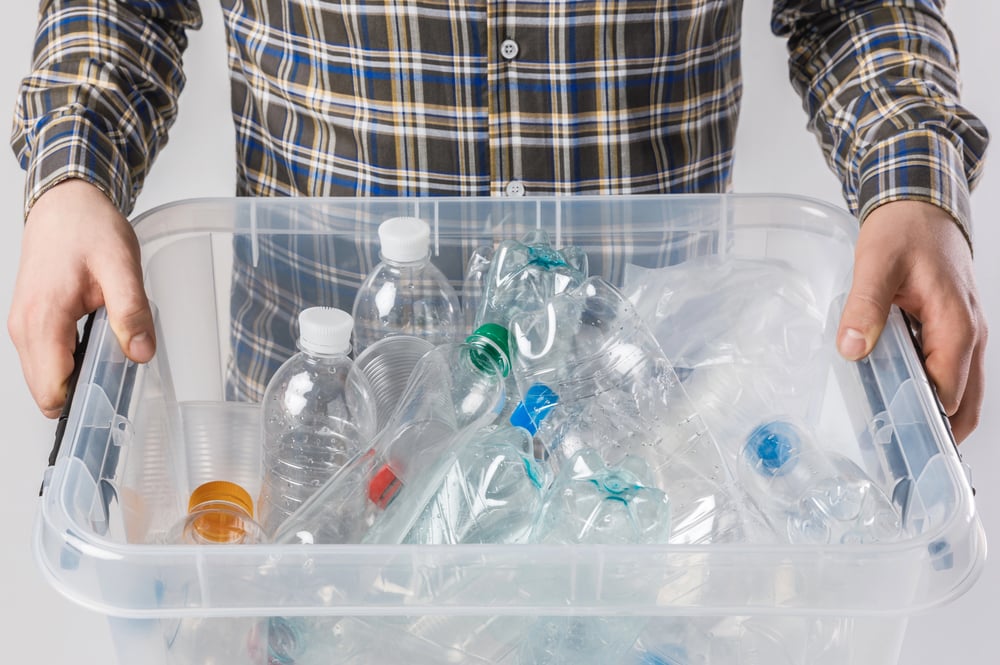
These 16 materials prove that replacing plastic isn’t just possible — it’s already happening across industries worldwide. From hemp car parts rolling off Ford assembly lines to seaweed packaging protecting online orders, sustainable alternatives are moving from experimental concepts to everyday reality.
The challenge isn’t finding replacements for plastic; it’s scaling up production and changing consumer habits to embrace these earth-friendly options. As more companies recognize that sustainable materials often outperform traditional plastics while appealing to environmentally conscious consumers, we’re witnessing the beginning of a materials revolution that could finally solve our plastic problem.
More from Go2Tutors!

- 16 Historical Figures Who Were Nothing Like You Think
- 12 Things Sold in the 80s That Are Now Illegal
- 15 VHS Tapes That Could Be Worth Thousands
- 17 Historical “What Ifs” That Would Have Changed Everything
- 18 TV Shows That Vanished Without a Finale
Like Go2Tutors’s content? Follow us on MSN.



