Old Halloween Decorations Now Worth Real Money
For most of the twentieth century, Halloween decorations were built to last exactly one night. They were cardboard, crepe paper, pressed pulp and cheap tin, bought at the dime store and tossed out with the jack-o’-lantern guts on November 1.
That habit of throwing everything away is precisely why the survivors now draw serious bids. A grinning paper cat that cost a nickel in 1935 can be worth more today than a new television, provided it escaped decades of attics, basements and enthusiastic children.
Beistle Jointed Skeletons and Die-Cut Cats
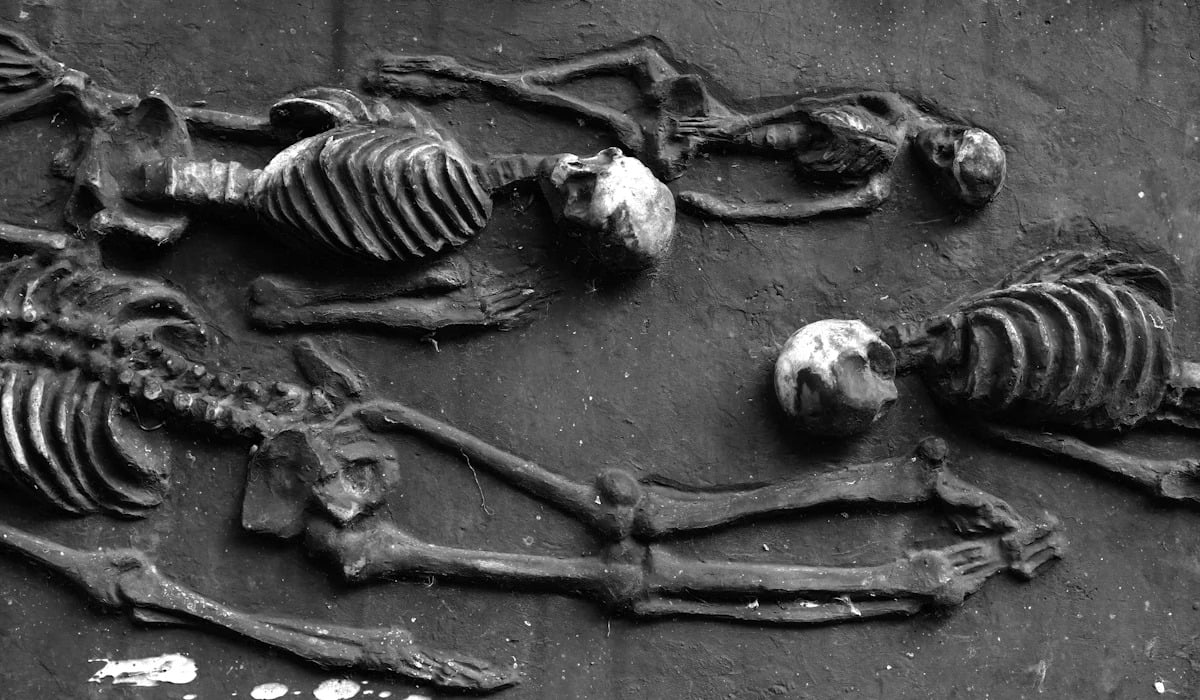
The Beistle Company of Shippensburg, Pennsylvania, was founded in 1900 by Martin Luther Beistle and became the dominant American maker of paper Halloween decor by the 1920s and 1930s. Its die-cut cardboard cats, owls, witches and jointed skeletons with metal fasteners hung in classrooms and store windows across the country.
Original pieces from before World War II often bring 40 to 300 dollars, with large or unusual designs going higher. Beistle reissued many classic designs in later decades, so collectors check the printed company mark, the paper stock and the color saturation carefully.
Creases, water stains and missing fasteners cut prices sharply.
Embossed German Die-Cuts
Before American firms took over the market, much of the paper Halloween decor in the United States came from Germany. German die-cuts were embossed, giving cats, owls and jack-o’-lantern faces a raised, almost sculpted surface that flat American printing could not match.
Many date from roughly 1910 to the early 1930s and are marked simply Germany on the back. Small examples typically trade for 30 to 150 dollars, while large or rare figures, such as a waving jack-o’-lantern figure, can climb into the hundreds.
Value depends heavily on the embossing staying crisp, since flattened, torn or glued pieces lose much of their appeal.
Luhrs Wall Decorations
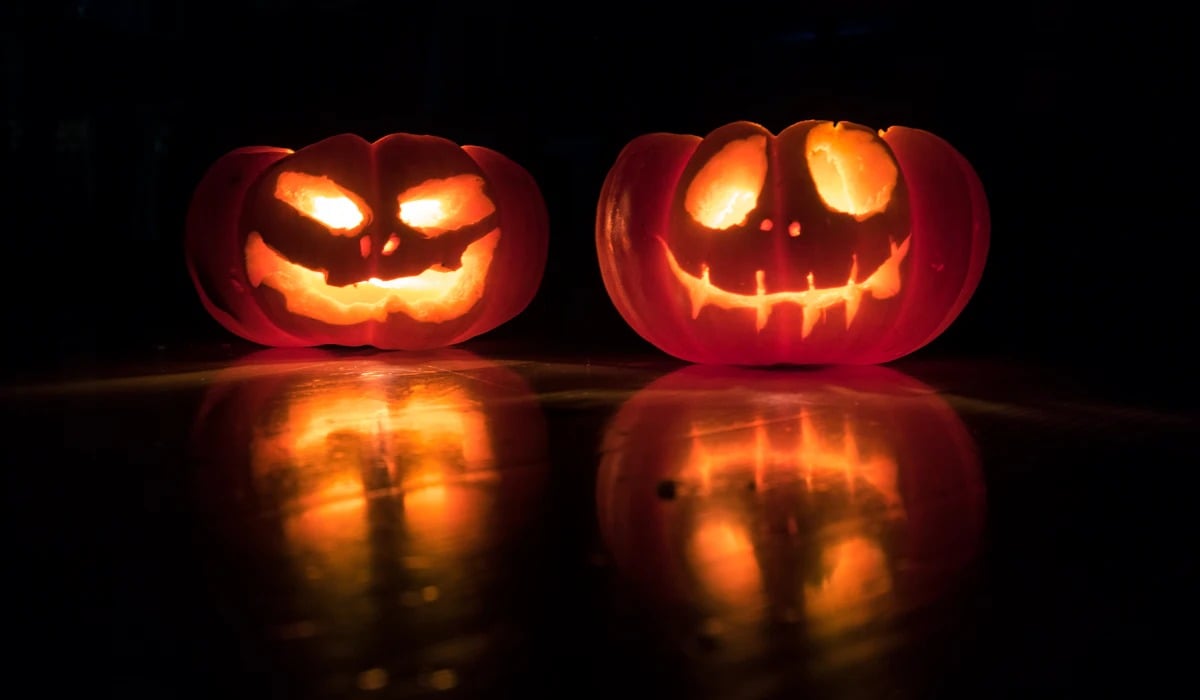
Chicago, Illinois, produced a second notable decoration maker, the H.E. Luhrs company, which turned out die-cut Halloween wall pieces from the 1930s into the postwar years.
Luhrs designs tended toward bold, simple shapes and bright orange and black printing, aimed squarely at five-and-dime shoppers. Because they cost so little, most were pinned to walls, punctured by thumbtacks and thrown away.
Clean examples now often bring 25 to 100 dollars, with larger scenes worth more. Buyers check closely for tack marks, fading from sunny windows and trimmed edges, all of which push values toward the bottom of the range.
Honeycomb Tissue Centerpieces
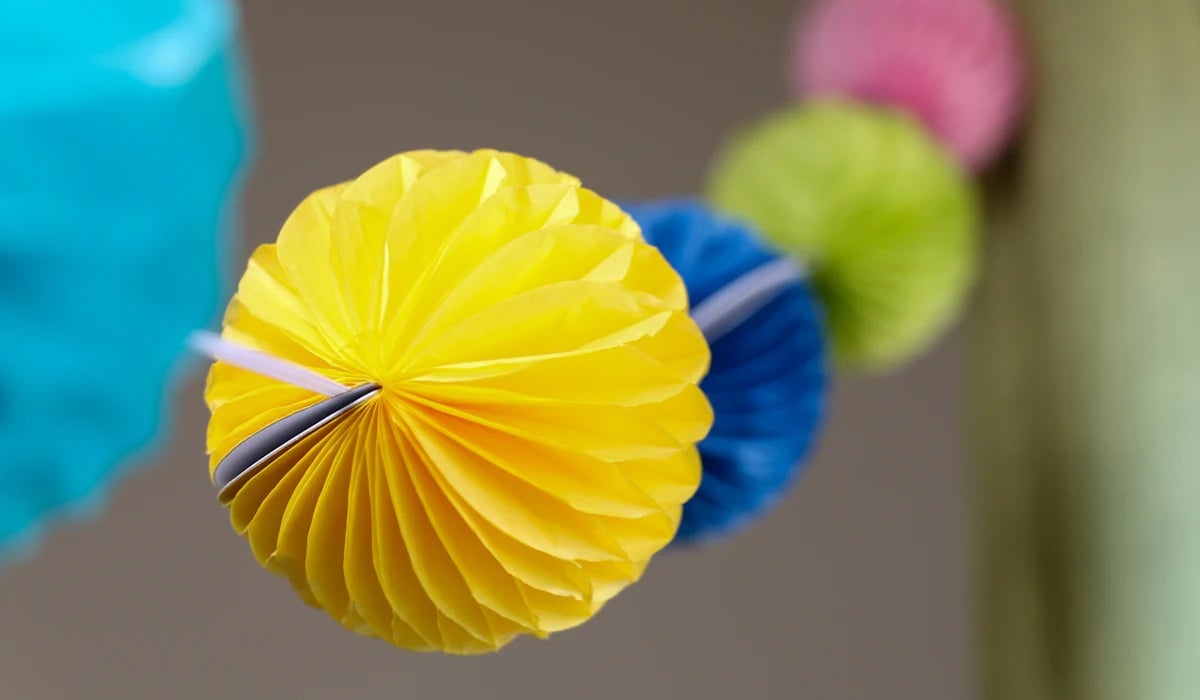
Folded tissue paper that opens into a three-dimensional honeycomb was a favorite trick of party suppliers, and Beistle used it heavily for Halloween. Pumpkins, black cats and witches with honeycomb bodies served as table centerpieces from the 1920s through the 1950s.
The tissue was fragile from the day it was made, which is why intact examples are now scarce. Prewar pieces usually range from about 40 to 200 dollars, depending on size and design.
Torn cells, sun fading, flattening from long storage and missing cardboard ends all lower the price, and repaired tissue rarely fools an experienced buyer.
Dennison Bogie Books
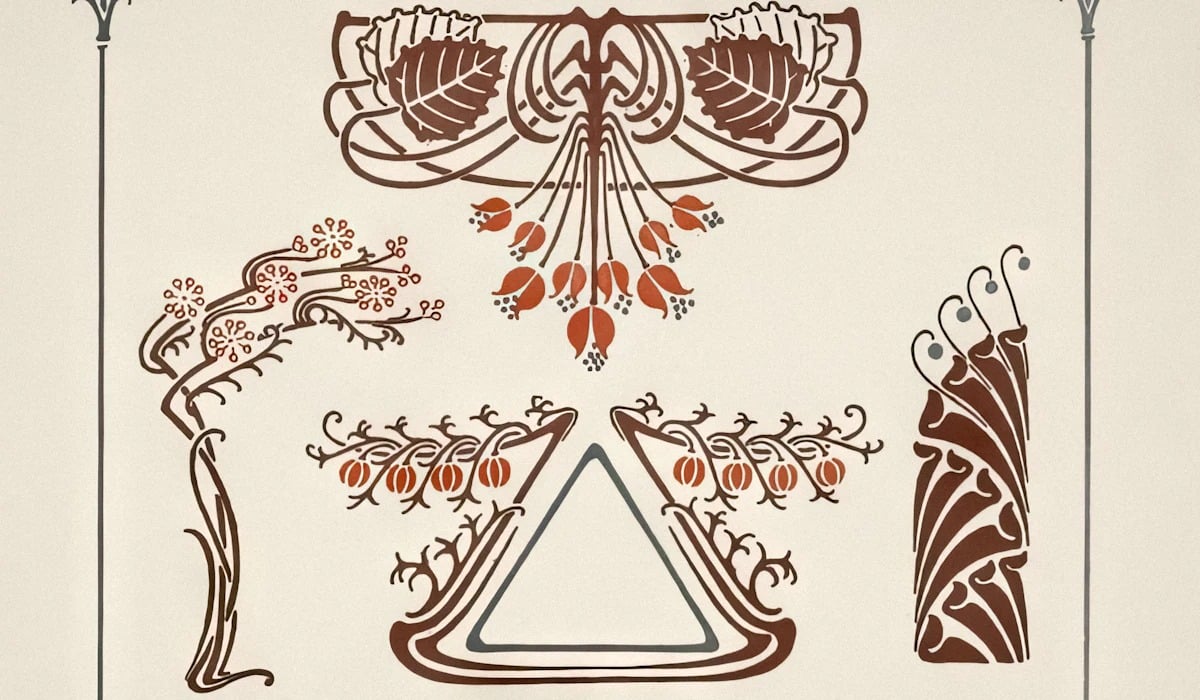
Dennison Manufacturing of Framingham, Massachusetts, published its Bogie Book as a Halloween party guide from 1909 into the 1930s. Each edition offered costume ideas, table settings and decorating schemes, all designed to sell more Dennison crepe paper and party goods.
Copies now sit in museum and library collections, which says something about their place in American holiday history. Early editions are the most sought after, often trading for 75 to 300 dollars or more.
Missing covers, loose pages, brittle paper and pencil marks drag down the value, and later reprints are common.
Dennison Crepe Paper and Party Favors
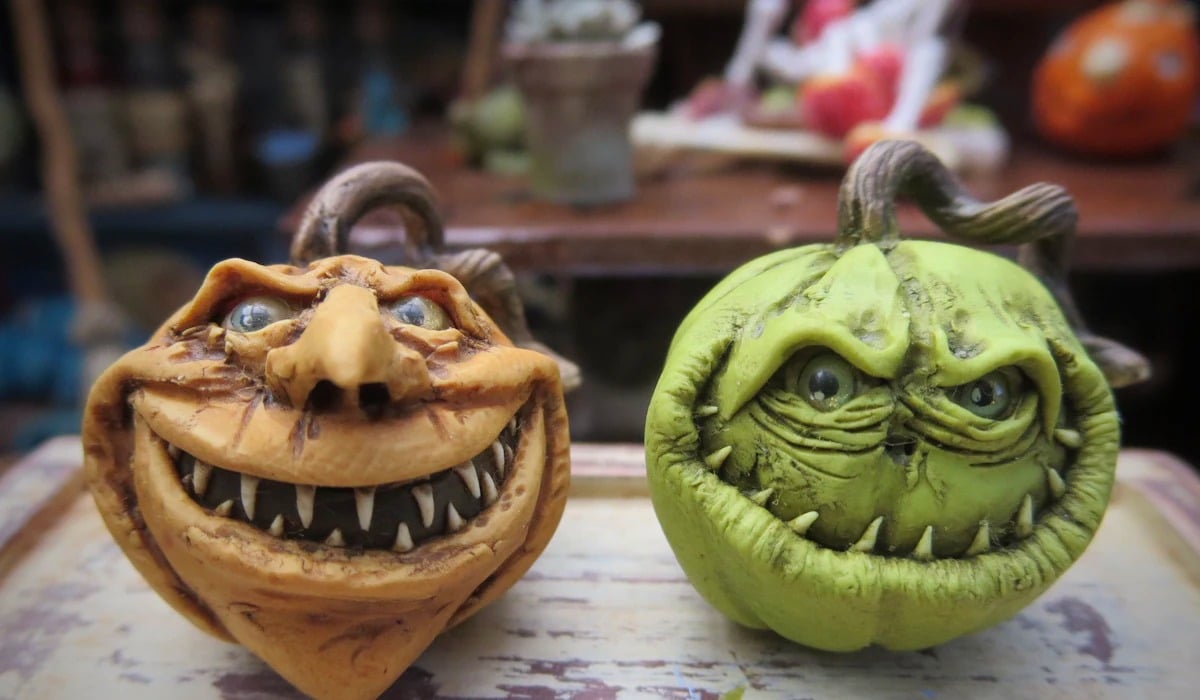
The Bogie Books existed to sell product, and the product itself has become collectible. Dennison made printed Halloween crepe paper, nut cups, place cards, seals and gummed cutouts, sold in envelopes and boxes at department stores in the early twentieth century.
Sealed packages are the prize, because so few survived without being used at a party. Unused seal and cutout sets often bring 20 to 100 dollars, and large rolls of printed crepe can go higher.
Mildew, faded dyes, water spots and opened packaging reduce value quickly, since crepe paper is notoriously hard to store well.
German Papier-Mache Jack-o’-Lanterns
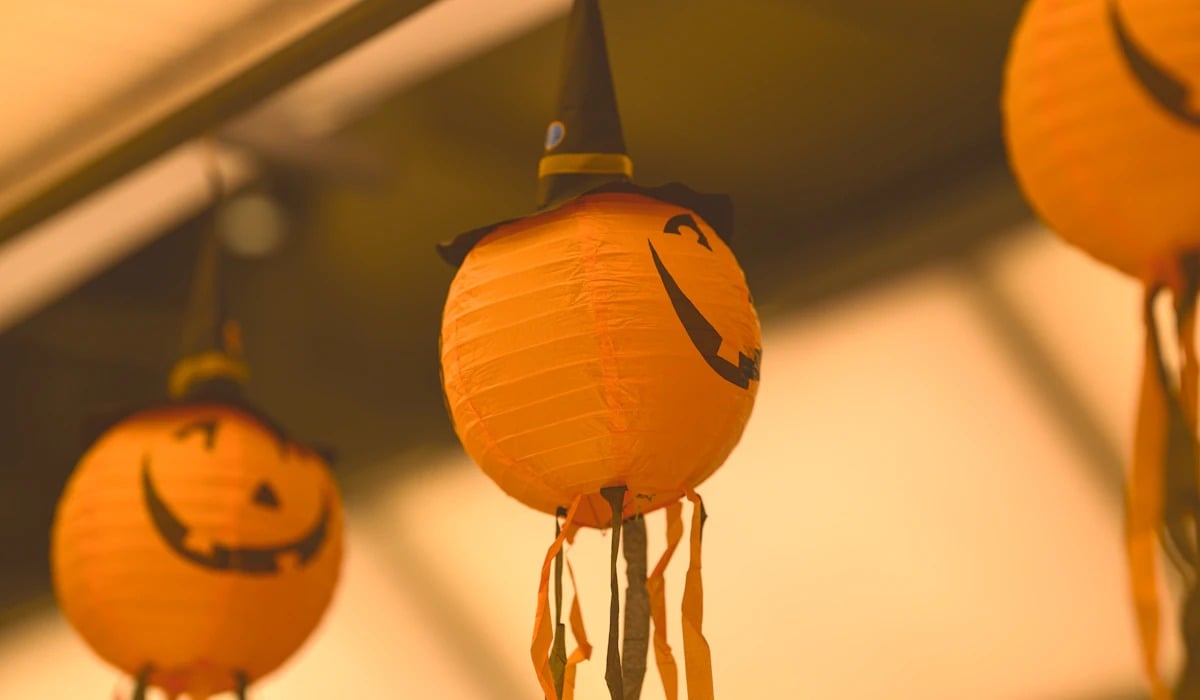
Germany exported molded papier-mache jack-o’-lanterns to the United States from about the 1910s through the 1930s. The best examples have thin paper inserts behind the eyes and mouth, printed with irises and teeth, so that a candle inside makes the face glow.
A wire bail handle let children carry them as lanterns. Originals in good shape often bring 150 to 600 dollars, with rare faces higher.
Collectors look for the original insert, since replacement paper is common, and check for crushing, flaking paint and scorch marks from decades of real candles.
Vegetable-Head Candy Containers
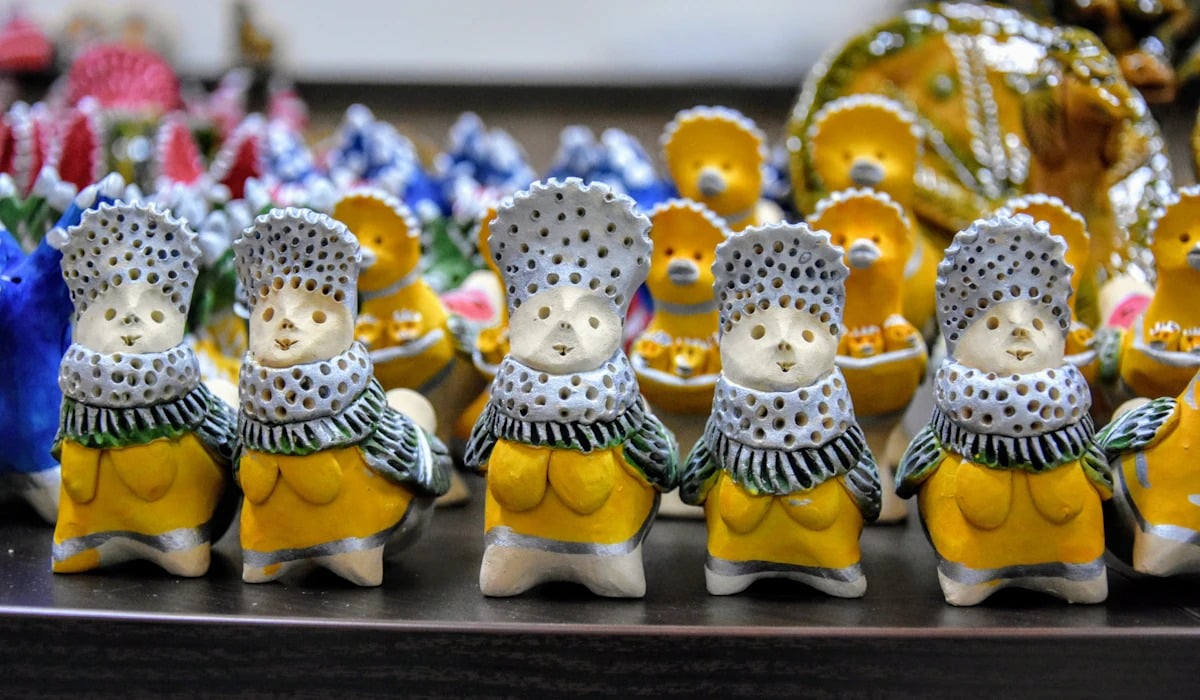
Among the strangest German imports were candy containers shaped like figures with vegetable heads, usually a pumpkin, sometimes another gourd, set on a small body made of papier-mache or composition. The heads typically lift off to reveal a cardboard tube that once held candy.
Made mostly in the 1910s and 1920s, they were sold as table decorations as much as candy holders. Prices often fall between 200 and 800 dollars, with unusual characters reaching far higher.
Repainted faces, replaced heads, cracked composition and missing candy tubes all count against a piece.
German Black Cat Lanterns
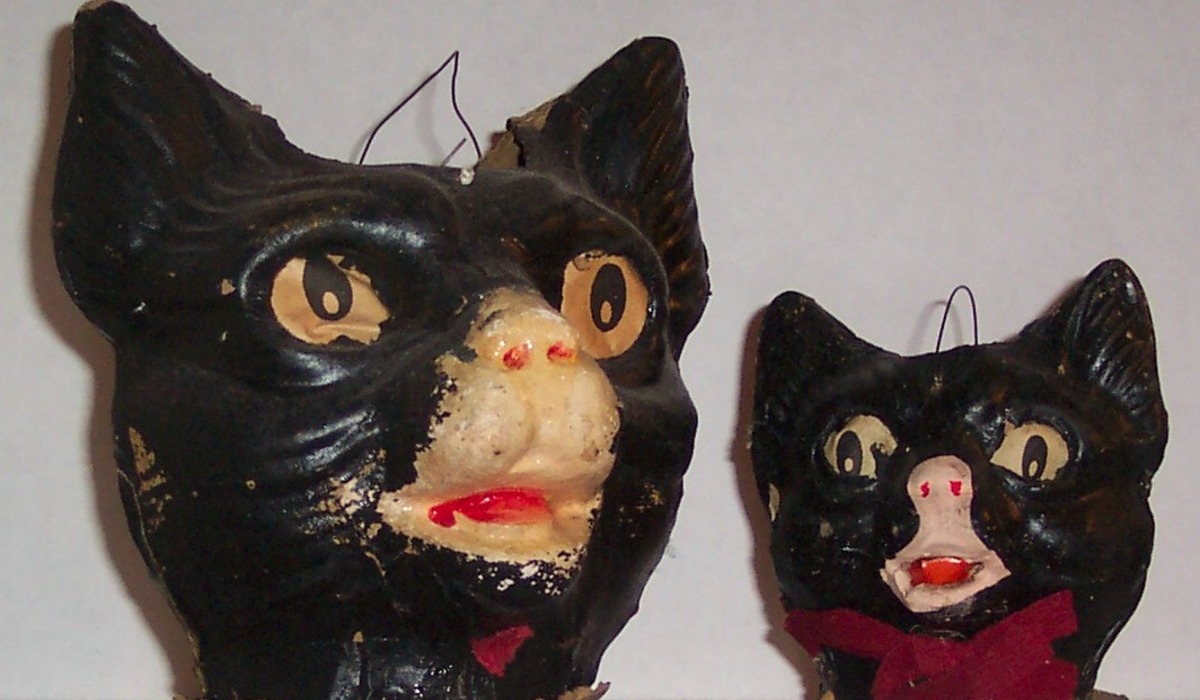
Black cats were second only to pumpkins as Halloween imagery, and German makers molded papier-mache cat-head lanterns with pointed ears and glowing paper eyes. Some had painted red lips or pumpkin-shaped heads with cat features.
They were produced mainly in the 1920s and early 1930s, and far fewer survive than jack-o’-lanterns. Good examples usually bring 200 to 700 dollars, and large sizes can exceed that.
Broken ears are the most common problem, followed by missing eye inserts, worn black paint and dents in the thin molded shell.
American Pressed Pulp Jack-o’-Lanterns
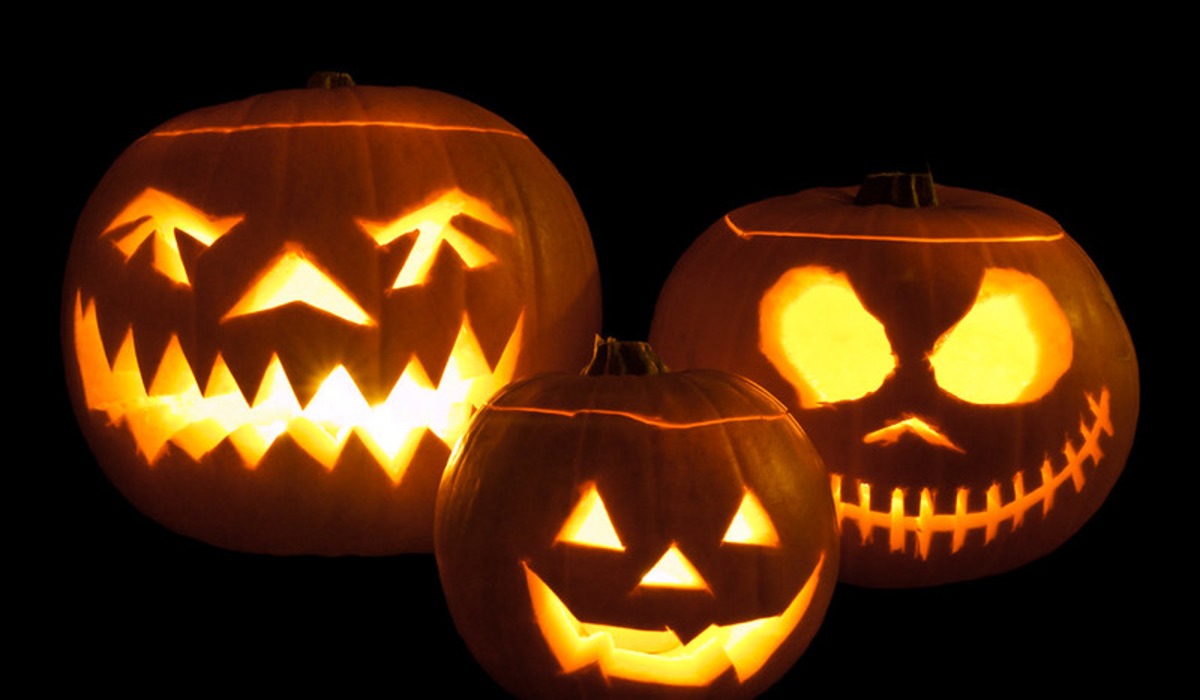
When German imports dried up around World War II, American manufacturers filled the gap with jack-o’-lanterns made from pressed paper pulp. The material was heavier and rougher than German papier-mache, and the faces were often cut out and backed with paper inserts.
Production ran from about the 1940s into the 1950s, before plastic took over. Examples now commonly bring 75 to 300 dollars, with unusual shapes such as cats or figures higher.
Reproductions are widespread, so collectors check for authentic pulp texture, period inserts and honest wear, while soft spots, cracks and repainting reduce value.
Glass Jack-o’-Lantern Candy Containers
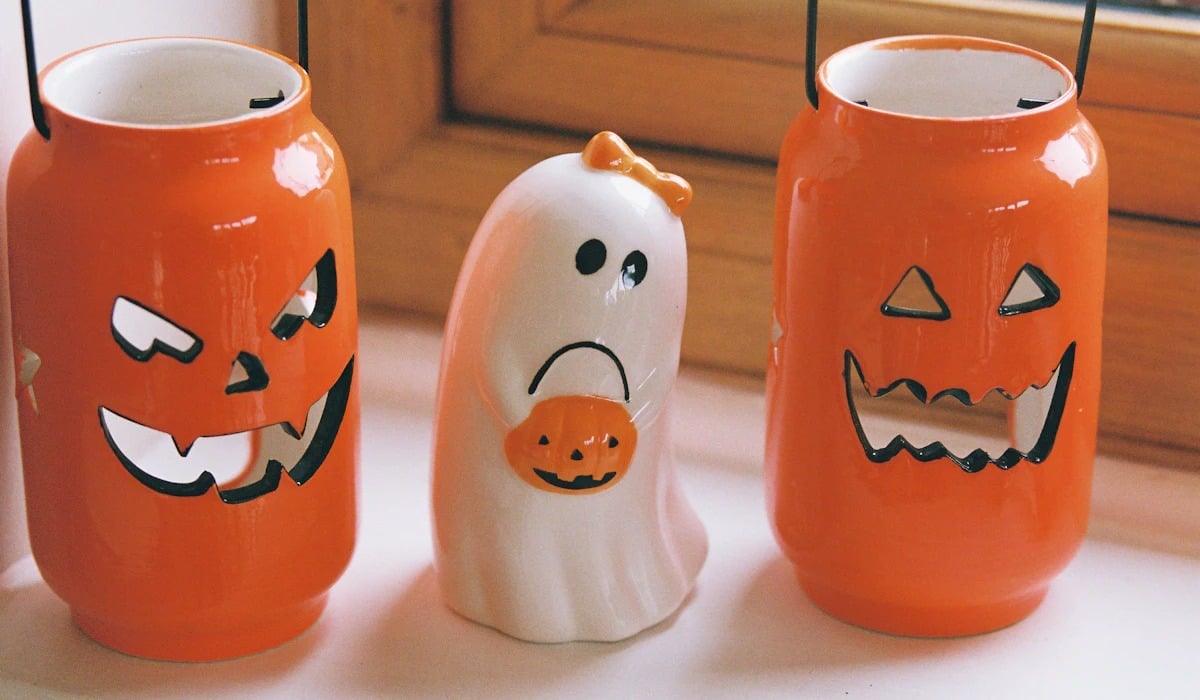
Pressed glass candy containers were a specialty of western Pennsylvania glassmakers in the early twentieth century, and Halloween got its share. Glass jack-o’-lanterns with painted features held small candies and were later reused as decorations or banks.
The paint was applied cold and wore off easily, so examples with strong original orange and black are scarce. Prices typically range from 50 to 250 dollars, depending on paint, lid and maker.
Chips around the rim, missing tin closures and paint loss lower the value, and modern reproductions exist, so buyers examine the glass carefully.
Gurley Novelty Candles
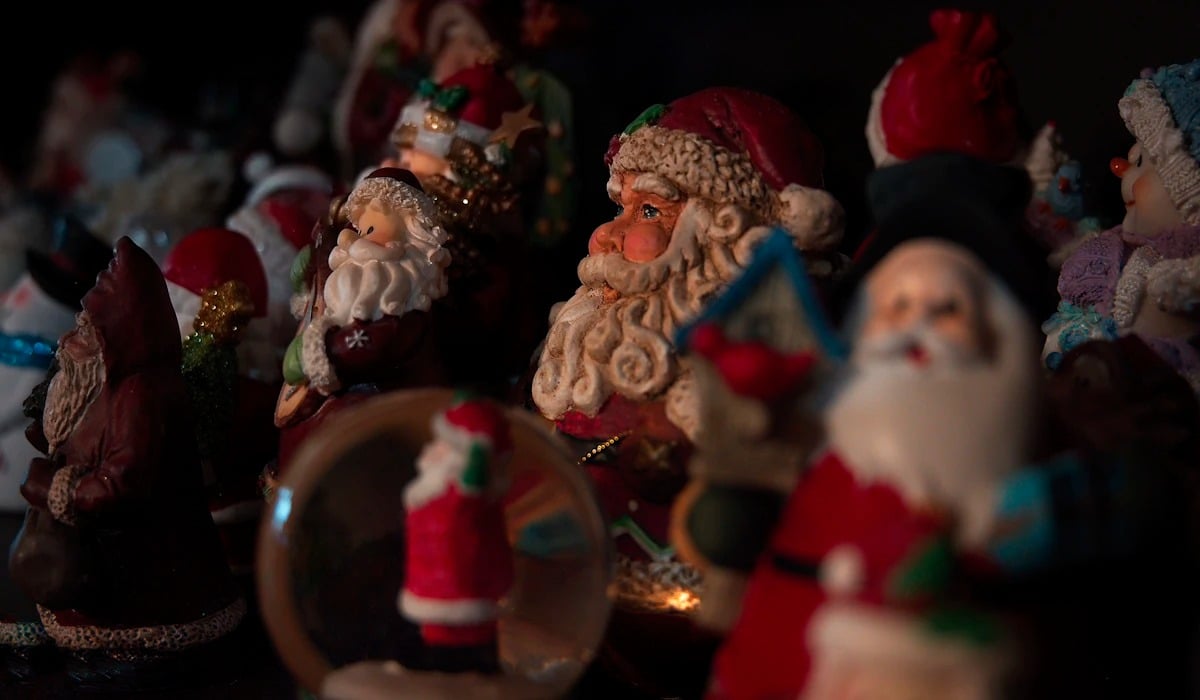
Franklin Gurley founded the Gurley Novelty Company in Buffalo, New York, in 1939, and its figural wax candles became fixtures of American holiday tables. Halloween designs included ghosts, witches, black cats, owls and jack-o’-lantern figures, sold cheaply in variety stores through the postwar decades.
Most families never lit them, which is why so many survive. Common figures often go for 5 to 25 dollars, while large sizes and rarer designs bring more.
Collectors prefer candles with the original price sticker on the base and avoid pieces with melted wicks, faded paint, chips or dust worked into the wax.
Tavern Candles
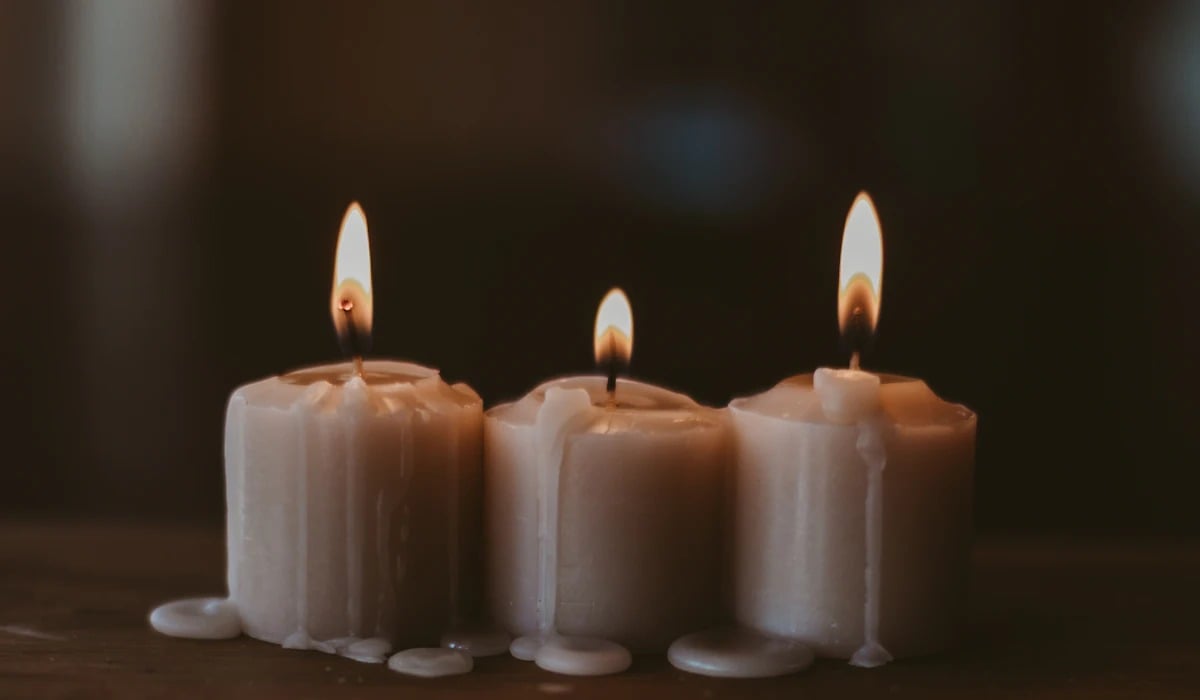
Tavern was another brand of figural holiday candles, produced as a sideline of the Socony-Vacuum Oil Company, which had plenty of paraffin to put to use. Its Halloween figures, including pumpkins, cats and ghosts, closely resembled Gurley designs and were sold through many of the same stores.
Today the two brands are collected side by side and often confused. Tavern candles generally sell in the same range as Gurley, about 8 to 30 dollars for common pieces, with uncommon figures higher.
Marked bases, intact paint and unburned wicks matter most, and warped or scuffed wax lowers the price.
Union Products Blow Molds
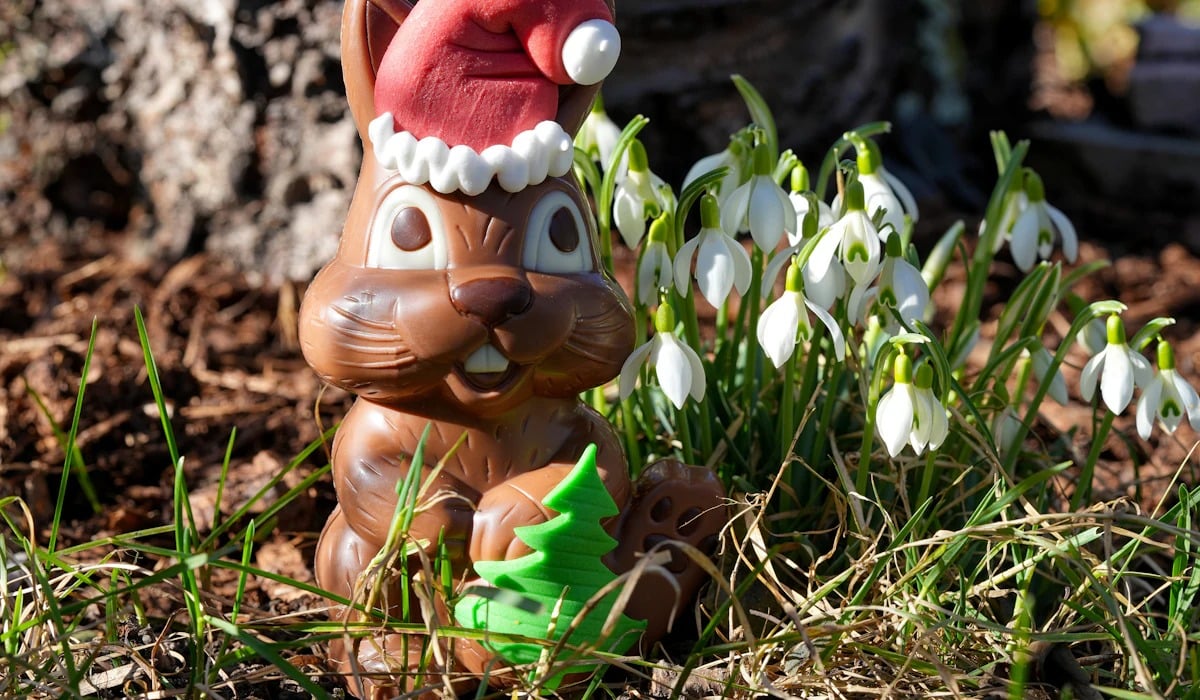
Union Products of Leominster, Massachusetts, is best remembered for Don Featherstone’s plastic pink flamingo of 1957, but the company also made hollow blow-molded Halloween figures. Light-up pumpkins, ghosts and witches stood on porches across the country, and the company closed in 2006.
Blow molds were long dismissed as yard junk, but they have enjoyed a strong revival among collectors. Common Union Products pumpkins often go for 20 to 75 dollars, while scarcer figures bring more.
Cracked plastic, faded paint, missing light cords and sun damage reduce values considerably.
Empire Blow Mold Pumpkins and Pails
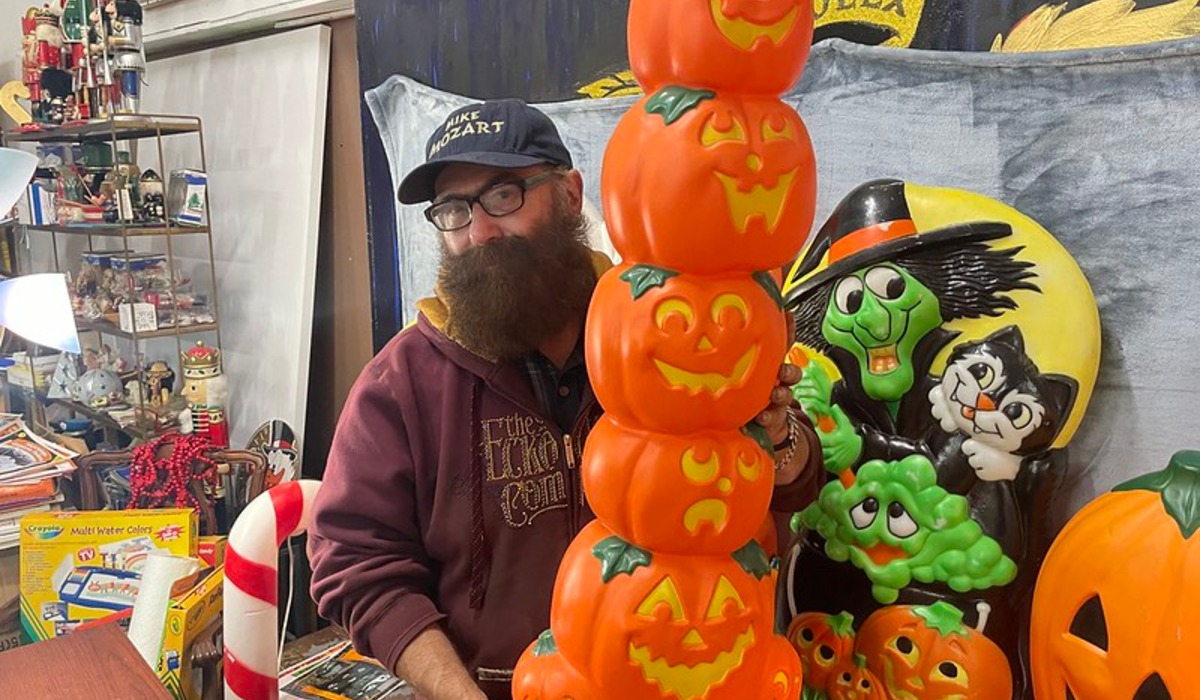
Empire of Carolina, based in Tarboro, North Carolina, produced plastic blow-molded Halloween decorations and jack-o’-lantern candy pails in the 1970s and 1980s. Its large light-up pumpkins and scarecrows became porch staples, while smaller pails doubled as trick-or-treat buckets.
Empire pieces are now common at flea markets but still find eager buyers. Pails often trade for 10 to 40 dollars, and large light-up figures can bring 50 to 150 dollars.
Collectors look for clear paint, intact plastic and working cords, since splits, scuffs and heavy fading cut values sharply.
Rosbro Hard Plastic Candy Containers
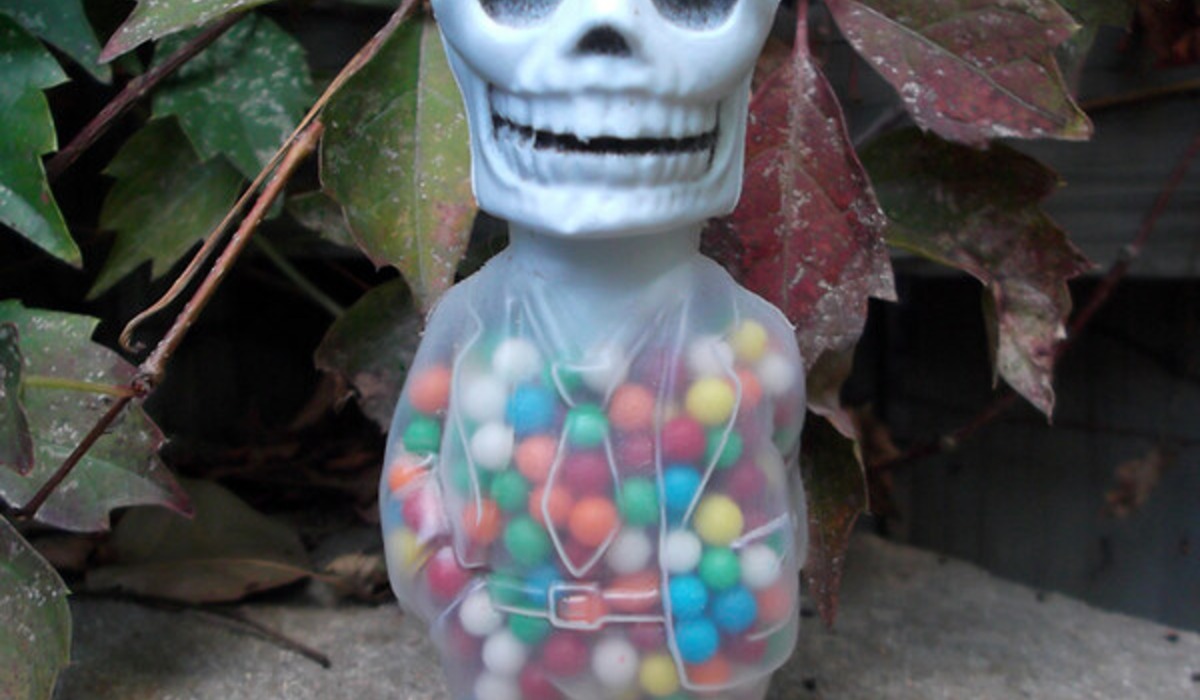
In the late 1940s and 1950s, hard plastic replaced paper and glass for many Halloween novelties. Rosen of Pawtucket, Rhode Island, whose pieces are often marked Rosbro, made brightly colored candy containers shaped like witches, pumpkins, cats, scarecrows and a witch riding a rocket.
These were sold empty or filled with small candy at dime stores. Common designs often trade for 40 to 150 dollars, while the rocket and other unusual shapes often bring considerably more.
Cracks, broken wheels or attachments, warping and faded color all count against a piece.
Viscoloid Celluloid Rattles and Figures
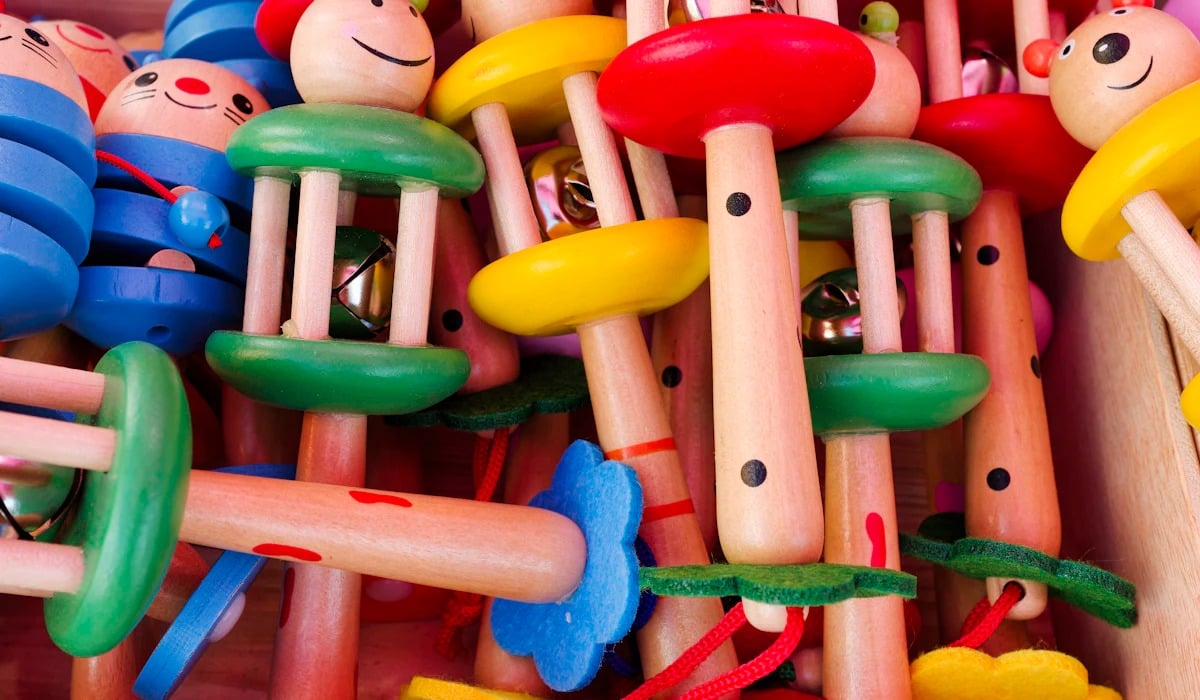
Celluloid, an early plastic, was molded into thin, lightweight Halloween toys and decorations in the 1920s and 1930s. The Viscoloid Company of Leominster, Massachusetts, which DuPont acquired in 1925, produced celluloid witches, cats and owls, some designed as rattles with tiny pellets inside.
Celluloid is fragile and flammable, and it dents and cracks easily, so survivors are scarce. Pieces often range from 75 to 400 dollars depending on design.
Crushed areas, fading, cracks and missing paint all lower values, and collectors keep celluloid away from heat and direct light.
Japanese Celluloid Novelties
Japan also exported celluloid Halloween figures to the United States, particularly in the 1930s and again in the years after World War II. Common designs included witches on brooms, cats, pumpkin-headed figures and small vehicles carrying jack-o’-lanterns.
Pieces are often marked Made in Japan or Occupied Japan, and the second mark helps date them. Most change hands for roughly 50 to 250 dollars, with figures that combine several characters at the top.
The thin shells crack and crush easily, and missing paint or brittle, yellowed celluloid reduces prices.
T. Cohn Tin Tambourines
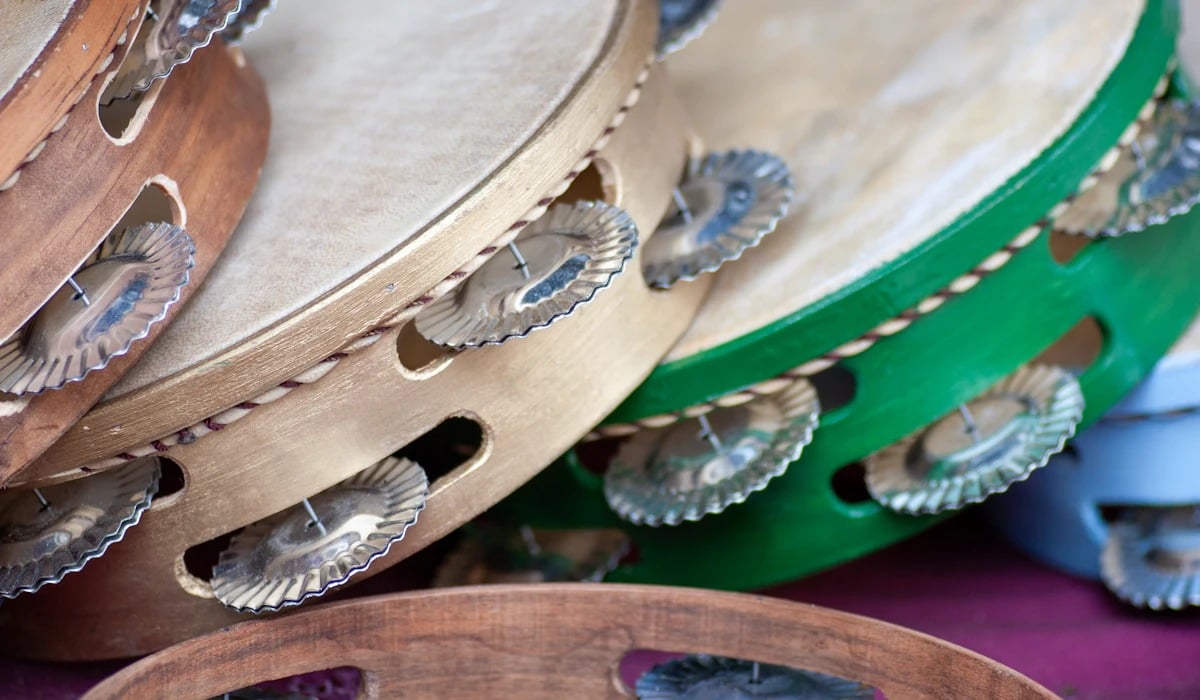
T. Cohn Inc. of Brooklyn, New York, was a major maker of lithographed tin Halloween noisemakers in the mid-twentieth century.
Its tambourines carried printed witches, devils, cats and pumpkins, and children shook them during parties and parades. The tin was thin and the wooden frames were simple, so many were dented or rusted long ago.
Ordinary examples often bring 20 to 60 dollars, while rare designs can reach 100 dollars or more. Bright, unscratched lithography is the main consideration, and rust, bends and missing jingles push prices down.
Kirchhof Life of the Party Noisemakers
The Kirchhof company of Newark, New Jersey, sold tin noisemakers under the Life of the Party name, and Halloween versions were produced through the 1950s. Clickers, ratchets, tambourines and horns were printed with witches, bats and cats in bold orange and black.
They were cheap and produced in huge numbers, so common pieces remain affordable. Most fall in the range of 15 to 50 dollars, while rare designs or near-mint examples can bring more.
Rust spots, dents, scratches to the lithography and broken mechanisms are the usual flaws that lower values.
Chein and U.S. Metal Toy Noisemakers
J. Chein and Company and the U.S.
Metal Toy Manufacturing Company were two other American makers of tin Halloween noisemakers. Their products included ratchets, horns and tambourines with designs of witches, owls and cats, sold through dime stores from the 1930s through the 1960s.
Collectors often build entire collections of these tin items because the artwork changed from year to year. Prices usually range from 15 to 75 dollars, depending on the design.
Clean lithography is key, and any rust, missing handles or worn graphics lower values considerably.
Chalkware Halloween Figures
Chalkware, a cast plaster painted in bright colors, was used for inexpensive figures sold at carnivals and dime stores. Halloween chalkware pieces, including witches, black cats and figures with jack-o’-lantern heads, appeared mainly in the 1930s and 1940s.
The plaster is heavy but soft, so chips are almost unavoidable. Most examples fall between 40 and 200 dollars, and pieces with unusual poses or crisp original paint can go higher, since so many chalkware figures were broken at fairgrounds or tossed out after a season or two on a mantel.
Collectors look for strong original paint, as chalkware was often repainted, and chips, flaking and cracks reduce values substantially.
Composition Witches and Nodders
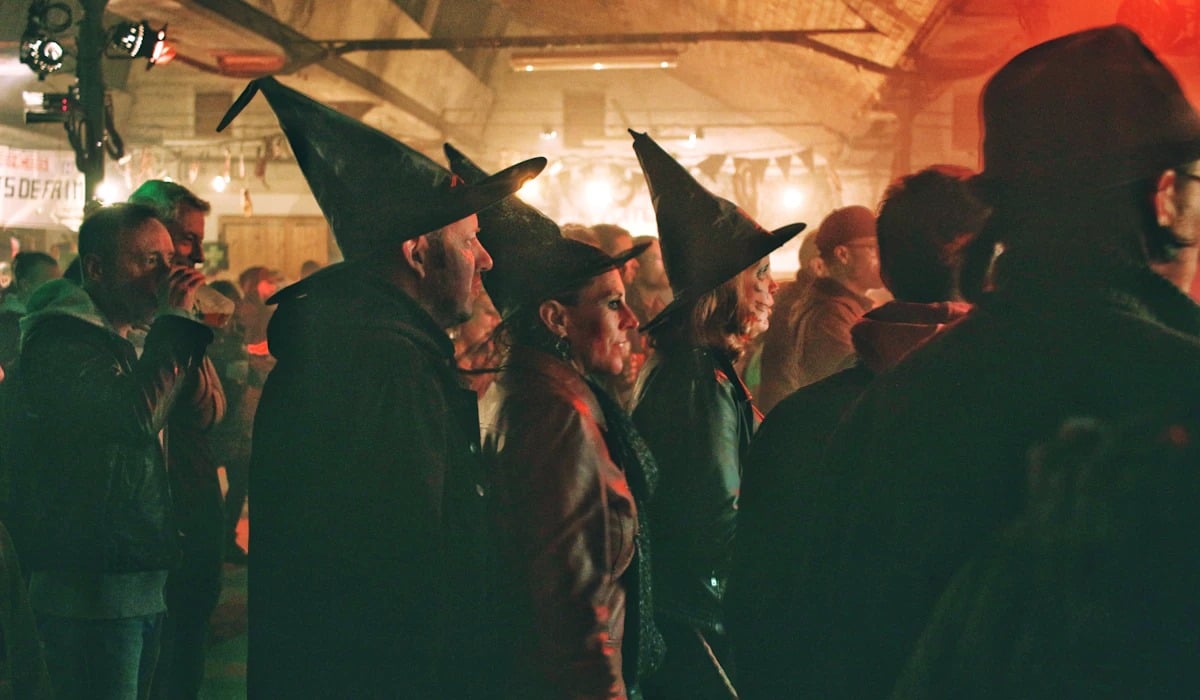
German makers produced composition figures, a molded mix of sawdust, glue and other fillers, in the shape of witches, devils and jack-o’-lantern men during the 1910s and 1920s. Some were nodders, with heads that bobbed on a wire, and others concealed candy compartments.
Composition is prone to flaking and cracking, especially after decades in damp storage. Good examples typically trade for 150 to 600 dollars or more.
Original paint, intact accessories and careful attention to repairs determine price, since repainting and replaced parts are common.
Ceramic Light-Up Pumpkins
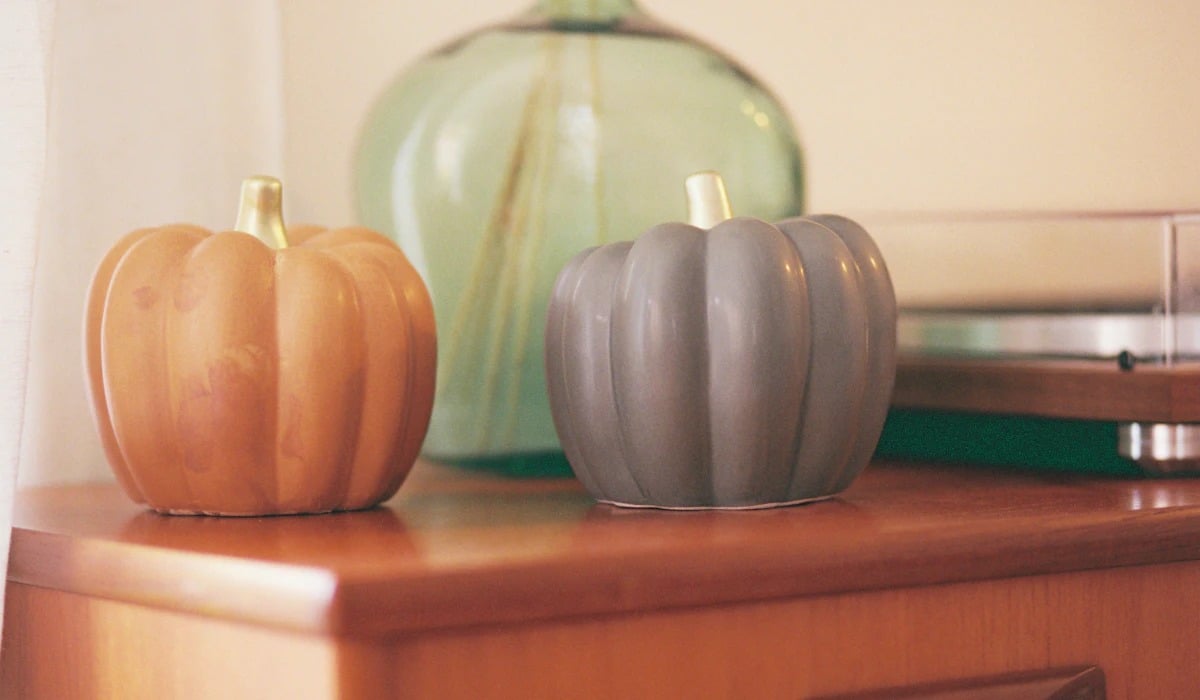
In the 1970s, hobby ceramics classes produced thousands of light-up Halloween pieces using commercial molds from companies such as Atlantic Mold. Glazed pumpkins, ghosts holding jack-o’-lanterns and haunted houses glowed from inside with a small bulb.
These pieces were handmade by hobbyists, so paint quality varies widely from one example to the next, and the best ones show careful brushwork and even firing. Typical examples often bring 30 to 100 dollars, with larger or more detailed pieces higher.
Original light kits, signed and dated bases and clean glazing add value, while chips, crazing and missing parts lower it.
Paper Accordion Lanterns
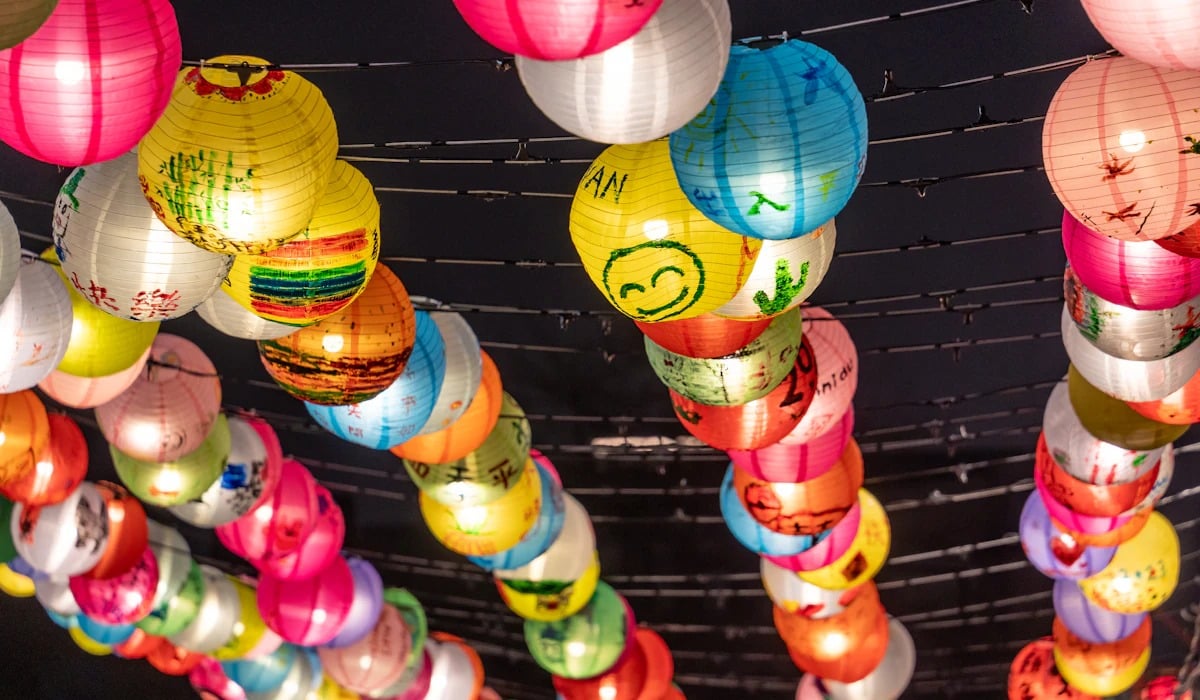
Folding paper lanterns printed with jack-o’-lantern faces, cats and witches were common Halloween decorations from the 1910s through the 1930s, many of them made in Germany. They collapsed flat for storage and expanded when hung, often with a small candle inside.
Because the paper burned, tore and faded so easily, intact examples are uncommon. Prices usually range from 40 to 200 dollars, with larger lanterns and those printed with detailed faces or full scenes bringing the strongest interest from serious collectors.
Collectors look for bright printing, complete folds and original wire fittings, while burns, tears and water stains reduce value significantly.
Paper Survivors of a Disposable Holiday
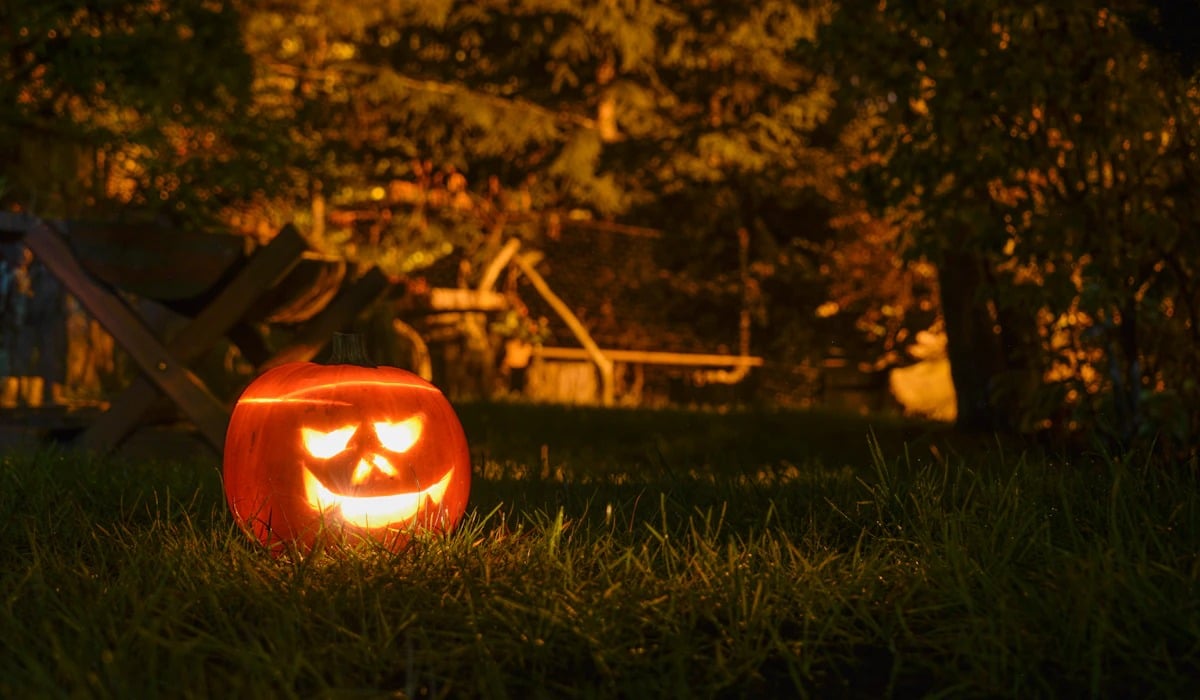
Nearly every object on this list was designed to be thrown away. Paper, pulp, wax and thin tin were chosen because they were cheap, and nobody in 1925 or 1955 expected a party favor to outlive the person who bought it.
The prices collectors pay now are a measure of how efficiently past generations cleaned up after themselves.
Condition drives every one of these markets because survival itself was rare. A die-cut cat with a tack mark or a lantern with a scorched insert still tells the story of the night it was used.
The pieces that bring the highest prices are often the ones that somehow avoided Halloween altogether, tucked away in a drawer or a store’s back room for decades.
MORE FROM GO2TUTORS!

- The Romanov Crown Jewels and Their Tragic Fate
- 13 Historical Mysteries That Science Still Can’t Solve
- Famous Hoaxes That Fooled the World for Years
- 15 Child Stars with Tragic Adult Lives
- 16 Famous Jewelry Pieces in History
Like Go2Tutors’s content? Follow us on MSN.