Toxic Ingredients Used in Vintage Cosmetics
Beauty has always demanded sacrifice, but the cosmetics of yesteryear asked for more than most people realized. The glamorous rouge, the perfect complexion powder, the dramatic kohl-rimmed eyes — they came with a price that went far beyond money.
Hidden beneath the allure of vintage beauty products were ingredients that would make modern toxicologists break into a cold sweat.
Lead
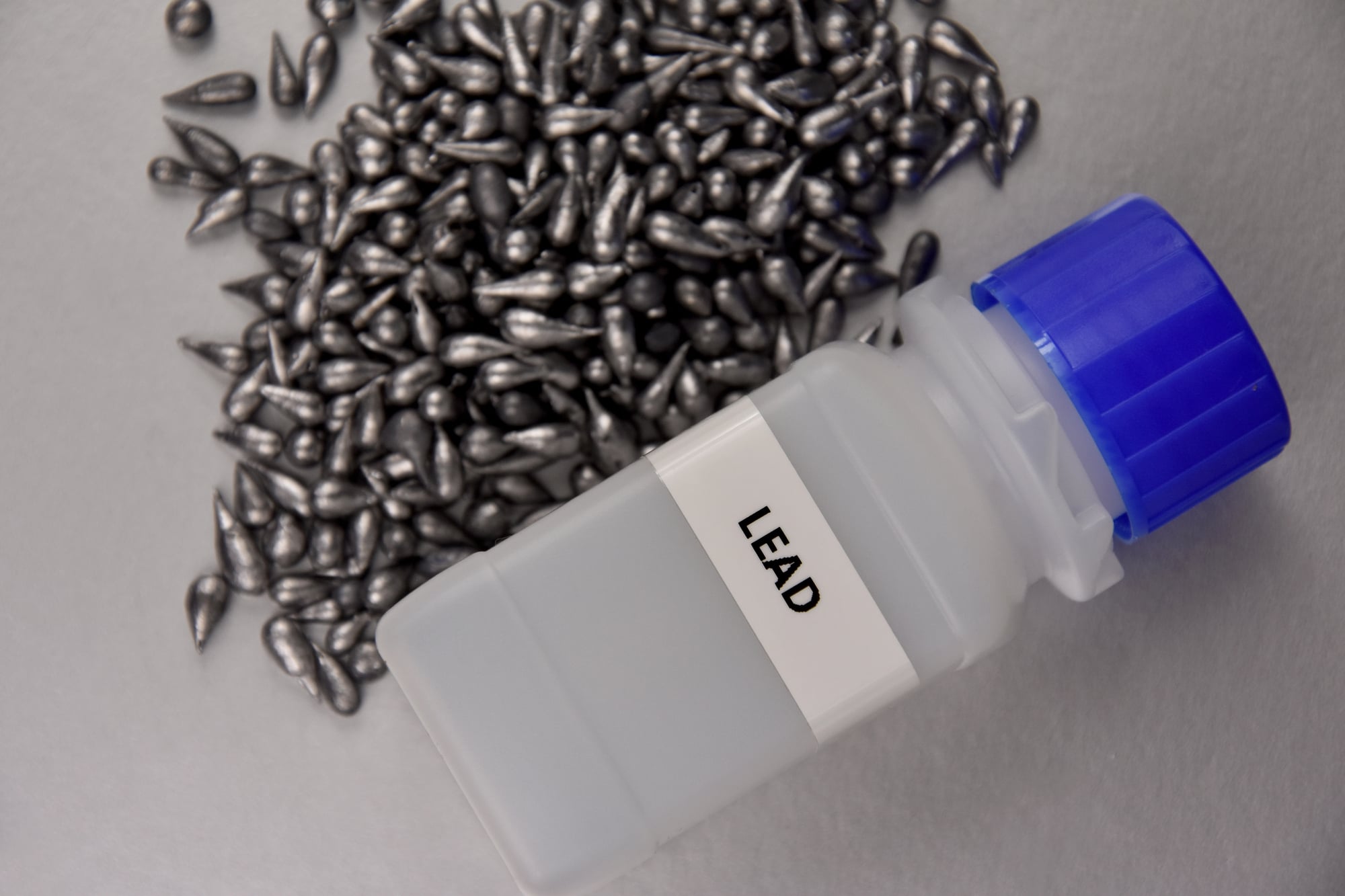
Lead was the foundation of foundation. Literally. White lead paint wasn’t just for walls — it was the secret behind that porcelain complexion every fashionable woman coveted.
The powder sat beautifully on skin, creating an otherworldly pallor that signaled wealth and refinement.
Too bad it was slowly poisoning everyone who wore it. Lead poisoning doesn’t announce itself with fanfare.
It creeps in quietly, causing everything from hair loss to brain damage. And yet women dusted it on their faces daily, chasing an ideal that was quietly killing them.
Mercury
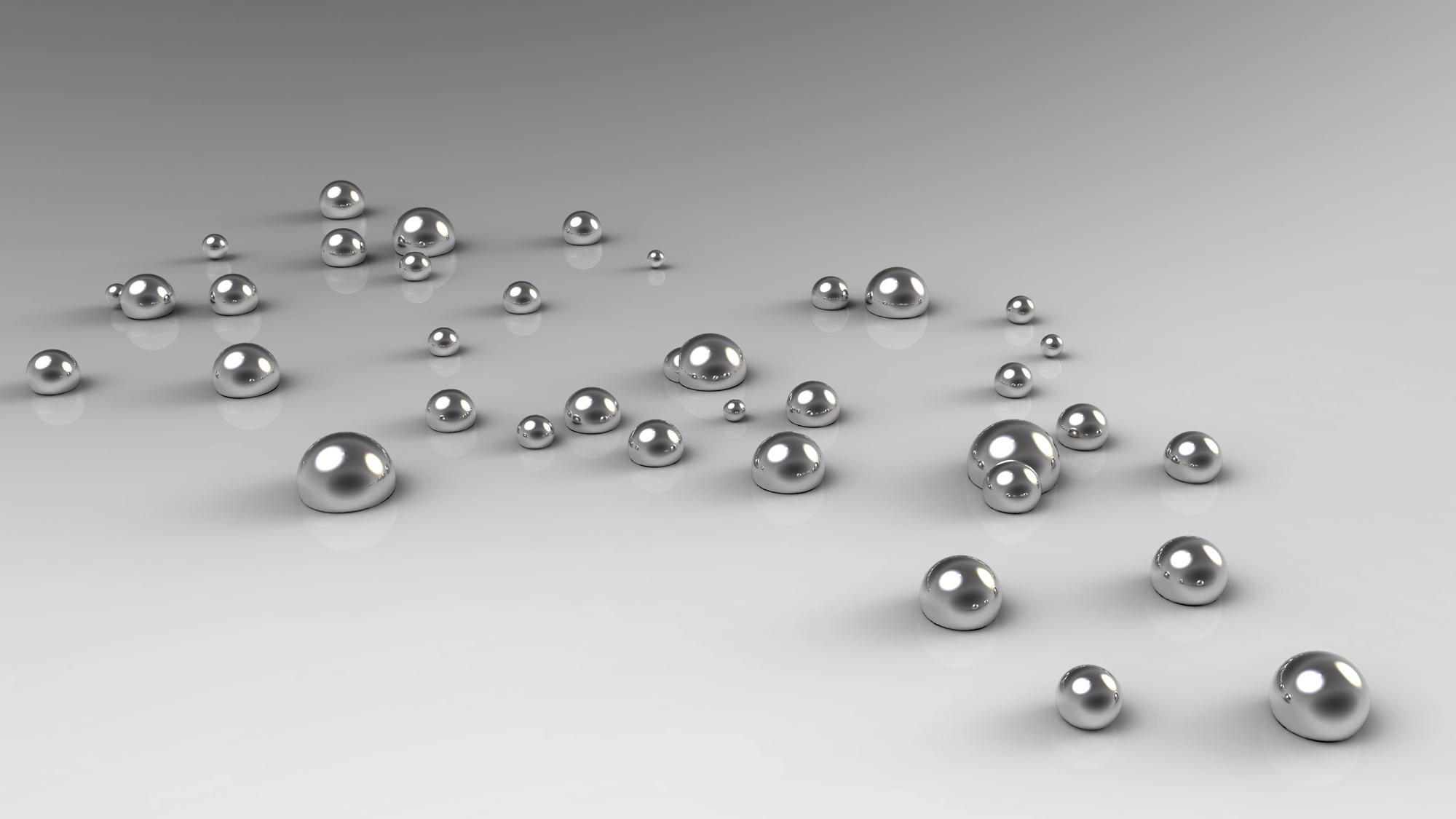
Mercury found its way into cosmetics through a particularly insidious route: skin lightening creams (though back then, the marketing was far more direct about what they were trying to achieve, which is another uncomfortable conversation entirely). The silvery metal promised to fade freckles, even out skin tone, and deliver that coveted alabaster complexion that dominated beauty standards for centuries.
But mercury has this inconvenient habit of accumulating in your system, and when it does, it brings friends — tremors, memory loss, kidney damage, and in severe cases, complete neurological breakdown. So while your complexion might have looked flawless, your nervous system was quietly falling apart.
The irony is almost too perfect: a beauty ingredient that made you beautiful on the outside while destroying you from within, like something out of a particularly dark fairy tale.
Radium
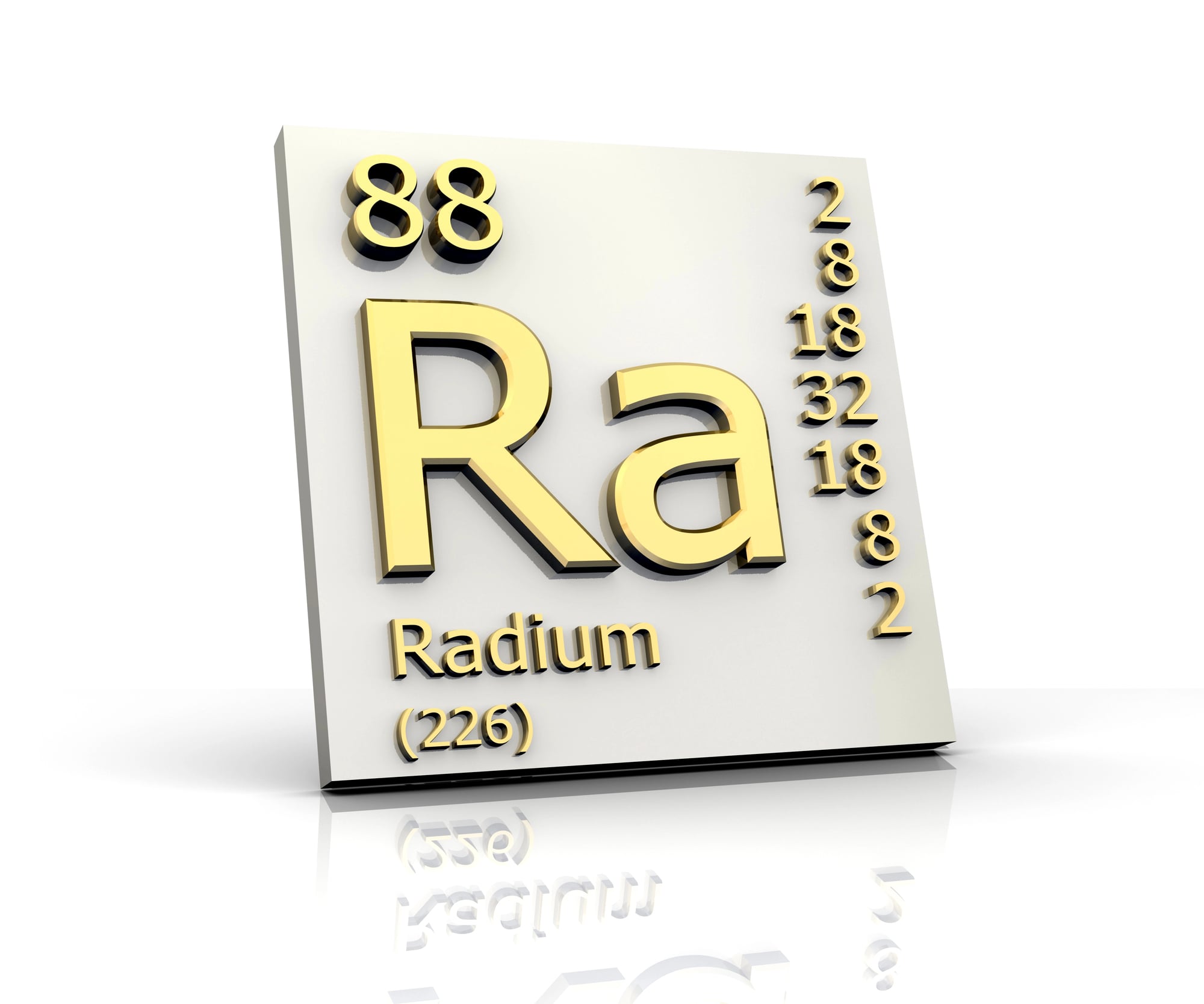
Nothing says “glow from within” quite like actual radioactive material mixed into your face cream. During the 1920s, radium was the miracle ingredient everyone wanted in their beauty routine.
Companies marketed radioactive cosmetics as the height of scientific advancement, promising that this wonder element would give skin a natural luminescence.
The science seemed sound at the time. Radium glowed in the dark — surely it could make skin glow too.
What manufacturers didn’t advertise was that radium was busy destroying cellular structure from the moment it touched your face. Users developed radiation burns, severe anemia, and bone deterioration.
Some suffered jaw necrosis so severe their bones literally crumbled.
Arsenic
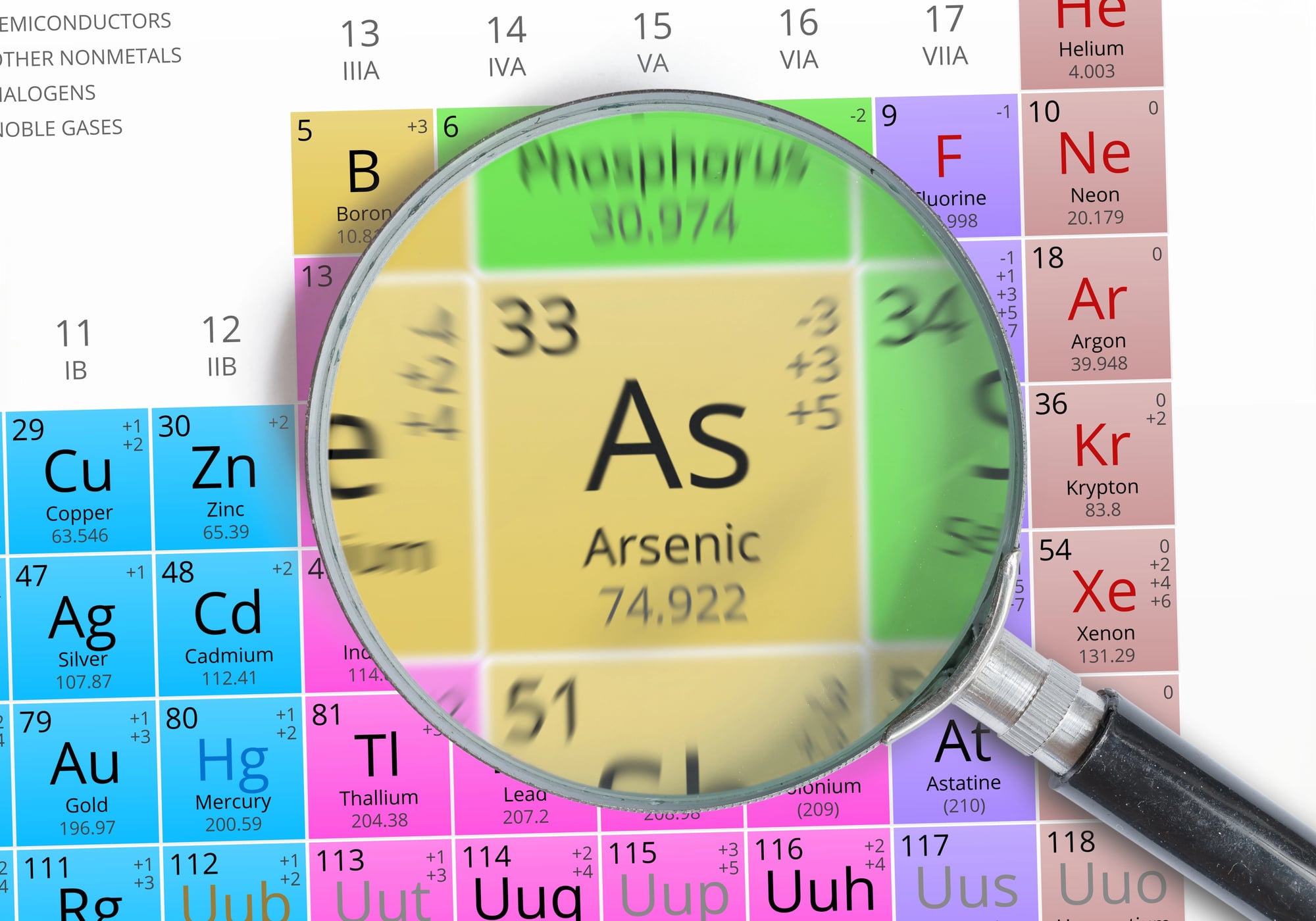
Arsenic held a strange dual role in vintage beauty culture — it was both a known poison and a celebrated cosmetic ingredient. Victorian women consumed arsenic tablets to achieve a translucent, otherworldly complexion that was considered the height of feminine beauty.
The metal worked by essentially poisoning the user just enough to create a pale, ethereal appearance without immediately killing them.
It was a delicate balance that many women maintained for years, gradually building up their tolerance while slowly destroying their health. The practice was so common that arsenic eaters developed their own subculture, sharing tips on dosage and timing.
The commitment to beauty was absolute, even when beauty required regular self-poisoning.
Belladonna

Belladonna drops were the secret behind those captivating, wide-eyed looks that dominated portraits from centuries past. Women would squeeze the toxic extract directly into their eyes to dilate their pupils, creating an appearance of perpetual fascination and allure.
The plant’s name translates to “beautiful woman,” which tells you everything about its intended use.
But belladonna is a member of the nightshade family, and it doesn’t take kindly to being dripped into human eyes. Users experienced blurred vision, sensitivity to light, and in many cases, permanent eye damage.
Some lost their sight entirely, trading their vision for a few years of fashionably dilated pupils.
Antimony
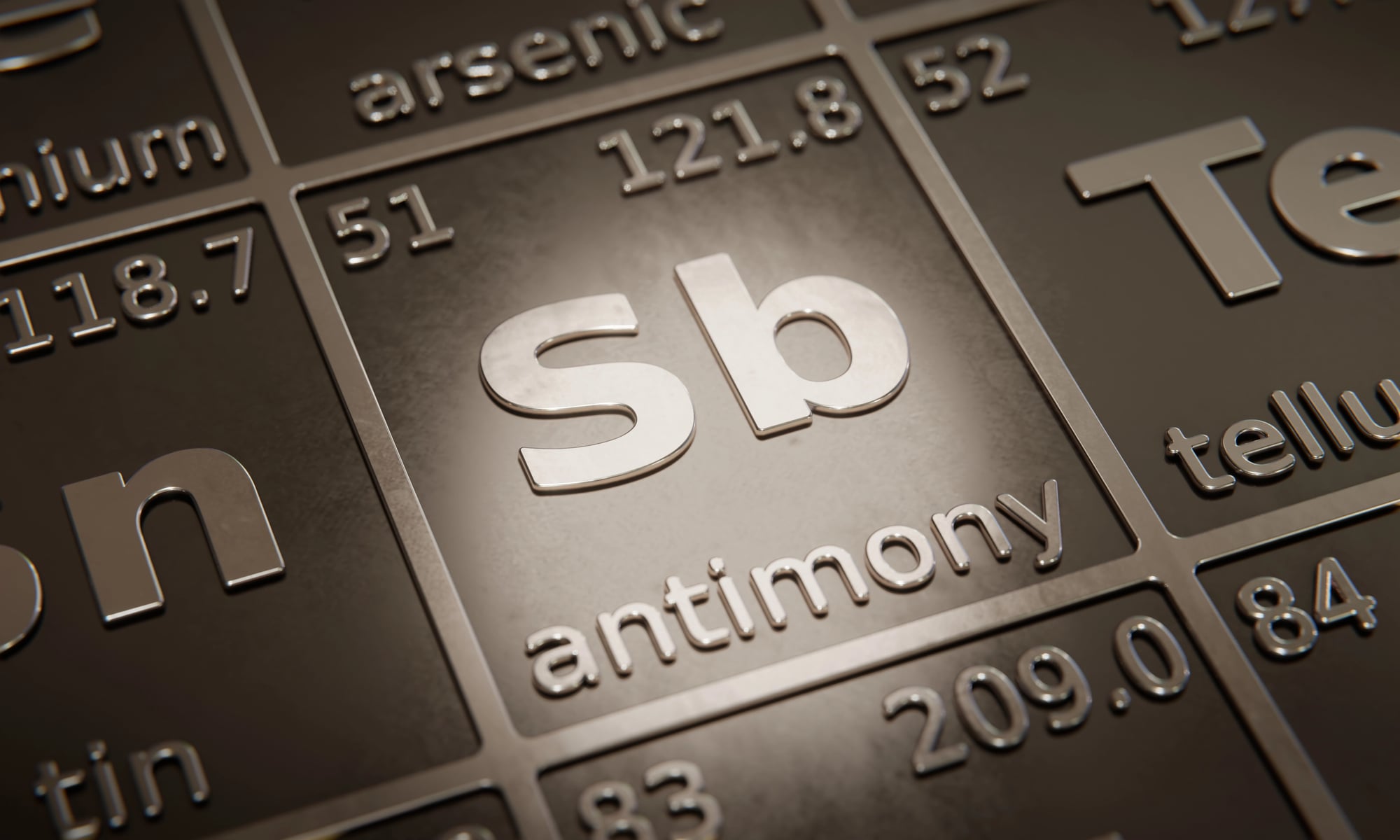
Kohl formulations that incorporated antimony were used across various cultures for dramatic eye definition, with the metallic element creating deep, rich black lines that could withstand heat, humidity, and time. (Note: Ancient Egyptian kohl relied more heavily on galena and mineral-based compounds, though antimony appeared in cosmetic recipes in later historical periods.)
Antimony kohl worked beautifully as a cosmetic, but it came with side effects that ancient users couldn’t have predicted.
Prolonged use led to antimony poisoning, which manifests as skin lesions, hair loss, and damage to internal organs. The very eyes that were being enhanced were also being slowly damaged by the toxic metal applied so close to them daily.
Zinc Oxide and Lead Carbonate Combinations
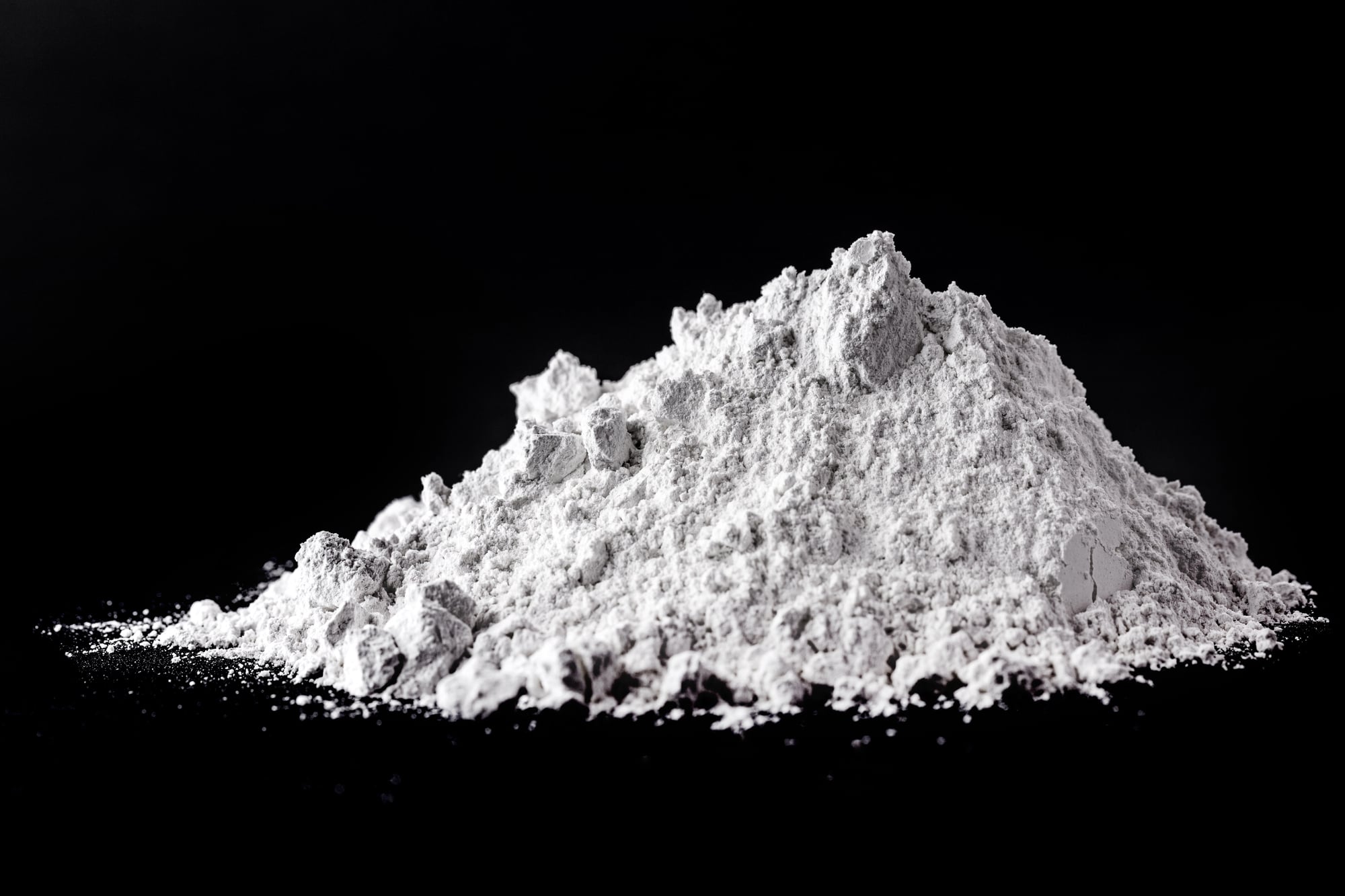
The quest for the perfect white face powder led cosmetic manufacturers to experiment with various combinations of toxic metals. Zinc oxide mixed with lead carbonate created a smooth, long-lasting base that photographed beautifully under the harsh lighting conditions of early photography.
These combination powders were particularly insidious because they allowed manufacturers to market products as “zinc-based” while still including significant amounts of lead.
Users thought they were choosing a safer option, but they were still exposing themselves to lead poisoning. The powders were so finely milled that they became airborne easily, meaning women were inhaling toxic particles with every application.
Chromium Compounds

Chromium gave vintage cosmetics their most vibrant colors — the brilliant greens in eyeshadows, the deep oranges in lip tints, the rich yellows in face powders. No other ingredient could produce such intense, lasting color.
But chromium is a known carcinogen that causes severe skin irritation and respiratory problems when inhaled.
Women who used chromium-based cosmetics regularly developed chronic skin conditions, breathing difficulties, and in some cases, cancers directly linked to their beauty routines. The most beautiful colors came with the highest price.
Bismuth
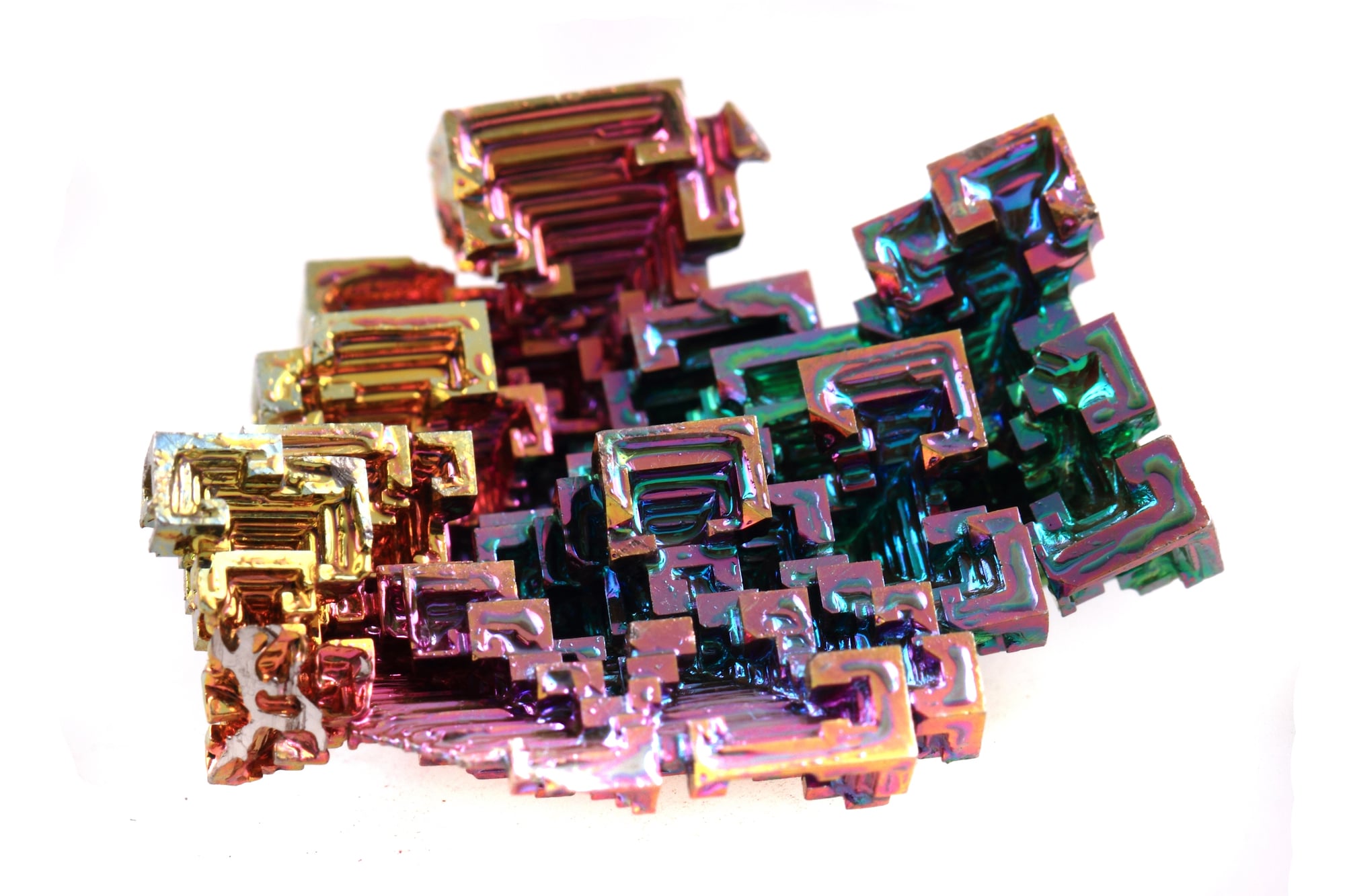
Bismuth was marketed as a safer alternative to lead in face powders, and technically, it was less immediately toxic than its predecessor. Cosmetic companies trumpeted bismuth-based products as the modern, scientific choice for discerning women who cared about their health.
What they didn’t mention was that bismuth still caused its own set of problems.
Prolonged use led to a condition called bismuth line — a distinctive dark line that appeared along the gums, similar to lead poisoning but with its own characteristic appearance. Users also experienced skin discoloration and in severe cases, kidney damage.
Copper Compounds

Copper sulfate and other copper-based compounds were common in vintage hair dyes and some cosmetics, particularly those designed to enhance or change natural coloring. The metal produced rich, lasting colors that seemed to improve with time rather than fading.
Unfortunately, copper compounds are highly toxic when absorbed through the skin or inhaled.
Regular users developed a distinctive greenish tint to their skin and hair that became permanent over time. More seriously, copper poisoning affects the liver and can cause severe neurological damage.
Formaldehyde
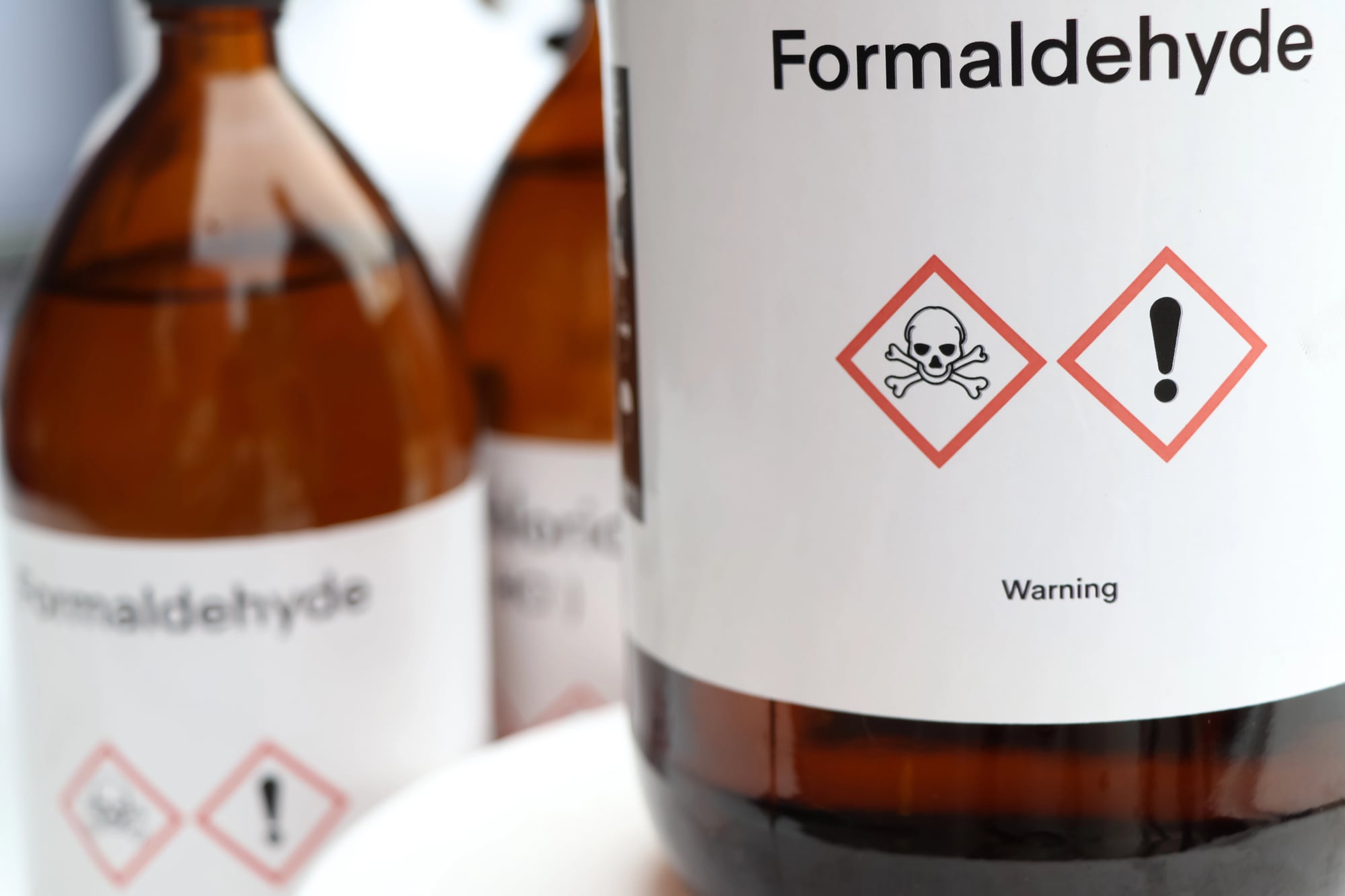
Long before anyone understood its carcinogenic properties, formaldehyde was a common preservative in cosmetics and a primary ingredient in many nail treatments. It kept products fresh, prevented bacterial growth, and created that hard, glossy finish that was prized in early nail lacquers.
Formaldehyde exposure through cosmetics caused immediate skin irritation, respiratory problems, and allergic reactions.
Long-term exposure led to much more serious health consequences, including increased cancer risk and severe damage to the respiratory system.
Methyl Alcohol
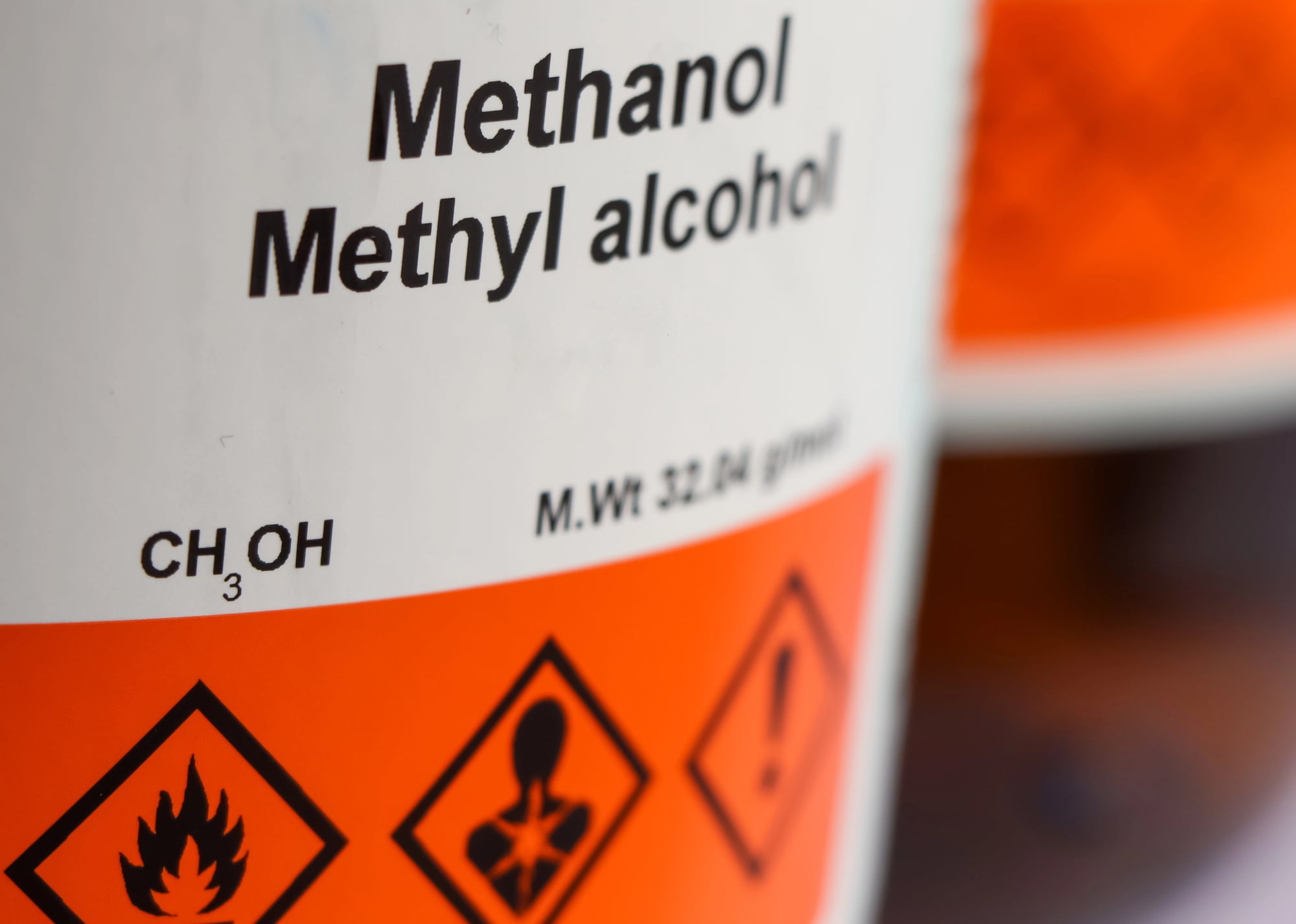
Methyl alcohol appeared in everything from perfumes to astringents, valued for its ability to dissolve other ingredients and create smooth, even applications. It was cheaper than ethyl alcohol and seemed to work just as well in cosmetic formulations.
The problem with methyl alcohol is that it’s absorbed readily through skin and can cause blindness, brain damage, and death even in relatively small amounts.
Women using methyl alcohol-based cosmetics regularly often experienced vision problems, dizziness, and neurological symptoms that they rarely connected to their beauty routines.
Tar-Based Dyes
Coal tar derivatives created the most vivid, long-lasting colors available to vintage cosmetic manufacturers. These synthetic dyes could produce shades that natural ingredients simply couldn’t match, and they held their intensity under conditions that would cause natural pigments to fade.
Coal tar dyes are potent carcinogens that also cause severe allergic reactions in many users.
The skin irritation was often immediate and obvious, but the cancer risk took decades to manifest. By the time the connection was made between these dyes and various cancers, generations of women had been exposed through their daily beauty routines.
The Beauty of Hindsight
Looking back at these ingredients feels like reading a horror story disguised as a beauty manual. Each toxic element was once celebrated as a breakthrough, marketed as the solution to beauty challenges that had plagued women for generations.
The advertisements were confident, the testimonials glowing, the scientific claims impressive.
What strikes you most isn’t the ignorance of the past — it’s how willing people were to risk everything for beauty. These weren’t desperate measures taken in secret.
They were the height of fashion, the mark of sophistication, the price that civilized women paid to meet society’s expectations. The real toxicity wasn’t just in the ingredients themselves, but in a culture that demanded such sacrifice for appearance that slow poisoning seemed like a reasonable trade.
More from Go2Tutors!

- The Romanov Crown Jewels and Their Tragic Fate
- 13 Historical Mysteries That Science Still Can’t Solve
- Famous Hoaxes That Fooled the World for Years
- 15 Child Stars with Tragic Adult Lives
- 16 Famous Jewelry Pieces in History
Like Go2Tutors’s content? Follow us on MSN.