Old West Stereotypes That Were Surprisingly Accurate
The Wild West has been romanticized, exaggerated, and twisted by Hollywood for over a century. Movies and TV shows have given us gunfighters who never miss, saloons packed with brawls every night, and cowboys who sleep under the stars with nothing but a saddle for a pillow.
Most people assume these depictions are pure fiction, crafted to sell tickets and keep audiences entertained. But here’s the twist: many of those so-called stereotypes weren’t made up at all.
Plenty of what we see in Westerns actually happened, sometimes in ways that were even stranger than the movies suggest. Let’s dig into the Old West clichés that turned out to be surprisingly real.
Gunslingers really did walk around armed

Carrying a gun wasn’t just common in the Old West; it was practically expected. Men wore revolvers on their hips the way people today carry smartphones.
Whether someone was a farmer, a shopkeeper, or a drifter passing through town, having a firearm within reach was seen as a basic part of life. The frontier could be dangerous, and law enforcement was often miles away or nonexistent.
Not everyone was a crack shot, but plenty of people knew how to handle a weapon. Guns were tools as much as they were protection.
In some towns, local laws required visitors to check their firearms at the marshal’s office, but enforcement varied wildly depending on who was in charge.
Saloons were the heart of social life

If a town had anything resembling a gathering spot, it was the saloon. These weren’t just places to drink; they were community hubs where people exchanged news, made business deals, and settled disputes.
A saloon might double as a courtroom, a post office, or even a voting station during elections. The atmosphere was loud, crowded, and often chaotic.
Entertainment came in many forms, from card games to live music. Piano players, though not always classically trained, provided a soundtrack to the evening.
Fights did break out regularly, fueled by whiskey and old grudges, though they rarely ended in the dramatic shootouts portrayed on screen.
Outlaws formed actual gangs

The James-Younger Gang, the Wild Bunch, and Butch Cassidy’s crew weren’t inventions of dime novels. These were real groups of men who robbed trains, banks, and stagecoaches across the West.
They operated with surprising coordination, sometimes planning heists for weeks or months in advance. Law enforcement struggled to keep up, especially when gang members had sympathizers in local communities.
Some outlaws became folk heroes, celebrated in newspapers and songs. Jesse James, for example, was seen by many as a Robin Hood figure, even though his crimes hurt ordinary people.
The line between villain and legend was often blurry, shaped by whoever was telling the story.
Stagecoach robberies happened constantly

Stagecoaches carried payroll, gold shipments, and mail across vast distances, making them prime targets. Bandits would set up ambushes along remote stretches of road, often using fallen trees or rocks to force the coach to stop.
Drivers and passengers rarely put up much resistance when faced with armed men. The risk wasn’t worth it for most people.
Some routes were so dangerous that stagecoach companies hired armed guards to ride along. Even then, robberies were frequent enough that travelers accepted them as a possibility.
Insurance companies eventually started covering losses from holdups, treating them as a standard business expense.
Duels at high noon actually took place

The image of two men facing off in the middle of a dusty street wasn’t entirely fiction. Formal duels did happen, though they were less common than spontaneous shootouts.
When they did occur, they followed a loose set of rules, often with witnesses present to ensure fairness. Pride and reputation were worth dying for in a culture that valued personal honor above almost everything else.
Most gunfights, however, were messy and chaotic. People shot each other in saloons, alleys, and hotel rooms, often without warning.
The choreographed showdowns seen in movies were rare, but they did exist in certain cases where two men agreed to settle things openly.
Cowboys spent months on cattle drives

Driving cattle from Texas to railheads in Kansas or Montana wasn’t a weekend trip. These journeys could take three to four months, covering over a thousand miles of open plains.
Cowboys slept on the ground, ate simple meals cooked over campfires, and dealt with stampedes, river crossings, and unpredictable weather. It was grueling, repetitive work that tested endurance and patience.
The pay wasn’t great either, usually around a dollar a day. Most cowboys were young men in their teens or twenties, and a significant number were Black or Mexican, a fact often erased from popular depictions.
Despite the hardships, many found a sense of freedom in the work that other jobs didn’t offer.
Towns really did spring up overnight

When gold, silver, or other resources were discovered, towns could appear in a matter of weeks. Prospectors and entrepreneurs flooded into areas that had been empty wilderness just months before.
Tents and wooden shacks went up first, followed by more permanent structures if the resources held out. Some towns grew into thriving communities, while others vanished just as quickly when the mines dried up.
Boom towns had a wild, chaotic energy. Laws were often ignored or hadn’t been established yet.
Violence, theft, and disputes over claims were common. If a town survived long enough, it might eventually settle into something more stable, but the early days were rough for everyone involved.
Sheriffs and marshals were often former outlaws

Law enforcement in the Old West didn’t always come from upstanding citizens. Many sheriffs and marshals had criminal pasts themselves, which gave them insight into how outlaws operated.
Towns needed someone tough enough to handle violent criminals, and sometimes that meant hiring someone who’d been on the other side of the law. As long as they kept the peace, their history didn’t matter much.
Wyatt Earp, one of the most famous lawmen, had a complicated background that included accusations of horse theft and other shady dealings. The line between lawman and outlaw was often thin, and some men crossed it multiple times throughout their lives.
Native American conflicts were brutal on both sides
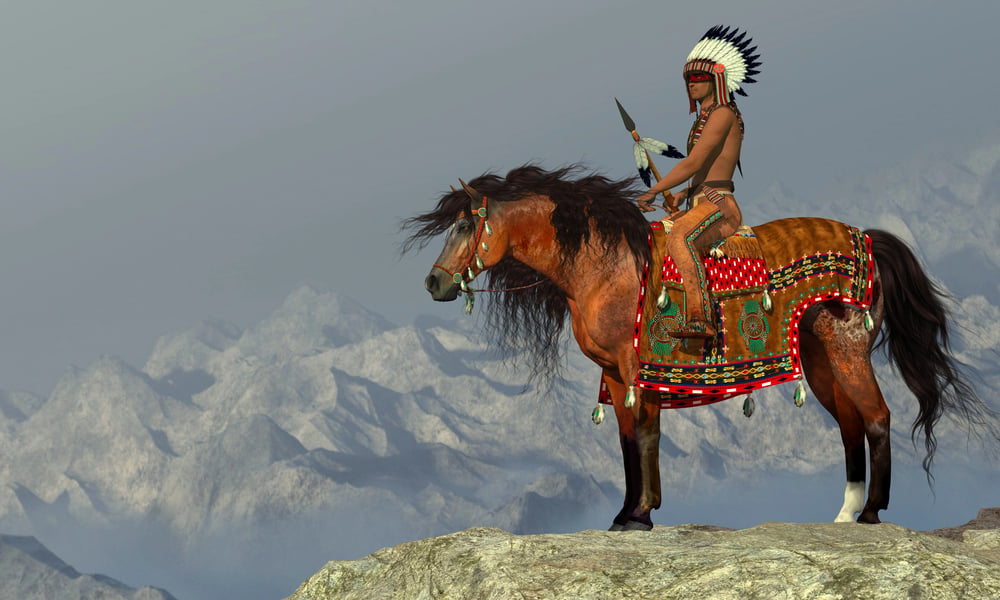
The portrayal of constant warfare between settlers and Native Americans wasn’t exaggerated. Conflicts were frequent and violent, driven by competing claims to land and resources.
Settlers pushed into territories that tribes had occupied for generations, leading to raids, ambushes, and full-scale battles. Both sides committed atrocities, and the violence escalated as more people moved west.
The U.S. military played a major role in displacing Native populations, often breaking treaties and forcing tribes onto reservations. These actions destroyed entire ways of life and caused suffering that lasted for generations.
The Hollywood version simplified a complex and tragic history, but the violence itself was very real.
Hanging was the preferred method of execution

Public hangings drew crowds, sometimes numbering in the hundreds. Executions were seen as entertainment as much as justice, with vendors selling food and people traveling from neighboring towns to watch.
The condemned were usually given a chance to speak before the noose was placed, and some used the moment to proclaim innocence or offer final thoughts. Not all hangings were official.
Vigilante justice was common in areas without established courts, and lynch mobs would take matters into their own hands. These extrajudicial killings were often hasty and brutal, targeting people based on suspicion or prejudice rather than solid evidence.
Ghost towns are real and still exist

When the resources ran out or the railroad bypassed a town, residents packed up and left. Buildings were abandoned, sometimes with furniture and goods still inside.
Over time, these places became ghost towns, frozen in the past. Some were reclaimed by nature, while others remained as eerie reminders of boom-and-bust economics.
Today, many ghost towns are tourist attractions, preserved to show what life was like during the frontier era. Walking through these empty streets gives a strange sense of stepping back in time.
The silence is striking, especially when imagining the noise and activity that once filled these spaces.
Poker games went on for days

Card games in saloons weren’t quick affairs. Players would sit at a table for hours, sometimes stretching into multiple days if the stakes were high enough.
Fortunes changed hands regularly, and some men lost everything they owned in a single game. Cheating was common, and accusations of foul play often led to violence.
Poker was more than just a pastime; it was a way to prove skill and nerve. The best players earned reputations that followed them from town to town.
Some professional gamblers made a living traveling the circuit, moving from one saloon to the next in search of the next big game.
Snakebite remedies were mostly useless

Rattlesnakes were a real danger, and people tried all sorts of treatments to survive a bite. Whiskey was a popular remedy, though it actually made things worse by increasing blood flow.
Cutting the wound and sucking out the venom was another common practice, but it rarely helped and often caused more harm. Most people just had to ride out the symptoms and hope for the best.
Medical knowledge was limited, and doctors were scarce in remote areas. Many snakebite victims died not from the venom itself but from infections caused by crude treatment methods.
Modern antivenin didn’t exist, so survival often came down to luck and the severity of the bite.
Bathing was actually rare

Water was scarce in many parts of the West, and hauling it from a well or river took effort. Most people didn’t bathe regularly, sometimes going weeks or even months between washes.
The stereotype of dusty, unwashed cowboys wasn’t far from reality. When people did bathe, it was often in a shared tub, with multiple family members or boarders using the same water.
The smell must have been overwhelming, though people at the time were used to it. Perfumes and colognes were popular for those who could afford them, used to mask body odor rather than eliminate it.
Public bathhouses existed in larger towns, offering a rare chance for a proper scrub.
Train heists weren’t just rumors – they actually happened

Trains hauled rich loads – like pay for miners and soldiers – which made them tempting prizes. Crooks halted these trains either by jamming rails or taking control of the staff.
Folks riding inside usually got mugged too, stripped of money, rings, watches, anything worth selling. Sure, those flashy tales of riders charging after chugging engines? Well, parts of that actually happened.
Railroad firms later brought in armed watchmen to guard their cargo. Yet a few of those men showed no mercy, sparking gunfights with bandits – blood spilled on either side.
Instead of calm, it turned into a chase full of traps and tricks between thieves and train investigators. This back-and-forth struggle shaped much of what defined that rough time.
Telegraph lines connected distant towns

The telegraph changed how people talked across the West, sending notes fast – no more waiting weeks. Places far apart started working together, swapping updates or asking for support when needed.
Cops sent alerts through wires, chasing down outlaws by warning nearby towns ahead of time. This tech helped folks on the edge feel a bit less cut off from everywhere else.
Luckily, some folks kept things running despite bandits aiming to disrupt messages; storms or sneaky attacks meant fixes almost daily. Still, wires stretched far quicker than anyone expected – tiny towns once left out now hooked up just like big cities.
The close of a time that keeps influencing now

The Old West didn’t stick around long – just a handful of decades – yet it left a mark that never faded. What we spot in films or novels wasn’t made up from scratch; plenty sprang from actual moments, real folks who survived wild times.
Knowing what really happened lets you peel fact from fiction, showing daily life more clearly. That edge of the map might’ve vanished, still its tales grab hold, pulling us back to days when America was still learning itself.
More from Go2Tutors!

- The Romanov Crown Jewels and Their Tragic Fate
- 13 Historical Mysteries That Science Still Can’t Solve
- Famous Hoaxes That Fooled the World for Years
- 15 Child Stars with Tragic Adult Lives
- 16 Famous Jewelry Pieces in History
Like Go2Tutors’s content? Follow us on MSN.



