TV Commercials That Got Pulled Immediately
Sometimes companies spend thousands or even millions of dollars creating advertisements that never make it past their first showing. These commercials get yanked off the air faster than you can grab your remote.
The reasons vary wildly, from public outrage to legal concerns, but they all share one thing in common. Someone seriously misjudged how viewers would react.
Here is a list of 16 TV commercials that companies pulled immediately after backlash.
Pepsi’s protest ad with Kendall Jenner
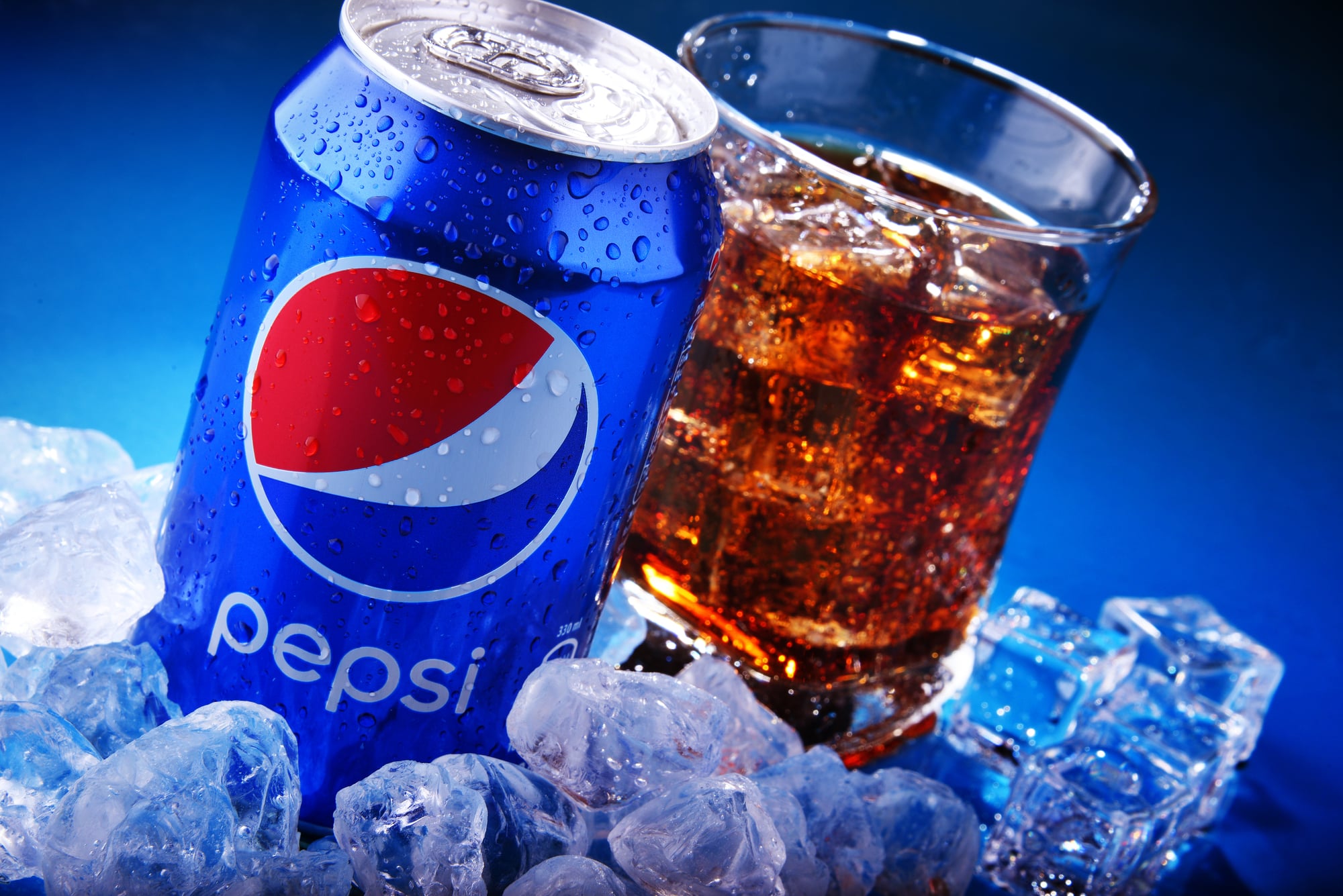
Pepsi released a commercial in April 2017 showing Kendall Jenner joining a protest march and handing a police officer a can of Pepsi. The crowd cheered as if the soda had solved all social tensions.
People immediately blasted the ad for treating serious protests like the Black Lives Matter movement as a party where a celebrity could fix everything with a soft drink. Pepsi pulled the commercial after just one day and apologized.
The company admitted they missed the mark in trying to project a message about unity, peace, and understanding.
GoDaddy’s lost puppy Super Bowl spot
GoDaddy planned to air a Super Bowl commercial in 2015 featuring a puppy that gets lost and struggles to find its way home. The puppy finally makes it back, and the owner says she’s glad it returned because she just sold it online using a website she built with GoDaddy.
Animal rights groups went crazy before the ad even aired on game day. Over 42,000 people signed a petition calling the commercial insensitive because it seemed to promote puppy mills and selling animals online.
GoDaddy pulled the ad the same day they released it publicly. CEO Blake Irving admitted they completely underestimated the emotional response.
Dove’s body wash transformation ad

Dove posted a three-second Facebook video in October 2017 showing a Black woman removing her shirt to reveal a white woman underneath. The ad was supposed to show women of different ethnicities using Dove products, but people saw something else entirely.
Social media exploded with accusations that Dove was suggesting their soap could turn Black skin white. This wasn’t even Dove’s first offense, as they had run a similar controversial ad back in 2011.
The company deleted the video and apologized within hours. Critics pointed out that a brand built on celebrating real beauty kept making the same mistakes.
Protein World’s beach body question

A billboard campaign in London’s Underground in April 2015 showed a woman in a bright yellow bikini next to the words ‘Are you beach body ready?’ More than 70,000 people signed petitions demanding the ads come down.
Protesters wearing swimsuits gathered in Hyde Park to demonstrate against what they called body shaming. The Advertising Standards Authority received 378 complaints and banned the ads from appearing again due to health claims.
Transport for London removed the posters when the three-week contract ended. The company’s CEO called critics ‘terrorists,’ which made things even worse.
Nando’s dictator dinner party

South African restaurant chain Nando’s created a commercial in 2011 showing infamous dictators having dinner together. Robert Mugabe sat alone looking sad after his fellow tyrants had died, leaving him as the last one alive.
The ad was supposed to be darkly funny, but it crossed a line for many viewers. Zimbabwe’s government condemned the commercial, and South Africa’s ruling party called it offensive.
Nando’s pulled the ad and apologized for any offense caused. The company had a history of pushing boundaries with humor, but this time they pushed too far.
Burger King’s super-sized innuendo

Burger King ran a print ad in 2010 for its Tendercrisp chicken sandwich that showed a woman with her mouth open facing the sandwich with text reading ‘It’ll blow your mind away.’ The imagery and wording created an obvious adult reference that people found inappropriate for a family restaurant.
Parents complained that children would see the ads. Burger King quickly pulled the campaign from circulation.
The company had been known for edgy advertising, but this crossed from edgy into crude.
Bud Light’s questionable slogan

Bud Light launched a campaign with the slogan ‘The perfect beer for removing no from your vocabulary for the night.’ The company put this phrase on bottles in 2015.
Critics immediately pointed out that the message sounded like it encouraged ignoring consent. Social media users called out the dangerous implications of suggesting people should remove ‘no’ from their vocabulary.
Bud Light apologized and stopped using the slogan within days. The company said they missed the mark and didn’t intend any negative connotation.
Volkswagen’s gender stereotype commercial

Volkswagen created an ad in 2019 for the eGolf showing a man flicking a woman away like she was a toy figure. The commercial also featured people of color in stereotypical settings compared to white people shown in more positive scenarios.
Germany’s advertising council received numerous complaints about both the gender dynamics and racial overtones. Volkswagen apologized and removed the ad from circulation.
The automaker admitted the commercial did not meet their own standards for diversity and respect.
Land Rover’s parking sensor mishap

Land Rover released a commercial in 2022 showing a vehicle using its parking sensors to avoid hitting a baby stroller at the edge of a cliff. The car stops just in time, but the implication that a baby was in danger for a car commercial horrified parents.
Social media users called the ad tasteless and disturbing. Land Rover quickly pulled the commercial after complaints rolled in.
The company acknowledged the ad was inappropriate and failed to consider how parents would react.
Popchips with Ashton Kutcher

Popchips ran a commercial in 2012 featuring Ashton Kutcher playing multiple characters looking for love, including one named Raj. For this character, Kutcher wore brownface makeup and spoke in an exaggerated Indian accent.
People immediately called out the ad as racist and offensive. Kutcher and the company both apologized within 24 hours.
Popchips removed the ad from all platforms. The actor said he was ‘so sorry’ and never intended to offend anyone.
Philadelphia Cream Cheese babysitter spot
Kraft ran a commercial in 2019 showing two dads preparing to go out while getting ready to leave their baby with a sitter. The ad showed them forgetting the actual baby while remembering to bring Philadelphia Cream Cheese bagels.
Parents found the joke about forgetting a child deeply unfunny and potentially harmful. The company received complaints arguing the ad made light of child safety.
Philadelphia pulled the commercial and issued an apology. They admitted the humor didn’t land the way they intended.
Tango’s slapping orange man

British soft drink Tango ran a commercial in the 1990s featuring an orange man running up to people and slapping them across the face. The tagline was ‘You know when you’ve been Tangoed.’
Schools reported kids copying the commercial and actually slapping each other, causing injuries. The Advertising Standards Authority received complaints about violence and copycat behavior.
Tango pulled the ad and created a new version where the orange man kissed people instead. The kiss version got pulled too when it encouraged different but equally unwanted behavior.
Audible’s fridge horror

Audible aired an ad in Australia where a woman opens her fridge and sees a guy inside, handing her a free audiobook trial. But folks reacted fast – said it felt more like breaking and entering than humor.
Safety groups stressed that surprise strangers at home isn’t a joke. Viewers slammed the brand for being clueless and unsettling.
So the company pulled the spot pretty quick. They admitted they didn’t think about how creepy it might seem.
Nissan Tiida’s double meaning

Nissan ran a quirky ad in New Zealand for its Tiida, slipping in lines that sounded innocent but hinted at grown-up stuff. Instead of just listing specs, the script played with words that could mean something cheeky between two people.
Folks who watched with kids weren’t happy – said it popped up when families were tuned in. Because of that fuss, the local watchdog group stepped in.
They agreed the message was too suggestive, ruling the humor crossed a line. Nissan took down the commercials – then said yeah, those weren’t okay.
They owned up, saying they got the crowd wrong along with how the message came off when selling cars.
Xbox’s launch party turned into a mess

Back in 2002, Microsoft made a bizarre Xbox ad shown in parts of Europe – only for a short time. A woman gives birth on screen; it’s intense, very up close.
The newborn flies out, zips through the air while growing fast into an elder. He ends up crashing into a coffin as an aged guy.
Their slogan? “Life is short. Play more.” But viewers were shocked – many called it gross, even offensive.
After tons of angry reactions, they yanked the spot quickly. Birth plus death packed into seconds felt jarring, not clever.
Microsoft said sorry – after that, they didn’t show the ad anymore. They were aiming for bold, yet came off as rude instead.
Silent Night, Deadly Night movie trailer

TriStar Pictures showed TV spots in ’84 for a scary flick with a violent Santa figure. Because kids saw those creepy ads during evening cartoons, moms and dads got really upset.
Reaction hit fast – huge backlash erupted, as neighborhood watch crews started rallies online. Big cinema operators canceled all screenings on the spot.
TriStar pulled the ads then dropped the film with barely any promotion. That uproar made studios think harder about timing and tactics for marketing scary movies.
From bad ideas to lessons learned

Businesses pour tons of cash into studying and making ads, but somehow they still upset people just minutes after going live. Online reactions hit harder and quicker these days because of platforms where everyone talks at once.
Stuff that used to simmer for weeks now blows up overnight. When campaigns get yanked like this, it shows no brand is immune – even with expert crews behind them.
The main issue behind many of these blunders? Not thinking about how various audiences might understand the message. Nowadays, marketing squads get examined way more closely – yet this pressure actually stops damaging material from spreading to tons of unsuspecting eyes.
More from Go2Tutors!

- The Romanov Crown Jewels and Their Tragic Fate
- 13 Historical Mysteries That Science Still Can’t Solve
- Famous Hoaxes That Fooled the World for Years
- 15 Child Stars with Tragic Adult Lives
- 16 Famous Jewelry Pieces in History
Like Go2Tutors’s content? Follow us on MSN.