13 Classroom Items Every 80s Student Remembers
Walking into an 80s classroom was like entering a time capsule filled with analog wonders that today’s digital natives would find completely foreign. These were the days when technology meant overhead projectors and mimeograph machines, not tablets and smart boards. The classroom experience relied on physical objects that students could touch, smell, and sometimes accidentally break.
Every 80s kid has vivid memories of these educational artifacts that defined their school years. Here is a list of 13 classroom items every 80s student remembers.
Overhead Projectors
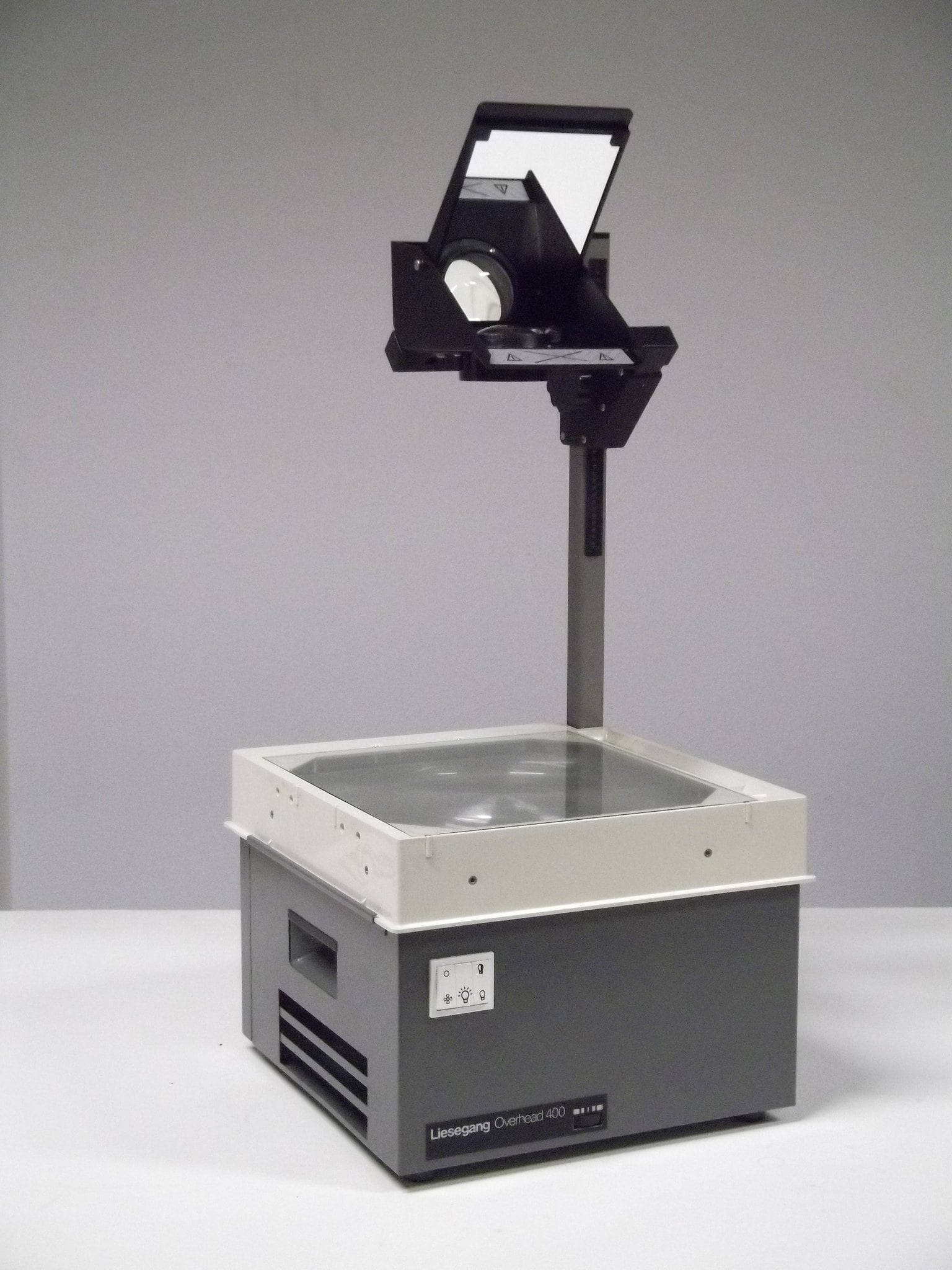
These bulky machines dominated the front of every classroom, casting grainy images onto pull-down screens with their bright, hot bulbs. Teachers would scribble notes on transparent plastic sheets—often smudging the ink while trying to write quickly during lessons.
The projector’s loud cooling fan provided constant background noise, while students secretly enjoyed watching dust particles dance in the beam of light.
Mimeograph Machines

The distinctive purple ink and chemical smell of freshly copied worksheets became synonymous with test day anxiety. Teachers would crank out copies using this messy process—often resulting in smudged text that was barely readable by the time it reached the last student in line.
That unique solvent smell was so strong that many students developed the habit of sniffing their fresh worksheets, creating an entire generation with oddly specific nostalgic triggers.
Apple IIe Computers
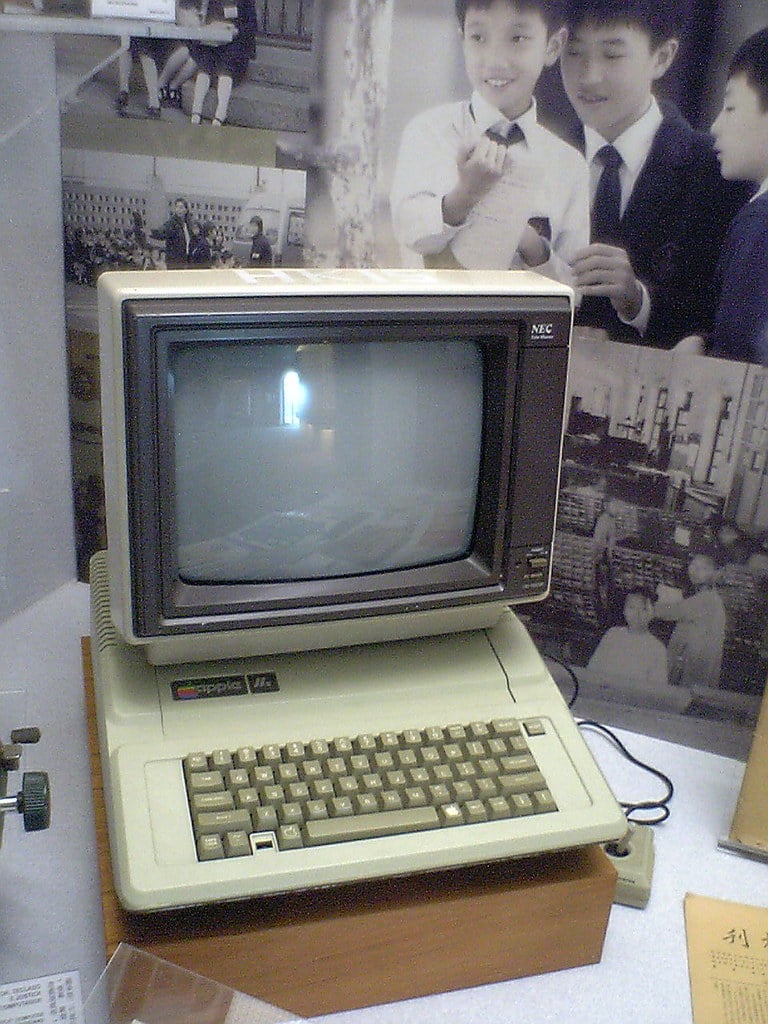
These beige plastic monuments to early computing occupied entire classroom corners, complete with their green-text monitors and external floppy disk drives. Students learned basic programming concepts through simple games like Oregon Trail—dying of dysentery became a shared cultural experience.
The computers’ 64K of memory seemed impossibly advanced at the time, though they couldn’t even display photographs.
Filmstrip Projectors
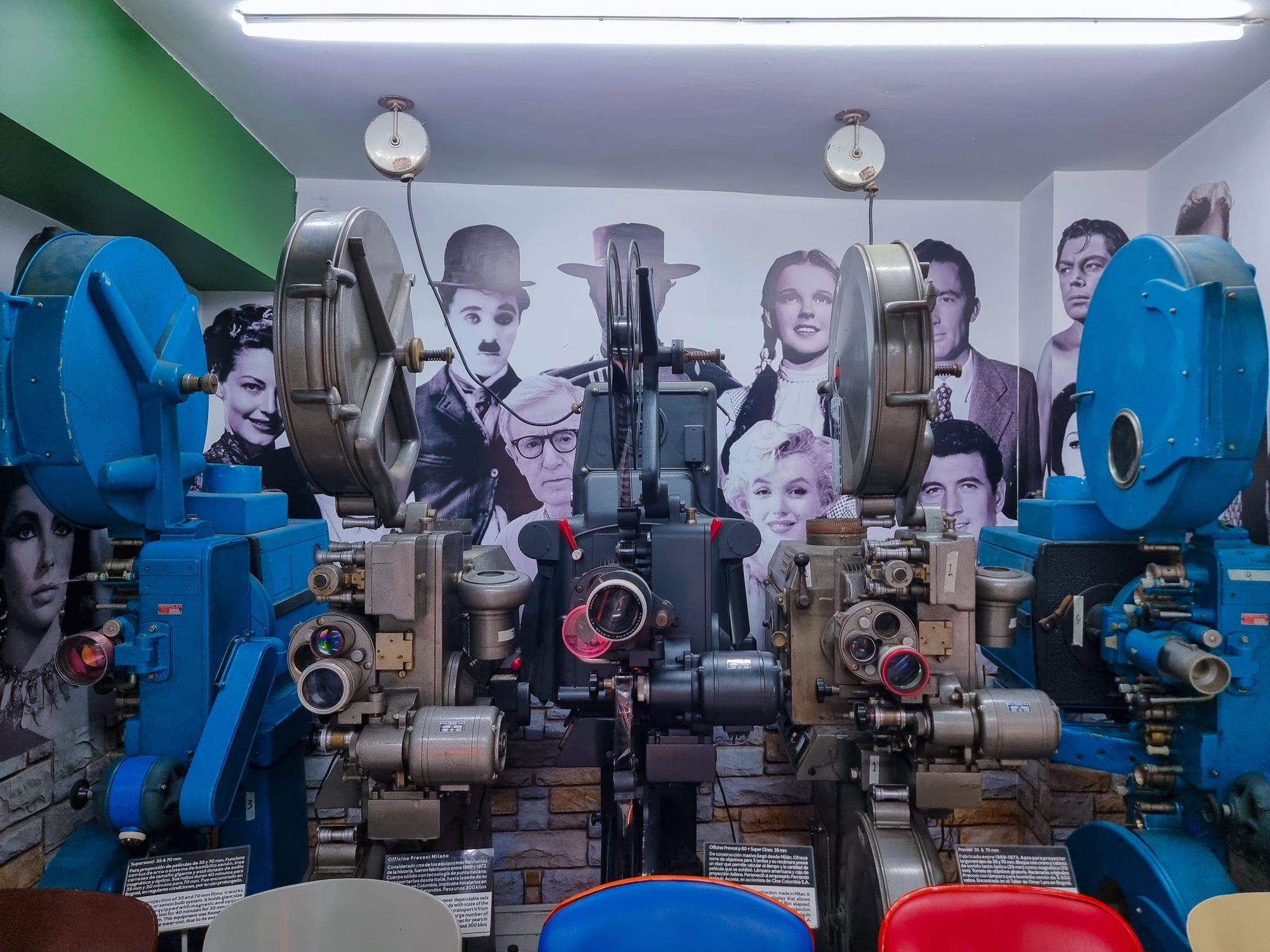
The distinctive ‘beep’ that signaled advancing to the next frame became as familiar as the school bell itself. These machines paired with cassette tapes to deliver educational content about everything from dinosaurs to dental hygiene—often featuring dated graphics and cheesy narration.
When the filmstrip inevitably jammed or the audio got out of sync, teachers would frantically adjust knobs while students snickered at the mechanical difficulties.
Pencil Sharpeners
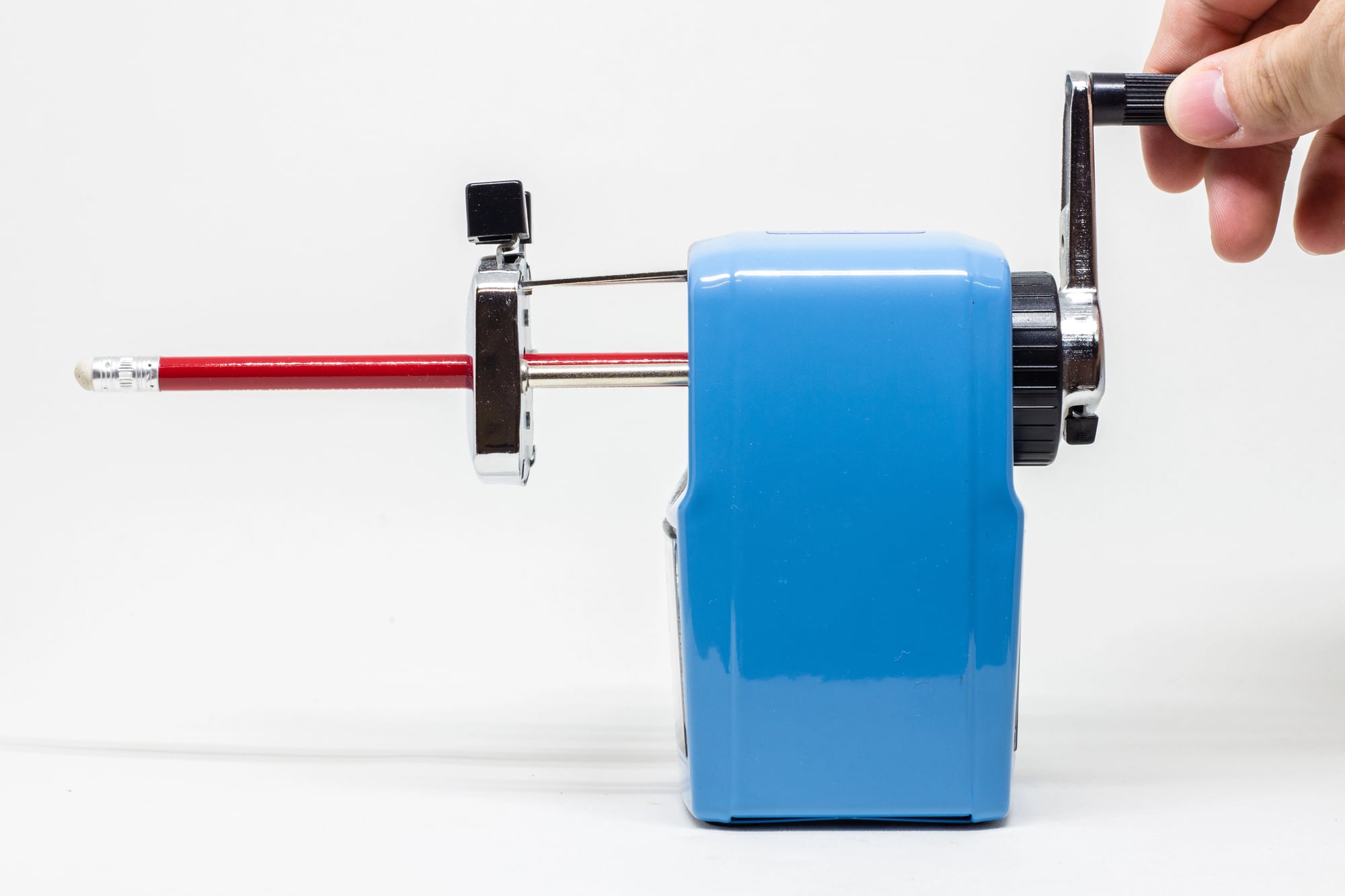
The satisfying grinding sound of a quality wall-mounted sharpener was music to every student’s ears. These heavy-duty devices could handle anything from standard No. 2 pencils to colored pencils—though overzealous sharpening often resulted in pencils whittled down to unusable nubs.
The best sharpeners left perfectly pointed tips, while cheaper models would eat pencils and leave jagged wooden splinters.
Chalkboards and Erasers
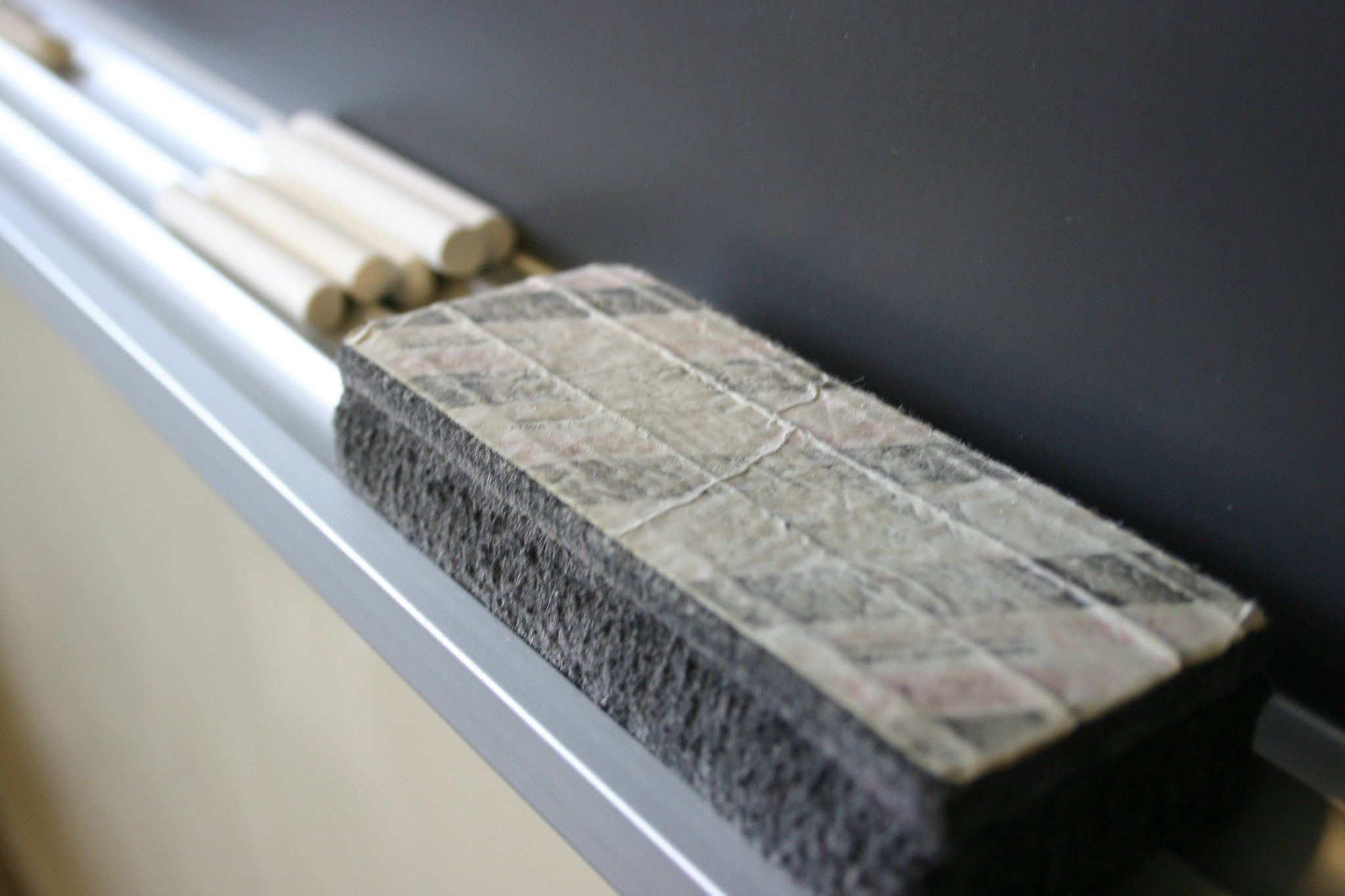
Real slate blackboards required proper chalk technique to avoid the fingernails-on-chalkboard screech that made everyone cringe. Cleaning erasers became a coveted after-school job—students would clap them together outside, creating massive dust clouds while pretending to help.
The combination of chalk dust and eraser residue left a distinctive white film on everything, contributing to classroom air quality that would horrify modern health inspectors.
Record Players
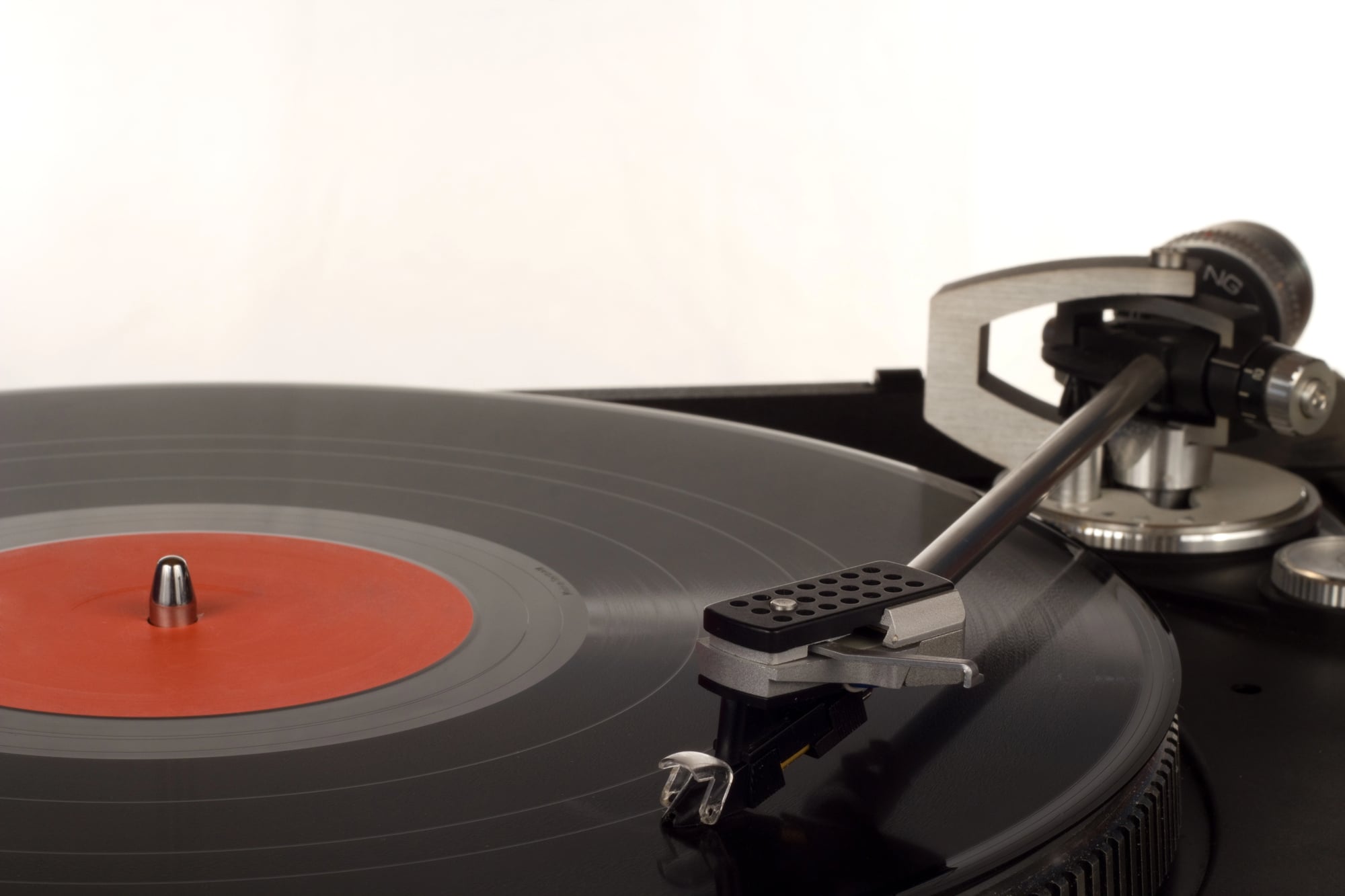
These portable turntables brought music and language lessons into classrooms through scratchy vinyl records. Teachers would carefully place the needle on specific tracks—often struggling with records that skipped or played at the wrong speed.
Educational albums covered everything from multiplication tables set to music to foreign language pronunciation guides, creating audio memories that lasted long after the records themselves were retired.
Slide Rules
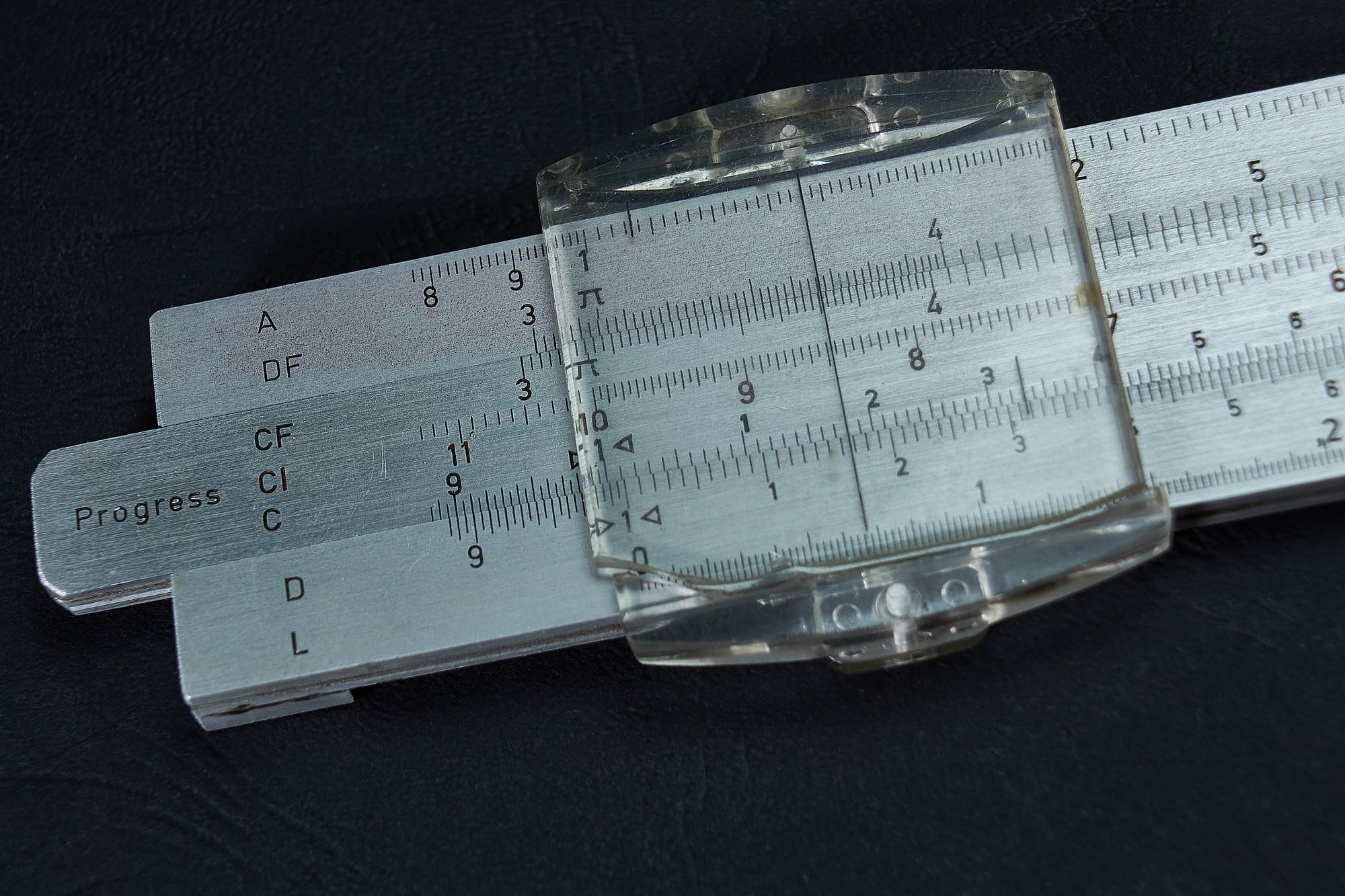
Mathematics classes featured these analog computing devices that seemed impossibly complex to students raised on calculators. Teachers would demonstrate logarithmic calculations using the sliding scales—though most students never quite mastered the technique.
The slide rule represented the last gasp of pre-digital mathematical tools, making students who could use them effectively seem like mathematical wizards to their classmates.
Card Catalogs

School libraries relied on these wooden filing systems filled with thousands of index cards to help students locate books. Finding research materials required understanding the Dewey Decimal System—skills that seemed incredibly important at the time.
Students would rifle through endless cards, often getting distracted by interesting titles they discovered accidentally while searching for assigned topics.
Typewriters
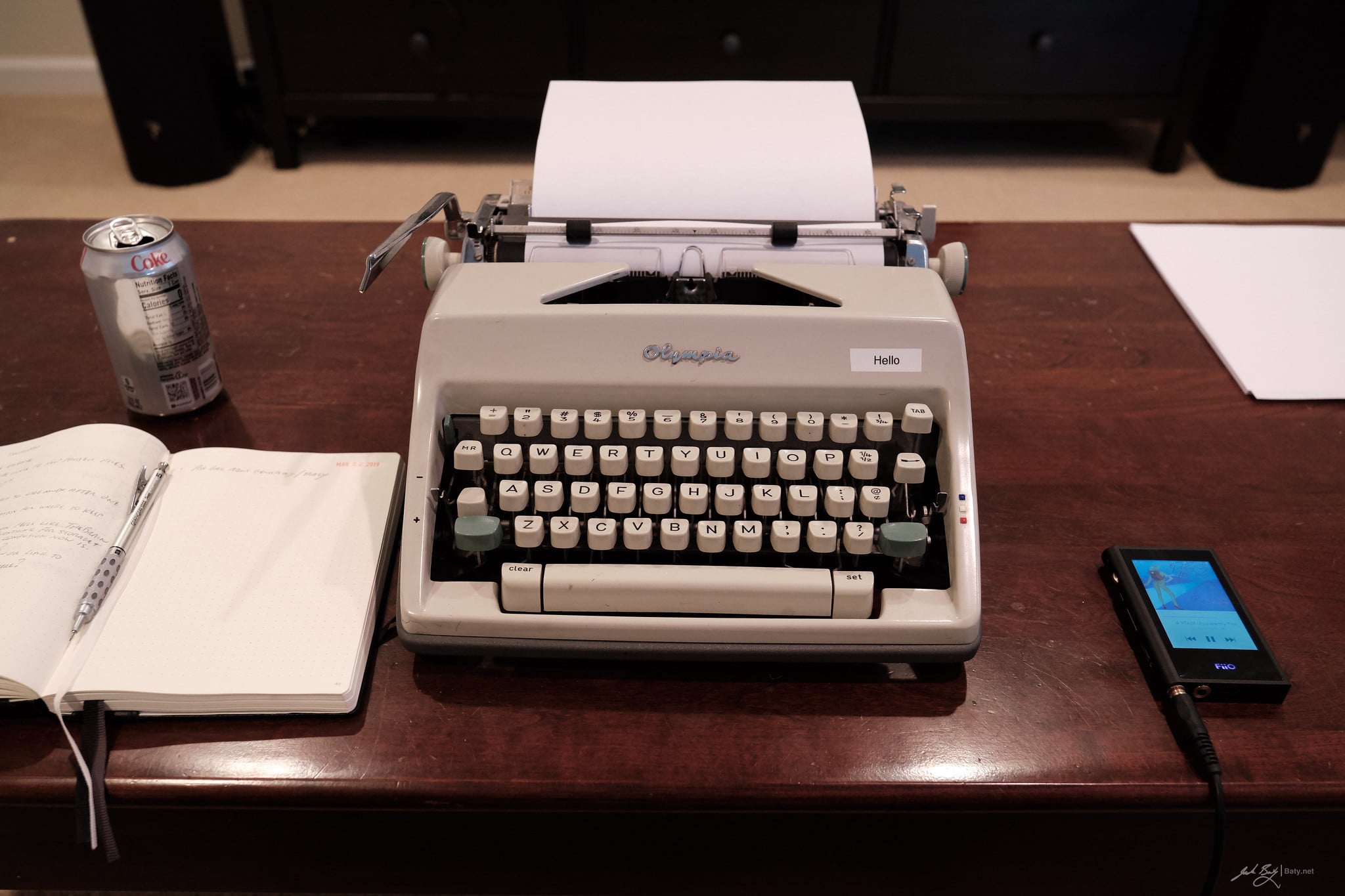
Typing classes featured rows of manual and electric typewriters that taught proper finger placement through repetitive exercises. The satisfying ‘ding’ of the margin bell and the zip of the carriage return became familiar sounds in every school building.
Correction ribbon and white-out were essential supplies, since mistakes couldn’t simply be deleted like on modern computers.
Wall Maps
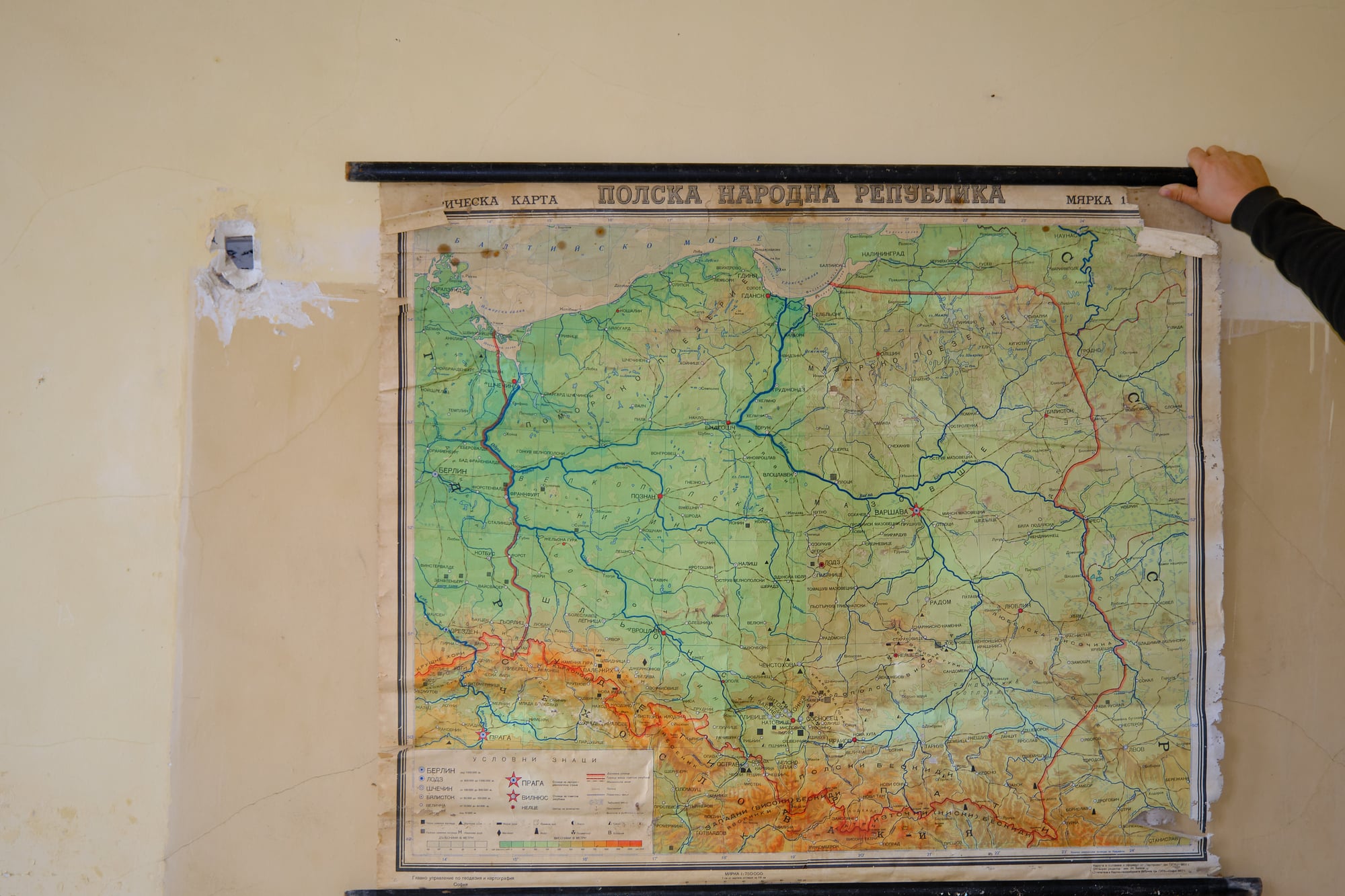
Enormous pull-down maps covered classroom walls, featuring everything from world geography to historical events marked with colored pins. Teachers would use long wooden pointers to indicate specific locations during geography lessons, while students memorized state capitals and country locations.
These maps often featured political boundaries that changed during the decade, making some classroom versions historically inaccurate by the time students graduated.
Encyclopedias
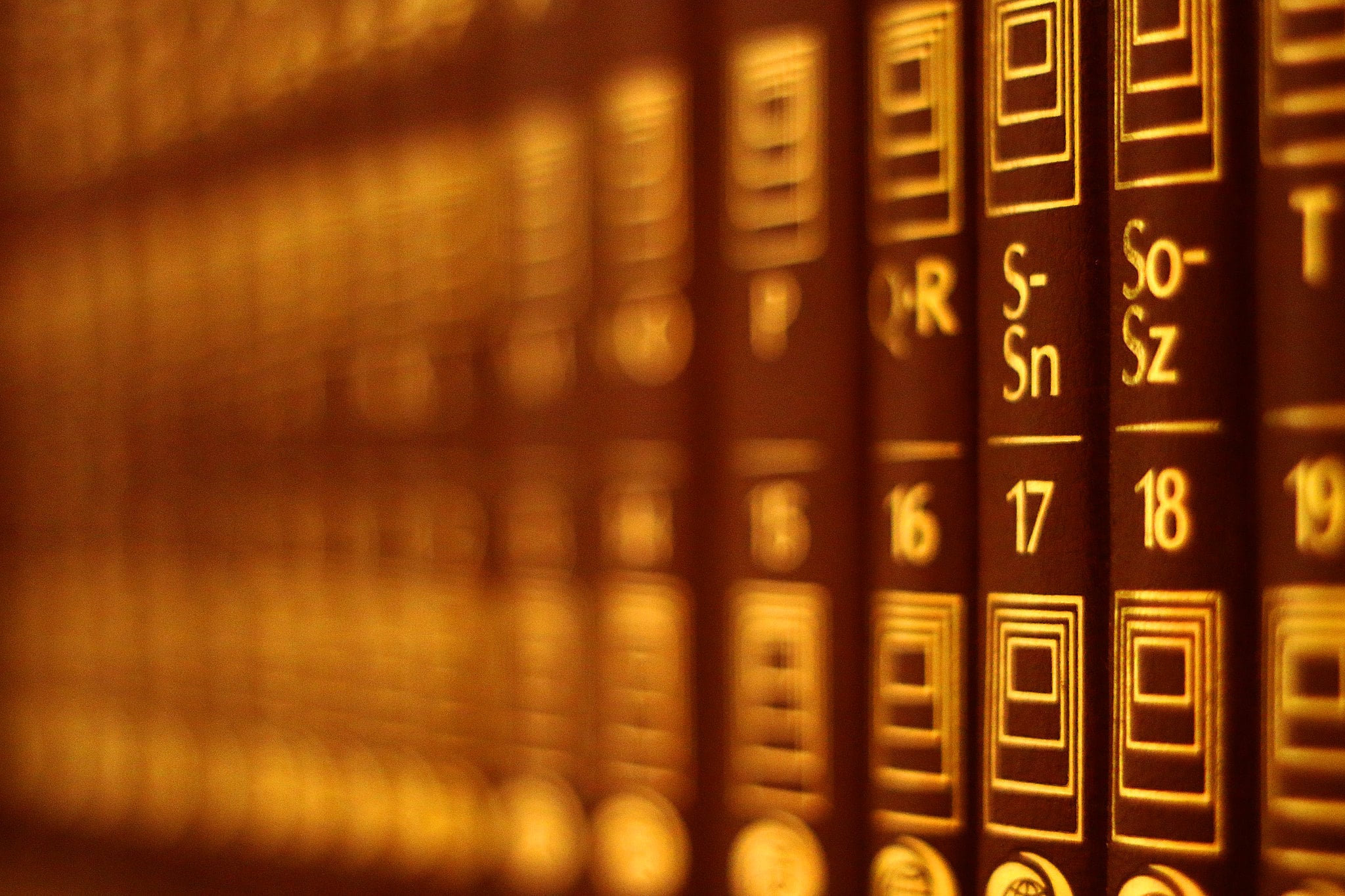
Complete sets of these heavy reference books occupied entire shelves in every classroom and library, representing the ultimate source of factual information. Students would lug individual volumes to their desks for research projects—often discovering fascinating tangents while looking up assigned topics.
The annual encyclopedia updates seemed incredibly important, though by the time new volumes arrived, much of the information was already outdated.
VHS Players
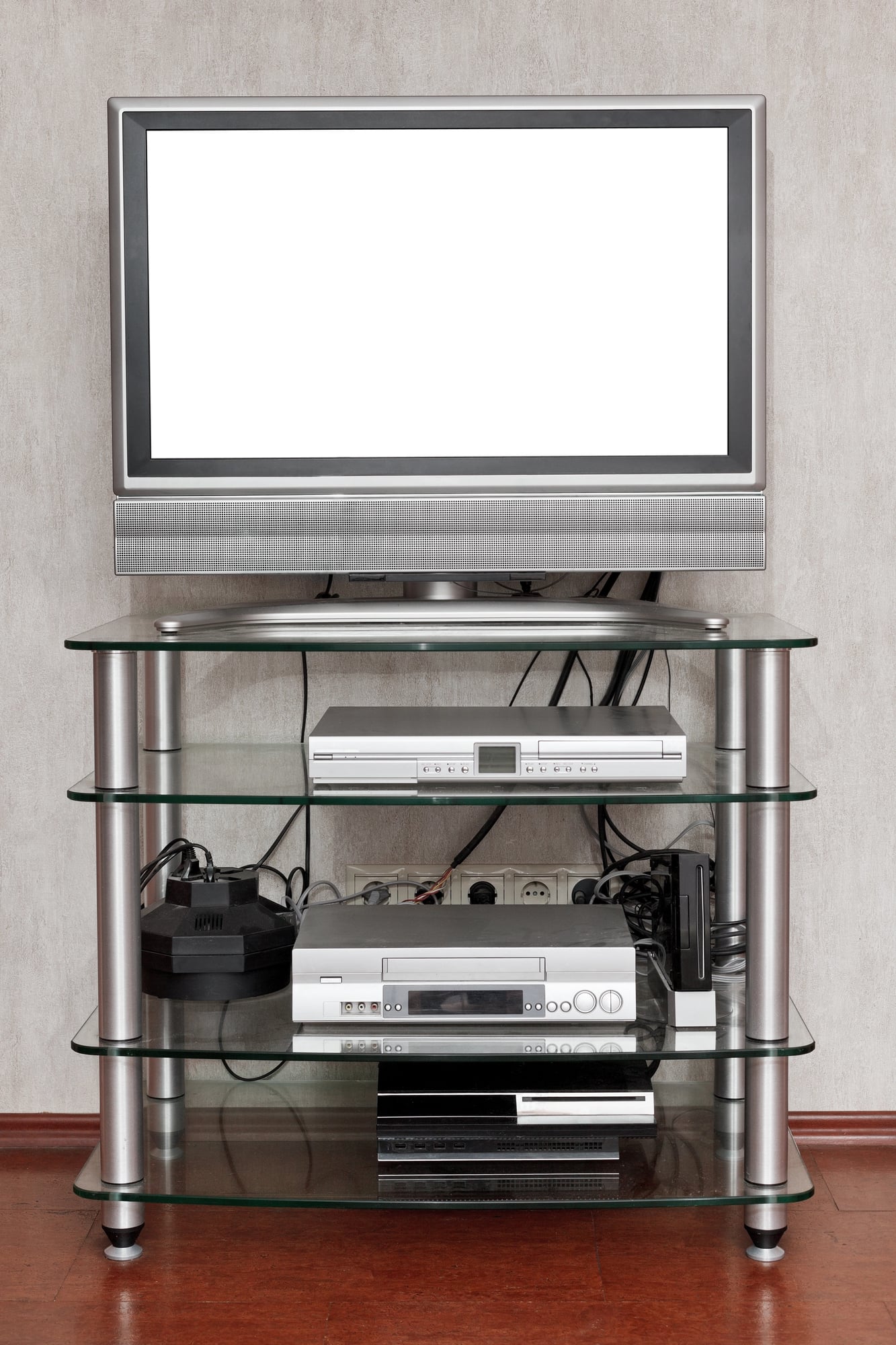
The arrival of VHS technology revolutionized classroom entertainment, though the machines were expensive enough that schools often had just one or two per building. Teachers would wheel in these precious devices on metal carts for special occasions—usually educational programs or Friday afternoon movies.
The ritual of rewinding tapes and the anxiety of a tape getting eaten by the machine became part of the classroom experience.
When Analog Was King
These physical classroom tools created tactile learning experiences that engaged multiple senses in ways that digital technology rarely matches. Students developed problem-solving skills by dealing with mechanical failures, patience through slower processes, and appreciation for information that required effort to obtain.
The 80s classroom environment fostered a different relationship with technology and learning—one where tools were meant to be understood, maintained, and respected rather than simply used and discarded. Those analog experiences shaped an entire generation’s approach to education, work, and life in ways that continue influencing how they interact with today’s digital world.
More from Go2Tutors!

- The Romanov Crown Jewels and Their Tragic Fate
- 13 Historical Mysteries That Science Still Can’t Solve
- Famous Hoaxes That Fooled the World for Years
- 15 Child Stars with Tragic Adult Lives
- 16 Famous Jewelry Pieces in History
Like Go2Tutors’s content? Follow us on MSN.