Outstanding Movie Directors of the 1980s
The 1980s transformed Hollywood into what we recognize today. This decade gave birth to the modern blockbuster, redefined special effects, and introduced filmmakers who understood that movies could be both commercially successful and artistically ambitious.
Directors during this era weren’t just making films—they were creating cultural phenomena that would influence generations of moviegoers and filmmakers alike. Here is a list of outstanding movie directors whose work defined cinema throughout the 1980s.
Steven Spielberg

Spielberg dominated the 1980s more completely than perhaps any director in history, releasing landmark films like Raiders of the Lost Ark and E.T. the Extra-Terrestrial while also producing massive hits including Back to the Future and Gremlins. Raiders of the Lost Ark became the highest-grossing film of 1981 and spawned a franchise that continues today, while E.T. became the highest-grossing movie of all time up to that point.
His later work in the decade diversified into more serious territory with The Color Purple and Empire of the Sun, demonstrating his range beyond adventure films. Spielberg’s ability to blend classical filmmaking techniques with cutting-edge technology essentially defined what big-budget cinema could achieve.
His fingerprints were everywhere during the decade, and he cemented his status as Hollywood’s most bankable director.
John Hughes
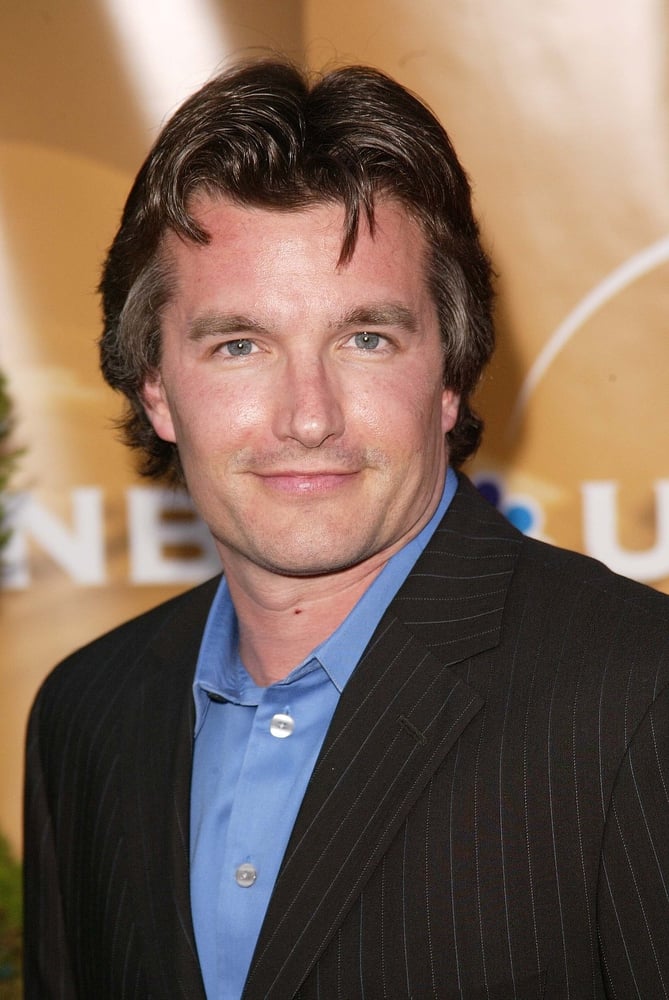
Hughes established himself as the voice of teenage America with coming-of-age classics like Sixteen Candles, The Breakfast Club, Weird Science, and Ferris Bueller’s Day Off, all released between 1984 and 1986. Most of his work was set in Chicago and combined slapstick comedy with heartfelt moments, launching the careers of actors like Molly Ringwald, Matthew Broderick, and Anthony Michael Hall.
Hughes allegedly wrote Ferris Bueller’s Day Off in four days and The Breakfast Club in just two days, never attending film school or studying cinema formally. His films captured adolescent anxieties and joys with unprecedented authenticity, creating a template for teen movies that persists decades later.
Hughes also branched into adult comedies with Planes, Trains and Automobiles, proving his storytelling skills transcended age demographics.
Martin Scorsese
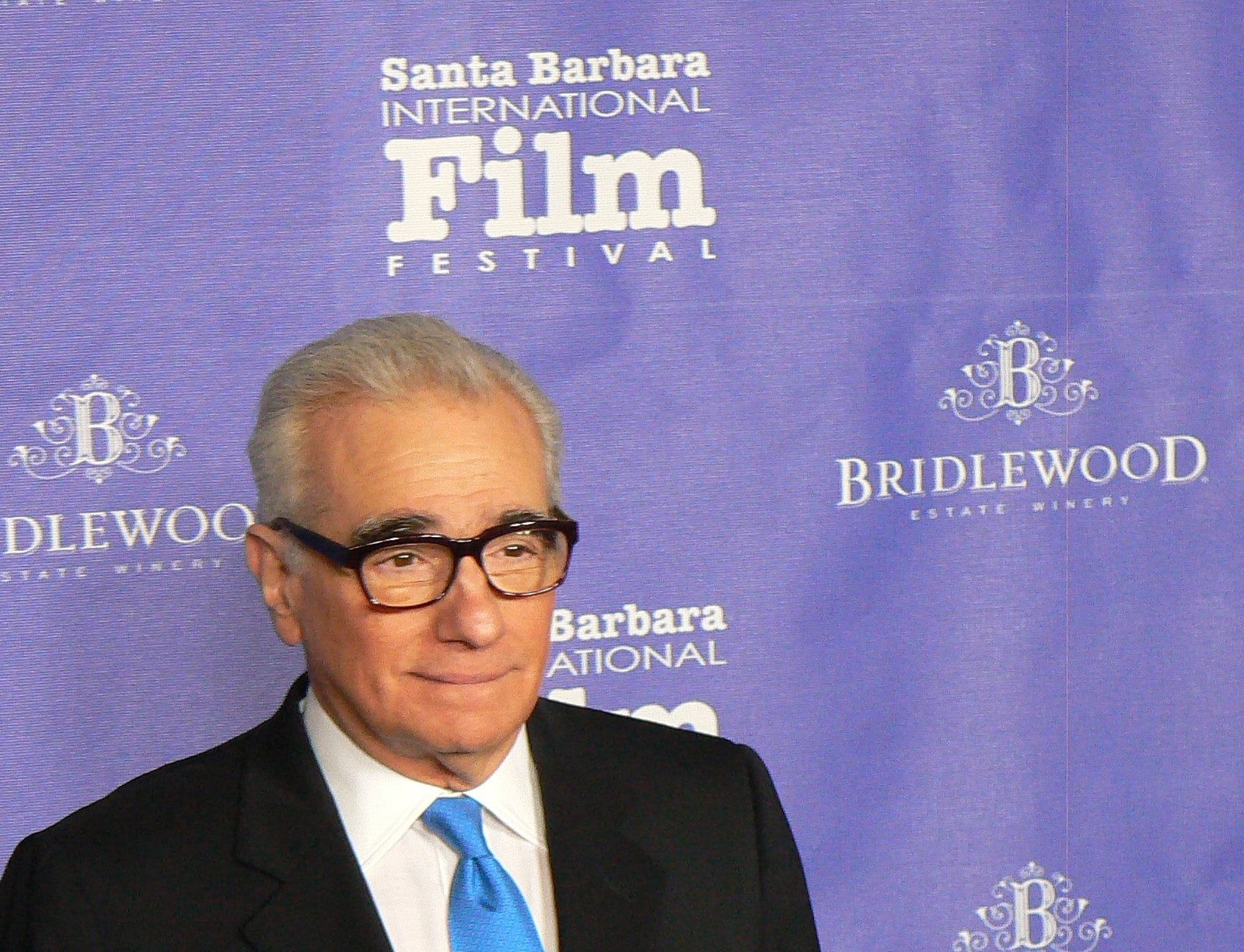
Scorsese began the decade with Raging Bull, a brutal yet beautiful boxing drama featuring a towering Oscar-winning performance from Robert De Niro that many consider one of his greatest films. The King of Comedy in 1982 featured De Niro as a delusional aspiring comedian, while After Hours in 1985 was an amusing diversion shot on location in New York.
His controversial The Last Temptation of Christ in 1988 presented Jesus as a morally complex figure struggling with doubt, earning Scorsese his second Oscar nomination for Best Director despite protests from religious groups. The Color of Money reunited him with Paul Newman, who won his first Oscar for reprising his role as pool hustler Fast Eddie Felson.
Throughout the decade, Scorsese proved himself a master of both intimate character studies and ambitious historical epics, never sacrificing his distinctive visual style.
James Cameron
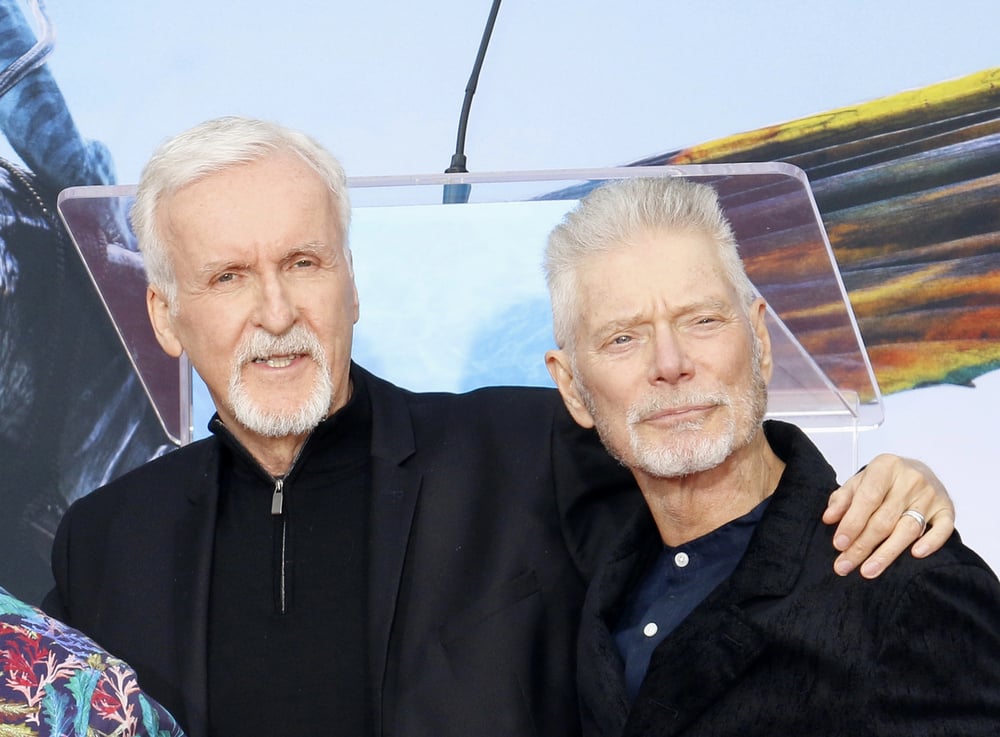
Cameron wrote and directed The Terminator in 1984, a low-budget science fiction thriller that became a surprise mainstream success and is now regarded as one of the most iconic films of the decade. He followed with Aliens in 1986, transforming Ridley Scott’s horror classic into a relentless action-war film that succeeded both critically and commercially, within an exclusive list of sequels that matched or surpassed their predecessors.
During mid-1983, Cameron worked on three major scripts simultaneously—The Terminator, Rambo: First Blood Part II, and Aliens—spending four months hopping between three desks writing scenes at a furious rate. He closed the decade with The Abyss in 1989, an ambitious underwater science fiction film that showcased his interest in visual effects innovation.
Cameron established himself as a director who could blend spectacular action sequences with thoughtful science fiction themes, creating characters audiences genuinely cared about amid the explosions.
Tim Burton
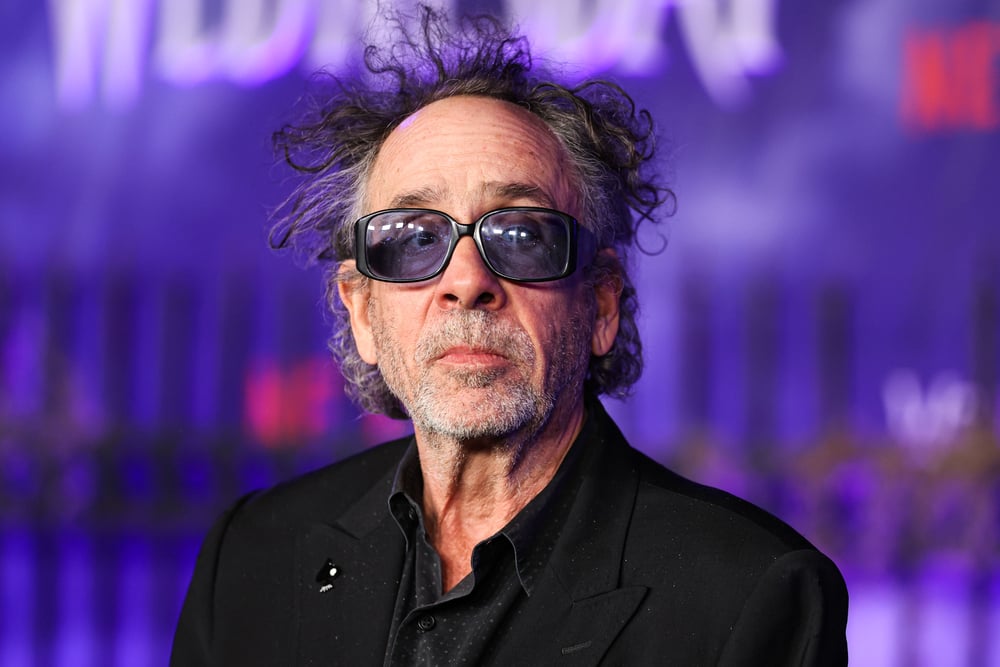
Burton made his feature debut with Pee-wee’s Big Adventure in 1985, then announced his arrival as a major talent with Beetlejuice in 1988, a supernatural comedy horror that grossed over $80 million and won an Academy Award for Best Makeup. His biggest triumph came with Batman in 1989, which became a cultural phenomenon despite initial fan outcry over casting Michael Keaton in the title role.
The production was plagued with problems, including fierce debates over casting, but Burton’s gothic vision for Gotham City and his insistence on psychological depth over pure action created something genuinely distinctive. Burton’s dark, twisted aesthetic—featuring gothic imagery, quirky characters, and a blend of horror with whimsy—became instantly recognizable.
He proved that mainstream blockbusters didn’t need to be safe or sanitized, bringing a genuine artistic sensibility to commercial filmmaking that inspired countless imitators.
Robert Zemeckis

Zemeckis gained prominence directing the science fiction comedy Back to the Future trilogy beginning in 1985, working with composer Alan Silvestri who would score all his subsequent pictures. His 1988 film Who Framed Roger Rabbit combined live action and traditional animation in groundbreaking ways, with a budget of $70 million making it one of the most expensive films ever made at the time, earning both financial success and three Academy Awards.
Before these successes, Zemeckis had struggled to find work in the early 1980s after his first films bombed, keeping busy by writing scripts until Michael Douglas hired him to direct Romancing the Stone in 1984. Zemeckis demonstrated an almost supernatural ability to blend cutting-edge visual effects with heartfelt storytelling, never letting technical wizardry overwhelm the human elements of his narratives.
His films felt simultaneously nostalgic and futuristic, capturing something essential about American optimism while pushing cinema forward technologically.
Ridley Scott

Scott made his mark with Alien in 1979 and followed with Blade Runner in 1982, which received a lukewarm initial reception but gradually achieved cult status as one of the most important science fiction movies ever made. He followed with Legend in 1985, a fantasy film that was initially a box office disaster but later found a cult following, barely making its budget back during its theatrical run.
Scott’s stunning visuals—he personally sketches most of his own storyboards left-handed with great artistic style—and his atmospheric lighting became hugely influential on subsequent generations of filmmakers. James Cameron commented about Scott’s influence, praising his beautiful photography and visceral sense of presence in his films.
Scott’s meticulous attention to production design and his ability to create fully realized worlds set new standards for visual storytelling in science fiction cinema.
Oliver Stone

Stone achieved prominence in 1986 with two films: the critically acclaimed Salvador about the El Salvador uprisings, and Platoon, his semi-autobiographical Vietnam War drama that won Academy Awards for Best Picture and Best Director. He followed with Wall Street in 1987, starring Michael Douglas in an Oscar-winning performance as ruthless corporate raider Gordon Gekko, drawing on memories of Stone’s father’s career as a stockbroker.
Born on the Fourth of July in 1989 earned Stone his second Best Director Oscar and featured Tom Cruise as paralyzed veteran Ron Kovic, becoming the tenth highest-grossing film of that year. Stone enlisted in the Army in 1967 and served in Vietnam, receiving two Purple Hearts and a Bronze Star, experiences that profoundly shaped his filmmaking perspective.
His intense, ambitious approach to controversial subjects made him one of the decade’s most talked-about directors, willing to tackle difficult material others avoided.
John Carpenter

Carpenter delivered a remarkable run of b-movie action classics including Escape From New York, The Thing, Christine, Starman, Big Trouble in Little China, Prince of Darkness, and They Live—eight theatrical films throughout the decade. Each film bears distinctly Carpenter signatures and nearly all are considered near-classics in their own way, with Hollywood currently remaking or having remade four consecutive films he made from Assault on Precinct 13 through Escape From New York.
His low-budget genre work influenced an entire generation of filmmakers who grew up watching his films on VHS, memorizing dialogue and studying his efficient visual storytelling. Carpenter proved that limited resources needn’t limit ambition, crafting memorable sci-fi and horror experiences that prioritized atmosphere and tension over expensive effects.
David Lynch

Lynch brought his unique offbeat sensibilities to The Elephant Man in 1980, achieving enormous critical and commercial success despite its dark subject matter, then struggled with the hugely expensive commercial disaster Dune in 1984. He redeemed himself with Blue Velvet in 1986, his most personal and original work since his debut, which became a classic for its surreal exploration of suburban darkness.
Lynch later won the top prize at the Cannes Film Festival with Wild at Heart in 1990 and achieved huge cult following with his surreal TV series Twin Peaks. Lynch’s dreamlike imagery and willingness to embrace the bizarre carved out a unique space in American cinema, proving audiences would embrace challenging, unconventional narratives if executed with enough confidence and vision.
Brian De Palma

De Palma’s impressive 1980s output included Dressed to Kill, Blow Out, Scarface, Body Double, Wise Guys, The Untouchables, and Casualties of War—seven films showcasing his Hitchcockian style and controversial subject matter. His technical virtuosity with split screens, long takes, and elaborate set pieces made him a favorite among film students and critics who appreciated his formal daring.
De Palma walked a tightrope between art and exploitation, creating stylish thrillers that generated intense debate about violence, voyeurism, and cinematic ethics. His work with actors like Al Pacino and Brian De Niro resulted in several defining performances of the decade.
Woody Allen

The 1980s represented Woody Allen’s best decade according to many critics, with films ranging from his funniest comedies to his most dramatically ambitious work. Allen maintained an astonishing work rate, releasing roughly one film per year throughout the decade while experimenting with different genres and tones.
His New York-centric stories combined intellectual wit with emotional depth, and he worked with an ever-expanding ensemble of talented actors who relished his literate scripts. Allen’s productivity and consistency during this period cemented his reputation as one of American cinema’s most essential voices.
Spike Lee

Lee’s films reached their height during the late 1980s and early 1990s, with his masterpiece Do the Right Thing becoming one of the few films to deal openly and effectively with racial representations on screen. Along with She’s Gotta Have It and School Daze, Lee gave the African American community a voice they had never had before in major American cinema.
His energetic visual style, use of music, and willingness to confront uncomfortable truths about race in America brought a fresh perspective to Hollywood. Lee proved that films addressing serious social issues could also be entertaining, stylish, and commercially viable, opening doors for future generations of Black filmmakers.
Terry Gilliam

Gilliam broke away from his Monty Python roots to create wildly imaginative fantasy films in the 1980s, including Time Bandits, Brazil, and Adventures of Baron Munchausen. These films formed what was informally known as the imagination trilogy, exploring the role of imagination during three different phases of human life, with Brazil earning an Oscar nomination for screenwriting.
Gilliam’s visually dense, satirical approach to fantasy storytelling set him apart from more conventional directors. His biting critiques of bureaucracy and modernity, wrapped in fantastical imagery, created films that rewarded repeated viewings and influenced countless artists working in visual media.
Rob Reiner

Starting his career as an actor, Reiner transitioned into directing and quickly made a name for himself with critically acclaimed films including This Is Spinal Tap, The Princess Bride, and When Harry Met Sally during the decade. His versatility amazed critics and audiences alike, moving effortlessly between mockumentary comedy, fantasy adventure, and romantic comedy without missing a beat.
Reiner demonstrated an ability to work with actors that brought out their best performances while maintaining precise control over tone and pacing. His films from this period remain beloved classics that defined their respective genres and continue finding new audiences.
A Cinematic Revolution

The 1980s directors didn’t just make movies—they fundamentally transformed how films were conceived, produced, and experienced. They embraced new technologies while honoring classical storytelling traditions, created iconic characters who became part of the cultural fabric, and proved that popular entertainment could also be artistically ambitious.
Their influence extends far beyond the decade itself, shaping everything from modern blockbuster franchises to independent filmmaking aesthetics. These filmmakers remind us that great cinema emerges when creative vision meets technical innovation, when directors dare to take risks while never forgetting the power of a good story well told.
More from Go2Tutors!

- The Romanov Crown Jewels and Their Tragic Fate
- 17 Halloween Costumes Once Considered Taboo
- Famous Hoaxes That Fooled the World for Years
- 15 Child Stars with Tragic Adult Lives
- 16 Famous Jewelry Pieces in History
Like Go2Tutors’s content? Follow us on MSN.