15 Things That Amazon Doesn’t Sell
Amazon sells just about everything. Furniture, electronics, fresh groceries, prescription eyeglasses, cloud computing services, handmade jewelry, and livestock feed.
Its product catalogue runs into hundreds of millions of items, and the company has spent decades expanding into categories that once seemed impossible to sell online. But there are limits.
Some things are blocked by law, some by Amazon’s own policies, and some because the logistics simply don’t work. Here are 15 things you won’t find in your cart.
Actual Firearms

Amazon sells an enormous range of hunting and shooting accessories — ammunition, scopes, cleaning kits, holsters, and gun safes. What it doesn’t sell are the firearms themselves. Handguns, rifles, and shotguns are absent from the platform entirely.
The legal requirements around firearm sales vary significantly by state and country, and the liability and compliance burden makes it a category Amazon has chosen to leave alone. For that, buyers go to licensed dealers, specialist retailers, or platforms built specifically around the category.
Human Organs

Buying or selling human organs for transplant is illegal in almost every country on Earth. The United States outlawed it under the National Organ Transplant Act in 1984.
Amazon complies with this, as do all legitimate online retailers. This one might seem obvious, but Amazon’s policies explicitly prohibit the listing of human body parts for sale, which extends beyond organs to include most human tissue.
Cannabis Products Containing THC

Amazon has relaxed its stance on hemp-derived CBD products in recent years, but anything containing THC — the compound responsible for the effects of cannabis — remains off the platform in the United States. Cannabis is still classified as a Schedule I controlled substance under federal law, which means selling it across state lines is illegal regardless of what individual states have decided.
Amazon operates under federal jurisdiction, and that limits what it can offer.
Ivory and Products From Endangered Species

Amazon prohibits the sale of ivory outright, along with products derived from animals listed under the Convention on International Trade in Endangered Species (CITES). This includes items made from certain corals, sea turtles, and big cats.
The rules exist because the trade in endangered species drives poaching and habitat destruction, and because many such products are illegal to import or sell in destination countries. Amazon’s policy goes further than some jurisdictions require, blocking these listings even where local laws are ambiguous.
Human Remains

Cremated ashes and skeletal remains are not available on Amazon. The platform prohibits the listing of human remains in any form.
This applies to archaeological items as well — ancient bones or burial objects of human origin fall under the same restriction. Some jurisdictions have laws directly addressing the sale of human remains, and Amazon’s policies extend the restriction globally regardless of local legal status.
Nazi Memorabilia and Hate Symbols

Amazon updated its policies to remove listings for products bearing Nazi symbols, Confederate flags used in certain contexts, and items associated with hate groups. The policy change came after years of criticism, and it included products ranging from flags and patches to clothing and decorative items.
The line between historical artifacts and promotional merchandise isn’t always clear, and enforcement is imperfect, but the prohibition exists as a stated policy.
Raw Milk

Raw milk — milk that hasn’t been pasteurized — is illegal to sell across state lines in the United States under federal law. Some states allow the sale within their borders, but interstate commerce involving raw dairy is prohibited.
Since Amazon operates as an interstate platform, it can’t legally sell raw milk regardless of the buyer or seller’s location. This isn’t a policy choice so much as a legal constraint that applies to all national online retailers.
Radioactive Materials

The sale of radioactive substances is heavily regulated under nuclear energy and public safety laws in most countries. Amazon does not list them.
This covers everything from enriched uranium to certain radioactive isotopes used in research or industry. The licensing requirements, transport restrictions, and safety obligations involved make it a category that no general retailer handles.
Even mildly radioactive novelty items — old glow-in-the-dark watches or certain antique instruments — exist in a legal grey area that Amazon largely avoids.
Lock Picks

Lock pick sets occupy an unusual legal space. They’re not universally illegal — locksmiths use them professionally, and in many places owning one isn’t a crime.
But Amazon restricts their sale due to the potential for misuse. The platform’s policies block most dedicated lock pick sets in several markets, including the United Kingdom, where possession without a legitimate reason can attract criminal charges.
The product exists elsewhere, but Amazon’s approach is to restrict rather than risk.
Products Under Active Safety Recalls

Amazon’s policies prohibit the listing of products subject to active safety recalls in the United States and other markets. The challenge is enforcement — with millions of third-party sellers, recalled items do sometimes slip through.
But the policy is clear, and Amazon has faced pressure from consumer groups and regulators to improve how quickly recalled items are removed. When a product is officially recalled by its manufacturer or ordered off the market by a regulator, it’s not supposed to appear on the platform.
Replica Government Identification
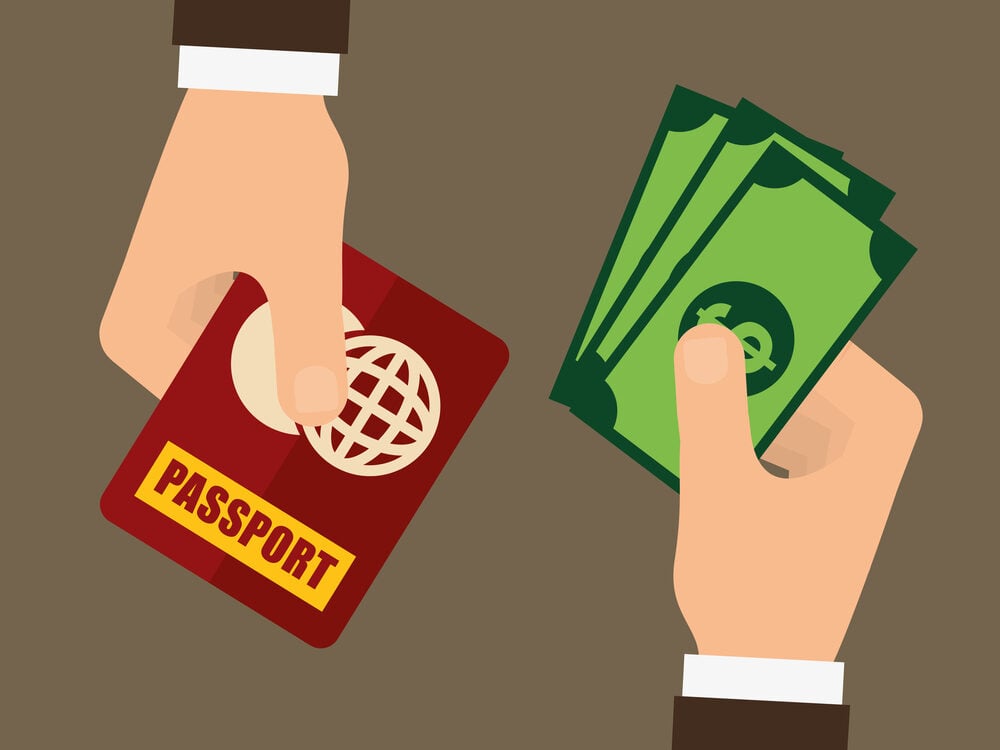
Fake passports, replica police badges, counterfeit government-issued ID cards — these are blocked across the platform. Creating, selling, or possessing convincing replicas of official documents is illegal in most countries, and Amazon’s policies reflect this.
The prohibition extends to items that might appear novelty-like but that could plausibly be mistaken for genuine credentials.
Certain Surveillance Devices

Covert listening devices, hidden cameras designed to be placed without a person’s knowledge, and GPS trackers intended for non-consensual monitoring fall into a restricted category. Amazon does sell security cameras and tracking devices for legitimate uses — monitoring your own property, keeping track of a vehicle you own.
But devices specifically marketed for spying on other people without their consent are blocked under the platform’s policies, which reflect laws against wiretapping and unauthorized surveillance in many jurisdictions.
Most Fireworks

Amazon sells sparklers and a limited range of low-grade novelty items in some markets, but the higher-end consumer and professional fireworks are off the platform. Fireworks are regulated at both the federal and state levels, with rules around what consumers can legally buy and transport varying significantly.
The combination of safety risk, shipping restrictions, and inconsistent regulations across markets makes the category one Amazon leaves to specialist retailers and local stores.
Products That Violate Trade Embargoes

The United States maintains trade restrictions and embargoes on several countries, which affect what can legally be bought and sold. Amazon can’t facilitate transactions that would violate these restrictions, which means certain goods originating from embargoed nations or involving parties on sanctions lists are blocked from the platform.
This is less a choice than a legal requirement — violating trade embargoes carries serious penalties for companies operating under US jurisdiction.
Human Trafficking Services

This might seem too obvious to include, but Amazon’s policies explicitly address it. Any listing that facilitates human trafficking — whether framed as transportation, accommodation, or otherwise — is prohibited.
Amazon is a signatory to initiatives designed to prevent its platform from being used in exploitation, and it maintains policies consistent with laws in every market it operates. The category is listed because Amazon’s seller policies are thorough enough to address it directly, not because it’s a common problem, but because the company has chosen to leave nothing ambiguous.
The Edges of the Everything Store

The Limits of the Amazon Franchise One of the main tenants of Amazon’s brand has been the notion that literally anything and everything can be bought on the site. That is the case in most instances.
Yet like any other platform, Amazon also has edges – certain points where the law, ethics, logistics, or policy come into play and necessitate a limit. What is particularly intriguing about the limits put by Amazon is that these very limits distinctly highlight the categories of items that are not very befitting of the online retail model: items that are very hazardous and unsafe for shipping, illegal for cross-border sales, morally dubious in terms of trading, or simply the ones which cannot be packaged and delivered to the customer’s door.
So it turns out that the Everything Store does occasionally not stock a few items it keeps discreetly.
More from Go2Tutors!

- The Romanov Crown Jewels and Their Tragic Fate
- 13 Historical Mysteries That Science Still Can’t Solve
- Famous Hoaxes That Fooled the World for Years
- 15 Child Stars with Tragic Adult Lives
- 16 Famous Jewelry Pieces in History
Like Go2Tutors’s content? Follow us on MSN.



