Phobias That Are Specific to Modern Life
Your grandmother never worried about her phone battery dying during an important moment. Your grandfather didn’t panic when he couldn’t get a Wi-Fi signal. These anxieties belong exclusively to people living in the digital age, where technology created entirely new categories of fear.
Some of these phobias have official names that psychologists recognize. Others remain unnamed but deeply felt by millions who navigate modern life with smartphones, social media, and constant connectivity shaping their daily experience.
Nomophobia: When Your Phone Becomes Your Lifeline

Nomophobia means “no mobile phone phobia,” and it describes the anxiety people feel when separated from their smartphones. This goes beyond simple inconvenience. People experiencing nomophobia feel genuine panic when they realize their phone is missing, dead, or out of reach.
The fear stems from losing access to everything stored on the device—contacts, photos, banking apps, navigation, and the ability to communicate instantly with anyone. Studies show that most people check their phones within minutes of waking up and reach for them constantly throughout the day.
When that access gets cut off, anxiety spikes immediately. You can see this when someone’s phone battery dies during a trip or when they accidentally leave their device at home.
The distress feels disproportionate to the actual problem because the phone represents more than just a communication tool—it’s become an extension of identity and security.
FOMO: The Fear of Missing Out
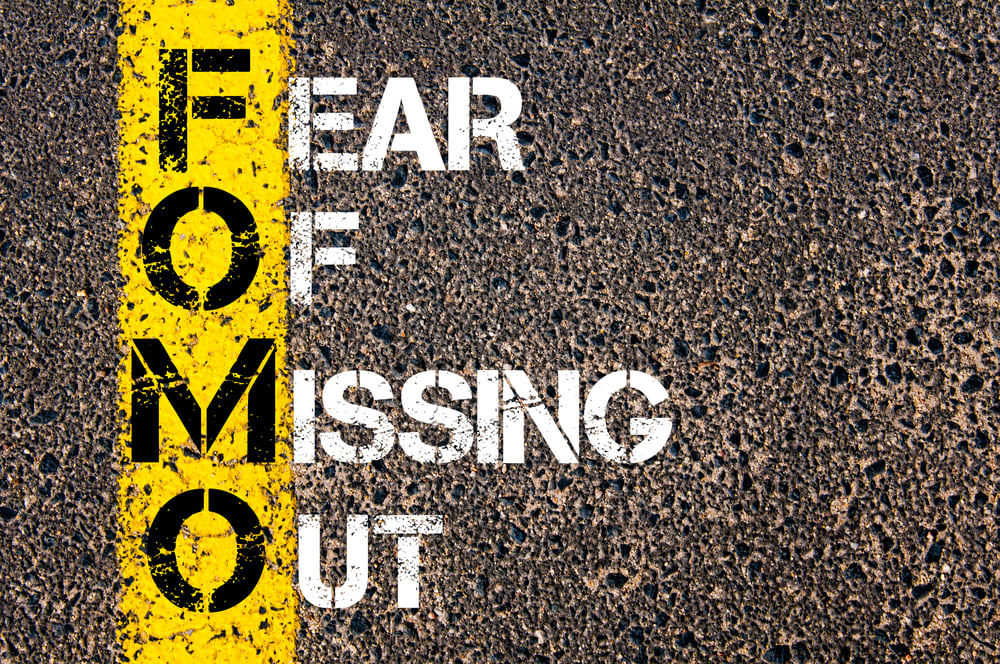
Social media created a unique torture where you can see everything you’re not experiencing in real time. FOMO describes the anxiety that comes from believing others are having better experiences, going to better events, or living more fulfilling lives.
Every party you didn’t attend, every vacation you couldn’t afford, and every gathering you missed showed up in your feed with smiling faces and perfect lighting. This fear wasn’t possible before social media made everyone’s activities visible and shareable.
Previous generations might have heard about events they missed, but they didn’t see photo evidence of everyone else having fun without them. The constant stream of content makes it impossible to ignore what you’re missing, creating anxiety that prevents people from enjoying what they’re actually doing because they’re too busy worrying about everything else happening simultaneously.
Telephonophobia: When Actual Calls Cause Panic

Younger generations increasingly avoid phone calls the way earlier generations avoided public speaking. Telephonophobia describes a genuine fear of making or receiving voice calls.
People with this anxiety prefer texts, emails, or any communication method that doesn’t require real-time conversation. The phone ringing triggers stress because it demands immediate attention and response without time to prepare.
This phobia grew alongside texting and messaging apps that gave people alternatives to voice communication. Once you could avoid calls entirely, actually taking them became increasingly stressful.
The informality and spontaneity of phone conversations feel threatening to people used to carefully composing written messages. You can’t edit what you say on a call or take time to think before responding.
Battery Anxiety: Racing Against Depletion
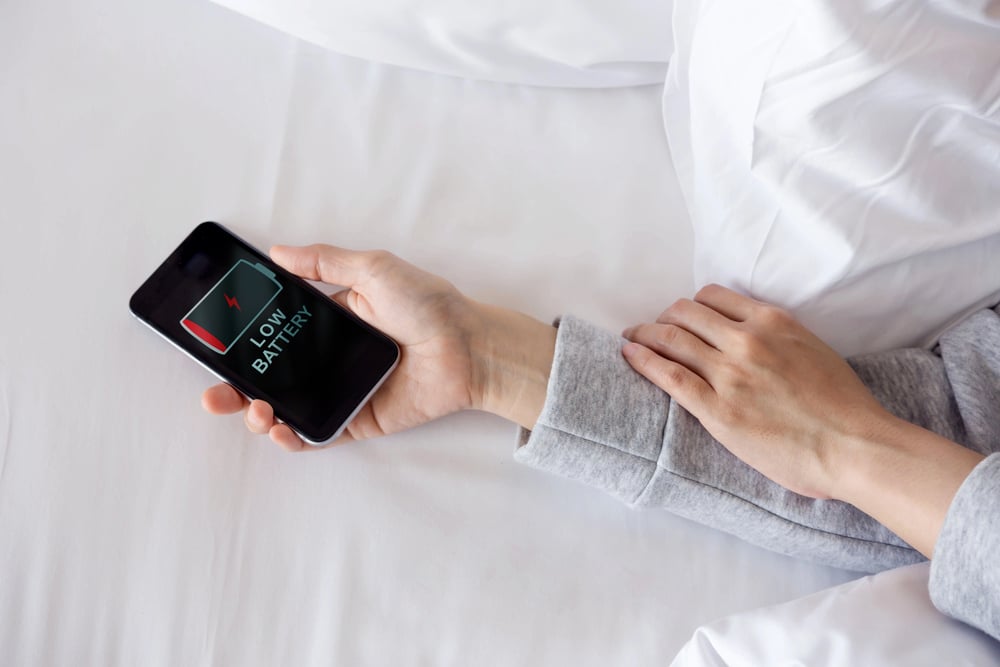
Low battery warnings trigger genuine stress for many people. Battery anxiety describes the fear of your phone dying when you might need it.
This manifests as constantly checking battery percentage, carrying chargers everywhere, and avoiding activities that drain power quickly. Some people panic when their battery drops below 50 percent, while others don’t worry until it hits 20 percent.
The fear makes sense given how much functionality depends on having a charged device. Navigation apps, payment systems, tickets, identification, and emergency communication all require power.
But the anxiety often exceeds rational concern, with people unable to relax even when they have access to chargers or when being briefly unreachable wouldn’t actually cause problems.
The Fear of Being Offline

Losing internet connection creates disproportionate anxiety for people who’ve grown accustomed to constant connectivity. This fear goes beyond practical concerns about missing messages or updates.
Being offline feels like being cut off from the world, unable to access information, entertainment, or social connections on demand. Areas with poor signal cause stress that earlier generations wouldn’t have understood.
The inability to look something up immediately, check social media, or respond to messages creates discomfort that can ruin experiences that should be enjoyable. People on vacation spend significant energy finding Wi-Fi rather than disconnecting intentionally.
Notification Overload and the Fear of Constant Interruption

Modern life means being constantly pinged, buzzed, and alerted about everything from important emails to someone liking your photo from three years ago. The fear of missing notifications competes with the fear of being overwhelmed by them.
People keep notifications on because they worry about missing something important, but every alert creates stress and interrupts focus. This creates an impossible situation where you’re anxious both when notifications arrive and when they don’t.
Turning off notifications feels risky, like you might miss urgent information. Keeping them on means accepting constant interruption.
The anxiety comes from trying to manage an unwinnable situation where technology demands attention constantly but you can’t ignore any of it without consequences.
Surveillance Anxiety: Always Being Watched
Modern life means cameras everywhere—security cameras, doorbell cameras, smartphones, laptops, and surveillance systems that track your movements through cities. The awareness that you’re constantly being recorded creates anxiety that previous generations didn’t experience.
You can’t assume privacy in public spaces or even in your own home if smart devices are listening. This fear extends to data collection and tracking.
Every website visit, purchase, search query, and location gets recorded somewhere. Companies track your behavior to sell you products.
Governments can access your communications. The knowledge that your digital footprint is permanent and accessible creates background anxiety about who might be watching and what they could do with that information.
The Fear of Data Breaches and Identity Theft
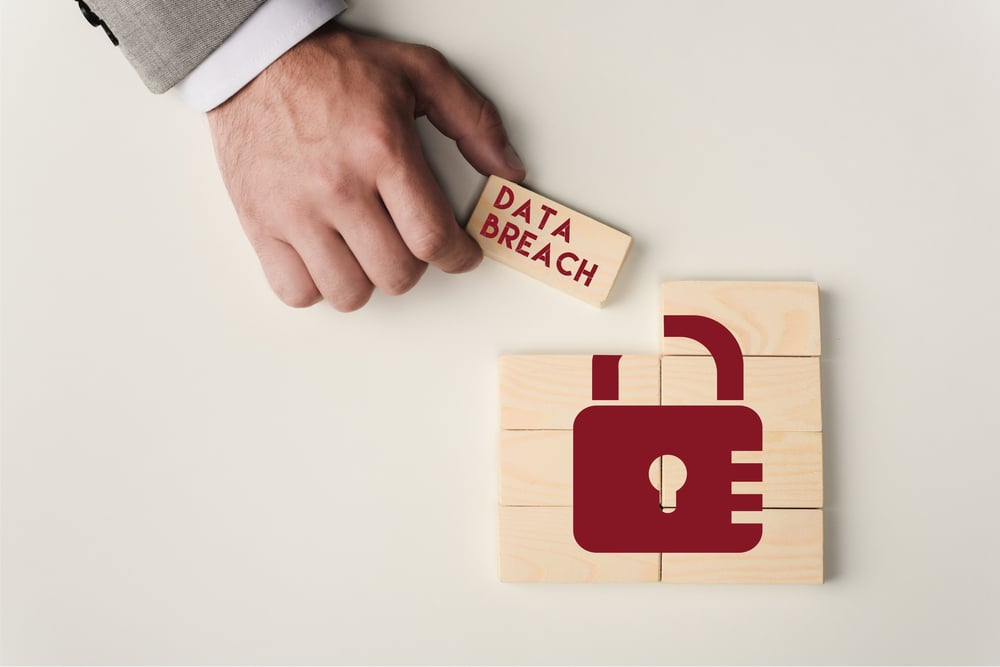
Your financial life, personal information, photos, messages, and identity exist in digital form across countless servers and databases that you don’t control. The fear of data breaches describes anxiety about this information being stolen, leaked, or misused.
Every news story about massive hacks or identity theft reinforces the feeling that your data isn’t safe anywhere. This fear is particularly modern because previous generations kept sensitive information in physical form in their homes.
Digital storage created convenience but also vulnerability to attacks that can affect millions of people simultaneously. The scale and sophistication of modern hacking make protecting yourself feel impossible.
Automation Anxiety and Job Displacement Fear
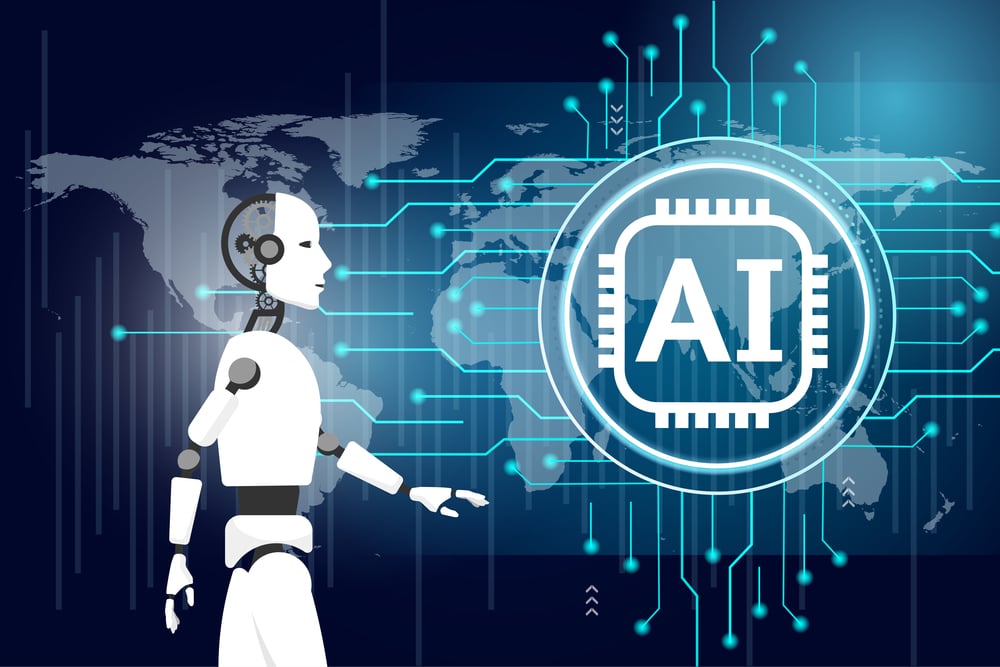
The rise of artificial intelligence, automation, and robots creates specific anxiety about becoming economically obsolete. People in industries threatened by automation experience real fear that their skills will become worthless and their jobs will disappear.
This isn’t vague economic anxiety—it’s the specific fear that machines will replace human workers in your field within your working lifetime. This phobia affects people across skill levels. Truck drivers worry about self-driving vehicles.
Customer service workers see chatbots handling more inquiries. Even white-collar professionals in law, medicine, and finance watch AI systems performing tasks that were exclusively human just years ago.
The pace of change makes it unclear which jobs are safe and which are temporary.
Video Call Anxiety: Performance Pressure in Every Meeting

Video calls created a unique form of social anxiety where you watch yourself being watched while trying to appear natural and engaged. Video call anxiety describes the exhaustion and stress that come from these interactions.
You’re simultaneously the performer and the audience, seeing your own face while presenting yourself to others. The constant self-monitoring creates fatigue that phone calls and in-person meetings don’t produce.
The pandemic forced video calls on people who might have avoided them otherwise, intensifying this anxiety. Now that remote work is common, the pressure to appear professional and engaged through a camera while managing your environment, lighting, and appearance adds layers of stress that didn’t exist in traditional office settings.
Reputation Damage Fear: When Your Past is Always Present

The permanence of online content creates anxiety about reputation damage that’s unique to the digital age. Everything you post, every photo tagged with your name, and every comment you make potentially exists forever and could surface at any time.
The fear that old posts or photos could destroy your career or relationships years later creates constant background worry. This extends to being recorded or photographed without consent.
Someone could capture you at your worst moment and share it widely before you even know it exists. The lack of control over your digital representation and the permanence of online content create anxiety that previous generations never experienced.
Social Media Comparison Syndrome

Scrolling through carefully curated feeds showing everyone else’s highlight reels creates specific anxiety around your own life measuring up. This goes beyond general inadequacy—it’s the fear that your experiences, appearance, achievements, and lifestyle are inferior compared to what you see online.
The constant exposure to edited, filtered, and selectively shared content makes normal life feel disappointing. This comparison happens hundreds of times daily as you scroll.
Each perfect photo of someone’s vacation, home, relationship, or achievement becomes a measuring stick against your reality. The algorithms show you content designed to engage you, often through envy or aspiration, intensifying the feeling that everyone else has something better.
Technology Failure Anxiety: When Systems Crash

Modern life requires trusting technology to handle critical functions. The fear of technology failing at important moments creates specific anxiety.
This includes presentations where the projector won’t work, automated systems glitching during important transactions, software crashes during deadlines, or navigation failing when you’re lost. The dependence on technology means failures have cascading consequences.
A server outage doesn’t just mean you can’t access one thing—it can shut down your ability to work, communicate, or complete essential tasks. The anxiety comes from knowing that complex technological systems are both essential and unreliable, and you have no control when they fail.
AI Anxiety: Uncertainty About the Future
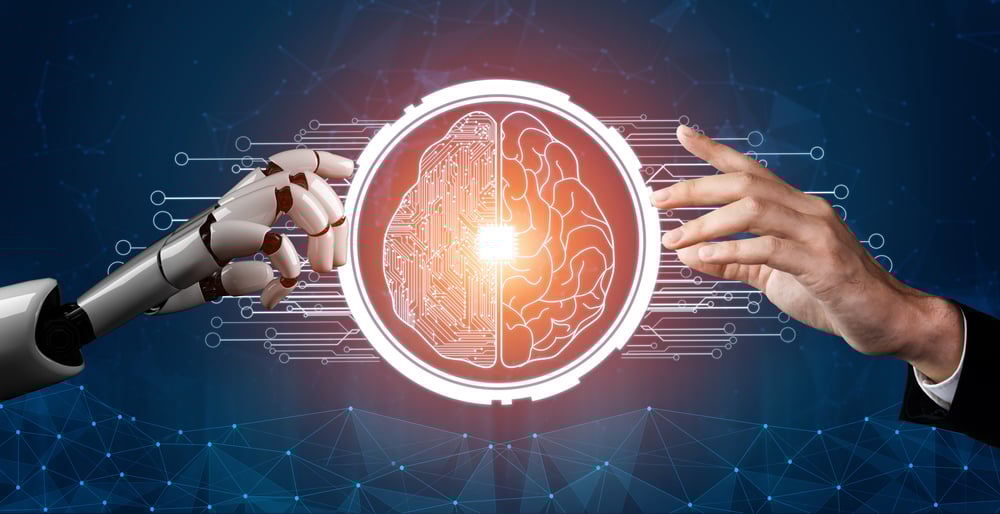
Artificial intelligence advancement creates existential anxiety about humanity’s future that’s completely unprecedented. This goes beyond job loss to fundamental questions about human purpose, autonomy, and survival.
The rapid development of AI systems that can create art, write text, make decisions, and potentially achieve capabilities beyond human understanding creates fear without clear parallels in history.
This anxiety is diffuse because the threats aren’t entirely clear yet. People fear AI taking over jobs, spreading misinformation, enabling surveillance, making biased decisions, or eventually surpassing human intelligence with unknown consequences.
The inability to predict how AI will reshape society within the next decade creates background anxiety about fundamental changes that feel both inevitable and uncontrollable.
Living in Permanent Beta

Something ties these fears together – they come from tools and ways we live now, ones that weren’t around just decades back, shifting quicker than most keep up with. Missing alerts? That concern meant nothing to your mom or dad.
Being disconnected stresses you out – your grandparents wouldn’t even grasp the idea. Every fresh invention brings fresh unease, since change never slows long enough for nerves to catch up.
Most people carry these worries simply because they’re everywhere. Fear a snake? Stay clear of jungles or tall grass.
Try doing daily tasks without any devices. Hard, right. The very gadgets sparking unease are the ones keeping everything running.
Phones stay necessary despite a genuine fear of being without them. Staying visible online matters, regardless of worries over image harm.
This pressure sticks around since roots run deep in today’s way of living. New tech brings more anxieties ahead, growing concerns down the line – ones that later people may struggle to understand, much like past folks might not get why we stress over dead batteries or unread notifications.
More from Go2Tutors!

- The Romanov Crown Jewels and Their Tragic Fate
- 13 Historical Mysteries That Science Still Can’t Solve
- Famous Hoaxes That Fooled the World for Years
- 15 Child Stars with Tragic Adult Lives
- 16 Famous Jewelry Pieces in History
Like Go2Tutors’s content? Follow us on MSN.