16 Secret Agreements Between Countries That Were Kept Hidden for Years
International diplomacy frequently takes place behind closed doors, with pledges and handshakes made out of sight. Even while modern administration places a higher importance on transparency, history is replete with secret agreements between countries that influenced global events without the public’s knowledge.
These agreements altered borders, influenced wars, and changed the course of history while remaining hidden in classified archives. Here is a list of 16 secret agreements between countries that remained concealed from the public eye for years, sometimes decades, before finally coming to light.
Operation Paperclip

Through a covert effort known as Operation Paperclip, the United States discreetly hired more than 1,600 German scientists, engineers, and technicians following World War II. Since many of these German experts had been Nazi Party members, the agreement between American intelligence services and them was kept secret.
Later, during the Cold War, these scientists made major contributions to the development of American missiles and space program.
The Sykes-Picot Agreement

While World War I was still raging in 1916, Britain and France made a covert agreement to split the Middle East between them after the Ottoman Empire fell. Signed by diplomats François Georges-Picot and Mark Sykes, this pact ran counter to Arab leaders’ pledges of independence.
Only in 1917 was the covert agreement made public by revolutionary Russia, which led to a long-lasting mistrust in the area akin to discovering that your friends divided your property while you were away.
The UK-USA Agreement
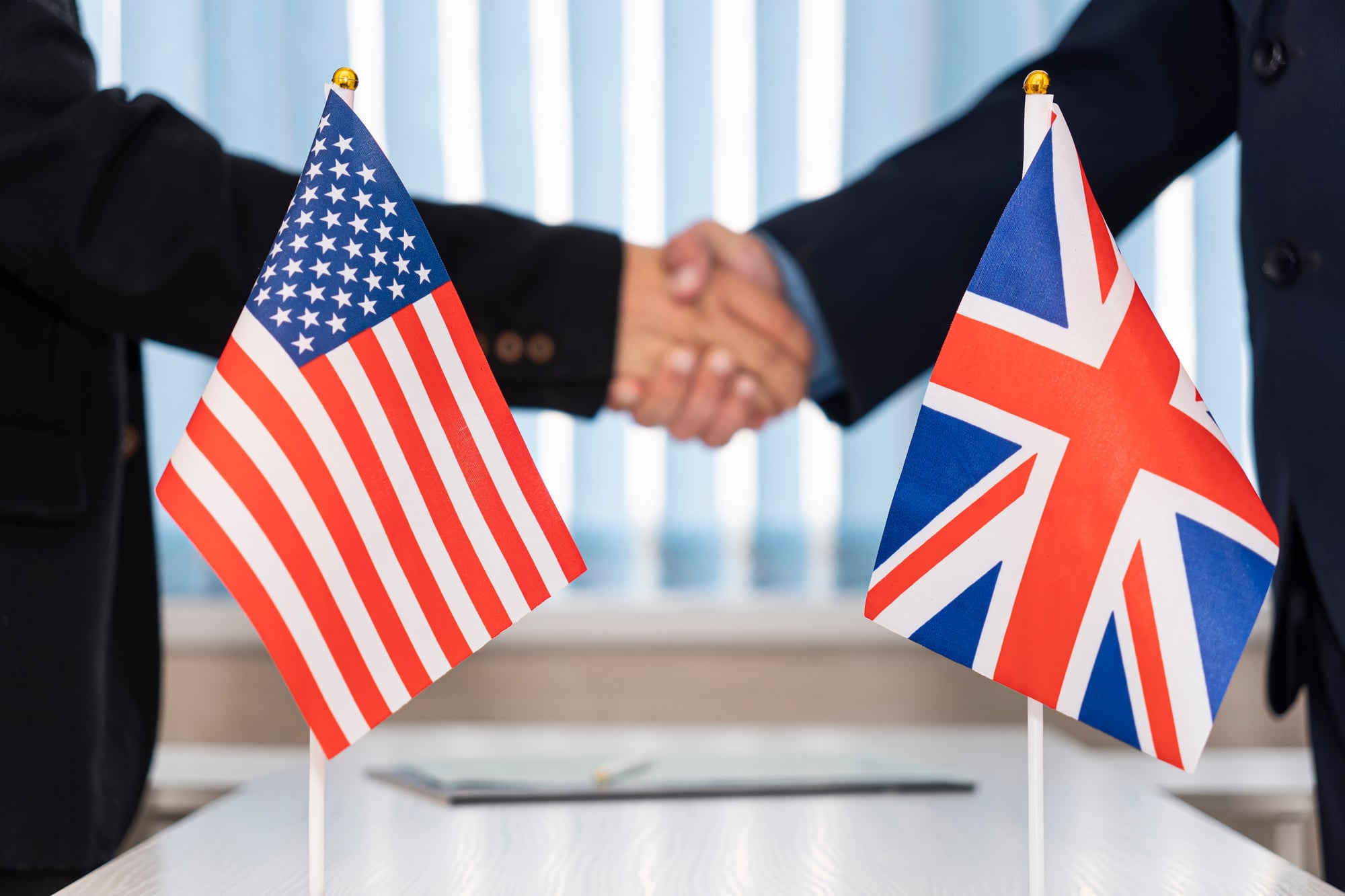
In 1946, the United States and the United Kingdom made a covert agreement that laid the groundwork for the Five Eyes intelligence collaboration. Later, Canada, Australia, and New Zealand were included to this arrangement to share signals intelligence.
Until 2010, over 65 years after it was established, the existence of this extensive monitoring cooperation was kept under wraps. It served as a kind of unseen nerve system between Western intelligence services at the time.
The Ribbentrop-Molotov Pact
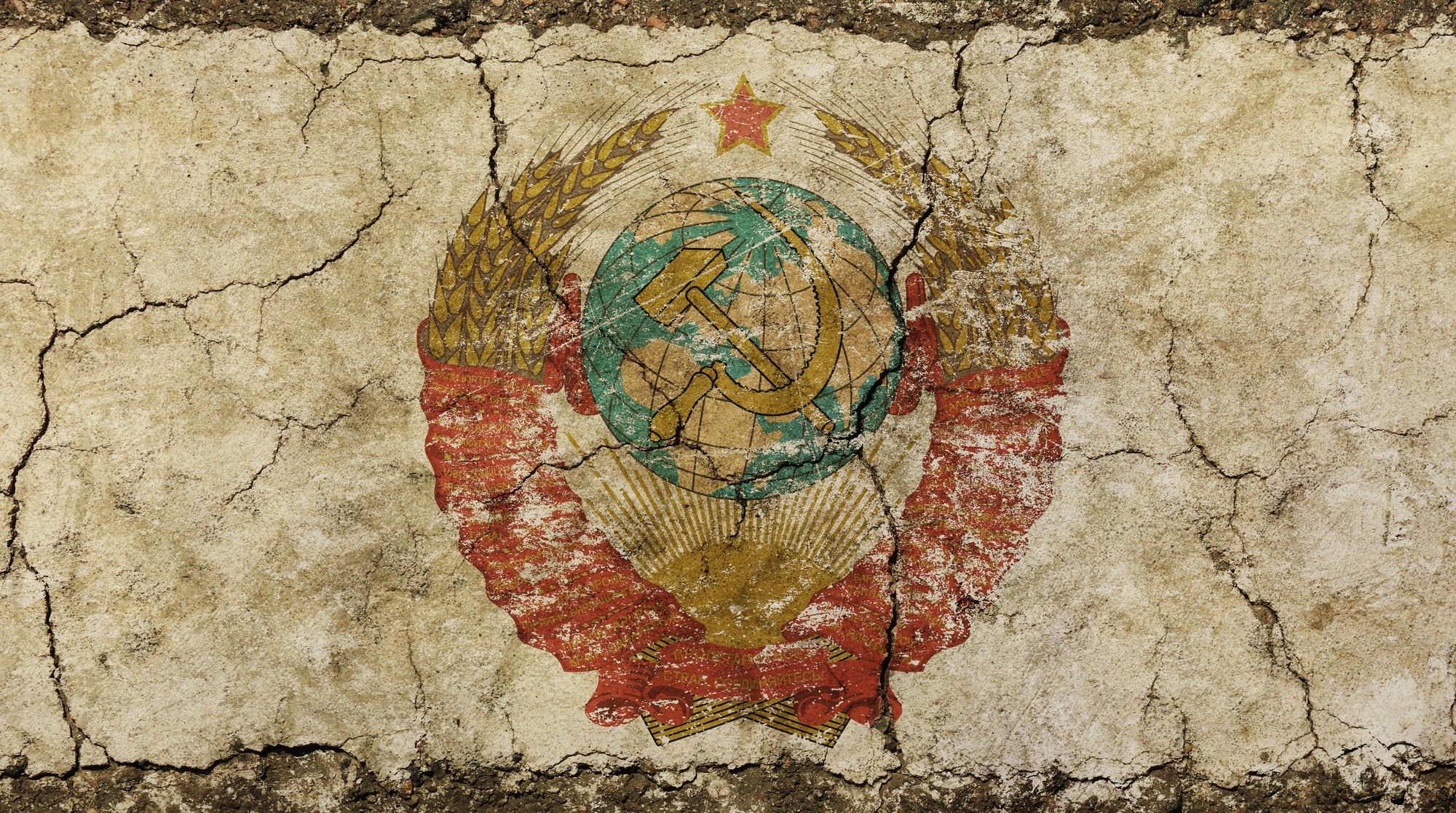
The world was astonished by the non-aggression pact between Nazi Germany and the Soviet Union in 1939, but the covert procedures that divided Eastern Europe between these two nations were still unknown. Before any invasion started, Poland, the Baltic States, and portions of Romania were divided up by these secret additions to the pact.
These protocols were essentially kept secret for fifty years, as the Soviet Union denied their existence until 1989.
Project SUNSHINE

In order to quantify the impacts of nuclear fallout, the United States carried out a covert worldwide effort in the 1950s to gather human tissue, especially from dead infants. Researchers obtained samples without family approval by means of covert collaborations with morgues and hospitals across multiple nations.
This gruesome arrangement was kept secret until the declassification of energy department records in the 1990s, which exposed a program that functioned for more than 40 years like a global shadow network.
The Agreements on the Manhattan Project

Few people are aware of the scope of the covert agreements engaged in the American-led endeavor to create atomic weapons, even if many are aware of it. The United States forged secret research collaborations with Canada and the United Kingdom and entered into classified uranium purchase agreements with the Congo, which was then a Belgian territory.
Formalized in the 1943 Quebec Agreement, these accords had clauses that were kept secret until the 1960s, such as the requirement that neither nation deploy nuclear weapons without the other’s approval.
Agreements on Franco-African Secret Defense
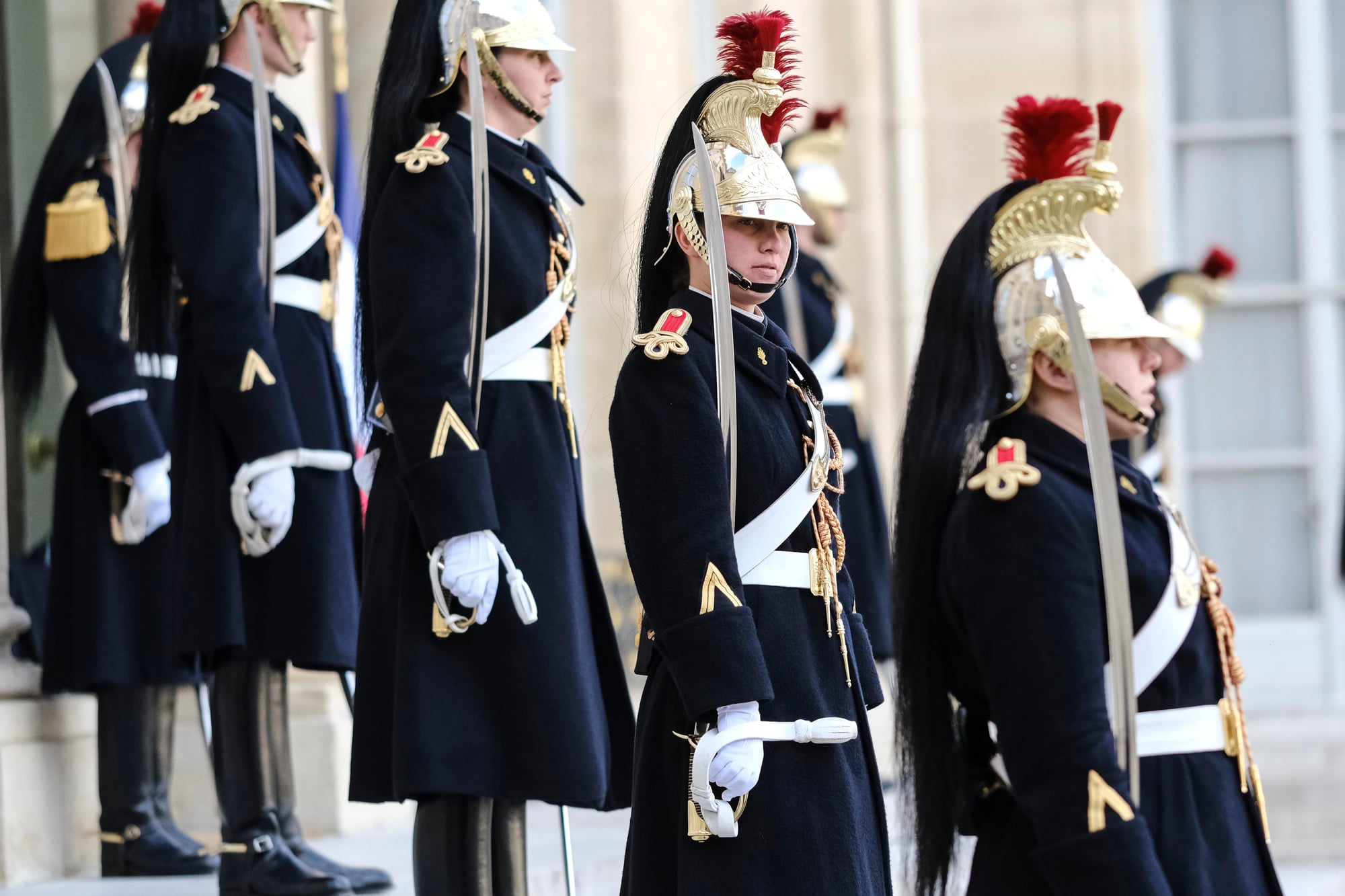
Through secret defense pacts, France preserved military clout in its former African colonies after independence in the 1960s. These agreements required military involvement to defend friendly governments and granted France preferential access to natural resources.
After operating covertly for almost 40 years, some of these agreements were only made public in the 2000s, while many others remained secret for decades.
U-2 Cover-up Incident

The United States had covert agreements with a number of nations, including Japan, Norway, and Pakistan, to host U-2 spy flights over Soviet territory prior to Gary Powers’ well-known shootdown in 1960. While secretly supporting US intelligence activities, these host countries denied any involvement in public.
Under diplomatic cover stories that concealed their true intent, some of these agreements remained classified until the 1990s.
Operation Gladio

NATO countries maintained secret stay-behind armies across Western Europe during the Cold War, prepared for potential Soviet invasion. This network, known as Operation Gladio, involved covert agreements between intelligence agencies to train paramilitaries and store weapons caches.
The operation remained hidden for decades until it was exposed in Italy in 1990, revealing a shadow defense system that had operated like an invisible insurance policy against communist influence.
Cairo Agreement
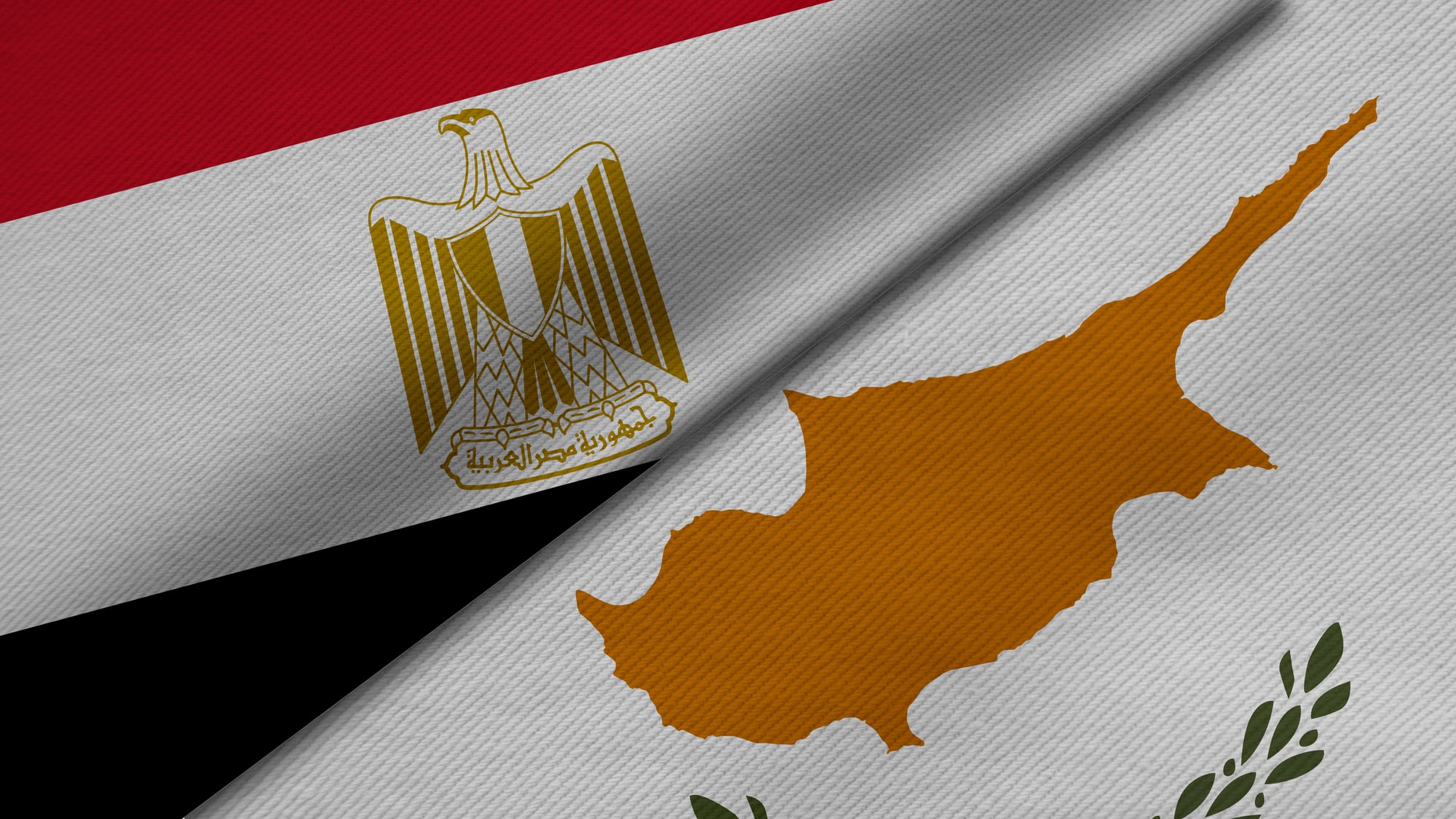
In 1969, Lebanon and the Palestine Liberation Organization signed a secret agreement in Cairo allowing Palestinian armed groups to operate in southern Lebanon. This covert deal, brokered by Egyptian President Nasser, effectively created a state within a state.
The agreement remained unpublished in Lebanon for years, contributing to tensions that eventually helped spark the Lebanese Civil War.
The AZUSA Agreement

During the Cold War, the United States and Japan maintained a secret pact allowing nuclear weapons on Japanese territory despite Japan’s public non-nuclear principles. This classified agreement, called AZUSA, permitted American nuclear-armed vessels to transit Japanese waters without formal notification.
The arrangement remained hidden for decades until finally acknowledged by the Japanese government in 2010, revealing a policy contradiction that had persisted for nearly 50 years.
The Tehran Conference Secret Protocol
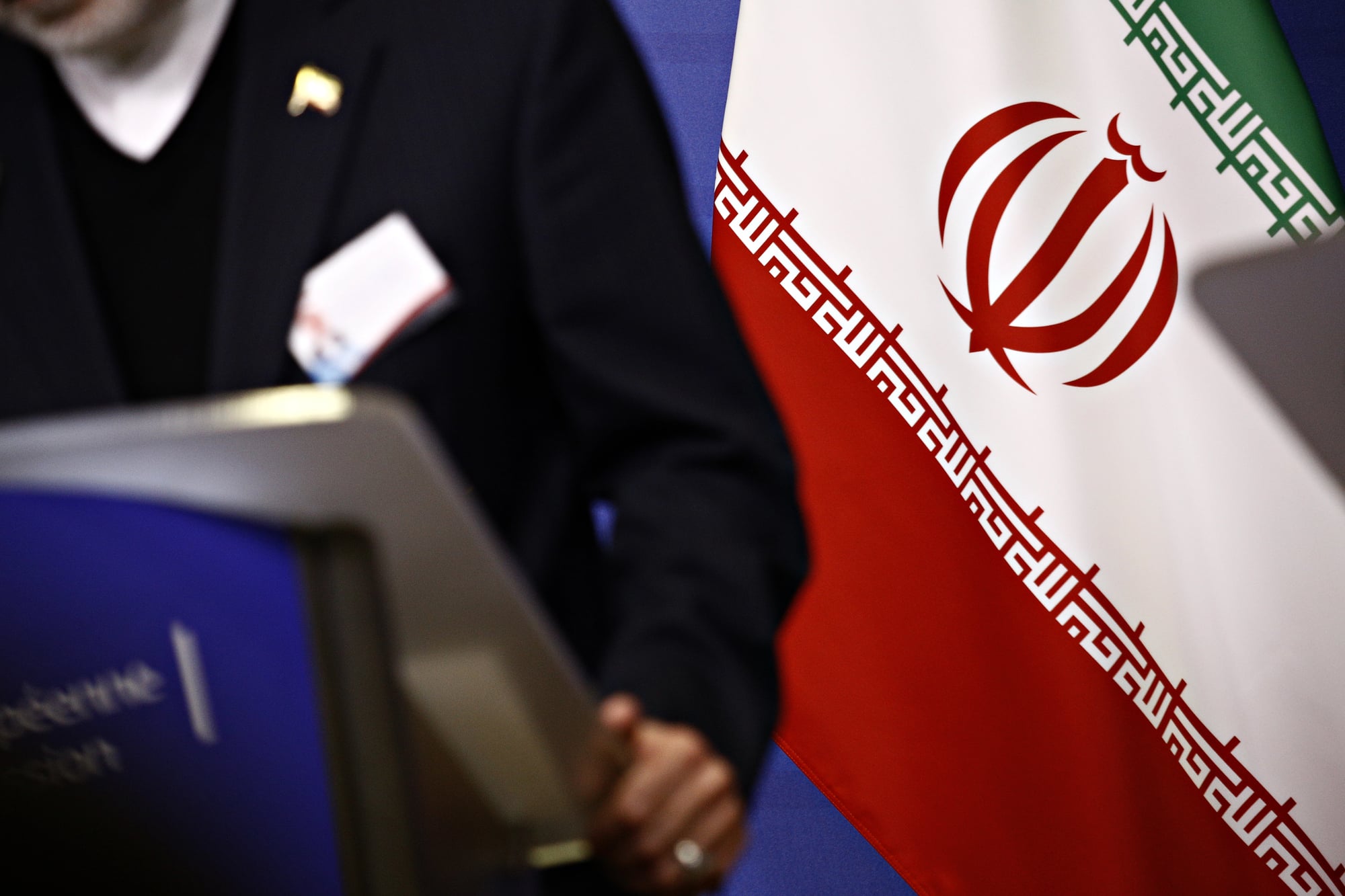
While the 1943 meeting between Roosevelt, Churchill, and Stalin is well-documented, they signed a secret protocol agreeing to create a joint intelligence operation targeting Japan. This classified agreement, which remained hidden for decades, established cooperation between American, British, and Soviet intelligence agencies in the Pacific Theater.
It created a temporary alliance between otherwise suspicious powers.
The Hoare-Laval Pact

In 1935, British Foreign Secretary Samuel Hoare and French Prime Minister Pierre Laval secretly drafted a plan to end the Second Italo-Ethiopian War by giving Mussolini’s Italy large portions of Ethiopia. This agreement, negotiated behind closed doors, contradicted both countries’ public League of Nations commitments.
News of the pact leaked to the press before implementation, causing a scandal that forced both diplomats to resign.
Iran-Contra Secret Agreements

In the 1980s, the Reagan administration orchestrated a complex web of covert agreements involving Israel, Iran, and Nicaraguan rebels. These classified arrangements facilitated arms sales to Iran despite an embargo, with proceeds funneled to Contra fighters in Nicaragua despite congressional prohibitions.
This elaborate secret network operated for years before being exposed in 1986, functioning like a hidden foreign policy running counter to official positions.
The Saadabad Pact Secret Clauses
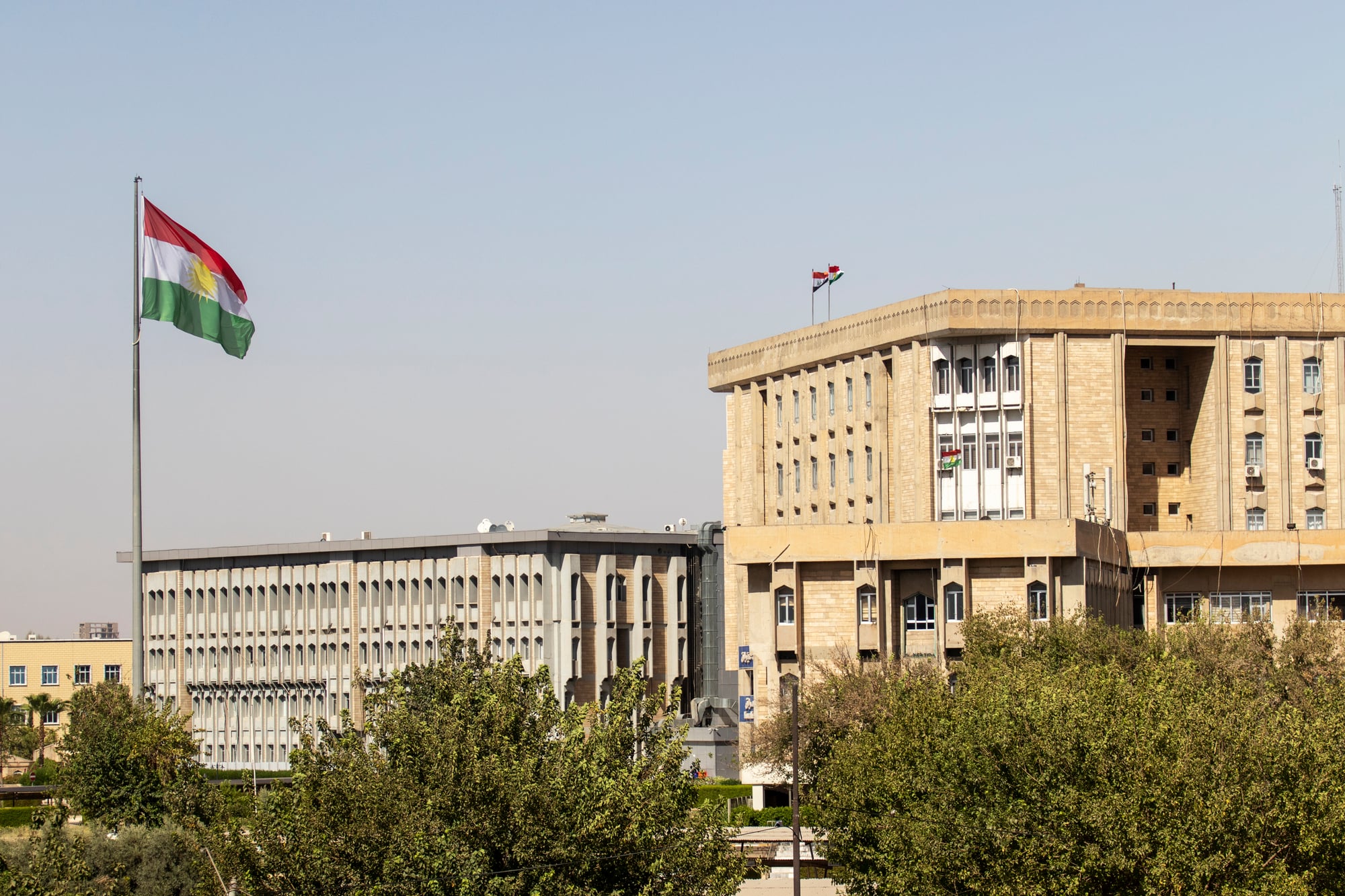
The 1937 Saadabad Pact between Turkey, Iran, Iraq, and Afghanistan included publicly announced non-aggression commitments, but contained classified protocols for intelligence sharing and coordinated action against Kurdish independence movements.
These secret clauses remained hidden for decades while allowing coordinated suppression of Kurdish activities across multiple borders.
Anglo-American Loan Negotiations

Following World War II, Britain faced severe economic hardship while negotiating a crucial loan from the United States. Behind the public discussions, secret agreements established American access to Britain’s colonial markets and resources, effectively trading financial relief for imperial influence.
These classified economic arrangements helped cement American global financial dominance while remaining hidden from public scrutiny for years.
Historical Shadows That Shape Our Present

These secretive agreements reveal how the foundations of modern international relations were often laid through handshakes in darkened rooms rather than transparent treaties. While contemporary governments face greater demands for openness, classified agreements continue to influence our world in ways we may not discover for decades.
The legacy of these hidden pacts reminds us that the historical narrative we know is often incomplete, with crucial chapters still waiting to be declassified.
More from Go2Tutors!

- The Romanov Crown Jewels and Their Tragic Fate
- 13 Historical Mysteries That Science Still Can’t Solve
- Famous Hoaxes That Fooled the World for Years
- 15 Child Stars with Tragic Adult Lives
- 16 Famous Jewelry Pieces in History
Like Go2Tutors’s content? Follow us on MSN.



