Car Features Vanishing Soon
The cars rolling off factory floors today barely resemble the ones from just 20 years ago. Features that seemed permanent are quietly disappearing from new models.
Some changes happen because technology moved forward. Others vanish because companies want to cut costs or because buyers stopped caring about them.
Either way, plenty of familiar car features are on their way out, and most people don’t realize how much is disappearing until they shop for a new vehicle and wonder where everything went. Here’s a list of 17 car features that probably won’t stick around much longer.
Manual transmissions
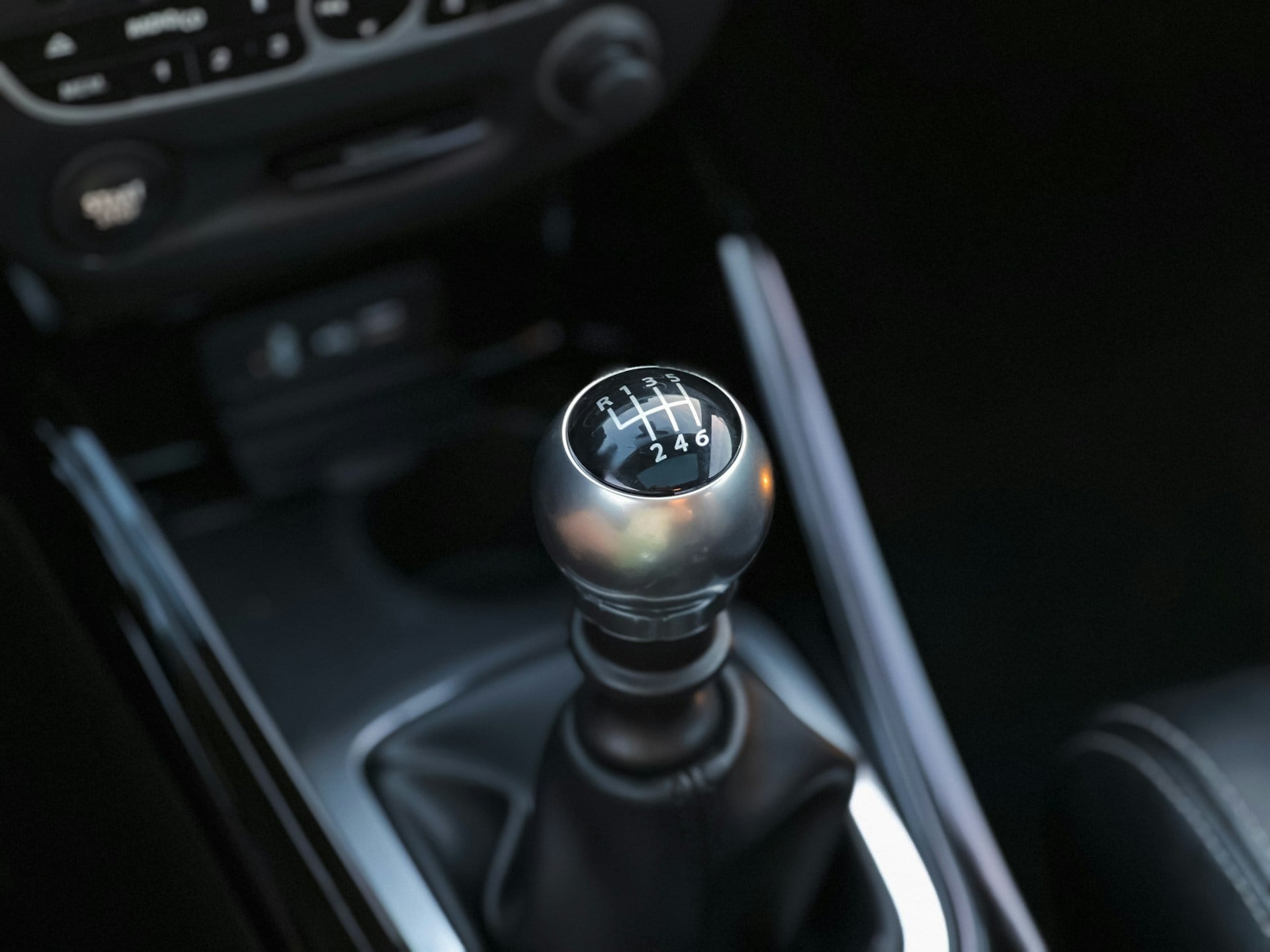
Stick shifts are down to less than 1 percent of new car sales in America. Automakers struggle to justify keeping them around when so few buyers want them anymore.
Modern automatic transmissions shift faster than humans can and get better fuel economy too. The few manual options left cluster in sports cars and hot hatches where enthusiasts still demand them.
Honda, Mazda, and Subaru keep offering manuals in select models, but each year brings fewer choices. The skill of driving sticks will soon belong mostly to people who learned decades ago.
CD players

Around half of new cars had CD players in 2013, but by 2023 that number dropped to just 2 percent. Bluetooth streaming and smartphone integration made compact discs feel ancient almost overnight.
A few holdouts like Subaru and Lexus still offered CD changers in recent years, but those are fading fast. The death of physical media swept through cars just like it did through homes.
Anyone who still owns CD collections will need to convert everything to digital files or dig out an old auxiliary cable to keep listening in newer vehicles.
Full-size spare tires
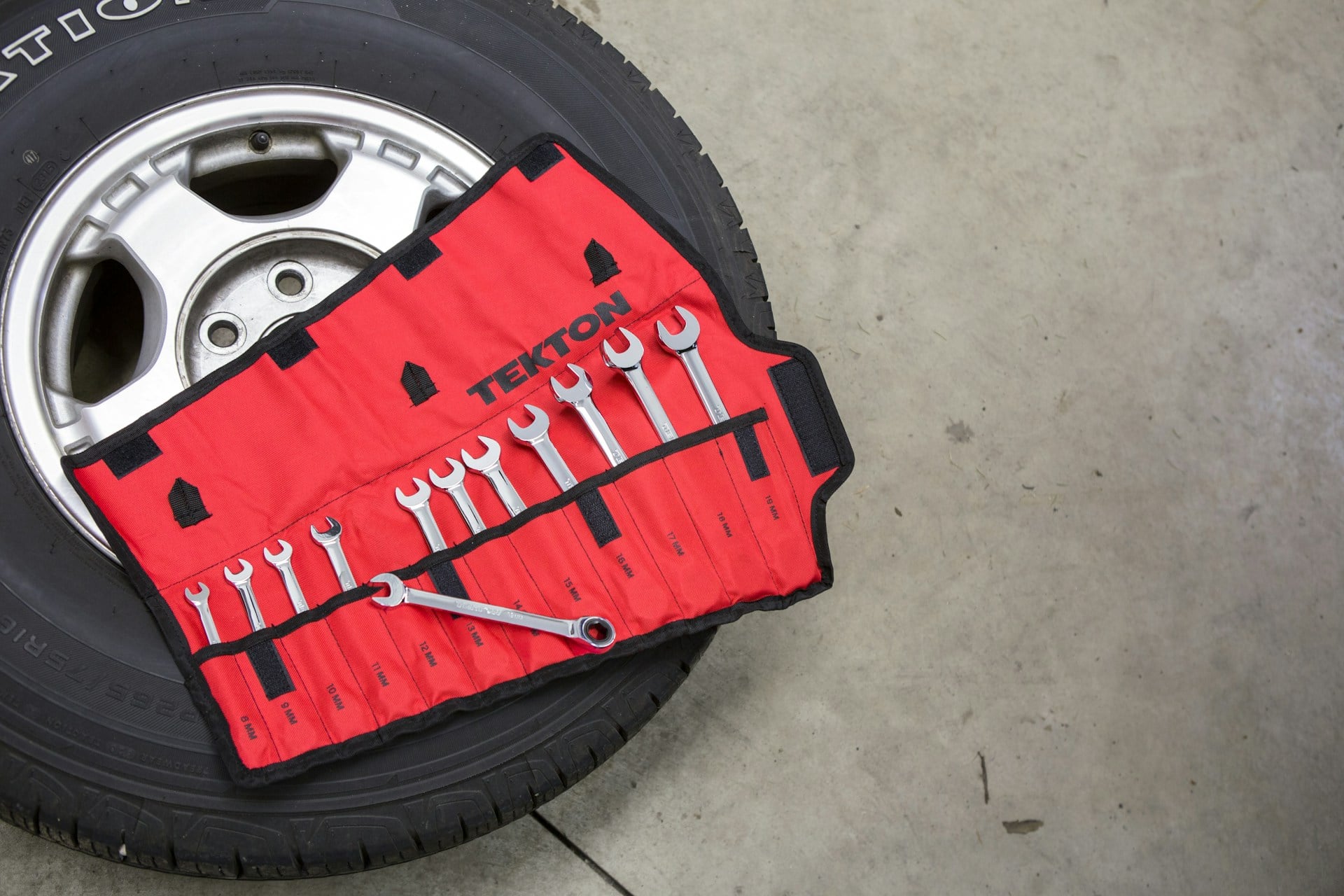
Only about 30 percent of cars sold in 2023 came with any kind of spare tire at all. Automakers replaced them with tire repair kits or run-flat tires to save weight and trunk space.
Electric vehicles especially tend to skip spares because batteries take up the room where spares used to live. The problem shows up when someone gets a flat far from help and discovers that sealant foam can’t fix every puncture.
Roadside assistance calls for flat tires have jumped dramatically, particularly for EVs. The peace of mind that came from knowing you had a real spare is mostly gone now.
Physical buttons and knobs
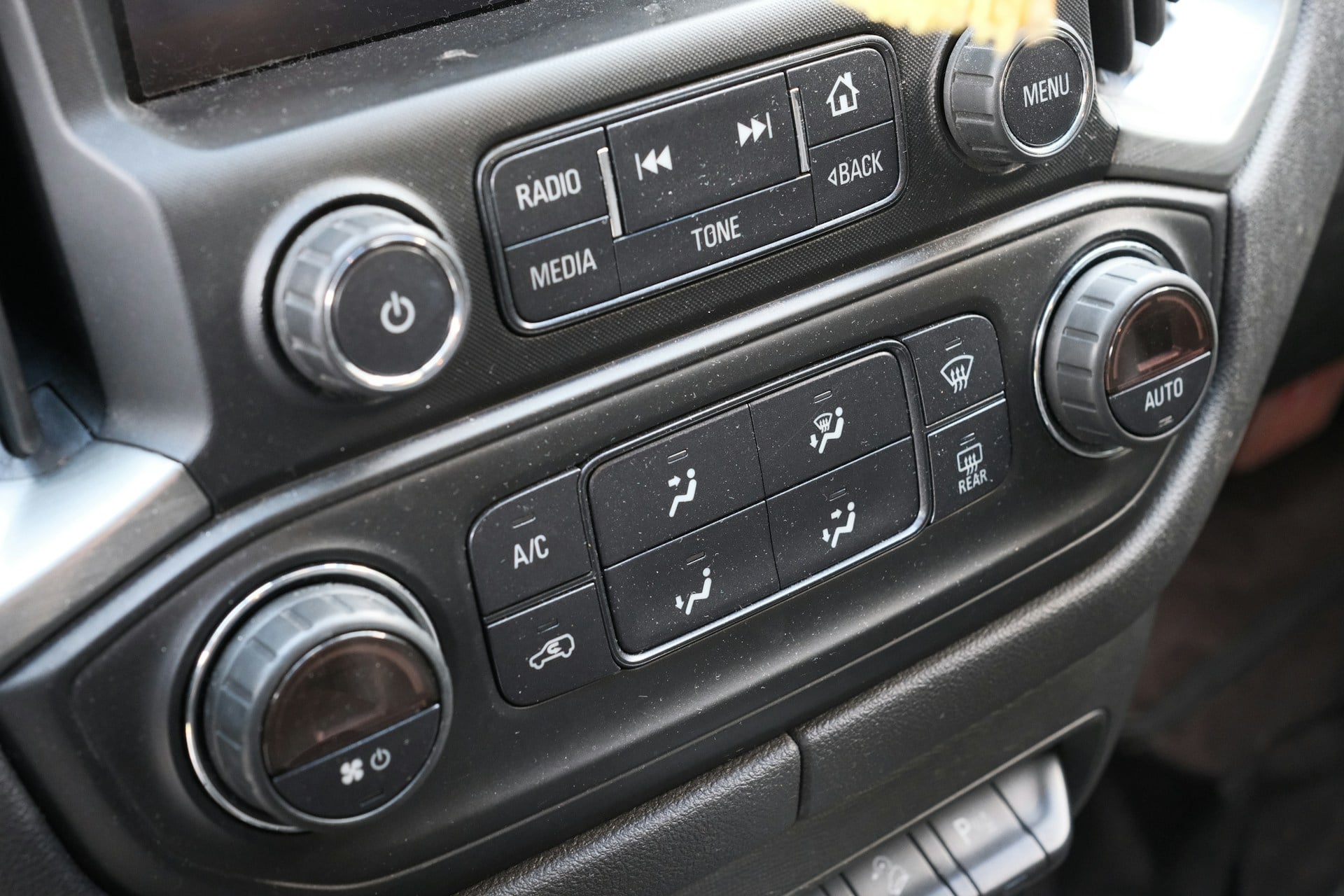
Touchscreens took over around 70 percent of new cars by 2021. Climate controls, radio volume, and even seat heaters now live inside menus that require multiple taps.
The shift toward screens happened because they look modern and cost less to manufacture than individual buttons. Unfortunately, adjusting the temperature while driving becomes way harder when you can’t feel for a knob.
Some brands started adding physical controls back after customer complaints, but most manufacturers keep pushing toward screens. The satisfying click of turning a dial is becoming a memory.
AM radio
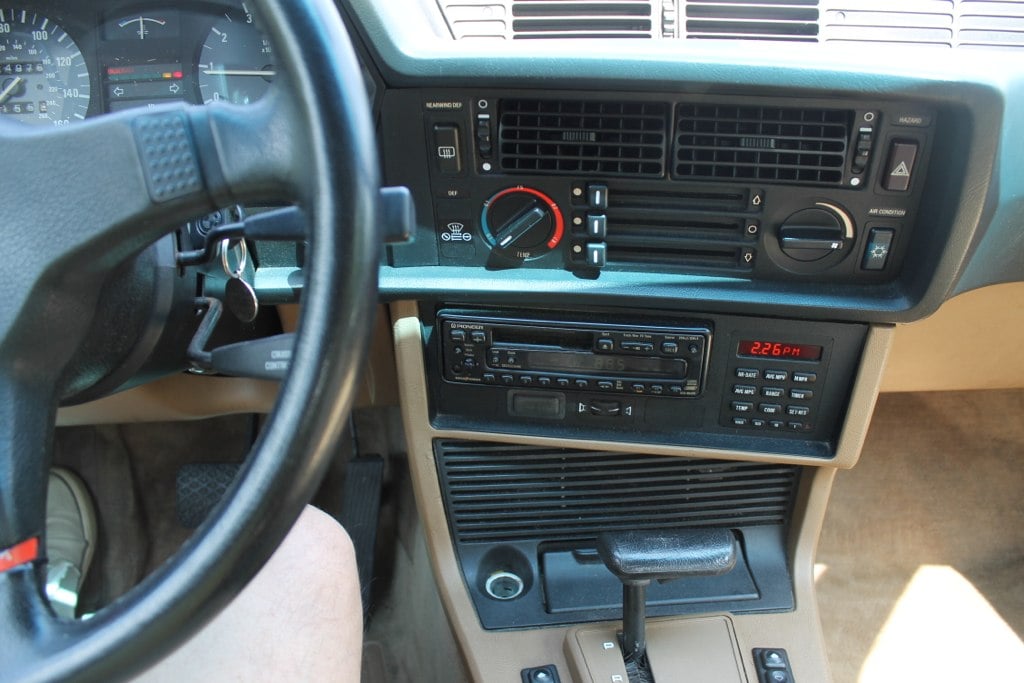
Electric vehicles interfere with AM radio signals, which led several automakers to drop AM entirely. Brands argue that streaming services replaced AM, but AM still carries emergency broadcasts and local news in rural areas.
The National Association of Broadcasters pushed back hard against this trend because AM serves important public safety functions during disasters. Some manufacturers offer streaming apps as replacements, though those need cell service to work.
Losing AM might not matter in cities, but it creates real problems in areas with spotty data coverage.
Hood ornaments
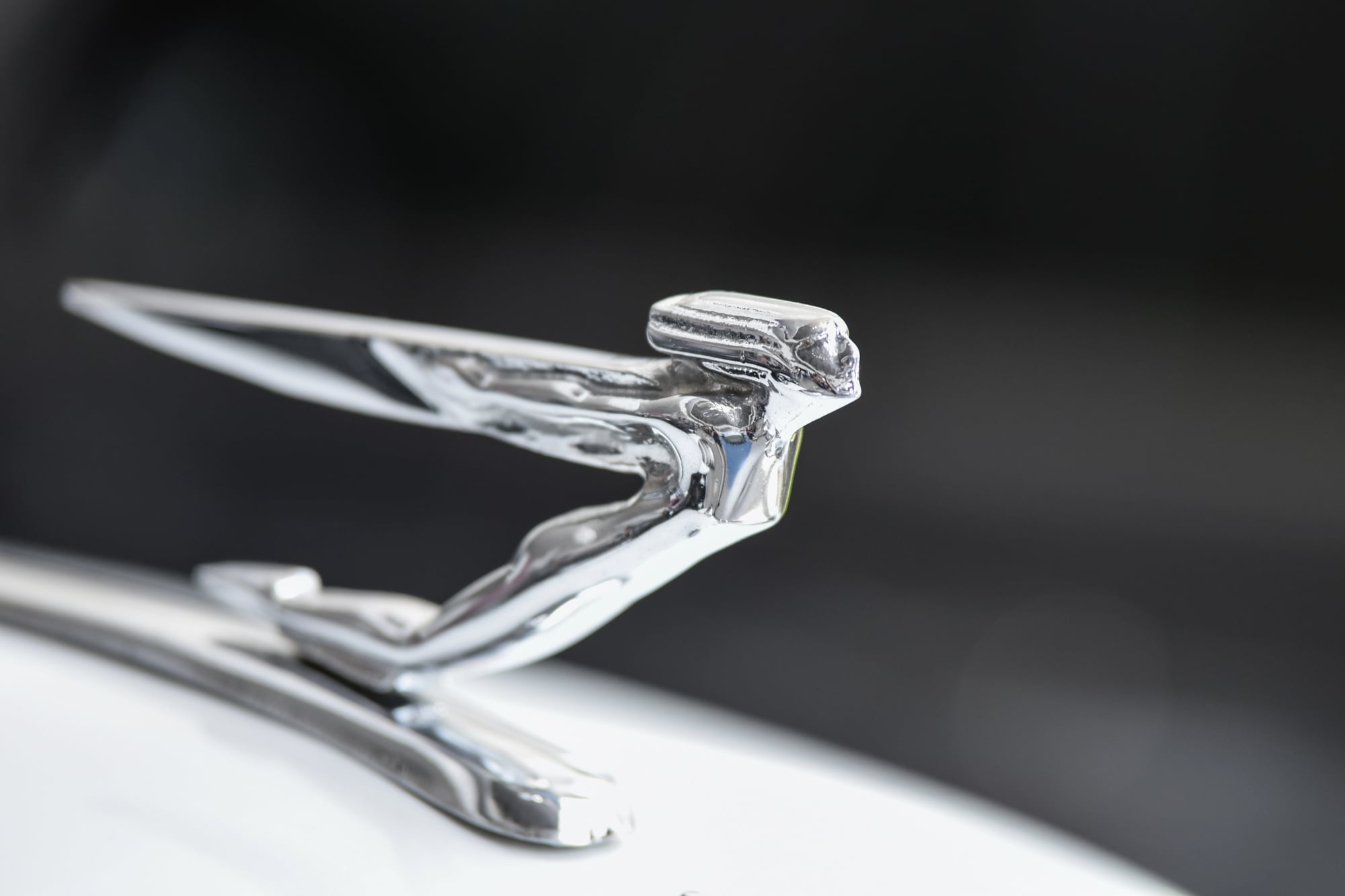
Pedestrian safety rules basically killed decorative hood mascots. Those elegant chrome figures that once marked luxury brands became liability issues when crash tests showed how much damage they caused in accidents.
Rolls-Royce developed a retractable Spirit of Ecstasy that sinks into the hood on impact. Most other brands just gave up and switched to flat badges.
The visual character that hood ornaments provided is gone from nearly every new car. Modern hoods are smooth and safe but definitely less interesting to look at.
Manual parking brakes
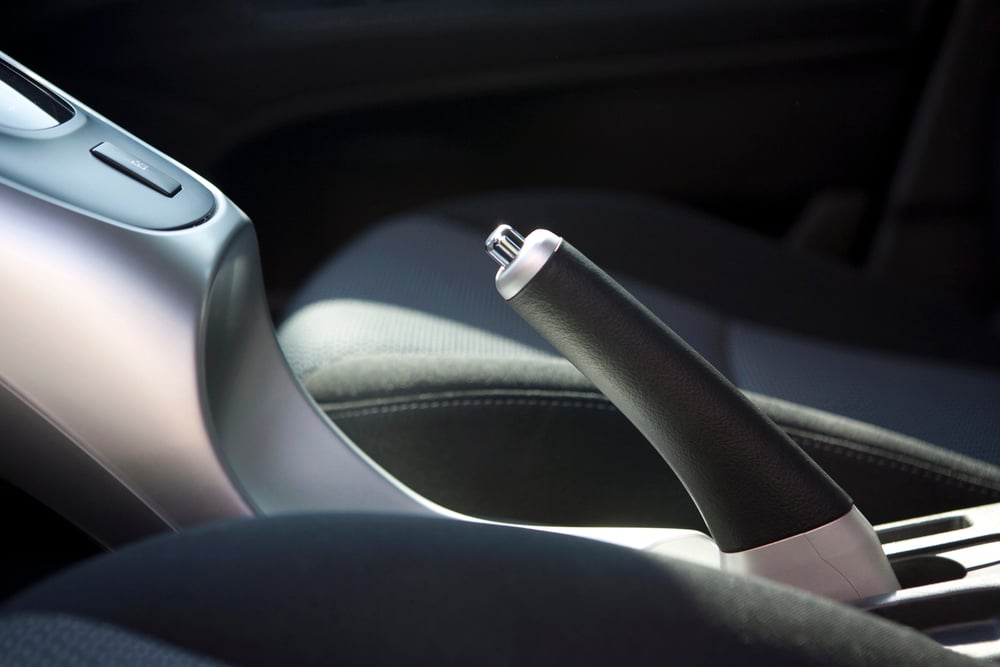
Electronic parking brakes replaced the hand lever in most new cars. The electronic button saves space and prevents people from forgetting to set the brake.
Performance car fans miss the manual lever because it made handbrake turns possible. Some enthusiast models keep manual brakes specifically for that reason.
Everyone else benefits from the automatic system that engages itself when the car turns off. The satisfying pull of a mechanical brake handle is disappearing from regular cars and trucks.
Analog gauges
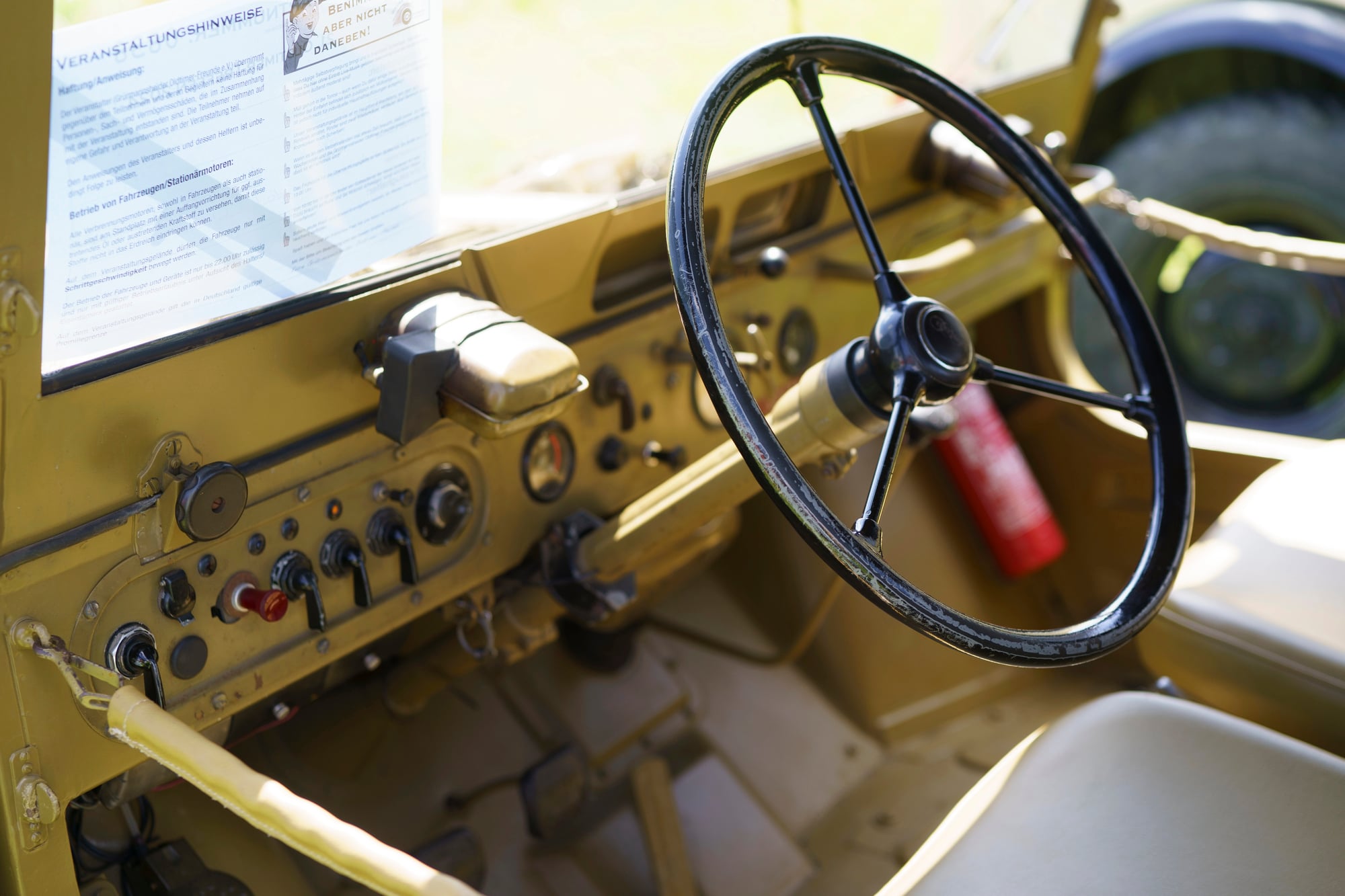
Digital instrument clusters replaced physical gauges across most vehicle lineups. Even the Porsche 911 ditched its traditional analog tachometer for 2025 after decades of keeping it.
The Honda CR-V and Toyota Corolla also went fully digital for 2026, ending their analog options. Digital screens offer customization and can display more information than mechanical gauges.
Some luxury cars still include physical gauges as a nod to tradition and craftsmanship, but that group keeps shrinking. The smooth sweep of a needle across a dial is becoming rare outside of classic cars.
Physical gear shifters
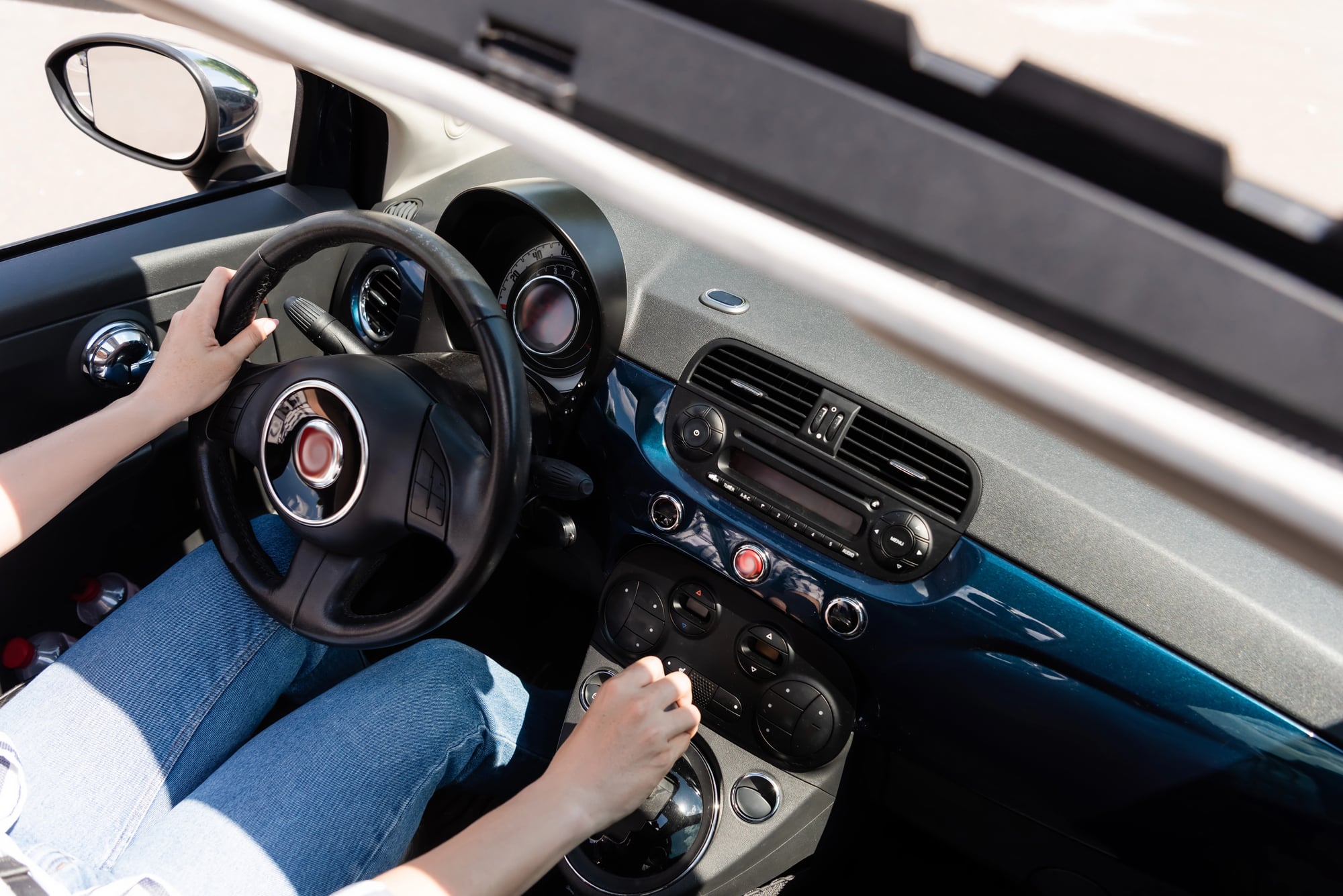
Traditional shifters are giving way to buttons, dials, and electronic selectors that take up less space. Some Tesla models moved gear selection to the touchscreen, which drew plenty of complaints.
Most other brands use small electronic shifters or rotary dials instead of big mechanical levers. The change frees up console space for storage and cup holders.
It also creates confusion when someone gets into an unfamiliar car and can’t figure out how to shift. Physical shifters provided clear, immediate feedback that electronic versions can’t match as well.
Dipsticks
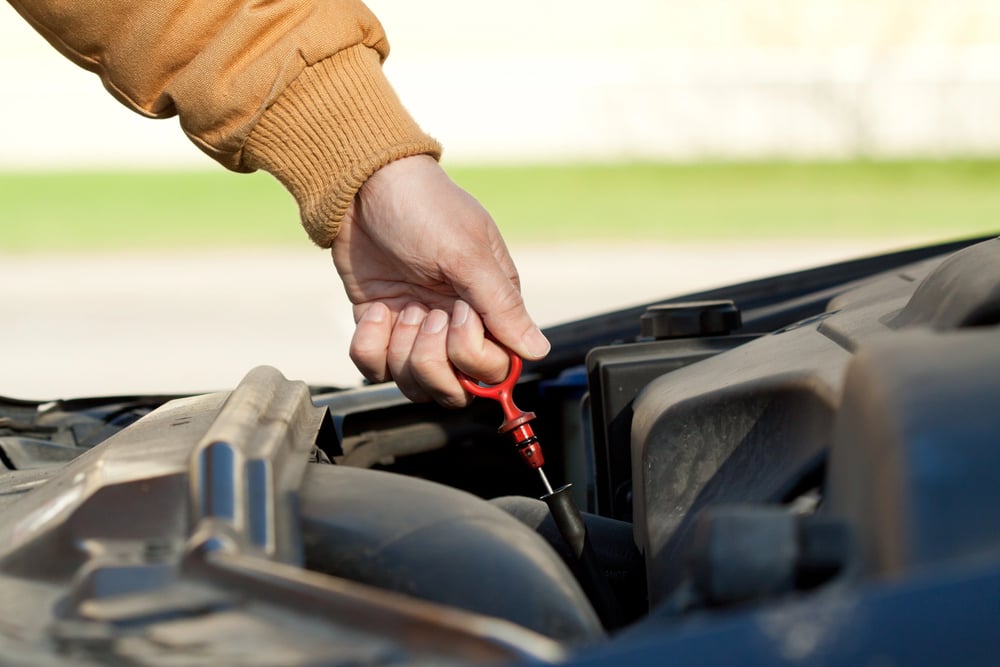
Many new cars rely on digital oil monitoring systems instead of letting drivers check oil with a dipstick. The computer tracks oil life and alerts the driver when service is needed.
This makes maintenance easier for people who never checked their oil anyway. It also means trusting the computer to catch problems before they cause damage.
Some people prefer the direct knowledge that comes from pulling a dipstick and seeing the oil level themselves. That hands-on connection to the engine is fading as cars become more like sealed appliances.
Front bench seats
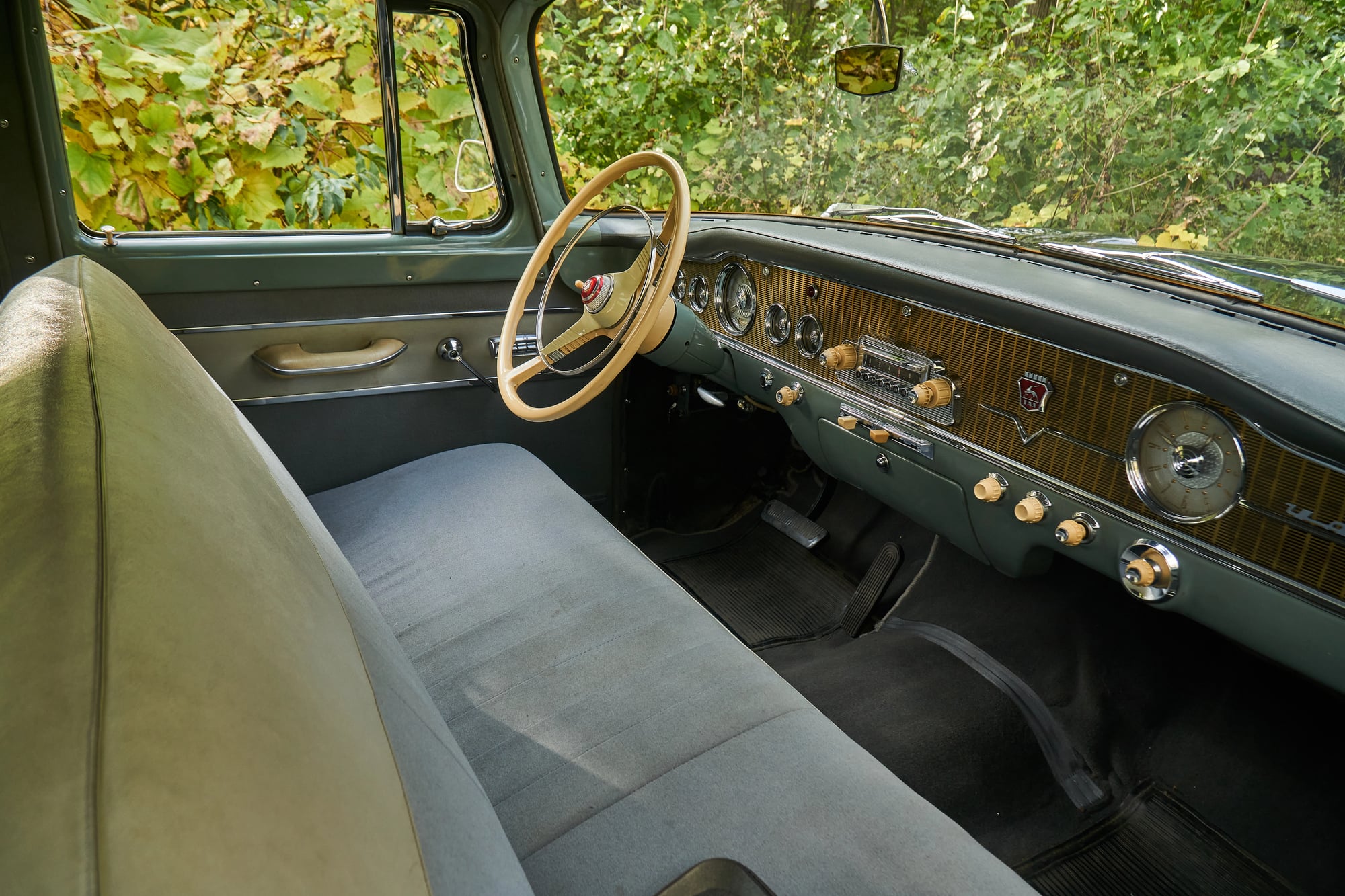
Front benches disappeared from cars as airbag systems became more complex. Modern safety equipment needs passengers in fixed positions to work correctly.
Three-across seating also complicated seatbelt requirements and made center airbags nearly impossible to engineer properly. Some pickup trucks still offer bench seats, but passenger cars dropped them years ago.
The bench seat allowed families to fit six people in a car and gave couples the option to sit close together up front. That flexibility is gone in favor of two well-protected individual seats.
Cig lighters and ashtrays
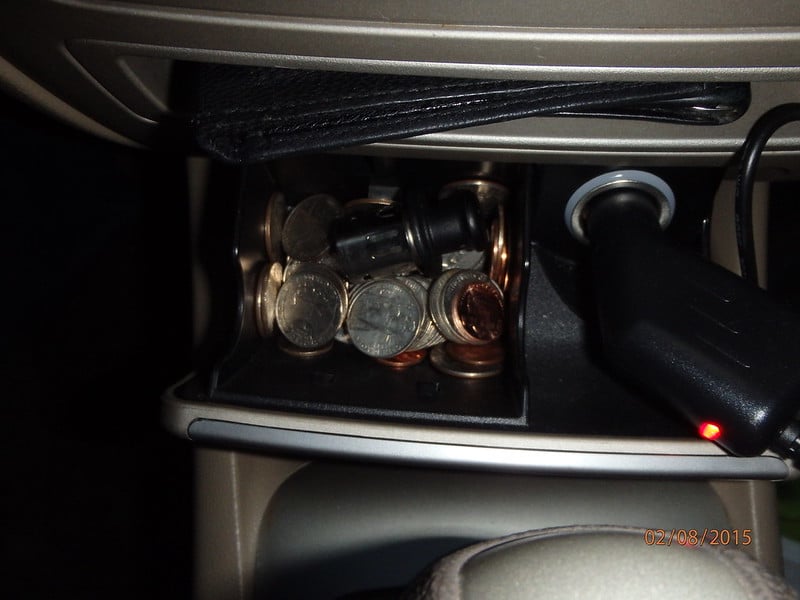
Smoke rates dropped dramatically, so ashtrays and lighters went from standard equipment to optional extras to completely gone. The 12-volt socket stayed but got renamed a power outlet since fewer people use it for actual cig lighters anymore.
Some cars still offer a smoker package as a dealer-installed option. Most just eliminated these features entirely to signal that cars are smoke-free spaces now.
The change reflects how society’s relationship with nicotine changed over the past 25 years.
Crank windows
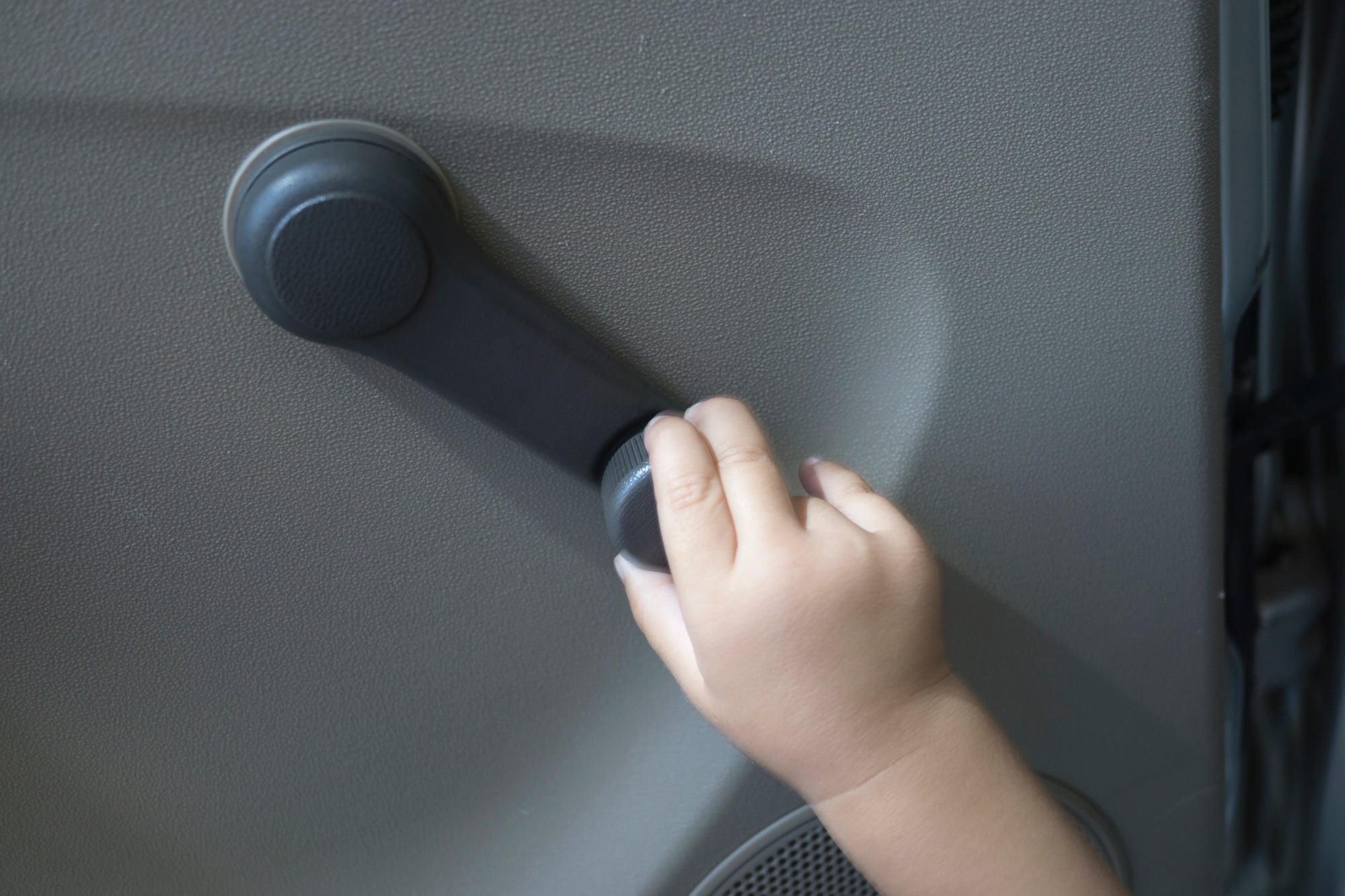
Power windows became standard even on the cheapest new cars. Manual crank windows disappeared almost completely except in a few models like base Jeep Wranglers.
The change happened because power window motors got cheap enough that including them cost less than designing and manufacturing manual window mechanisms. Crank windows were simple, reliable, and worked even when the battery died.
Power windows offer convenience but create more things that can break. The satisfying mechanical feeling of rolling down a window by hand is now almost extinct.
Key ignitions
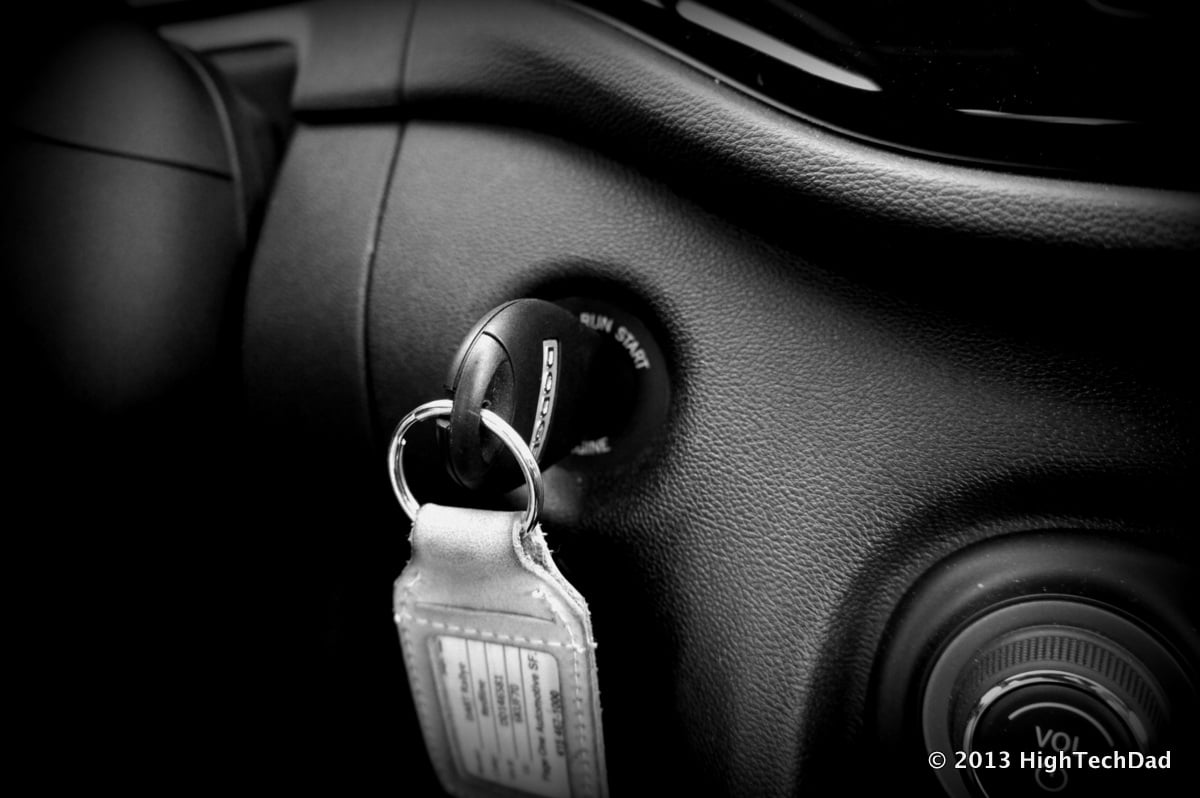
Push-button start replaced traditional key ignitions across most new vehicles. The system works with a key fob that stays in your pocket or purse.
Keys felt more secure to some people because you had physical proof the car was locked. Push-button systems are convenient but can confuse people about whether the car is actually running.
Some drivers still prefer the ritual of inserting and turning a key. The distinctive sound and feel of turning an ignition key is disappearing from the driving experience.
Physical handbrakes
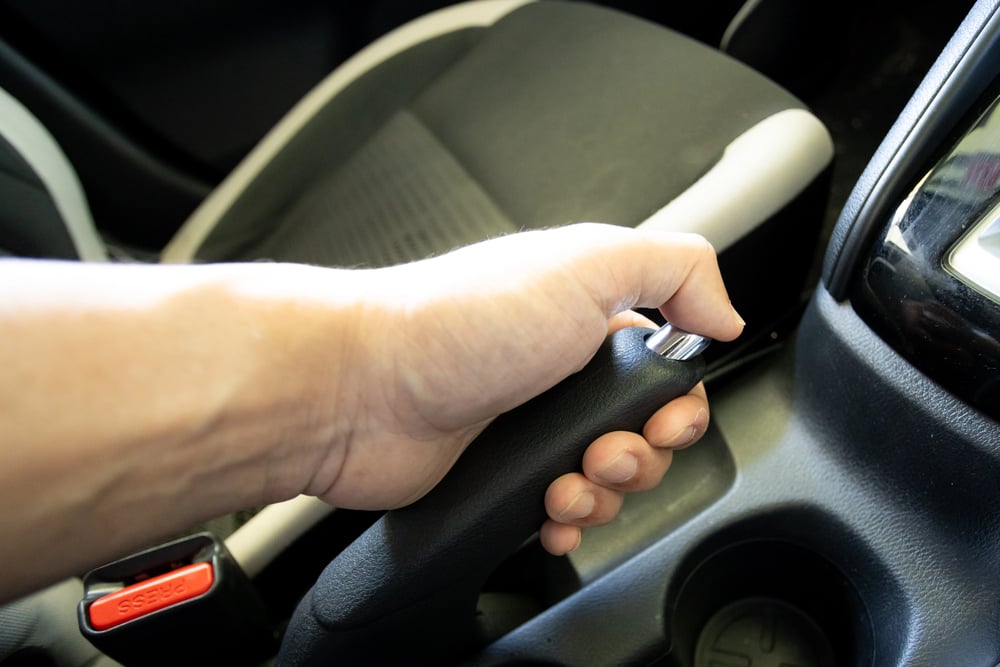
The traditional handbrake lever between the front seats is nearly gone outside of performance cars. Electronic parking brakes save space and integrate with automatic hold features that keep the car stopped at traffic lights.
The electronic button works fine for parking but takes away the ability to do handbrake turns and makes some off-road situations trickier. Car enthusiasts specifically miss the mechanical handbrake because it offered direct control.
Regular drivers probably don’t notice or care that the lever disappeared.
Separate trunk releases
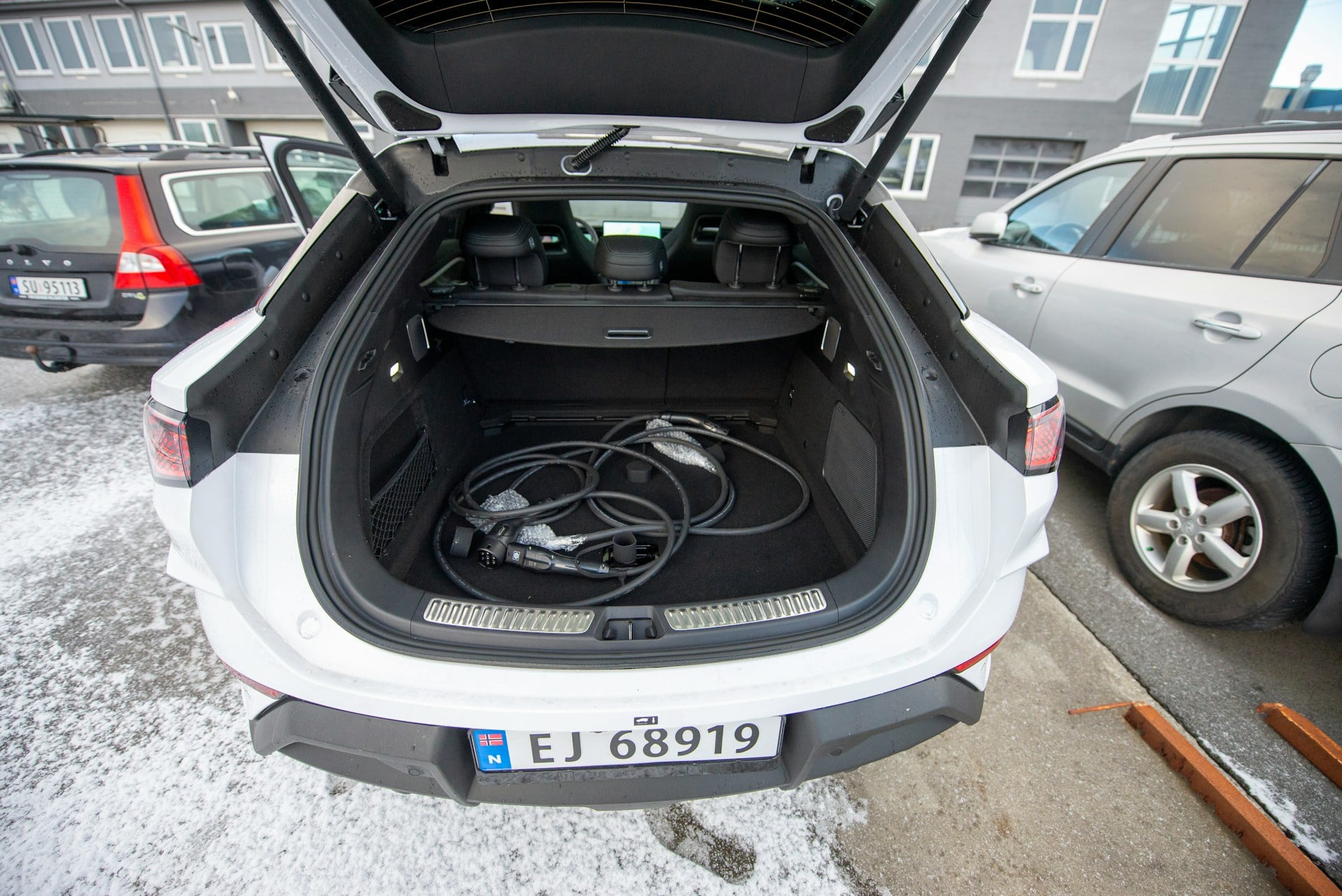
Nowadays, several modern vehicles have done away with dedicated trunk release switches, using smart sensors or handle-embedded triggers instead. You might see the lid swing open by itself just because you’re close, key in pocket.
It seems like science fiction – until it misreads your movement near strangers’ bumpers. Back then, a real button meant you decided exactly when to pop the hatch.
Swapping metal levers for invisible signals means trading certainty for ease. That link between hand and latch used to speak plainly; now it whispers through circuits.
Individual climate controls for rear passengers
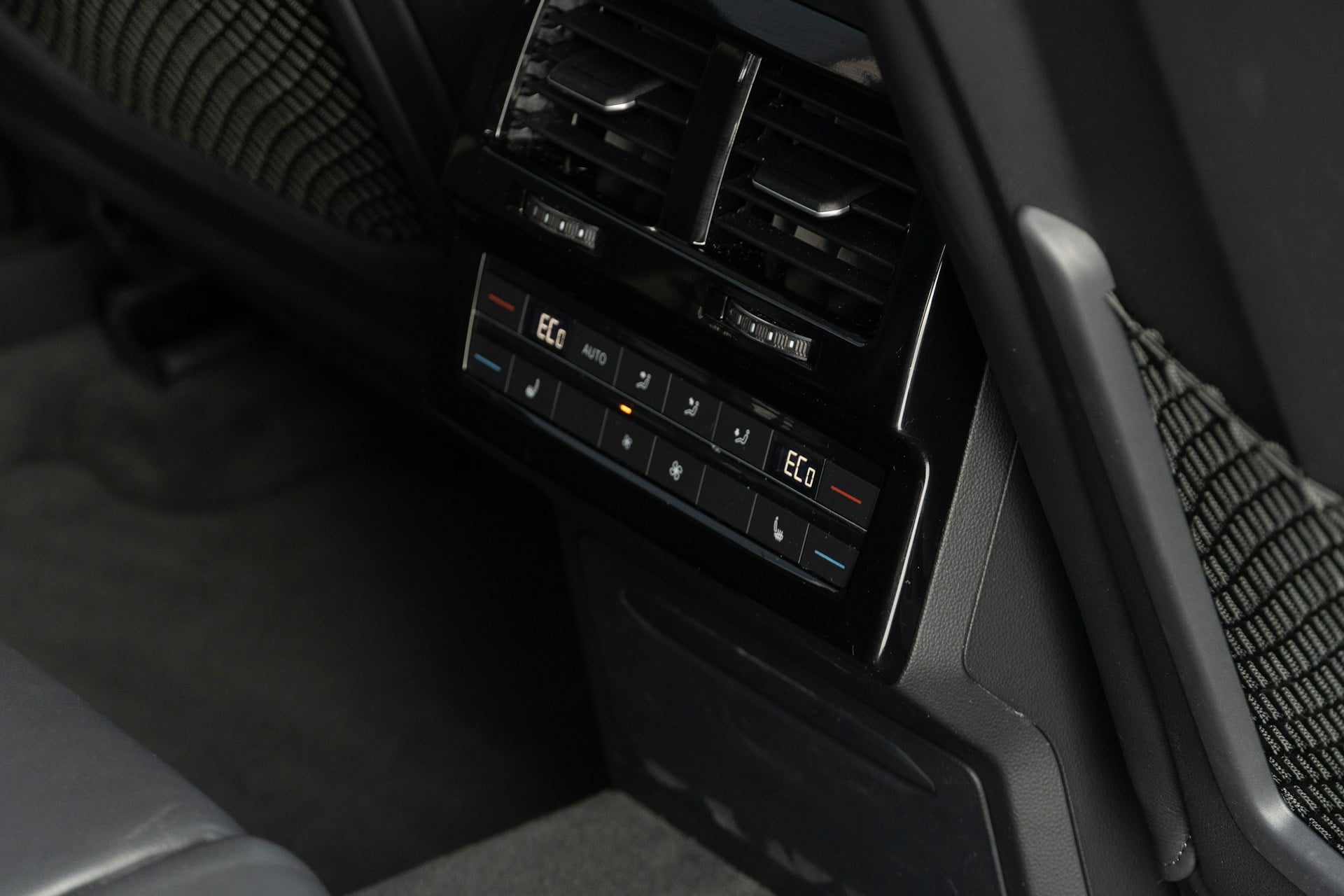
Out back, the knobs and vents once meant for cooling or warming are gone from plenty of models where they used to be standard. Instead of separate settings, extra layers of tech in heating and cooling brought costs up – so companies started skipping them.
Backseat riders must accept the setting picked by those up front. High-end rides keep offering personal climate spots, yet average-priced autos act like rear space matters less each year.
Parents traveling with children who feel cold when grown-ups feel hot lost a small thing that actually helped peace on road trips.
Where car features go to die
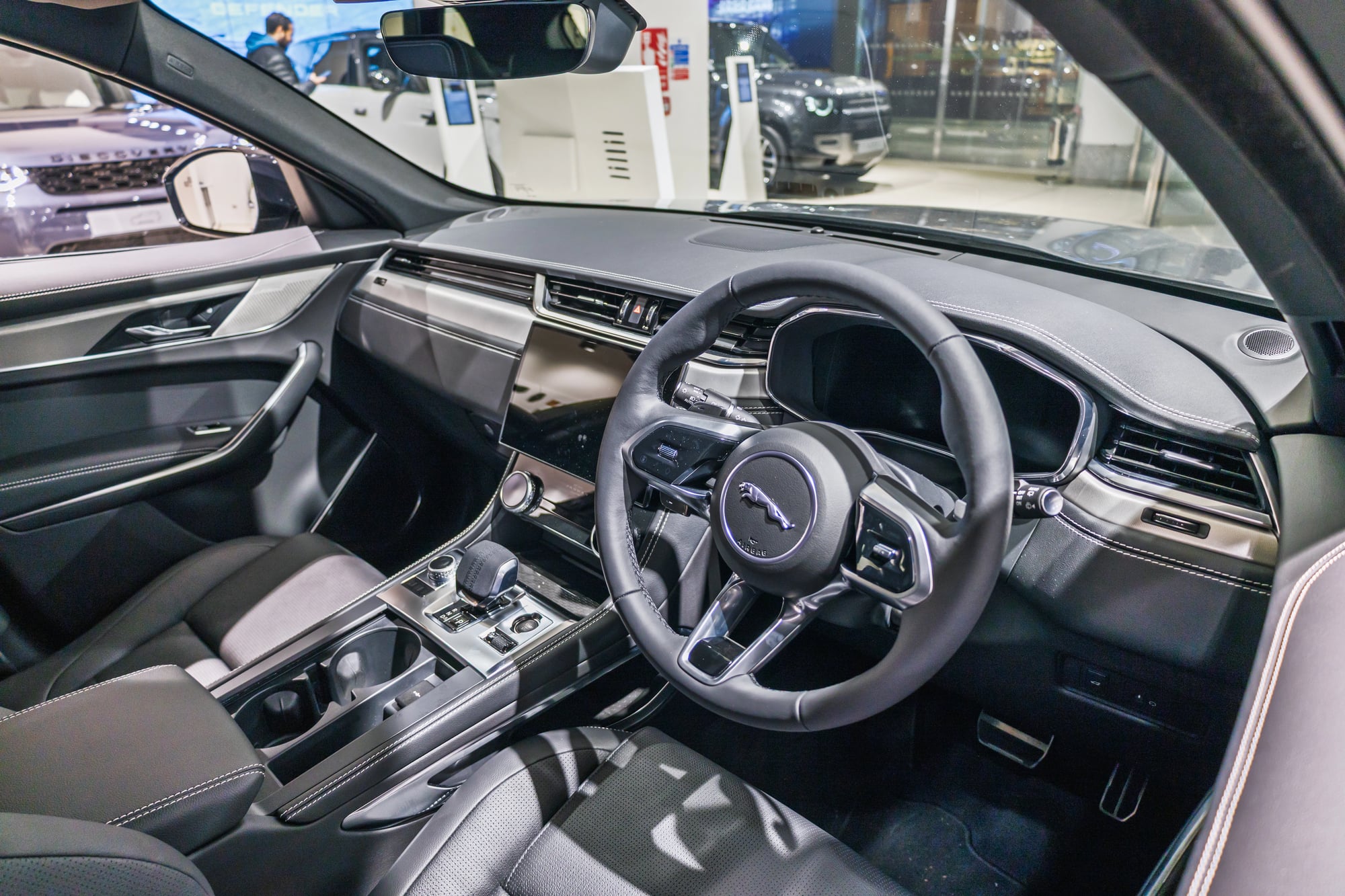
Out here, old parts fade fast when automakers decide to shift gears. Better safety pops up now and then, along with smoother ways to drive.
Cost cuts often wear the mask of innovation, though. Gadgets die off once something smarter takes their place – that kind of exit feels fair.
Things go wrong once dependable tools vanish, swapped out for setups harder to use or easier to mess up. Not every change is harmful, yet paying attention helps spot what slips away right before vanishing entirely.
More from Go2Tutors!

- The Romanov Crown Jewels and Their Tragic Fate
- 13 Historical Mysteries That Science Still Can’t Solve
- Famous Hoaxes That Fooled the World for Years
- 15 Child Stars with Tragic Adult Lives
- 16 Famous Jewelry Pieces in History
Like Go2Tutors’s content? Follow us on MSN.



