Photos From the Early Days of Air Travel
Long before seat-back screens and boarding groups, flying was a spectacle that people felt compelled to photograph. Cameras were there for the crowds, the cargo, the cramped cabins and the occasional catastrophe.
The pictures that survive show an industry inventing itself in public.
Some of these images were staged for newspapers, and others were snapped by luck. All of them capture a moment when getting off the ground was news in itself.
The Wright Flyer Leaves the Rail at Kitty Hawk
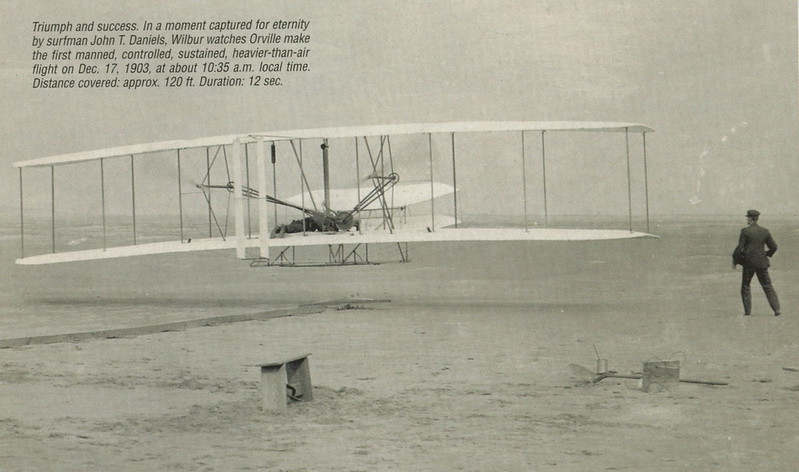
On December 17, 1903, a Life Saving Station crewman named John T. Daniels squeezed a rubber bulb on a camera that Orville Wright had set on a tripod. The glass plate caught the Flyer a few feet in the air, with Orville prone at the controls and Wilbur running alongside.
That first flight covered 120 feet in about 12 seconds. Daniels had never operated a camera before, which makes it the most consequential first attempt at photography in aviation history.
Tony Jannus and the First Paying Passenger in St. Petersburg
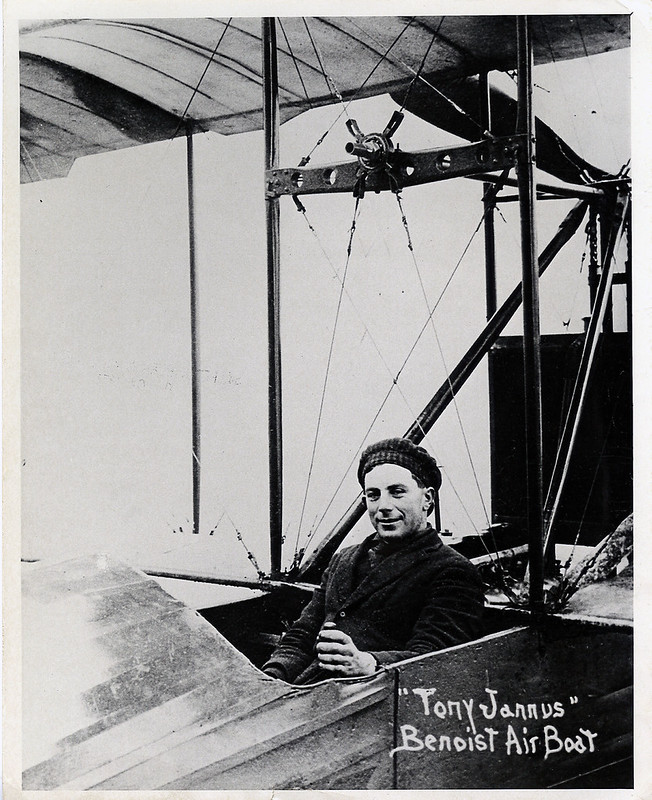
On January 1, 1914, pilot Tony Jannus lifted a Benoist flying boat off the water at St. Petersburg, Florida, carrying a single passenger across Tampa Bay. The passenger was Abram Pheil, a former mayor of St. Petersburg, who had won the one seat at auction with a $400 bid.
Photographs show the open-air craft on the water with a crowd packed along the shore. The St. Petersburg-Tampa Airboat Line is widely recognized as the first scheduled airline service using a fixed-wing aircraft.
The 1919 London to Paris Flight With Cream and Grouse
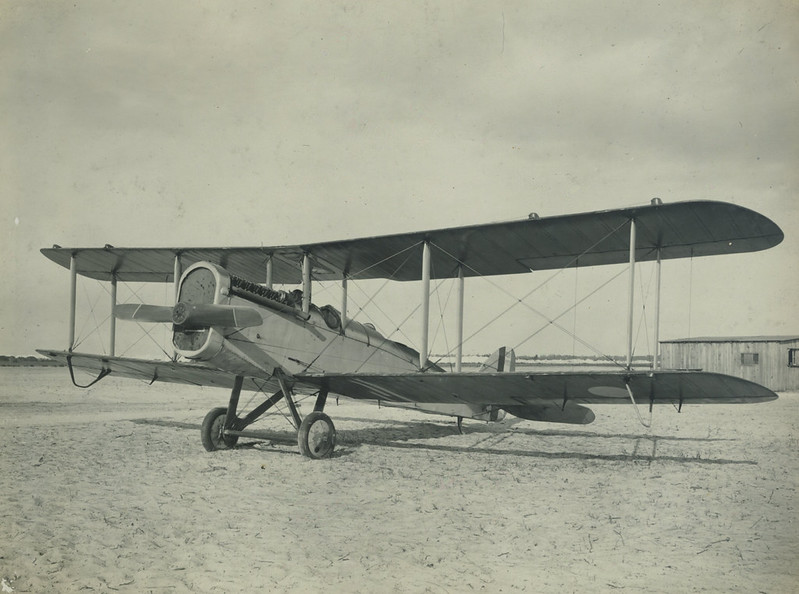
On August 25, 1919, a modified de Havilland DH.4A of Aircraft Transport and Travel left Hounslow Heath for Paris on what is widely marked as the first daily international scheduled passenger service. Photographs from the day show the single-engine biplane with its small enclosed passenger compartment behind the pilot.
Along with a lone paying customer, the aircraft carried newspapers, Devonshire cream and grouse. A century later, British Airways traced its own lineage back to that company and staged a commemoration of the route.
The Wrong-Way Pilot of the 1918 Airmail
On May 15, 1918, the Post Office launched regular airmail between Washington, Philadelphia and New York, and President Woodrow Wilson turned out to watch the departure. Photographs record the Curtiss Jenny being loaded at the Washington polo grounds.
Pilot George Boyle, a newly commissioned lieutenant, then took off in the wrong direction, ran low on fuel and landed in a Maryland field. The mail had to be trucked to Philadelphia, which turned a ceremonial debut into an embarrassment.
Amelia Earhart on the Slipway at Burry Port
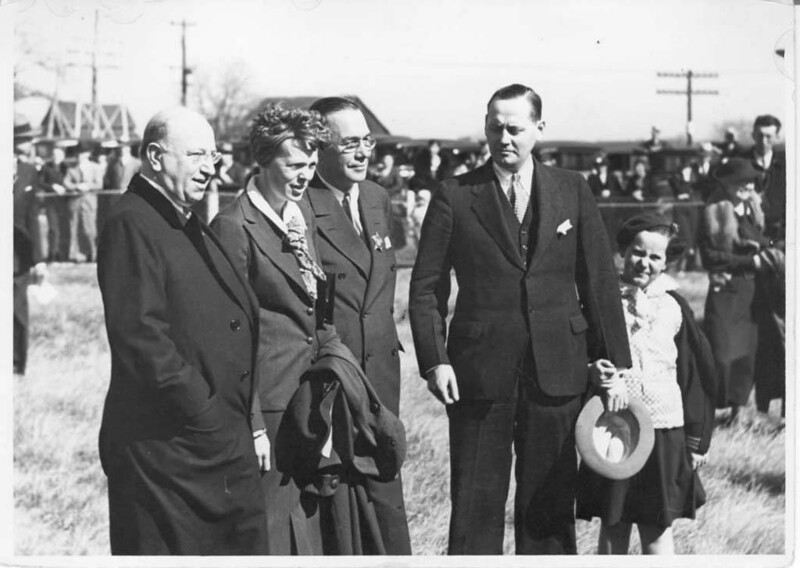
Photographs from June 1928 show Amelia Earhart beside the Fokker seaplane Friendship at Burry Port, Wales, after the first crossing of the Atlantic by a woman aboard an airplane. Pilot Wilmer Stultz flew the aircraft and mechanic Lou Gordon kept the engines running, while Earhart was a passenger who kept the logbook.
The flight from Trepassey, Newfoundland, took roughly 20 hours and 40 minutes. She later joked that she had been carried like a sack of potatoes, and the crowds in Wales and Southampton treated her as the headline anyway.
Lindbergh Mobbed at Le Bourget
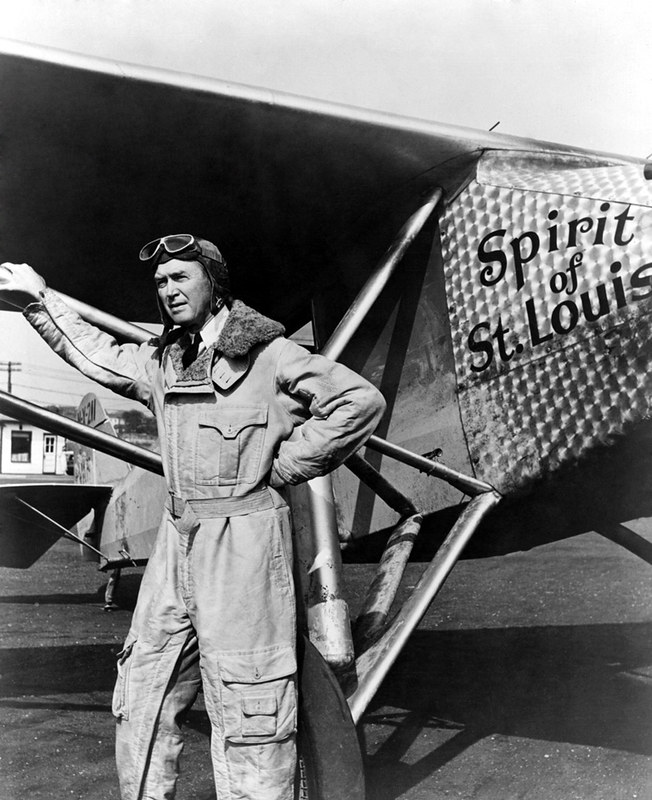
When Charles Lindbergh landed the Spirit of St. Louis at Le Bourget outside Paris on the night of May 21, 1927, a huge crowd broke through the barriers and swarmed the aircraft. Photographs show people clustered around the silver monoplane after a flight of about 33 and a half hours.
Reports of the evening put the crowd at well over 100,000 people, and the pilot was lifted away before he could finish climbing down. The scene did more than any advertisement to convince the public that ordinary people might one day cross oceans by air.
Ellen Church and the First Airline Stewardesses
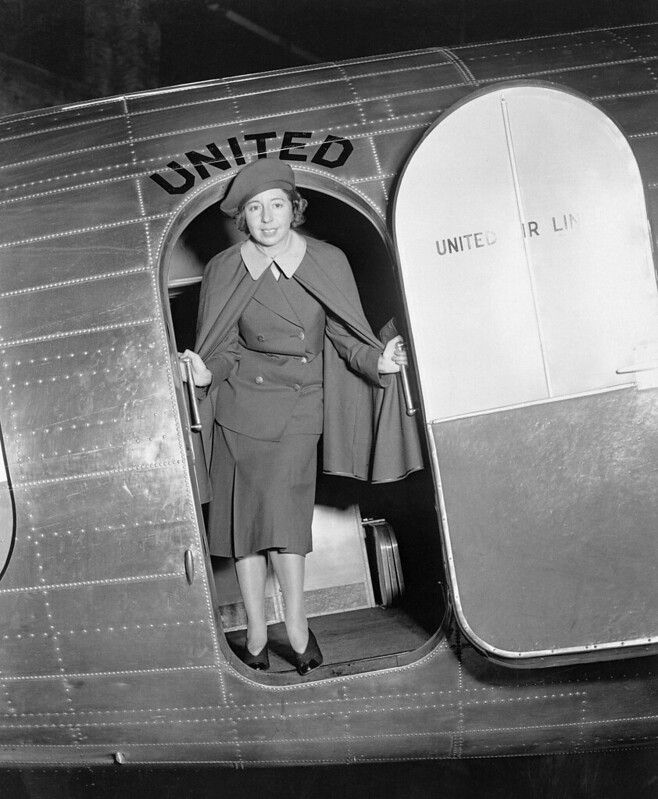
In May 1930, Ellen Church, a registered nurse from Cresco, Iowa, persuaded Boeing Air Transport to hire nurses as cabin attendants. Photographs show her and the first group of eight stewardesses in dark green uniforms with matching berets beside a Boeing 80A trimotor.
Church herself flew on the first run between Oakland and Chicago, a journey that made about 13 stops. Her pitch to the airline was that a nurse in the cabin would reassure nervous first-time travelers.
The Ford Trimotor on the Air and Rail Route Across America
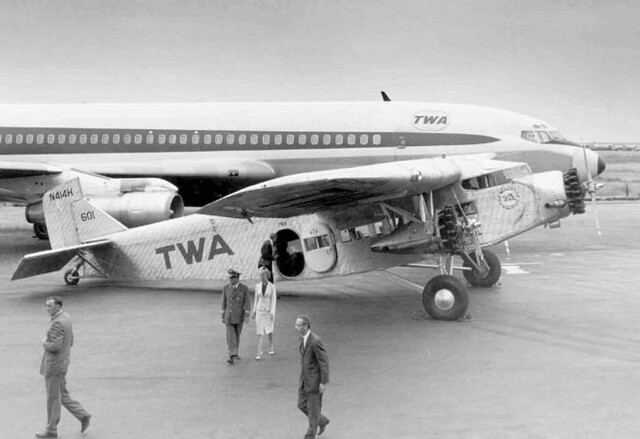
In July 1929, Transcontinental Air Transport launched a coast-to-coast service that sent passengers by train overnight and by Ford Trimotor during the day. Photographs of the corrugated metal aircraft show a cabin lined with wicker seats, and noise was loud enough that travelers were handed cotton for their ears.
The advertised trip took about 48 hours, with Charles Lindbergh helping to promote the line. Fares ran to several hundred dollars, a sum that kept the service out of reach of most households.
The Graf Zeppelin Circles the Globe
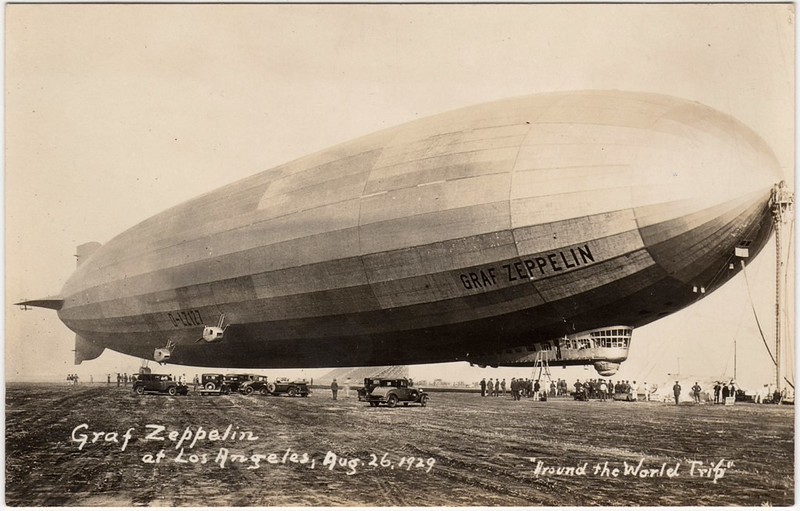
In the summer of 1929, the airship Graf Zeppelin circled the globe, with newspaper magnate William Randolph Hearst helping to pay for the trip. Photographs and film show the silver craft docked beside hangars in Germany, Japan and California.
Passengers on board included Lady Grace Drummond-Hay, a British journalist who filed reports along the way. The voyage took just over three weeks from Germany back to Germany, a pace that made ocean liners look leisurely.
The Dornier Do X With 169 People Aboard
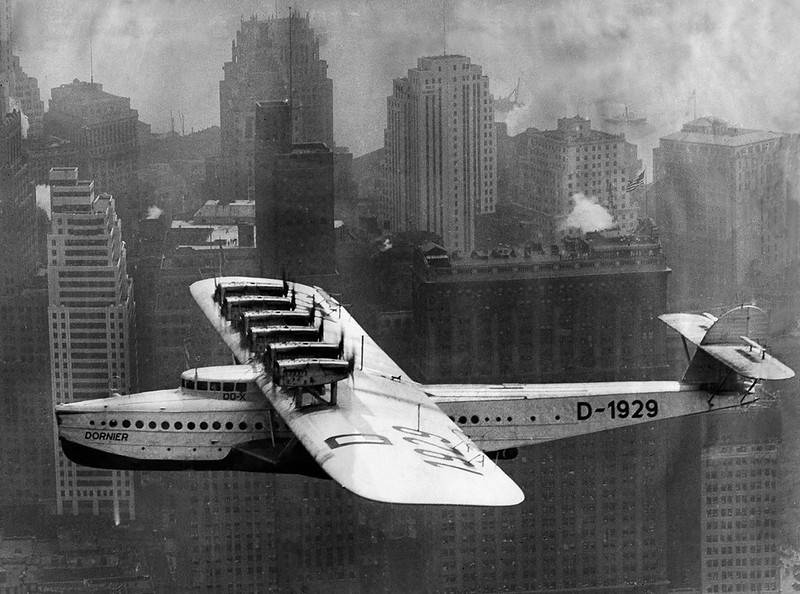
In October 1929, the giant German flying boat Dornier Do X lifted off Lake Constance with a record 169 people aboard. Photographs show the aircraft with its twelve engines mounted in pairs on a wing above the hull, looking more like a floating hotel than a plane.
The crowd on board included crew, passengers and a few stowaways. In 1931, the Do X completed a transatlantic journey to New York, though its commercial prospects never matched its size.
Pan Am’s La Nina at Key West
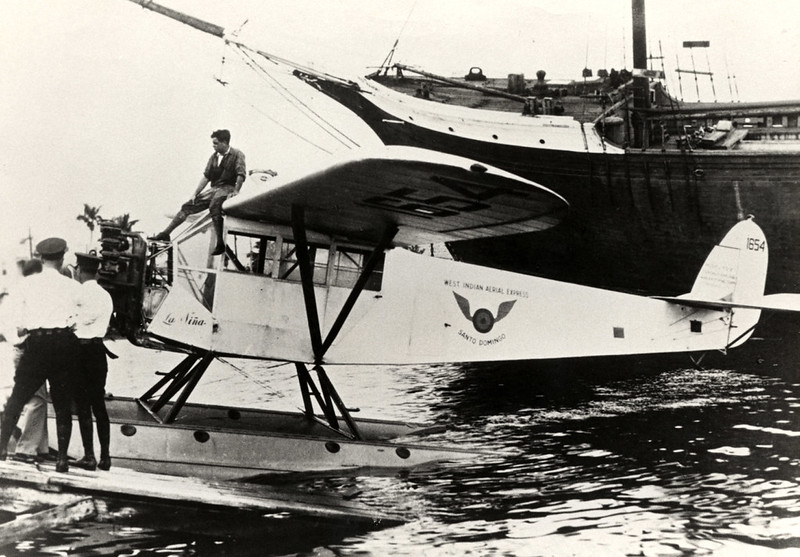
On October 19, 1927, a small Fairchild FC-2 seaplane named La Nina carried a load of mail from Key West to Havana, beginning the airline that became Pan American Airways. Photographs of the preparations show the aircraft on a Florida ramp with mailbags nearby.
The flight carried a small load of mail. Pilot Cy Caldwell flew the route in a little over an hour, a trip that took a day by ferry.
The China Clipper Leaving San Francisco Bay
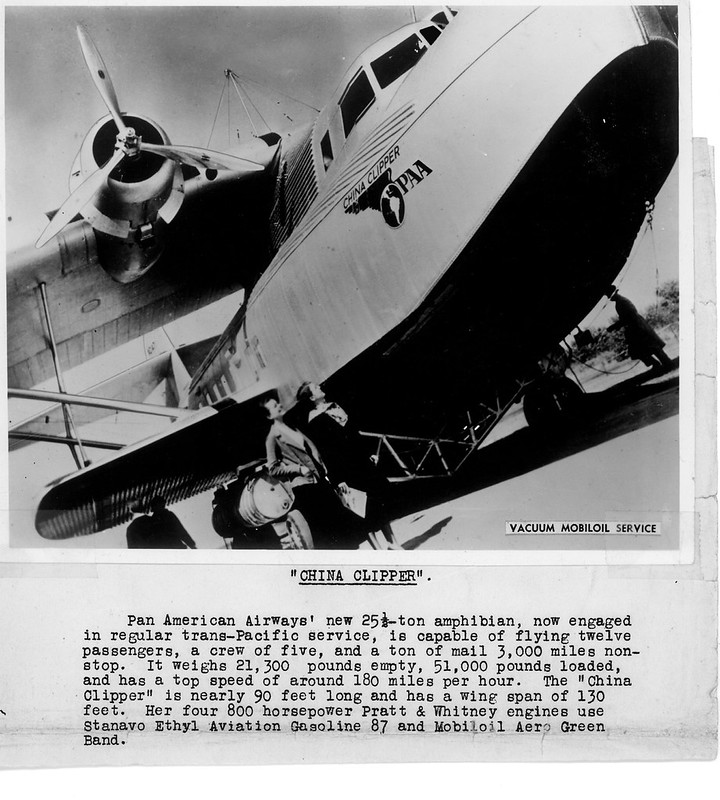
On November 22, 1935, a Martin M-130 flying boat named China Clipper left Alameda, California, on the first scheduled transpacific airmail flight. Captain Edwin Musick commanded the aircraft, which carried 110,865 pieces of mail bound for Manila.
Photographs show the clipper flying beneath the unfinished Bay Bridge as thousands watched from shore. The crossing took about a week, with stops at Honolulu, Midway, Wake and Guam.
The Handley Page H.P.42 Hannibal
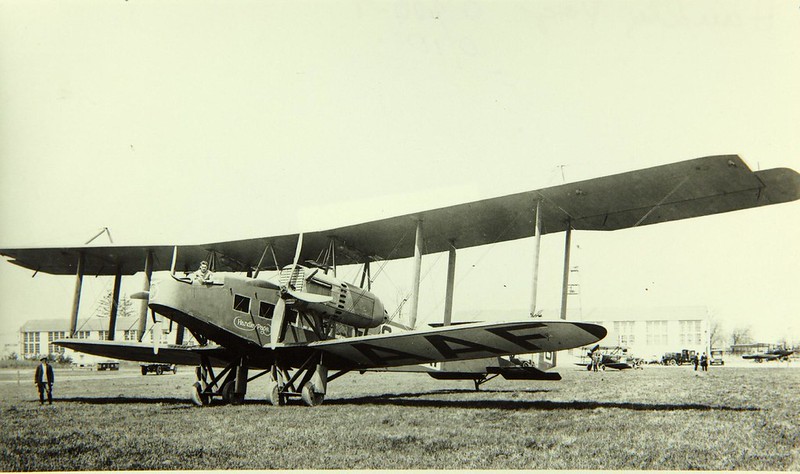
Imperial Airways introduced the H.P.42 biplane airliners in 1931, and photographs show the huge four-engine craft with a passenger cabin furnished more like a railway car than an airplane. The cruising speed was a modest 100 miles per hour or so, and passengers could look out through large windows.
The aircraft were named with a theme of classical figures, and Hannibal was the lead example. Imperial Airways relied on the type for routes across Europe and out to India and Africa.
The Hindenburg’s Aluminum Piano

Photographs of the Hindenburg’s passenger decks show a lounge furnished with a lightweight piano built from aluminum by the Blüthner firm. Passengers on the 1936 North Atlantic flights could gather around it while the airship crossed the ocean at roughly 80 miles per hour.
The craft also offered a dining room with tables set under glass windows. The airship was enormous, yet it gave passengers a sense of floating through a hotel lobby.
Sam Shere’s Photograph of the Hindenburg Disaster
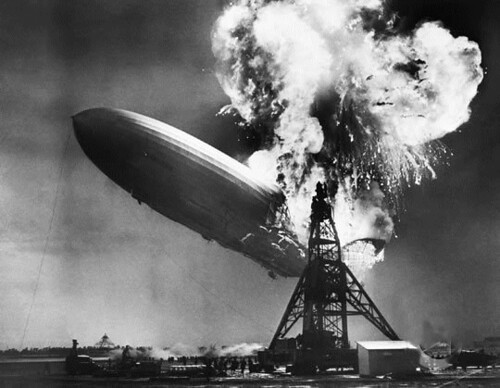
On May 6, 1937, International News Photos photographer Sam Shere captured the Hindenburg as it burned above the mooring mast at Lakehurst, New Jersey. His image shows the stern crumpling downward while flames spread through the gas cells.
Thirty-six people died, including 13 passengers, 22 crew members and a member of the ground crew. The picture ran in newspapers worldwide and helped end the age of the passenger airship almost overnight.
The Douglas Sleeper Transport and Its Fourteen Berths
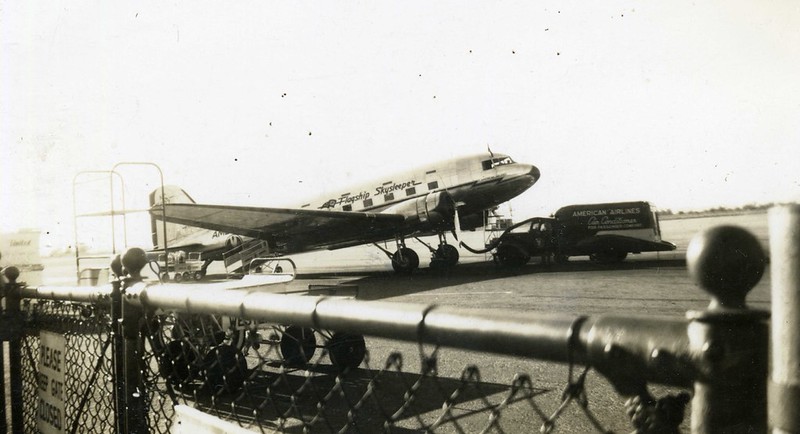
In 1936, American Airlines introduced the Douglas Sleeper Transport, a version of the DC-3 outfitted for overnight flights. Publicity photographs show the cabin with curtained berths stacked along the sides, plus seats that converted into beds.
The aircraft carried 14 berths for passengers on long routes. For the first time, it was possible to climb into a bunk over Chicago and wake up near New York.
The Cabin as a Stage for Progress
Taken together, these pictures show how quickly air travel moved from stunt to routine. Within three decades, a machine photographed for a few seconds in the sand became a daily service with timetables and uniformed crews.
Each new cabin, from wicker seats to curtained berths, tried to borrow comfort from the train or the ship.
What the images share is a sense that something was being proven in front of an audience. Crowds lined the shore, packed the airfield or stood on the mooring ground to watch.
The cameras recorded the thrill, and sometimes the cost, of a technology that never again had to explain itself.
More from Go2Tutors!

- The Romanov Crown Jewels and Their Tragic Fate
- 13 Historical Mysteries That Science Still Can’t Solve
- Famous Hoaxes That Fooled the World for Years
- 15 Child Stars with Tragic Adult Lives
- 16 Famous Jewelry Pieces in History
Like Go2Tutors’s content? Follow us on MSN.