Company Names That Mean Something Different in Another Language
Global brands spend millions on marketing and brand identity, carefully choosing names that sound powerful, trustworthy, or innovative. But sometimes those perfectly crafted names mean something completely different when they cross borders.
A word that sounds sleek and modern in English might translate to something embarrassing, funny, or downright offensive in another language. These linguistic mishaps have led to some awkward moments, quick rebranding efforts, and a few laughs along the way.
Here are some companies that learned the hard way that not every name travels well across cultures. Some caught the problem before launch, while others had to deal with the consequences after the fact.
Chevrolet Nova

This classic American car had a serious problem when Chevrolet tried selling it in Spanish-speaking countries during the 1970s. The name ‘Nova’ sounds fine in English, suggesting something new and star-like.
But in Spanish, ‘no va’ literally means ‘doesn’t go’ or ‘it doesn’t work’. Imagine trying to sell a car whose name basically tells customers it won’t run.
Despite this unfortunate translation, the car actually sold reasonably well in Latin America, though it certainly didn’t help the marketing team’s job.
Mitsubishi Pajero

The Japanese automaker picked this name for one of its most popular SUV models, and it worked great in most markets. The word comes from a South American wildcat species, which seemed like a perfect fit for a rugged off-road vehicle.
However, in Spanish-speaking countries, ‘pajero’ is a vulgar slang term that refers to a rather private activity. Mitsubishi quickly renamed the vehicle ‘Montero’ for Spanish-speaking markets, which means ‘mountain hunter’ and sounds much more appropriate for a family vehicle.
IKEA Fartfull
The Swedish furniture giant has created thousands of product names over the decades, and most translate just fine. But ‘Fartfull’ is a workbench that sounds perfectly normal in Swedish, where ‘fart’ means speed or pace.
English speakers, of course, immediately see something entirely different. The name essentially means ‘speedy’ or ‘full of speed’ in Swedish, describing how efficiently someone might work at this bench.
IKEA has kept the name despite the giggles it generates in English-speaking stores.
Pschitt

This French soft drink has been around since the 1950s and remains popular in France. The name comes from the sound a carbonated drink makes when you open it, which makes perfect sense in French.
But English speakers immediately recognize another word that sounds almost identical, making it a tough sell in American or British markets. The drink has stayed primarily in French-speaking countries, where nobody bats an eye at asking for a Pschitt at the corner store.
Bimbo
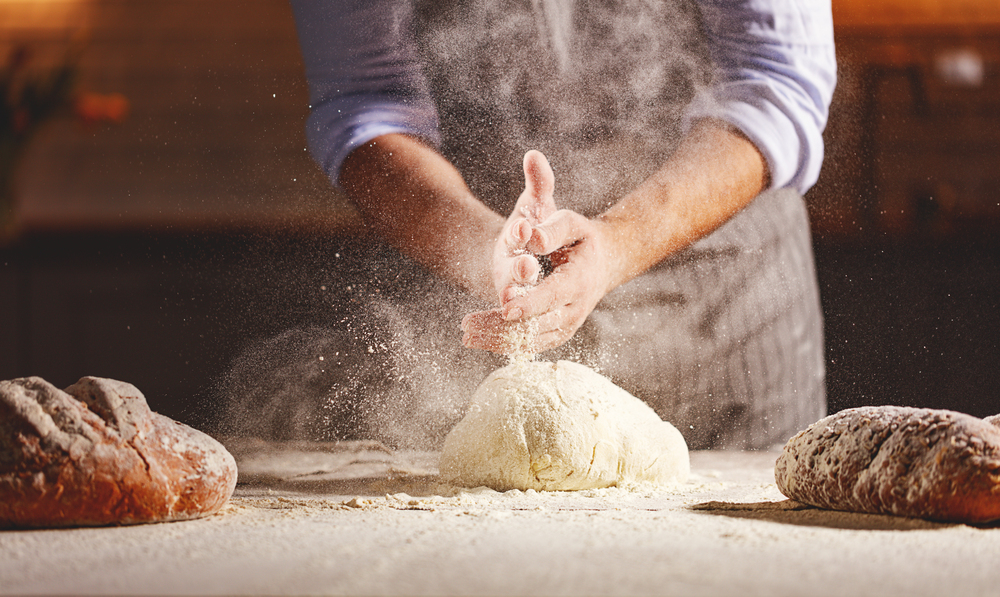
This Mexican bakery company is massive, operating in 33 countries and producing bread, rolls, and snacks. In Spanish, ‘Bimbo’ doesn’t carry any negative meaning and was simply a made-up word that sounded friendly.
In English, however, it’s a dated slang term for an attractive but unintelligent woman, which definitely isn’t the image a food company wants. Despite this, Bimbo has kept its name even in English-speaking markets, banking on the fact that the controversy actually helps people remember the brand.
Colgate
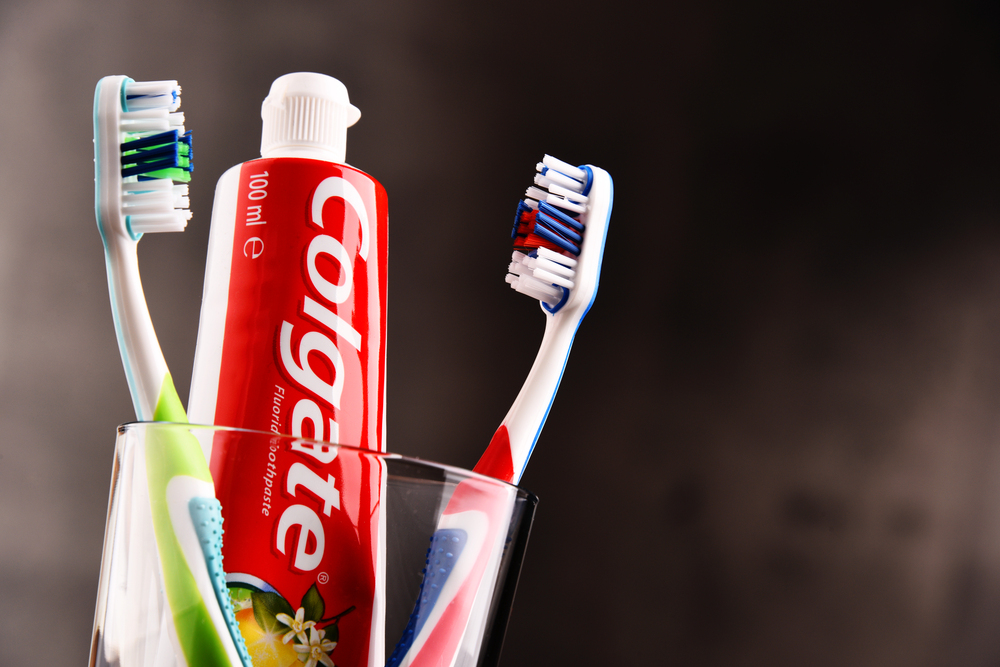
The dental care giant had no problems in most countries, but things got awkward in Spanish-speaking markets for a different reason. In some Spanish dialects, ‘cuelgate’ sounds very similar to Colgate and means ‘go hang yourself’.
This pronunciation issue wasn’t widespread enough to require a complete rebrand, but it certainly made some people do a double-take when they saw the toothpaste aisle. The company has managed to overcome this linguistic hurdle through decades of marketing and brand recognition.
Clairol Mist Stick
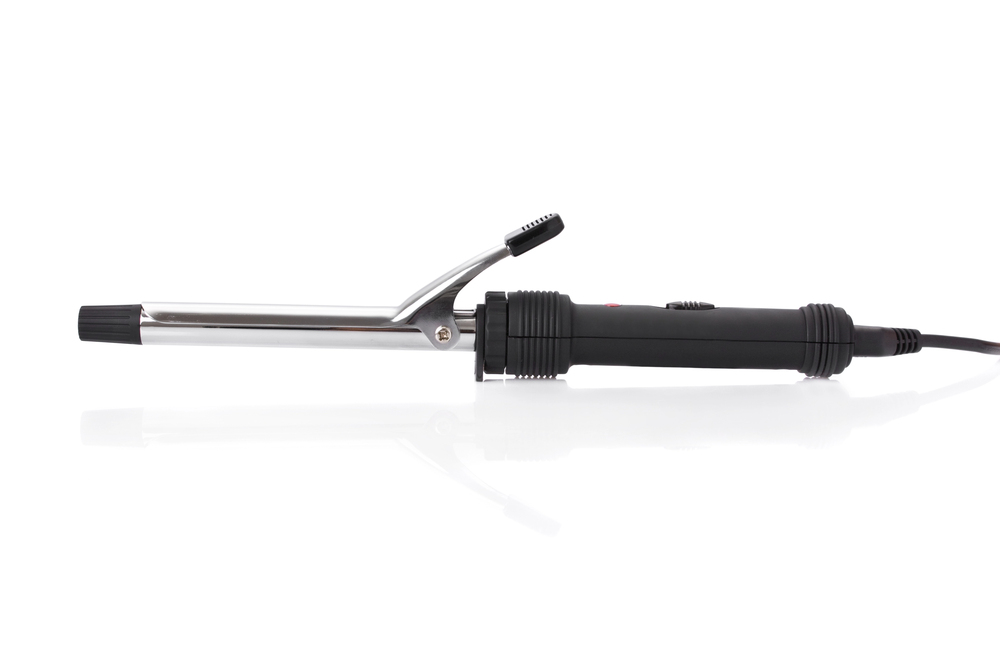
This curling iron seemed like a winner when Clairol launched it in the United States during the 1960s. The ‘mist’ part referred to the slight amount of steam it produced while styling hair.
But when the company tried selling it in Germany, they discovered that ‘mist’ is a German slang word for manure or dung. German women weren’t exactly lining up to buy a product that essentially promised to give them a ‘manure stick’ hairstyle.
Clairol quickly changed the name for the German market.
Vicks

The cough drop and cold remedy brand is known worldwide, but it had to rebrand in German-speaking countries. In German, the ‘V’ sound is pronounced like an ‘F’, making ‘Vicks’ sound like a vulgar German slang term.
The company changed its name to ‘Wicks’ in Germany, Austria, and Switzerland to avoid the embarrassment. This small spelling change kept the brand recognizable while sidestepping an awkward pronunciation issue.
Reebok Incubus
The athletic shoe company released a women’s running shoe called the Incubus in the late 1990s. Someone in the marketing department apparently didn’t check what an incubus actually is.
In medieval folklore, an incubus is a male demon that visits women while they sleep, which is definitely not the image most women want associated with their running shoes. Reebok pulled the shoe and renamed it after complaints poured in from customers who actually knew their mythology.
Ford Pinto

This compact car became infamous in the United States for safety issues, but it had a different problem in Brazil. In Brazilian Portuguese, ‘pinto’ is a slang term for male anatomy, specifically a rather small one.
Ford had planned to sell the car in Brazil but quickly realized that nobody would want to drive around in a vehicle with such an unfortunate name. The company renamed it the ‘Corcel’, which means horse, for the Brazilian market.
Bite the Wax Tadpole

Coca-Cola faced this bizarre translation issue when entering the Chinese market in the 1920s. Chinese shopkeepers created their own characters to phonetically spell out ‘Coca-Cola’, and some combinations translated to ‘bite the wax tadpole’ or ‘female horse stuffed with wax’.
The company eventually found Chinese characters that sounded similar to the original name while meaning ‘tasty fun’ or ‘allow the mouth to rejoice’. This careful selection turned a potential disaster into one of the most successful brand launches in Chinese history.
Scandinavian vacuum manufacturer
The company Electrolux, based in Sweden, launched an advertising campaign in the United States with the slogan ‘Nothing sucks like an Electrolux’. In British and American English, saying something ‘sucks’ means it’s terrible or of poor quality.
The company meant the slogan literally, referring to the vacuum’s powerful suction. American consumers found the campaign hilarious because it seemed like the company was insulting its own products.
Electrolux eventually changed the slogan, though the original has become legendary in marketing classes.
Irish Mist
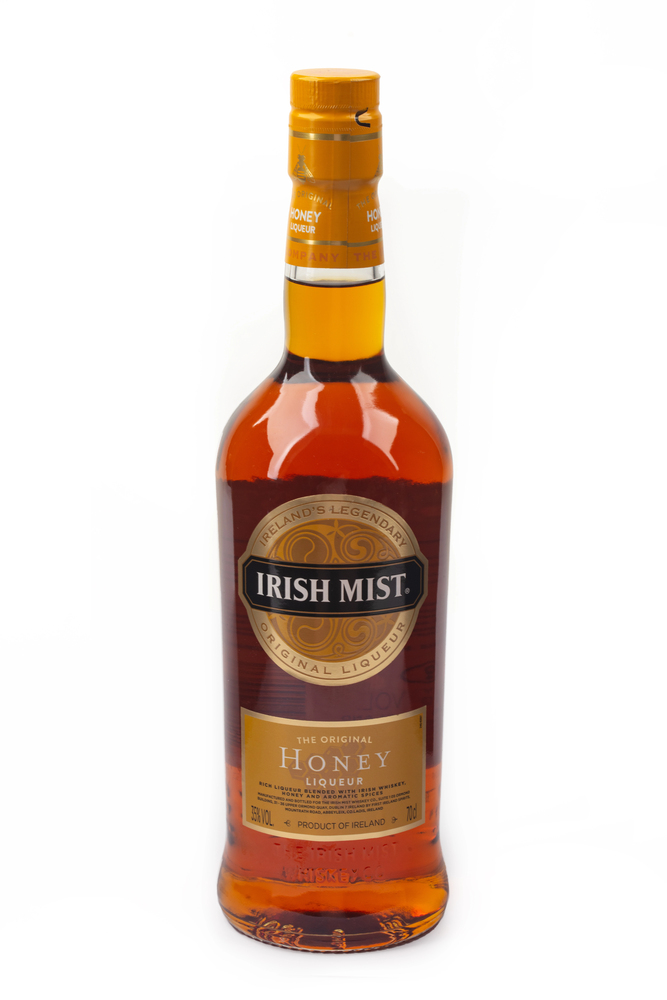
This whiskey liqueur had been produced in Ireland for decades before the company tried expanding to Germany. The name celebrates the misty Irish countryside and the drink’s smooth, clouded appearance.
But as mentioned earlier with the Clairol product, ‘mist’ means something quite different in German. The company decided to keep the name anyway, figuring that the Irish association would be strong enough to overcome the unfortunate German translation.
Sales in Germany never quite took off the way the company hoped.
Joni
This toilet paper brand from the Swedish company SCA works perfectly fine in Scandinavian countries. The name doesn’t mean anything particular in Swedish, making it just a pleasant-sounding brand name.
But in Hindi and several other Indian languages, ‘joni’ is a crude term for female anatomy. The company discovered this issue when trying to expand into the Indian market and had to completely rebrand for that region.
It’s a reminder that even innocent-sounding made-up words can have meanings elsewhere.
Schweppes Tonic Water
Funny how sounds trip people up. That drink brand stumbled in Italy just because of a tricky start to its name.
The ‘Sch’ chunk sits oddly in Italian mouths – never seen that combo before. Try saying it and it slips into something close to ‘Schweppes’.
Oops. Turns out, that echo rings with a crude local phrase nobody wanted. So the business shifted gears quietly.
Started leaning on the look of the logo instead of asking folks to speak it. People saw it everywhere, slowly stopped tripping over the word. Shelves full, cash flowing again.
Puffs tissues
Softness comes through clearly when you say Puffs in America, where people link it to comfort. Yet switch to Germany, and that same word pulls up images tied to red-light districts.
What feels innocent in one place carries weight elsewhere, especially with meanings shifting across borders. A name meant for gentle care ended up tangled in unintended slang there.
So instead of pushing forward, the team stepped back, choosing new wording altogether. Today, shelves in German-speaking areas show a label stripped of past missteps.
When words cross borders
What happens when words cross borders? A solid product plus smart ads are never enough on their own.
Culture shapes how people hear things – sometimes turning pride into awkwardness without warning. These days firms dig deep into local speech long before release dates hit.
Online reactions spread fast, sure – but spotting slipups early helps avoid costly fixes later. Each blunder rewires corporate thinking: plan worldwide right away, not after poor results arrive.
More from Go2Tutors!

- The Romanov Crown Jewels and Their Tragic Fate
- 13 Historical Mysteries That Science Still Can’t Solve
- Famous Hoaxes That Fooled the World for Years
- 15 Child Stars with Tragic Adult Lives
- 16 Famous Jewelry Pieces in History
Like Go2Tutors’s content? Follow us on MSN.



