Photos of 16 Rare Color Photos of Historic Mediterranean Cruises
Before air travel made the Mediterranean as accessible as a weekend trip to the grocery store, cruise ships were the elegant gateway to this storied region. These rare color photographs capture an era when Mediterranean cruising meant something entirely different — when passengers dressed for dinner every night, when ports weren’t overrun with day-trippers, and when the journey mattered as much as the destination.
Each image tells the story of a time when crossing these ancient waters was still an adventure, not just another vacation option. Each image tells the story of a time when crossing these ancient waters was still an adventure, not just another vacation option.
The SS Independence at Gibraltar, 1955
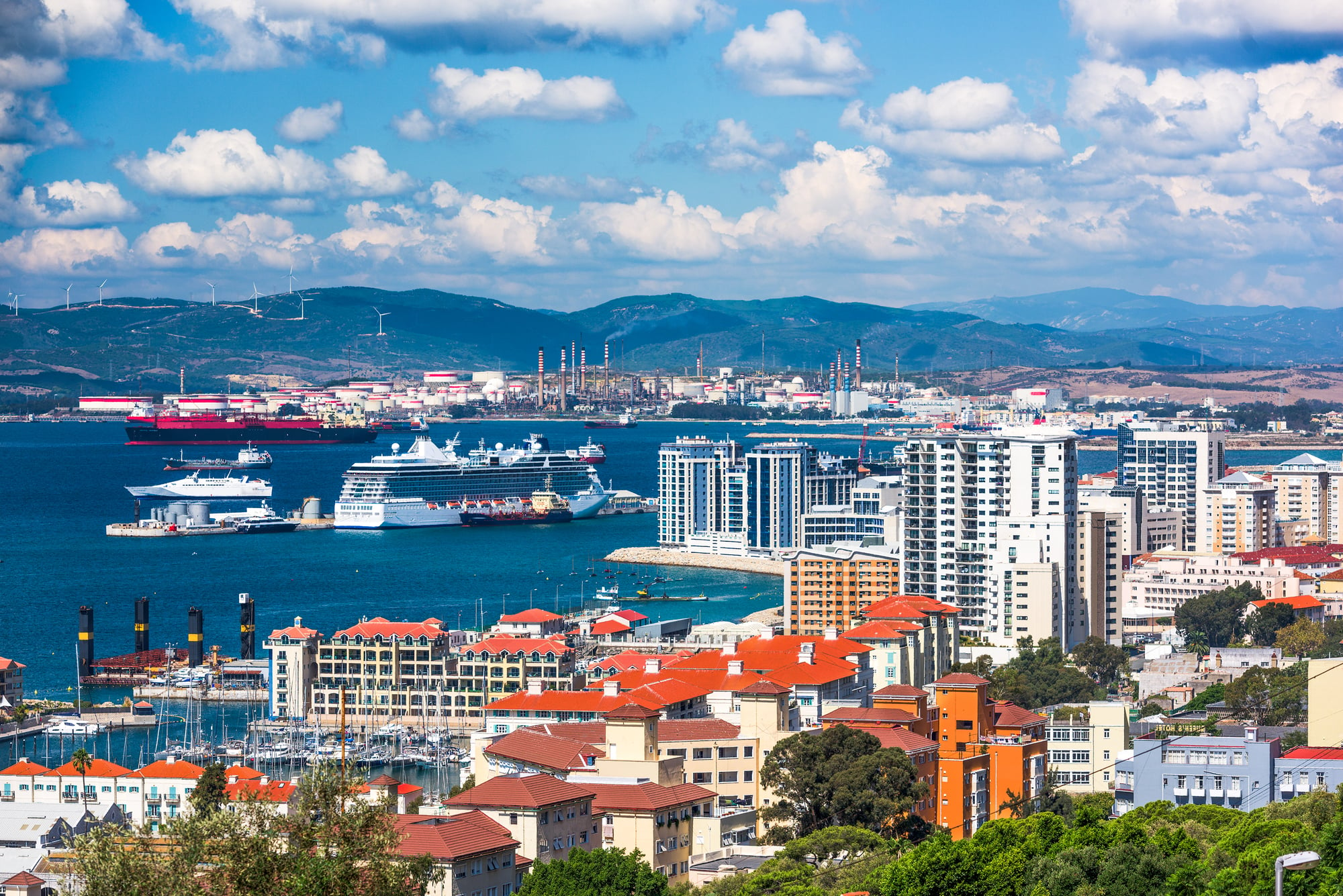
The Rock of Gibraltar rises behind the gleaming white hull like nature’s own exclamation point. Passengers crowd the deck rails in their carefully pressed vacation clothes, everyone straining for the perfect angle of this legendary landmark.
This wasn’t Instagram-ready posing. These people knew they might never see Gibraltar again.
Italian Riviera Arrival, 1962
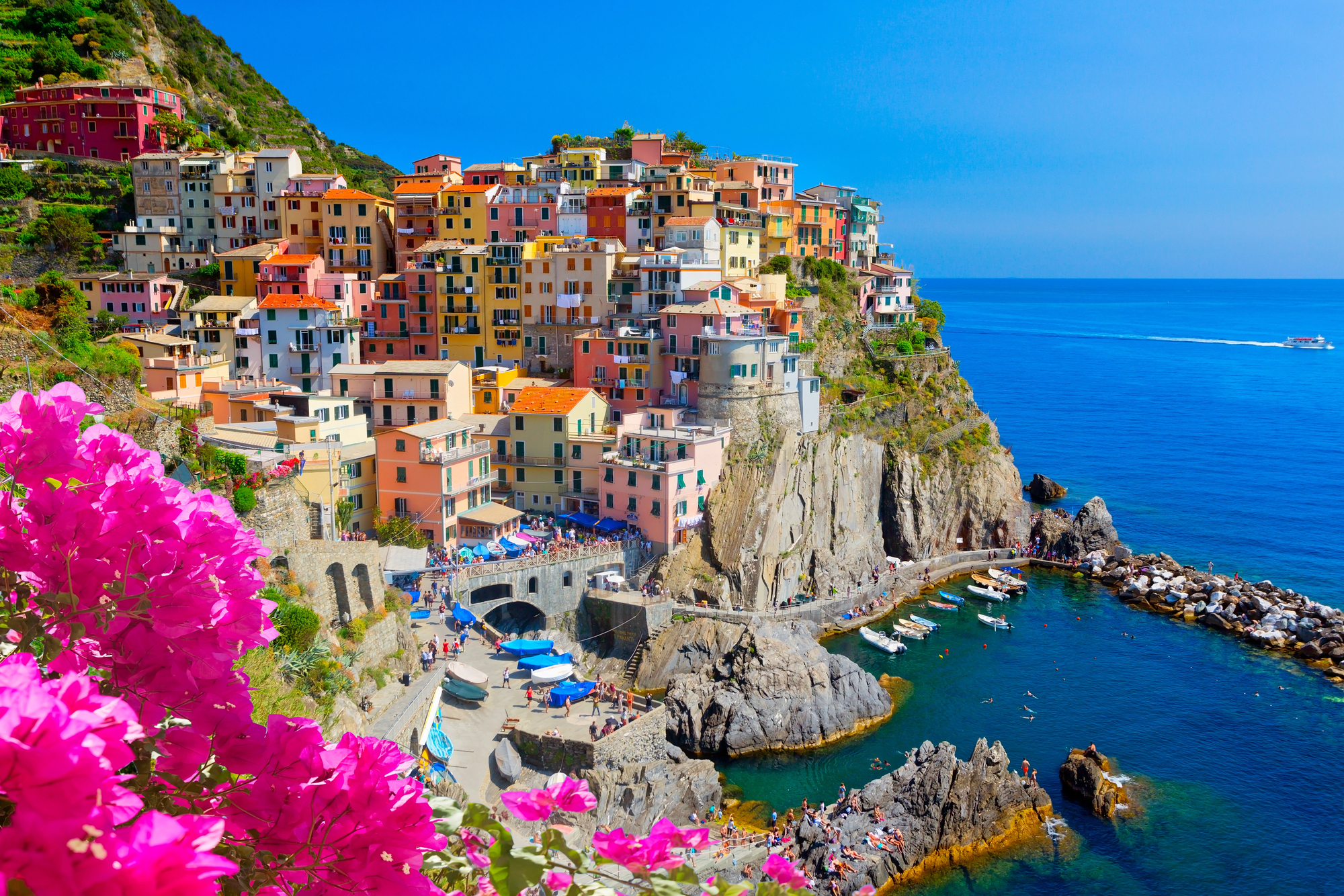
The harbor at Portofino looks almost untouched in this shot, with the cruise ship anchored offshore like a patient whale. Small tender boats ferry passengers to the colorful village, which hasn’t yet discovered that tourism could reshape its entire economy.
The water is so clear you can see the anchor chain disappearing into the depths. You can almost feel the anticipation on those tender boats — passengers who had spent days at sea finally glimpsing the Italy they’d only read about in magazines.
And the village itself sits there completely unaware of what’s coming: the decades of cruise ships that would follow, the gift shops that would replace fishing supply stores, the way this single photograph would someday represent the last glimpse of a Mediterranean that was still discovering itself rather than performing for visitors. And the village itself sits there completely unaware of what’s coming: the decades of cruise ships that would follow, the gift shops that would replace fishing supply stores, the way this single photograph would someday represent the last glimpse of a Mediterranean that was still discovering itself rather than performing for visitors.
Greek Island Sunset from Ship’s Deck, 1958
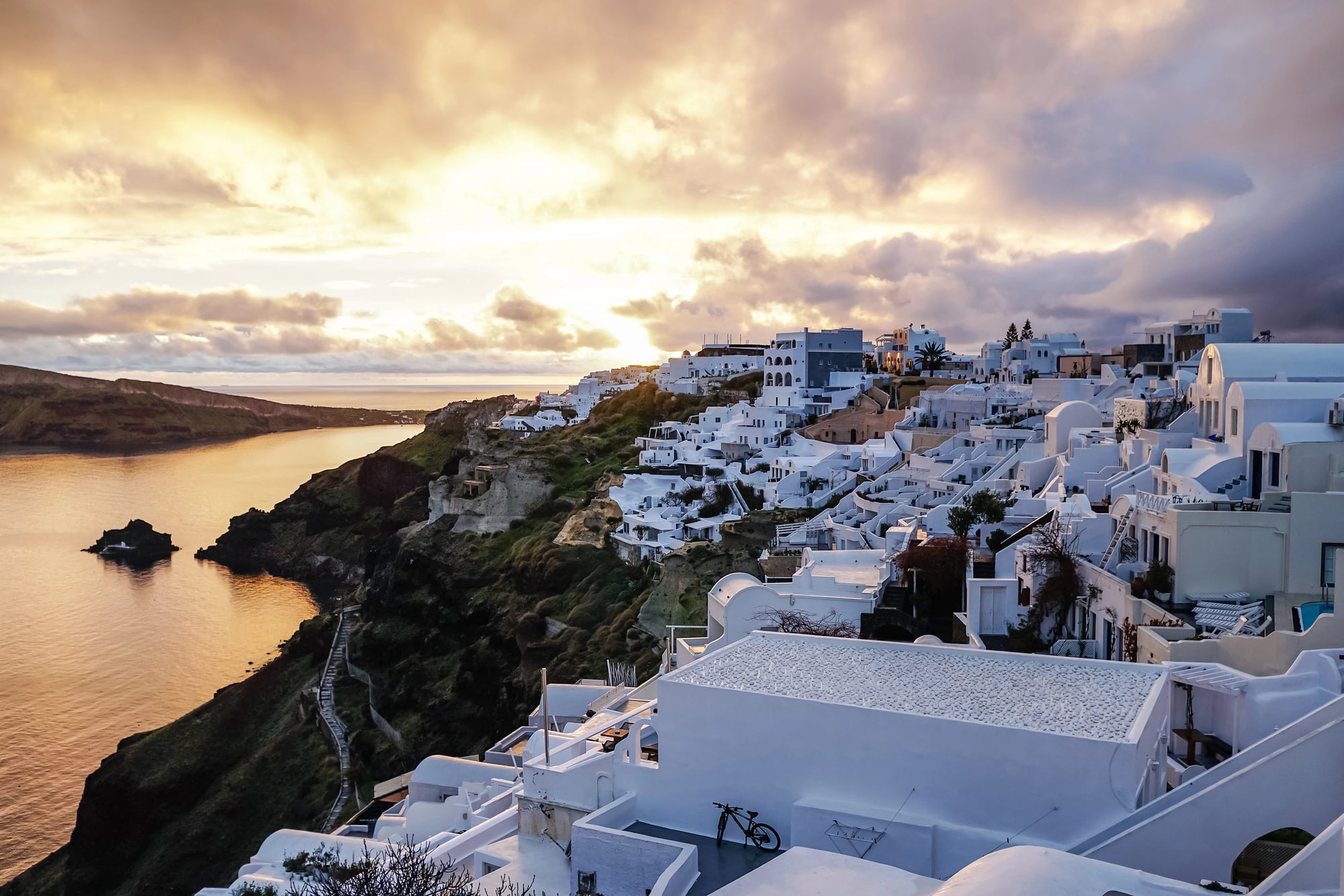
The photograph stops you mid-scroll through whatever you were doing. There’s something about the way the evening light hits the white-washed buildings on the distant hillside — like someone took ordinary architecture and dipped it in honey and shadow.
The passengers silhouetted against the ship’s railing aren’t posing. They’re just standing there, letting the moment expand around them the way sunsets do when you’re not rushing to capture them. Their drinks sit forgotten on the deck tables because some things demand your full attention, and Mediterranean sunsets from a ship’s deck happen to be one of them.
The island could be anywhere — Mykonos, Santorini, one of the smaller dots of land that most tourists never learn to pronounce. What matters is the way the photograph captures that specific quality of Mediterranean light that travel writers spend entire articles failing to describe adequately.
Formal Dining Room, MS Kungsholm, 1961
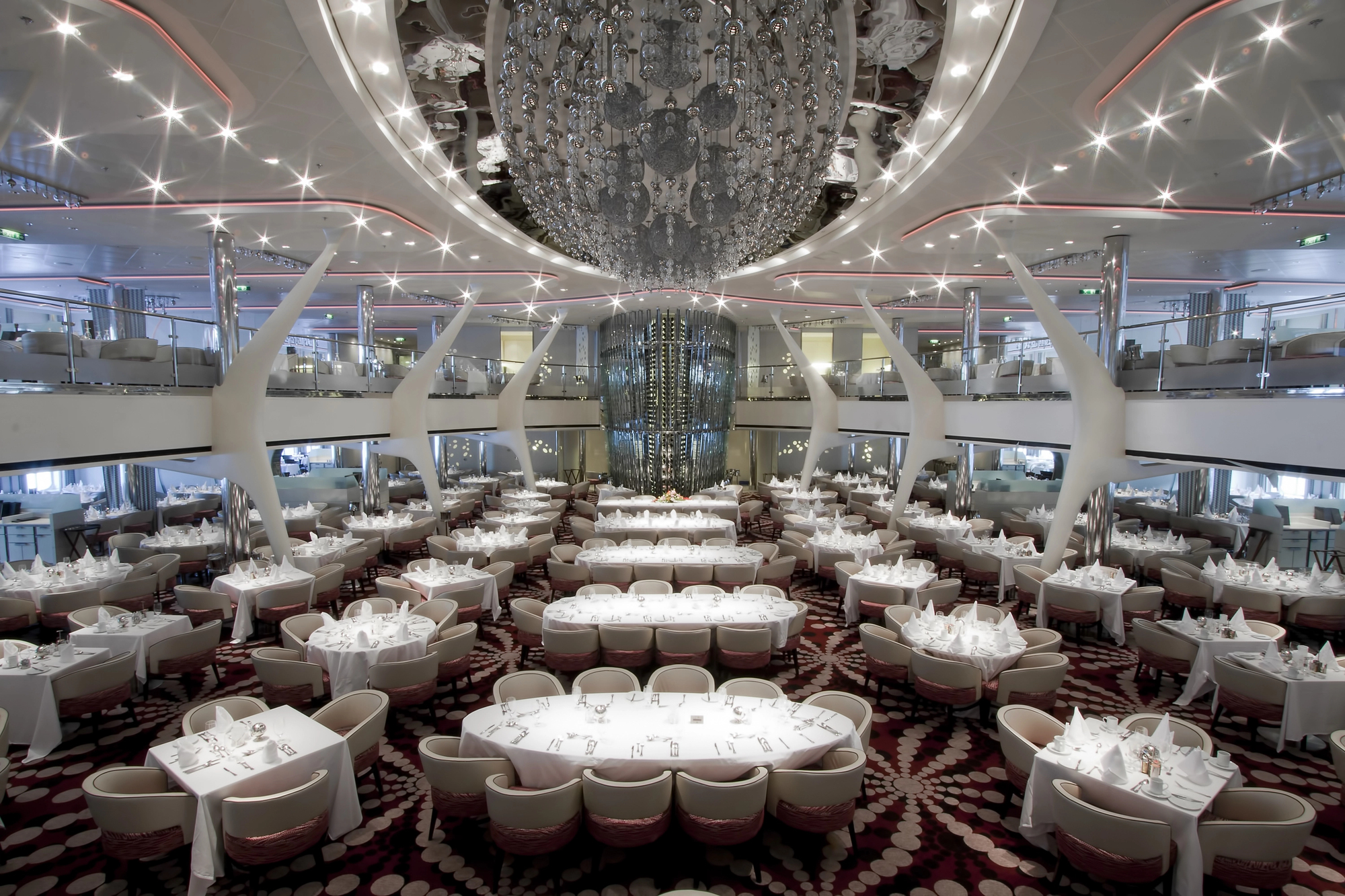
Cruise ship dining rooms today are cafeterias with chandeliers. This is something else entirely. Every passenger is dressed like they’re attending someone’s wedding, and the waitstaff moves through the room with the precision of a ballet company.
The tables are set with enough silverware to confuse a etiquette expert. The most telling detail? Not a single person is looking at a phone.
Conversation was the entertainment, and judging by the animated gestures captured mid-motion, people were apparently better at it back then. Conversation was the entertainment, and judging by the animated gestures captured mid-motion, people were apparently better at it back then.
Monaco Harbor Approach, 1959
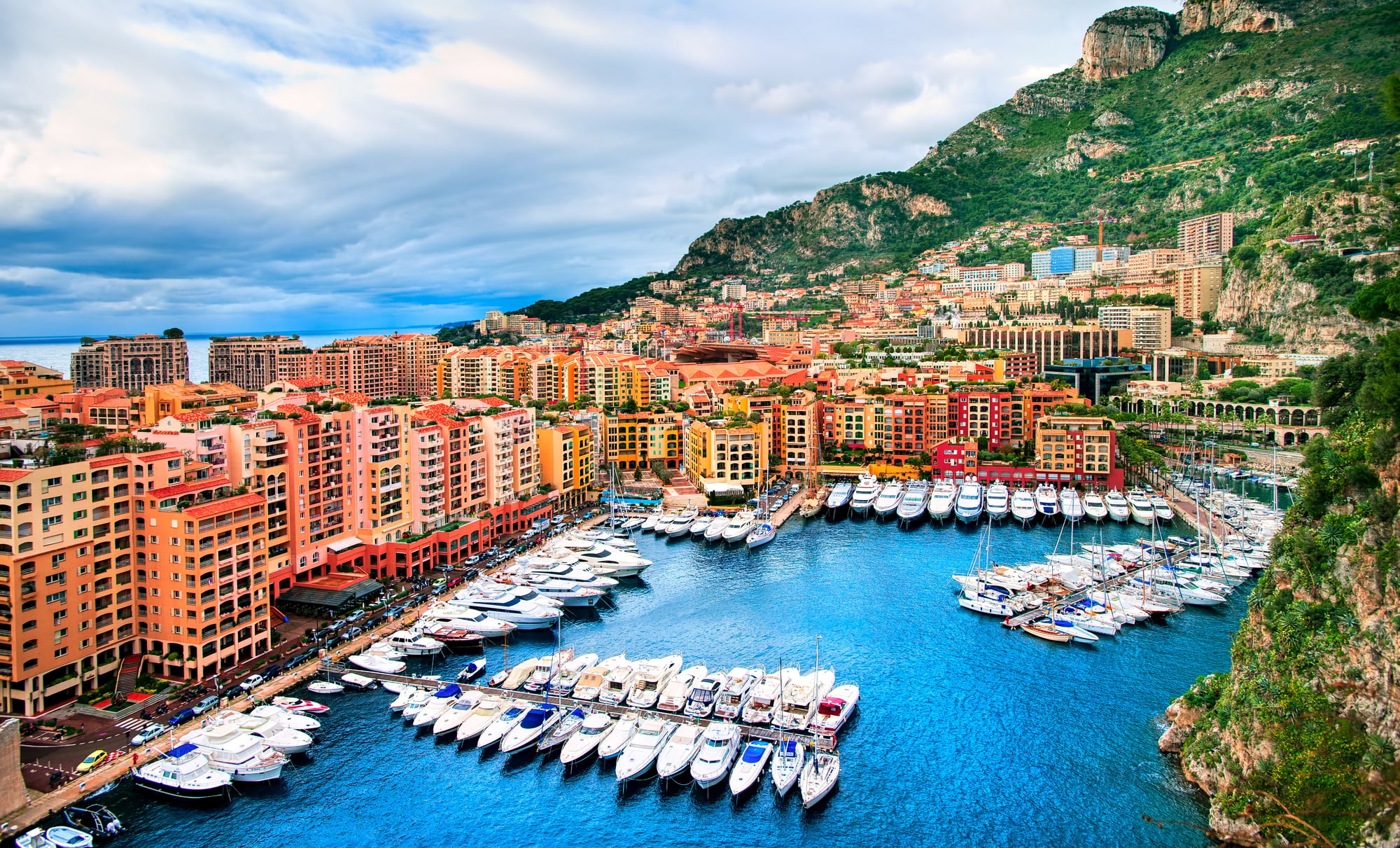
Monaco spreads across the hillsides like an architect’s fever dream, all wedding-cake buildings and impossible wealth perched above a harbor barely big enough to contain its own ambitions. The cruise ship in the foreground looks modest compared to the floating palaces that would eventually call this port home, but even then, Monaco knew how to make an entrance feel significant.
The photograph captures that moment when a destination reveals itself all at once rather than gradually, the way most places do, and your brain has to recalibrate what constitutes normal wealth versus what constitutes Monaco wealth — which turns out to be two entirely different scales of measurement. Even the yachts in the harbor look like they’re trying to impress each other, and the whole scene carries that distinctly Mediterranean quality where natural beauty and human excess seem to have reached some kind of working agreement.
Turkish Bath Experience, 1963
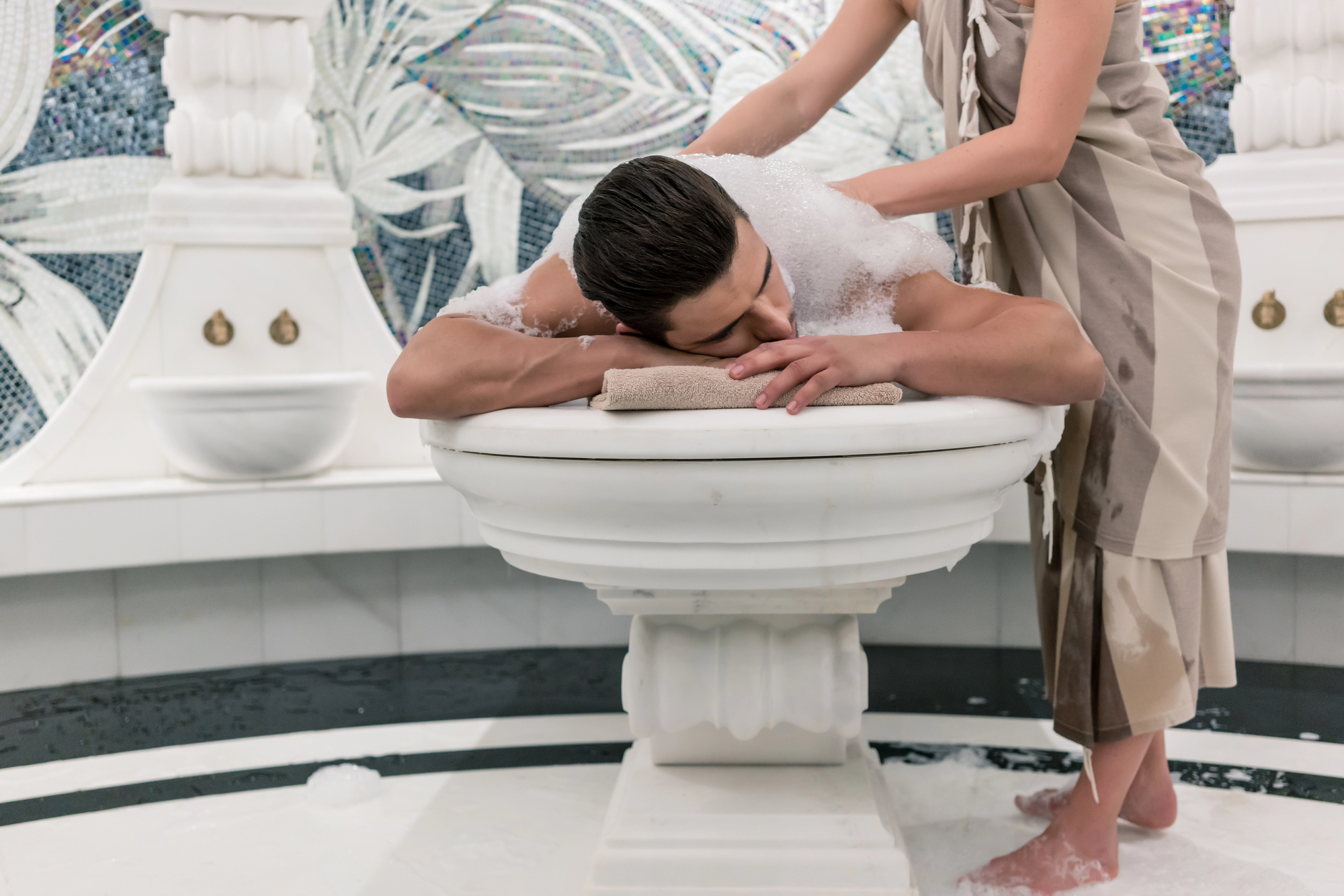
The steam rises from the marble benches like incense, and the passengers look simultaneously relaxed and slightly bewildered by the entire experience. Traditional Turkish baths weren’t typically part of Mediterranean cruise itineraries, but some ships went all-in on cultural authenticity.
The contrast is perfect — midwestern tourists in terry cloth robes getting the full Ottoman treatment. Cultural exchange at its most vulnerable and human.
Venetian Canal Tour, 1957
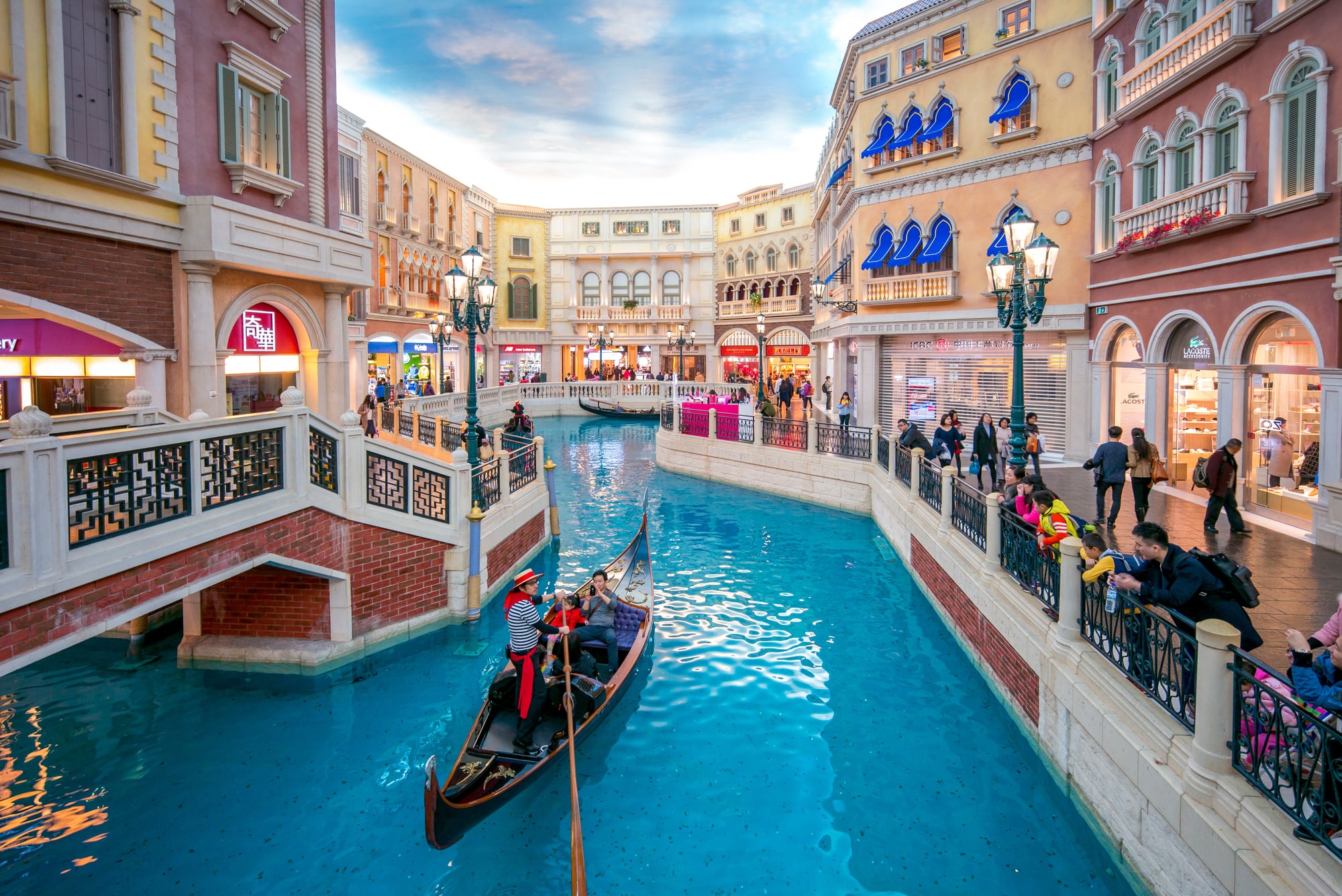
Venice stretches around the gondolier and his cruise ship passengers like a stage set that someone forgot to strike after the performance ended. The buildings lean into each other with the casual intimacy of old friends, and the water reflects everything in soft, wavering doubles that make the whole scene feel like a fever dream of European sophistication.
This was Venice before it became a theme park of itself, when cruise ships still felt like guests rather than invaders. The gondolier poles through water that hasn’t yet learned to resent the daily parade of cameras and guidebooks, and the passengers in their carefully coordinated vacation outfits look genuinely enchanted rather than dutifully impressed.
The photograph captures something that’s harder to find now: the moment when a famous place still surprises you instead of simply confirming what you expected to see. The photograph captures something that’s harder to find now: the moment when a famous place still surprises you instead of simply confirming what you expected to see.
Poolside Leisure, MS Stockholm, 1960

The ship’s pool occupies roughly the same square footage as a suburban bathroom, but everyone treats it like they’ve discovered the Fountain of Youth. Passengers arrange themselves around the tiny rectangle of chlorinated water with the careful choreography of people determined to have the vacation they planned.
The scene has an endearing quality — everyone committed to the fiction that this postage stamp of water constitutes a proper swimming pool. The dedication to leisure is admirable and slightly absurd, which perfectly captures the spirit of cruise ship life.
Spanish Coastal Village, 1954
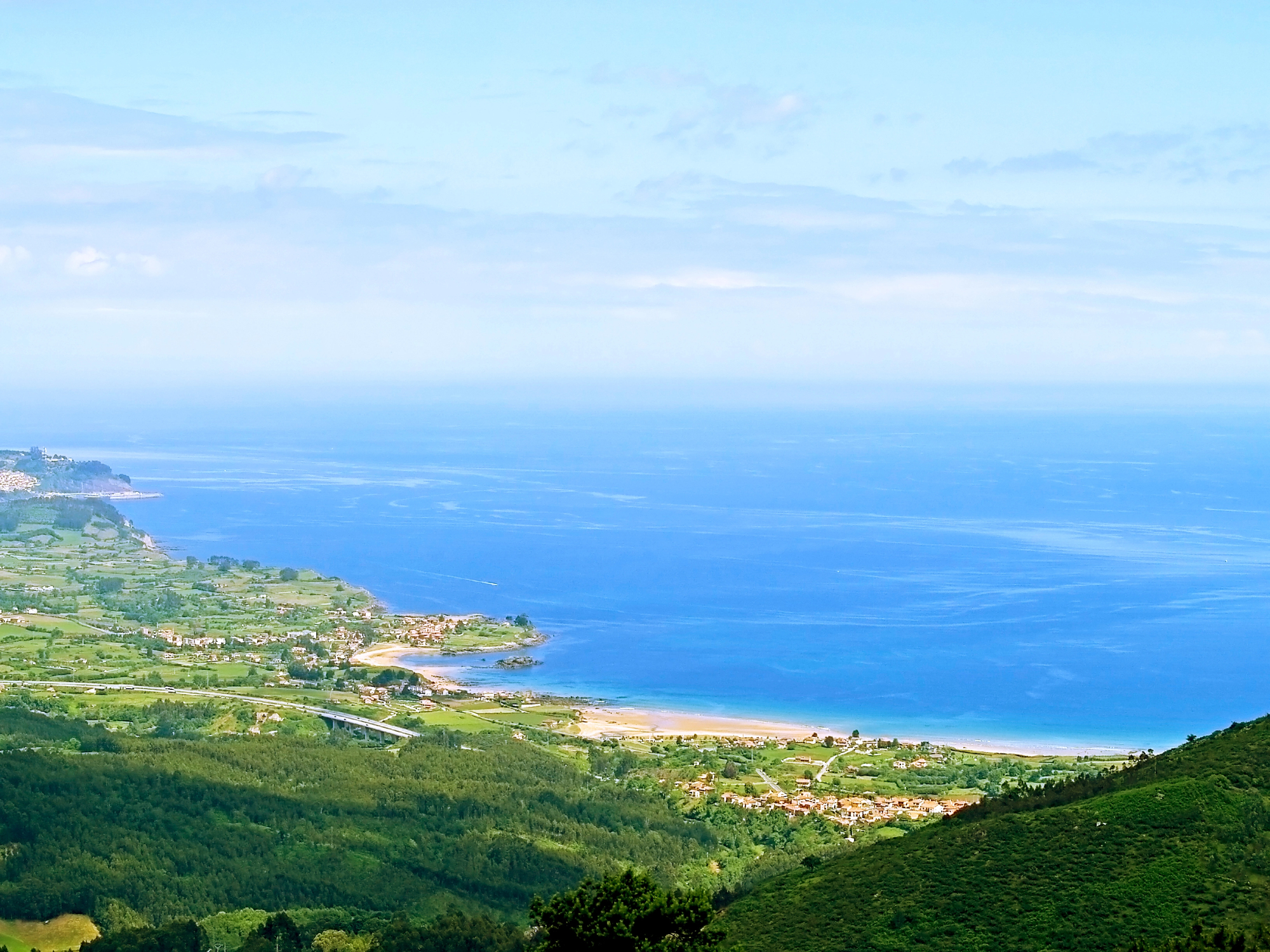
The fishing village clings to the rocky coastline like it grew there naturally, which in many ways it did — built by people who needed to be close enough to the sea to make a living from it but far enough up the rocks to survive when the sea got angry. The cruise ship anchored in the bay looks like a visitor from the future, all gleaming white paint and modern lines against the weathered stone and terra cotta that had been holding their ground against Mediterranean weather for centuries.
Passengers are scattered along the village’s narrow streets in small groups, moving with the careful steps of people wearing shoes designed more for ship decks than cobblestones. But there’s something genuine in their exploration — they’re discovering a place that hasn’t yet figured out how to package itself for tourists.
And the light falls across everything with the casual generosity that makes this entire region feel like it’s perpetually golden hour. And the light falls across everything with the casual generosity that makes this entire region feel like it’s perpetually golden hour.
Costume Party, First Class Lounge, 1961
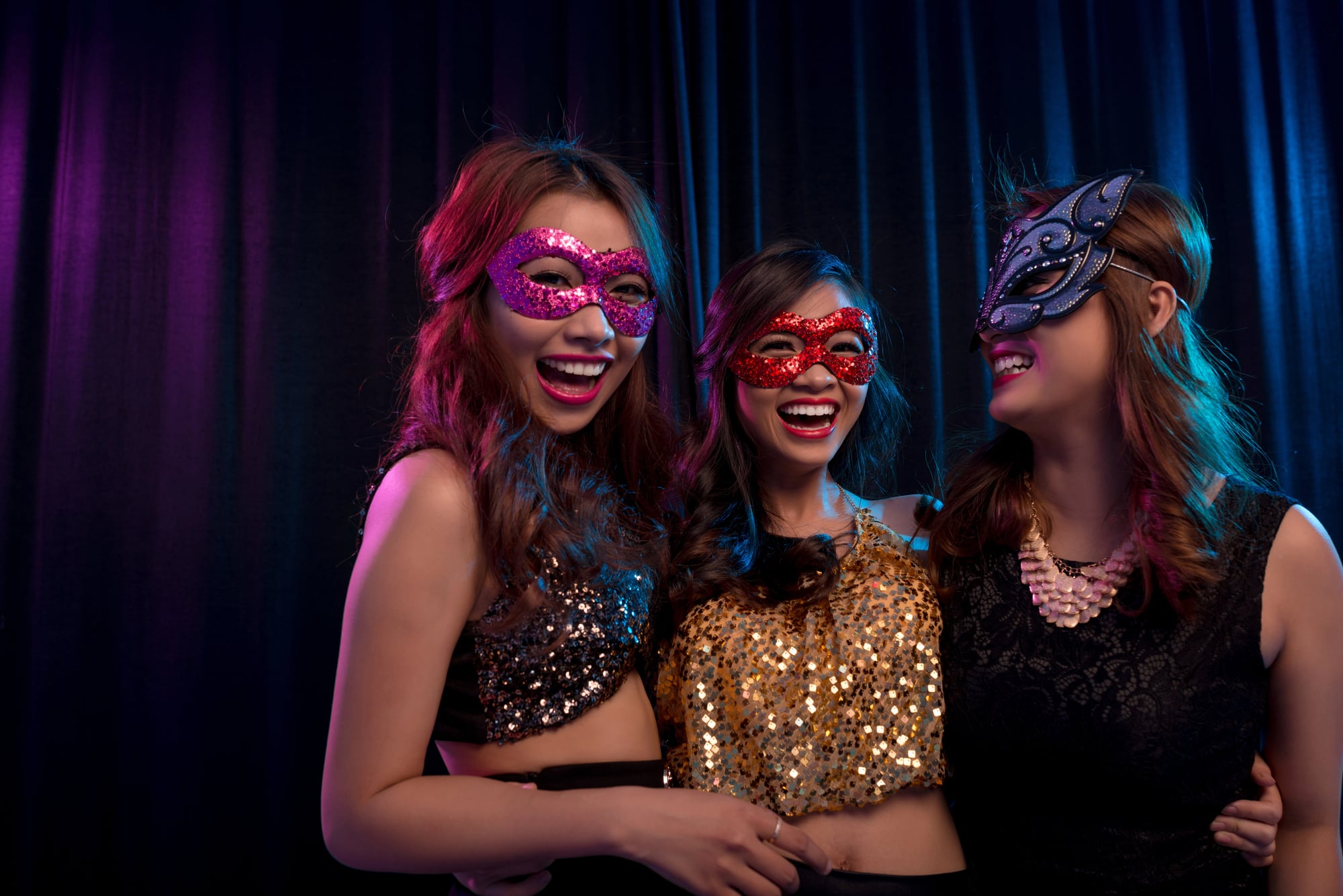
First-class passengers take their costume party seriously. The lounge is decorated like a Hollywood set designer’s interpretation of European elegance, and everyone has committed fully to their chosen persona. There’s a Roman centurion chatting with Marie Antoinette while a pirate adjusts his eye patch near the champagne fountain.
The effort involved is staggering — these people packed elaborate costumes for a Mediterranean cruise. The dedication to shipboard entertainment reflects an era when passengers expected to create their own fun, and judging by the animated conversations caught mid-gesture, they were remarkably good at it.
Alexandria Port Call, 1956
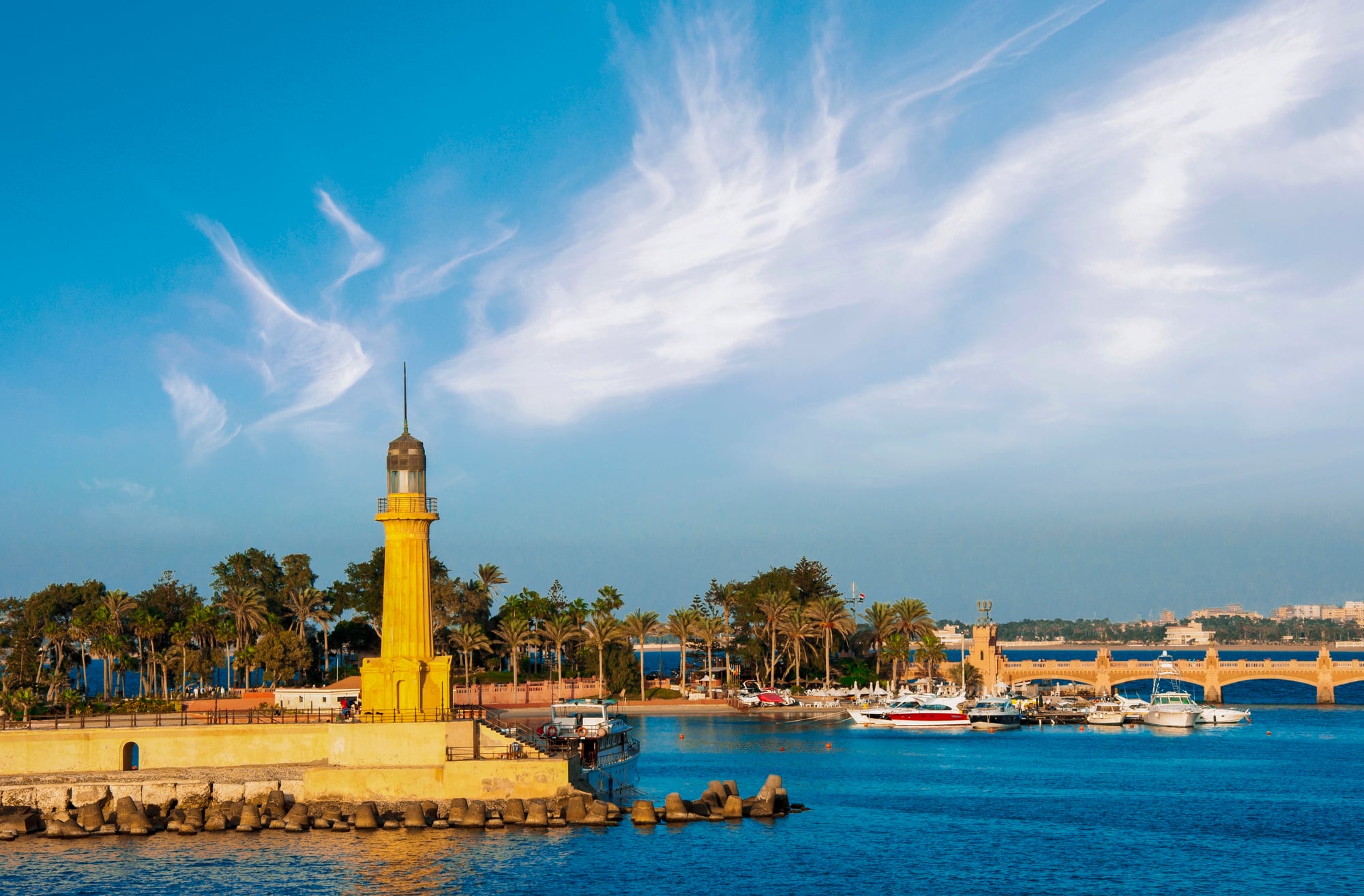
Egypt reveals itself in layers through the port of Alexandria — modern cruise ship infrastructure giving way to colonial architecture giving way to something much older and more mysterious in the distance. Passengers disembark wearing their most practical adventure clothing, which in 1956 meant women in dresses and men in suits, because apparently comfort was less important than maintaining standards.
The photograph captures that moment of cultural transition when American and European tourists step off their floating hotel into a world operating by entirely different rules. You can see the tour guides gathering their charges, preparing to shepherd these carefully dressed visitors through markets and monuments that would challenge every assumption about how daily life should operate.
Deck Games and Entertainment, 1959
Shuffleboard was apparently the height of cruise ship excitement, and passengers approach it with the competitive intensity usually reserved for Olympic sports. The deck space is divided into various activity zones — card tables, reading areas, and what appears to be an impromptu dance lesson near the ship’s band.
Everyone looks genuinely engaged rather than politely bored, which suggests that pre-digital entertainment required actual participation. The scene has an almost alien quality now — dozens of people occupying the same space without a single screen in sight.
French Riviera Tender Service, 1963
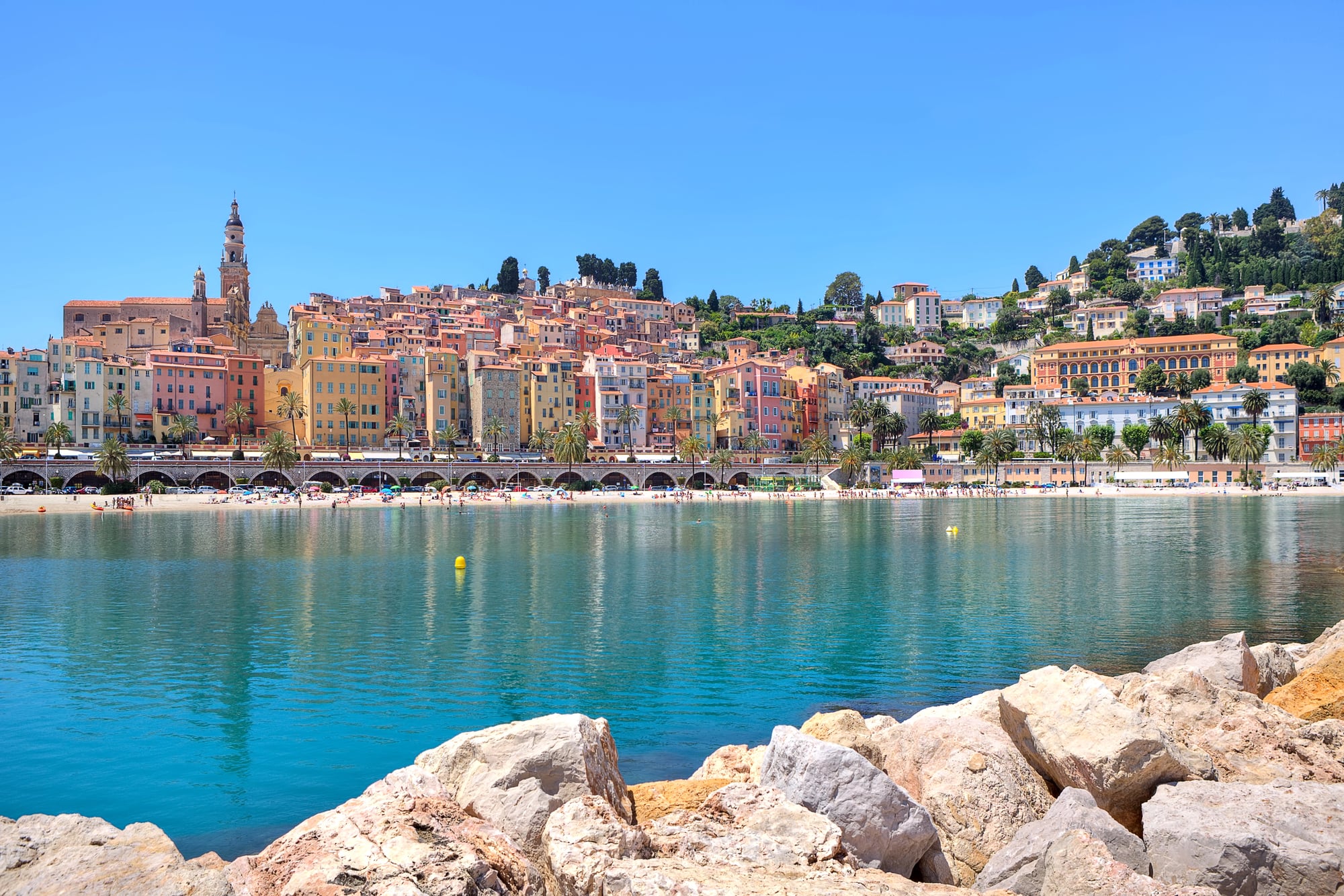
The tender boats shuttle between the cruise ship and the Riviera coast like water taxis in a world where water taxis still felt exotic. Passengers crowd the small boats in their resort wear, everyone trying to get the best view of the approaching coastline where the rich and famous supposedly spent their summers doing whatever rich and famous people did in 1963.
The whole operation has a charmingly improvised quality — getting hundreds of cruise passengers ashore using boats designed for maybe twenty people each required patience that modern travelers would find incomprehensible. But there’s something appealing about the inefficiency, the way it forced people to slow down and pay attention to the process of arrival rather than just the destination.
And the French coast rising from the Mediterranean looks exactly like it should — elegant and slightly intimidating, like it’s already judging your vacation wardrobe. And the French coast rising from the Mediterranean looks exactly like it should — elegant and slightly intimidating, like it’s already judging your vacation wardrobe.
Sicilian Market Visit, 1958
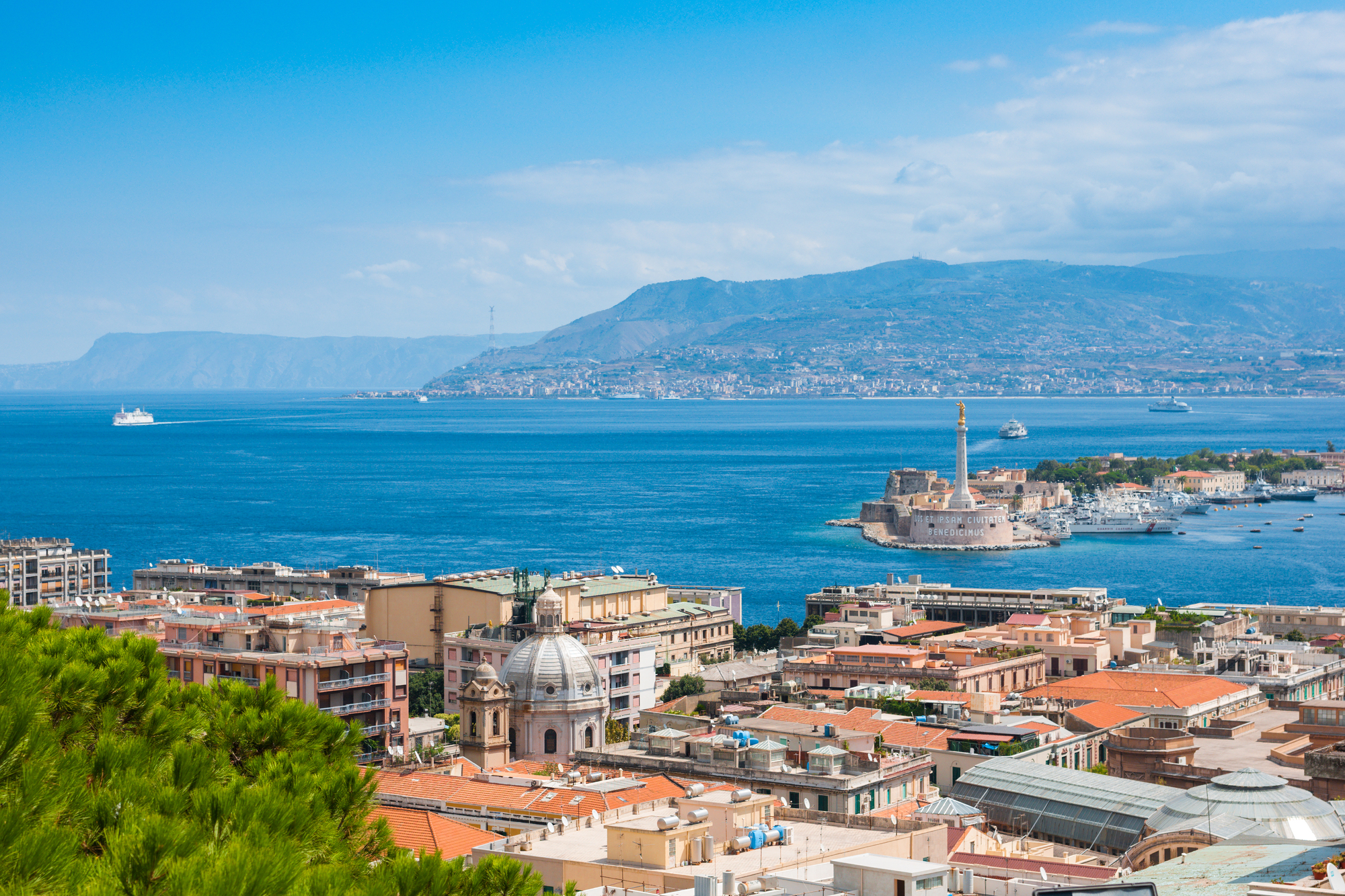
The market spreads through narrow streets like organized chaos, with cruise passengers navigating between vendors selling everything from fresh octopus to hand-painted ceramics. The locals watch these well-dressed visitors with expressions of polite curiosity, probably wondering why anyone would want to take pictures of their grocery shopping.
There’s something endearing about watching 1950s American tourists try to bargain for souvenirs in a Sicilian market. The cultural gap is enormous, but both sides seem genuinely committed to making the exchange work.
The photograph captures that universal moment when travel forces you to realize that your normal way of doing things is just one option among many, and not necessarily the best one. The photograph captures that universal moment when travel forces you to realize that your normal way of doing things is just one option among many, and not necessarily the best one.
Captain’s Cocktail Reception, 1962
The ship’s captain holds court in his dress whites while passengers arrange themselves in careful social formations around the cocktail tables. Everyone has dressed for the occasion — men in dark suits, women in cocktail dresses that required significant luggage space to transport properly across the Atlantic.
This was serious business, the social highlight of the cruise where hierarchy mattered and introductions were formal. The captain wasn’t just the guy who drove the boat; he was the host of a floating embassy, and this reception was diplomacy disguised as a party.
The level of formality captured in a single photograph explains everything about why cruise ships used to require steamer trunks instead of rolling suitcases. The level of formality captured in a single photograph explains everything about why cruise ships used to require steamer trunks instead of rolling suitcases.
Napoli Departure at Dusk, 1955
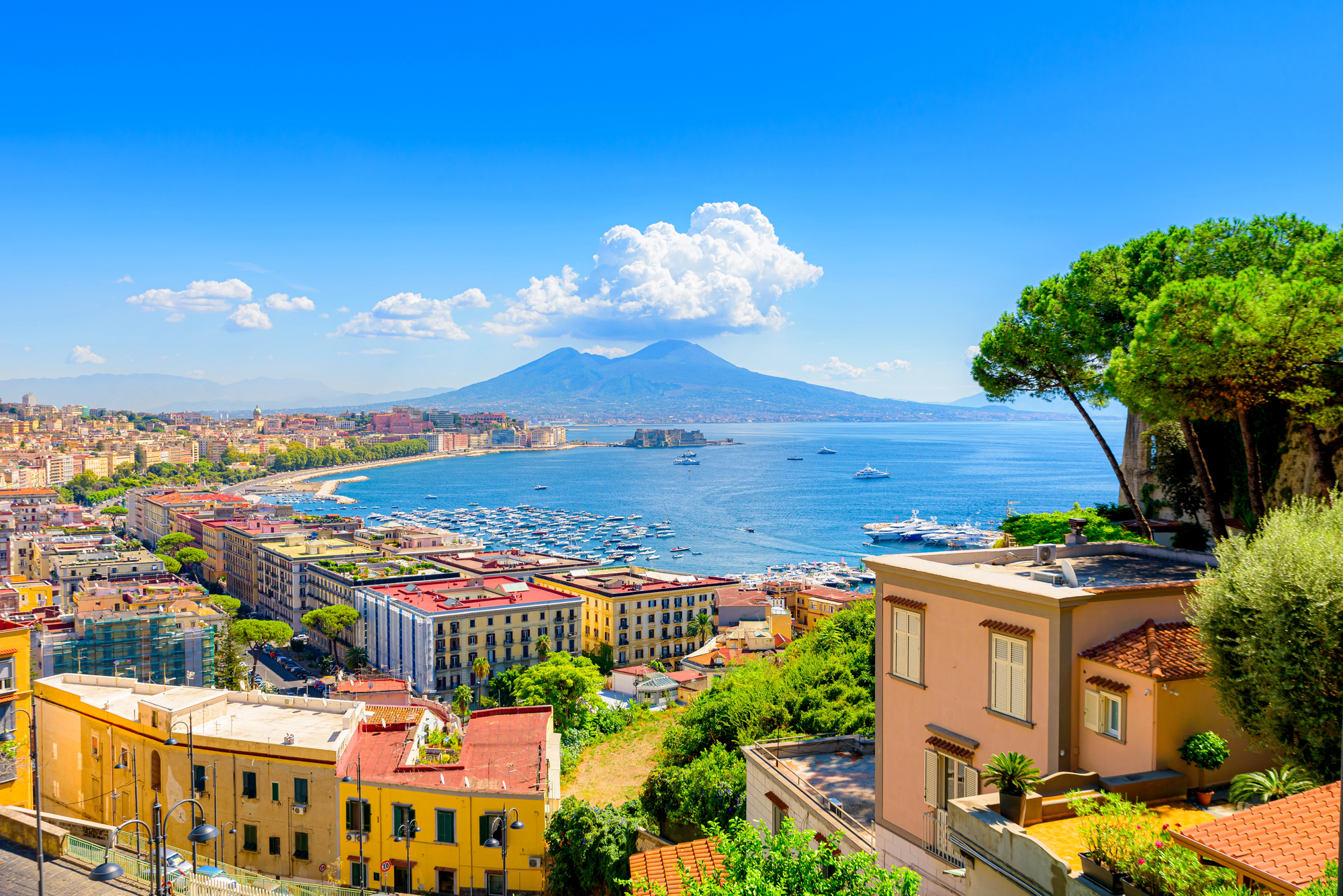
Naples fades into the evening light as the cruise ship pulls away from the harbor, and passengers line the stern deck for their last look at Italy. The city spreads up the hillsides like an amphitheater, all golden stone and red tile roofs catching the last rays of Mediterranean sun.
There’s something final about departure photographs — they capture the moment when a place transitions from current experience to memory, when the immediate transforms into the nostalgic. These passengers know they’re watching Italy disappear, and their postures suggest they’re trying to memorize what they’re seeing.
The wake spreads behind the ship like a temporary scar on water that was connecting distant shores long before cruise ships existed and will continue long after they’re gone. But for this moment, these passengers own their small piece of the Mediterranean, carrying it with them as they head toward whatever comes next.
When the Sea Was Still an Adventure
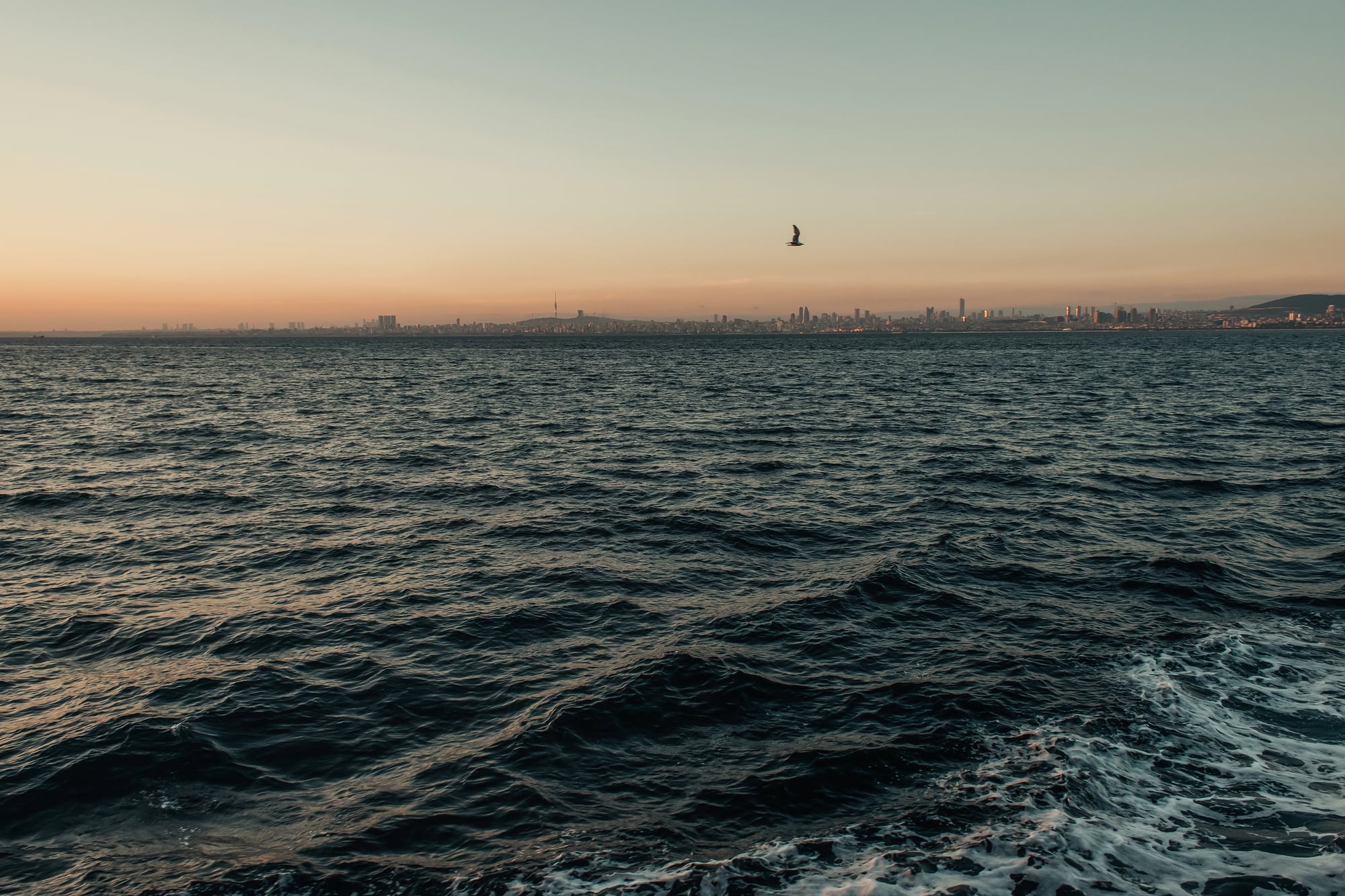
These photographs preserve something that package tourism eventually eliminated: the sense that crossing the Mediterranean was still a journey rather than just transportation between destinations. The passengers in these images approach each port with the curiosity of people discovering rather than the efficiency of people checking items off lists.
Their formal clothes and patient expressions suggest they understood that some experiences require you to meet them halfway. The Mediterranean hasn’t changed — the same light still falls across the same ancient coastlines.
But the relationship between travelers and the sea has shifted in ways these photographs help measure. Sometimes looking backward shows you what you’ve traded for convenience, and whether that trade was worth making.
More from Go2Tutors!

- The Romanov Crown Jewels and Their Tragic Fate
- 13 Historical Mysteries That Science Still Can’t Solve
- Famous Hoaxes That Fooled the World for Years
- 15 Child Stars with Tragic Adult Lives
- 16 Famous Jewelry Pieces in History
Like Go2Tutors’s content? Follow us on MSN.