15 Everyday Things That Changed Over Decades
There is something quietly fascinating about watching ordinary life shift without anyone really announcing it. The way people shop, communicate, eat, and even sleep has changed so much that a person from the 1970s would struggle to recognize a typical Tuesday in 2025.
Ready to take a walk through time? These are 15 everyday things that look nothing like they used to.
Telephone Calls

Calling someone used to mean standing next to a wall and hoping the cord could stretch far enough to sit down. Rotary phones gave way to push-button models, then cordless phones arrived and felt like science fiction.
Today, the ‘phone’ in most pockets rarely gets used for actual calls, as texting, voice notes, and video chats have taken over most of that job.
Morning News
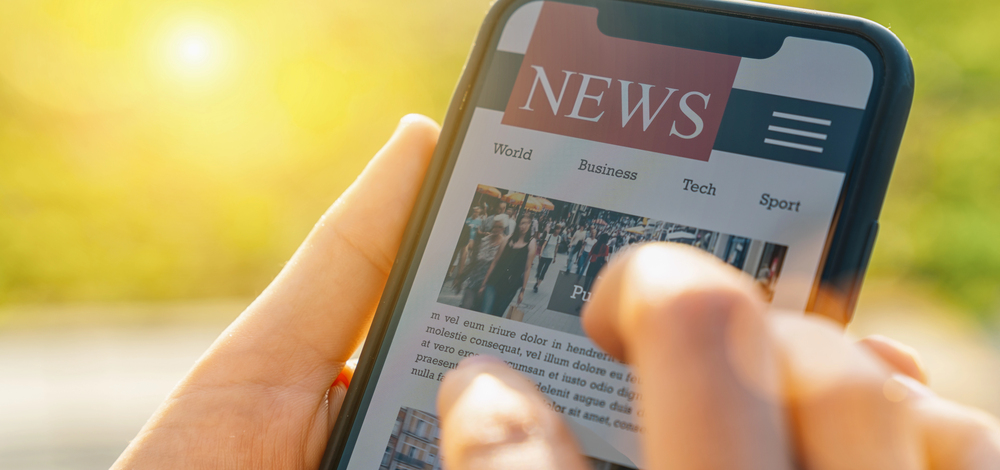
People used to get their news once a day, folded neatly and tossed onto the porch. Television brought news to life with images and live reporting, but it still had set broadcast times.
Now news never stops, it streams all day across phones, apps, and social media feeds, and the challenge is no longer finding information but deciding what to trust.
Grocery Shopping

A trip to the grocery store once meant going in, walking every aisle, paying at the register, and driving home. Then came loyalty cards, self-checkout lanes, and eventually the option to shop from a couch.
Online grocery delivery has changed the whole experience so much that some people have not touched a shopping cart in years.
Music Listening

Before streaming, people built music collections. Vinyl records, cassette tapes, and CDs each had their era, and losing one felt like a real loss.
Today, millions of songs live in a free app, and the idea of rewinding a tape with a pencil to save battery sounds like a riddle to anyone under 25.
Photography
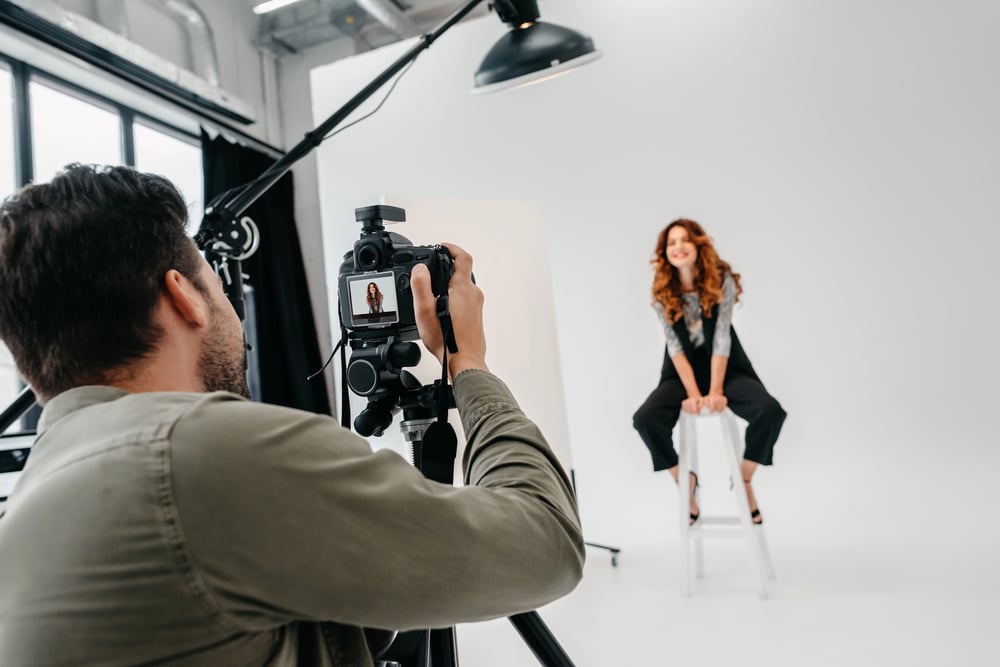
Taking a photo used to mean buying a roll of film, shooting carefully because there were only 24 or 36 chances, and waiting days to see if any turned out well. Digital cameras changed the math entirely, and then smartphones put a decent camera in every pocket.
Now the average person takes more photos in a week than their grandparents took in a year.
Paying For Things

Cash was king for most of the 20th century, and carrying coins was just part of daily life. Credit cards became common, then debit cards, and then tap-to-pay technology made even those feel slow.
Today people pay with a watch, a phone, or a digital wallet, and some younger adults have never written a paper check in their lives.
Getting Directions

Before GPS, people kept printed maps in the glove box and asked strangers for help when those failed. MapQuest let people print directions from a computer, which felt like progress until the wrong turn happened and those papers became useless.
Now a phone talks people through every step in real time, recalculating the route the moment someone ignores it.
Watching TV
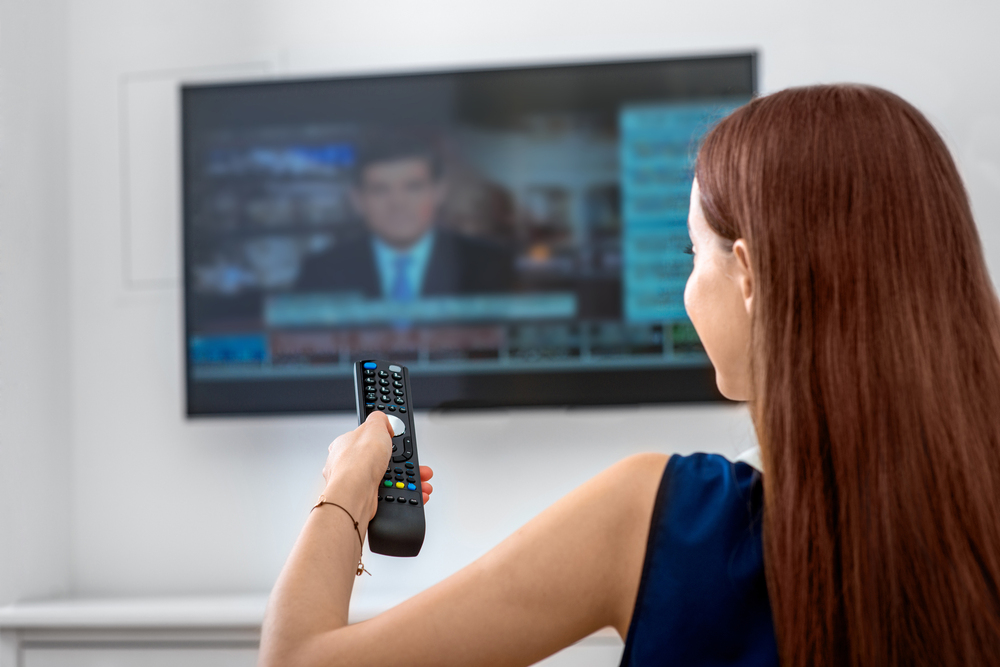
Television used to be a shared event. Families gathered at a set time, watched the same channel, and discussed shows the next morning because everyone had seen the same episode.
Cable expanded choices, DVRs allowed recording, and streaming platforms now offer thousands of shows that never existed before, which means two people in the same house can watch completely different things every night.
Writing Letters
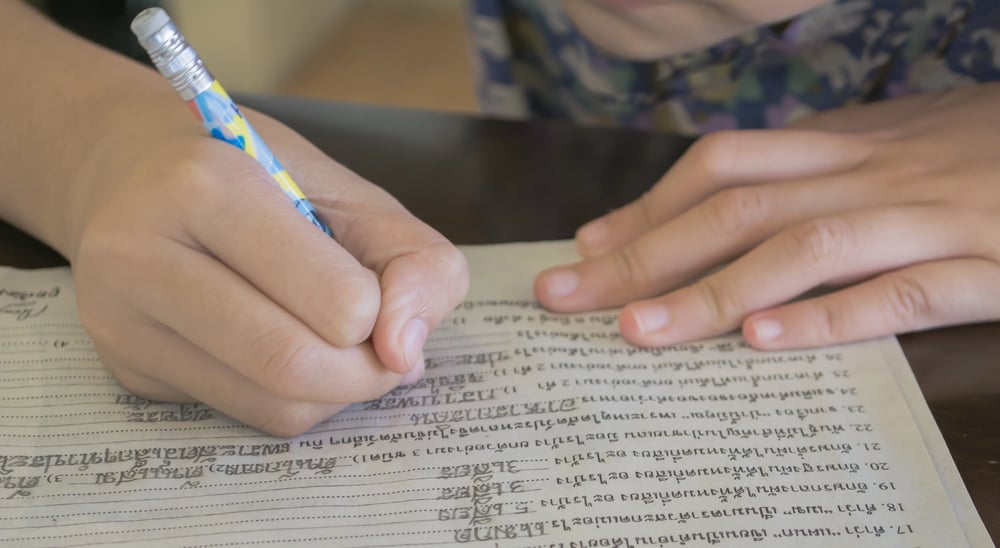
Sending a letter used to take time, care, and a trip to the post office. People chose words carefully because paper and postage were not free, and waiting for a reply built patience.
Email replaced much of that, then texting replaced email for anything quick, and now short voice messages sent over apps have started replacing typing altogether.
Reading Books

These days, you will find folks still holding books – just not always paper ones. A shelf might live inside a device thinner than toast, packed with stories stacked tight.
Turn on an audiobook, then stir soup or walk the dog while chapters roll by like weather reports. Some haven’t touched printed pages since flip phones rang in pockets.
Home Cooking

Back then, making dinner meant starting fresh every time, using old family methods or pages saved from print. By the fifties, quick-prep items hit shelves, shifting how people ate on busy evenings.
These days, getting ingredients shipped to your door, frying without oil, or watching step-by-step clips on a handheld screen turns cooking into something closer to filming than chores.
Sleeping Habits

Back when life matched daylight, folks hit the hay soon after sunset, up again at first light. As electric bulbs spread, evenings stretched out, bedtime creeping toward late hours.
TV showed up, pulling attention deeper into the night. Phones followed, glowing faces in the dark, holding users way beyond sensible hours.
Children Playing

Few adults watched closely back then – kids just wandered till dusk swallowed the streets. Bikes rattled down sidewalks, makeshift forts rose from scrap wood, games shaped themselves as they went along.
These days, evening play feels less like a habit and more like a scheduled outing. Alarms beep before bike rides happen now.
Buying Clothes

Walking into a shop used to be how people bought clothing – try
it on there, leave with something that worked. Back then, paper catalogs offered another way, though waiting took time and sending items back felt like work.
Now speed rules; trends pop up every week because quick production keeps shelves full. In big urban spots, packages arrive before dinner if ordered by noon, which beats stepping outside at all.
Going To The Doctor

Sitting in an exam room wasn’t always avoidable when something felt off physically. Getting through to the front desk by phone often led to delays lasting more than a few business days.
These days? A face-to-face talk with a medical provider might take place before dinner, without stepping outside. Wrist gadgets quietly gather data on breathing rhythms, nightly rest patterns, body motion – measurements once thought unreachable so casually.
Here’s What It Actually Means

Shifts hardly ever arrive with warning. Into habits they slip, tiny step after tiny step, till remembering past methods feels like flipping through an ancient textbook.
Not the tools spark surprise – instead, it’s how fast folks adjust, lose memory of what came before, then act as though today’s standard was yesterday’s truth. Each ten years reshapes what seems regular.
More from Go2Tutors!

- The Romanov Crown Jewels and Their Tragic Fate
- 13 Historical Mysteries That Science Still Can’t Solve
- Famous Hoaxes That Fooled the World for Years
- 15 Child Stars with Tragic Adult Lives
- 16 Famous Jewelry Pieces in History
Like Go2Tutors’s content? Follow us on MSN.



