What 17 Symbols on Your Car’s Dashboard Mean
That moment when a mysterious light suddenly appears on your dashboard can turn even the most confident driver into someone frantically flipping through an owner’s manual they haven’t touched in years. Your car is essentially trying to communicate with you through a collection of cryptic symbols that might as well be ancient hieroglyphics.
Some of these warning lights are urgent pleas for attention, while others are gentle reminders that something needs a quick check. Learning what these symbols actually mean can save you from unnecessary panic, expensive tow truck calls, and potentially dangerous situations on the road.
Check Engine Light
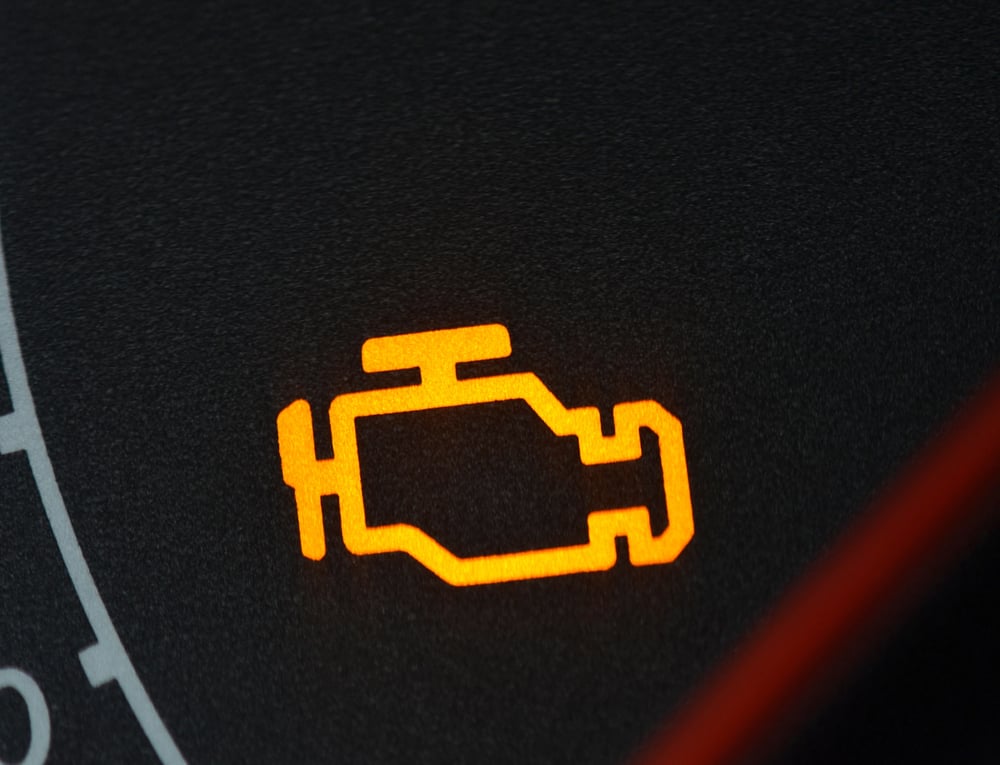
The check engine light remains stubbornly vague. It could mean your gas cap is loose or your engine is about to give up entirely.
Most of the time it’s something minor, but ignoring it completely is like playing automotive roulette.
Oil Pressure Warning
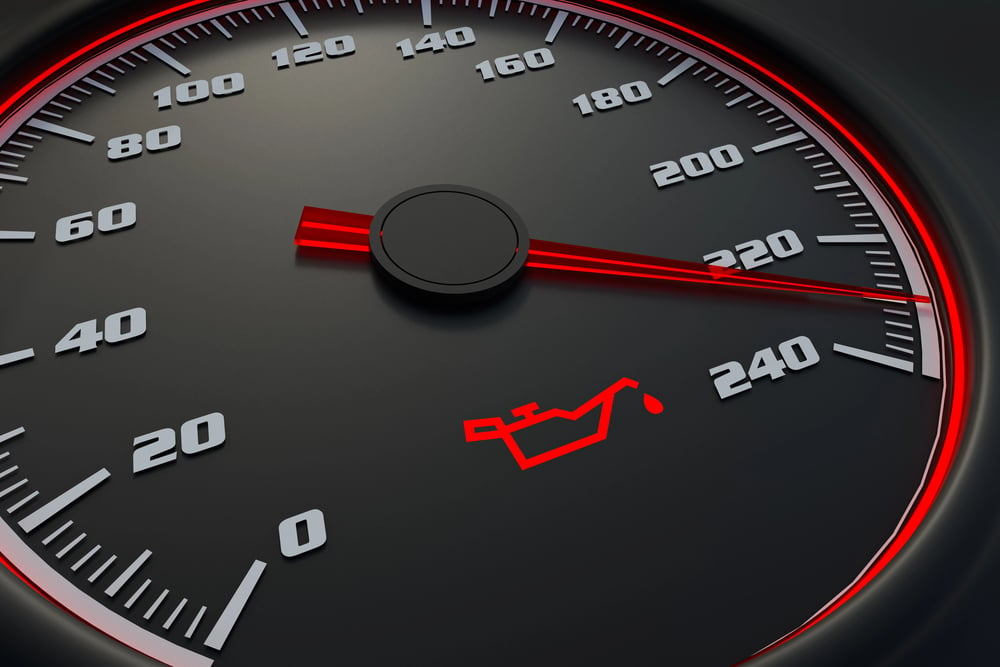
This red oil can symbol isn’t asking nicely—it’s demanding immediate attention. When oil pressure drops, metal parts start grinding against each other without lubrication, which leads to engine destruction faster than you’d expect.
Pull over immediately when this appears.
Battery Alert
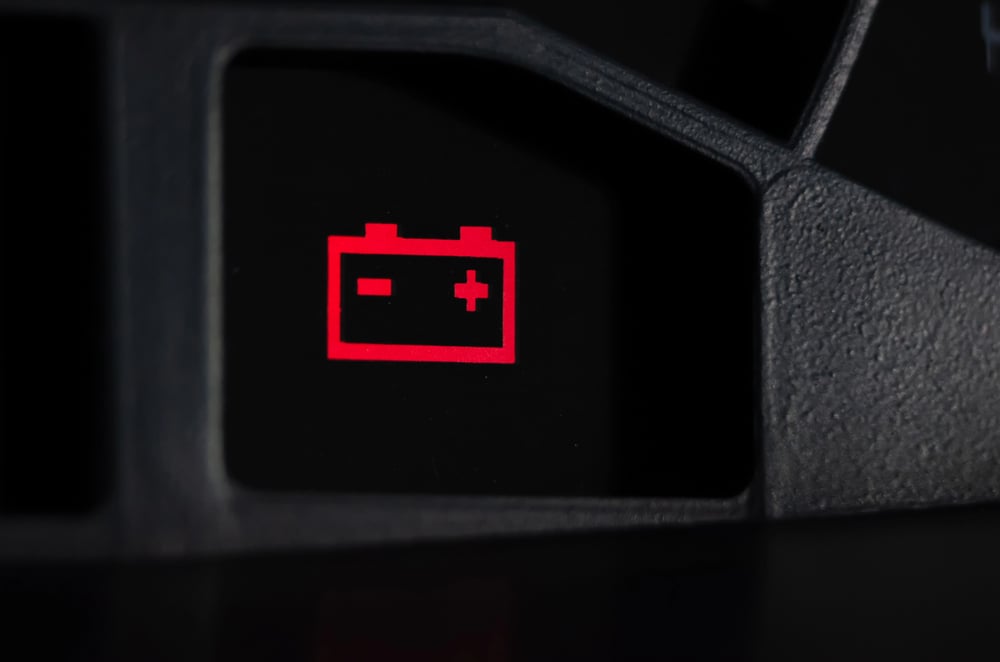
Your alternator has essentially become a paperweight when this battery symbol lights up (though it’s technically an alternator warning, not a battery warning, which confuses everyone). The electrical system isn’t charging properly, and you’re running on borrowed time before everything shuts down.
Even more frustrating: your battery might be perfectly fine—the alternator is usually the culprit, yet the symbol looks like a battery because automotive engineers apparently enjoy confusion.
Coolant Temperature Warning
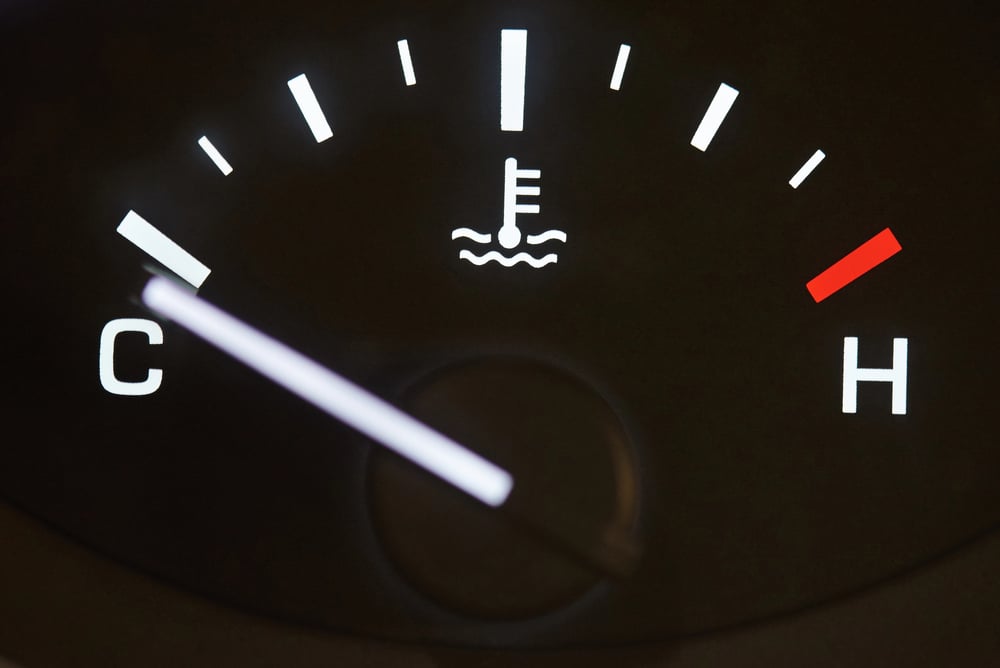
Picture a thermometer floating in liquid, often red when things get serious. Your engine is running hotter than it should, which means the cooling system has stopped doing its job effectively.
Overheating can warp metal components permanently, turning a simple radiator repair into an engine replacement—the kind of financial surprise that makes grown adults consider taking the bus permanently.
Brake System Warning
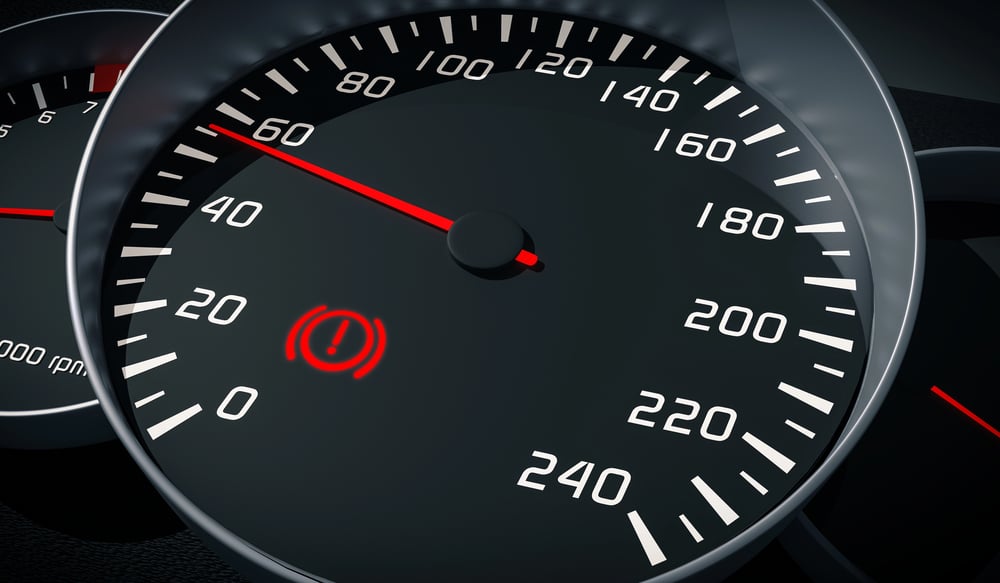
The brake warning light treats stopping power like the life-or-death matter it actually is. Sometimes it means your parking brake is still engaged, which feels embarrassing when that’s all it turns out to be.
Other times it signals low brake fluid, worn brake pads, or a more serious hydraulic system problem that could leave you coasting through intersections with nothing but hope and prayer.
Tire Pressure Monitoring
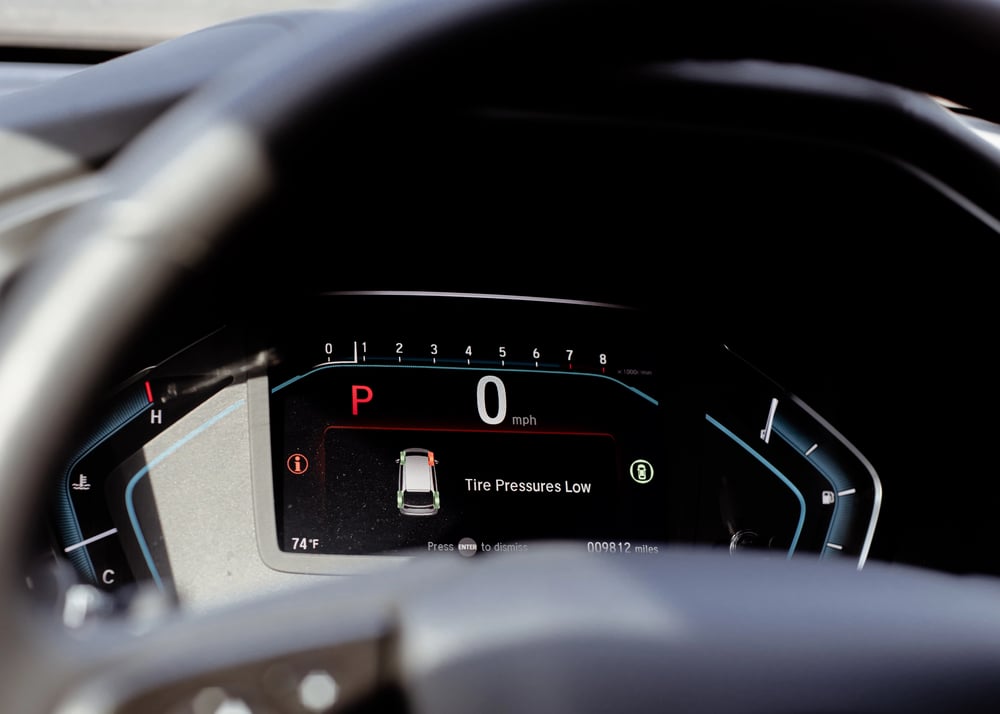
Four tires, each holding up their portion of several thousand pounds, deserve more attention than they typically receive. The tire pressure monitoring system—that exclamation point sitting inside what looks like a flat tire—alerts you when air pressure drops below safe levels, though it won’t tell you which specific tire decided to slowly deflate overnight in your driveway.
ABS Warning Light
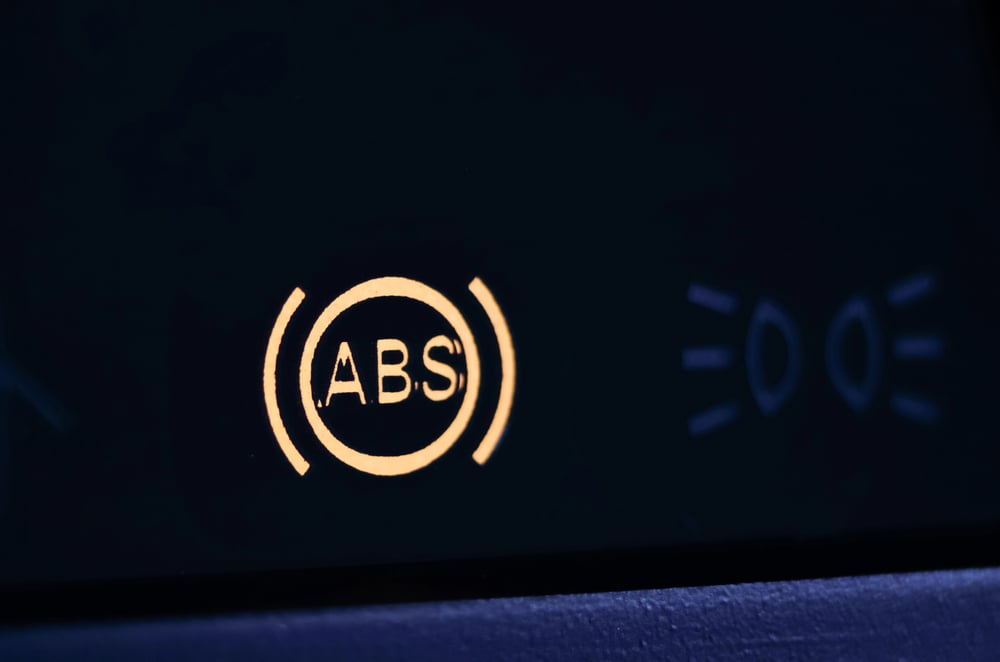
Anti-lock braking systems prevent wheel lockup during hard braking, allowing you to maintain steering control while stopping. When the ABS light appears, your brakes still function normally, but you lose that electronic safety net that keeps your car tracking straight instead of sliding sideways into whatever obstacle you’re trying to avoid.
The system becomes particularly missed on wet pavement or loose gravel.
Power Steering Warning
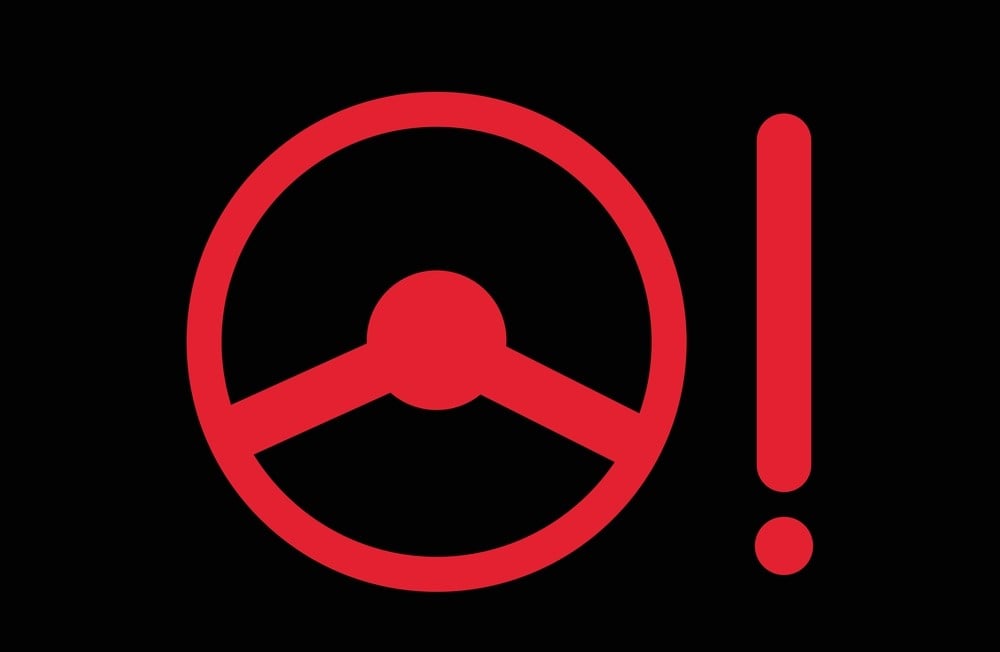
Manual steering returns with a vengeance when power steering fails. That little steering wheel symbol means parking lot maneuvers are about to become serious upper body workouts.
Modern cars feel almost undriveable without power assistance—suddenly turning corners requires the kind of effort that makes you appreciate how spoiled power steering has made drivers.
Fuel Level Warning
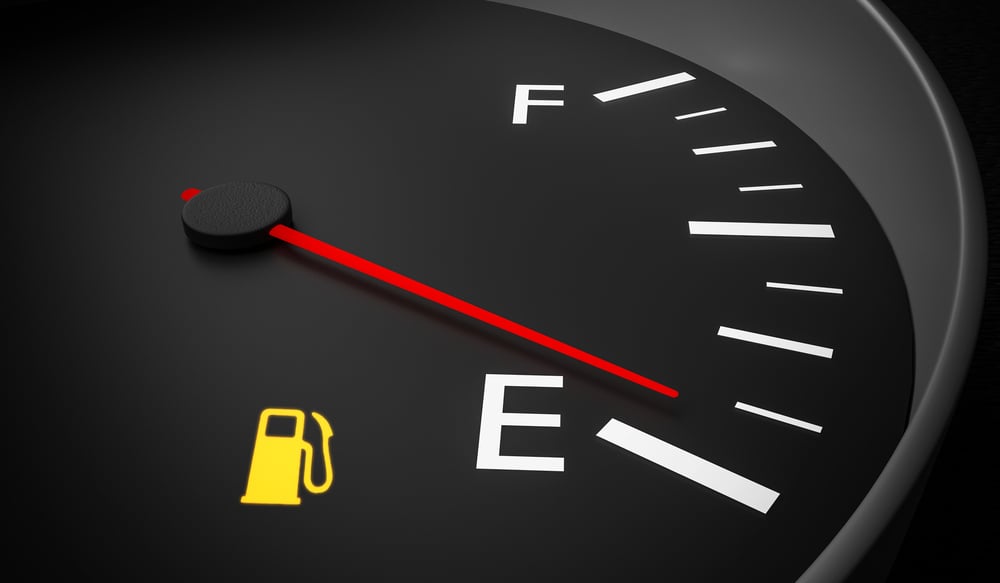
Everyone knows what this gas pump symbol means, yet people still manage to run out of fuel on busy highways. The light typically appears when roughly two gallons remain in the tank, though that estimate varies wildly between different vehicles and driving conditions.
Seat Belt Reminder
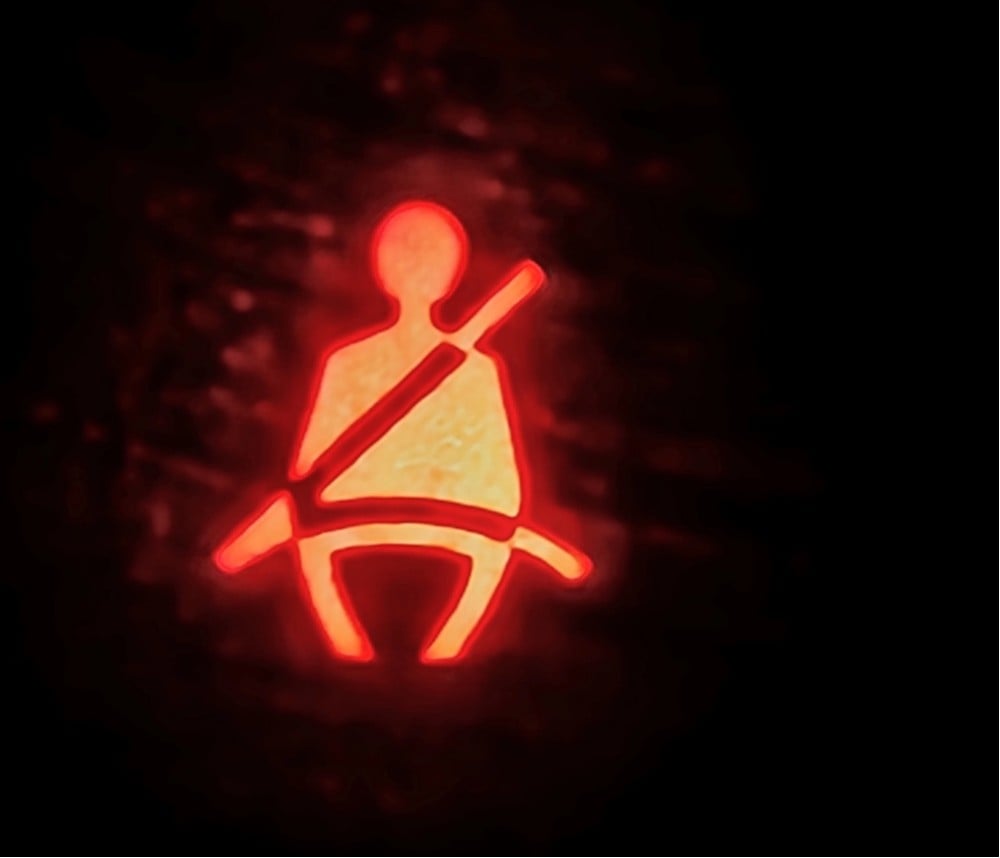
The seat belt warning combines visual and audio harassment until everyone buckles up. Modern cars escalate their complaints—starting with a gentle chime and progressing to persistent beeping that makes conversation impossible.
Some vehicles disable certain features until seat belts are fastened, turning safety compliance into a prerequisite for basic operation.
Door Ajar Warning
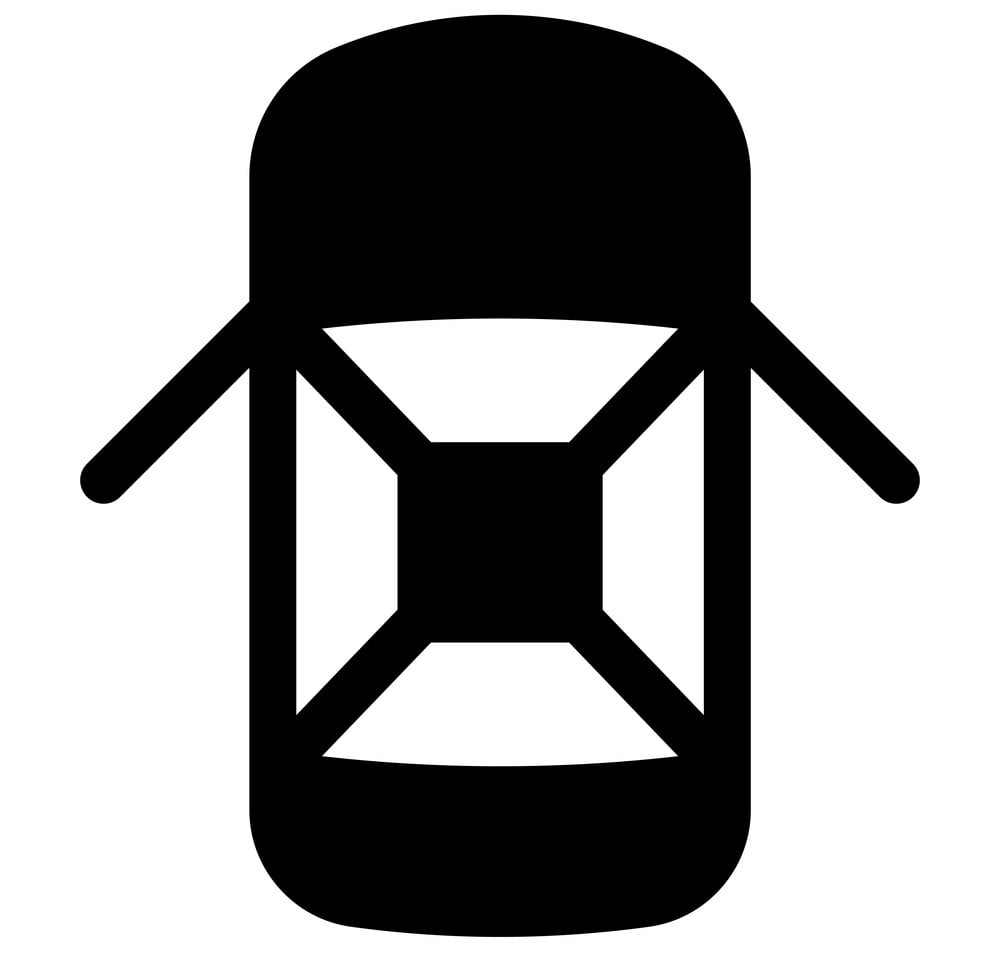
Open doors create their own category of automotive anxiety—that nagging feeling that something isn’t quite right, even when you’re certain everything is closed properly. The door ajar warning appears as an overhead view of a car with one door swinging open, though sometimes the sensor gets confused and insists a door remains open when everything is clearly shut tight, which creates the kind of persistent false alarm that slowly drives rational people toward madness.
Airbag System Warning
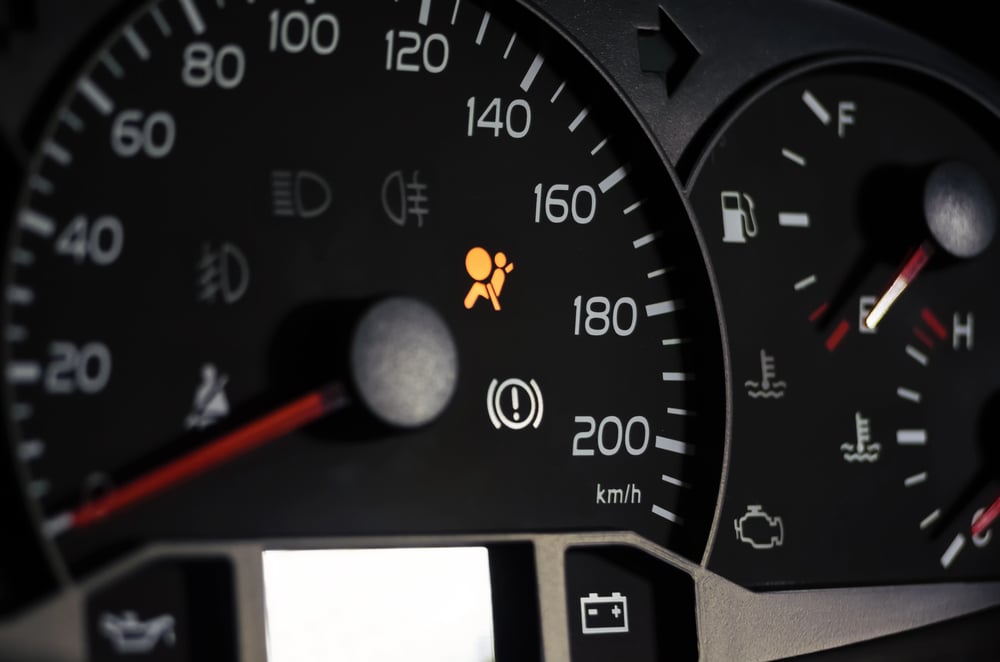
The airbag warning light resembles a person with a large circle in front of them, representing the deployed airbag that could save their life in a collision. When this system malfunctions, the airbags might not deploy when needed, or worse, they could deploy unexpectedly while driving—turning a safety feature into a hazard that transforms routine commutes into exercises in nervous vigilance.
Traction Control
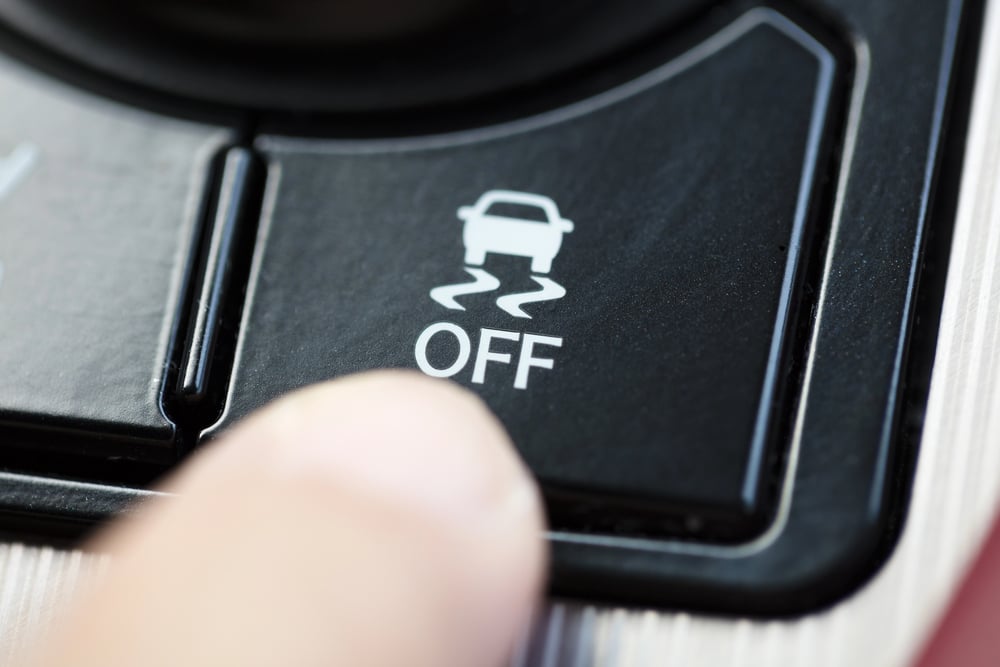
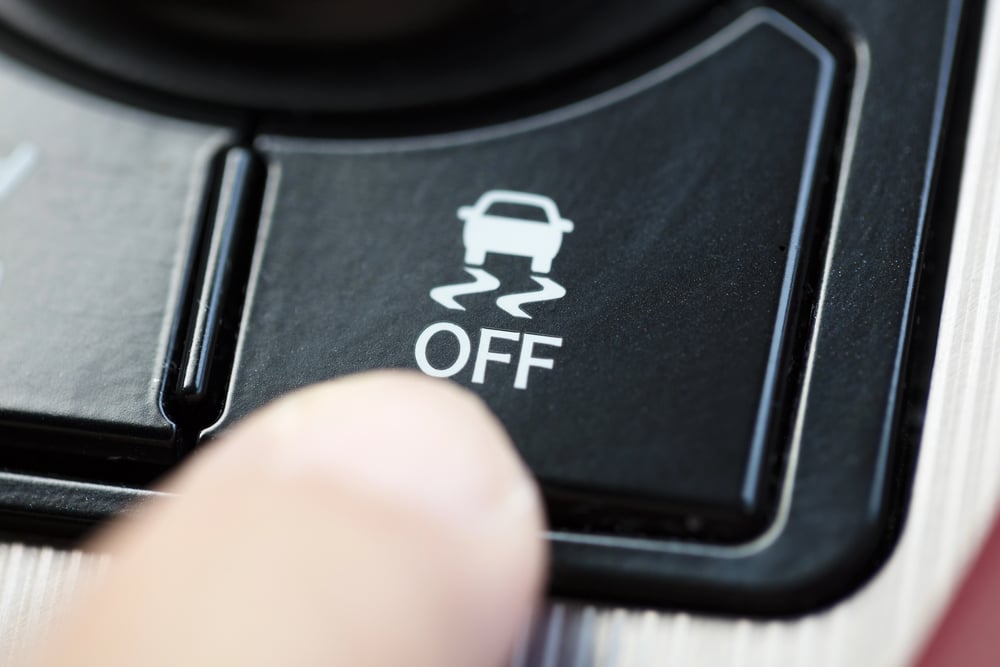
Traction control prevents wheel spin during acceleration by automatically applying brakes to specific wheels or reducing engine power. The warning light often shows a car with squiggly lines beneath it, suggesting loss of grip.
When this system activates frequently, it usually means road conditions have become challenging—or your driving style has become a bit too enthusiastic for current circumstances.
Security System
Car security systems announce their presence with various symbols—sometimes a car with a lock, other times a key-shaped icon. These warnings indicate the anti-theft system has activated and won’t allow the engine to start without the proper key or fob signal.
Modern security systems can be overly sensitive, occasionally deciding that legitimate owners look suspicious and refusing to cooperate until properly reset.
Washer Fluid Low
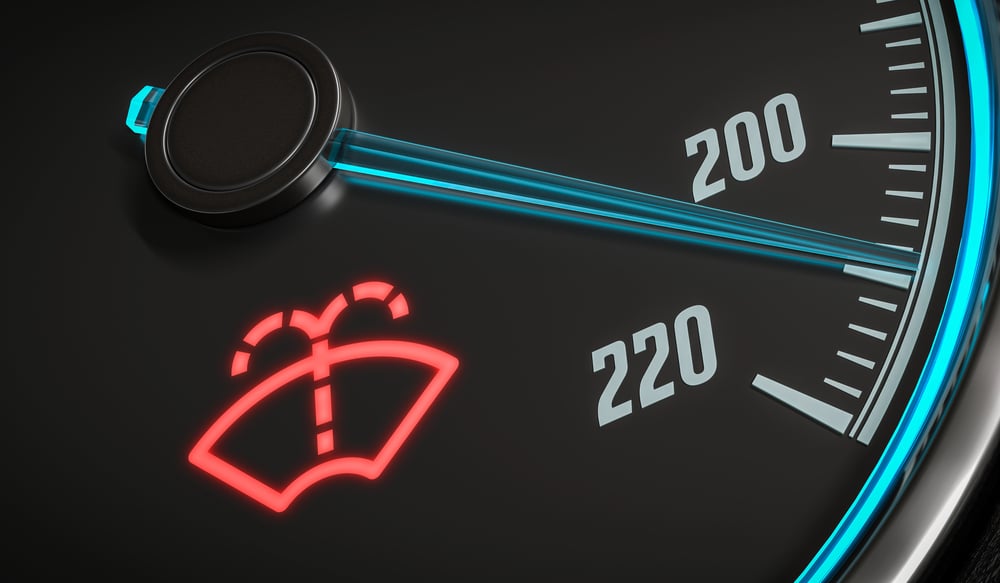
The windshield washer fluid warning shows a windshield with dotted lines representing spray. Running out of washer fluid feels trivial until you’re driving behind a salt truck on a slushy winter day, watching your windshield gradually become an opaque mess while the empty reservoir mocks your poor planning.
High Beam Indicator
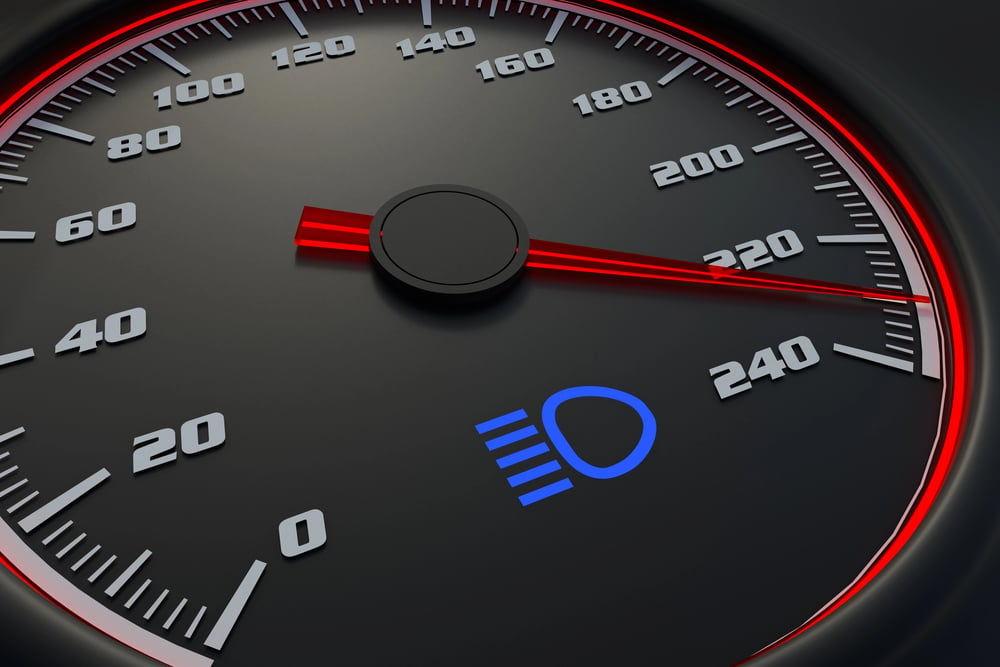
The high beam indicator glows blue when your bright lights are active, serving as a reminder for courtesy as much as functionality. This symbol becomes your most hated dashboard feature when you’re the oncoming driver being blinded by someone who forgot their high beams were on three miles ago.
Turn Signal Indicator
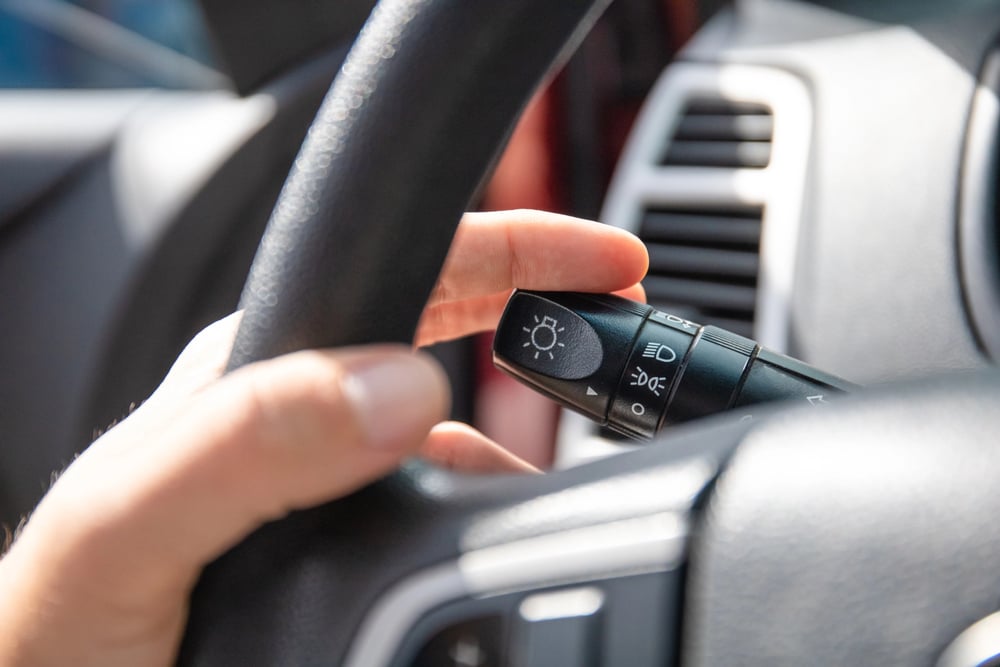
Green arrows flash in rhythm with your turn signals, providing visual confirmation that your intentions are being broadcast to other drivers. The clicking sound and blinking light create a hypnotic combination that occasionally gets forgotten, leading to those awkward moments when you’ve been signaling a left turn for the past five miles of straight highway driving.
The Language Your Car Speaks
These dashboard symbols represent your vehicle’s attempt at conversation—sometimes urgent warnings, sometimes gentle reminders, occasionally false alarms that test your patience. Learning to read these signals transforms mysterious lights into useful information, turning automotive anxiety into informed decision-making.
Your dashboard becomes less like a puzzle and more like a helpful friend keeping you informed about what’s happening under the hood.
More from Go2Tutors!

- The Romanov Crown Jewels and Their Tragic Fate
- 13 Historical Mysteries That Science Still Can’t Solve
- Famous Hoaxes That Fooled the World for Years
- 15 Child Stars with Tragic Adult Lives
- 16 Famous Jewelry Pieces in History
Like Go2Tutors’s content? Follow us on MSN.



