Photos Of Iconic Album Covers With Fascinating Backstories
Album covers have always been more than just packaging for music. They’re snapshots of creativity, rebellion, accidents, and sometimes pure luck that turned into cultural landmarks.
Some of the most recognizable images in music history came from unexpected moments, last-minute decisions, or ideas that seemed crazy at the time but ended up defining entire generations. Here are some album covers that tell stories just as interesting as the music inside them.
The Beatles’ Abbey Road
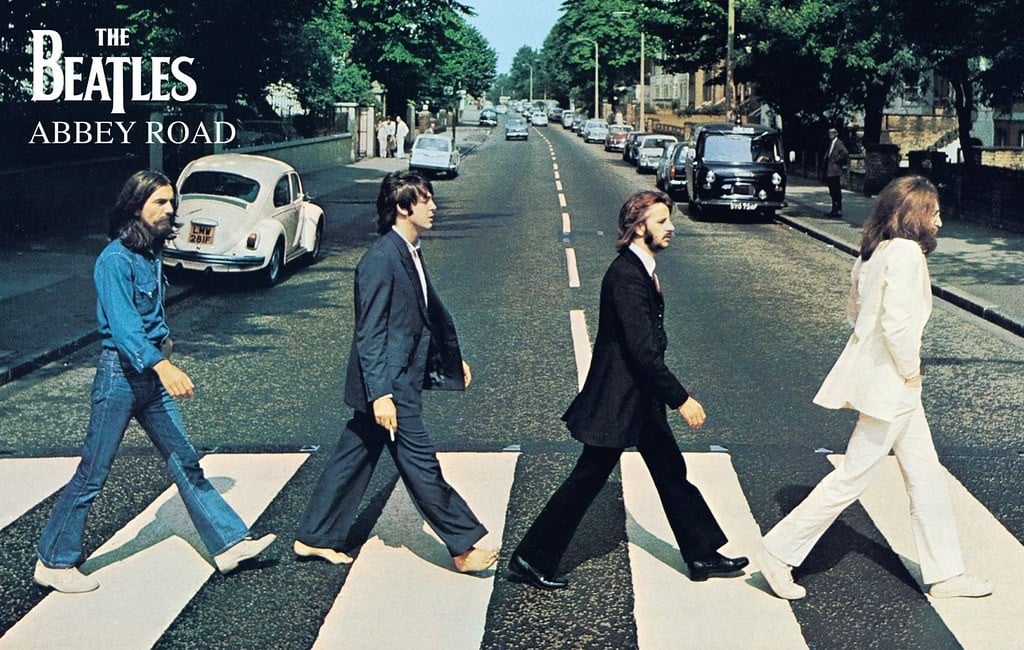
The cover of Abbey Road shows the four Beatles walking across a zebra crossing in London, but the photo shoot almost didn’t happen. Photographer Iain Macmillan had exactly ten minutes to capture the shot while a police officer held up traffic on a busy street.
He climbed a stepladder in the middle of the road and took just six photos total. The fifth shot became one of the most imitated images in music history, and Paul McCartney walked barefoot simply because his sandals felt uncomfortable that day.
Pink Floyd’s The Dark Side of the Moon
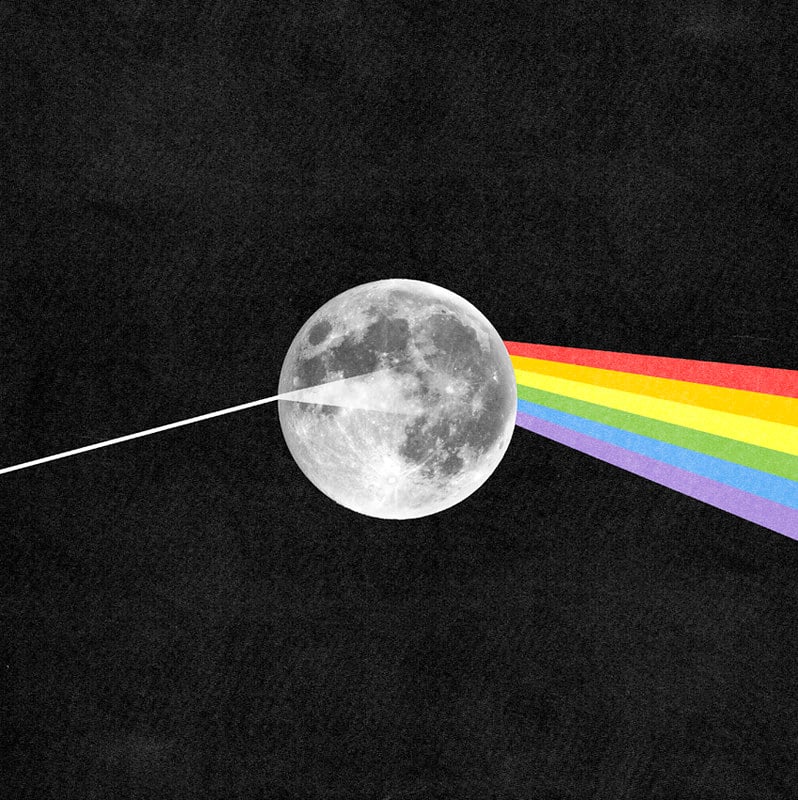
Storm Thorgerson designed this cover using a prism splitting white light into a rainbow spectrum against a black background. The band wanted something clean and simple after years of elaborate artwork on previous albums.
Thorgerson’s design perfectly captured the album’s themes about life, time, and human experience without using any photos or complicated graphics. That triangle prism became so recognizable that people still use it on t-shirts, posters, and tattoos fifty years later.
Nirvana’s Nevermind

Kurt Cobain wanted to show a baby swimming underwater, chasing a dollar bill on a fishhook. Photographer Kirk Weddle shot several infants at a community pool in California before finding four-month-old Spencer Elden, who stayed calm in the water. The entire underwater session lasted just 15 seconds because babies can’t hold their breath very long.
Spencer later recreated the photo multiple times as an adult, though he’s had mixed feelings about being forever linked to one of the biggest albums of the 1990s.
The Velvet Underground & Nico
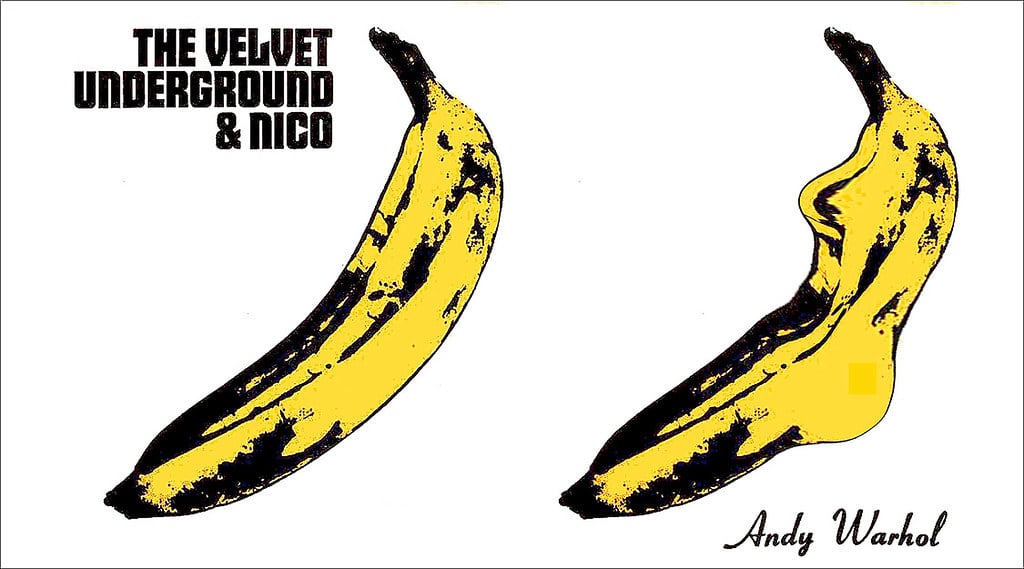
Andy Warhol designed this cover featuring a bright yellow banana with a ‘Peel slowly and see’ instruction printed on it. The original vinyl release actually included a removable banana sticker that revealed a pink peeled banana underneath.
Warhol created the design in exchange for managing the band, and he simply signed his name on the front like it was one of his pop art pieces. Record stores hated the peelable sticker because customers kept removing it in the store, but collectors now pay thousands for original copies with the sticker still intact.
Bruce Springsteen’s Born in the U.S.A.
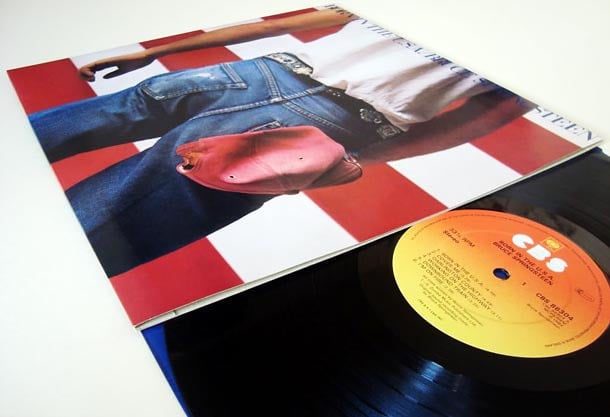
Annie Leibovitz photographed Springsteen from behind, standing in front of an American flag with a red baseball cap tucked in his back pocket. The Boss wore a simple white t-shirt and blue jeans for the shoot, creating an image that politicians and advertisers tried to use for years afterward.
Springsteen intentionally chose this stripped-down American imagery to contrast with the album’s critical lyrics about Vietnam veterans and working-class struggles. The photo became so famous that people still debate whether it celebrates America or criticizes it.
The Rolling Stones’ Sticky Fingers
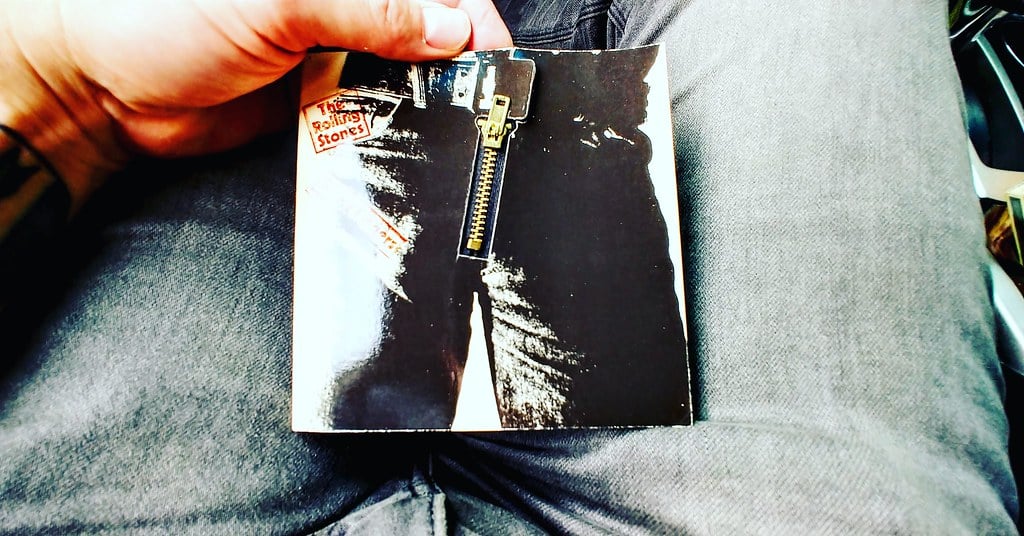
Andy Warhol created yet another iconic album cover. This time it was a photo showing a man’s denim pants quite closely and to top it off there was an operable zipper on the album cover.
The vinyl version initially gave the listeners the opportunity of unzipping the cover to see a pair of underpants printed on the inside. Warhol, however, kept the identity of the model who was wearing the jeans a secret.
There were various rumors suggesting different actors and models from his circle. Record stores once again raised their voice as the metal zip on the album cover was scratching other records when piled up but it was the controversy which actually made the cover even more famous.
Fleetwood Mac’s Rumours
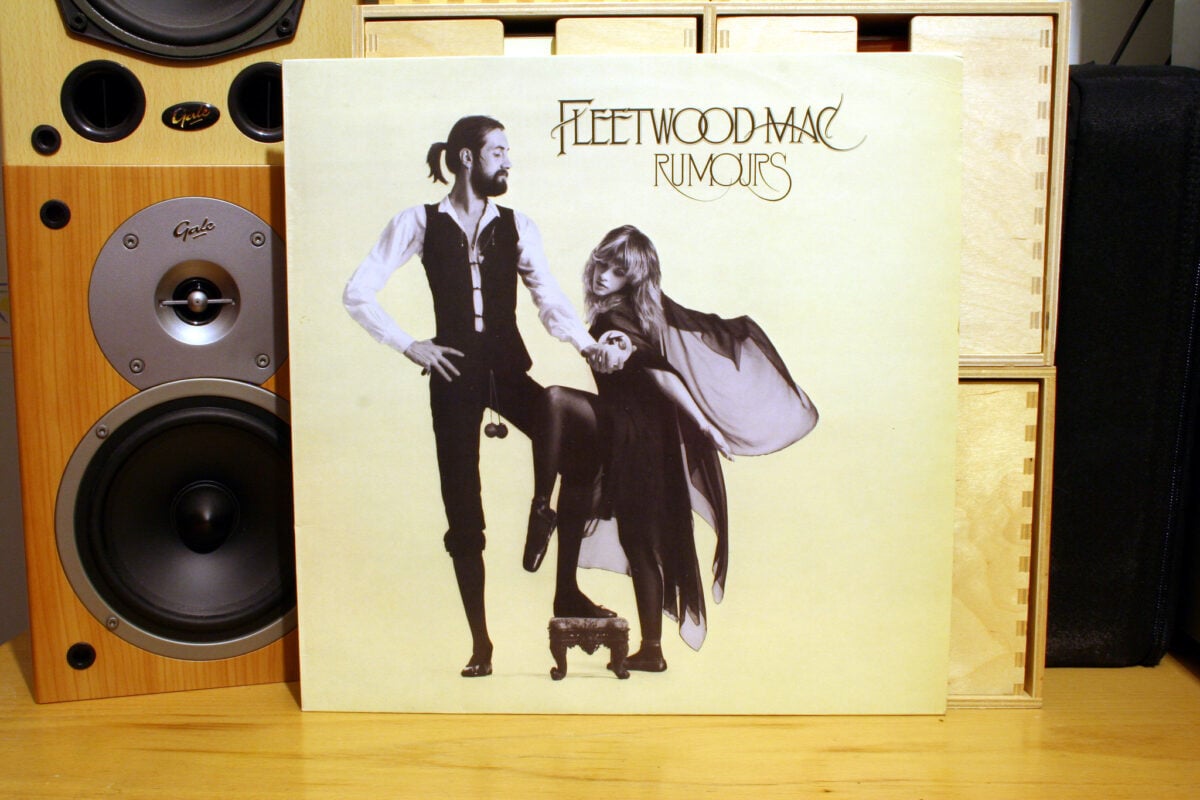
Herbert Worthington III photographed Mick Fleetwood and Stevie Nicks in a dance studio, with Fleetwood wearing a suit and Nicks in flowing black outfit. The band was falling apart during the recording sessions, with two couples breaking up and tensions running high between all five members.
Nicks wore wooden platform clogs and a simple black dress for the shoot, never imagining the photo would represent one of the best-selling albums ever made. The image looks elegant and mysterious, hiding all the chaos and heartbreak that went into making the music.
The Clash’s London Calling
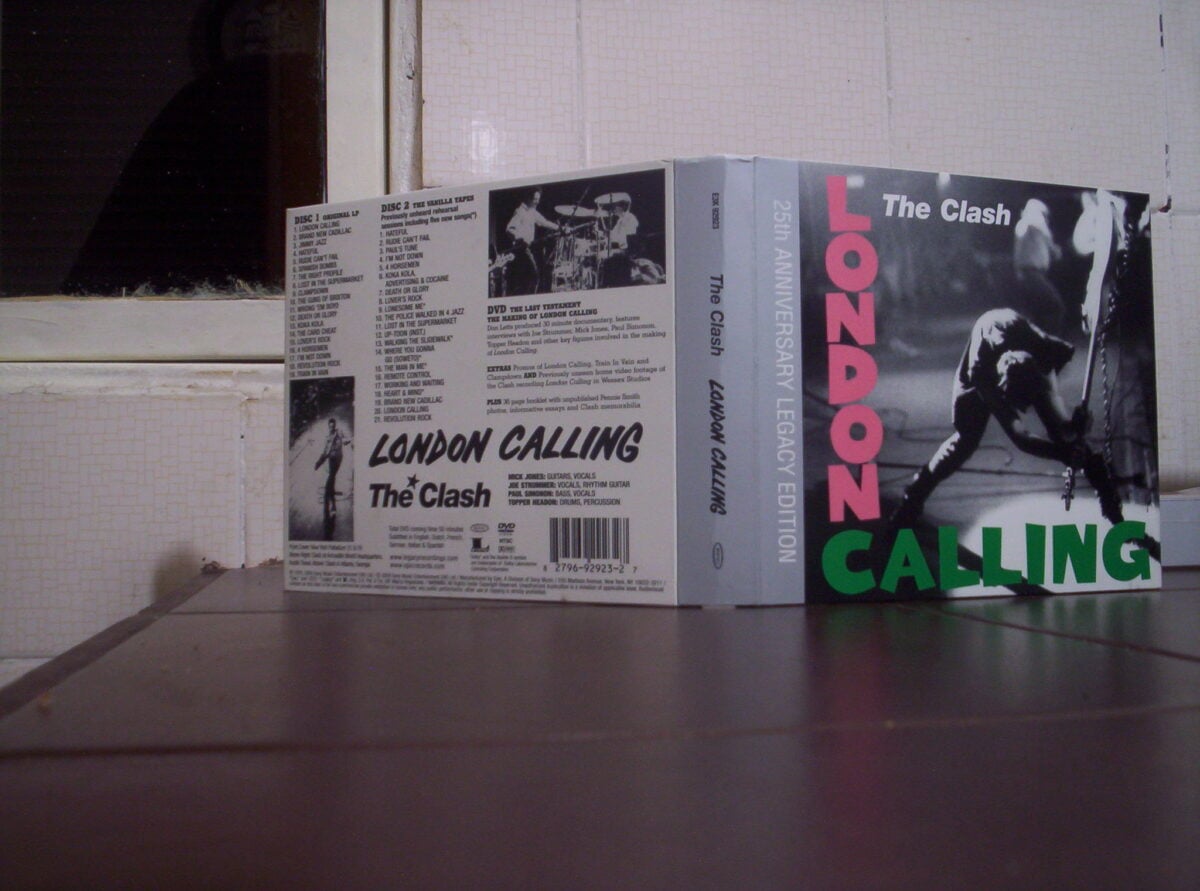
Pennie Smith captured Paul Simonon smashing his bass guitar on stage at a concert in New York City. The bassist got frustrated during the performance and destroyed his instrument in a moment of pure rage.
Smith thought the photo came out too blurry and out of focus to use, but the band loved how it captured their raw energy and punk attitude. Ray Lowry added pink and green text in a style copied from Elvis Presley’s first album, connecting punk rock’s rebellion to rock and roll’s original spirit.
Led Zeppelin IV

The band refused to put their name anywhere on the cover, using only four mysterious symbols to represent each member. They found the photo of an old man carrying sticks on his back at an antiques shop and placed it against a wall of peeling wallpaper.
Jimmy Page wanted to make a statement against commercial packaging after critics dismissed their earlier albums as hype. Record stores had no idea how to file the album without a title or band name printed anywhere, but fans called it everything from ‘Four Symbols’ to ‘ZoSo’ to simply ‘Led Zeppelin IV.’
Joy Division’s Unknown Pleasures
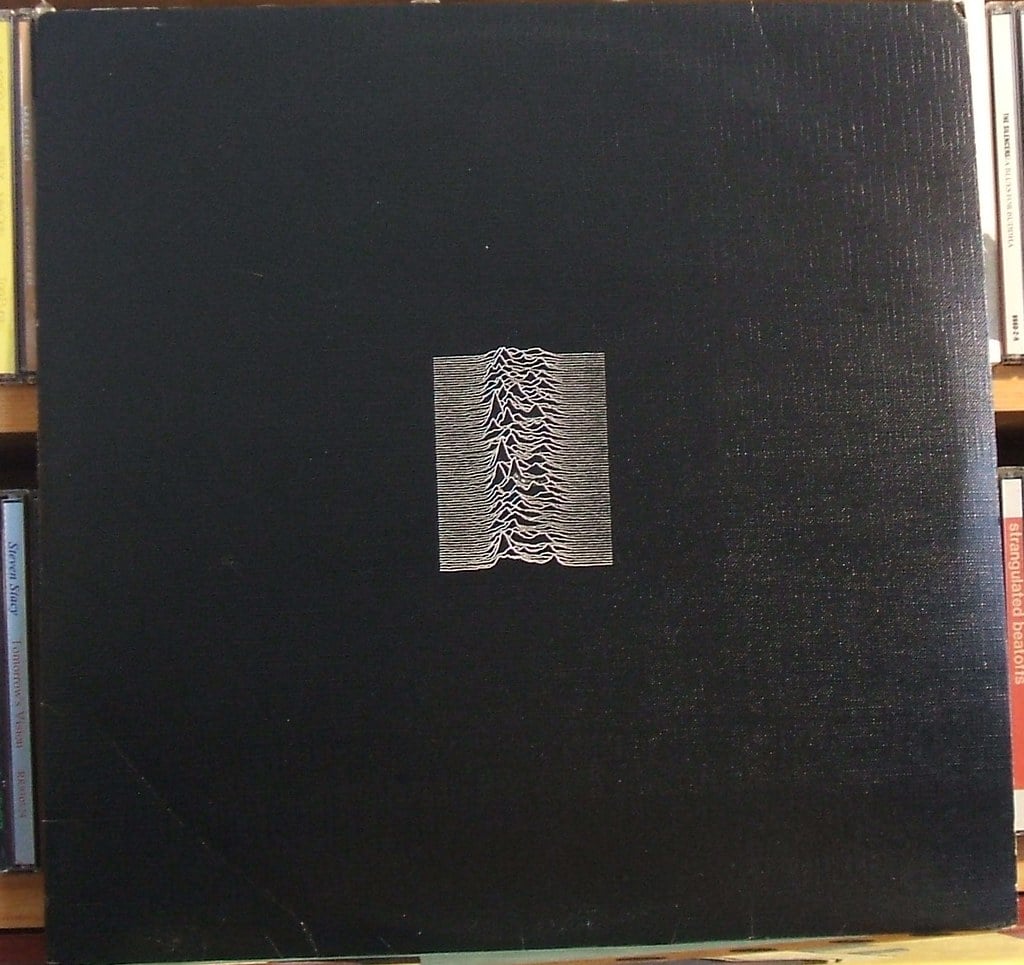
Peter Saville used a visualization of radio waves from a pulsar, originally printed in a Cambridge Encyclopedia of Astronomy. The white lines on a black background showed signals from the first discovered pulsar, CP 1919, captured by scientists years before the band even formed.
Saville flipped the colors from the original scientific image and removed all text, creating a design that influenced countless bands, designers, and artists afterward. People wear the image on shirts without knowing it represents dying stars sending radio signals across space.
David Bowie’s Aladdin Sane
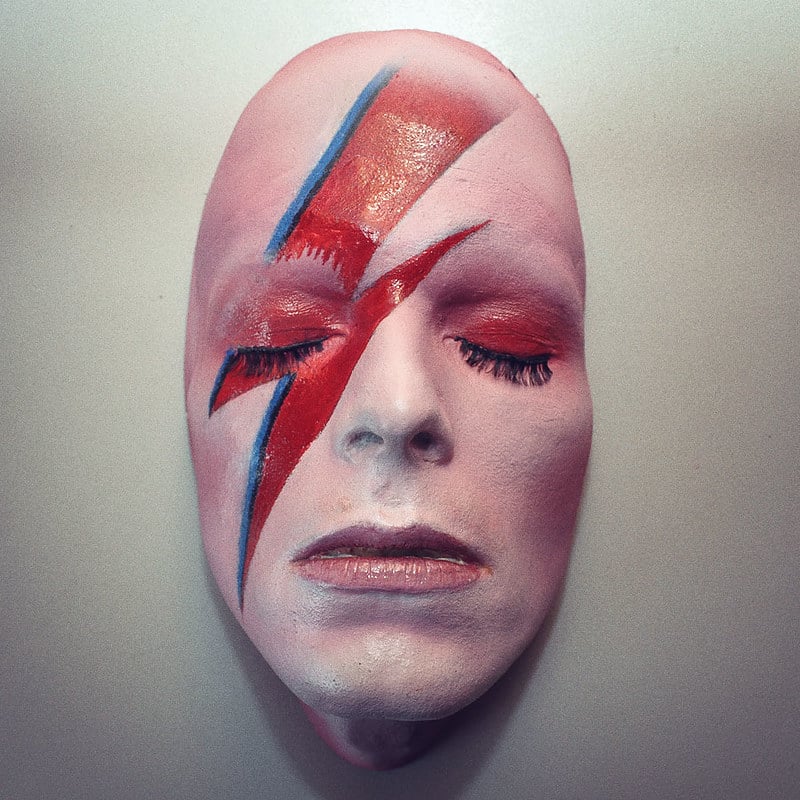
Brian Duffy photographed Bowie with a red and blue lightning bolt painted across his face by makeup artist Pierre Laroche. The singer kept his eyes closed and tilted his head back, creating an image that looked both vulnerable and otherworldly at the same time.
Laroche applied the lightning bolt in just a few minutes using face paint, never imagining it would become one of the most recognizable images in rock history. The teardrop of water on Bowie’s collarbone added an extra touch that made the whole photo feel like fine art instead of just a publicity shot.
The Ramones’ Ramones
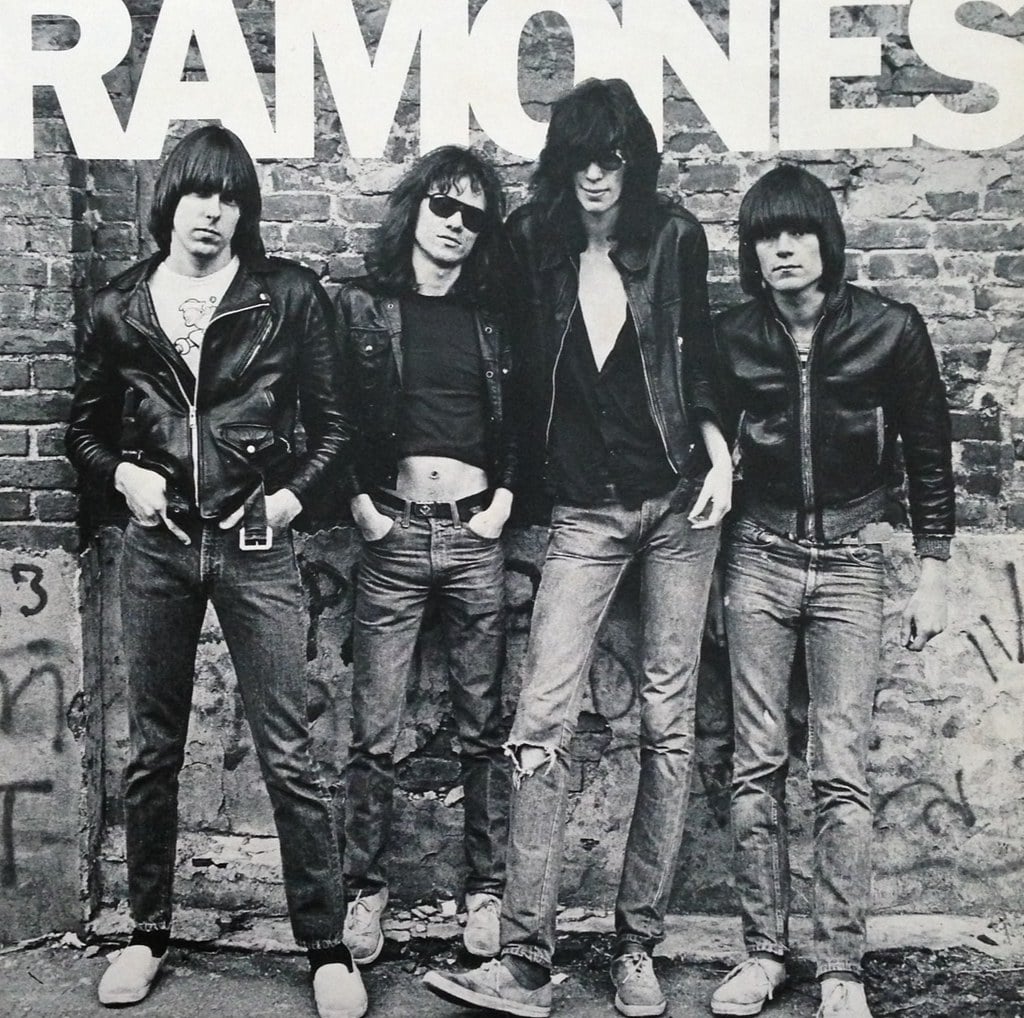
Roberta Bayley photographed the four band members standing against a brick wall in New York City, all wearing leather jackets and ripped jeans. The shoot took place in an alley near CBGB, the club where the Ramones played their earliest shows.
Bayley captured their tough, no-nonsense attitude in a simple black and white photo that cost almost nothing to produce. The image set a template for punk rock album covers for decades, proving that you didn’t need fancy studios or expensive photographers to create something memorable.
Queen’s News of the World
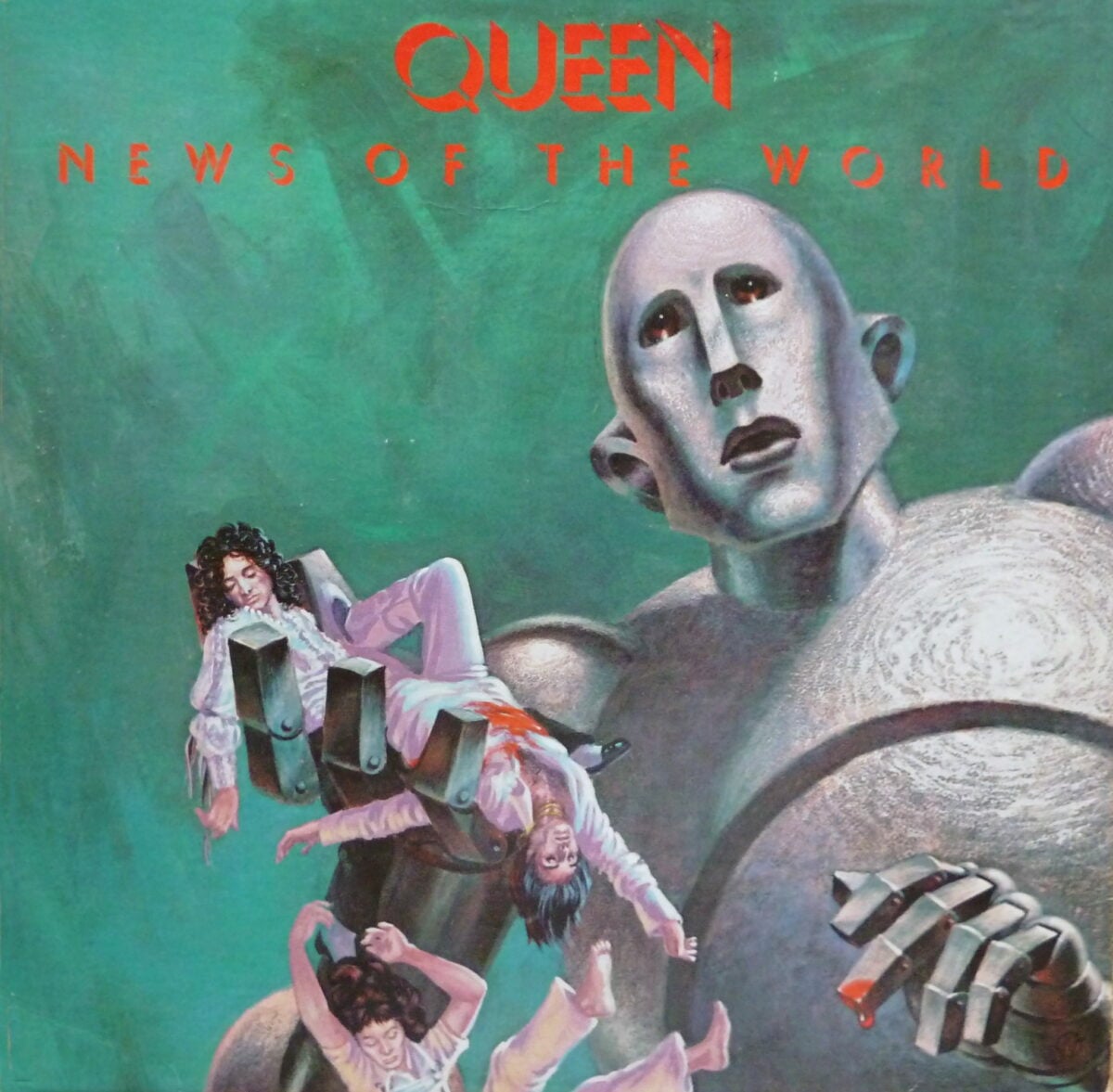
Frank Kelly Freas was the artist behind the initial robot depiction for a sci-fi magazine at least the years before Queen was formed. The band members happened to notice that painting, which was named The Gulf Between, and they requested the artist to make some adjustments for their record sleeve.
In addition to dead band members lying in robot hands, he also modified some elements of background for music fitment. That frightening robot was so intertwined with Queen that they not only featured it in their concerts but also used it for merchandise for many years, although the artwork originally was about technology and humanity and was totally unrelated.
Santana’s Abraxas
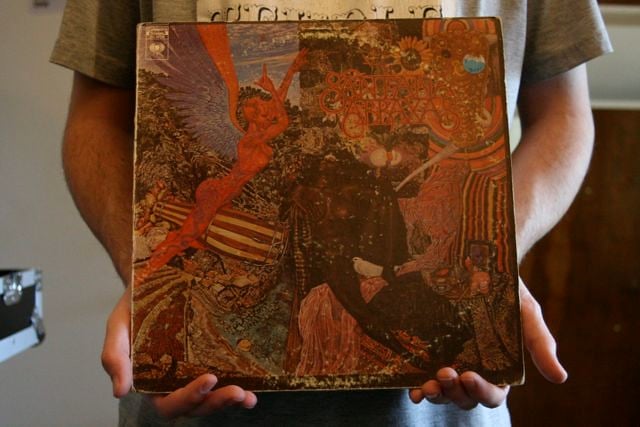
A dreamlike figure with wings appears in Mati Klarwein’s ‘Annunciation’, where symbols twist together – feathers, faces, rhythm. Over at a friend’s place, Carlos Santana laid eyes on it, struck by how close it felt to what he aimed to create.
Instead of guitars, the canvas hums with drum shapes, birds dissolving into smoke, colors like chants. Though the record hadn’t been made yet, the image seemed to echo notes before they existed.
Long before studio lights flickered, the art stood complete, waiting. Not planned, yet fitting – spirit tangled with sound, painted long before playback.
Rage Against the Machine Self Titled Debut
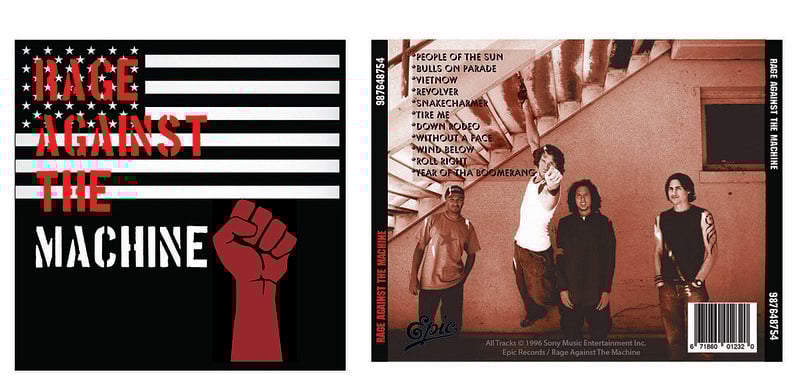
On fire stands a Buddhist monk in Saigon, 1963 – Thích Quảng Đức setting himself alight to defy oppression. Captured by photographer Malcolm Browne, the shot earned a Pulitzer, burned into history as war symbolism.
No words on the cover, just that single frame picked by the band – to speak before sound ever plays. Because silence can shout when imagery refuses to look away.
Retailers turned it face-down, unwilling to show such rawness in their windows. Their refusal? It echoed louder than approval ever could.
Cream’s Disraeli Gears
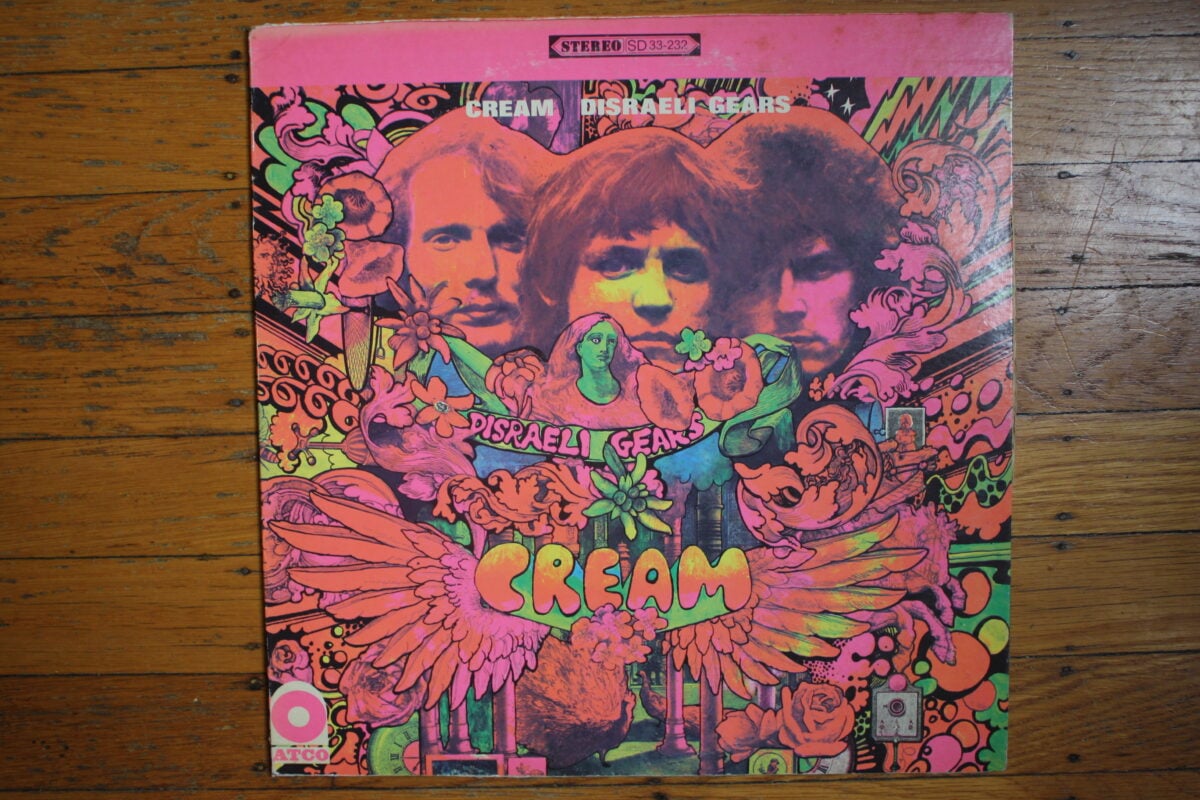
Out there among swirling shapes, Martin Sharp built a vibrant patchwork – laced with twisted pictures of each musician. Working beside camera artist Bob Whitaker, he stacked glowing paint strokes with mirror-like photo repeats, crafting something close to how hallucinations might appear on paper.
This artwork moved just like the record within: tracks bending familiar blues-rock until it cracked open. Without machines or pixels – he had no access anyway – all pieces came together through brushes, film tricks, and hands-on edits under red-lit room light.
When covers become bigger than music
Some record sleeves went far beyond just packaging. Even folks who never played the songs still know them by sight.
Not because they were planned perfectly, but often through chance – a casual photosession, an artwork taken on loan, a rushed layout decision. Moments like those somehow shaped whole eras in culture.
Creativity sparked strongest when bands, lens people, and visual makers ignored rules and leaned into gut feelings. Now most listeners see only small screen dots instead of large spinning discs.
Yet these legendary fronts remain vivid. They show how strong visuals can speak volumes, even in silence.
More from Go2Tutors!

- The Romanov Crown Jewels and Their Tragic Fate
- 13 Historical Mysteries That Science Still Can’t Solve
- Famous Hoaxes That Fooled the World for Years
- 15 Child Stars with Tragic Adult Lives
- 16 Famous Jewelry Pieces in History
Like Go2Tutors’s content? Follow us on MSN.