Photos of Popular Dog Breeds That Did Not Exist 100 Years Ago
Dog breeds aren’t fixed points in history. They change, get created, fall out of fashion, and sometimes get invented on purpose by a single breeder with a specific goal.
Many of the dogs you see on social media feeds and in your neighbor’s yard today simply did not exist in 1925. Not as recognized breeds, not as deliberate crosses, not at all.
Some were created to solve a problem — like a guide dog that doesn’t shed. Others came from happy accidents.
A few were bred to look a certain way because people wanted something new. Whatever the reason, the result is a lineup of dogs that feel very modern, even when they look irresistibly cozy and timeless.
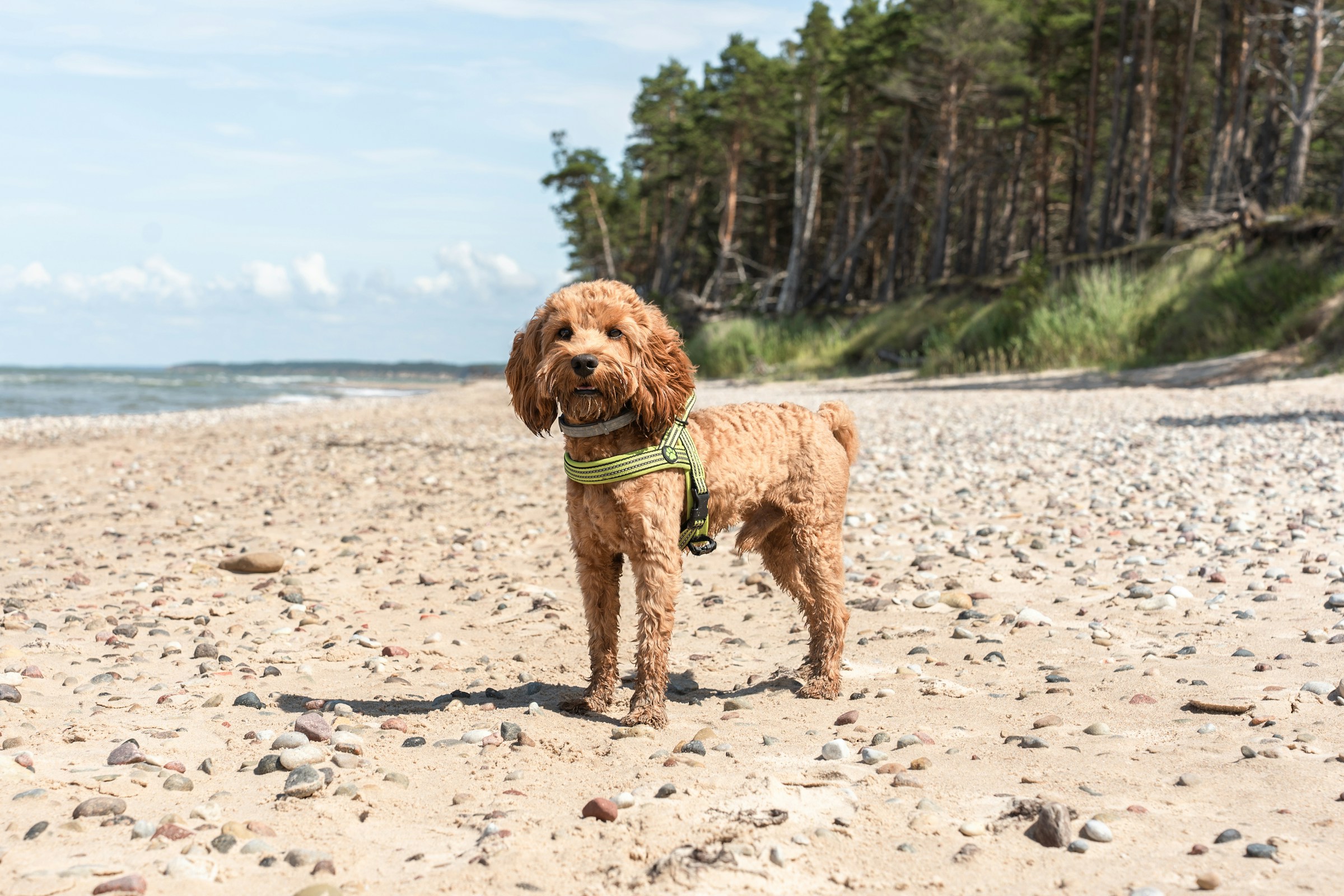
The Labradoodle
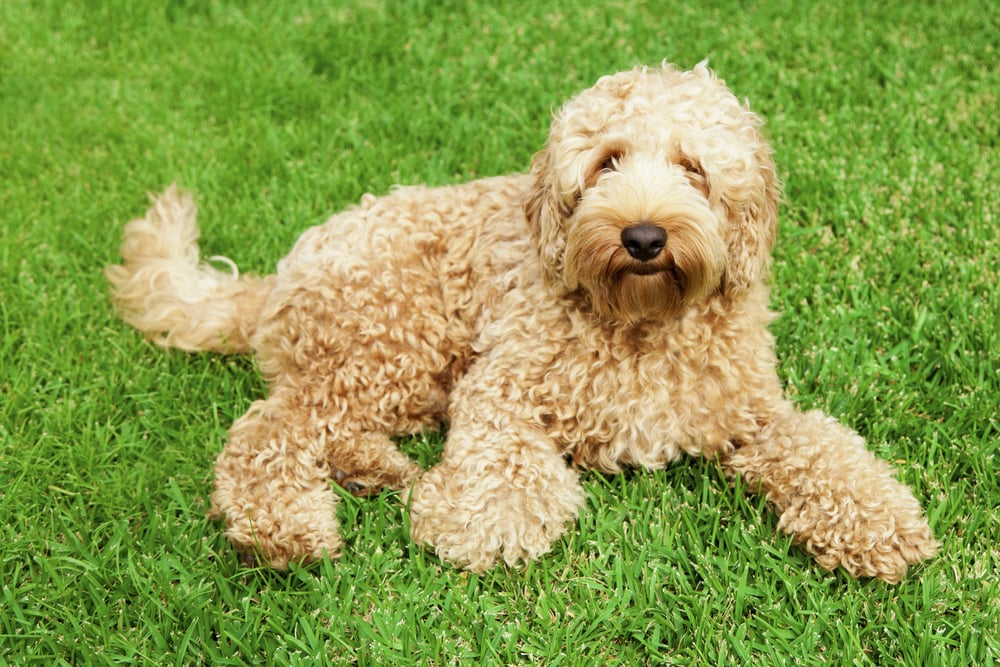
The Labradoodle is probably the most famous designer dog in the world, and it has a surprisingly specific origin story. In 1988, an Australian breeder named Wally Conron crossed a Labrador Retriever with a Standard Poodle at the request of a woman whose husband needed a guide dog but had allergies.
The cross worked, and the dog’s name stuck. Within years, the Labradoodle had gone from a solution to a sensation.
Today there are multiple sizes and coat types, and breeders have spent decades trying to stabilize what is still technically a hybrid rather than a recognized purebred.
The Goldendoodle
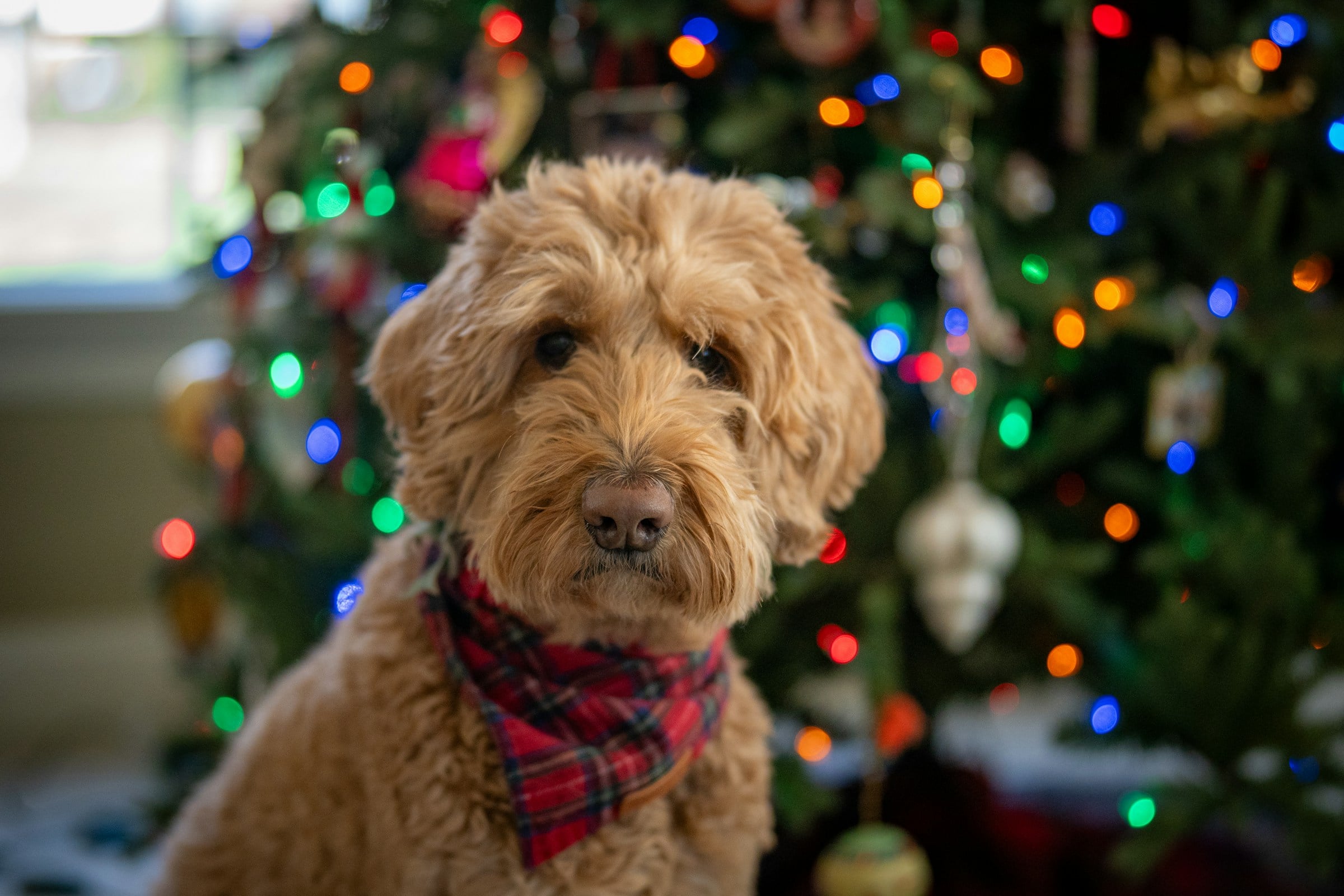
The Goldendoodle followed the Labradoodle’s path into popularity in the 1990s. Take a Golden Retriever, cross it with a Poodle, and you get a dog that tends to be friendly, intelligent, and low-shedding.
Whether or not any individual Goldendoodle actually turns out hypoallergenic depends on genetics, but the appeal of the combination was undeniable.
They come in miniature and standard sizes now and have become one of the most requested dogs at breeders across North America and Europe.
The Cockapoo
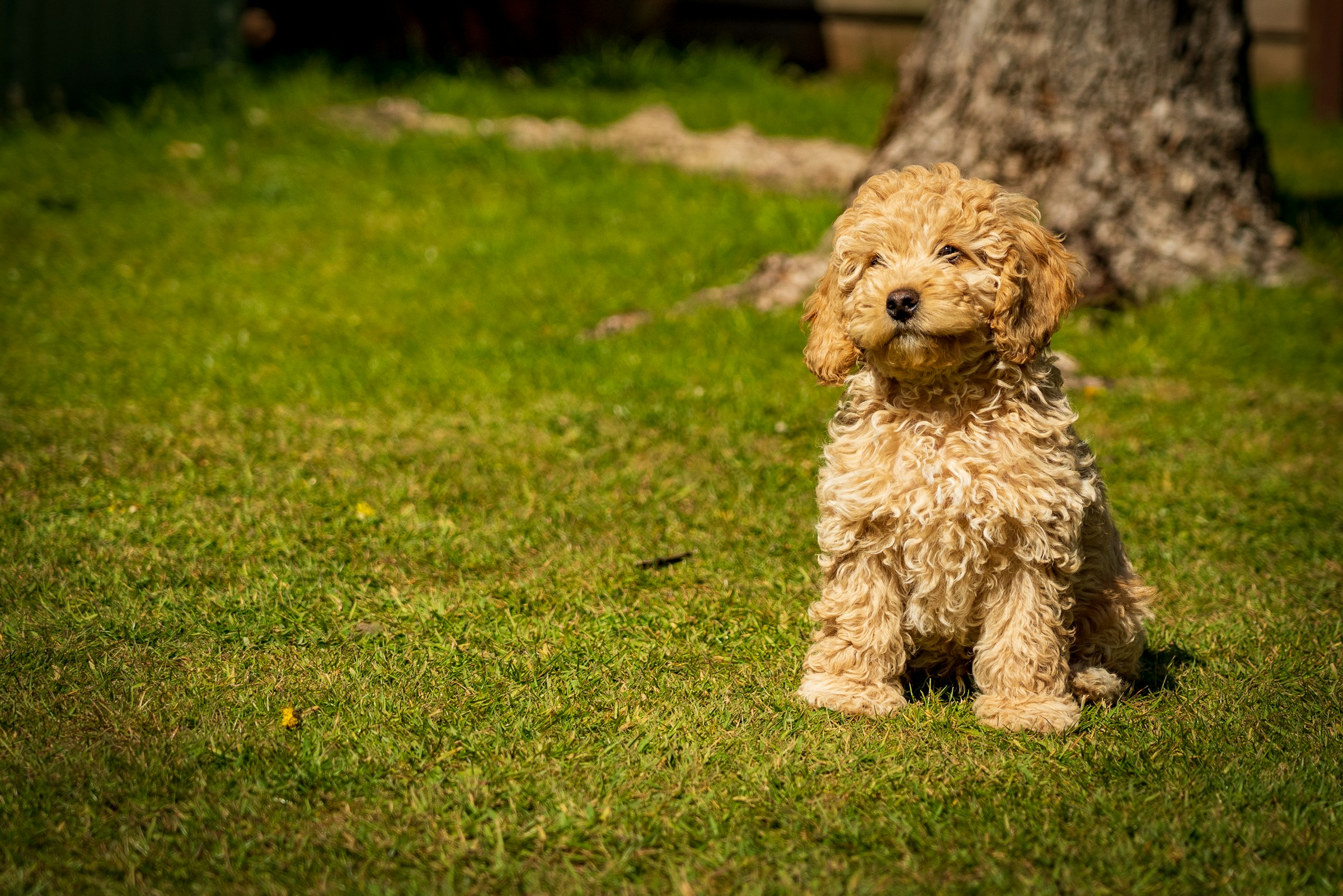
The Cockapoo is older than most people think. This Cocker Spaniel and Poodle mix started appearing in the United States in the 1960s, making it one of the earliest intentional designer crossbreeds.
The goal was a small, affectionate, low-shedding companion dog. It worked.
The Cockapoo became popular enough that dedicated breeding programs and breed clubs formed over the following decades.
It’s still not officially recognized by major kennel clubs, but that hasn’t slowed down its fan base at all.
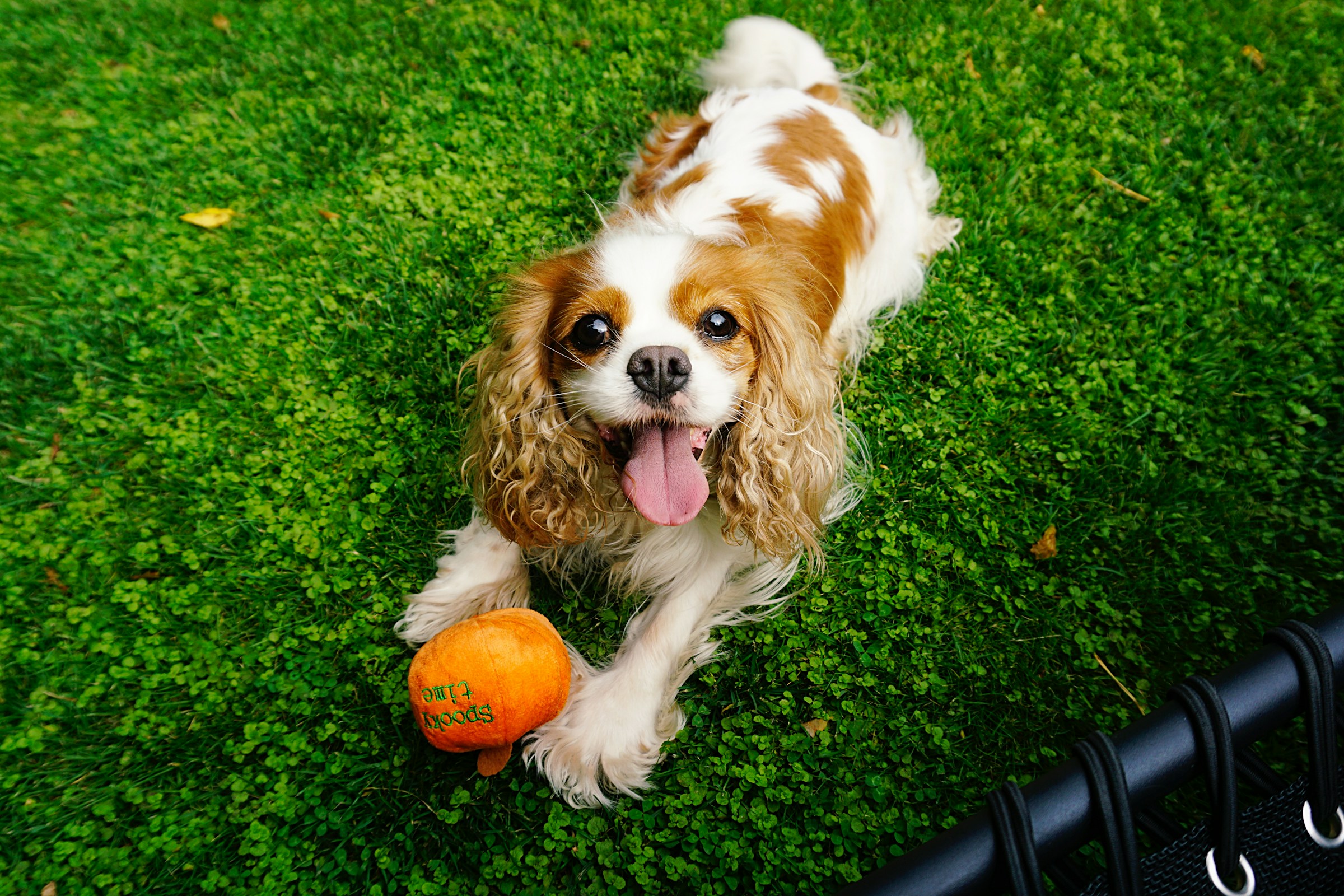
The Cavapoo
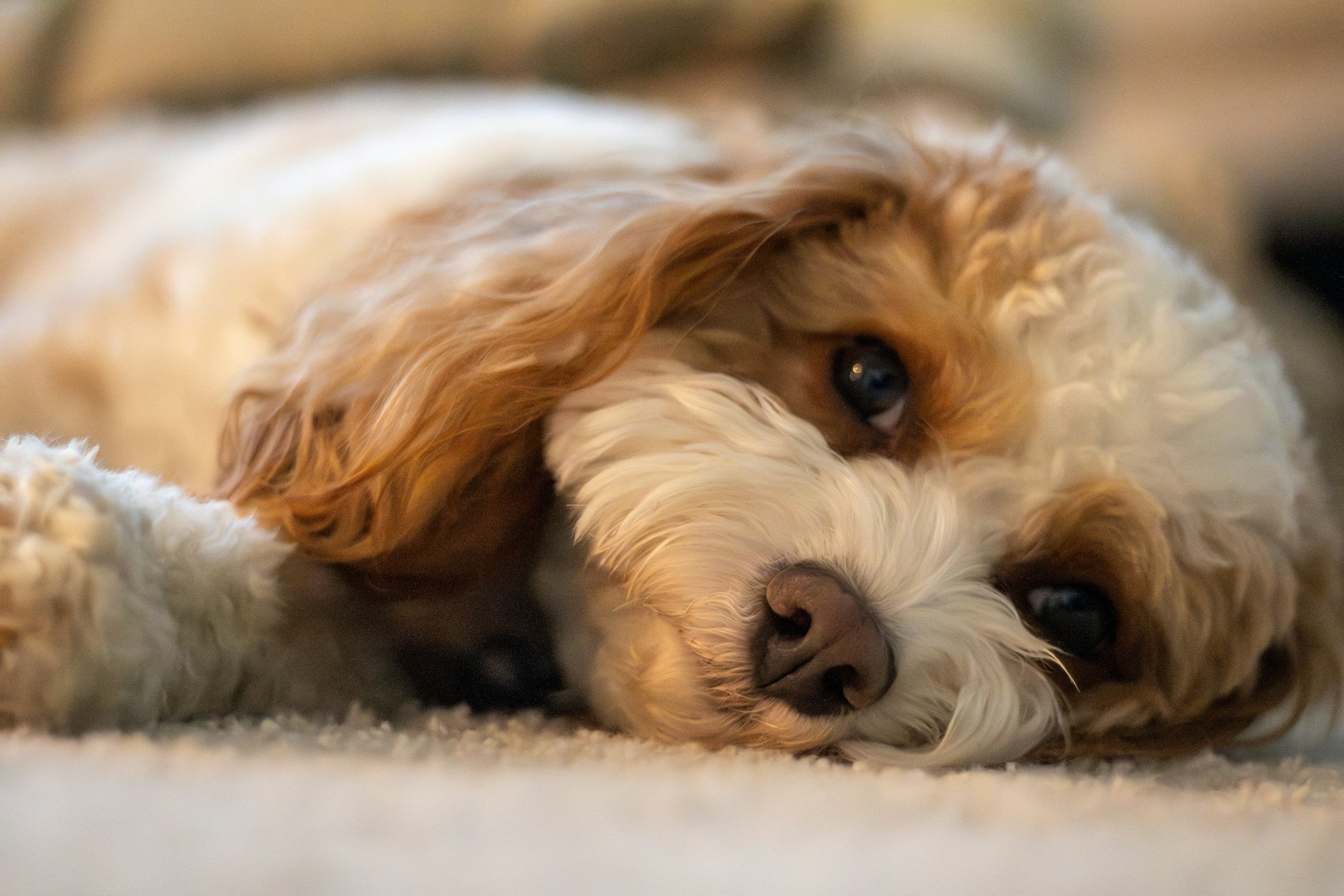
Cross a Cavalier King Charles Spaniel with a Miniature or Toy Poodle and you get a Cavapoo — sometimes called a Cavoodle, depending on where you live. This cross became popular in Australia in the 1990s before spreading widely.
The result is a small dog that tends to be gentle, easy to train, and well-suited to apartment living. The round face and soft coat have made it one of the most photographed dogs on the internet.
The Pomsky
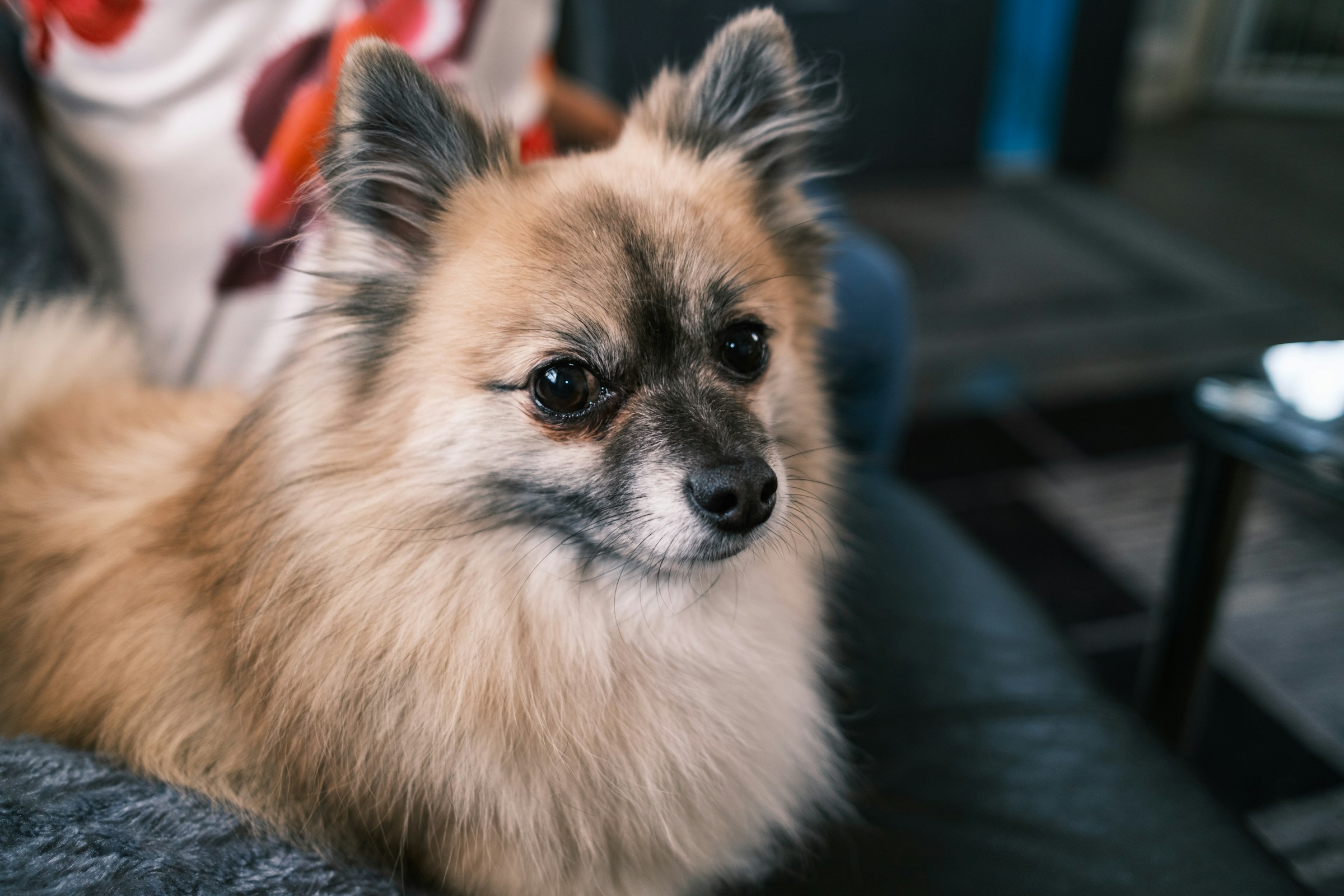
The Pomsky is one of the newer entries on this list, only becoming a deliberate breed around 2009 to 2012. It’s a cross between a Pomeranian and a Siberian Husky — two dogs that look nothing alike and differ wildly in size.
Artificial insemination made consistent breeding possible. The puppies often look like miniature Huskies with the compact frame of a Pomeranian, which is exactly why demand for them skyrocketed fast.
Pomsky traits can vary a lot from litter to litter, which makes each dog something of a surprise package.
The Bernedoodle
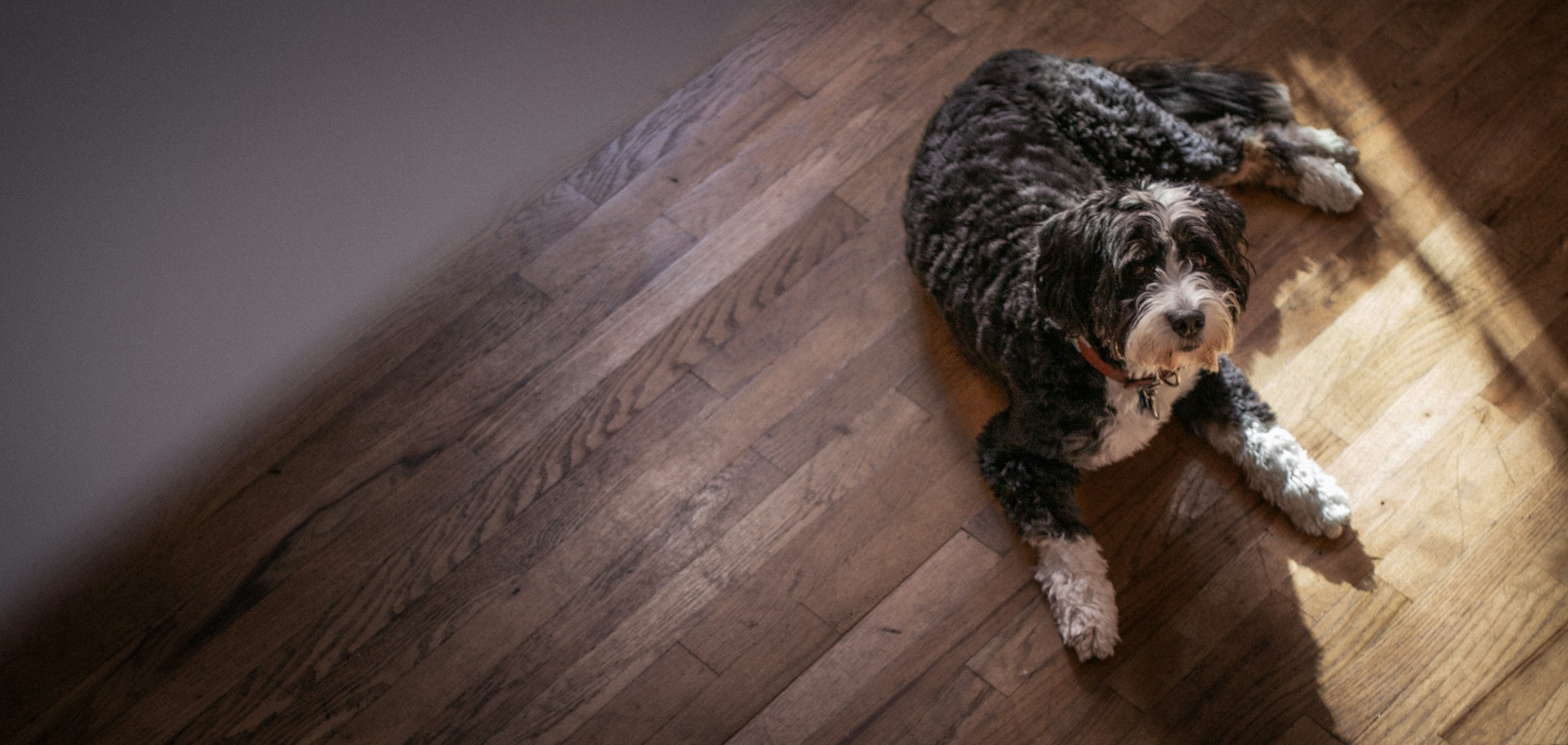
Sherry Rupke of SwissRidge Kennels in Canada is credited with intentionally breeding the first Bernedoodles in 2003. The cross — Bernese Mountain Dog and Poodle — combined the calm, loyal temperament of the Bernese with the Poodle’s low-shedding coat.
The tricolor markings of the Bernese translate beautifully into the Bernedoodle’s wavy coat, producing one of the most visually striking hybrid dogs around.
Standard Bernedoodles are large dogs, but mini and tiny versions exist too.
The Puggle
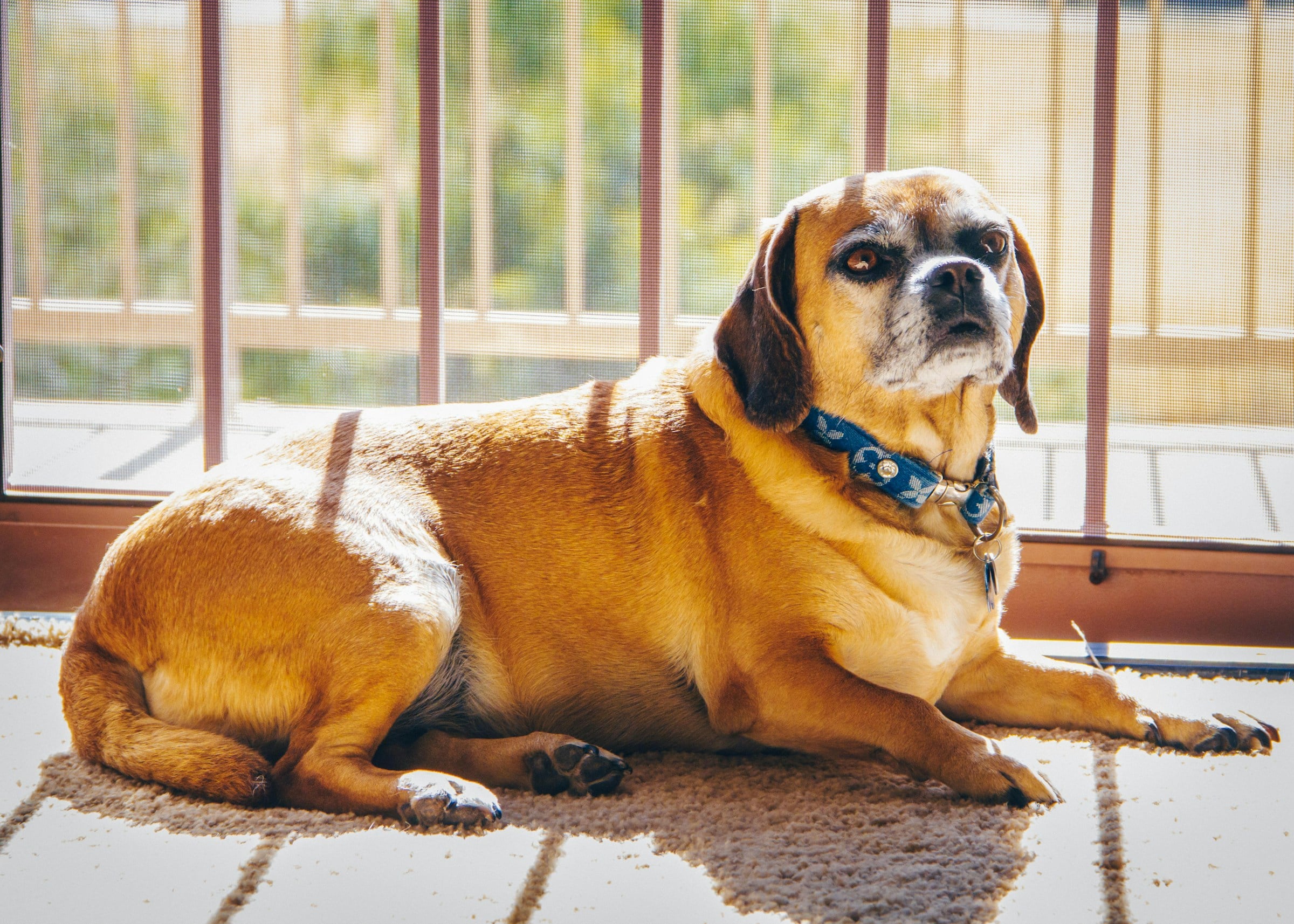
The Puggle arrived in the 1990s, a cross between a Pug and a Beagle. Breeder Wallace Havens in Wisconsin is often credited with popularizing the mix.
The idea was to retain the Pug’s compact, personable nature while reducing some of the breathing problems that flat-faced dogs can develop. Beagles bring a longer snout and a bit more athletic build to the mix.
The result is a wrinkled, expressive dog that tends to be social and curious. They became something of a celebrity dog in the mid-2000s.
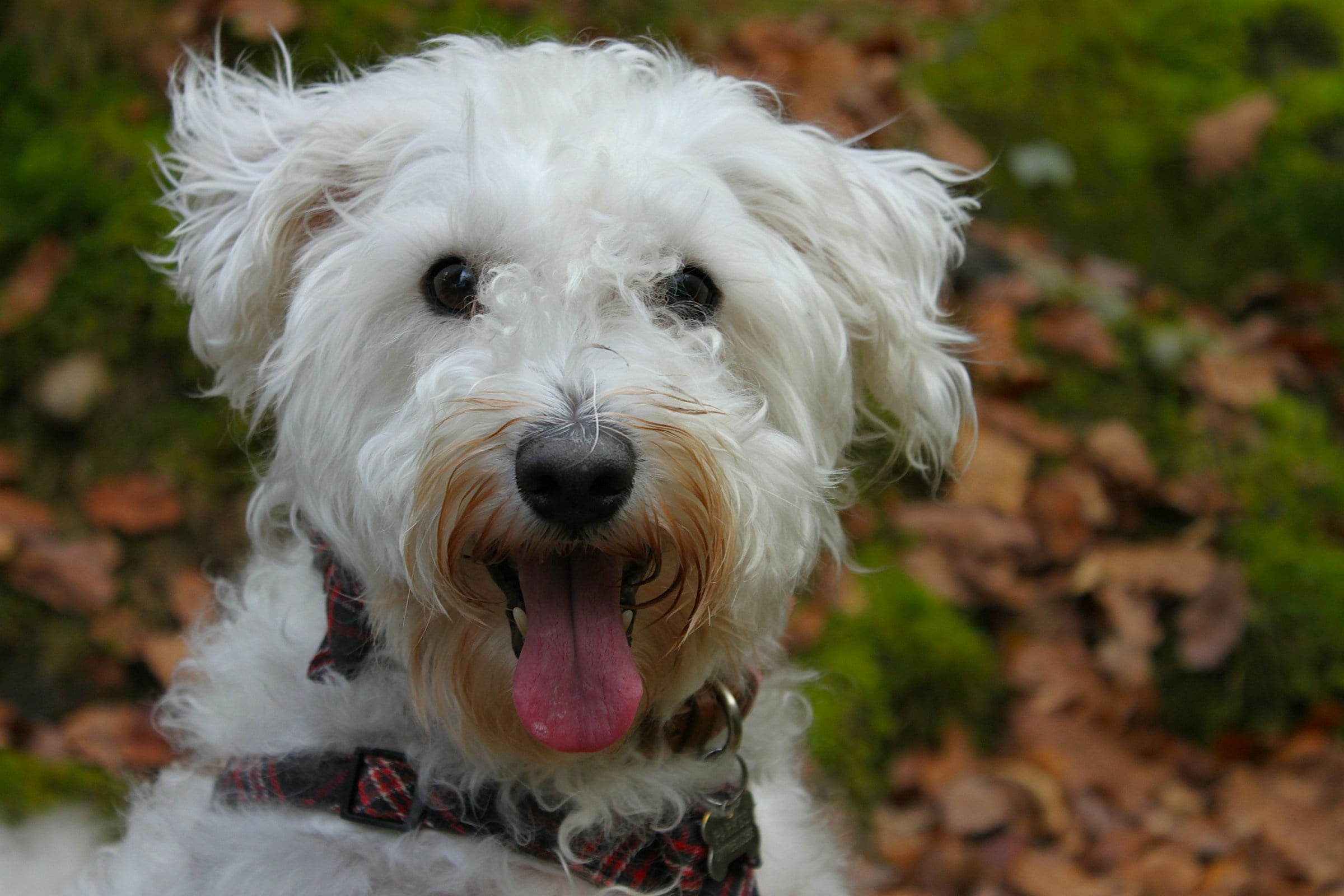
The Maltipoo
The Maltipoo combines the Maltese and the Toy or Miniature Poodle, and it became popular in the 1990s alongside the wave of other Poodle crosses.
They stay small — often under 10 pounds — and tend to have soft, fluffy coats that photograph beautifully.
Maltipoos are frequently marketed as hypoallergenic, which depends on the individual dog, but their low-shedding tendency makes them a popular choice for people with sensitivities.
They’re common companion dogs and often spotted in bags and strollers in cities.
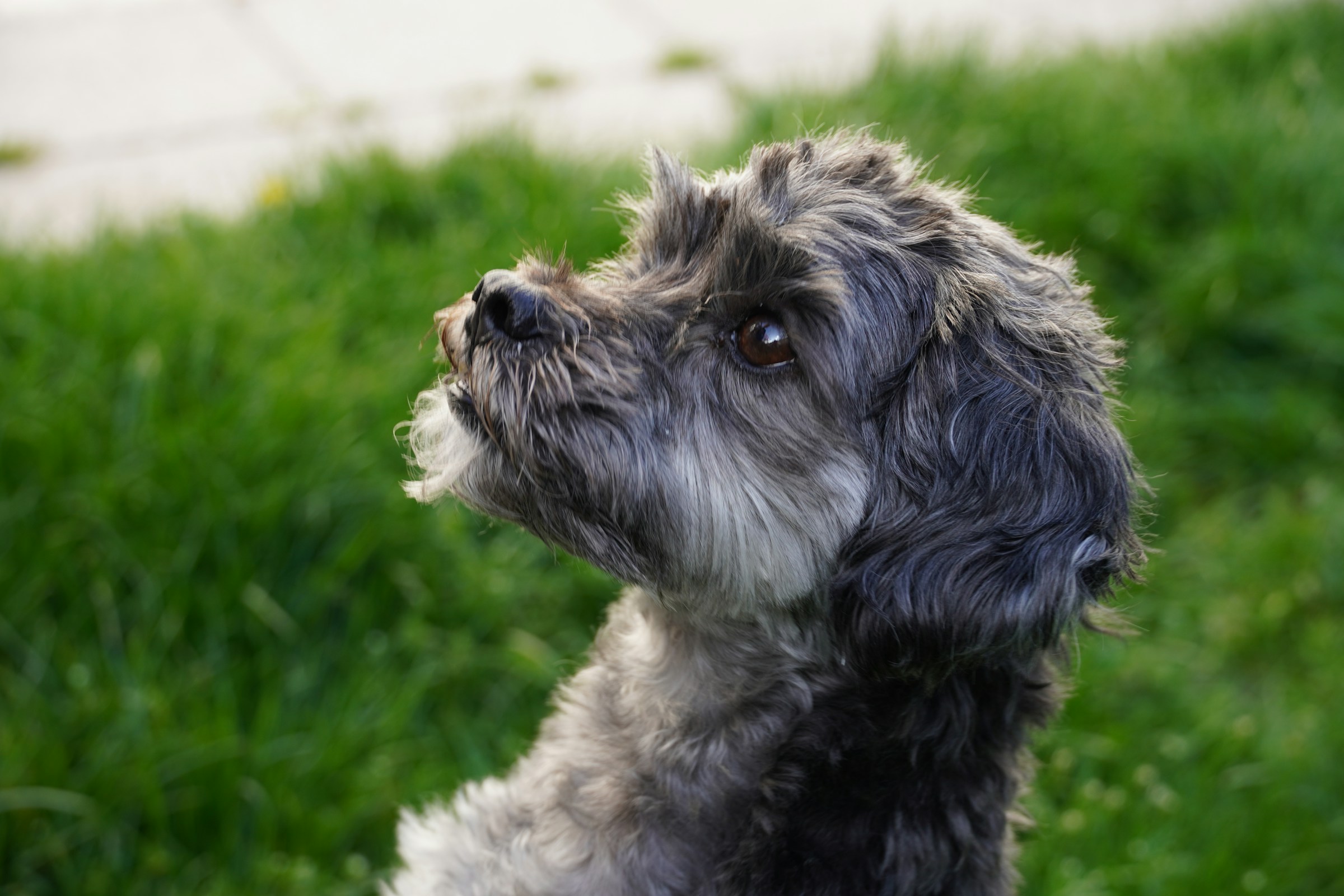
The Schnoodle
The Schnoodle mixes the Schnauzer with the Poodle, and like many Poodle crosses, it became more common in the 1980s and 90s.
Depending on which Schnauzer size is used — Miniature, Standard, or Giant — Schnoodles can range from small lap dogs to large, athletic companions.
The wiry Schnauzer coat and the Poodle’s curly coat tend to blend into something that’s low-shedding and often described as resembling a soft teddy bear.
The Boykin Spaniel
Not all new breeds are designer hybrids. The Boykin Spaniel is a pure breed that developed in South Carolina in the early 20th century, but it wasn’t officially recognized until 1977 by the United Kennel Club and didn’t earn full AKC recognition until 2009.
The breed was developed as a hunting dog — compact enough to fit in a small boat, enthusiastic enough to retrieve waterfowl all day. It’s the official state dog of South Carolina.
The Boykin’s rich chocolate-brown coat and eager expression make it easy to love even if you’ve never been hunting in your life.
The Cesky Terrier
A man named František Horák made the Cesky Terrier – this happened back in 1948, when he mixed a Scottish Terrier with a Sealyham Terrier. Not just any breeder, but one who also studied genetics, working out of Czechoslovakia.
What he wanted wasn’t loud or wild; instead, something gentler, simpler to care for. Narrow through the body mattered too – it had to slip easily into tight underground tunnels after prey.
Out came a smallish dog built close to the ground, draped in soft hair, acting nothing like most terriers behave. Patient? More so than expected.
Born in a small corner of Europe, this dog stays deeply tied to its homeland. Few others like it exist anywhere on earth.
The Morkie
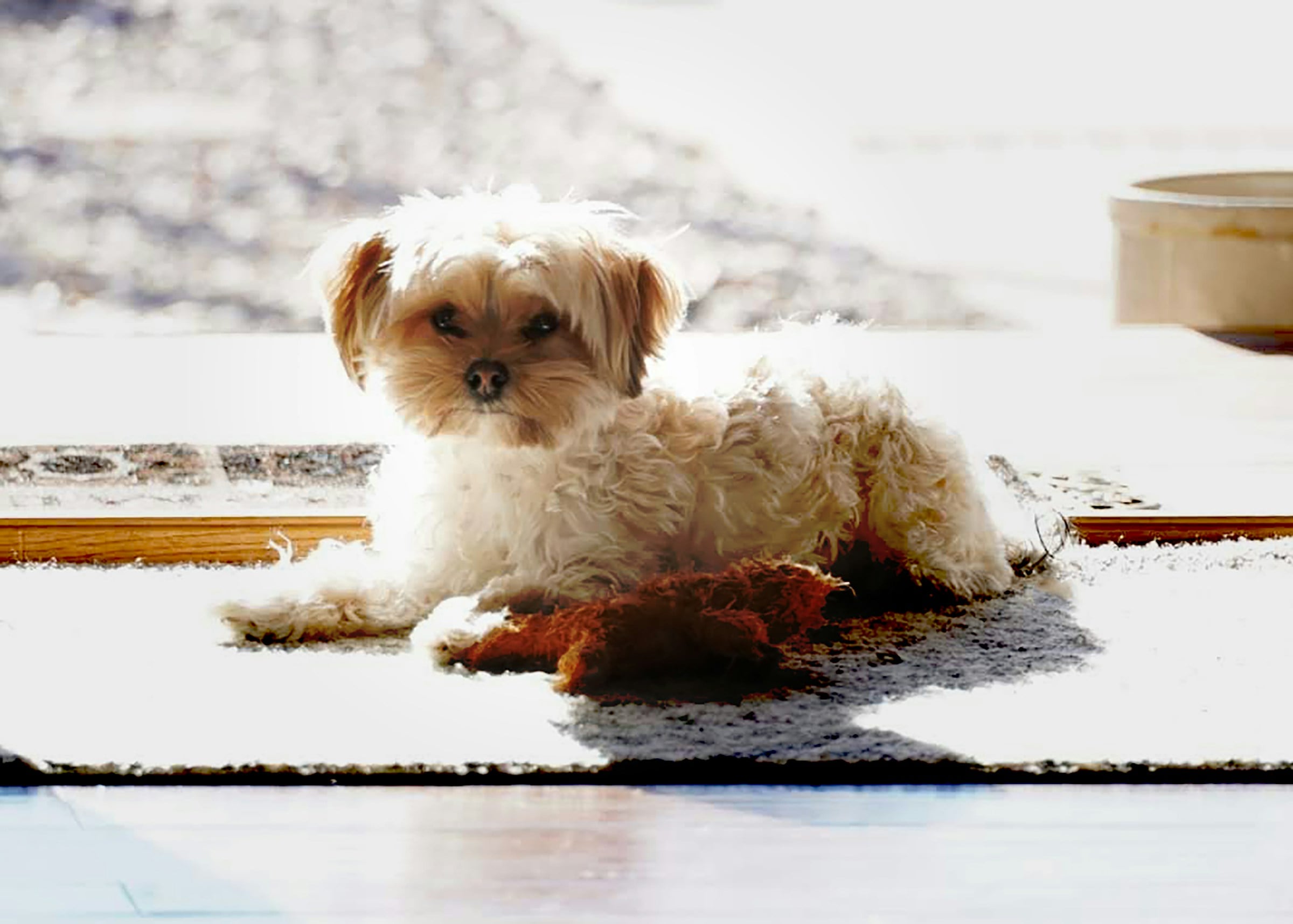
A tiny dog with a big attitude, the Morkie comes from mixing a Maltese with a Yorkshire Terrier – both known for packing confidence into petite frames.
Picking up attention across North America during the 1990s, these little companions started showing up more often in homes.
Full of love yet quick to speak their mind, they balance warmth and spark in similar doses. Their hair flows like silk, long enough to need frequent care.
Close ties form fast with people they trust. Despite how small they are, they make plenty of noise.
The Shorkie
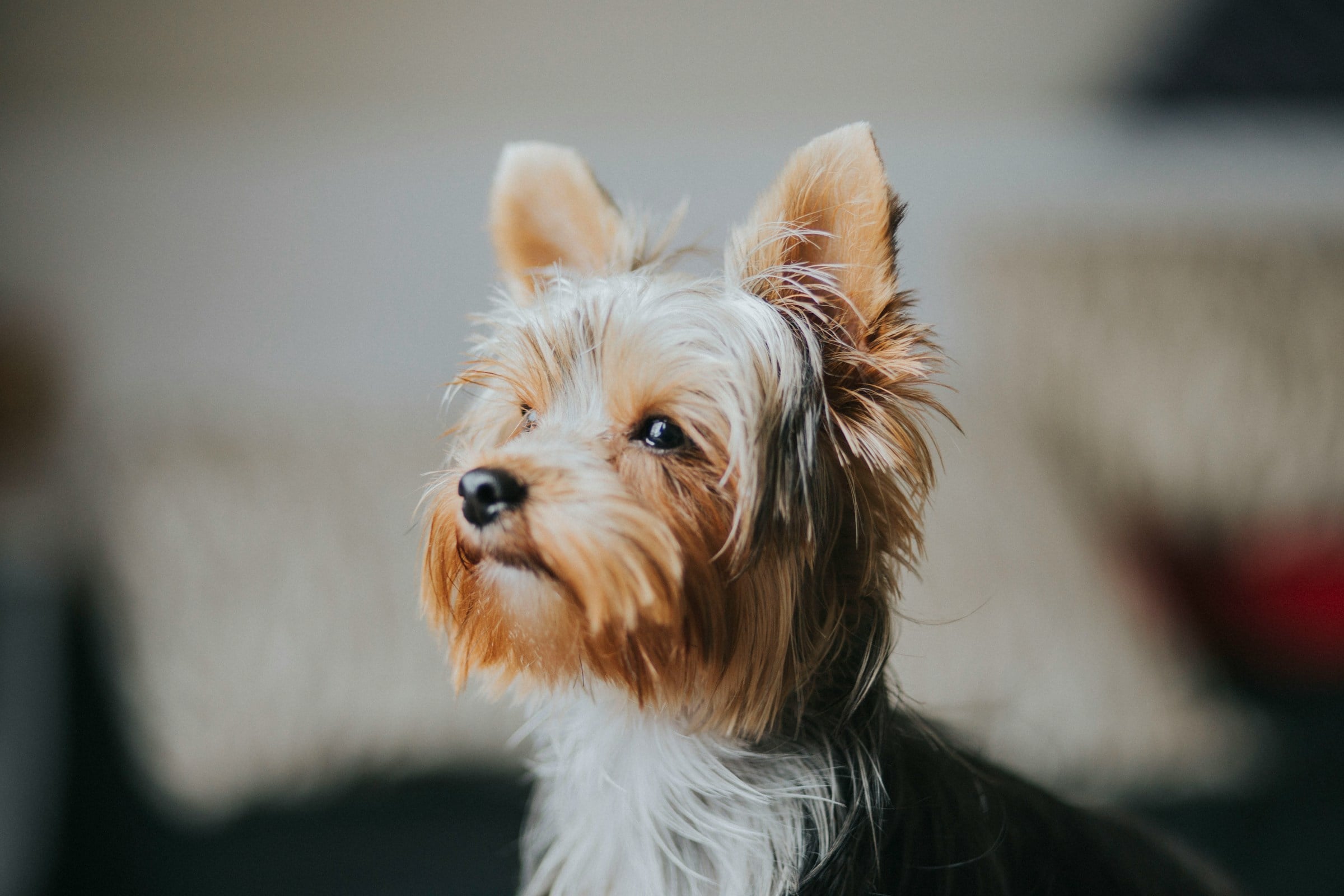
Born when breeders paired a Shih Tzu with a Yorkie, the Shorkie popped up during the 2000s.
Though its parents trace back centuries, this mix feels fresh, almost like yesterday’s idea.
Tiny in size, full of energy, it often wears a silky coat blending golden and tan shades. Close to home, it bonds tightly, yet stays cautious around unfamiliar faces.
That alert nature gives it an edge as a watchful companion, even if it barely reaches your knee.
Dogs That Had Not Been Invented
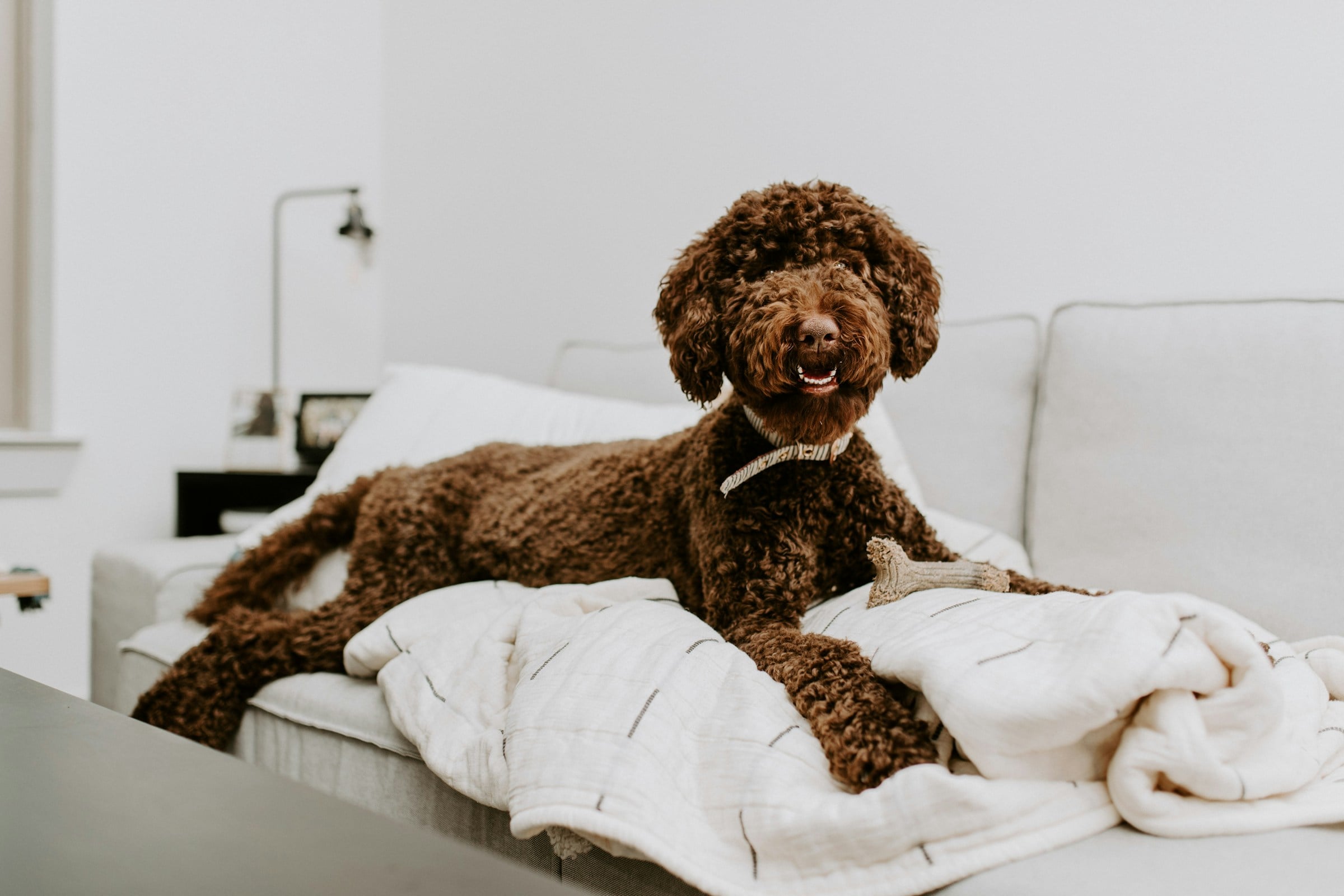
Picture dogs like they’ve always been just this way – yet nothing stays fixed. Breeds keep shifting, even today.
A Labradoodle helped kick off a wave of custom mixes, though it only showed up in the late 1980s. Some folks alive right now grew up without ever hearing of a Pomsky – because there wasn’t one back then.
It always seems like certain dogs were born for their times. Strange how fast a fresh breed shifts from nowhere to everywhere.
These canines sound normal today, even though they just showed up. Chances are the big names of tomorrow do not exist at all.
More from Go2Tutors!

- The Romanov Crown Jewels and Their Tragic Fate
- 13 Historical Mysteries That Science Still Can’t Solve
- Famous Hoaxes That Fooled the World for Years
- 15 Child Stars with Tragic Adult Lives
- 16 Famous Jewelry Pieces in History
Like Go2Tutors’s content? Follow us on MSN.