17 Foods That Were Illegal to Eat in Medieval Times
Medieval times were tough enough without having to worry about accidentally breaking the law with your dinner choices. Yet across Europe, countless foods were banned, restricted, or reserved for specific social classes through a complex web of sumptuary laws, religious edicts, and royal decrees. These weren’t just suggestions—violating food laws could land you in prison, facing hefty fines, or worse.
The reasons behind these bans varied wildly, from protecting certain trades to maintaining social order to following religious doctrine. Here’s a list of 17 foods that could get you in serious trouble during the medieval period.
White Bread

White bread was the ultimate status symbol in medieval Europe, and in many places, commoners were legally forbidden from eating it. The whiter the bread, the more expensive and refined the flour, making it a luxury item reserved for nobility and the wealthy merchant class.
Peasants were required to eat coarse, dark bread made from barley, rye, or oats—and attempting to purchase or consume white bread could result in fines or public punishment.
Venison
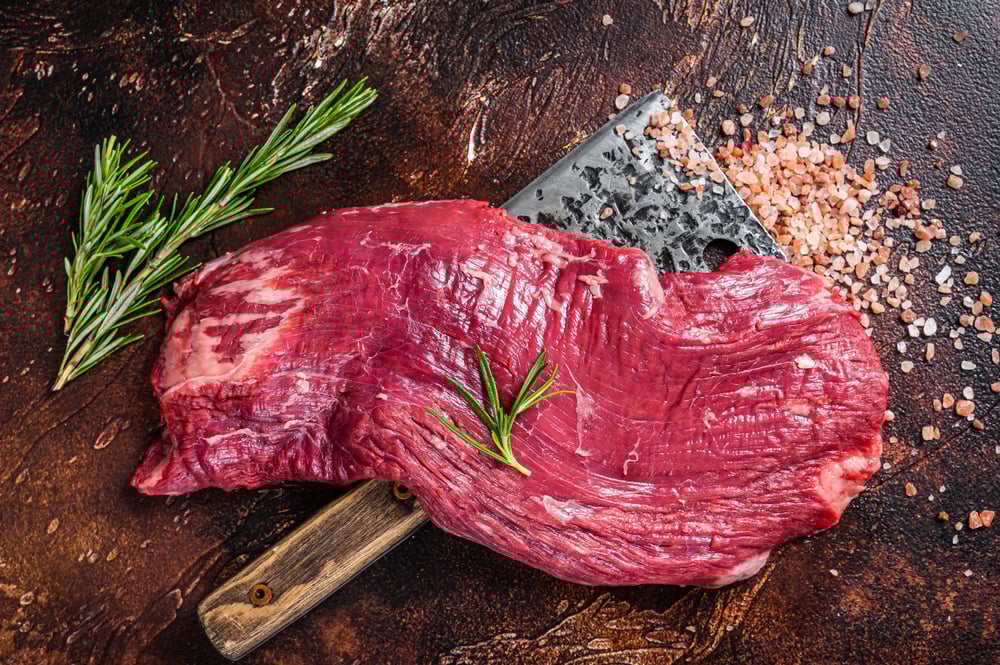
Hunting deer was one of the most serious food-related crimes in medieval times, with punishments ranging from heavy fines to death. Forest laws established by kings like William the Conqueror made venison exclusively royal property, regardless of where the deer roamed.
Even finding a dead deer and taking the meat could be considered poaching, and nobles who owned land couldn’t hunt deer without royal permission.
Swan

These elegant birds were considered so prestigious that eating them without permission was essentially theft from the crown. In England, all swans were owned by the monarchy, and killing or eating one without authorization was punishable by imprisonment or massive fines.
The tradition was so serious that swan-upping—the annual counting and marking of swans—became an official royal ceremony that continues today.
Sturgeon

Known as the ‘royal fish,’ sturgeon was automatically property of the king wherever it was caught in English waters. This wasn’t just about the fish itself—sturgeons produce caviar, making it doubly valuable and exclusive.
Anyone who caught a sturgeon was legally required to offer it to the monarch first, and eating it without permission was considered a form of treason.
Whale

Whales were classified as ‘royal fish’ alongside sturgeon, meaning they belonged to the crown by default. When a whale washed up on shore or was caught, the head traditionally went to the king while the tail went to the queen.
Common people couldn’t legally consume whale meat, even if they were the ones who found or caught it, making this massive source of protein completely off-limits to those who needed it most.
Peacock

These colorful birds were considered so magnificent that they were reserved exclusively for the tables of royalty and high nobility. Peacocks were often served at grand feasts as a symbol of wealth and power, sometimes even re-feathered after cooking for dramatic presentation.
Common people were forbidden from hunting, owning, or eating peacocks, with violations treated as serious crimes against the social order.
Certain Spices During Lent

The Catholic Church didn’t just restrict meat during Lent—many spices were also banned because they were considered too pleasurable or stimulating. Expensive spices like saffron, cinnamon, and nutmeg were prohibited during fasting periods, and eating them could result in religious punishment or excommunication.
This made the already bland Lenten diet even more restrictive for those who could afford better seasonings.
Sugar

Sugar was so rare and expensive in medieval Europe that it was often regulated like a precious commodity. In some regions, only licensed merchants could sell it, and consumption was restricted to the wealthy or those with special permits.
The high cost and limited availability made sugar a luxury that most people never tasted, and illegal sugar trading was treated as a serious economic crime.
Imported Fruits

Many imported fruits were banned or heavily restricted through sumptuary laws designed to prevent excessive spending on luxury items. Oranges, lemons, and other citrus fruits were considered extravagant imports that only the wealthy should consume.
These restrictions were meant to maintain social hierarchy and prevent the middle class from appearing too prosperous.
Rabbit

While this might seem surprising, rabbit was often restricted because it was considered a luxury food in many parts of medieval Europe. Wild rabbits were frequently part of noble hunting preserves, making them off-limits to commoners.
Additionally, domestic rabbit farming was sometimes regulated by local lords who wanted to control this protein source within their territories.
Honey

Before sugar became available, honey was the primary sweetener, making it incredibly valuable and sometimes regulated by local authorities. Beekeeping was often controlled by lords or monasteries, and stealing honey or unauthorized harvesting could result in severe punishment.
In some regions, only licensed beekeepers could collect and sell honey, making illegal honey trade a surprisingly serious offense.
Certain Fish During Spawning Season

Medieval laws often prohibited catching and eating specific fish during their spawning seasons to protect breeding populations. These early conservation efforts made it illegal to consume salmon, herring, and other fish during certain months.
Violating these seasonal restrictions could result in fines and was considered both an economic and ecological crime.
Exotic Birds

Beyond peacocks, many other exotic birds were restricted to the upper classes through sumptuary laws. Cranes, herons, and other large birds were considered too prestigious for common consumption and were reserved for noble tables.
Hunting or eating these birds without permission was treated as a violation of social order and could result in imprisonment.
Aged Cheese

High-quality aged cheeses were sometimes restricted by local guilds and authorities who wanted to control luxury food markets. These restrictions were partly about maintaining quality standards but also about preserving expensive aged cheeses for wealthy customers.
Unauthorized production or sale of premium aged cheeses could result in heavy fines and loss of trading privileges.
Imported Wine

While local wines might be available to common people, imported wines were often restricted through sumptuary laws and trade regulations. Fine wines from distant regions were considered luxury items that should only be consumed by the wealthy.
Illegal wine trading or consumption of restricted vintages could result in both legal and economic penalties.
Certain Cuts of Meat

Even when meat was available, the best cuts were often reserved for the upper classes through butcher guild regulations. Prime cuts of beef, pork, and lamb were designated for noble consumption, while commoners were limited to cheaper, tougher portions.
Butchers who sold premium cuts to unauthorized customers could lose their licenses and face serious legal consequences.
Elaborate Pastries

Complex pastries and decorated baked goods were sometimes restricted by sumptuary laws that aimed to prevent excessive display of wealth. These regulations targeted elaborate wedding cakes, decorated breads, and fancy pastries that were considered too ostentatious for common consumption.
Bakers who created these items for unauthorized customers could face fines and loss of their professional standing.
When Food Became Freedom

The gradual breakdown of these food restrictions paralleled the decline of feudalism and the rise of merchant classes who could afford previously forbidden items. As trade expanded and social mobility increased, many of these laws became impossible to enforce, leading to their eventual abandonment.
Today’s freedom to eat whatever we can afford represents a fundamental shift from medieval times, when your dinner plate was determined more by law than by personal choice or income.
More from Go2Tutors!

- The Romanov Crown Jewels and Their Tragic Fate
- 13 Historical Mysteries That Science Still Can’t Solve
- Famous Hoaxes That Fooled the World for Years
- 15 Child Stars with Tragic Adult Lives
- 16 Famous Jewelry Pieces in History
Like Go2Tutors’s content? Follow us on MSN.