Phrases Only People from the South Say
The American South has a language all its own, filled with colorful expressions that can leave outsiders scratching their heads. These phrases carry generations of tradition, humor, and wisdom passed down through families sitting on front porches and gathered around dinner tables.
Southerners don’t just talk—they paint pictures with words, turning everyday conversations into something memorable and often downright funny. Ready to decode some of the South’s most beloved sayings? Here are the phrases that’ll have you talking like a true Southerner in no time.
Bless Your Heart

This phrase might sound sweet, but it carries more weight than a Sunday dinner spread. Southerners use it to express sympathy, offer comfort, or sometimes deliver a polite insult wrapped in kindness.
When someone says ‘bless your heart’ after you’ve done something foolish, they’re basically calling you out while maintaining their reputation for good manners. The tone of voice makes all the difference—it can mean genuine concern or thinly veiled judgment.
Context is everything with this one, and Southerners have mastered the art of making it work in nearly any situation.
Fixin’ To
This phrase means someone is about to do something, though the actual timing remains pretty flexible. A Southerner might say they’re ‘fixin’ to go to the store,’ which could mean they’re leaving right now or possibly in the next hour.
It’s a commitment to action without the pressure of an exact schedule. The phrase shows up in daily conversation so often that most Southerners don’t even realize they’re saying it.
Non-Southerners often find it confusing because it sounds like something needs repair, but it’s just the Southern way of expressing future plans.
Madder Than A Wet Hen
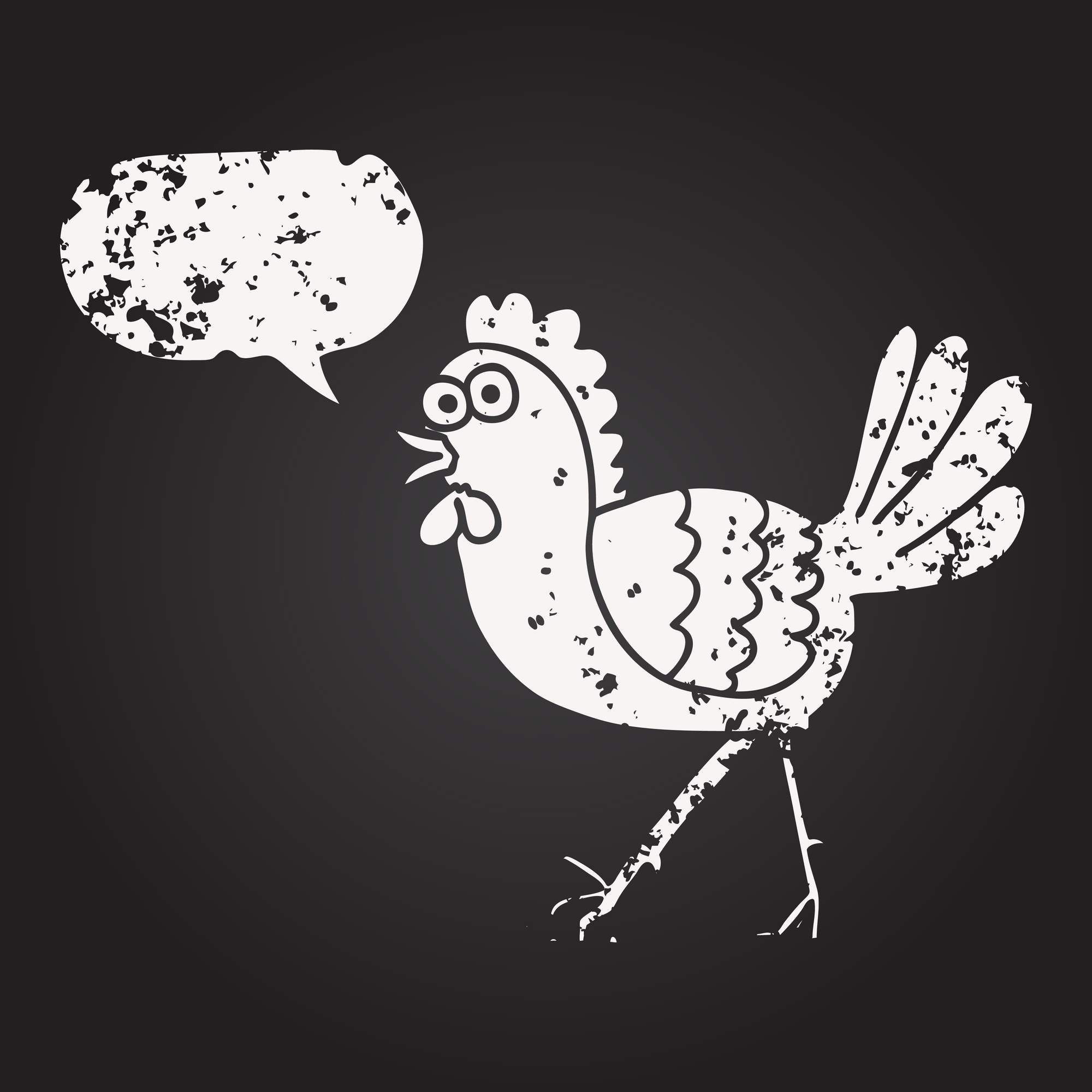
Chickens really do not like getting wet, and they make their displeasure known with plenty of squawking and fussing. This phrase describes someone who’s extremely angry, using a farm reference that most rural Southerners understand instantly.
It’s more colorful than just saying someone is mad, and it adds a touch of humor to an otherwise tense situation. The image of a drenched, furious chicken perfectly captures that specific kind of irritation that makes someone stomp around and complain.
Might Could
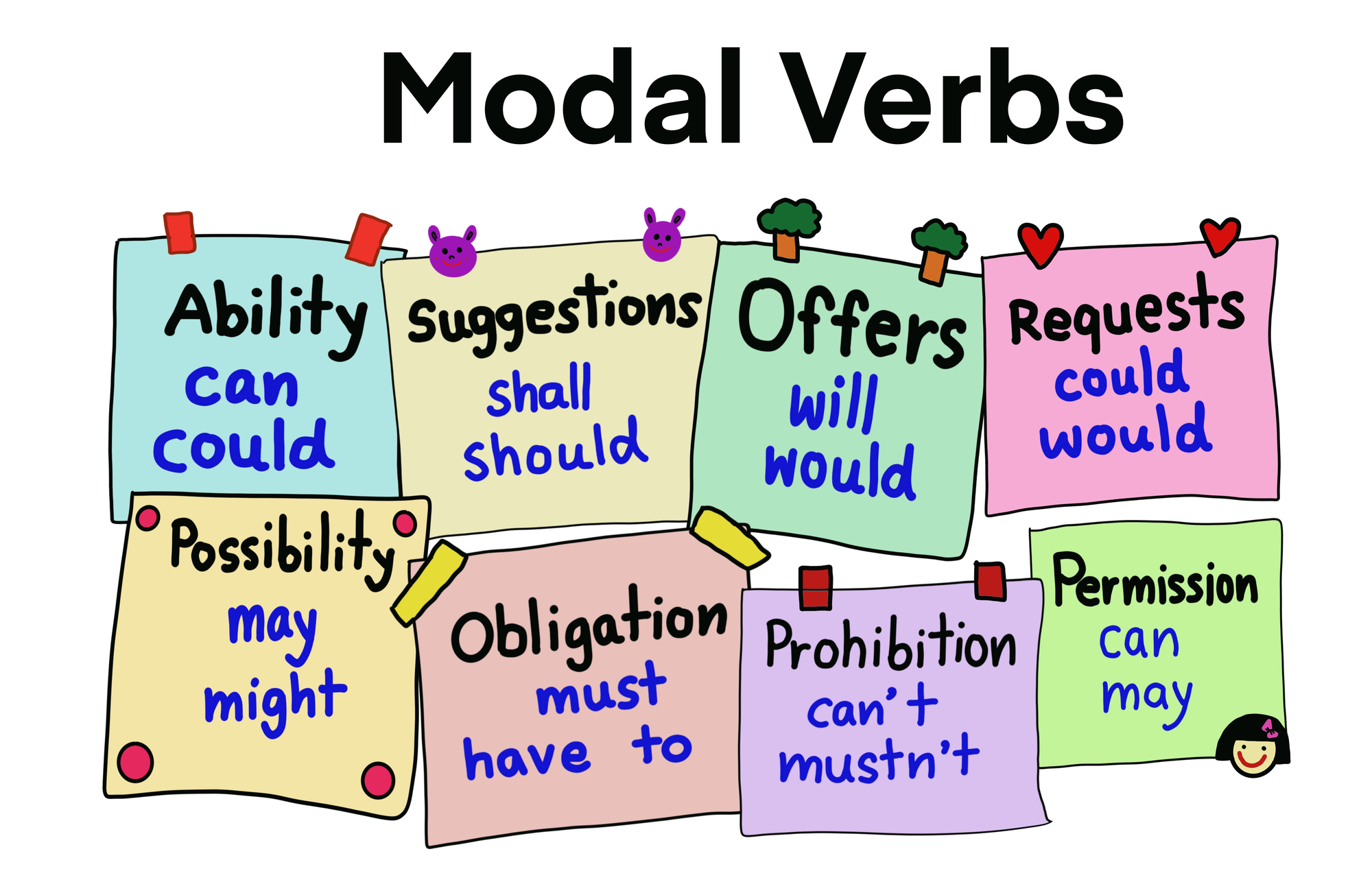
Grammar teachers from other regions might faint hearing this double modal verb construction, but it’s perfectly normal Southern speech. ‘Might could’ expresses possibility with an extra layer of uncertainty, like saying ‘I might be able to’ but more efficiently.
Someone might say ‘I might could help you move this weekend’ when they’re not completely sure about their availability. It sounds wrong to outsiders, but it serves a real linguistic purpose in expressing degrees of commitment.
The phrase has been part of Southern dialects for so long that trying to remove it would be like trying to take grits off a breakfast menu.
Like A Cat On A Hot Tin Roof
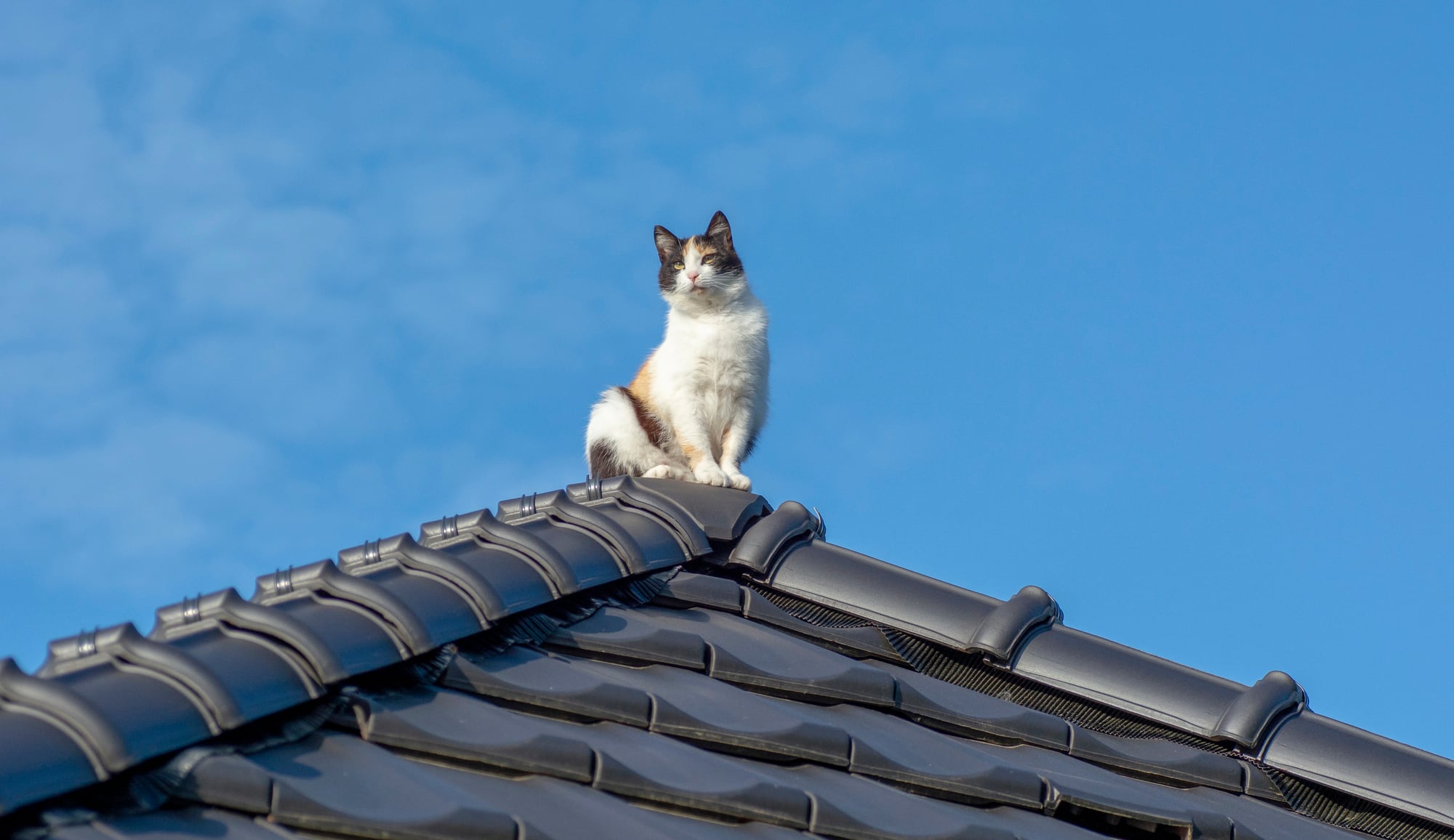
This saying describes someone who’s nervous, jumpy, or can’t sit still. The image of a cat desperately trying to escape a scorching metal surface captures that fidgety energy perfectly.
Tennessee Williams made it famous with his play, but Southerners had been using variations of it long before that. It works for describing kids hopped up on sugar, adults waiting for important news, or anyone who just can’t seem to relax.
The phrase is so vivid that even people who’ve never seen a tin roof understand exactly what it means.
I Reckon
Southerners use this instead of ‘I think’ or ‘I suppose,’ and it shows up in conversation constantly. It’s a softer way of stating an opinion without sounding too forceful or certain.
Someone might say ‘I reckon it’ll rain tomorrow’ when they’re making a prediction based on experience rather than a weather forecast. The word comes from old English but stuck around in the South while fading elsewhere.
It adds a casual, thoughtful quality to statements that makes conversations feel more relaxed and friendly.
Colder Than A Witch’s Teat In A Brass Bra

The South doesn’t get as much cold weather as other regions, so when it does get chilly, Southerners pull out some truly creative phrases. This one describes extremely cold temperatures using imagery that’s both absurd and somehow effective.
It’s definitely not appropriate for polite company, but family members and friends use it freely when complaining about the weather. The phrase combines multiple cold elements—metal, winter air, and an impossible scenario—to emphasize just how freezing it feels outside.
Cattywampus
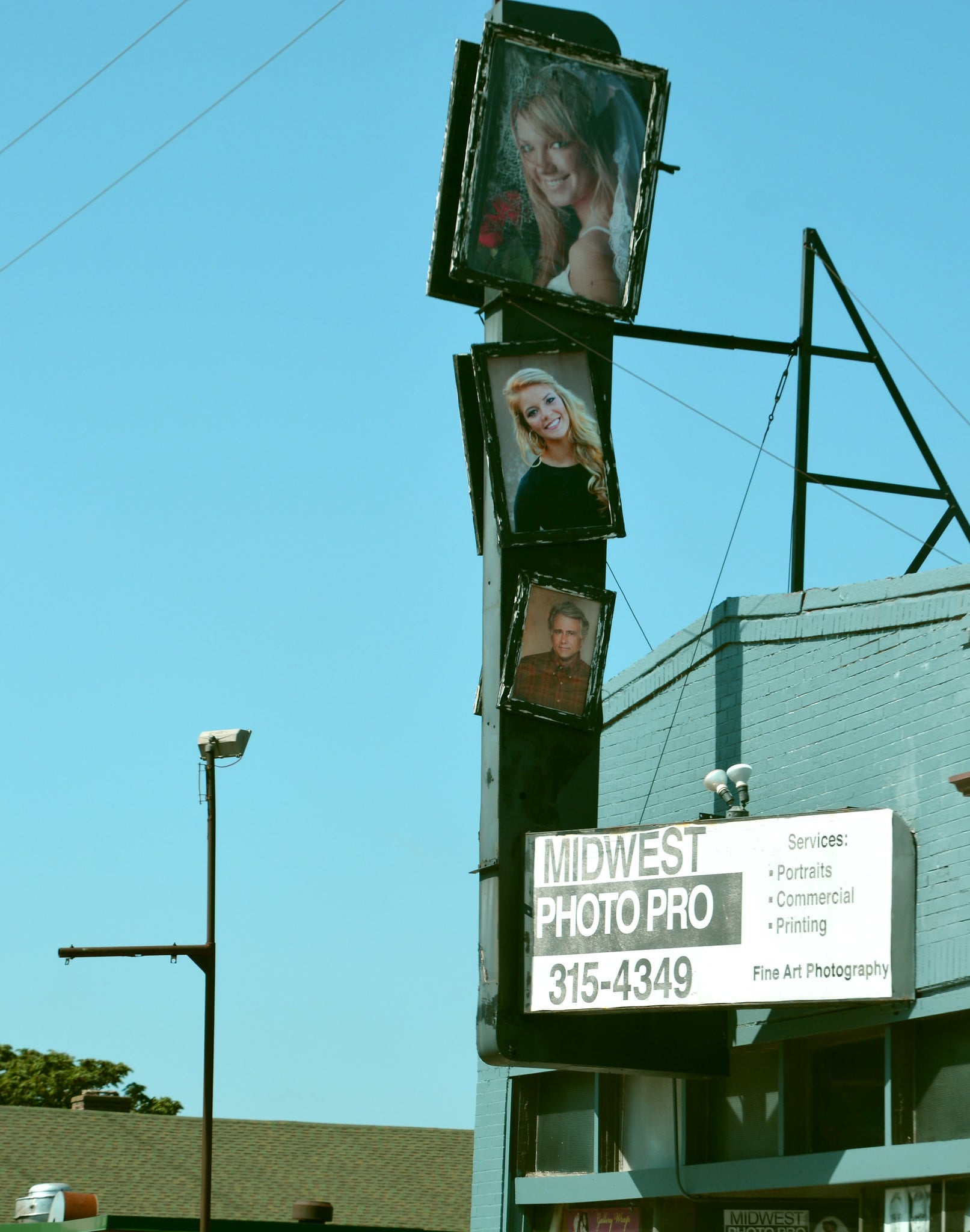
This delightful word means something is crooked, askew, or not quite right. A picture frame hanging at an angle is cattywampus, as is a plan that’s gone slightly off track.
Some regions say ‘catty-corner’ for diagonal, but cattywampus describes anything tilted or disorganized. It’s one of those words that sounds exactly like what it means, with a sort of wobbly, off-kilter quality to the pronunciation itself.
Fixing something that’s cattywampus means straightening it out and getting it back to where it should be.
Doesn’t Amount To A Hill Of Beans
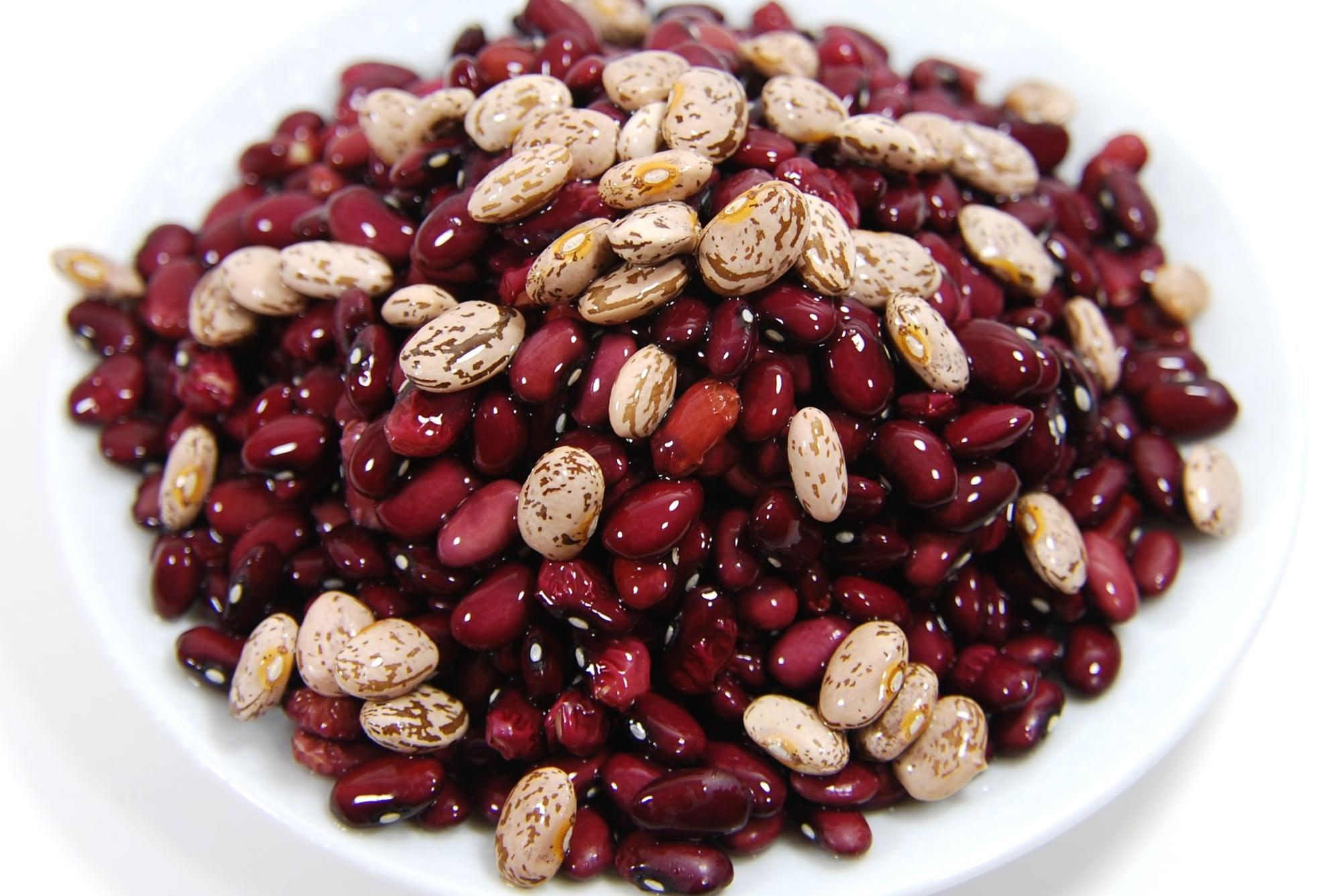
This phrase dismisses something as worthless or insignificant. A hill of beans has very little value—it’s just a small pile of cheap legumes that won’t feed many people or sell for much money.
Southerners use it when they want to say that something doesn’t matter or won’t make a difference. It’s gentler than saying something is completely worthless, but the message comes through clearly.
The agricultural reference makes sense in a region where farming has always been central to daily life.
High Cotton

Walking through tall, healthy cotton plants meant a good harvest and financial success for farming families. Saying someone is ‘in high cotton’ means they’re doing well, making good money, or enjoying success.
The phrase connects prosperity to agricultural abundance in a way that resonates with Southern history. Even people who’ve never picked cotton understand it means someone is living comfortably.
It’s a more colorful way of saying someone is well-off without sounding too formal or stuffy about their good fortune.
Conniption Fit
This describes a dramatic outburst of anger or frustration, usually louder and more theatrical than necessary. When someone throws a conniption fit, they’re not just upset—they’re making sure everyone within earshot knows exactly how upset they are.
The word itself sounds silly, which somehow makes the anger it describes seem less threatening. Parents often warn misbehaving children that they’re about to have a conniption fit if the behavior doesn’t stop.
It’s a uniquely Southern way of describing what other regions might call a tantrum or meltdown.
Slower Than Molasses In January
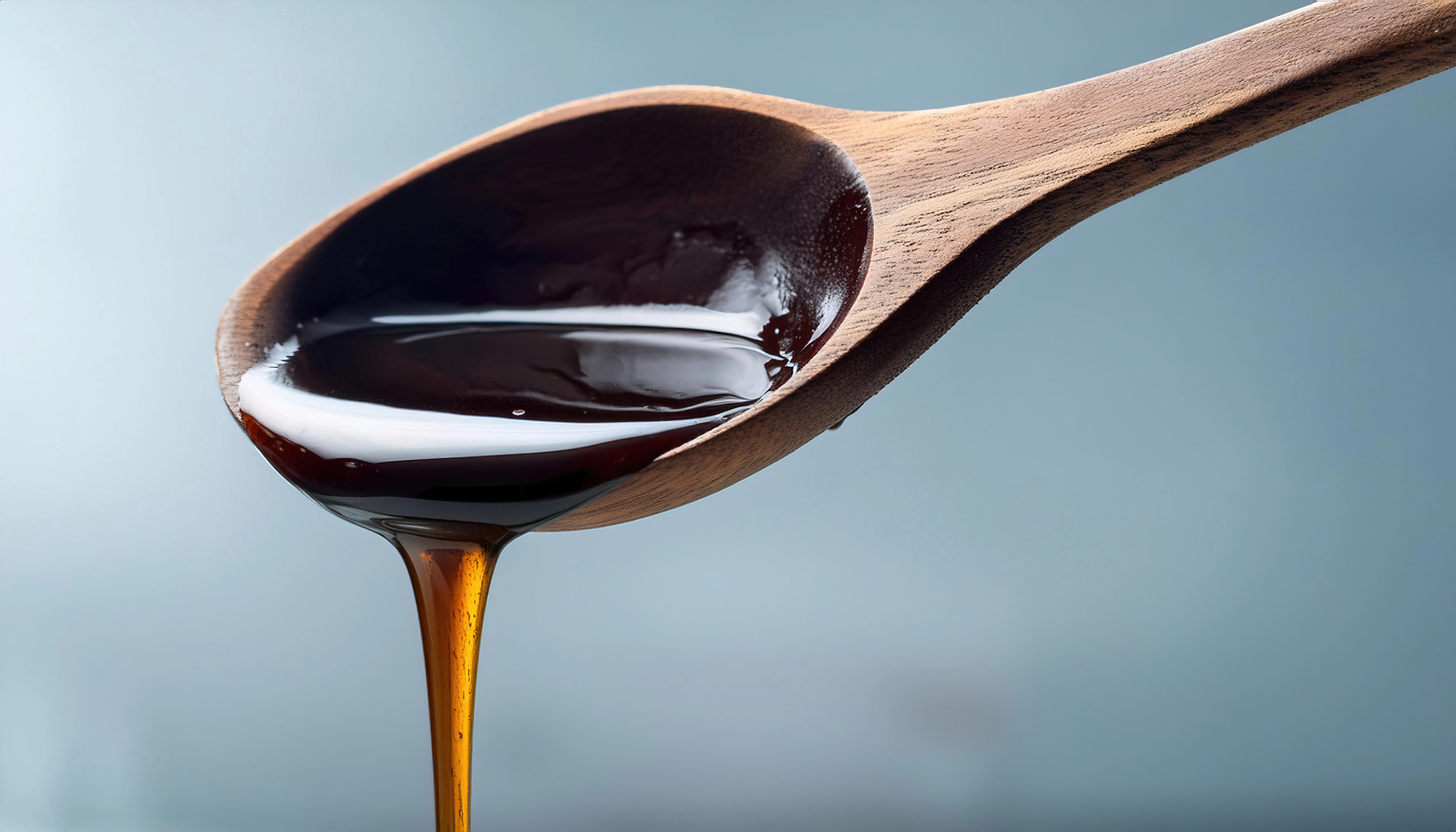
Molasses is already pretty slow-moving, but cold temperatures make it even thicker and more sluggish. This phrase describes anything or anyone moving at an incredibly slow pace.
Traffic, service at a restaurant, or a person taking forever to get ready might all be slower than molasses in January. The specific mention of January emphasizes the cold, which makes the already slow molasses practically stop moving.
It’s a patient, almost humorous way of complaining about slowness without getting too worked up about it.
Knee-High To A Grasshopper

Parents and grandparents use this phrase when talking about how small someone was as a child. Grasshoppers aren’t very tall, so being knee-high to one means being extremely short and young.
It typically comes up in stories that start with ‘I’ve known you since you were knee-high to a grasshopper,’ connecting past and present. The phrase adds whimsy to reminiscing about childhood and growth.
It’s more affectionate than just saying someone was small, carrying warmth and nostalgia in just a few words.
All Hat And No Cattle
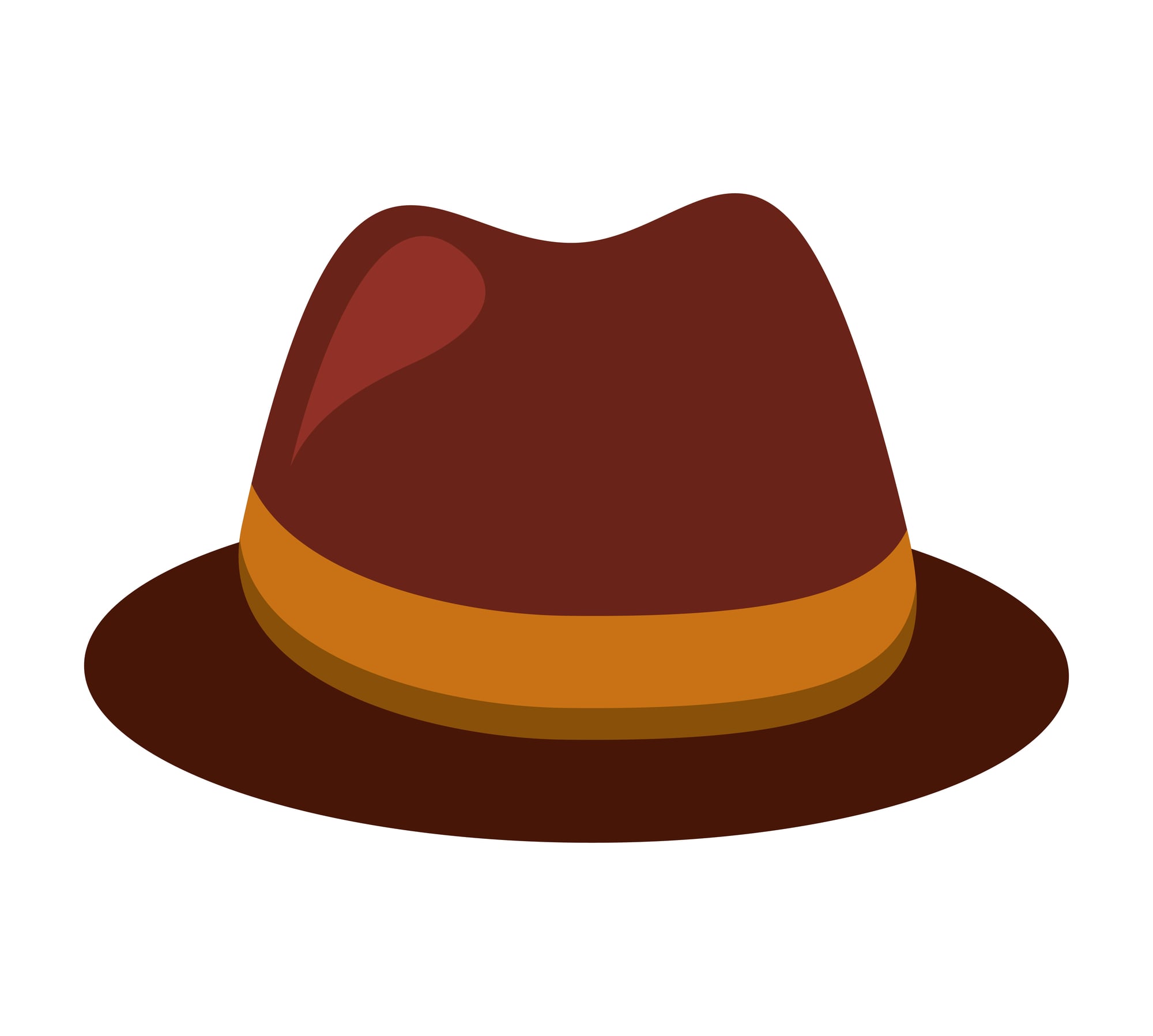
Texas ranchers coined this phrase to describe someone who looks the part but lacks substance. A person wearing a big cowboy hat but owning no cattle is just putting on a show.
It’s perfect for calling out pretenders who talk big but can’t back up their claims with action. Modern Southerners use it for anyone who’s all style and no substance, whether in business, relationships, or just everyday bragging.
The phrase cuts through nonsense while staying distinctly Southern in flavor.
Pitch A Fit
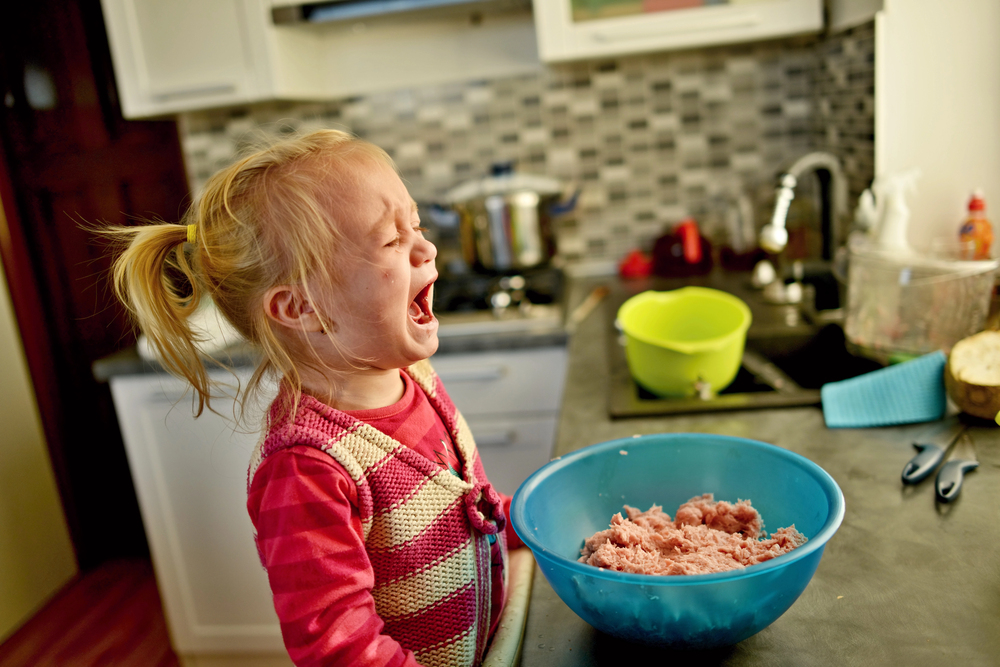
This means throwing a tantrum or getting unreasonably upset about something. Children pitch fits when they don’t get their way, but adults can pitch them too when things don’t go as planned.
It’s slightly different from a conniption fit, though both involve dramatic displays of frustration. The word ‘pitch’ suggests the anger is being thrown outward at whoever’s nearby.
It’s a common warning phrase, as in ‘don’t make me pitch a fit,’ letting someone know they’re pushing boundaries.
Uglier Than Homemade Sin
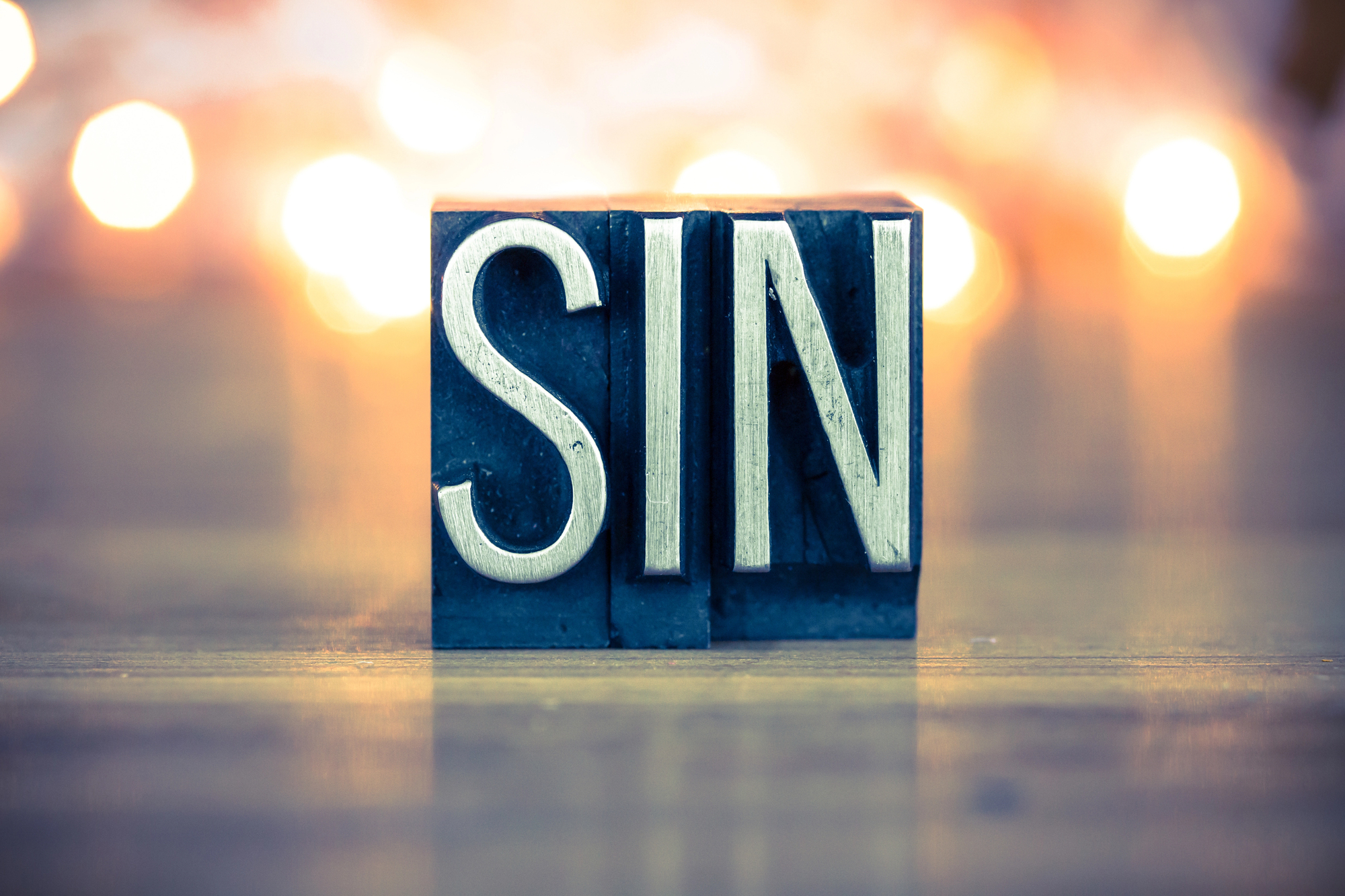
Sin is already considered pretty bad, but homemade sin sounds even worse somehow. This phrase describes something extremely unattractive, whether it’s a piece of furniture, an outfit, or even a situation.
It’s harsh but delivered with enough humor to soften the blow slightly. Southerners appreciate the creativity of comparing ugliness to sin, especially the homemade variety.
The phrase works because it’s so over the top that it becomes almost funny rather than truly mean-spirited.
Bark Clings Close, But This Grips Harder
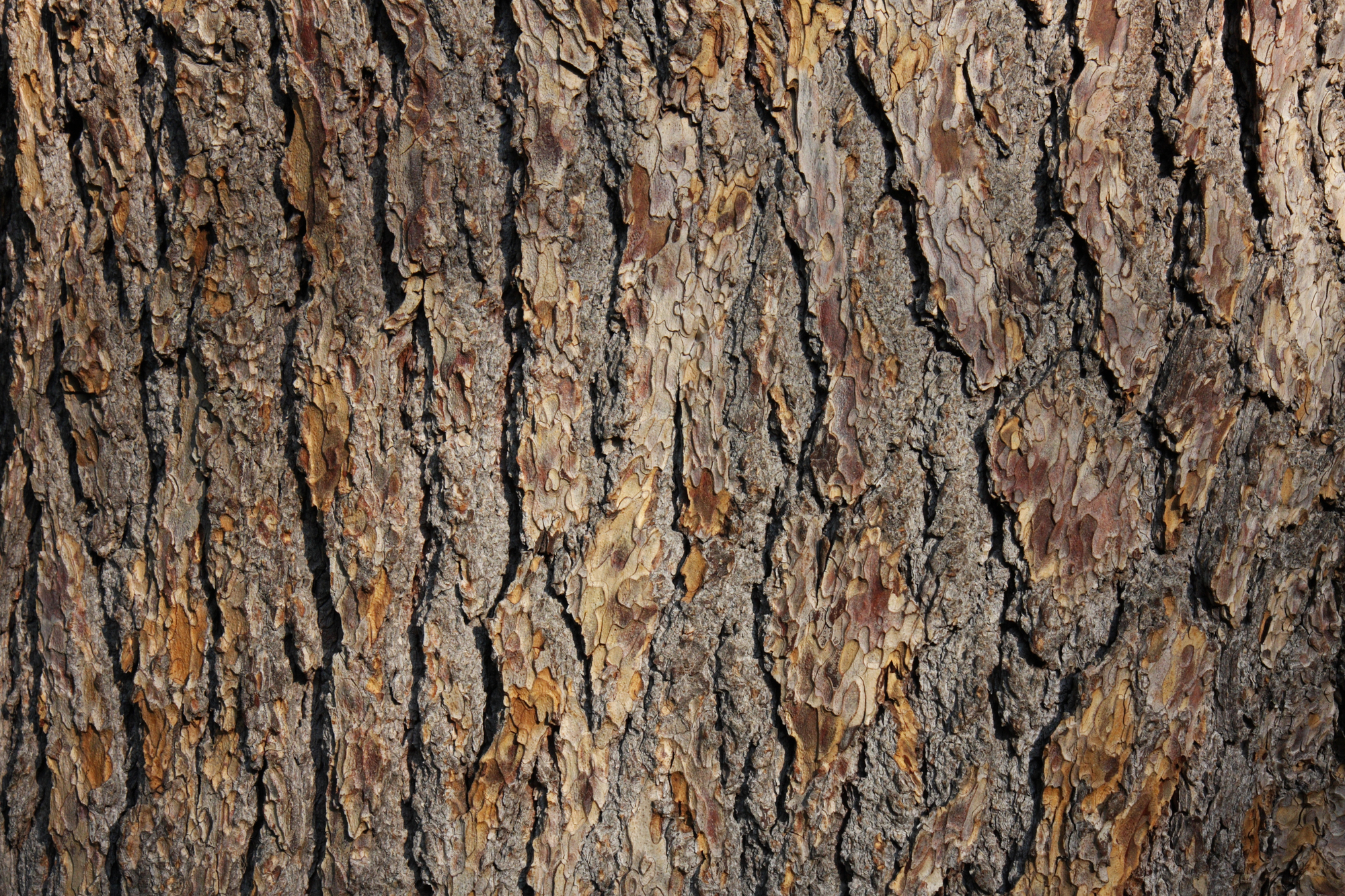
Tight as bark on a trunk – that’s how folks might describe someone who holds on hard to every dollar. This kind of grip isn’t always seen as stingy; some call it smart saving, especially down South.
Think of a shirt buttoned one notch too far, clinging without slack. Just like tree skin hugging wood, nothing slips free by accident.
What sticks close stays put, whether we’re talking cash or clothing.
A Sky Thought Might Form Near Where Air Gathers High Above

A hot day might turn cool fast when clouds gather overhead. Folks down south have seen how rain arrives without much notice in July or August.
A sky turning gray signals it is time to move things under cover. Saying a cloud is coming feels calmer than shouting about storms.
Still, everyone knows what it truly means. Air grows heavy there after long stretches of sun and damp air.
Warnings like these matter when daily life dances between needing water and avoiding floods.
Even Now, Words Come Out Shaped By What Was Learned Long Ago

Out here, old expressions pack stories, laughs, maybe a little sass – just like the folks who first said them. Time hasn’t worn them down; instead, they paint thoughts brighter than plain talk ever would.
Kids learn them at kitchen tables, hearing voices of elders who’ve used the very same lines for decades. These words tie hands across years, turning ordinary chats into something warmer, stranger, realer – and isn’t that what matters?
If you were born near magnolias or just passing through, catching the meaning behind one phrase pulls you closer to the heartbeat underneath.
More from Go2Tutors!

- The Romanov Crown Jewels and Their Tragic Fate
- 13 Historical Mysteries That Science Still Can’t Solve
- Famous Hoaxes That Fooled the World for Years
- 15 Child Stars with Tragic Adult Lives
- 16 Famous Jewelry Pieces in History
Like Go2Tutors’s content? Follow us on MSN.