Common Words That Are Trademarked Brands
Ever reach for a tissue and call it a Kleenex, even though it’s actually a store brand? You’re not alone. Many everyday words people use without thinking twice are actually registered trademarks owned by specific companies.
These brands became so popular that their names replaced the generic terms for their products. Let’s look at some surprising examples that might change how you see your shopping list.
Kleenex
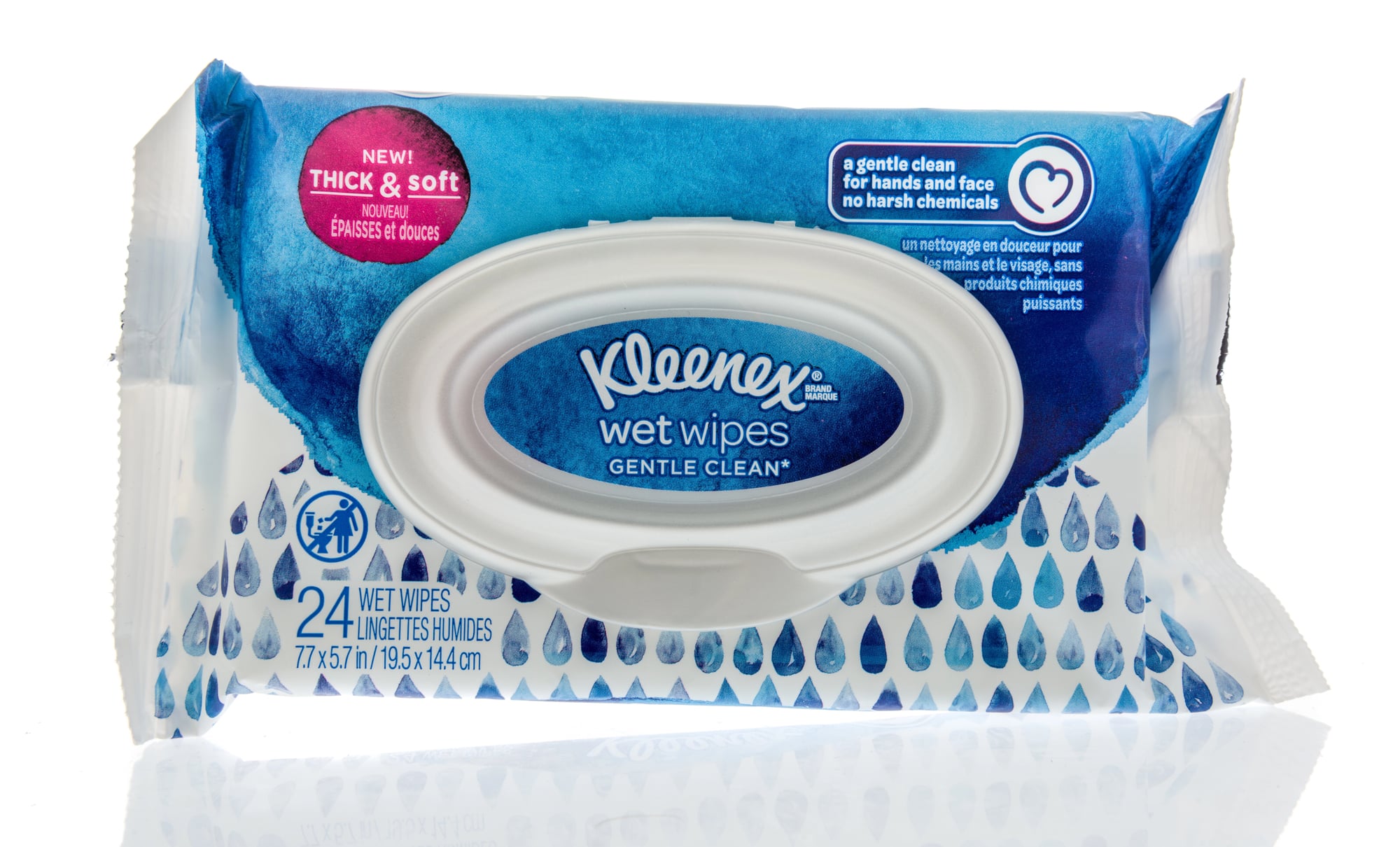
Most people grab a Kleenex when they need to blow their nose, but they’re really asking for facial tissue. The Kimberly-Clark company introduced this product in 1924 as a way to remove cold cream and makeup.
Within a few years, customers started using the soft paper sheets for colds and allergies instead. The brand became so common that grandparents, parents, and kids all use the word interchangeably with tissue, even when buying competing brands.
Band-Aid
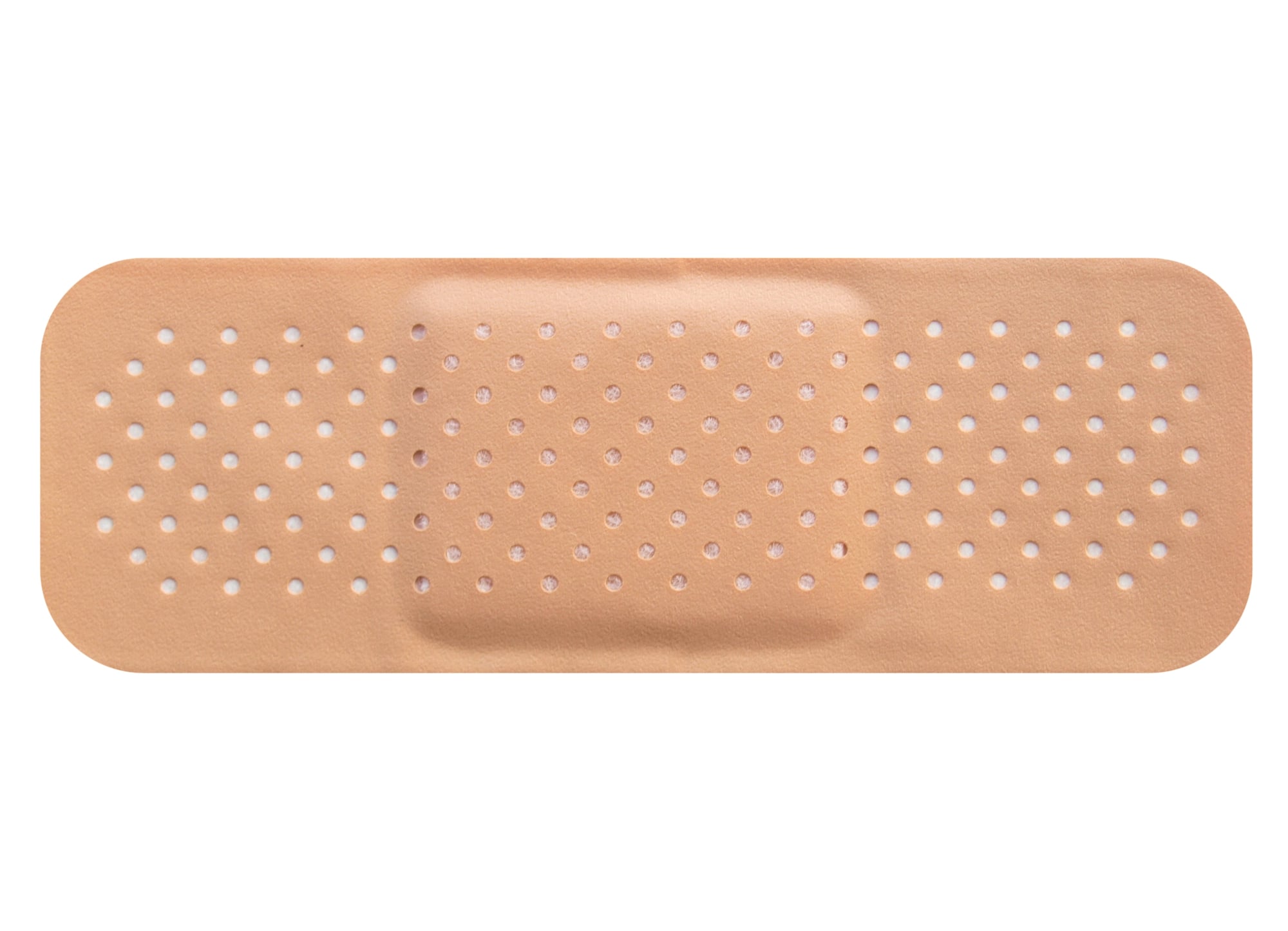
Johnson & Johnson created Band-Aid adhesive bandages in 1920, and the name stuck harder than the product itself. When someone gets a paper cut or scrapes their knee, they ask for a Band-Aid regardless of what brand sits in the medicine cabinet.
The company has worked hard to protect its trademark over the decades. Generic versions are technically called adhesive bandages, but good luck hearing anyone call them that at the pharmacy.
Bubble Wrap
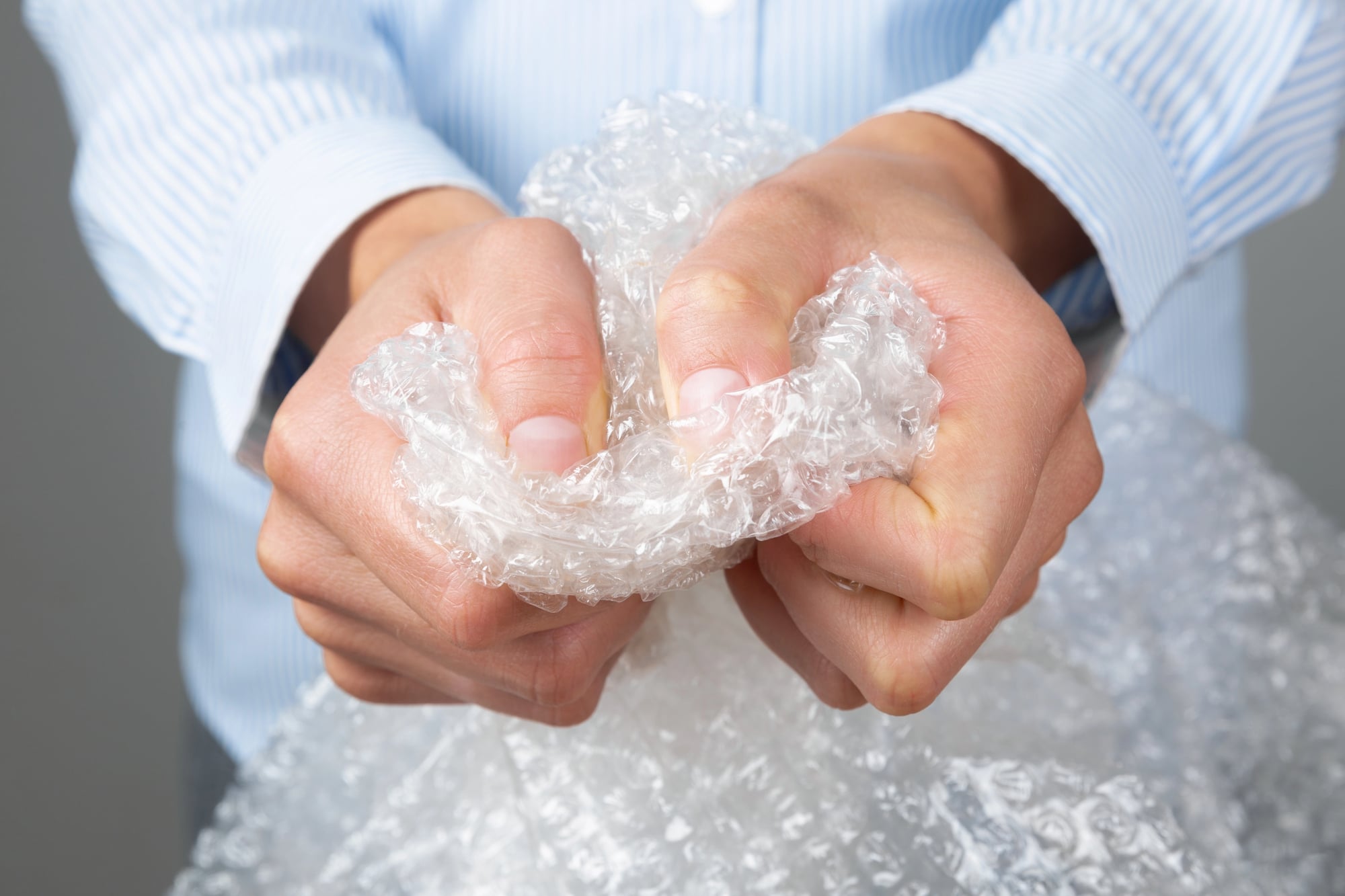
That satisfying popping sound comes from a product called Bubble Wrap, owned by Sealed Air Corporation. The company invented this packaging material in 1957, originally trying to create textured wallpaper before realizing it worked better for protecting fragile items during shipping.
People use the term for any air-filled plastic cushioning material. The brand name has become so universal that even competitors’ products get called Bubble Wrap by customers and shipping departments alike.
ChapStick

Dry lips send people searching for ChapStick, but that’s actually a brand owned by GlaxoSmithKline. A physician created the original formula in the 1880s, and the product took off when it was reformulated into the convenient tube format.
Dozens of other companies make lip balm, yet the ChapStick name dominates conversations about chapped lips. The little tube has been in pockets and purses for so long that separating the brand from the product feels nearly impossible.
Crock-Pot
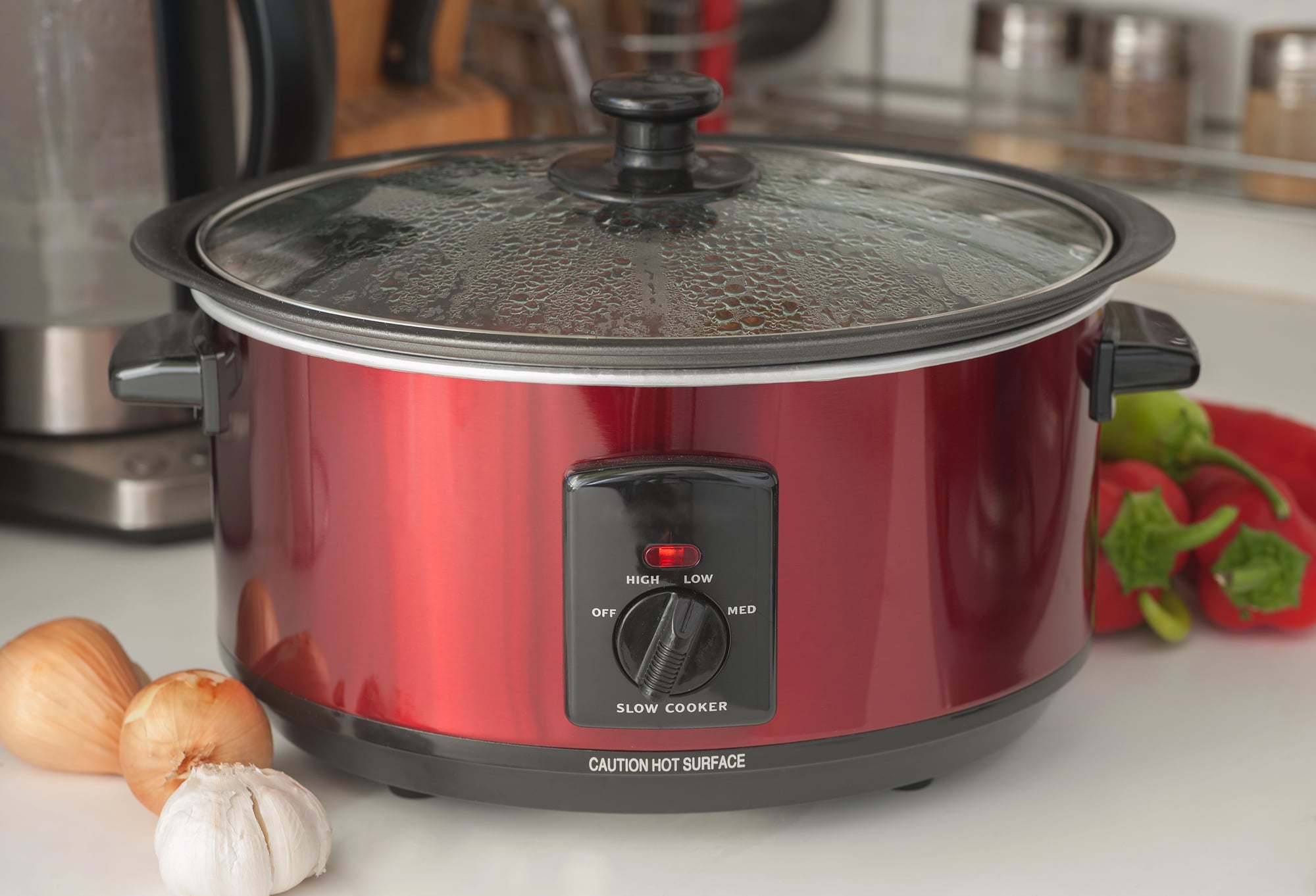
Slow cookers sit on kitchen counters across America, but many people only know them as Crock-Pots. The Rival Company introduced the Crock-Pot brand in 1971, building on an earlier invention called the Beanery.
The trademark belongs to Newell Brands now. Recipes, cooking shows, and family discussions almost always use Crock-Pot instead of the generic slow cooker term, even when describing completely different brands.
Dumpster

Throwing trash in the dumpster sounds like plain English, but Dumpster is actually a trademark of Waste Management’s subsidiary. The Dempster Brothers invented this large waste container system in the 1930s, combining their name with the word ‘dump’ to create Dumpster.
The brand became the default term for any large trash receptacle. Cities, businesses, and regular folks all say dumpster without realizing they’re using a protected brand name for what should be called a waste container.
Frisbee
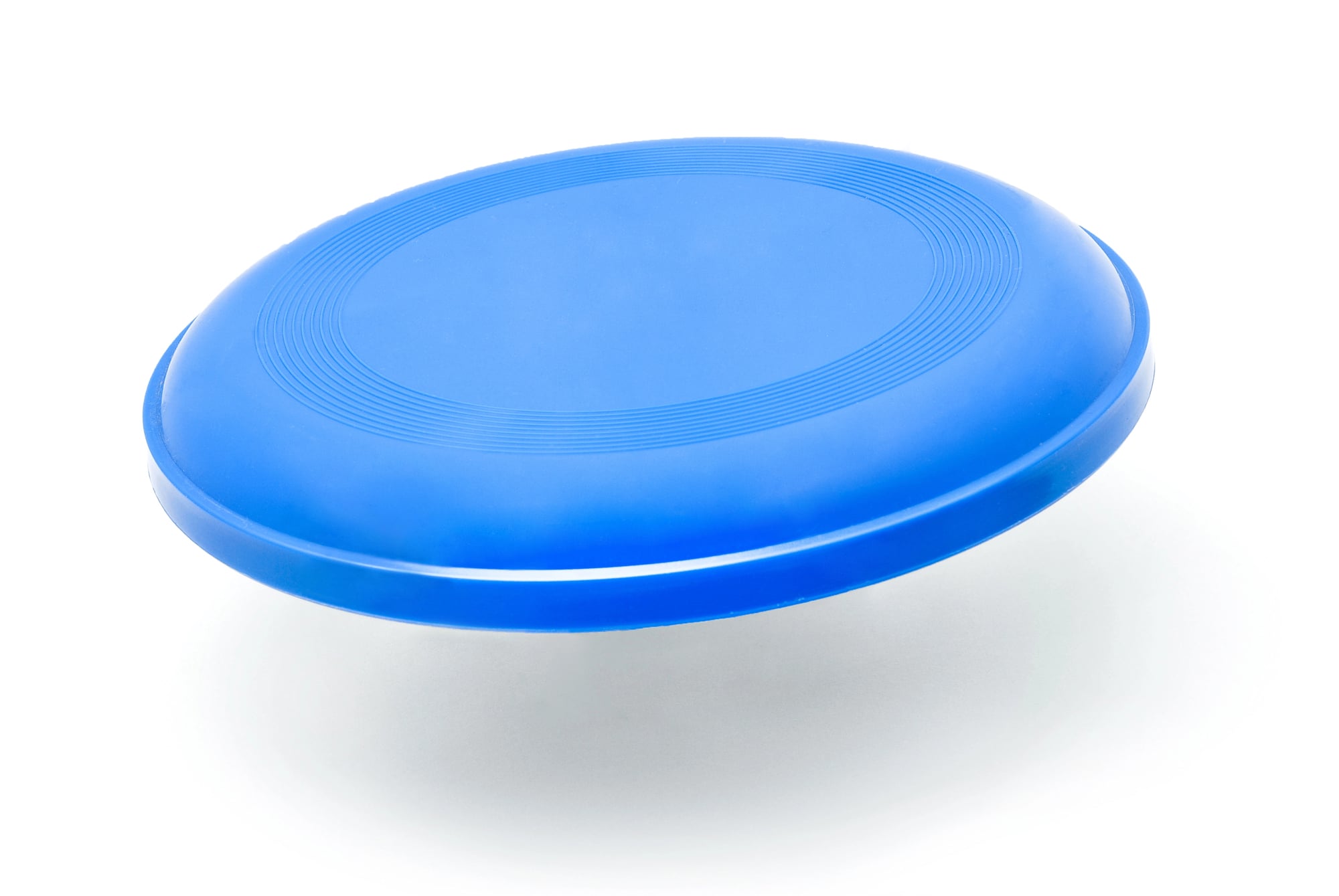
Tossing a frisbee at the park or beach feels like an American tradition, but Frisbee is a registered trademark of Wham-O. The company bought the rights to a flying disc design in 1957 and named it after the Frisbie Pie Company, whose empty tins college students had been throwing around for fun.
The sport of ultimate frisbee and countless backyard games have cemented the brand name in everyday language. Competitors sell flying discs, but players still call them frisbees without a second thought.
Jacuzzi

A relaxing soak in a jacuzzi sounds perfect after a long day, but Jacuzzi is a brand name owned by the Jacuzzi Group. The Jacuzzi brothers invented the first whirlpool bath in 1956 to help a family member with arthritis.
Their innovation transformed bathrooms and backyards across the country. Hot tubs and whirlpool baths are the generic terms, yet real estate listings, hotel amenities, and casual conversations default to jacuzzi almost automatically.
Jet Ski

Riding a jet ski across the waves thrills water sports fans every summer, but Jet Ski is actually trademarked by Kawasaki. The company introduced its first model in 1972 and the name caught on so widely that competitors’ personal watercraft also called jet skis.
Rental shops and beaches use the term freely. The brand’s dominance in those early years made the name synonymous with the entire category of motorized water vehicles.
Ping-Pong

Table tennis matches at the Olympics go by their formal name, but basement rec rooms and community centers play ping-pong. Parker Brothers trademarked Ping-Pong in 1901 after buying the rights from an English manufacturer.
The name came from the sound the orb makes when hitting the table and paddle. The sport’s official governing bodies use table tennis to avoid trademark issues, but casual players have used ping-pong for generations without knowing it’s a brand name.
Popsicle
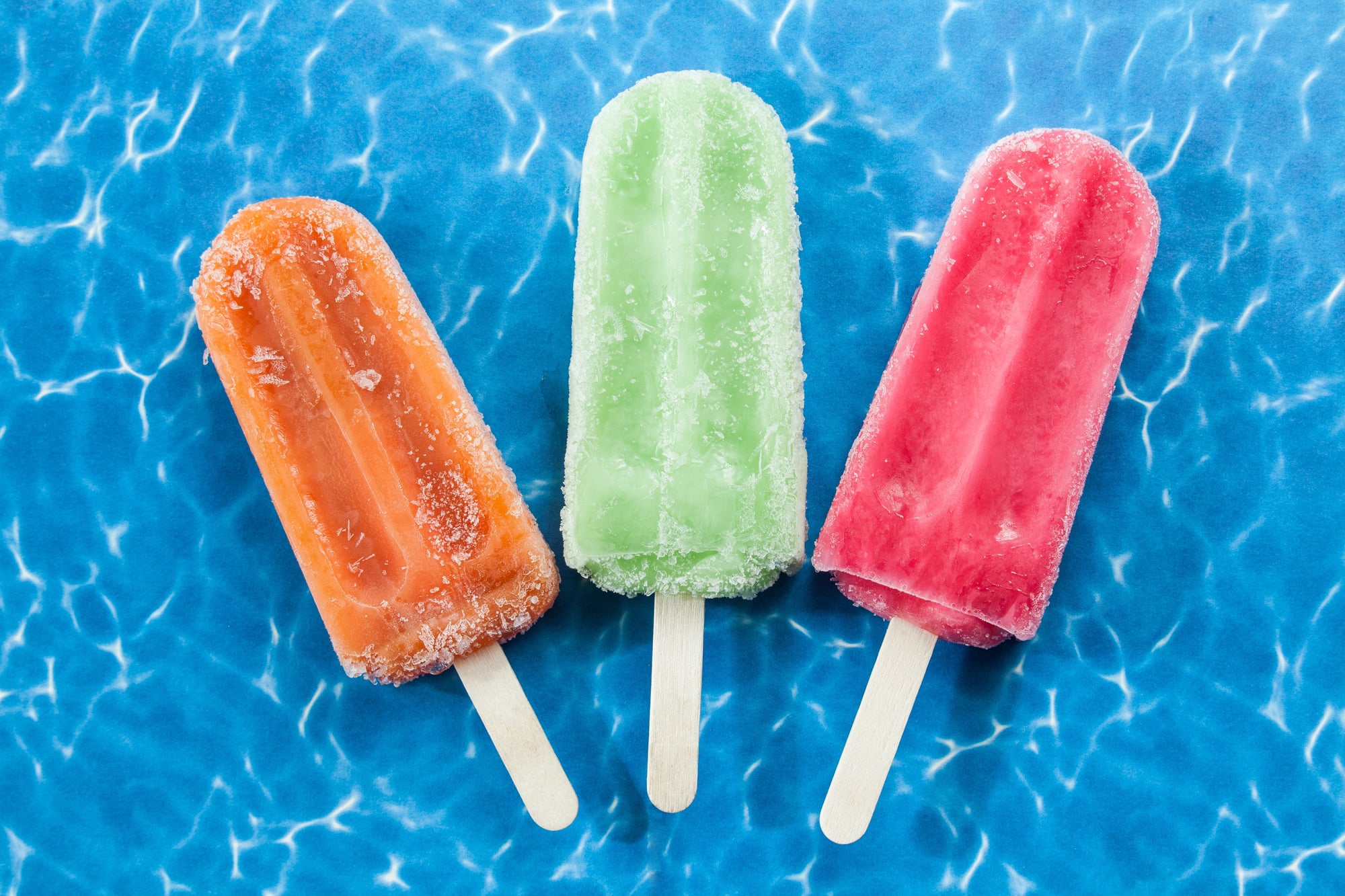
Hot summer days call for a popsicle, though the correct term is ice pop or freezer pop. Unilever owns the Popsicle trademark after acquiring it through various company mergers.
An 11-year-old boy accidentally invented the frozen treat in 1905 by leaving a drink with a stirring stick outside overnight during cold weather. He patented it years later and the brand exploded in popularity.
Post-it

Those little yellow sticky notes covering computer monitors and refrigerators are Post-its, a 3M trademark. Scientists at 3M accidentally created the repositionable adhesive in 1968 while trying to develop a super-strong glue.
They launched Post-it Notes in 1980 and changed how people organize information. Other companies make sticky notes in every color and size imaginable, yet offices and homes refer to all of them as Post-its when making shopping lists or leaving reminders.
Q-tips
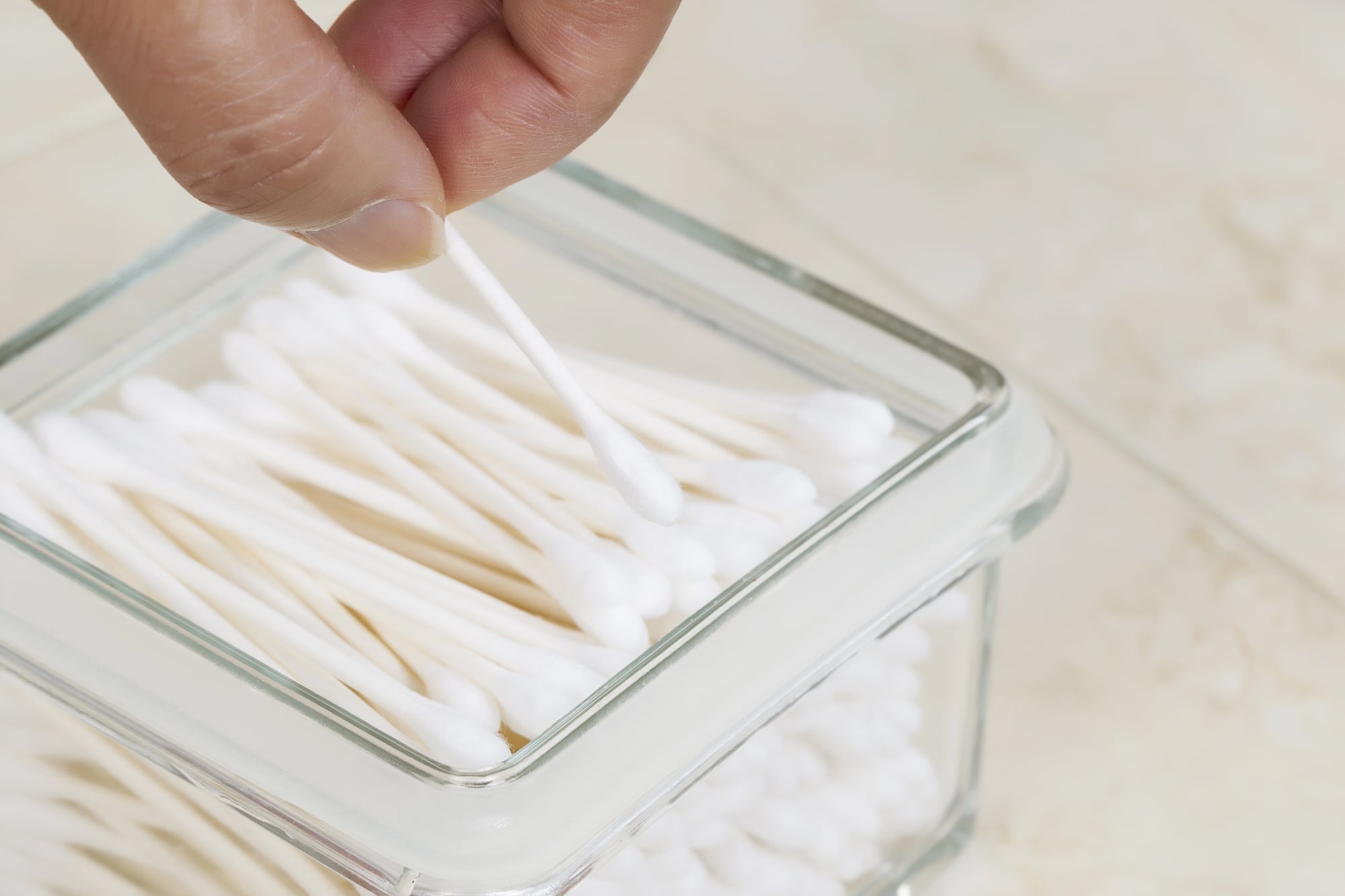
Cotton swabs have many uses, but most people call them Q-tips regardless of the brand. Unilever owns this trademark for cotton swabs on a stick.
The company started making them in the 1920s under the name ‘Baby Gays’ before switching to Q-tips, with the Q standing for quality. Doctors warn against using them in ears, but that doesn’t stop the brand name from being the go-to term.
Rollerblade
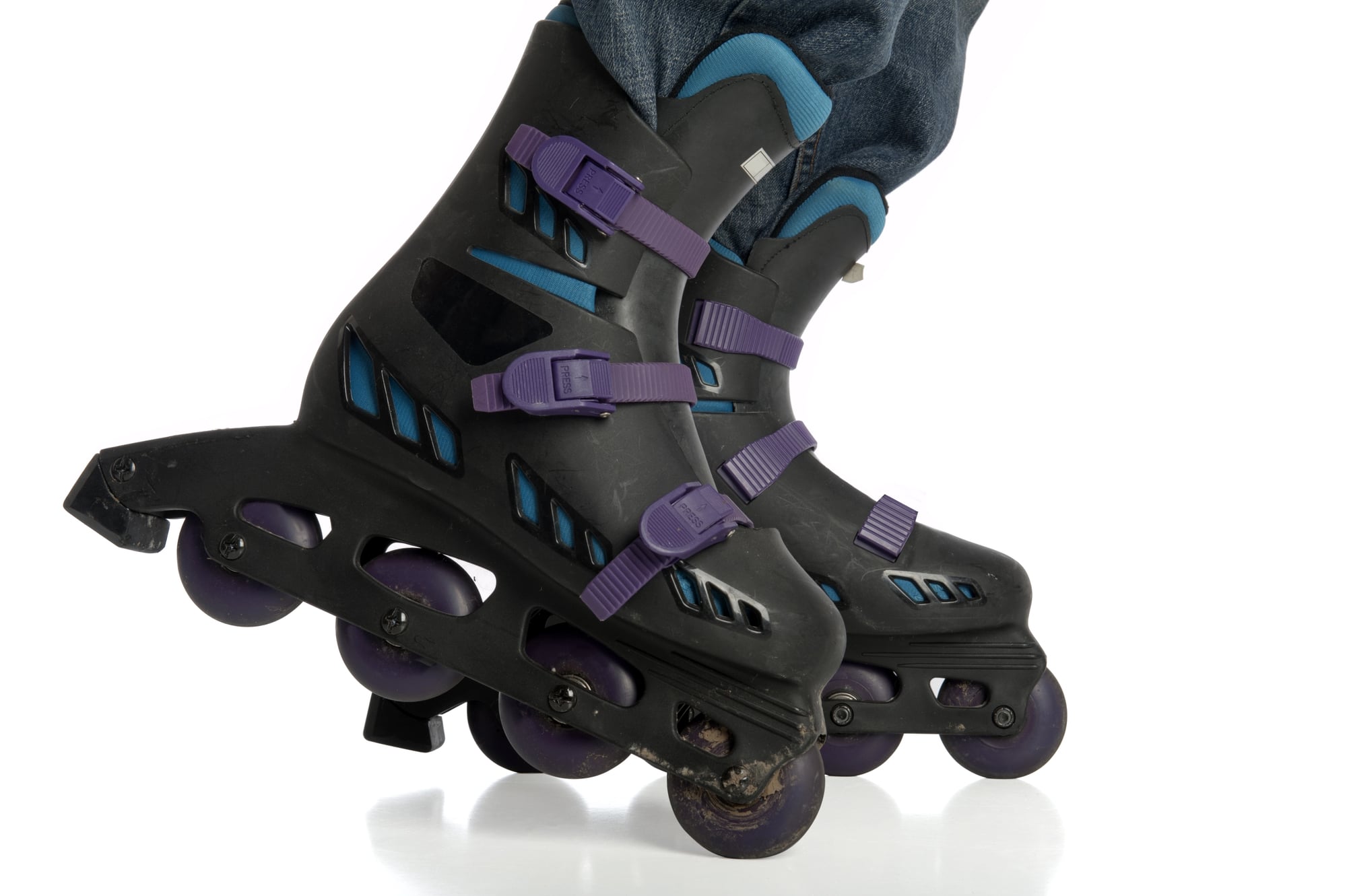
Inline skates became a fitness craze in the 1980s and 1990s, but most people called the activity rollerblading. Rollerblade, Inc. created the modern inline skate design and trademarked the name.
The brand’s popularity made rollerblade a verb and a noun in everyday speech. Competitors sold inline skates, but skaters still said they were going rollerblading.
Scotch Tape
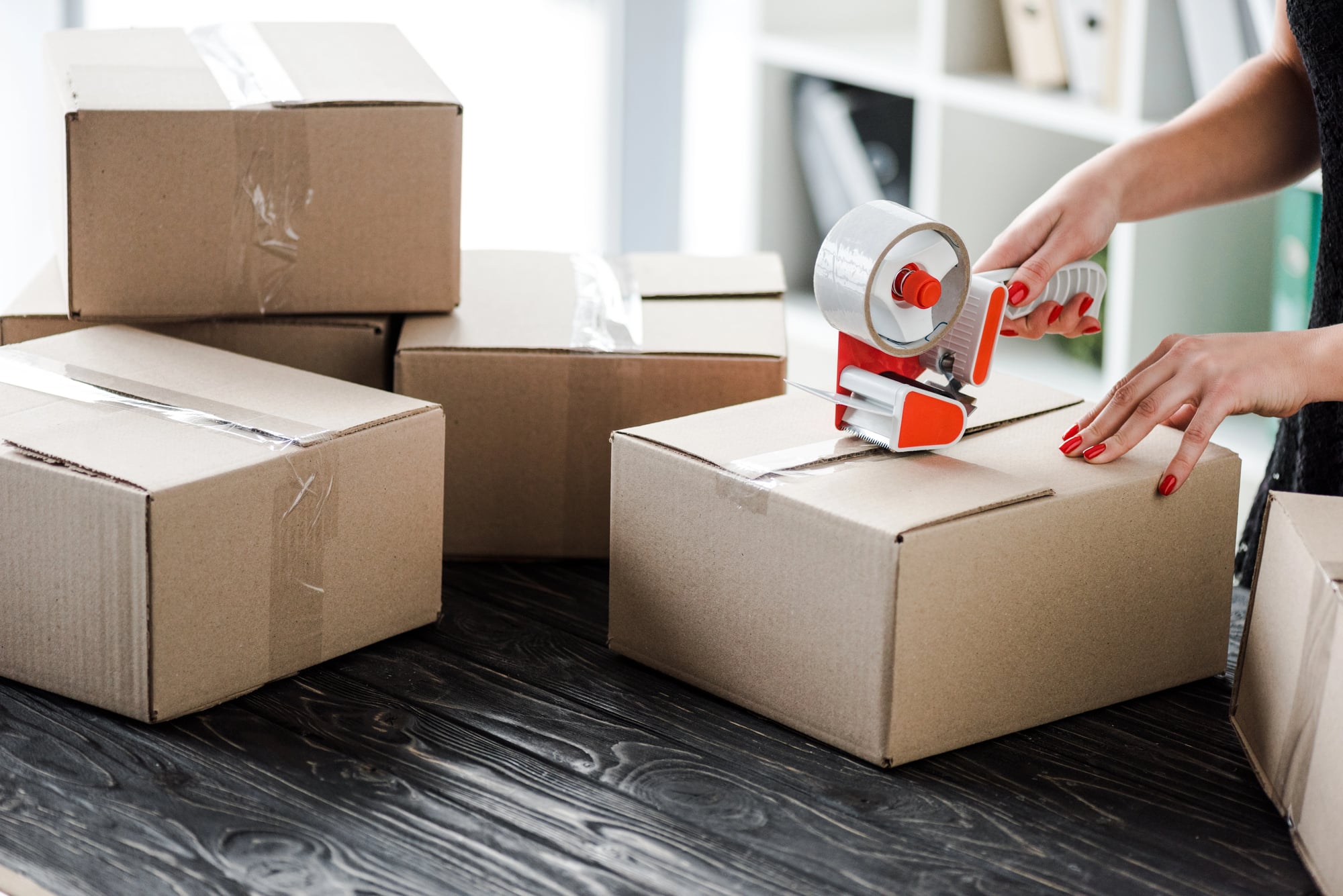
Clear adhesive tape comes in many brands, but Scotch Tape remains the most recognized name. The 3M company introduced it in 1930, naming it Scotch as a reference to Scottish frugality because the tape used less adhesive on the edges.
The brand became essential in homes, schools, and offices for wrapping gifts and making quick repairs. People ask for Scotch tape even when reaching for generic store brands, and the distinctive plaid packaging has become iconic across generations.
Tupperware
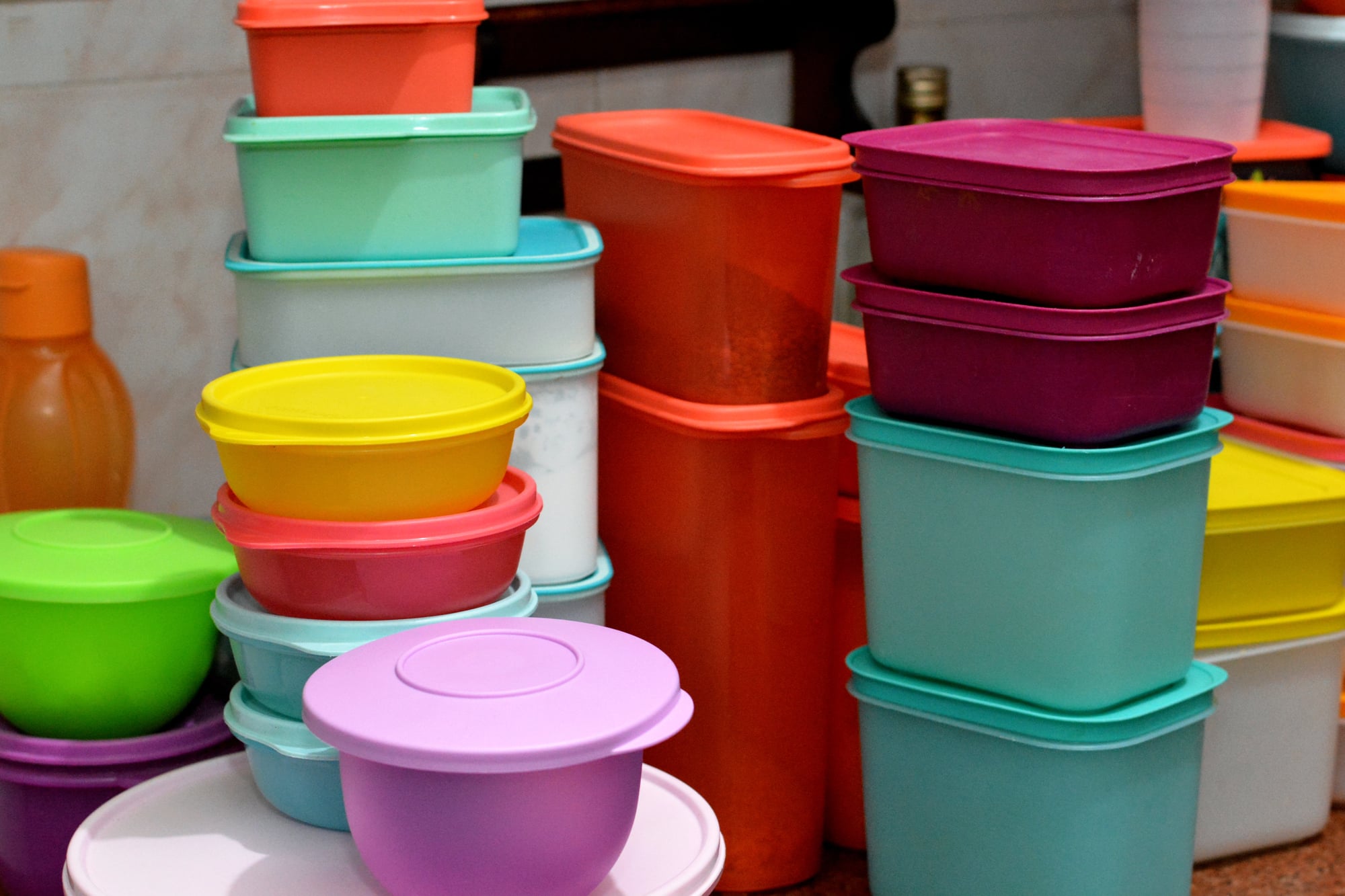
Plastic food storage containers fill kitchen cabinets everywhere, but Tupperware specifically refers to products from Tupperware Brands Corporation. Earl Tupper invented the airtight seal technology in 1946, creating containers that kept food fresh longer.
The famous home party sales model made Tupperware a household name by the 1950s. The company filed for bankruptcy recently, but the brand name continues to be used for any plastic food container with a lid, regardless of who made it.
Velcro
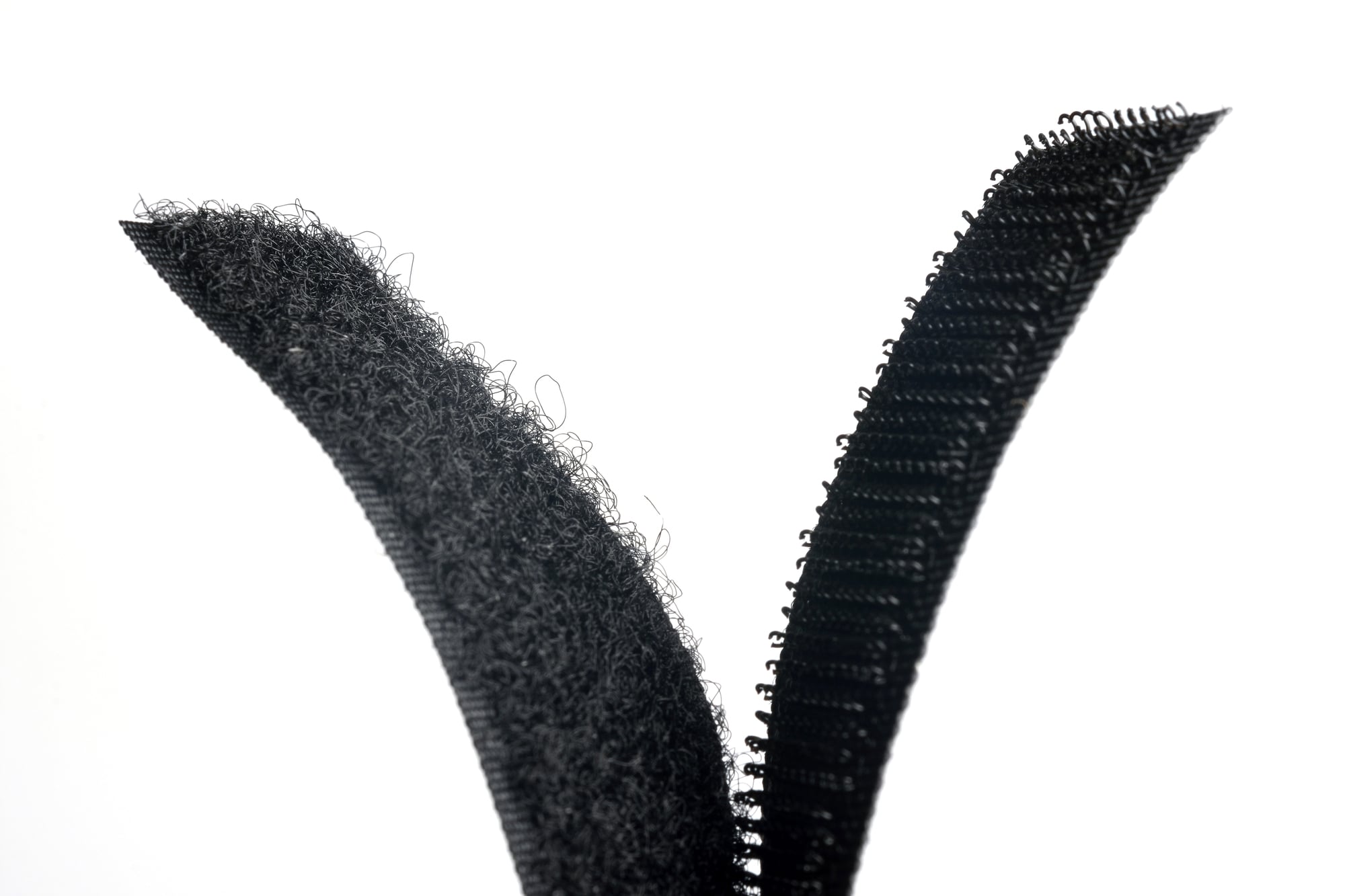
Sticking to dog hair gave one inventor an idea when he looked closely at prickly plant seeds. That moment led to a two-part grip now seen on footwear, packs, and more.
Though many call it by that familiar name, only one firm owns the official label. Back in the 1940s, a tinkerer from Switzerland made the first version after sketching what nature built.
Xerox
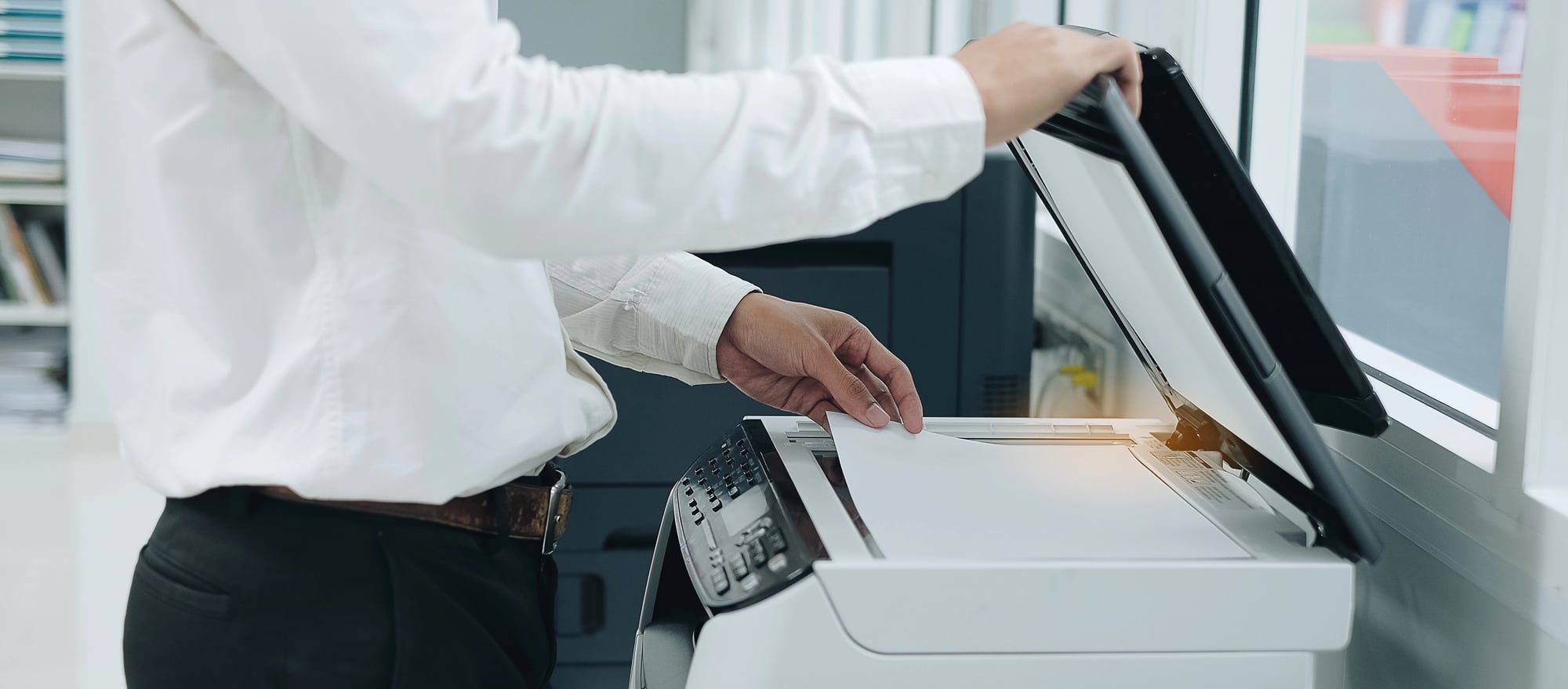
These days, hitting up the copy room often means walking straight to what folks still call a xerox machine, despite Xerox losing its grip on the industry long ago. Back in 1959 came their big move – the first plain-paper copier – changing how paperwork flowed across workplaces.
Pretty soon, people weren’t making copies, they were xeroxing them. Lawyers for the brand pushed back, trying to keep the name protected, yet regular talk wore down those efforts over time.
From Brands To Everyday Words

Out of nowhere, familiar names lost their origin stories, slipping into everyday chat until nobody remembered which firm first made them. When a label turns into slang, it reveals what strong branding plus solid design can achieve.
Fights in courtrooms drain cash as firms battle to stop their labels fading into ordinary speech – yet shifting public habit feels out of reach the moment a term settles into routine use.
More from Go2Tutors!

- The Romanov Crown Jewels and Their Tragic Fate
- 13 Historical Mysteries That Science Still Can’t Solve
- Famous Hoaxes That Fooled the World for Years
- 15 Child Stars with Tragic Adult Lives
- 16 Famous Jewelry Pieces in History
Like Go2Tutors’s content? Follow us on MSN.