Places Forbidden to Outside Visitors
Some locations around the world keep their gates locked tight. These aren’t your typical tourist spots with velvet ropes or expensive tickets.
They’re completely off-limits, guarded by governments, protected by indigenous communities, or simply too dangerous for anyone to enter. The reasons vary wildly, from protecting ancient traditions to keeping deadly secrets buried deep underground.
Let’s look at the places where outsiders aren’t welcome, no matter how much they might want to peek inside.
Lascaux Caves
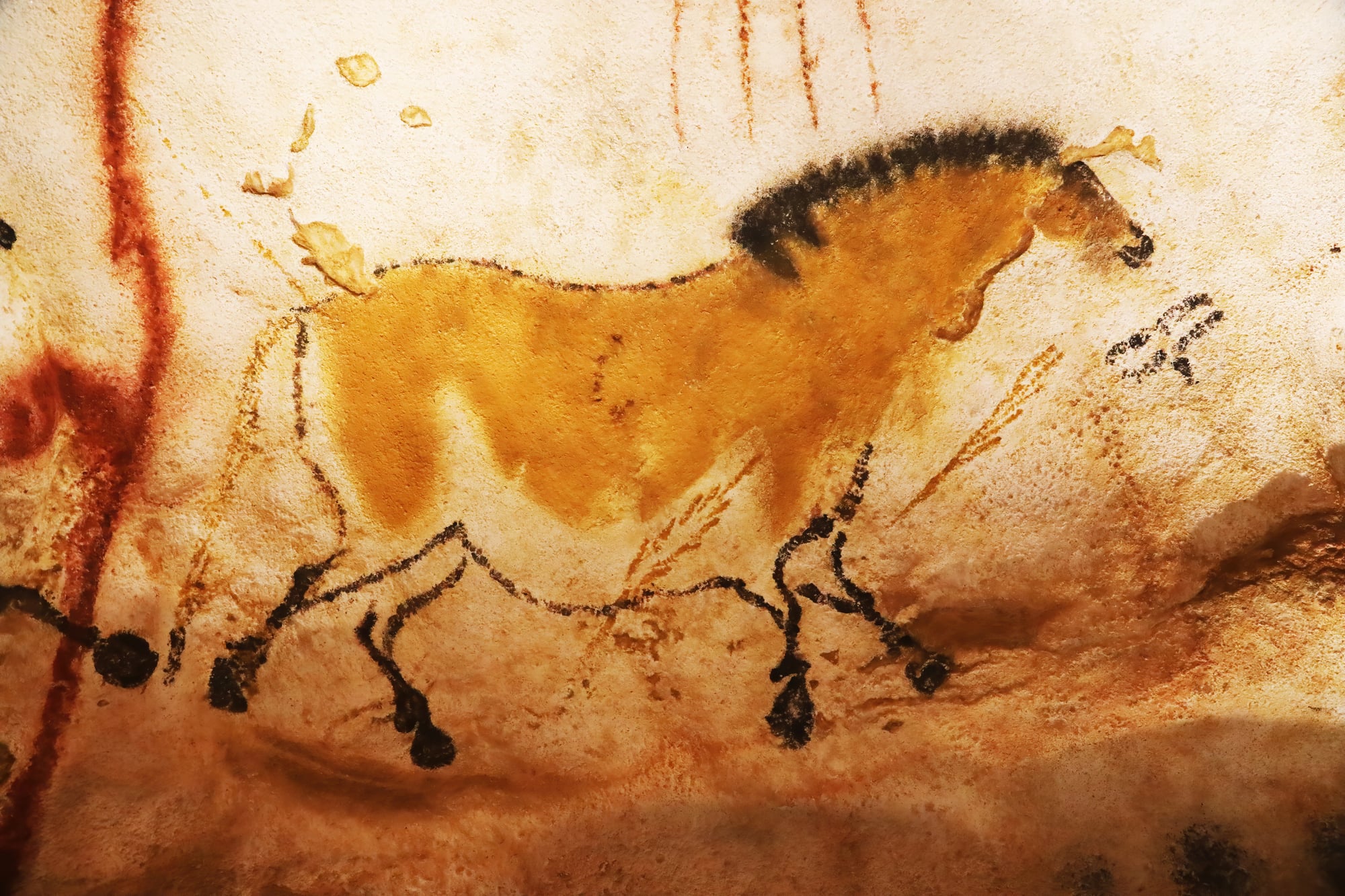
France locked down these ancient caves in 1963, and they haven’t opened since. The problem started when thousands of visitors began breathing inside the chambers, creating moisture that damaged 17,000-year-old paintings on the walls.
Algae and fungi grew where prehistoric artists once worked. The French government built an exact replica nearby for tourists, but the real caves stay sealed.
Only a handful of researchers get inside now, and even they limit their time to protect what’s left of humanity’s earliest artwork.
North Sentinel Island

The Sentinelese people have made their position crystal clear: stay away. This small island in the Andaman Sea belongs to one of the last uncontacted tribes on Earth, and they’ve violently rejected every attempt at contact.
Indian authorities enforce a three-mile exclusion zone around the island after several fatal encounters. A fisherman died there in 2006, and a missionary was killed in 2018 when he tried to reach the shore.
The government respects the tribe’s isolation, recognizing their right to live without interference from the modern world.
Surtsey Island

Iceland created strict rules for this island the moment it emerged from the ocean in 1963. Scientists wanted to watch how life develops on completely untouched land, so they banned all visitors except approved researchers.
Even those researchers must scrub their boots and equipment to avoid bringing outside seeds or organisms. The island has become a living laboratory, showing how plants, birds, and insects colonize new ground.
After more than sixty years, scientists still monitor every change, and the island remains one of the most pristine natural experiments on the planet.
Area 51

Nevada’s most famous military base has sparked countless conspiracy theories, but the real reason for its secrecy is fairly straightforward: weapons testing. The U.S. Air Force has used this remote desert location since the 1950s to develop classified aircraft away from prying eyes.
Armed guards patrol the perimeter, and signs warn that deadly force is authorized against trespassers. Satellite images show runways and hangars, but what happens inside stays locked behind fences and security clearances.
The government didn’t even acknowledge the base existed until 2013.
Snake Island

Brazil banned visits to Ilha da Queimada Grande for a simple reason: too many deadly snakes. The island hosts up to 4,000 golden lancehead vipers, one of the most venomous snakes in the world.
These snakes evolved in isolation after rising sea levels cut the island off from the mainland thousands of years ago. Their venom melts human flesh around the bite.
The Brazilian Navy enforces the ban strictly, allowing only a few scientists to land occasionally for research. The last lighthouse keeper’s family supposedly died there in the 1920s when snakes entered their home.
Vatican Secret Archives

The Catholic Church guards centuries of documents in a climate-controlled vault beneath Vatican City. Scholars can request specific files, but they need written permission from the Pope’s representatives and must know exactly what they’re looking for.
Nobody gets to browse. The archives contain everything from letters by Michelangelo to documents about Galileo’s trial.
Most of the 53 miles of shelving remain off-limits to everyone except a handful of Vatican officials. The Church has slowly opened more sections to researchers, but vast portions stay locked away.
Mount Weather
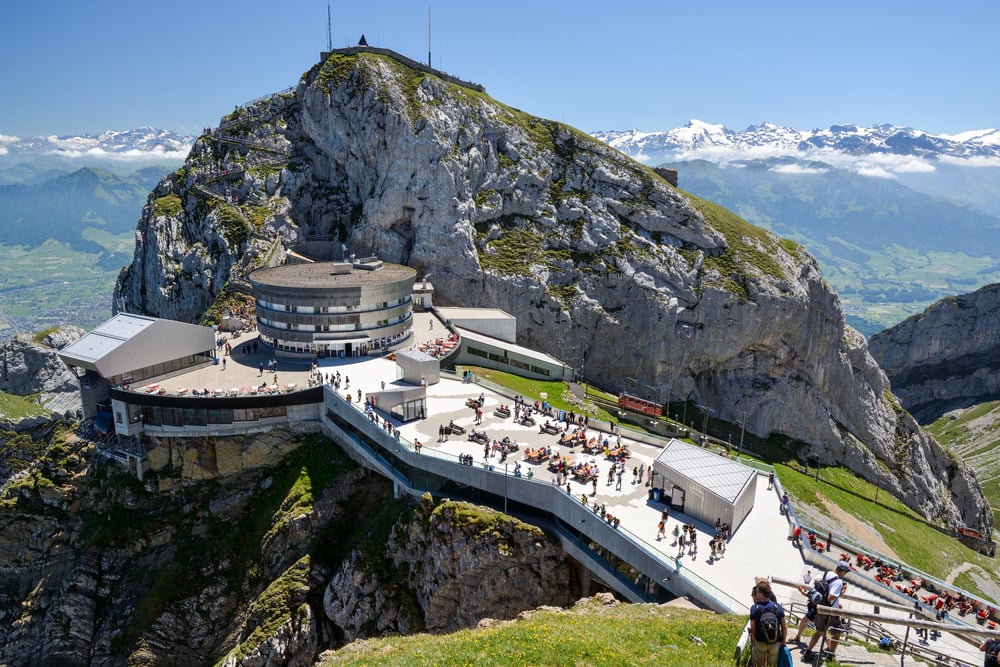
Virginia’s mountain hides an entire underground city built for government continuity during disasters. The Federal Emergency Management Agency runs this facility, designed to house the President and other officials if Washington becomes uninhabitable.
Bunkers, dormitories, and command centers fill the hollowed-out mountain, connected by tunnels and protected by serious security. Congress members have trained there for emergency scenarios.
The facility played a key role on September 11, 2001, when officials evacuated there. Armed guards make sure hikers and curious locals stay on public trails far from the restricted zones.
Poveglia Island

Venice keeps this island empty for good reasons beyond the ghost stories. The island served as a quarantine station during plague outbreaks, then later housed a mental hospital with a dark history.
Soil samples show human remains mixed throughout the ground from centuries of burials. Italian authorities closed the island to visitors in the 1960s.
While the government has occasionally considered selling or developing it, the island sits abandoned. Boats that drift too close get turned away by coast guard patrols.
Heard Island

Australia controls this volcanic island in the southern Indian Ocean, but almost nobody goes there. The island sits 2,500 miles from any major city, surrounded by some of the roughest seas on Earth.
Active volcanoes still shape the landscape, and glaciers cover most of the land. The Australian government restricts access to protect the unique ecosystem, where seals and seabirds breed without human interference.
Only occasional scientific expeditions make the dangerous journey. The island represents one of the few places on Earth where nature operates completely on its own terms.
Chapel of the Ark of the Covenant
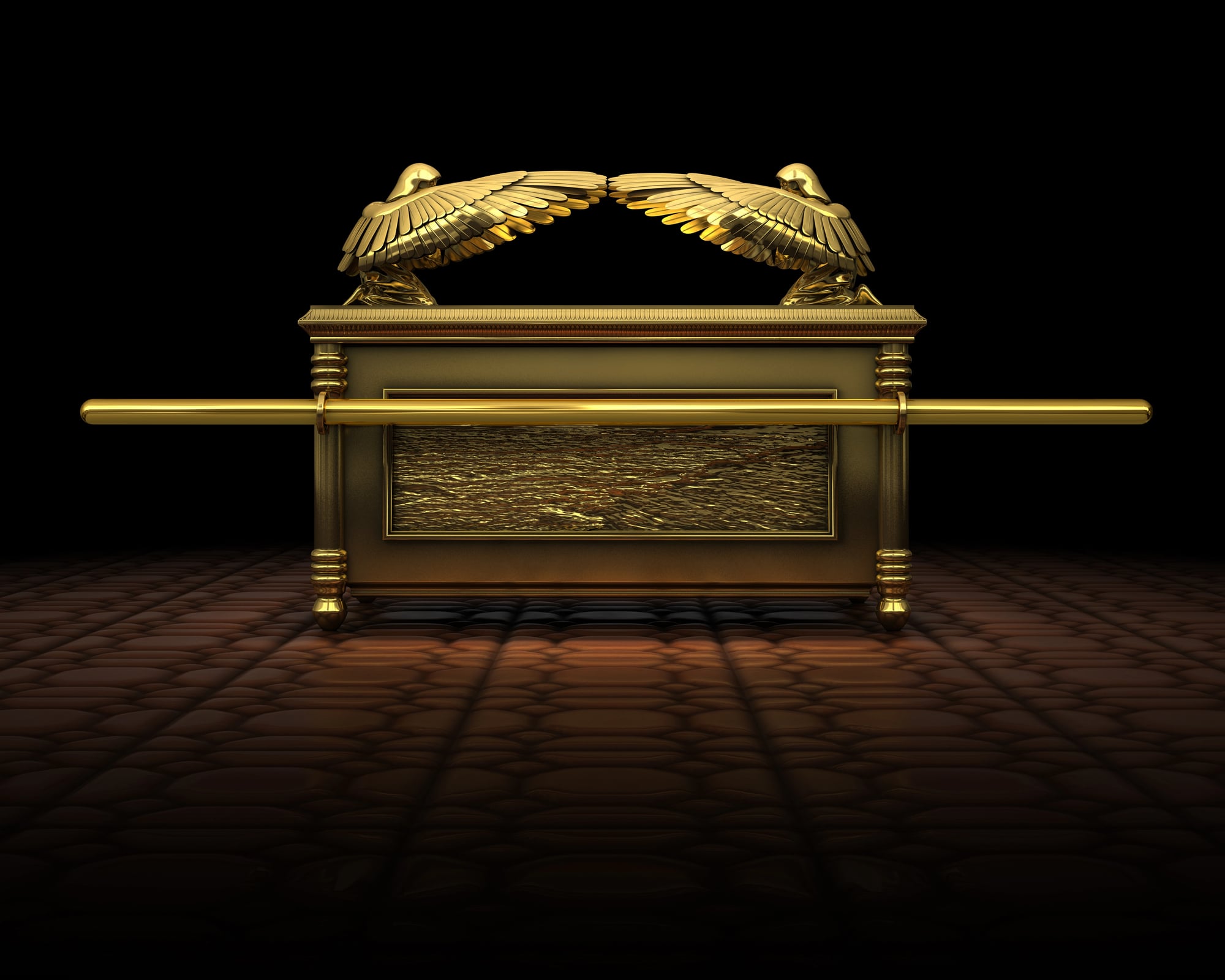
Ethiopia’s ancient chapel in Axum claims to house the biblical Ark of the Covenant, but only one monk ever gets to see it. This guardian monk spends his entire life inside the chapel grounds, never leaving once he accepts the role.
He’s the only person allowed near the artifact, assuming it actually exists inside. Ethiopian Orthodox tradition forbids anyone else from entering, including church leaders and government officials.
The previous guardian chooses his replacement before dying. Researchers and religious scholars have tried for decades to verify the claim, but the chapel doors stay shut.
Chernobyl Exclusion Zone

Ukraine maintains a 1,000-square-mile restricted area around the failed nuclear reactor. Radiation levels in certain spots remain dangerous more than thirty years after the 1986 disaster.
While authorities now allow limited guided tours to some areas, large sections stay completely off-limits. The most contaminated zones will remain deadly for thousands of years.
Scientists monitor radiation levels constantly, and security checkpoints control all entry points. Animals have returned to the abandoned villages and forests, creating an accidental nature reserve in one of Earth’s most contaminated places.
Dulce Base

New Mexico’s alleged underground facility near the Colorado border has sparked decades of conspiracy theories, but the truth is simpler: it doesn’t officially exist. The area belongs to the Jicarilla Apache Nation, which controls access to their land.
Stories about secret government experiments started in the 1970s and grew wilder over time. The tribe and local authorities deny any such facility exists.
Still, the remote location and lack of public access fuel ongoing speculation. Whatever might or might not be there, outsiders can’t legally enter tribal land without permission.
Room 39

North Korea operates this mysterious government office, but nobody outside the country’s elite knows exactly where it’s located. The organization reportedly manages the Kim family’s wealth through illegal activities like counterfeiting and drug manufacturing.
International investigators have tried for years to track Room 39’s operations, linking it to various businesses and front companies worldwide. The office allegedly brings in billions of dollars annually to fund the regime.
North Korean defectors have shared stories about the organization, but hard evidence remains scarce. The country’s closed nature means outsiders will probably never see inside.
Mezhgorye

Russia built a closed city in the Ural Mountains during the Cold War, and it’s still off-limits. The town supposedly houses facilities connected to nuclear weapons programs or emergency government bunkers.
Large excavation projects carved deep into the mountains during the 1990s, visible from satellite images. The Russian government provides vague explanations about mining operations or storage facilities.
Armed forces guard all approaches to the area, and Russian citizens need special permission to enter. Western intelligence agencies continue monitoring the site, but its true purpose remains classified.
Ise Grand Shrine

Japan’s most sacred Shinto shrine follows strict traditions about who can enter its inner sanctum. Only priests and members of the imperial family can access the main building where a sacred mirror supposedly resides.
The shrine gets completely rebuilt every twenty years using ancient techniques, but even during construction, the holiest areas stay hidden behind fences. This tradition has continued for over 1,300 years.
Visitors can walk the outer grounds and feel the spiritual atmosphere, but several layers of wooden fences keep them distant from the shrine’s heart. The Japanese government enforces these religious restrictions as part of preserving cultural heritage.
Bohemian Grove

California’s private campground hosts an exclusive men’s club whose membership reads like a who’s who of American power. The 2,700-acre retreat in Sonoma County becomes headquarters for two weeks each summer when members gather for talks, performances, and networking.
Former presidents, business leaders, and politicians have attended these gatherings. Armed security and dense forest keep outsiders away from the ceremonies and conversations.
Occasional leaked documents and recordings hint at what happens inside, but the club maintains strict privacy policies. Members insist it’s just a social gathering, while critics wonder what decisions get made away from public scrutiny.
Diego Garcia

This little dot of land in the Indian Ocean serves as a key outpost for the U.S. armed forces, sealed off entirely to visitors. Back in the 1970s, authorities from America and Britain pushed out the Chagossians who lived there, making space for weapons and runways.
Jets that fly far distances, along with warships, launch missions into parts of Asia and the Middle East from here. Legal fights about those forced removals still pop up now and then, years after they happened.
Still, the uniformed presence stays firmly in charge. Floating toward the island? Radio warnings steer ships and aircraft off course.
Those who arrive without permission risk being detained on site. Position matters – the spot holds such weight that neither government allows visitors through official channels.
Woomera Prohibited Area

Bigger than England, Australia’s main weapons testing area spreads through the dry stretches of South Australia. Missiles scream overhead while jets roar above ground in a place shut off from ordinary travel.
Decades back, atomic blasts scarred certain spots, traces still linger today. Long before soldiers arrived, Indigenous people walked these same flat plains and knew them well.
Out in these parts, you might spot a rare dig site or team checking data – though usually, only soldiers walk through. Hardly anyone comes around because getting here takes effort, plus the land stretches farther than most realize.
Because nothing crowds the horizon, gadgets needing space and silence get tried out where few can see.
When secrets stay buried

Out here, invisible lines mark where we’re not meant to go. Sometimes safety demands it – keeping folks away from harm’s way.
Other times, it’s about leaving science undisturbed, letting experiments unfold untouched. Military zones hold quiet truths few get clearance to witness.
Sacred grounds carry weight beyond curiosity; stepping too close can erase meaning. A door stays shut not to hide, but to preserve.
Fewer spots like this survive today than long ago. Yet each one stands firm, showing what a culture refuses to risk.
Being kept out might be part of their purpose. Just knowing they are there could be all we need.
More from Go2Tutors!

- The Romanov Crown Jewels and Their Tragic Fate
- 13 Historical Mysteries That Science Still Can’t Solve
- Famous Hoaxes That Fooled the World for Years
- 15 Child Stars with Tragic Adult Lives
- 16 Famous Jewelry Pieces in History
Like Go2Tutors’s content? Follow us on MSN.



