16 Creepiest Things Ever Found in Abandoned Buildings
There’s something magnetic about abandoned buildings that draws people in, despite every instinct telling them to stay away. Maybe it’s the mystery of lives suddenly interrupted, or the eerie silence where laughter and conversation once filled the air.
Whatever the reason, urban explorers and photographers have ventured into these forgotten spaces and discovered things that would make your skin crawl. From hospitals where patients’ belongings still sit exactly where they were left decades ago, to schools with chalkboards bearing the final lessons taught before evacuation, these discoveries paint a haunting picture of interrupted lives and forgotten histories.
Here is a list of 16 creepiest things ever found in abandoned buildings.
Patient Records Scattered Like Confetti

Abandoned hospitals often contain strewn paperwork and old equipment, with records and paperwork laying scattered throughout former mental institutions. Walking through the corridors of a derelict medical facility and finding thousands of confidential patient files spread across the floor creates an unsettling atmosphere.
These documents, containing deeply personal medical histories and psychiatric evaluations, remind visitors that real people once sought help within these walls.
Preserved Human Brains in Jars
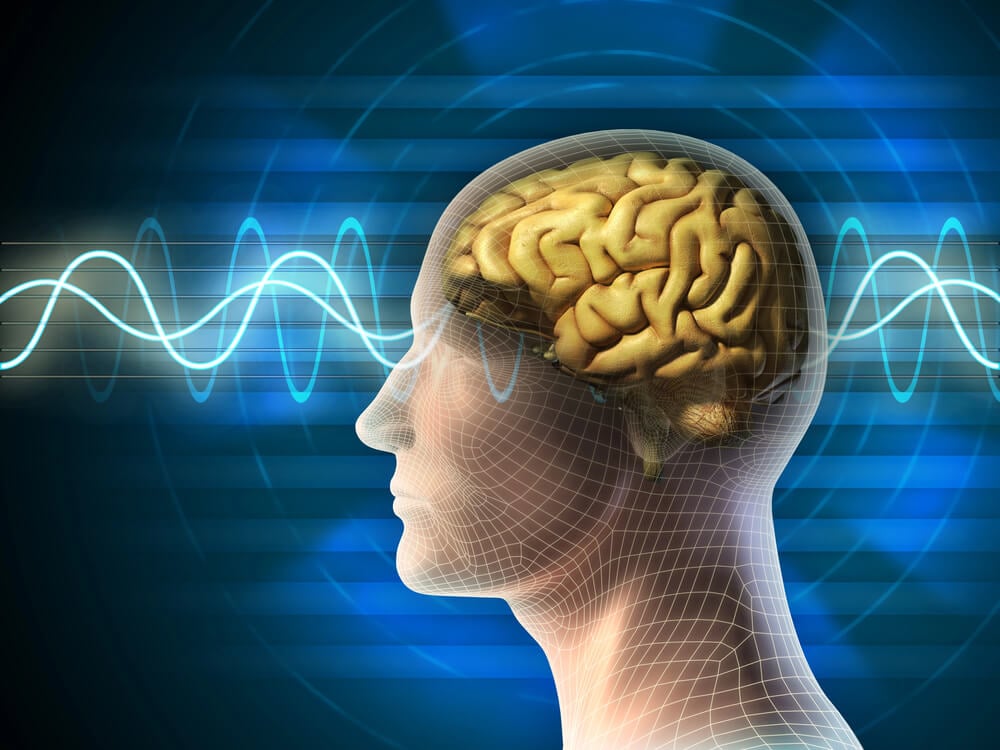
Abandoned psychiatric hospitals have yielded some of the most disturbing medical specimens, including preserved human brains stored in formaldehyde-filled jars. Mental patients’ brains were commonly removed during autopsies for ‘research’ purposes and stored in hospital laboratories.
These macabre collections, forgotten when institutions closed, represent a dark chapter in psychiatric medicine where patients were often treated more like specimens than human beings.
Medical Equipment Frozen in Time

Surgical tables, rusty medical instruments, and outdated X-ray machines create scenes straight from a horror movie in abandoned hospitals. Patients checked in, and then they checked out — forever, leaving behind decaying, untended medical facilities with equipment still in place.
The contrast between the life-saving purpose these tools once served and their current state of decay makes them particularly unnerving to encounter.
Suitcases Full of Never-Claimed Belongings

Explorers have discovered suitcases and personal belongings left behind by patients in abandoned psychiatric facilities, creating a haunting reminder of interrupted lives. These luggage pieces contain clothes, photographs, and personal mementos that patients brought with them, never knowing they’d never reclaim them.
Opening these time capsules reveals intimate glimpses into lives that were suddenly cut short or permanently altered.
Restraint Devices and Torture Equipment

The darkest discoveries in abandoned asylums include restraint chairs, straitjackets, and other devices used in questionable treatment methods. Urban explorers have found rooms with large crosses similar to crucifixes with restraints, used for what appeared to be religious exorcism-type procedures.
These findings serve as chilling reminders of how mental health treatment has evolved from these barbaric practices.
Children’s Toys in Maternity Wards

A baby doll sits on a rotting crib in a rusting maternity ward in Ukraine’s Pripyat, the city that was abandoned after the 1986 nuclear disaster. Finding toys and nursery equipment in abandoned hospitals creates a particularly heart-wrenching scene.
The juxtaposition of innocent childhood items against decay and abandonment strikes a chord that’s hard to shake off.
Calendars Stopped in Time
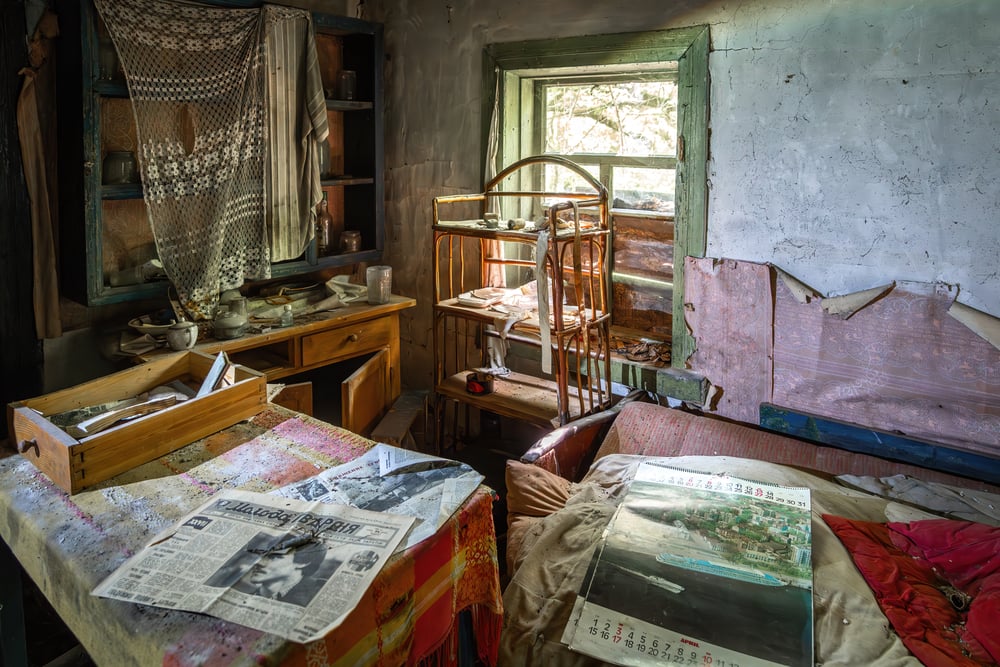
In abandoned houses, calendars remain on walls from decades past, with one house having a calendar from 2001 still hanging, suggesting the family left in a hurry after someone died. These frozen moments in time capture the exact point when normal life stopped forever.
The calendar pages become accidental monuments to whatever tragedy or circumstance forced people to abandon their homes.
Lobotomy Equipment and Surgical Tools

Abandoned mental hospitals often contain the instruments used for lobotomies and other barbaric ‘treatments’ popular in the early-to-mid 20th century. West Virginia’s Trans-Allegheny Lunatic Asylum and similar institutions performed thousands of these procedures, leaving behind ice picks, surgical saws, and electroshock therapy equipment.
These tools represent a time when mental illness was ‘treated’ through methods that would be considered torture today.
Morgue Tables with Personal Effects

Walking into an abandoned hospital’s morgue and finding personal jewelry, watches, or clothing still laid out on examination tables creates an incredibly unsettling experience. Autopsy records appear all but frozen in time at Venice, Italy’s long-abandoned Ospedale al Mare.
These items belonged to people whose final moments were spent in these cold, clinical rooms.
Wheelchairs Positioned Like Witnesses
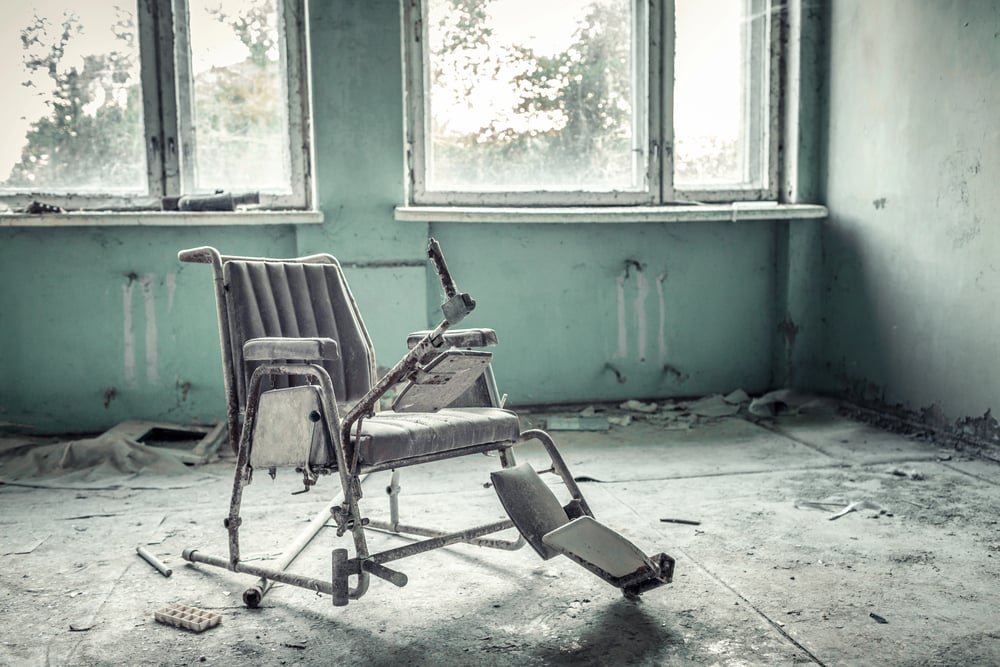
Abandoned psychiatric hospitals often contain wheelchairs positioned throughout corridors and common areas, creating an eerie atmosphere as if former patients are still present. Sometimes arranged in circles or facing specific directions, these mobility aids seem to watch visitors as they explore.
The positioning often appears too deliberate to be coincidental, suggesting either previous occupants or subsequent visitors arranged them intentionally.
Hidden Passages and Secret Rooms

Urban explorers have found wells with ladders leading to tiny rooms containing large crosses with restraints, unknown to building owners. These concealed spaces often contain evidence of activities that were meant to remain hidden from the outside world.
The effort required to create these secret areas makes their discovery all the more disturbing.
Messages Written in Desperation

Scratched walls, carved messages, and desperate pleas written by former occupants create some of the most emotionally charged discoveries in abandoned buildings. There were scratches on the walls in hidden rooms beneath abandoned buildings.
These markings often tell stories of fear, hopelessness, or attempts to leave some trace of existence behind.
Body Chutes and Hidden Tunnels

Waverly Hills Sanatorium and similar tuberculosis hospitals contained ‘death tunnels’ – underground passages used to transport deceased patients away from the living. These body chutes were designed so living patients wouldn’t have to see the constant stream of deaths, as over 66,000 patients died during the sanatorium’s operation.
Walking through these cramped, dark tunnels where countless bodies once traveled creates an intensely unsettling experience for modern explorers.
Thousands of Unclaimed Suitcases

The Willard Asylum for the Chronic Insane contained an attic filled with thousands of suitcases belonging to patients who never left the institution. These leather cases, some dating back over a century, contained the entire worldly possessions of people who were committed and forgotten by their families.
Opening these time capsules reveals wedding dresses, family photos, and personal letters that tell heartbreaking stories of lives interrupted by mental illness and social stigma.
Operating Theater Mirrors Still Reflecting

Surgical mirrors and observation windows in abandoned operating rooms create the illusion that procedures are still taking place. Former autopsy rooms and operating theaters in abandoned hospitals maintain their clinical appearance despite years of abandonment.
These reflective surfaces seem to hold onto the memories of the countless procedures they witnessed, making visitors feel like unwilling participants in ghostly operations.
Personal Photographs Left Behind

Family photos, graduation pictures, and personal snapshots scattered throughout abandoned homes and institutions create intimate connections to the building’s former occupants. Well-preserved abandoned houses contain pictures still hanging on walls, furniture in place, and even dishes in the sink, as if the family just stepped out.
These images provide faces to match the stories these buildings tell, making the abandonment feel more personal and tragic.
When Buildings Remember Their Past

The creepiest discoveries in abandoned buildings aren’t just objects—they’re windows into human experiences that ended abruptly or tragically. These images reveal the things we leave behind when life takes unexpected turns.
From Victorian cradles that refuse to stay still to patient records that tell stories of forgotten lives, these findings remind us that buildings absorb the energy of everyone who passes through them. While modern urban explorers document these discoveries for posterity, they’re also preserving evidence of how quickly our carefully constructed lives can become someone else’s creepy discovery.
The next time you walk past an abandoned building, remember that it might be holding onto secrets that would change how you see the world forever.
More from Go2Tutors!

- The Romanov Crown Jewels and Their Tragic Fate
- 13 Historical Mysteries That Science Still Can’t Solve
- Famous Hoaxes That Fooled the World for Years
- 15 Child Stars with Tragic Adult Lives
- 16 Famous Jewelry Pieces in History
Like Go2Tutors’s content? Follow us on MSN.



