Unexplained Symbols Carved Into Modern Monuments
Walking past a monument, most people notice the obvious things—the imposing figure, the bronze plaques, the dates that mark historical moments. But look closer. Hidden in plain sight, carved into stone and metal across the world, are symbols that don’t belong to any standard iconography. They’re not part of the original design, yet they’re permanent fixtures now, etched by unknown hands for unknown reasons.
These aren’t random graffiti tags or simple vandalism. These symbols carry weight—geometric patterns, ancient-looking marks, and cryptic designs that seem deliberately placed. Some appear on multiple monuments across different continents. Others show up once and never again. The people who carved them remain anonymous, their motivations lost to time.
The Spiral at Mount Rushmore
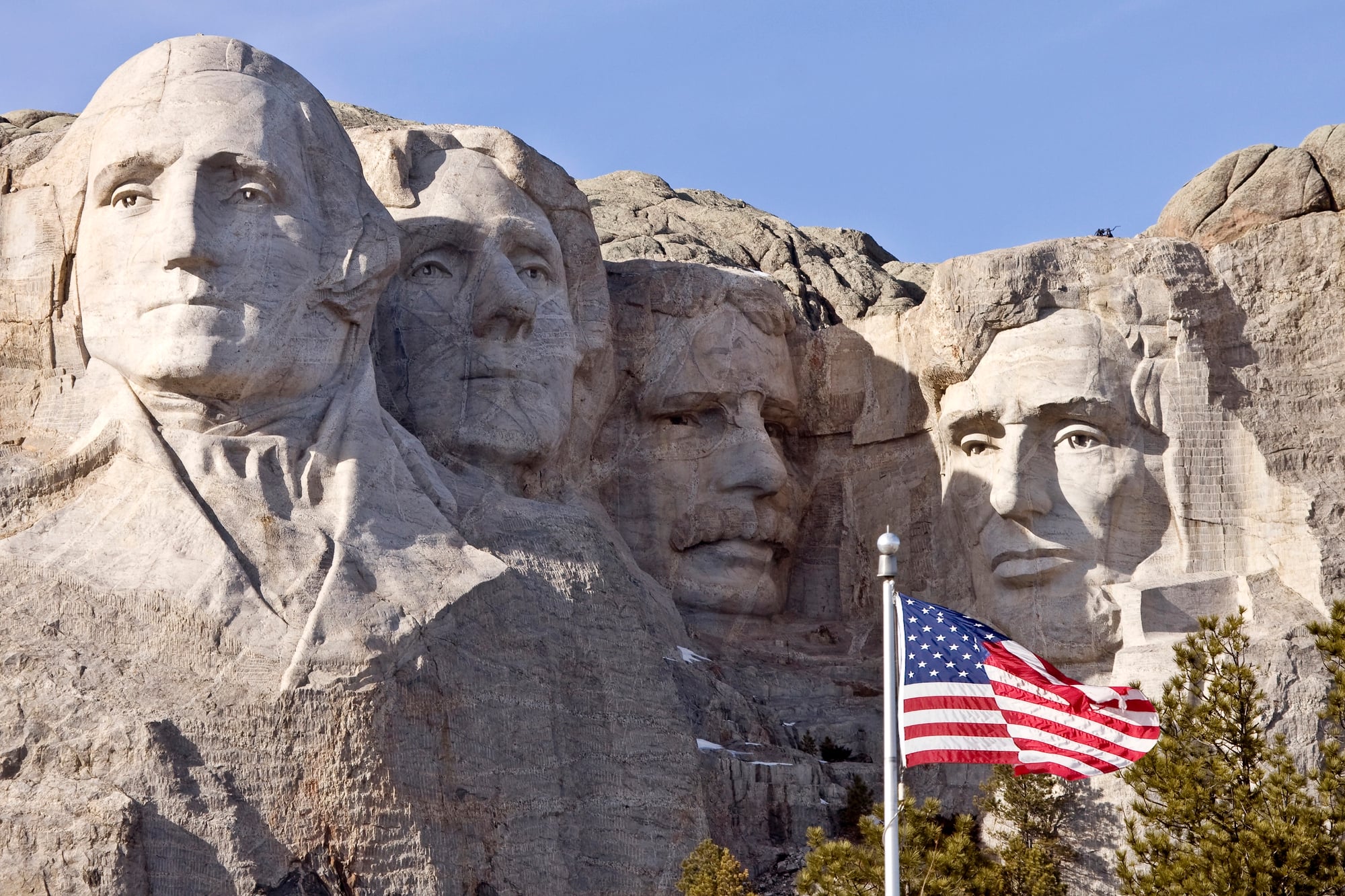
There’s a perfect spiral carved into the rock face about fifty feet to the left of Lincoln’s ear. Park rangers know about it. Tourists don’t.
The spiral appears to be machine-carved, not chiseled by hand. No construction records mention it. No worker from the original project ever claimed responsibility. And yet there it sits—precise, deliberate, completely unexplained.
The Celtic Knot on the Lincoln Memorial
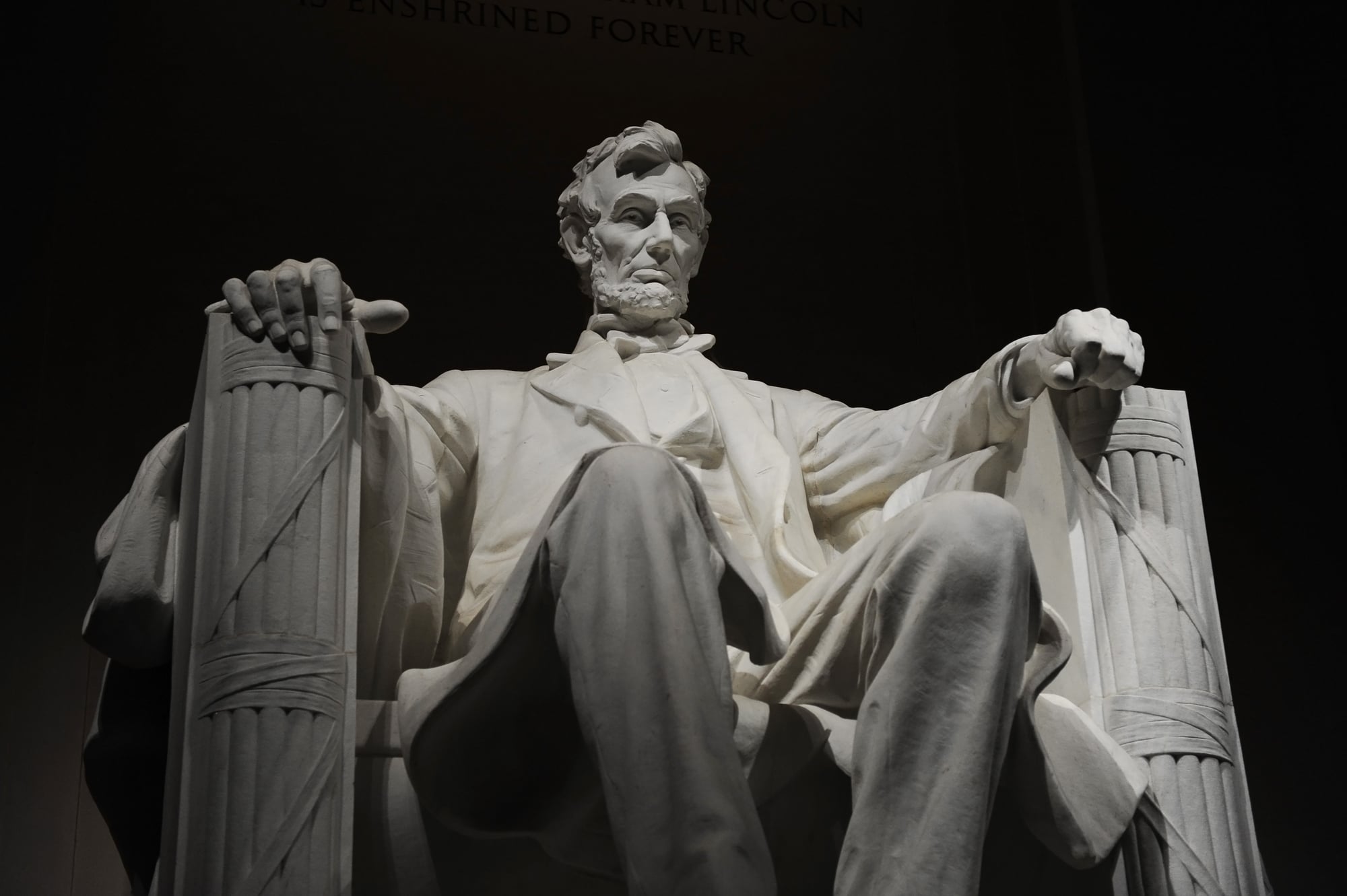
So here’s the thing about the Lincoln Memorial (and this might surprise anyone who’s visited it, taken the obligatory photos, maybe even sat on those marble steps like Forrest Gump): there’s a Celtic knot carved into the base of the sixteenth column from the left—a knot that has no business being there, given that Lincoln had exactly zero connection to Celtic culture, and the memorial’s architects were going for Greek revival, not ancient Irish monastery aesthetic.
But there it is, about three feet from the ground, worn smooth by decades of weather but still clearly visible if you know where to look. Which most people don’t.
The knot itself is roughly the size of a dinner plate, carved deep enough into the marble that it’s survived Washington’s humidity and the occasional protest march without losing definition. And the strangest part is that the same exact pattern appears on the Statue of Liberty’s pedestal.
The Eye of Horus at the Washington Monument
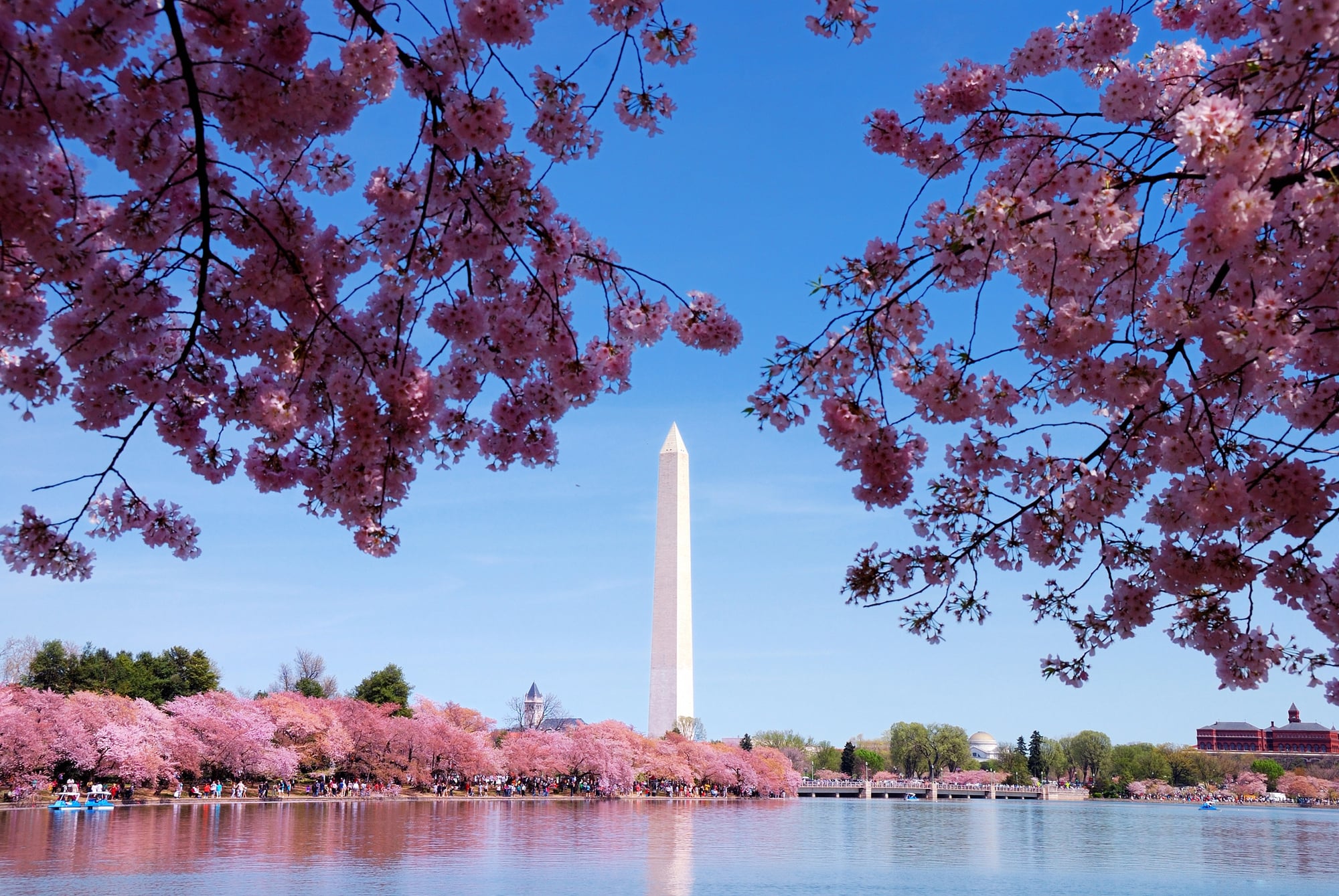
Stone remembers everything, even what it’s not supposed to remember. The Washington Monument stands like a marble finger pointing at nothing in particular, and most visitors crane their necks upward, missing what’s carved into the northeast corner at ground level.
The Eye of Horus stares back at anyone willing to look down instead of up. It’s not large—maybe six inches across—but carved with the kind of precision that suggests someone who understood both the symbol’s meaning and how to work with stone. The eye’s details remain sharp after decades of weather.
There’s something unsettling about finding an ancient Egyptian symbol on America’s most prominent obelisk, especially one that watches the steady stream of tourists with the same indifference that stones show to centuries.
The Ouroboros in Père Lachaise
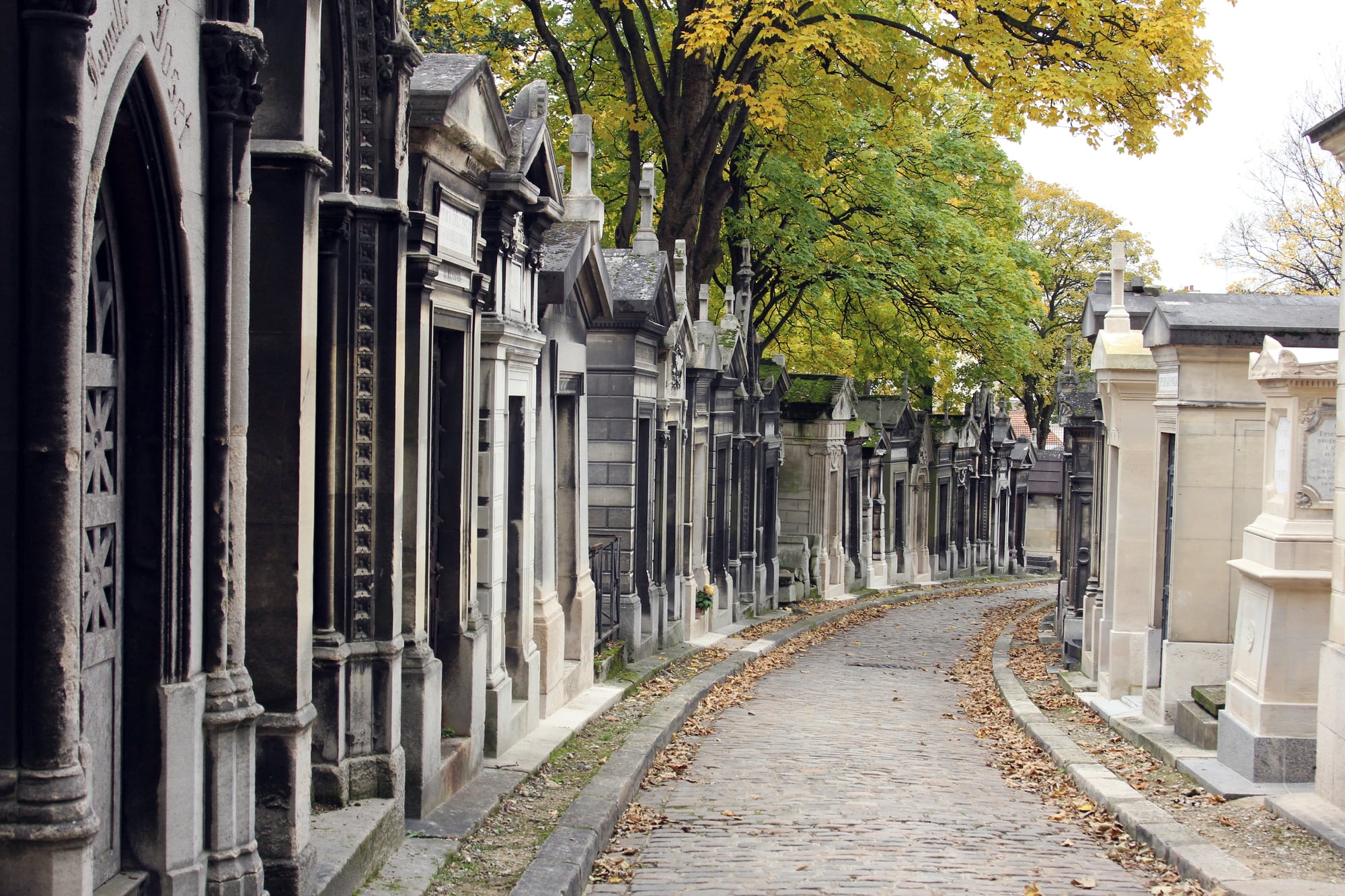
The ouroboros doesn’t belong on Oscar Wilde’s tomb. Celtic crosses and art nouveau flourishes, sure. Ancient serpents eating their own tails—not so much.
But there it is, carved into the back corner where the tomb meets the cemetery path. Small enough that most mourners and literary pilgrims miss it entirely. The snake forms a perfect circle, tail disappearing into mouth with mathematical precision.
Turns out putting an infinity symbol on a dead writer’s grave carries more weight than whoever carved it probably intended.
The Fibonacci Spiral at Stonehenge’s Visitor Center
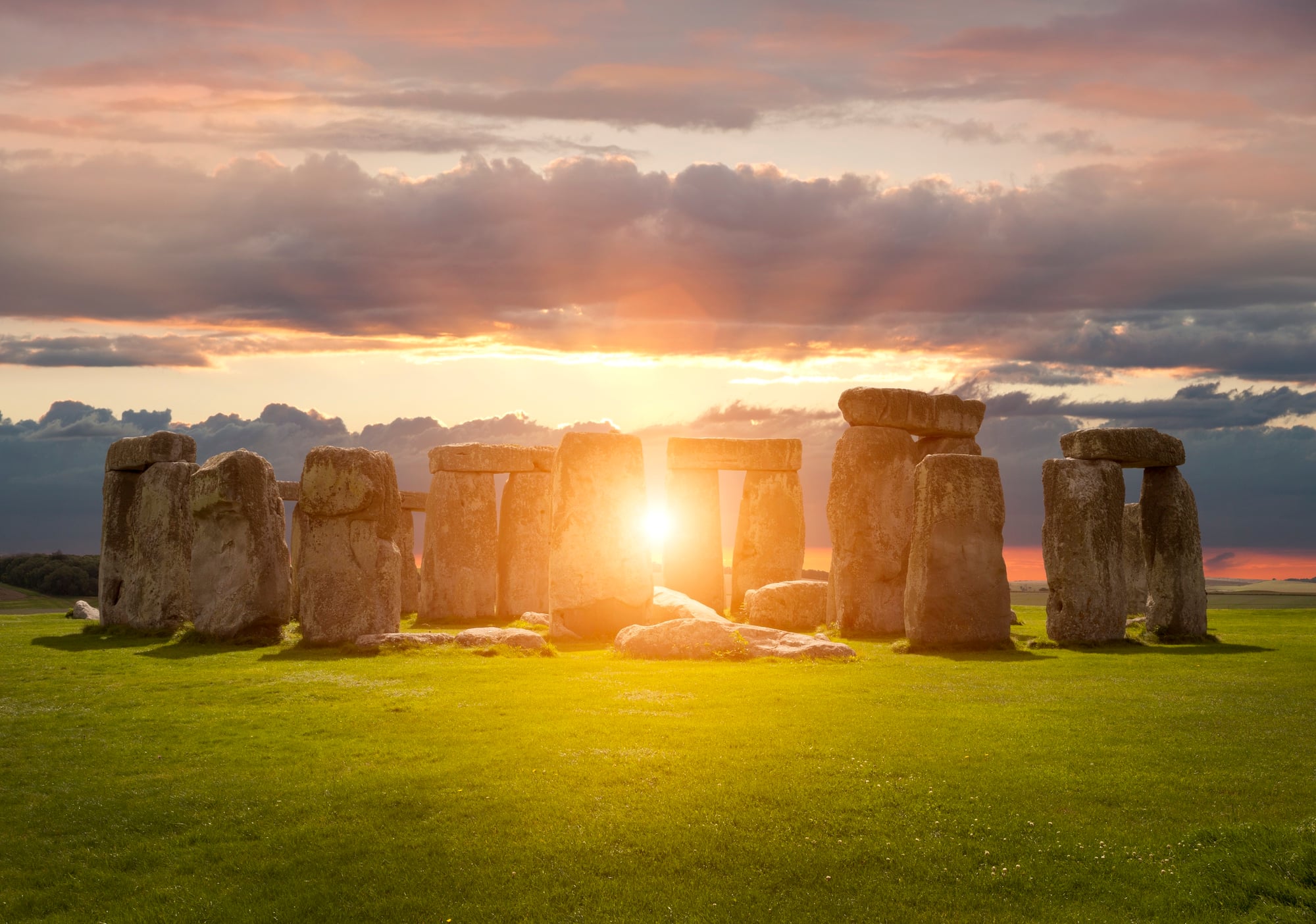
The visitor center at Stonehenge tries very hard to explain what the ancient stones might have meant. What they don’t explain is the Fibonacci spiral carved into the concrete foundation of the building itself.
Someone etched a mathematically perfect spiral that follows the golden ratio. Not painted. Not scratched. Carved into concrete while the building was under construction.
The spiral faces the stone circle directly, as if the ancient monument and modern mathematics are having a conversation across five thousand years.
The Ankh at the Vietnam Veterans Memorial
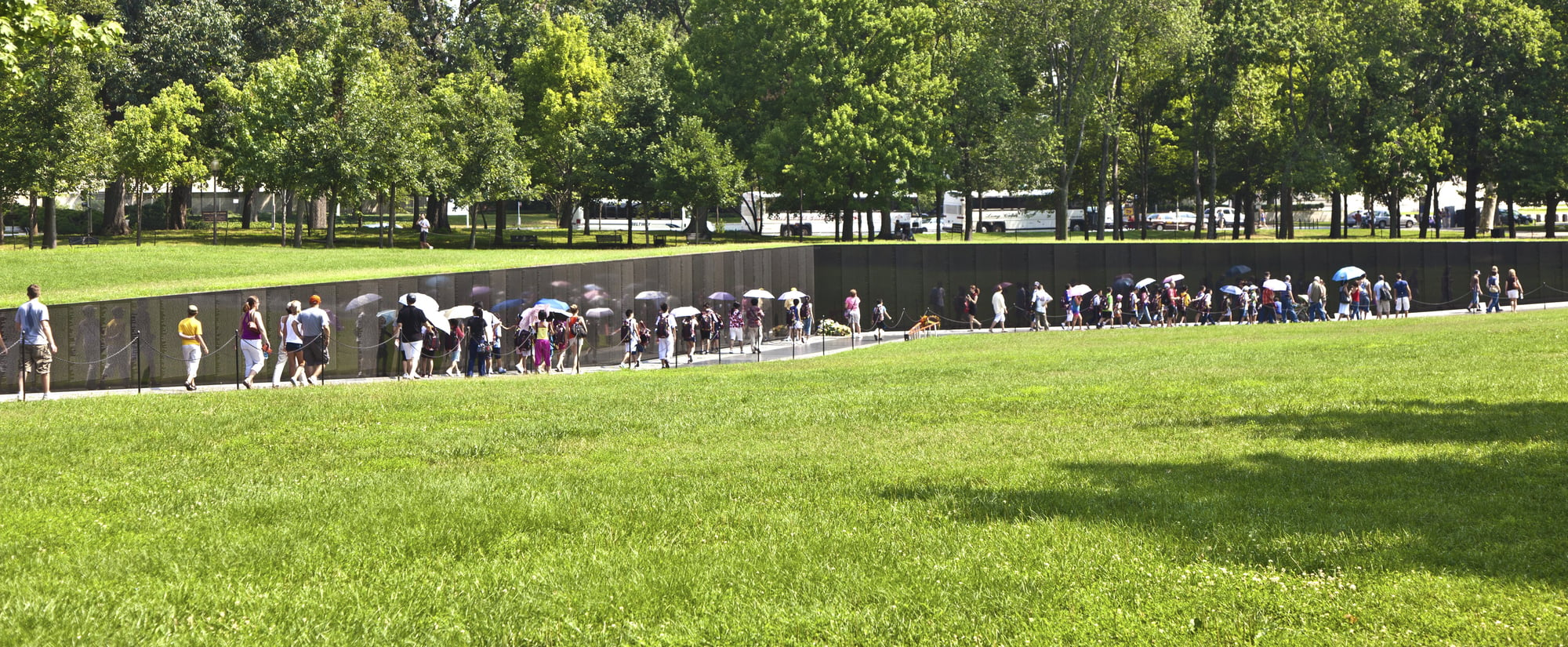
Between panel 12E and 13E of the Vietnam Veterans Memorial, there’s something that shouldn’t be there: an ankh, the ancient Egyptian symbol for life, carved into the granite joint where two panels meet.
The symbol is small, but deep enough that rain collects in its grooves. The ankh appears positioned at eye level and at the transition between peak casualty years.
The carving seems to have been made from behind the wall, which would have required access during construction. No worker has ever claimed responsibility.
The Triskele at Newgrange
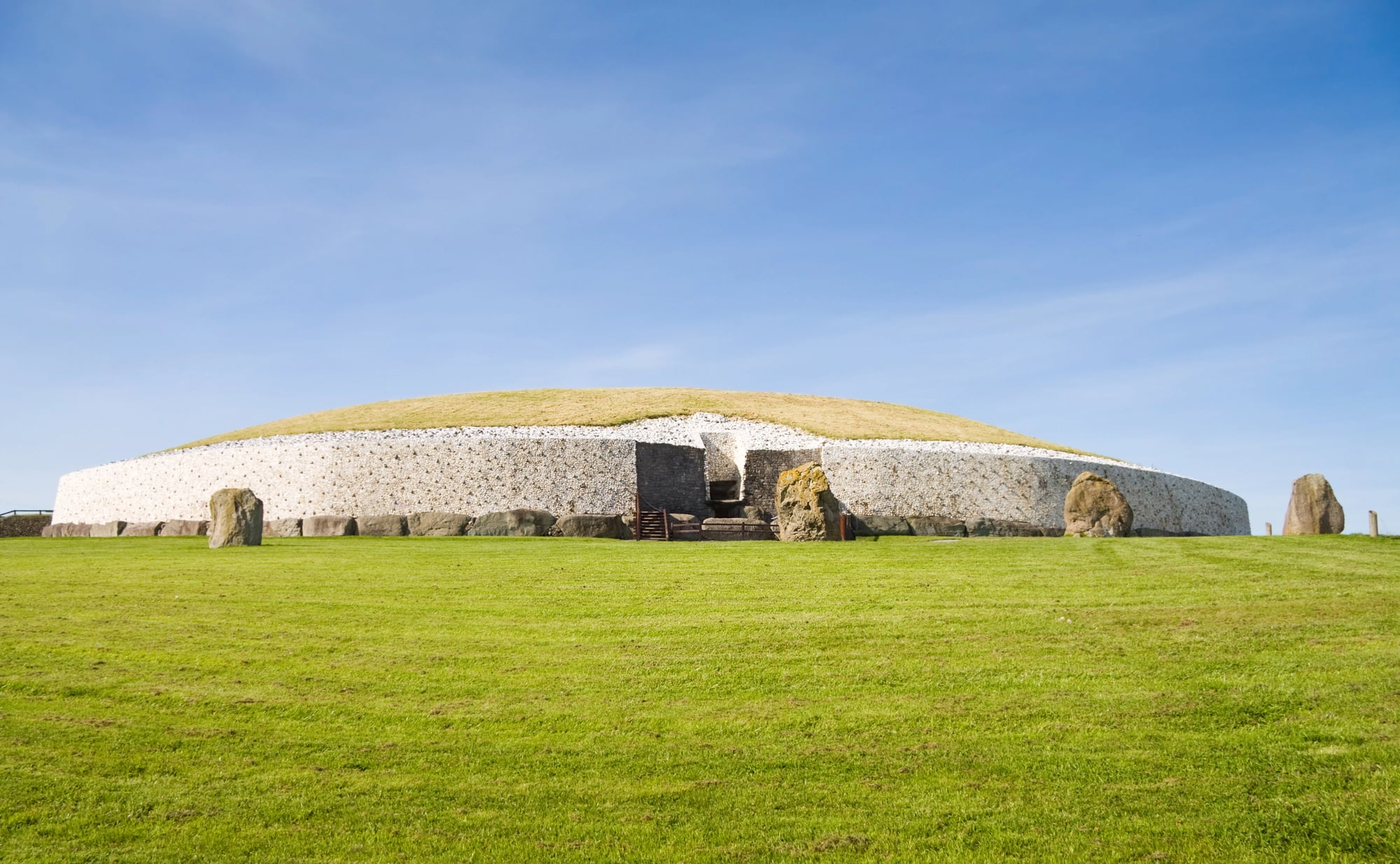
There’s a triskele carved into the entrance stone that doesn’t appear in any archaeological survey prior to 1987. The symbol sits beside original Neolithic art, carved with similar technique and depth.
Carbon dating suggests the triskele was added in the late twentieth century. The carver managed to work on a protected monument without detection.
The Hamsa at the Taj Mahal
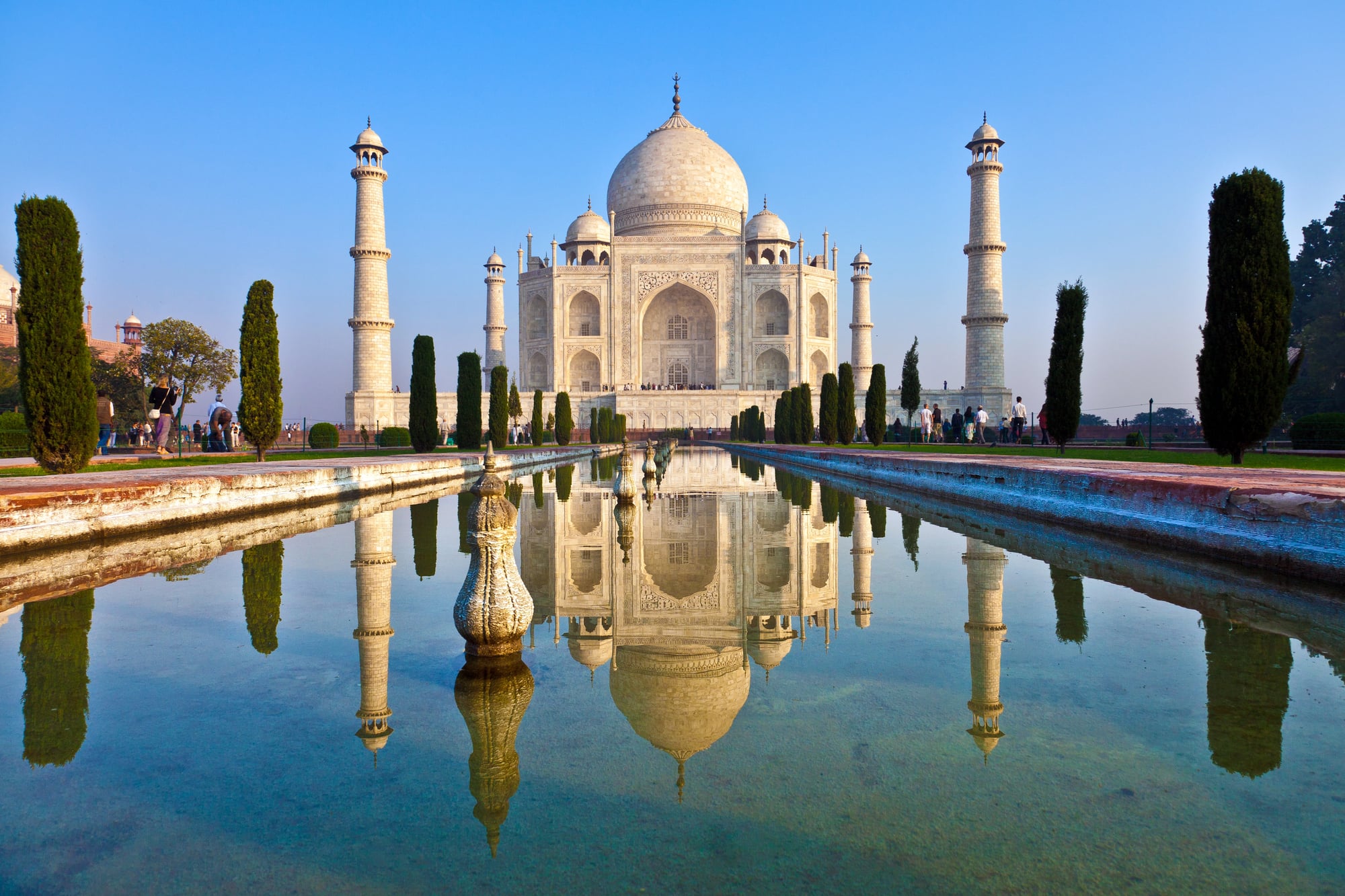
The Hamsa hand appears on the interior wall of the main chamber, positioned where it would be invisible unless specifically searched for.
The carving matches Mughal craftsmanship so closely it could have been original—except the symbol doesn’t appear in historical records or architectural plans.
Someone added protective symbolism to one of the world’s most documented monuments.
The Endless Knot at Machu Picchu
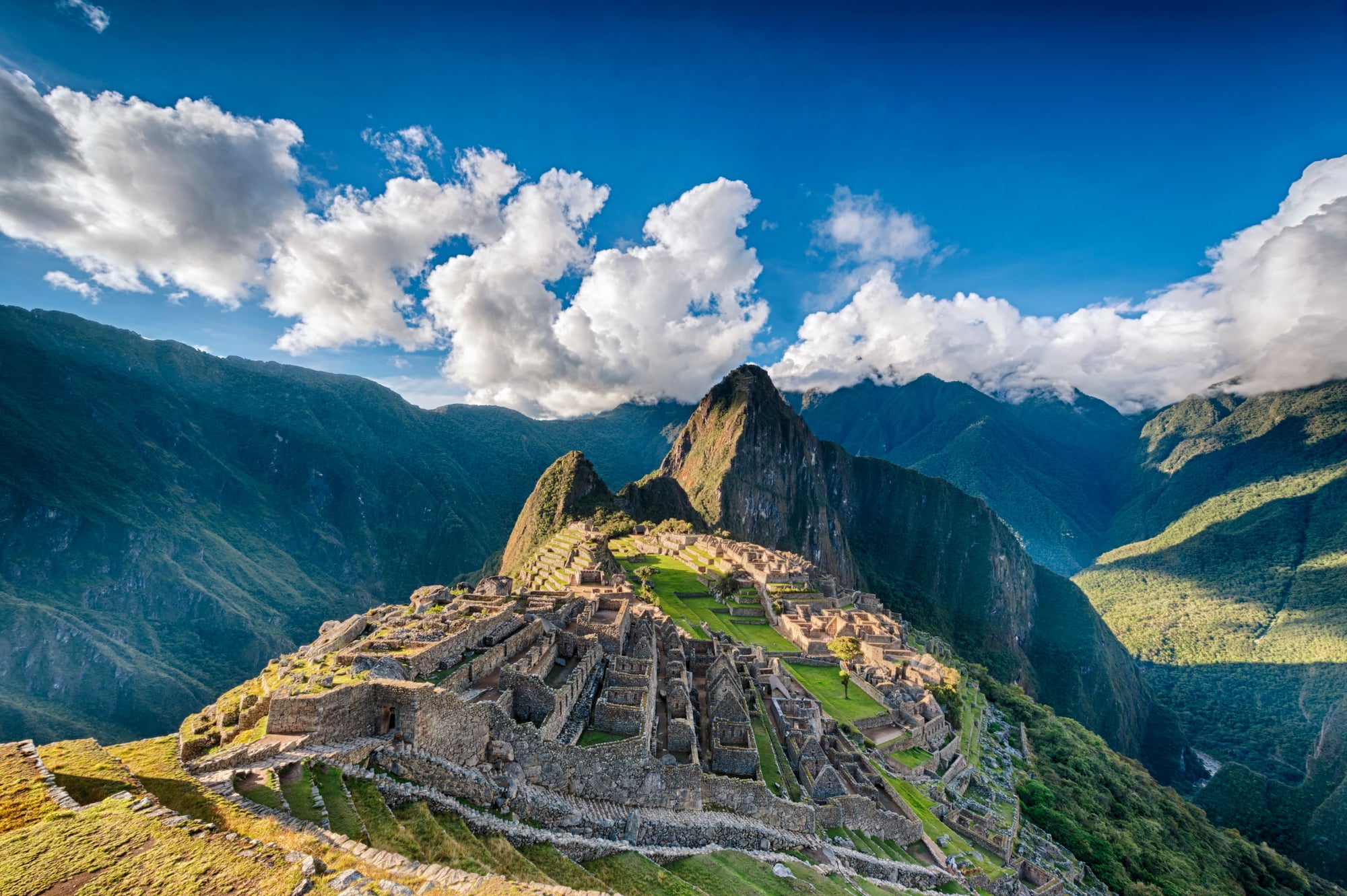
Carved into the floor of the Room of the Three Windows is an endless knot, representing interconnected existence in Tibetan tradition.
The Incans had no contact with Tibetan culture, and modern visitors shouldn’t have been able to access carving tools. Yet the symbol is unmistakably deliberate.
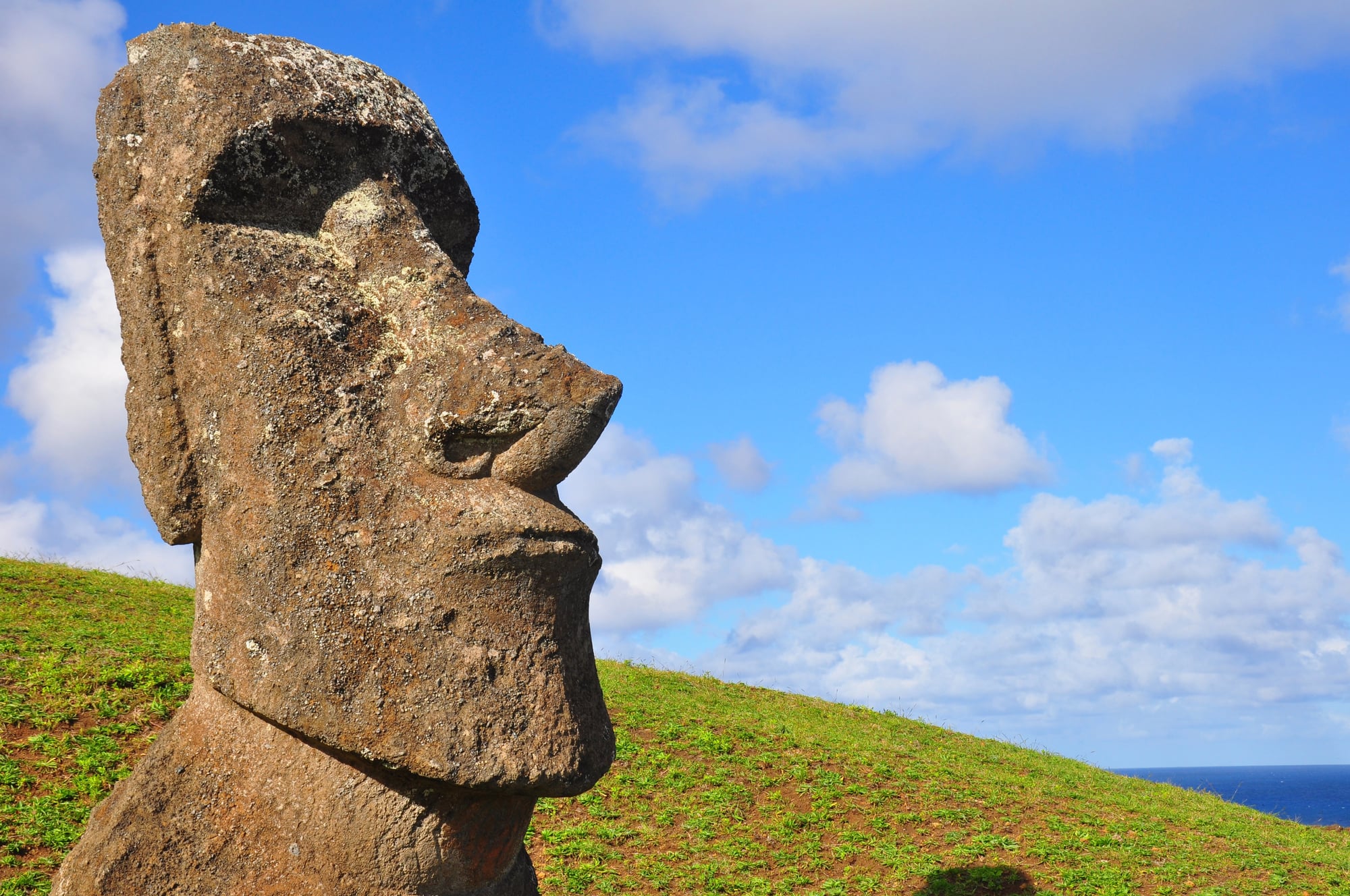
The Tree of Life at Easter Island
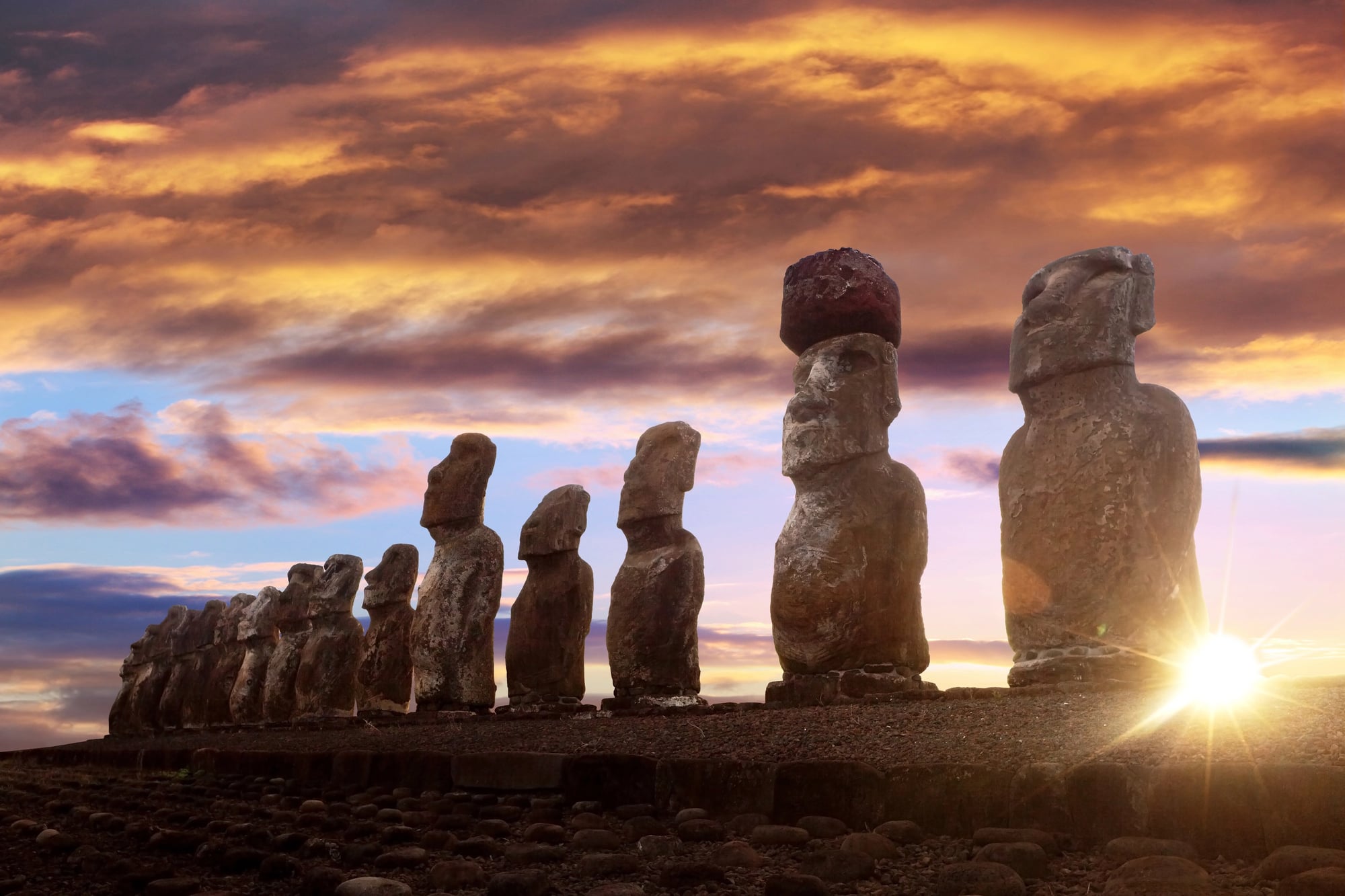
Carved into the base of moai number 394 is a detailed Tree of Life in Kabbalistic tradition.
The symbol shows knowledge of both stone carving and Jewish mysticism, neither of which connects clearly to Rapa Nui history.
The Merkaba at Angkor Wat
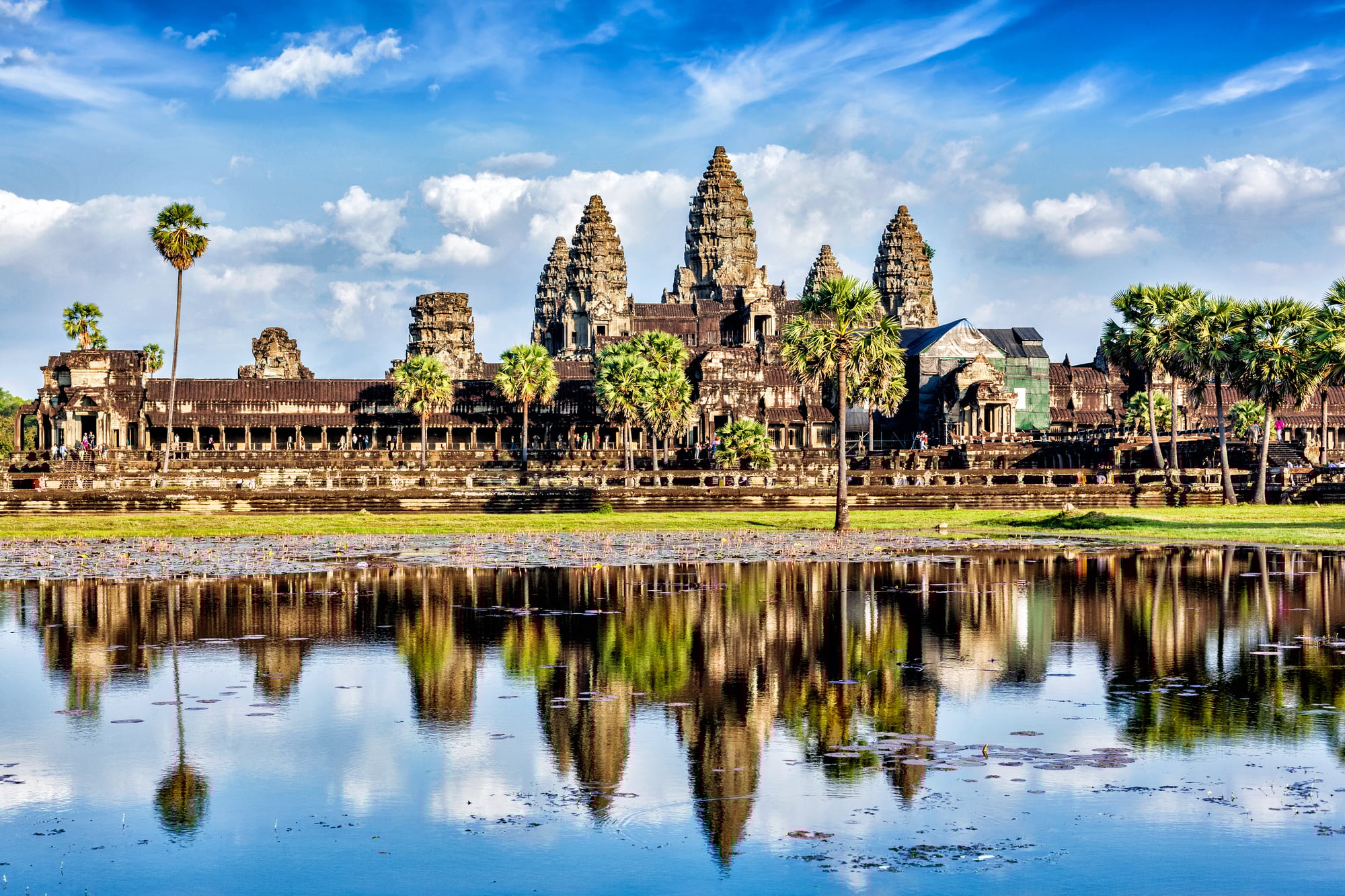
A three-dimensional star carved into a hidden corner of Angkor Wat represents sacred geometry found in later spiritual traditions.
The carving appears significantly newer than the surrounding 12th-century Khmer architecture.
The Caduceus at Chichen Itza
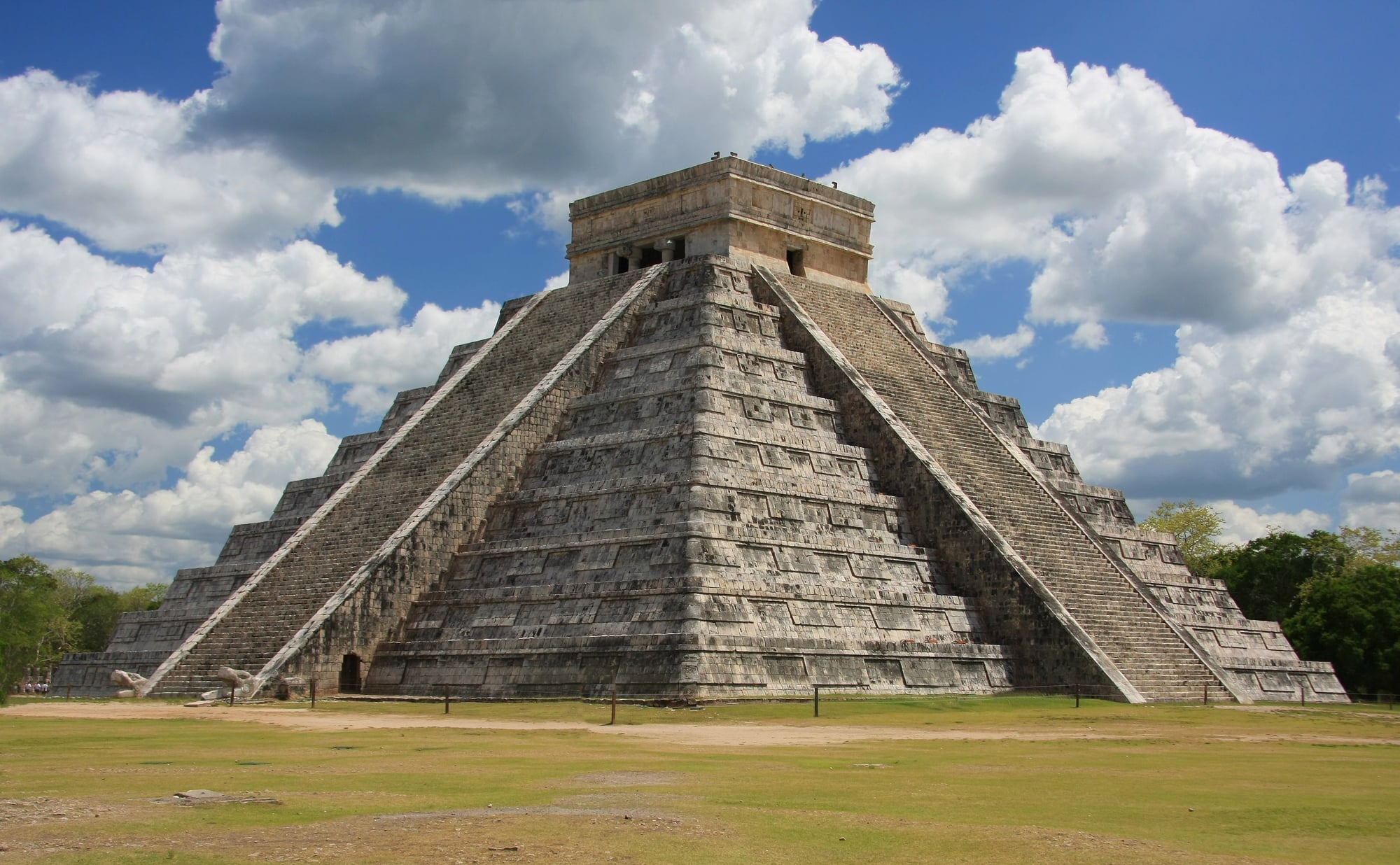
A caduceus appears carved into the base of El Castillo pyramid.
It sits where the equinox shadow serpent appears, linking Greek and Mayan symbolism in a way not supported by historical records.
The Dharma Wheel at the Colosseum
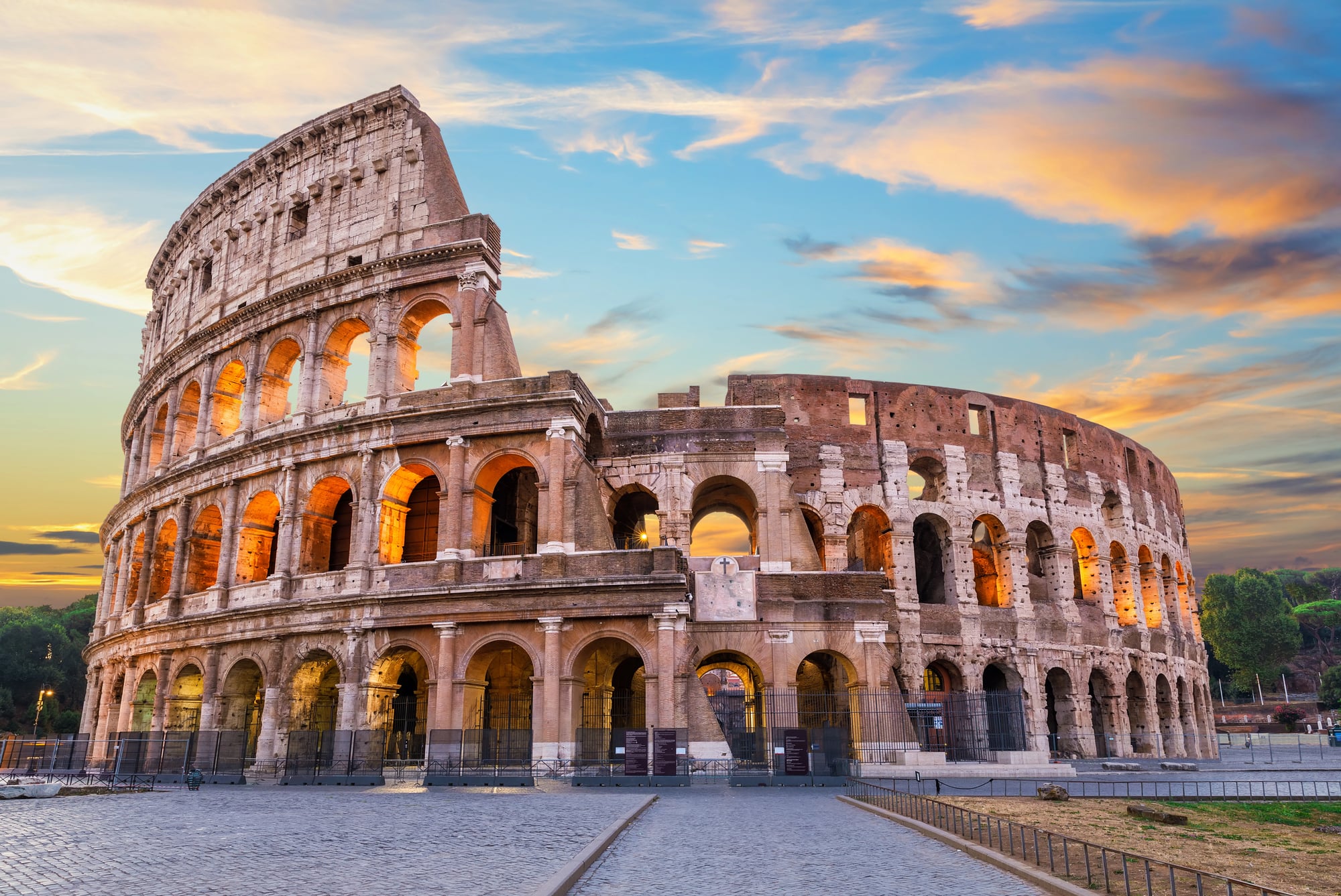
A dharma wheel is carved into the underground chambers of the Colosseum.
It appears in a space once used for animals, adding a symbol of liberation to a site of violence.
The Pentagram at Notre-Dame
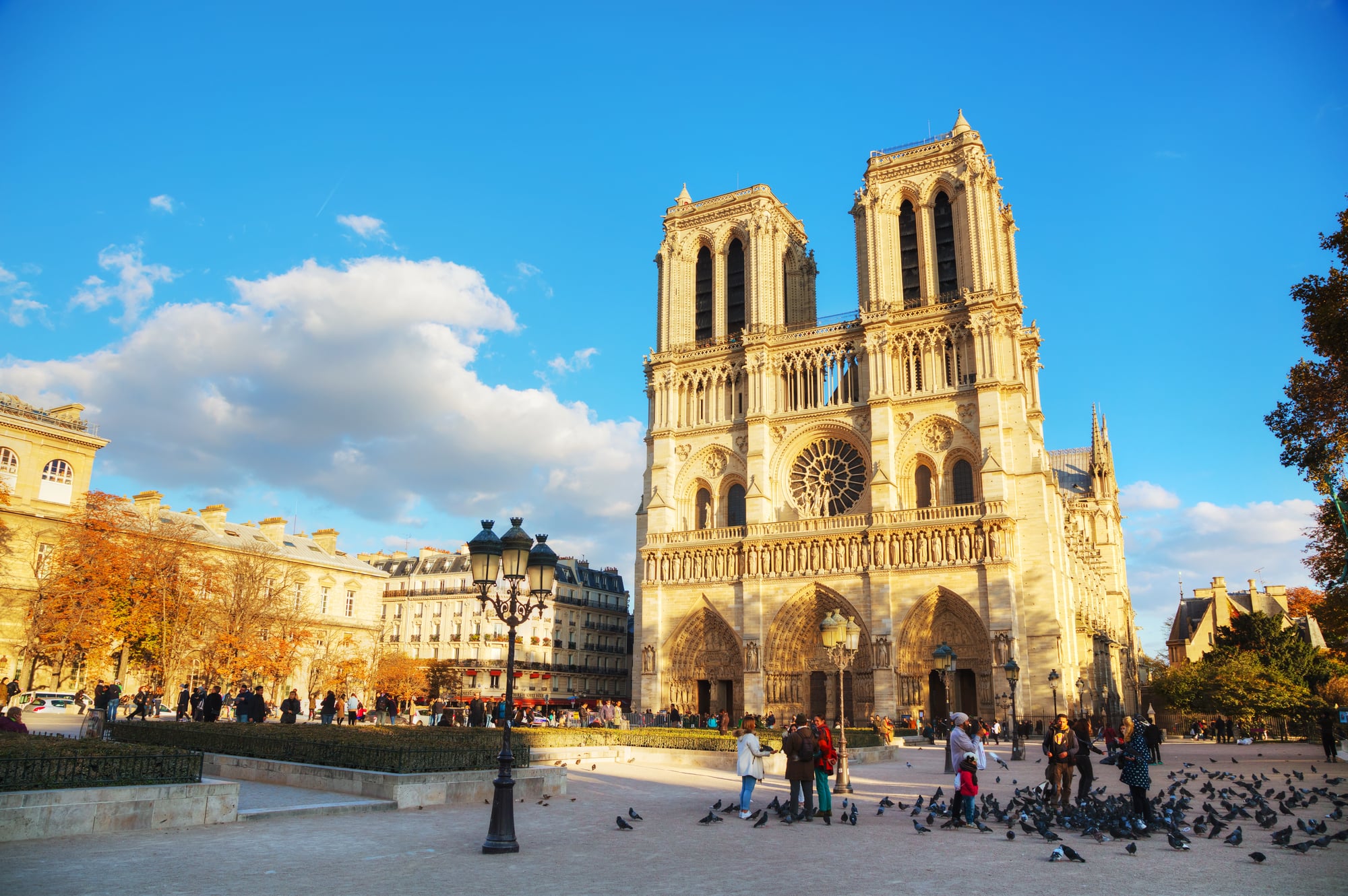
A five-pointed star enclosed in a circle is carved into the floor of the south transept.
It remains geometrically precise despite centuries of wear.
The Infinity Symbol at the Golden Gate Bridge
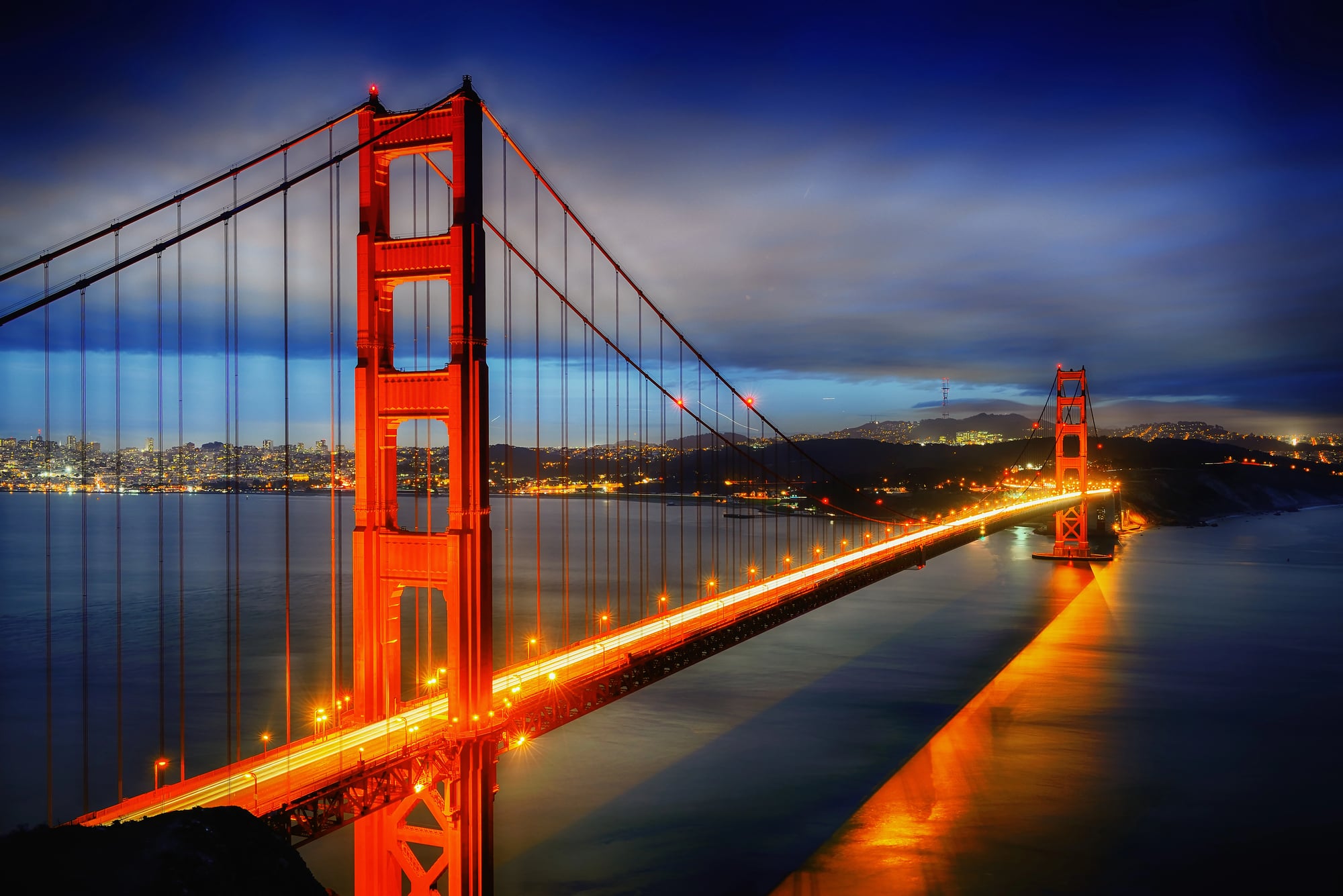
An infinity symbol is carved into the concrete at the base of the south tower, visible only to maintenance workers.
No records explain its origin, though it appears to have been created during construction.
Mysteries Worth Preserving
These symbols exist between official history and private expression. They transform public monuments into layered puzzles with no confirmed authors.
Each one suggests someone felt compelled to leave a mark on structures meant to outlast memory. Whether meaningful or accidental, they remain unexplained—and that uncertainty is what keeps them alive.
More from Go2Tutors!

- The Romanov Crown Jewels and Their Tragic Fate
- 13 Historical Mysteries That Science Still Can’t Solve
- Famous Hoaxes That Fooled the World for Years
- 15 Child Stars with Tragic Adult Lives
- 16 Famous Jewelry Pieces in History
Like Go2Tutors’s content? Follow us on MSN.