Products Redesigned After Customer Backlash
Companies spend months or years developing new products, refining designs, and planning launches. Then customers actually see what they made, and sometimes the reaction is immediate and brutal.
Social media amplifies the complaints, sales drop, and suddenly executives are scrambling to fix what they thought was an improvement. The interesting part is watching companies decide whether to push forward or retreat.
Some dig in and defend their choices. Others reverse course so quickly you wonder if anyone actually tested the product with real users before launch.
The backlash stories reveal how disconnected companies can become from the people who actually buy their stuff.
New Coke

Coca-Cola reformulated its flagship product in 1985 after years of losing market share to Pepsi. The company did extensive taste tests that showed people preferred the sweeter formula.
They launched with confidence, expecting customers to embrace the change. The backlash was immediate and fierce.
People didn’t just dislike New Coke—they felt betrayed. The company received over 400,000 calls and letters.
Some customers hoarded old Coke before it disappeared from shelves. The anger went beyond taste preferences into something emotional about tradition and identity.
Coca-Cola brought back the original formula after just 79 days, rebranding it as Coca-Cola Classic. The whole episode became a case study in how people relate to products that feel like part of their personal history.
You can’t just change something people grew up with and expect them to accept it because your taste tests said so.
Gap Logo
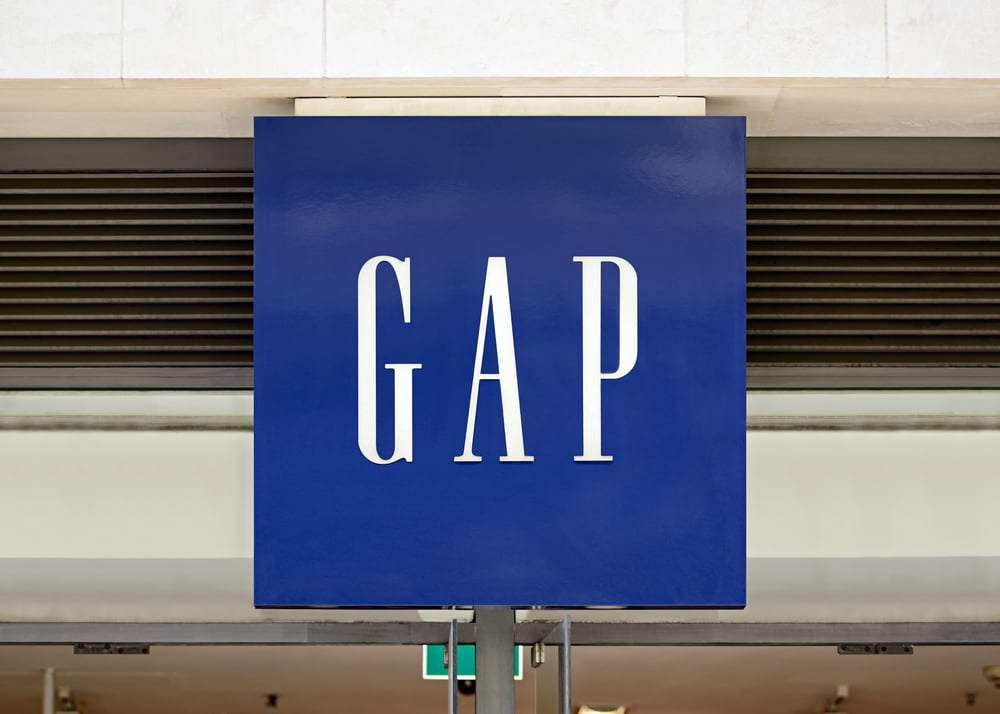
Gap unveiled a new logo in 2010, replacing the iconic blue box design with a bland Helvetica font and a small blue square. The company spent significant money developing the new look and rolled it out without warning customers or building any anticipation.
Twitter and Facebook exploded with criticism. Designers mocked it.
Customers hated it. The backlash was so intense that Gap reversed the decision within a week.
The new logo appeared on Monday and was gone by the following Sunday. The speed of the reversal showed how social media changed corporate decision-making.
In earlier eras, companies might have stuck with unpopular designs longer, waiting to see if people adjusted. Now negative reactions spread so fast that damage control requires immediate action.
Tropicana Packaging
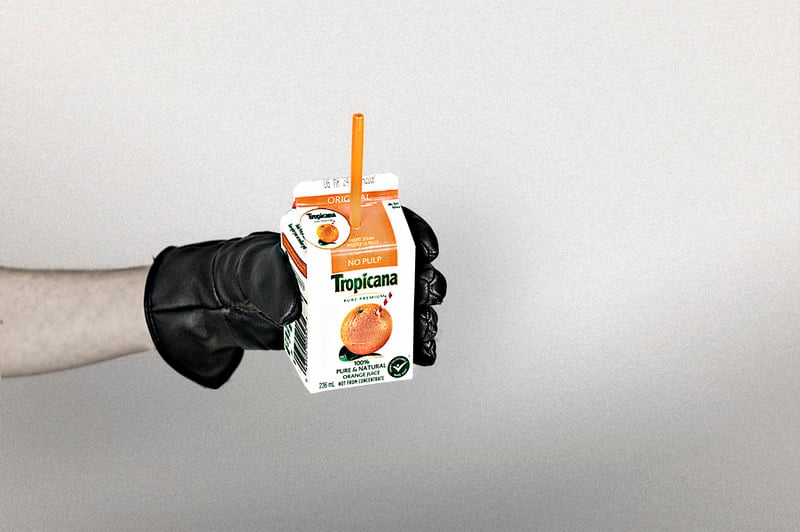
Tropicana redesigned its orange juice cartons in 2009, replacing the familiar image of an orange with a straw sticking out of it with a minimalist design that looked like a generic store brand. The company wanted a more modern, sophisticated look.
Sales dropped 20 percent in the first month. Customers couldn’t find the product on store shelves because the packaging no longer stood out.
People complained that it looked cheap and confusing. The redesign cost around $35 million to develop and launch.
Tropicana reverted to the old packaging after just two months. The company learned that sometimes familiar beats are sophisticated, especially when customers shop quickly in crowded grocery aisles and rely on visual cues they’ve memorized over years.
Snapchat Redesign
Snapchat released a major redesign in 2017 that separated social content from publisher content. The company thought users wanted clearer organization and easier navigation.
The new layout mixed messages and stories in ways that confused longtime users. More than 1.2 million people signed a petition demanding Snapchat reverse the changes.
Celebrities complained publicly. User engagement metrics dropped. The company had tested the redesign, but the negative reaction after wide release caught executives off guard.
Snapchat partially rolled back some changes but kept the core redesign, which cost the company users and momentum just as Instagram Stories was gaining traction. The hesitancy to fully reverse course showed how hard it is for companies to admit they made a fundamental mistake.
Instagram Feed Algorithm

Instagram switched from chronological posts to an algorithmic feed in 2016. The company wanted to show users content they were most likely to engage with, even if it wasn’t recent.
The change made business sense for Instagram but frustrated users who wanted to see posts in the order they appeared. Complaints persisted for years.
Users shared tips for tricking the algorithm. Influencers complained their reach dropped. The backlash was constant but not concentrated enough to force an immediate reversal.
Instagram made tweaks but stuck with the algorithmic approach. In 2022, after six years of complaints, Instagram finally added the option to switch back to chronological order.
The company didn’t admit the algorithm was wrong—they just gave users a choice. Sometimes partial retreats take years instead of days.
Microsoft Windows 8

Microsoft removed the Start menu from Windows 8 in 2012, replacing it with a tile-based interface designed for touchscreens. The company wanted one operating system that worked across PCs, tablets, and phones.
Desktop users immediately hated it. The interface confused people who had used Windows for decades.
Simple tasks required learning new gestures and navigation patterns. Business customers, who make up a huge portion of Windows users, resisted upgrading.
The backlash wasn’t just emotional—it hit sales. Microsoft brought back the Start menu in Windows 10.
The company framed it as listening to customers, but really they had no choice. You can’t alienate your core user base in pursuit of a unified design philosophy that most people didn’t want.
Yahoo Mail Redesign
— Photo by lucianmilasan
Yahoo overhauled its email service in 2013, forcing users to switch to a new interface that removed features people relied on. The company wanted to modernize and compete with Gmail, but the execution felt rushed and incomplete.
Users complained about missing features, confusing layouts, and bugs. Yahoo’s own employees criticized the redesign internally.
The company received so many complaints that they eventually restored some classic features, but the damage to user trust was done. The redesign accelerated Yahoo Mail’s decline.
When you force changes that make things harder for loyal users, they don’t stick around to see if you fix it later. They just switch to a competitor that doesn’t make them relearn basic tasks.
Cadbury Dairy Milk Recipe
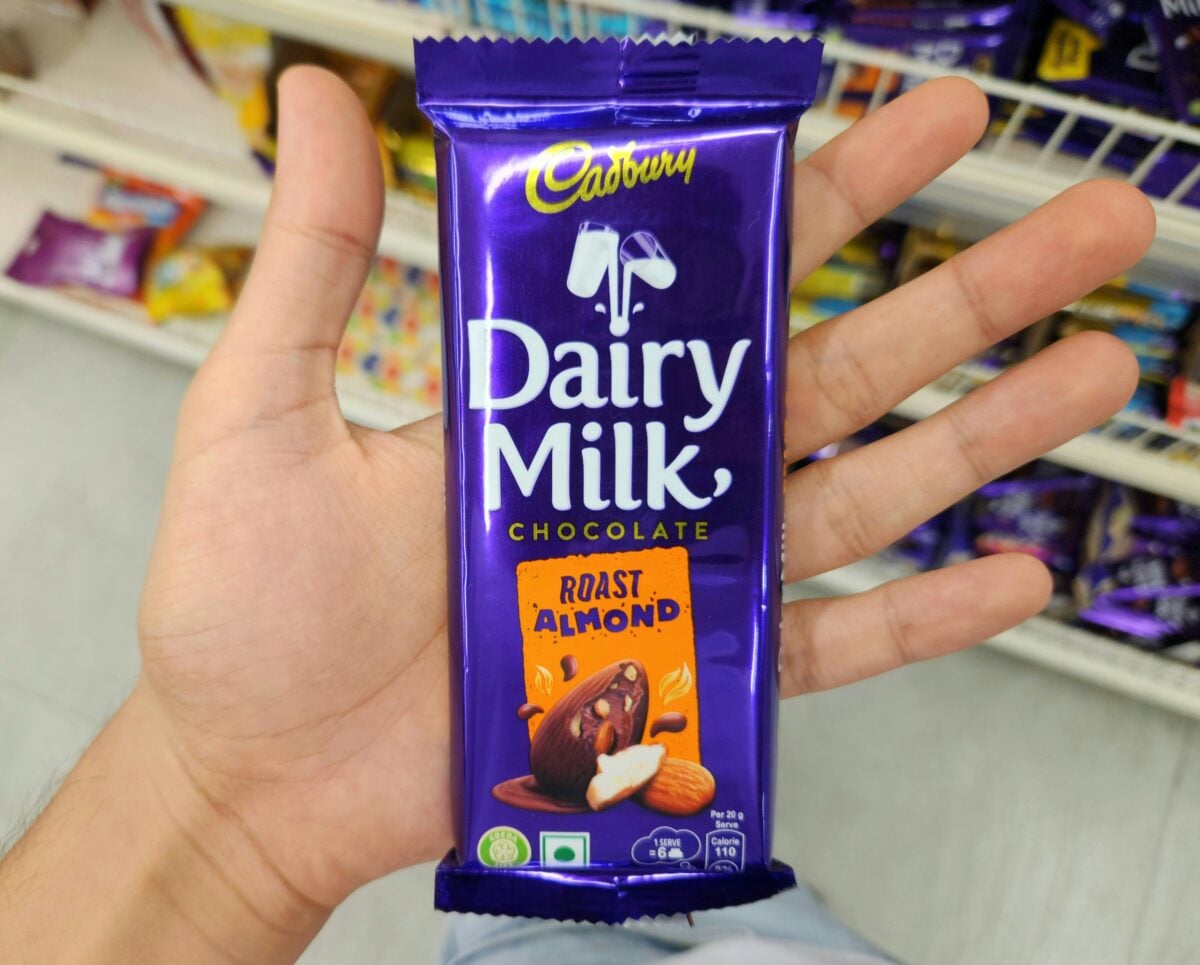
Cadbury changed the recipe for Dairy Milk chocolate in the UK in 2008, reducing milk content and altering the production process. The company insisted the taste remained the same.
British customers disagreed loudly. The backlash was intense and sustained. People compared old bars hoarded before the change with new ones.
Petitions circulated. The media covered the controversy for months.
Cadbury held firm initially, but eventually made adjustments to address some concerns. Food companies face unique challenges with reformulations because taste is subjective and nostalgia is powerful.
Tell people their favorite chocolate changed, and they’ll taste the difference whether it’s real or imagined. The perception becomes the reality.
Skype Design Updates
Microsoft redesigned Skype multiple times between 2017 and 2020, each time making it more colorful and feature-heavy. Users wanted reliable video calls and simple messaging.
Instead, they got reactions, highlights, and interface changes that made basic functions harder to find. The backlash was consistent.
People complained with each update. Business users threatened to switch to competitors.
Microsoft kept tweaking the design but never fully reverted to the simpler interface people preferred. Sometimes companies listen to focus groups instead of actual usage patterns.
Skype’s designers probably thought they were making the app more engaging and social. Users thought they were ruining a tool that worked fine before.
J.Crew Pricing Strategy
— Photo by vzphoto
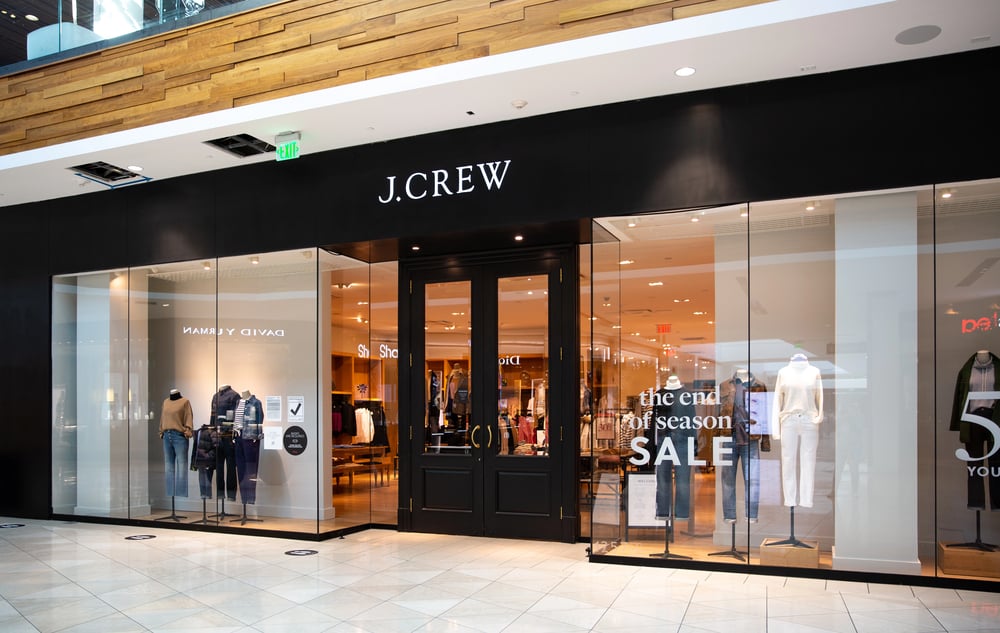
J.Crew shifted its pricing strategy in the early 2010s, raising initial prices while running constant sales. The quality also declined as the company cut costs.
Loyal customers noticed both changes and felt the brand was no longer worth the money. Sales dropped.
The company’s reputation suffered. J.Crew had built its brand on classic, well-made clothing at reasonable prices. When they abandoned that positioning, customers abandoned them.
The backlash wasn’t about a single product—it was about breaking an implicit promise. The company tried to course-correct multiple times, but rebuilding trust is harder than maintaining it.
Once customers feel tricked by artificial sales and declining quality, they become skeptical of everything the brand does.
Netflix Qwikster
Netflix announced in 2011 that it would split its DVD rental and streaming services into separate subscriptions with different websites. The DVD service would rebrand as Qwikster.
The company thought customers would appreciate clearer separation between the two services. Customers revolted.
They didn’t want to manage two accounts, two websites, and two billing systems. Netflix lost 800,000 subscribers in one quarter.
The stock price dropped. The company killed Qwikster before it even launched, just weeks after the announcement.
The speed of the reversal suggested Netflix hadn’t actually tested the concept with customers before announcing it. Sometimes companies make decisions based on internal logic that makes no sense to the people who actually use the service.
Sprite Recipe

Sprite changed its recipe in some markets to reduce sugar content in response to health concerns and sugar taxes. The company didn’t announce the change prominently.
Customers noticed the taste difference and complained on social media. The backlash varied by market, but in places where people grew up with the original formula, complaints were loud.
Sprite had to balance health concerns, regulatory pressures, and customer preferences. There was no perfect solution.
The company made further adjustments in some regions while keeping the modified formula in others. Recipe changes for established products almost always generate complaints, even when the health benefits are clear.
People want what they remember, not what might be better for them.
Xbox One DRM Policies
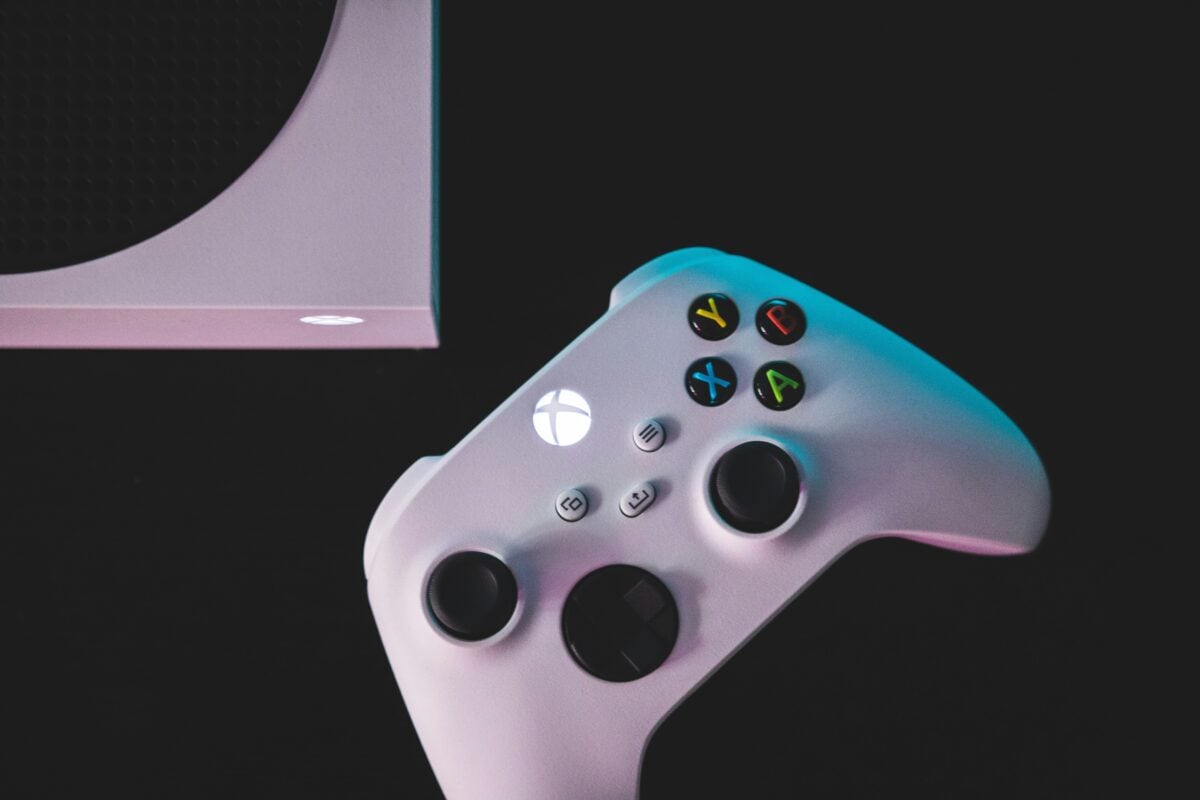
Microsoft revealed the Xbox One back in 2013, slapping tight rules on how users could access games. It needed an online connection once per day or it’d stop working. Sharing discs with friends became a hassle – same went for selling them later.
The team believed these steps blocked cheating while opening doors to fresh tools. Gamers pushed back hard.
Right away, anger spread fast. Sony’s PS4 reveal focused on fixes for what Xbox fans
complained about. Instead of excitement, Microsoft saw weak reservation numbers.
The company changed its mind before the console hit stores, dropping the unpopular DRM rules. Since this shift happened near the end, it probably messed up some tech stuff.
Turns out, players value control and freedom way more than any upside those limits offered.
When Listening Means Retreating

Product folks hope their tweaks will click with users down the line. Sure, it happens – users adapt, then can’t imagine going back.
Yet often, pushback reveals a gap between what buyers truly care about and what creators assume matters most. Companies that changed fast often ended up stronger than ones stuck in their ways.
Owning a mistake might sting, yet charging ahead when folks resist? That backfires harder. What sells isn’t picked by meetings behind closed doors – it’s chosen out there, where real users act.
Angry customers burn cash, sure – but pretending nothing’s wrong burns way more.
More from Go2Tutors!

- The Romanov Crown Jewels and Their Tragic Fate
- 13 Historical Mysteries That Science Still Can’t Solve
- Famous Hoaxes That Fooled the World for Years
- 15 Child Stars with Tragic Adult Lives
- 16 Famous Jewelry Pieces in History
Like Go2Tutors’s content? Follow us on MSN.



