Largest Shopping Malls Ranked by Total Floor Space
Confidence shaped shopping malls right from the start. These spaces always leaned toward boldness, never silence or simplicity.
With rising economies came bolder visions – retail spots turned into bustling hubs full of motion and noise. Entertainment crept in.
Culture followed close behind. Public energy filled indoor streets once meant only for buying things.
Developers dreamed bigger than stores; they pictured self-contained worlds where people lived parts of their lives beyond commerce.
What you can walk through tells the real story. Not just stores – hallways, open spots, things to look at, places built so people stay long without noticing.
When measured by how much ground they cover, the biggest malls show shopping slowly turning into something like public buildings meant for more than buying.
Peeking into the biggest shopping centers on Earth reveals how much room they take up. Their size tells stories about the times when people built such huge spaces.
Iran Mall
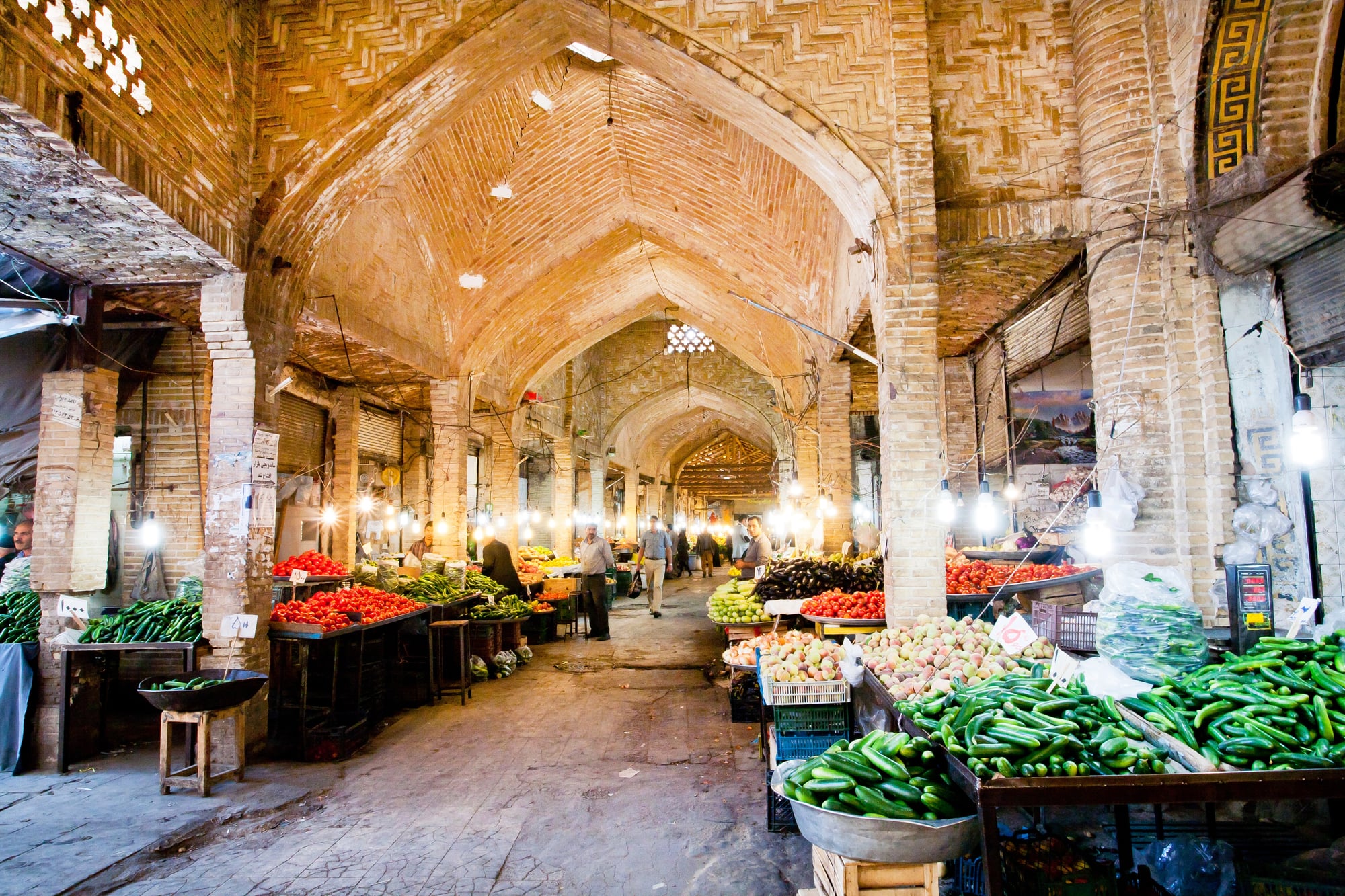
Iran Mall is widely recognised as the largest shopping mall in the world by total floor space, covering an estimated 21 million square feet. At this scale, the word ‘mall’ feels almost inadequate, as the complex operates more like a multi-purpose district than a retail destination.
Beyond shops, the development includes exhibition halls, hotels, libraries, sports facilities, and cultural centres intended to host major national and international events. Many sections were designed with long-term institutional use in mind rather than daily retail turnover.
That said, not every area operates at full capacity year-round. Iran Mall reflects a vision where size itself carries symbolic weight, projecting permanence and ambition as much as commercial intent.
South China Mall
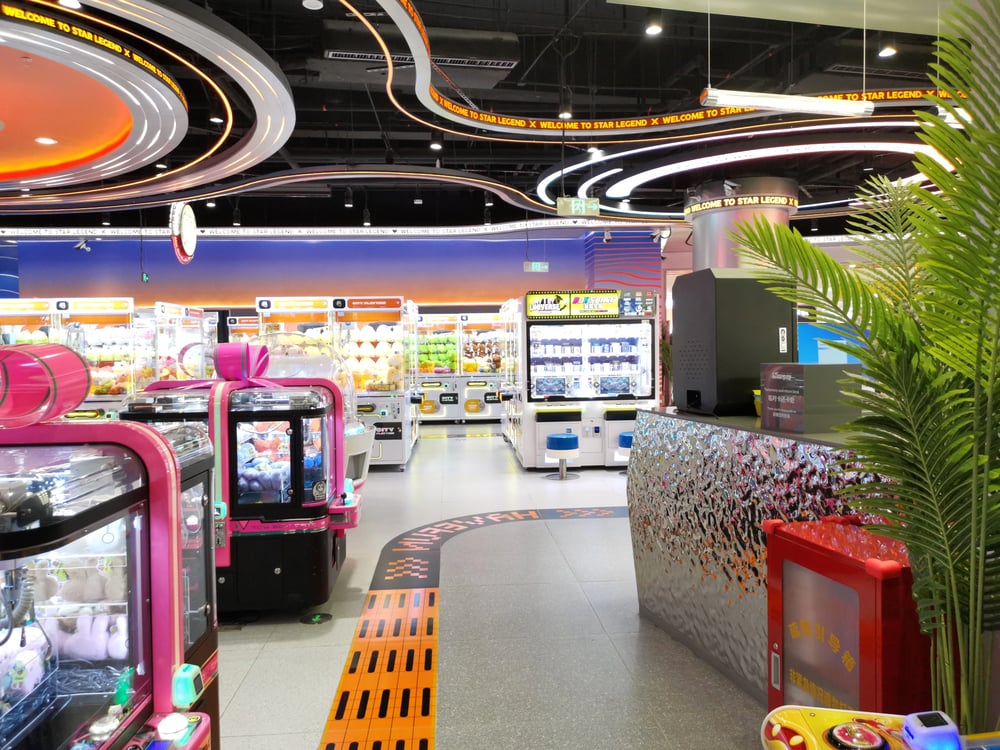
South China Mall spans roughly 7.1 million square feet and has become one of the most discussed mega-malls in the world. Its notoriety stems not only from its size, but from the long gap between aspiration and sustained activity.
Built during a period of rapid development, the mall was envisioned as an international destination with themed zones inspired by global cities. Early years saw widespread vacancy as consumer demand lagged behind supply.
Over time, parts of the mall have been repurposed toward dining, leisure, and entertainment uses. Its story highlights how extreme scale magnifies both confidence and miscalculation, depending on timing and economic context.
SM Mall of Asia
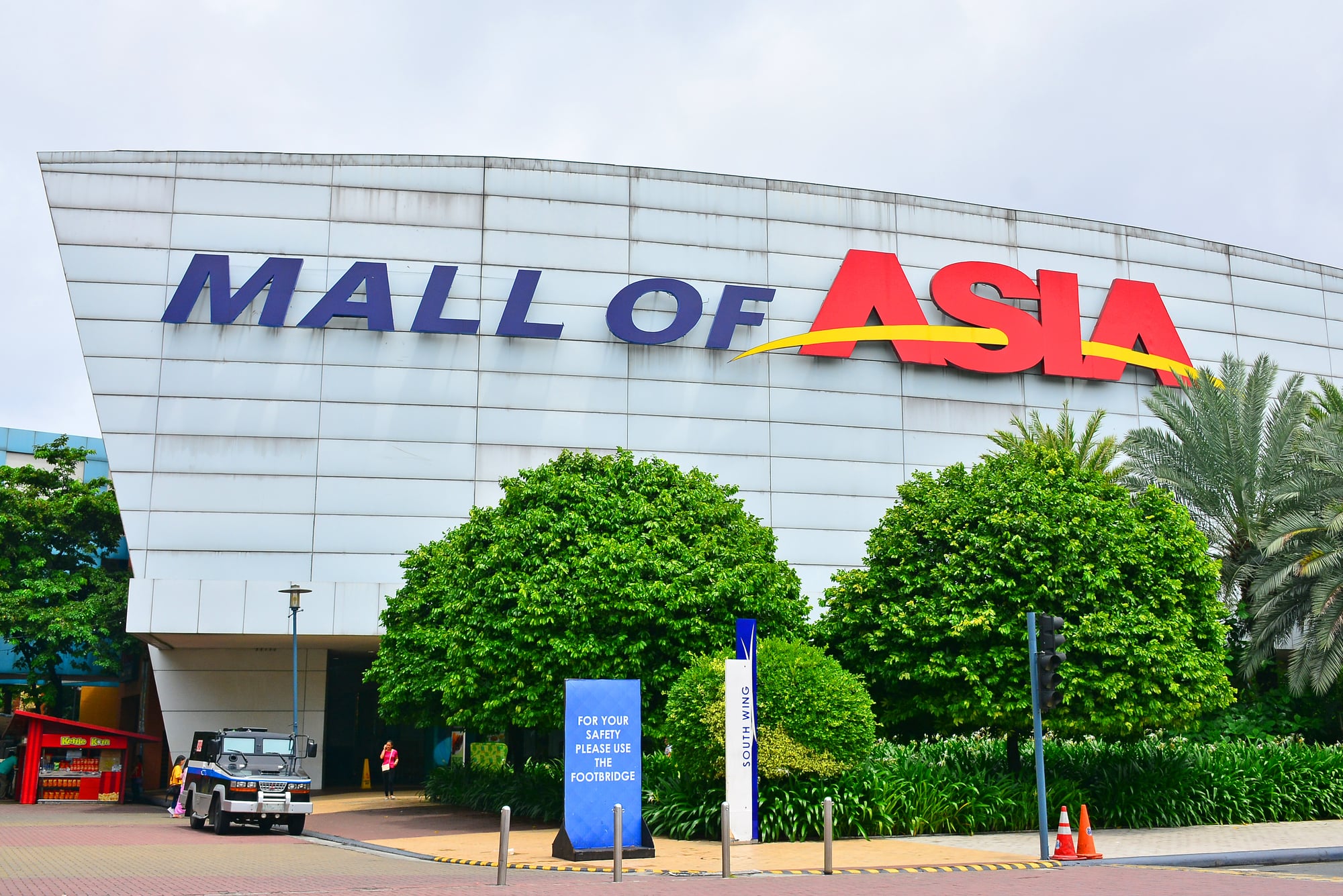
SM Mall of Asia covers approximately 6.3 million square feet and stands as one of Southeast Asia’s most consistently active mega-malls. Unlike many projects of similar size, its vastness is matched by steady foot traffic.
The mall blends indoor retail with expansive outdoor promenades along Manila Bay, allowing visitors to move between spaces without feeling confined. Entertainment venues, dining districts, and regular public events play a central role in sustaining engagement.
Still, managing such scale requires careful design. Clear sightlines, zoning, and transport access ensure the experience feels deliberate rather than overwhelming.
Golden Resources Mall

Golden Resources Mall encompasses about 6 million square feet and once held the title of the world’s largest shopping mall. When it opened, its scale far exceeded the immediate needs of the surrounding area.
Early challenges stemmed from its luxury focus and relatively low local population density at the time. As residential development expanded and transport links improved, the mall gradually stabilised.
Even so, its evolution illustrates how mega-malls often rely on broader urban growth to justify their footprint. Size, in this case, functioned as a long-term wager rather than an instant advantage.
CentralWorld
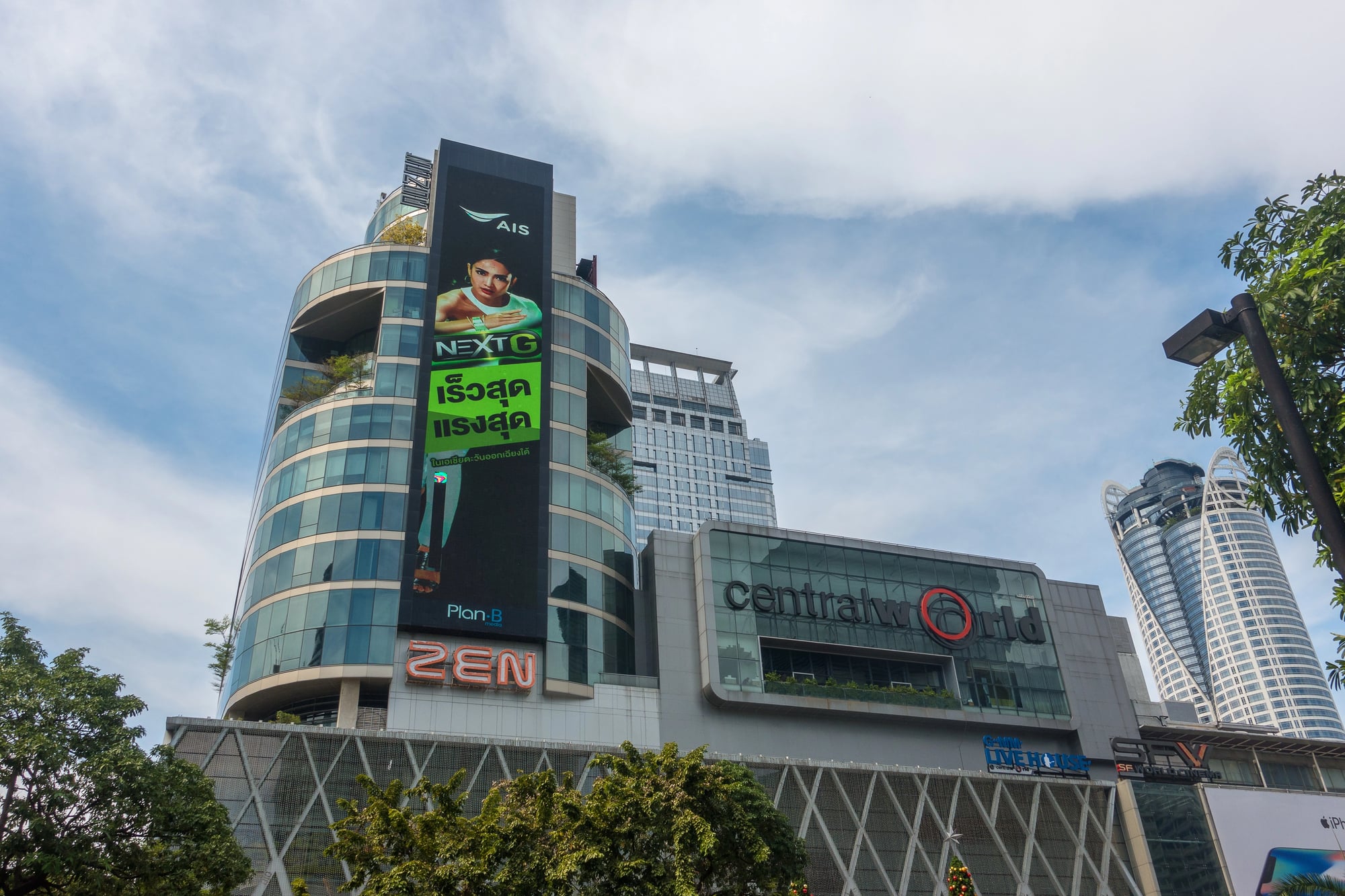
CentralWorld offers roughly 5.9 million square feet of total floor space and functions as one of Bangkok’s most important public destinations. Its scale is closely tied to its central location and integration into daily city life.
Retail shares space with offices, hotels, and expansive event areas that host concerts, exhibitions, and seasonal celebrations. The design breaks the complex into recognisable zones, preventing disorientation despite its size.
CentralWorld demonstrates how careful planning can make even enormous floor space feel accessible, familiar, and socially embedded.
SM Tianjin Mall
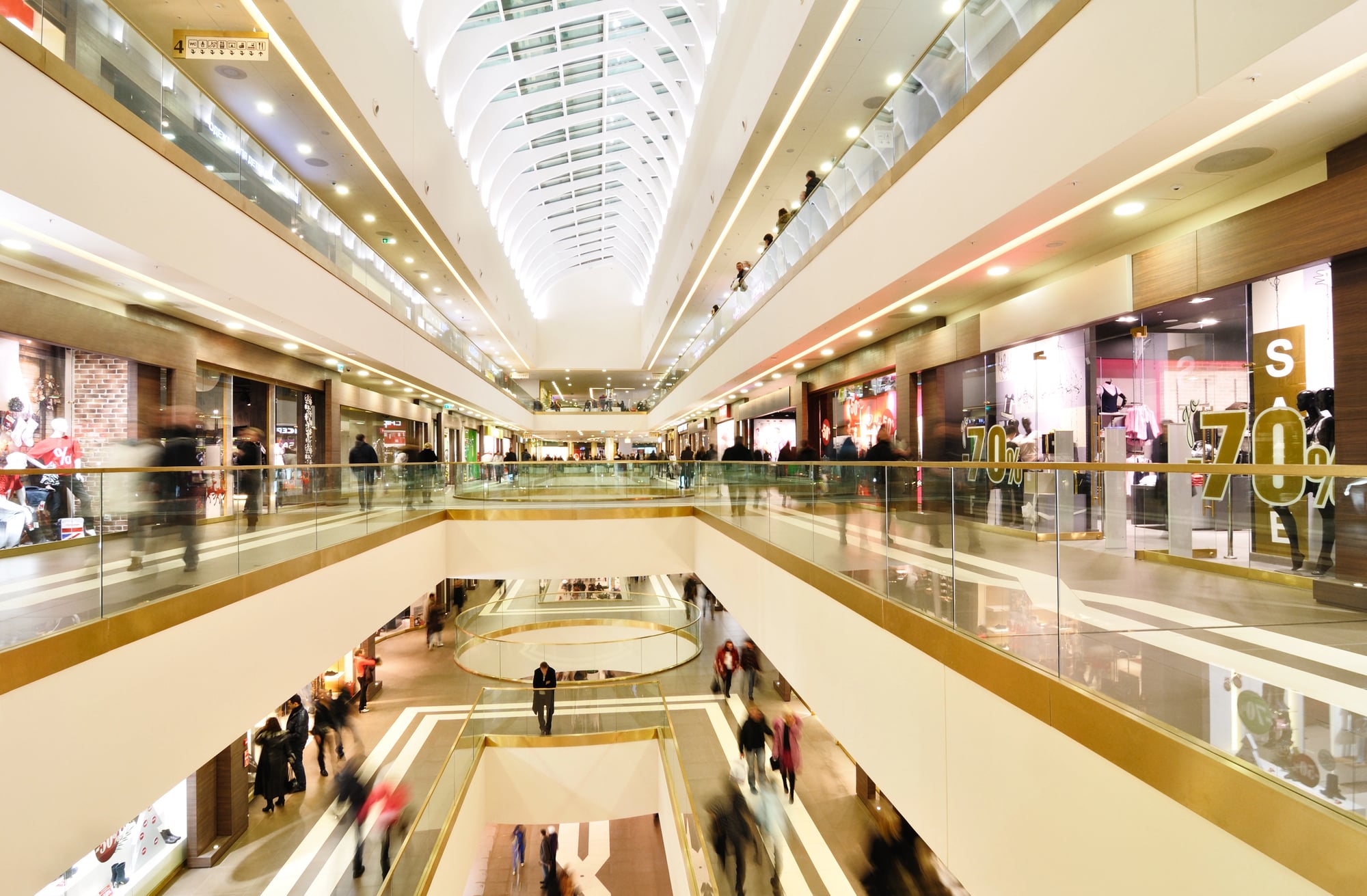
SM Tianjin Mall spans approximately 5.8 million square feet and reflects a period of ambitious retail expansion. Designed as a regional anchor, it emphasised wide concourses, open layouts, and large-format tenants.
Aligning that scale with consistent demand proved challenging. Over time, portions of the complex were adapted for exhibitions, events, and community-oriented uses.
Still, its flexibility has become an asset. The mall shows how extreme size often forces reinvention, especially as shopping habits evolve and pure retail becomes less dominant.
ICONSIAM
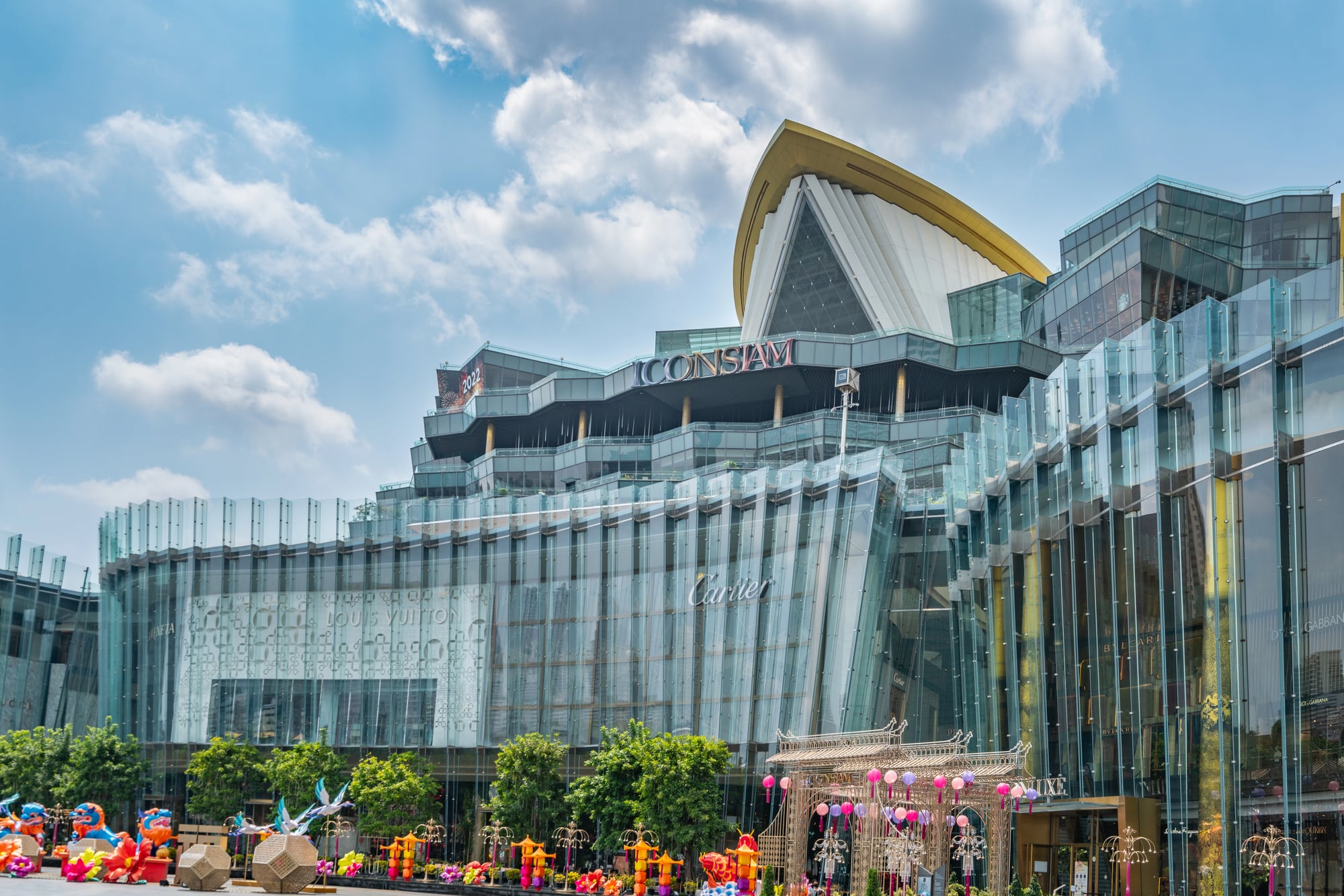
ICONSIAM spans around 5.6 million square feet and represents a newer generation of mega-malls focused on experience over volume. From its opening, it positioned itself as a cultural and social landmark rather than a traditional retail hub.
Large sections are dedicated to exhibitions, food halls, and rotating attractions that change throughout the year. Its riverfront setting allows the interior space to flow outward, creating a layered experience.
That said, its scale still signals confidence that experiential retail can sustain massive floor space when paired with constant reinvention.
West Edmonton Mall
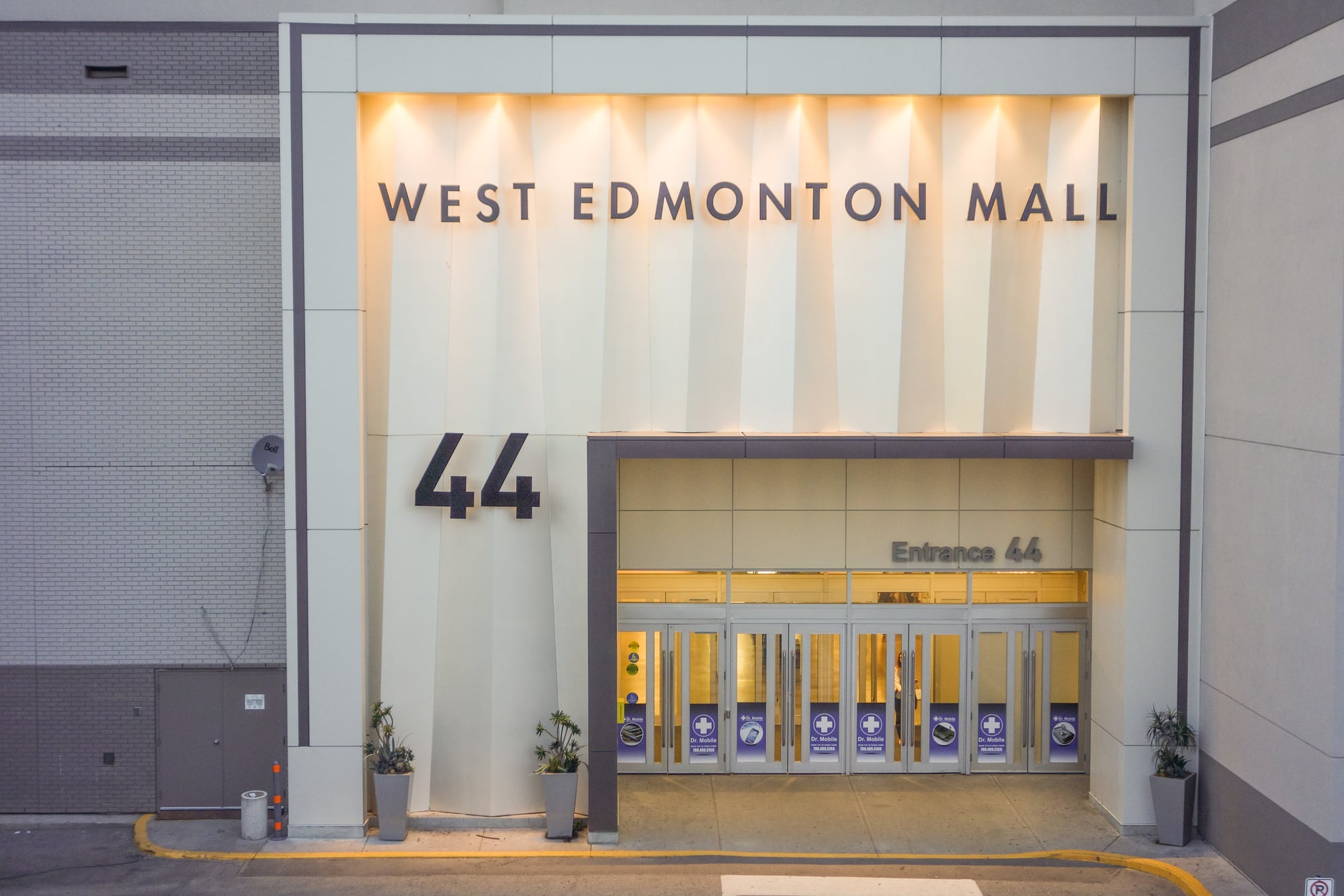
West Edmonton Mall covers roughly 5.3 million square feet and remains one of North America’s most enduring mega-malls. For decades, it has functioned as a destination rather than a convenience-based shopping centre.
Indoor attractions, entertainment zones, and hotels ensure year-round relevance in a climate where indoor space matters. The mall’s longevity comes from diversification rather than expansion, with floor space continually rebalanced between retail and leisure.
Maintaining such a vast complex requires ongoing reinvestment, highlighting how size creates long-term obligations as well as prestige.
SM City North EDSA
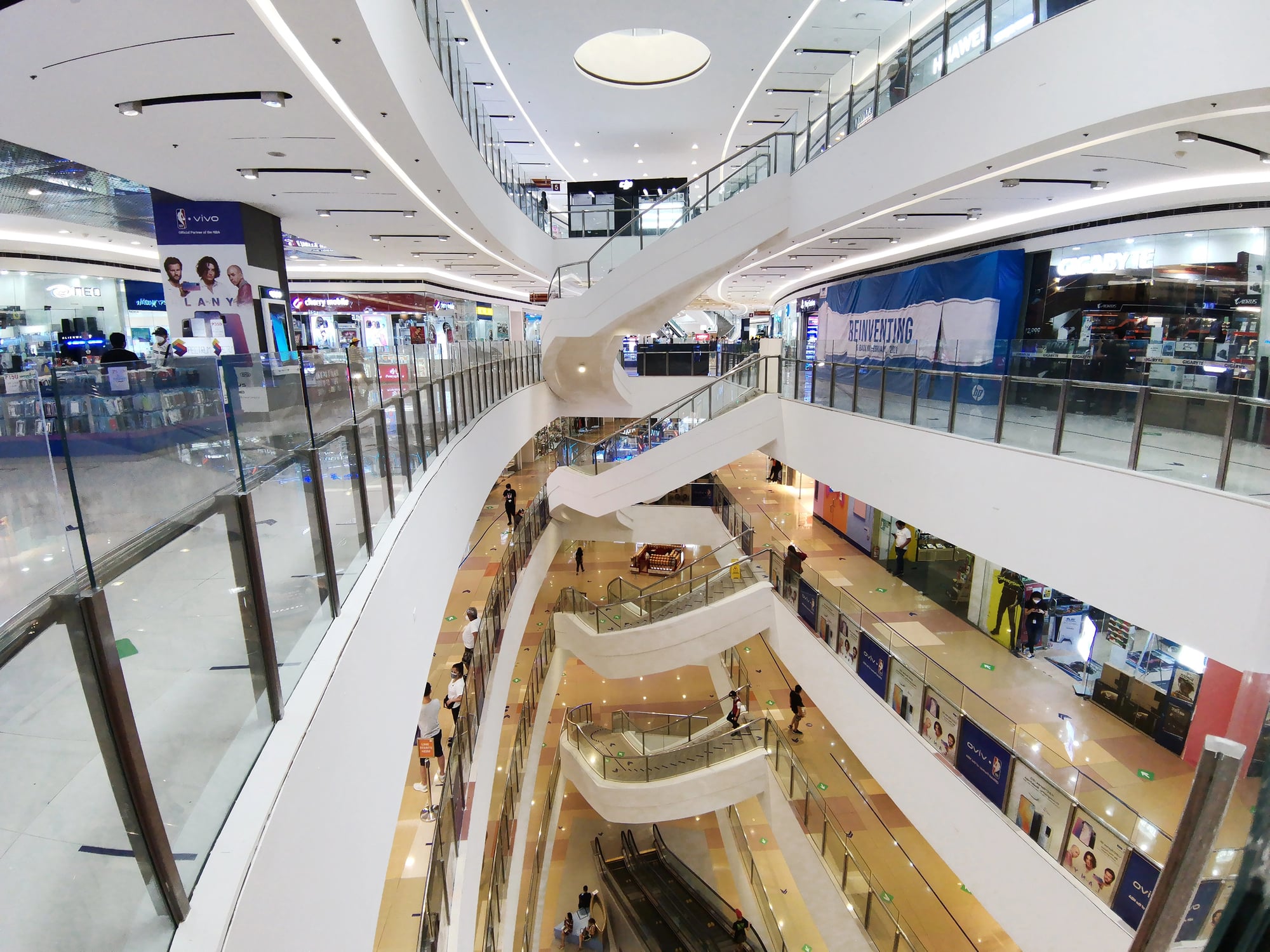
SM City North EDSA spans over 5 million square feet and ranks among the largest malls in Asia by total floor space. Unlike many mega-projects, its growth happened gradually through multiple expansion phases.
The result is a sprawling but highly active complex that mirrors decades of adaptation. Open-air areas, strong public transport links, and mixed-use components help sustain heavy daily traffic.
Its size tells a story of expansion that followed demand rather than speculation alone, making it one of the more resilient examples of large-scale retail development.
Mall of America
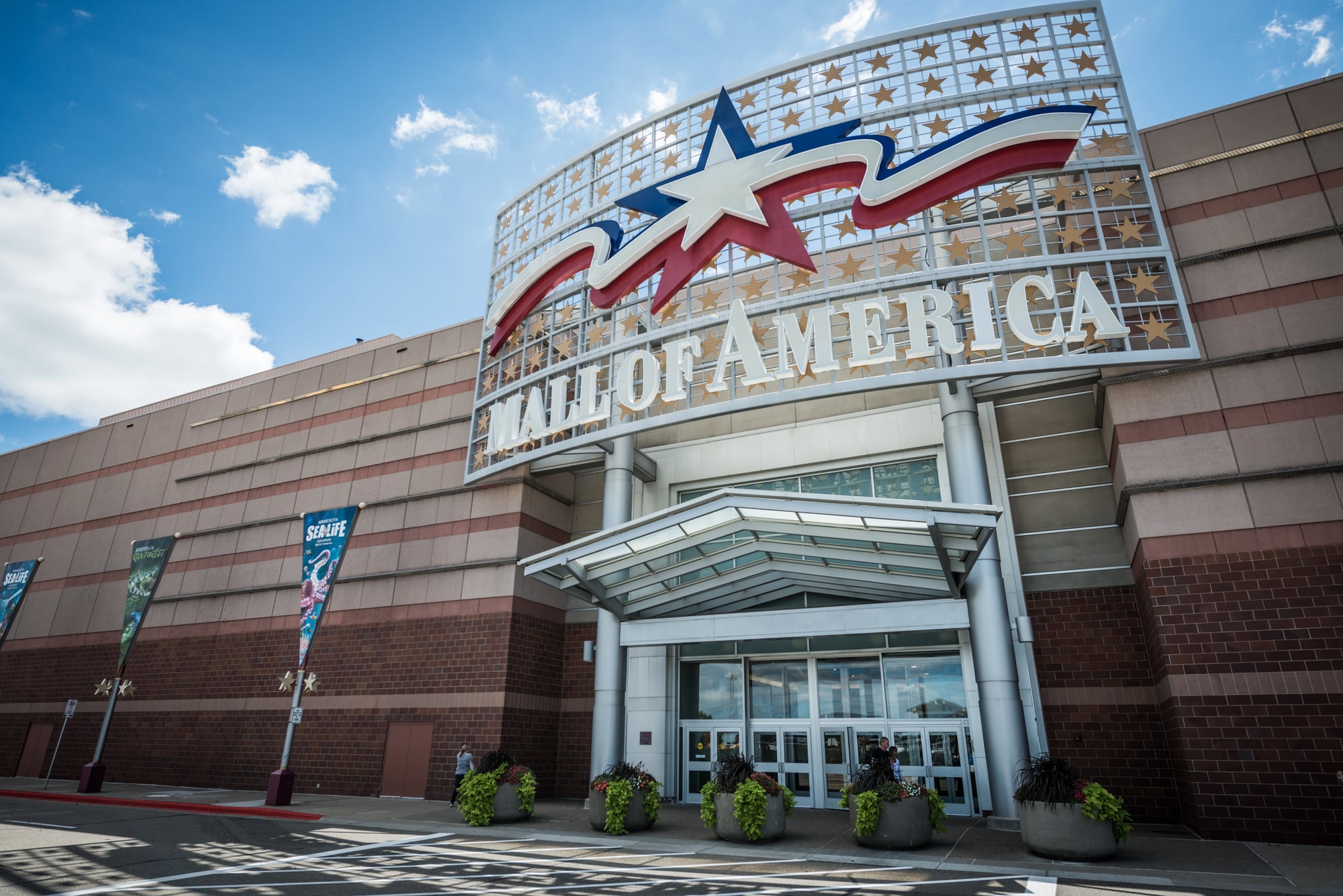
Mall of America encompasses roughly 5.6 million square feet of total floor space and remains the largest mall in the United States by this measure. From its inception, it was designed as an entertainment-first destination.
An indoor amusement park, attractions, and event spaces occupy large portions of the complex. Retail plays a supporting role rather than the central one.
Still, the mall’s scale has allowed it to evolve with changing consumer habits. Its continued relevance shows how massive floor space can succeed when it prioritises experience over transaction.
Why Size Still Shapes Retail
Standing tall, the biggest malls on Earth show faith in size as an answer. Built when money flowed freely, filling up square footage seemed to guard against rivals, against doubt.
Expanses grew while optimism did too.
Now things feel different. Shopping on the internet, shifts in daily routines, still cities growing tighter – all push big shopping centers to question what they fill their rooms with.
Size alone won’t prove strength anymore. Space becomes something heavier to carry, calling for smart moves, fresh thinking, even knowing when to hold back.
They survive not by spreading out, yet by discovering reasons to exist inside all that spread.
More from Go2Tutors!

- The Romanov Crown Jewels and Their Tragic Fate
- 13 Historical Mysteries That Science Still Can’t Solve
- Famous Hoaxes That Fooled the World for Years
- 15 Child Stars with Tragic Adult Lives
- 16 Famous Jewelry Pieces in History
Like Go2Tutors’s content? Follow us on MSN.