Rare Traditions From Mountain Villages Worldwide
Mountain communities develop their own rules. Isolated by geography, they create customs that seem strange to outsiders but make perfect sense when you understand the environment. These traditions evolved over centuries to solve problems, mark important moments, or simply bring people together when the nearest neighbors live miles away.
Many of these practices are disappearing. Young people move to cities, modern roads connect remote villages, and television brings outside influences.
But some communities maintain their unique ways, preserving customs that exist nowhere else on Earth.
Bhutanese Villages Celebrate with Archery Tournaments

Archery in Bhutan functions as both a sport and a social glue. Villages host tournaments that last for days, with entire communities gathering to watch.
The archers don’t just shoot—they perform elaborate dances between rounds, heckle opponents with traditional songs, and drink rice wine throughout the competition. The targets sit 145 meters away, farther than Olympic archery distances.
Hitting the small wooden target from that range requires exceptional skill, but accuracy matters less than participation. The real point is bringing the community together, settling disputes through friendly competition, and maintaining connections between villages.
Winners receive ceremonial scarves rather than trophies. The competitions blend sport, ritual, and festival into something that serves multiple social functions simultaneously.
Modern compound bows have appeared in recent years, but traditional bamboo bows remain more respected.
Swiss Mountain Villages Burn Winter Effigies
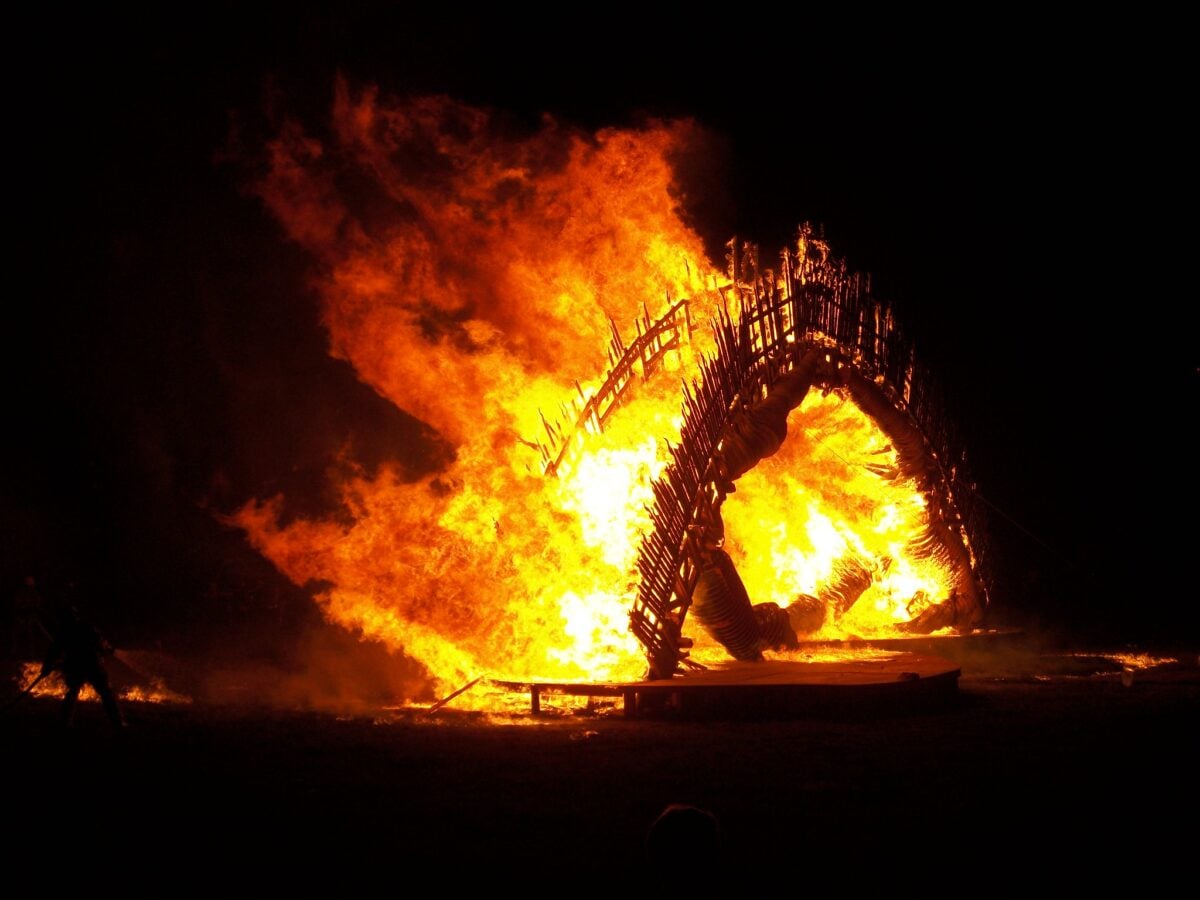
Each spring, villages throughout the Swiss Alps build enormous effigies stuffed with fireworks, hoist them onto mountains, and set them ablaze. The burning figures represent winter, and watching them explode supposedly speeds the arrival of warm weather.
The tradition predates Christianity, emerging from pagan rituals about seasonal change. The effigies grow more elaborate each year as villages compete to build the most impressive display. Some stand 30 feet tall, requiring cranes to position them.
The explosions can be heard for miles, and the fires burn late into the night. Villagers gather around bonfires, drink mulled wine, and share food while watching winter burn.
The ritual provides a clear marker between seasons in places where winter can extend well into April. The psychological benefit of declaring winter finished matters as much as any actual temperature change.
Quechua Communities Weave Messages Into Textiles

In mountain villages throughout Peru and Bolivia, Quechua weavers create textiles that function as written records. Specific patterns encode information about family lineage, land ownership, and community agreements.
The weavings serve as legal documents that villagers consult to settle disputes. Learning to read the patterns takes years.
Elders teach young girls the symbolic language, passing down both weaving techniques and the ability to interpret complex visual codes. A single textile might contain multiple layers of meaning visible only to trained readers.
The tradition faces pressure from modern record-keeping systems. Government agencies want written contracts and official deeds.
But in villages where literacy in Spanish remains limited and trust in outside authorities runs low, woven records still carry more weight than paper documents.
Tibetan Villages Conduct Sky Burials

Tibetan Buddhist communities in high mountain regions practice sky burial—placing bodies on mountaintops for vultures to consume. The practice stems from both religious beliefs about the temporary nature of physical bodies and practical concerns about the frozen ground making conventional burial impossible.
Families hire rogyapas—specialists who prepare the body by dismembering it and crushing the bones. The work requires both physical strength and spiritual fortitude.
Vultures arrive quickly once the preparation finishes, and the body disappears within hours. The tradition connects to Buddhist concepts about impermanence and the importance of giving one’s body to feed other living beings.
Outsiders often react with horror, but for communities practicing sky burial, it represents the most respectful and practical way to handle death in an environment where digging graves isn’t feasible.
Alpine Herders Move Livestock Seasonally with Ceremony

Transhumance—moving livestock between mountain and valley pastures with the seasons—continues in parts of the Alps with elaborate ceremonies. Herders decorate cows with flowers, paint their horns, and attach enormous bells before parading them through villages.
The processions mark both the practical movement of animals and the rhythm of the agricultural year. The lead cow wears the largest bell, sometimes weighing 20 pounds.
The combined sound of hundreds of bells creates a din that announces the herd’s approach from miles away. Villages turn out to watch, and the herders receive food and drink at designated stops along the route.
The tradition serves multiple purposes—it moves livestock to better grazing, maintains ancient right-of-way paths, and reinforces community identity. Modern roads and trucks could transport the animals more efficiently, but villages maintain the walking tradition because it connects them to their history.
Japanese Mountain Villages Practice Collective Forest Management

Villages in Japan’s mountain regions maintain iriai—common forests managed collectively by all households. Strict rules govern what can be harvested, when, and by whom.
Violating these rules brings social sanctions more powerful than any legal penalty. Families receive access to specific trees for firewood or construction, but the community decides together on major forestry decisions.
The system has sustained forests for centuries without depleting resources. Scientific studies show that these collectively managed forests are healthier than both government-managed forests and private holdings.
The practice requires trust and social cohesion that many modern communities lack. Everyone must believe that others will follow the rules and that they’ll be caught if they don’t.
The system works only in small villages where social pressure remains strong and everyone knows everyone else.
Caucasus Mountain Dwellers Maintain Guest Towers

Villages in the Caucasus Mountains contain distinctive stone towers that families once used to host guests. The tradition of extreme hospitality obligated villagers to provide food, shelter, and protection to any traveler who requested it, even during feuds or conflicts.
Guest towers were separated from family homes to maintain privacy and security. A traveler could stay for days without ever entering the family’s living space.
The host provided meals and bedding without asking questions about the guest’s identity or purpose. Modern hotels have largely replaced guest towers, but the ethic of hospitality remains powerful.
Refusing shelter to a traveler still carries social stigma. Some villages maintain restored towers as cultural symbols, though few function as actual guest houses anymore.
Andean Communities Conduct Annual Mountain Worship

Quechua and Aymara communities in the Andes perform Apacheta rituals at high mountain passes. Travelers add stones to existing cairns and make offerings of coca leaves, alcohol, or food to mountain spirits.
The practice dates back centuries before the Spanish conquest but has blended with Catholic elements over time. The cairns mark important locations—dangerous passages, borders between territories, or sites where accidents have occurred.
Adding a stone serves multiple purposes—it’s a prayer for safe passage, a way to honor the dead, and a physical contribution to a landmark that helps future travelers. Modern roads now cross many traditional mountain passes, but the cairns remain and people still add stones when passing.
The ritual connects contemporary travelers to ancestors who walked the same paths hundreds of years ago.
Scottish Highland Villages Observe Hogmanay Traditions

Highland villages celebrate New Year’s Eve with first-footing—a tradition where the first person to enter a house after midnight brings gifts that symbolize prosperity. The first-footer should ideally be a tall, dark-haired man carrying coal, shortbread, and whisky.
Villages take the tradition seriously enough that people plan who will first-foot which houses. Friends synchronize watches to ensure the proper person arrives first.
Letting the wrong person be your first-footer can supposedly bring bad luck for the entire year. The evening includes fire processions through villages, where people carry torches and swing fireballs overhead to burn away the old year.
The flames create dramatic displays against the dark winter sky. The celebrations continue through the night with music, dancing, and considerable whisky consumption.
Himalayan Villages Practice Polyandry

Some villages in Ladakh and Tibet maintain fraternal polyandry—multiple brothers marrying one woman. The practice prevents family land from being divided among sons, keeping property intact across generations.
In harsh mountain environments where farmland is scarce, this makes economic sense. The arrangement requires complex social negotiations.
The oldest brother typically acts as the primary husband, but all brothers have equal rights to children born during the marriage. Property belongs to the family unit rather than individuals.
The practice has declined significantly as modern laws and economic opportunities reduce the pressure to keep families together. Younger generations increasingly reject polyandry in favor of monogamous marriages.
But some families maintain the tradition, particularly in the most remote and economically marginal areas.
Romanian Mountain Shepherds Follow Ancient Pastoral Codes
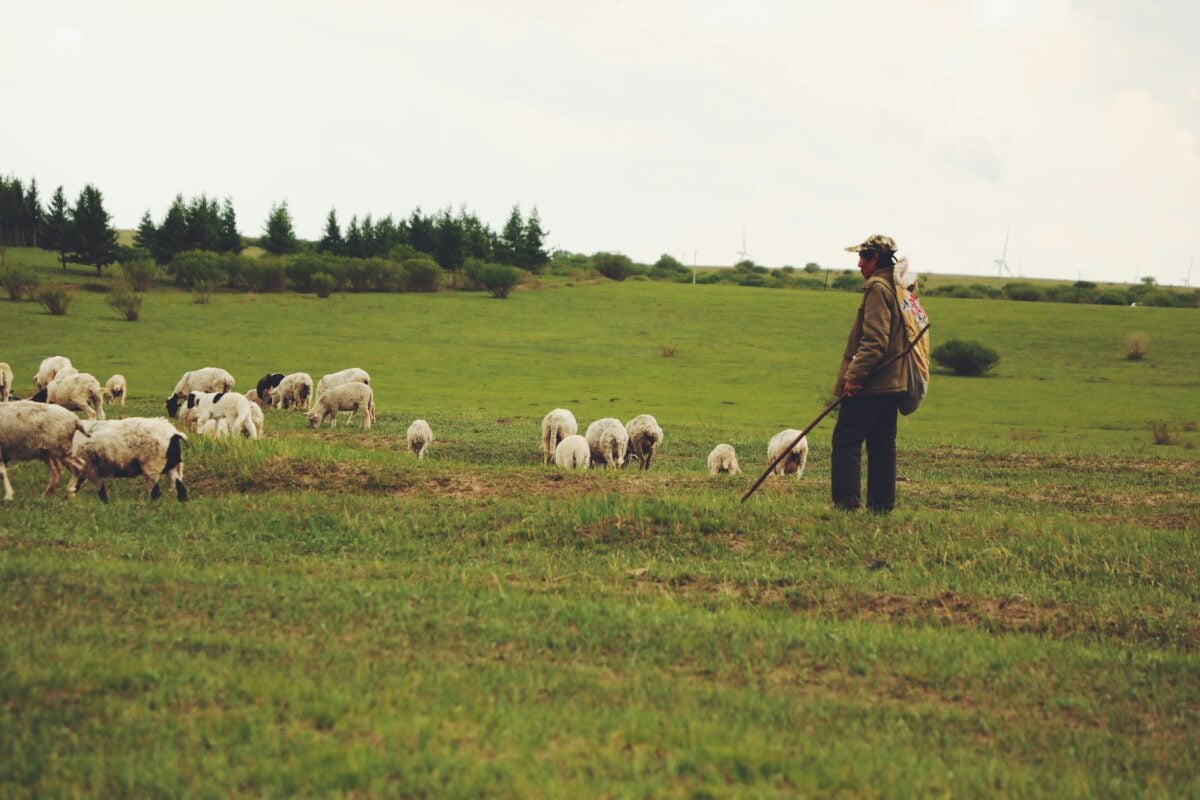
Shepherd communities in Romania’s Carpathian Mountains maintain moștenirea—traditional pastoral law that governs everything from grazing rights to how cheese production profits get divided. The rules evolved over centuries without written documentation, passed down through apprenticeship and communal enforcement.
Shepherd gatherings at the beginning of each season formalize agreements about who grazes where, how much each family can produce, and what happens if someone’s animals damage another’s pasture. Breaking these agreements results in fines paid in cheese rather than money.
The system persists because it works better than government regulations for managing resources in remote mountain areas. Officials rarely visit these high pastures, so shepherds need their own governance systems.
The traditional codes provide clarity and continuity that formal law struggles to match in these isolated locations.
Papua New Guinea Highlanders Conduct Sing-Sings

Highland tribes in Papua New Guinea gather for sing-sings—massive festivals where different groups come together wearing elaborate costumes, paint their faces and bodies, and perform traditional dances and songs. The events can involve thousands of participants and last for several days.
Each tribe has distinctive costume elements—certain feathers, shell arrangements, or paint patterns. The displays serve both artistic and political purposes, demonstrating a group’s wealth, cohesion, and cultural vitality.
Marriages get arranged, alliances form, and disputes get resolved during sing-sings. The performances themselves are intense.
Dancers move for hours in formation, their movements synchronized to drumming and chanting. The physical stamina required is considerable, and participation demonstrates fitness and dedication to cultural identity.
Ethiopian Highland Communities Share Communal Coffee Ceremonies

Villages in Ethiopia’s highland regions perform elaborate coffee ceremonies that can last three hours. The host roasts green coffee beans over charcoal, grinds them by hand, and brews the coffee in a clay pot.
Participants receive three rounds of increasingly diluted coffee, each with its own symbolic meaning. The ceremony functions as the primary social event in village life.
Important conversations happen during coffee. Families host ceremonies to mark occasions from everyday visits to serious business negotiations.
Declining an invitation is a significant social insult. Incense burns throughout the ceremony, and specific grasses cover the floor.
The ritual aspects matter as much as the coffee itself. The time investment forces people to slow down and engage with each other rather than rushing through interactions.
In fast-paced modern life, these slow ceremonies become increasingly rare.
Where the Mountains Remember

Out here, time moves differently because the land decides the rhythm. When storms wipe out roads, people wait until spring to reconnect with towns below.
Cold keeps villages apart for long stretches, making neighbors rely on each other more than maps suggest. Life uphill asks much from bodies and patience, so helping one another isn’t optional – it sticks around by necessity.
Old ways may look odd to outsiders, yet every habit has roots in survival, shaped by steep slopes and deep snow. Finding these villages means stepping off the usual path, where old customs still shape each day.
Money arrives with visitors, yet so do new ideas about what belongs. Only those tucked deep in high terrain hold routines untouched by outside pressure. Isolation acts like a shield, letting habits grow without interference.
Rugged peaks hide more than silence – they guard rhythms shaped over generations.
More from Go2Tutors!

- 16 Historical Figures Who Were Nothing Like You Think
- 12 Things Sold in the 80s That Are Now Illegal
- 15 VHS Tapes That Could Be Worth Thousands
- 17 Historical “What Ifs” That Would Have Changed Everything
- 18 TV Shows That Vanished Without a Finale
Like Go2Tutors’s content? Follow us on MSN.



