19 Things Distinct to 90s Fashion
Fashion moves in cycles, but the 90s carved out its own territory that still hasn’t been fully replicated. The decade rejected the excess of the 80s and created something that felt both careless and carefully considered.
People wore what they wanted without asking permission, and that attitude shaped everything from grunge stages to high school hallways.
Flannel Shirts as Universal Uniform
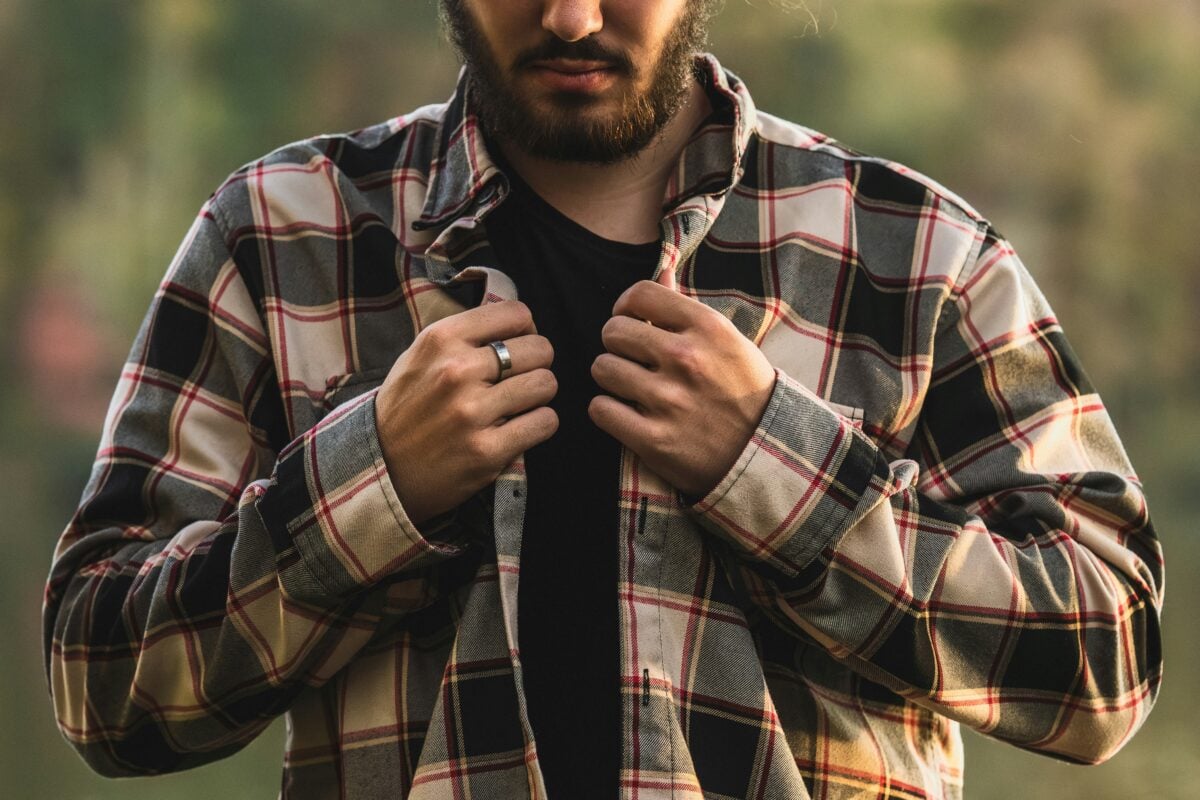
Flannel transcended its workwear origins in the 90s. Everyone owned at least three—oversized, tied around the waist, or worn loose over a white tee.
The pattern didn’t matter much. The red and black buffalo check dominated, but any combination worked. Kurt Cobain turned it into a symbol, but your dad probably wore the same shirt to rake leaves.
That accessibility made it perfect.
Platform Shoes That Defied Physics
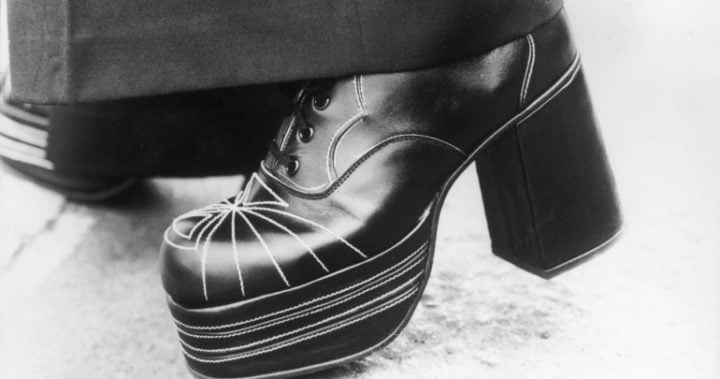
The Spice Girls made platform sneakers a global phenomenon, but the trend went beyond pop stars. Platform sandals, boots, and even dress shoes elevated everyone by three to five inches. Walking in them required skill.
Ankles twisted regularly. But the height felt worth the risk, and the chunky silhouette matched the decade’s preference for proportions that didn’t quite make sense.
Chokers at Every Price Point
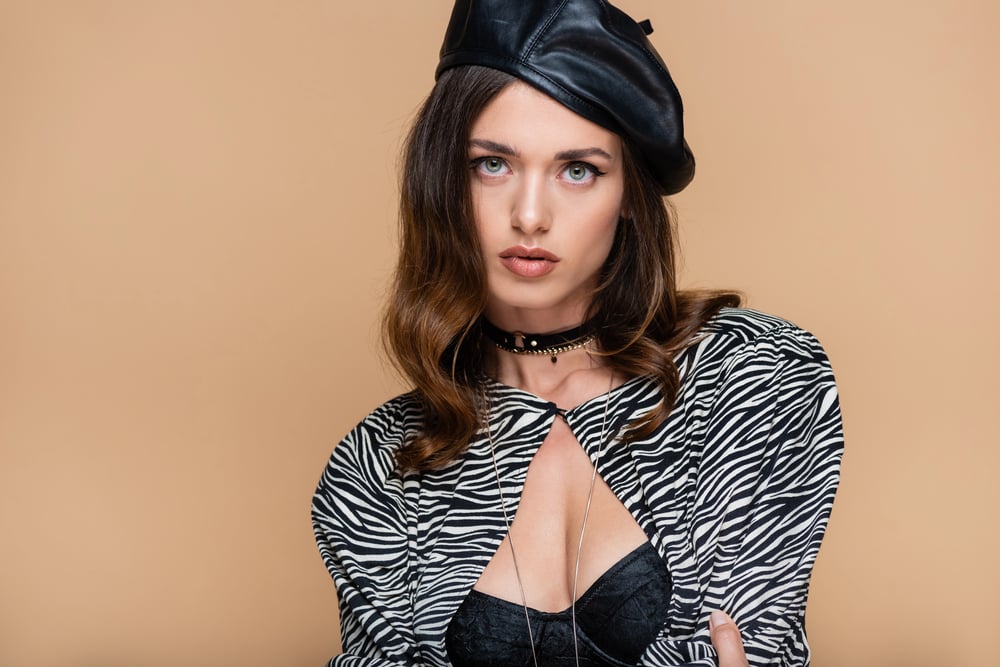
A strip of black velvet tied around your neck became the most democratic accessory of the decade. You could buy a plastic tattoo choker for a dollar at Claire’s or spend more on leather versions with pendants.
Drew Barrymore wore them to premieres. Your classmate wore one to math class.
The neck became prime real estate, and everyone claimed their space.
Cargo Pants With Pockets Everywhere
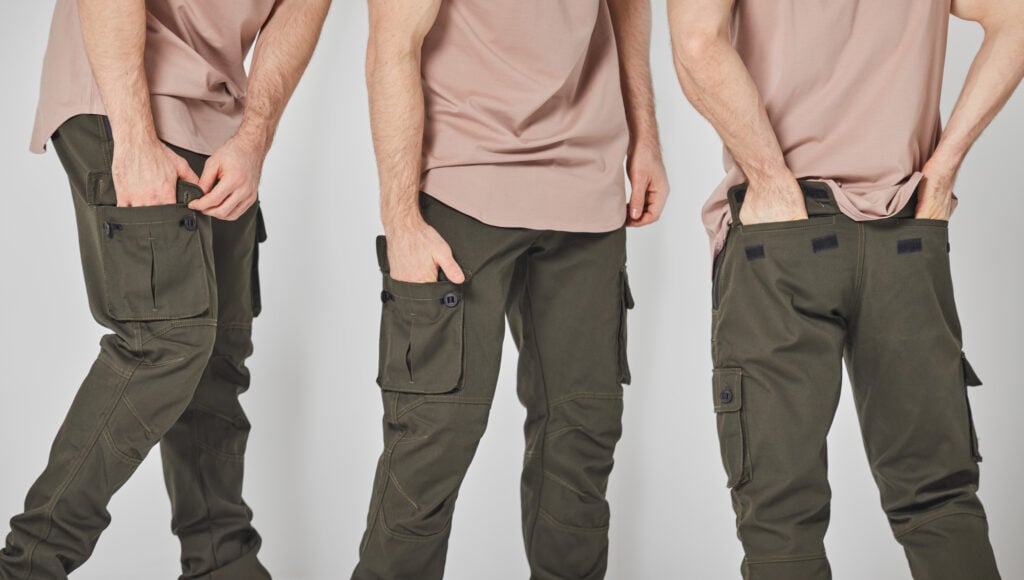
Functionality met fashion when cargo pants entered mainstream wardrobes. Those side pockets served no real purpose for most people, but they suggested readiness for adventure.
The baggy fit contrasted sharply with the tight jeans that came before. You could fit a CD player, some snacks, and maybe a paperback in those pockets.
The practicality was mostly theoretical, but the look worked.
Butterfly Clips in Every Configuration
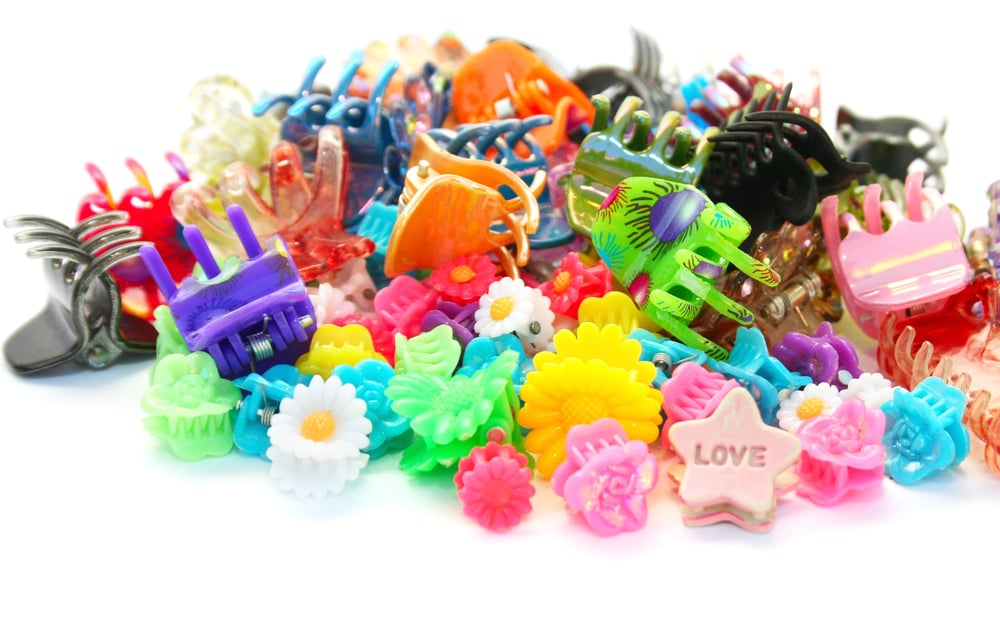
Tiny plastic butterflies invaded hair sections across the world. One clip looked cute.
Twenty clips looked better. They came in every color, often with glitter or rhinestones.
The trend peaked when celebrities started wearing them to award shows. Mariah Carey and Brandy made them legitimate.
Your little sister probably had a collection that rivaled her Beanie Babies.
Dark Lip Liner With Lighter Lipstick
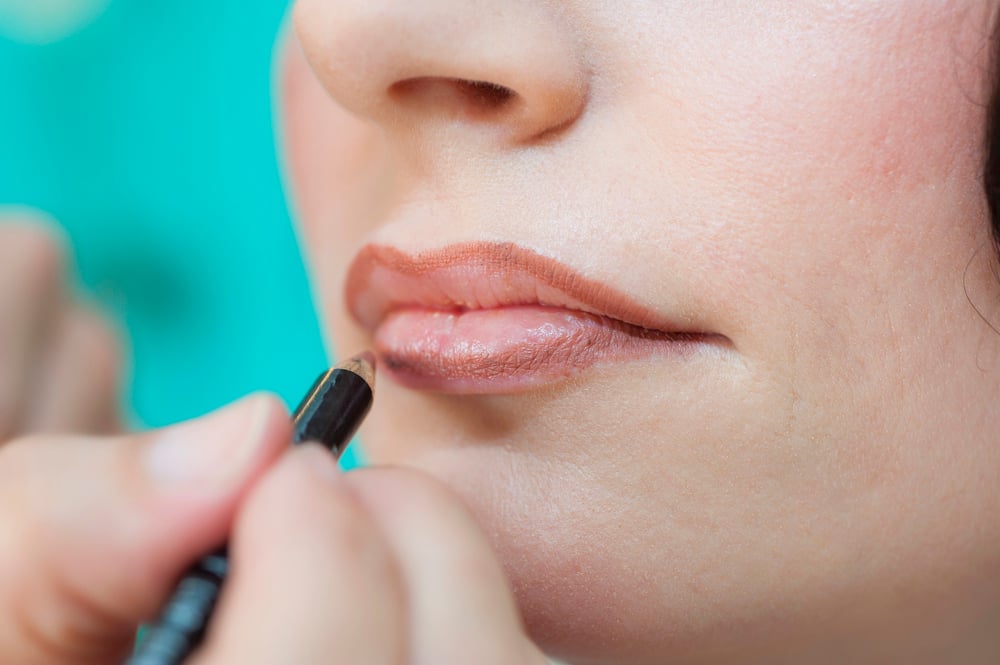
This makeup technique created a two-tone effect that defined 90s beauty. Brown or burgundy liner outlined lips filled with lighter skintone or pink shades.
The stark contrast looked intentional, almost architectural. Drew Barrymore perfected it.
So did every girl at the mall. The look required precision and confidence.
Both were abundant in the 90s.
Overalls Worn With One Strap Down
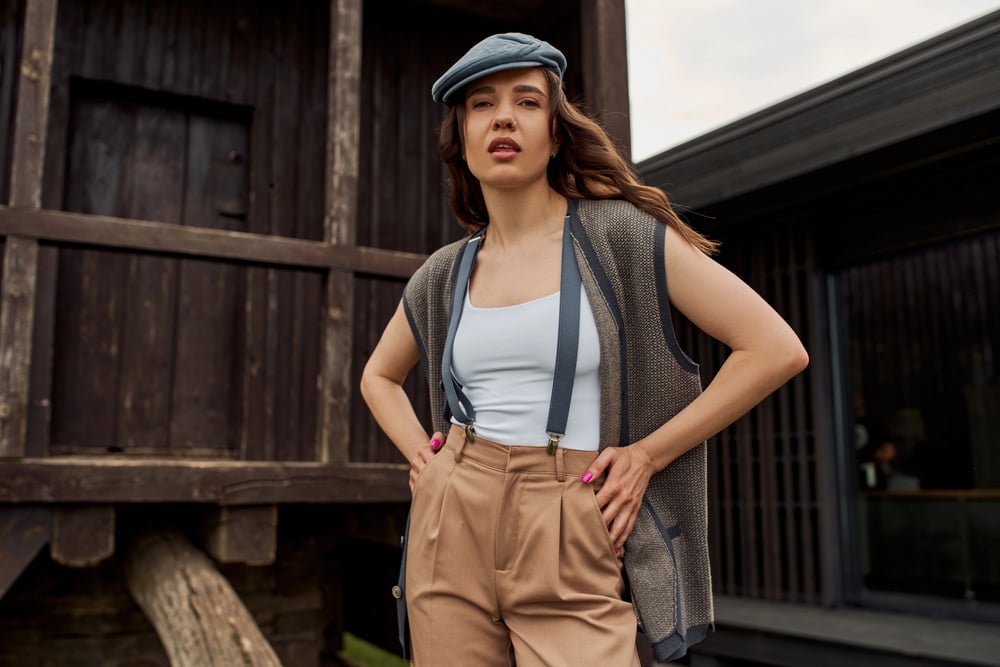
Farmers wore both straps up. Cool kids wore one strap down.
This simple modification transformed practical workwear into a fashion statement. TLC made it look effortless.
Will Smith wore them on Fresh Prince. The asymmetry suggested casual rebellion without trying too hard.
Denim versions dominated, but corduroy had its moment too.
Thin Eyebrows That Defied Nature
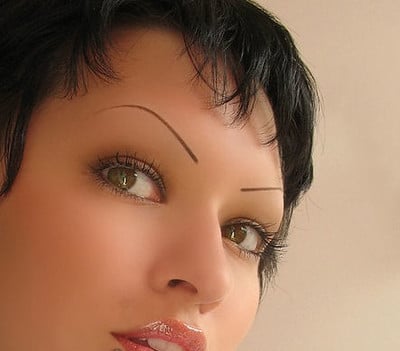
The 90s declared war on natural eyebrow width. Tweezers came out, and caterpillars turned into commas.
Pamela Anderson, Gwen Stefani, and Drew Barrymore led this charge. Some people took it too far and removed almost everything.
Others aimed for a precise arch. The results varied, but the intention was universal—thin meant sophisticated.
Baby Tees That Barely Fit
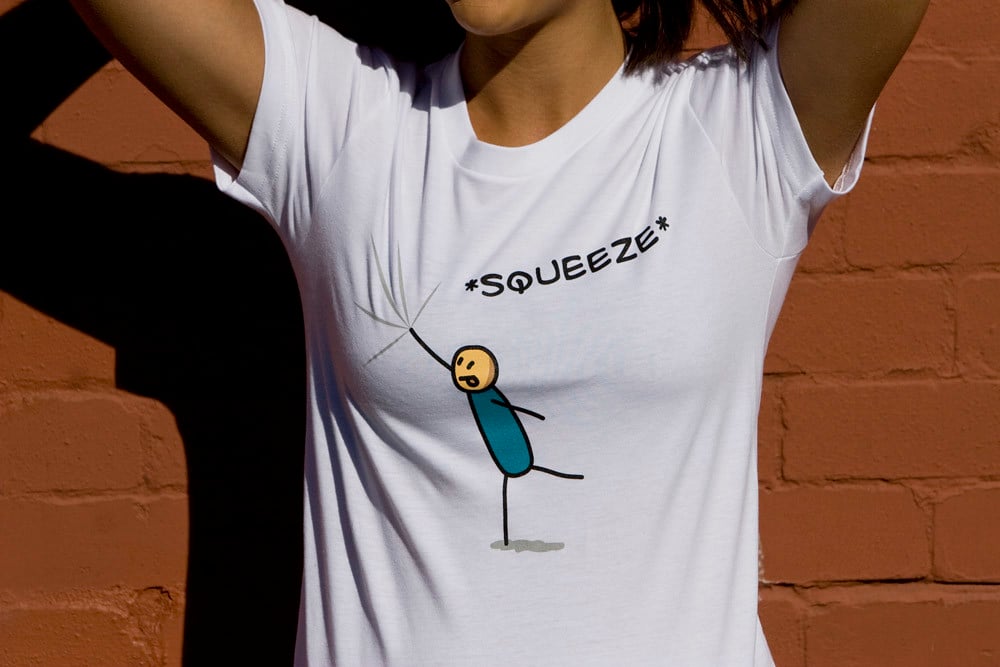
These shirts shrank on purpose. Cap sleeves gripped arms. Hems stopped well above the waistline.
Belly buttons became public property. The tiny proportions created a youthful aesthetic that dominated teen fashion.
Graphic designs helped—smiley faces, baby logos, cartoon characters. The smaller the shirt, the more statement it made. Comfort was not the priority.
Windbreakers in Synthetic Fabrics
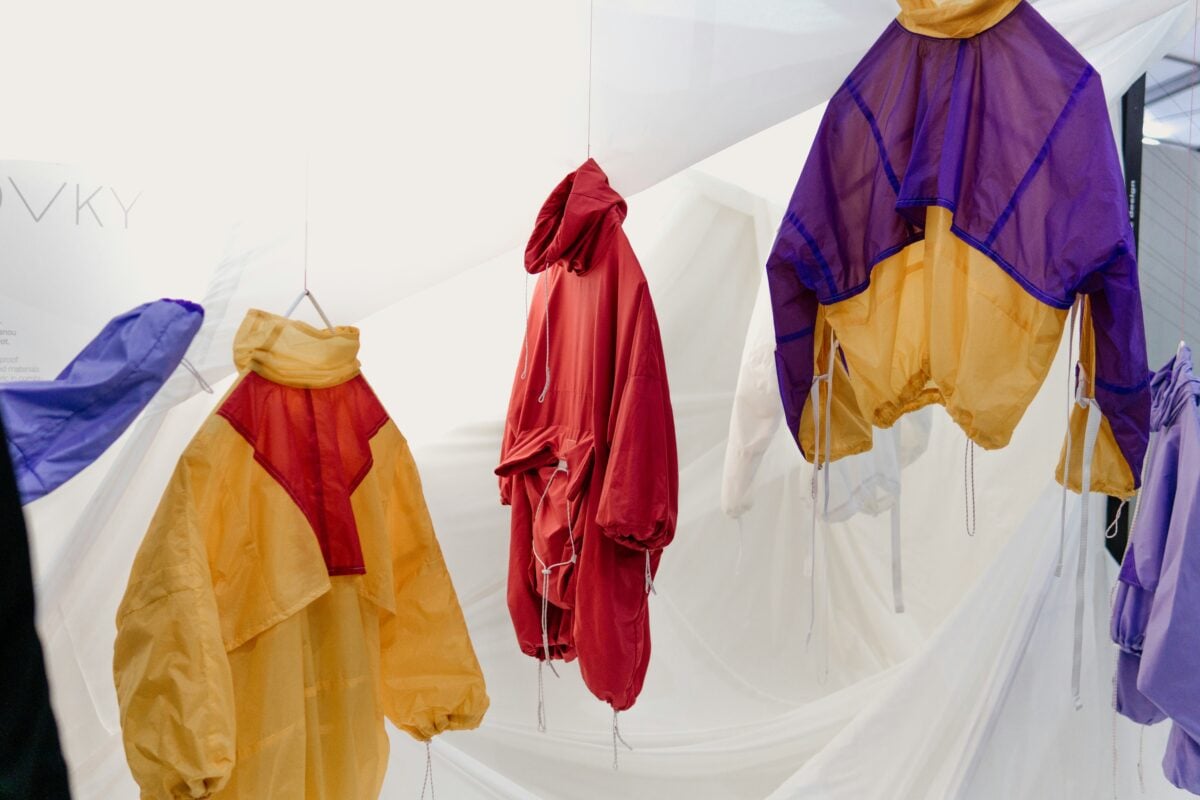
Nylon shell jackets made that distinctive swishing sound when you walked. Bright colors and bold patterns covered these lightweight layers.
The material repelled water somewhat but trapped sweat completely. Still, everyone owned one. They folded into tiny pouches.
They weighed nothing. They came in colorblocks that hurt your eyes.
Sports brands dominated this category, but fashion labels joined eventually.
Bucket Hats Beyond The Golf Course
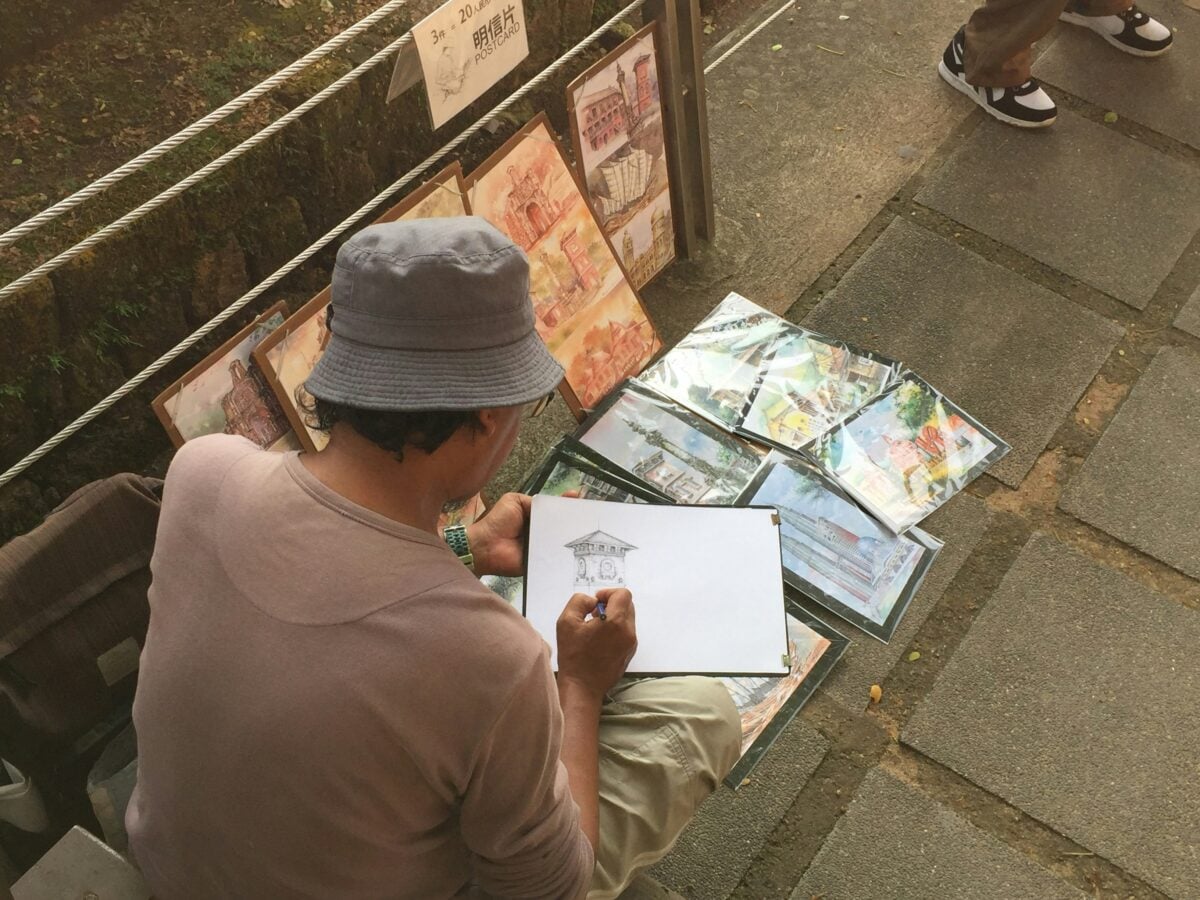
LL Cool J made bucket hats cool in the late 80s, but the 90s democratized them. Kangol versions in various fabrics became standard.
Denim, corduroy, fleece—the material choices seemed endless. The floppy brim provided sun protection, but fashion motivated most purchases.
You could fold them and stuff them in a pocket. The casual vibe matched perfectly with the decade’s aesthetic.
Spaghetti Straps on Everything
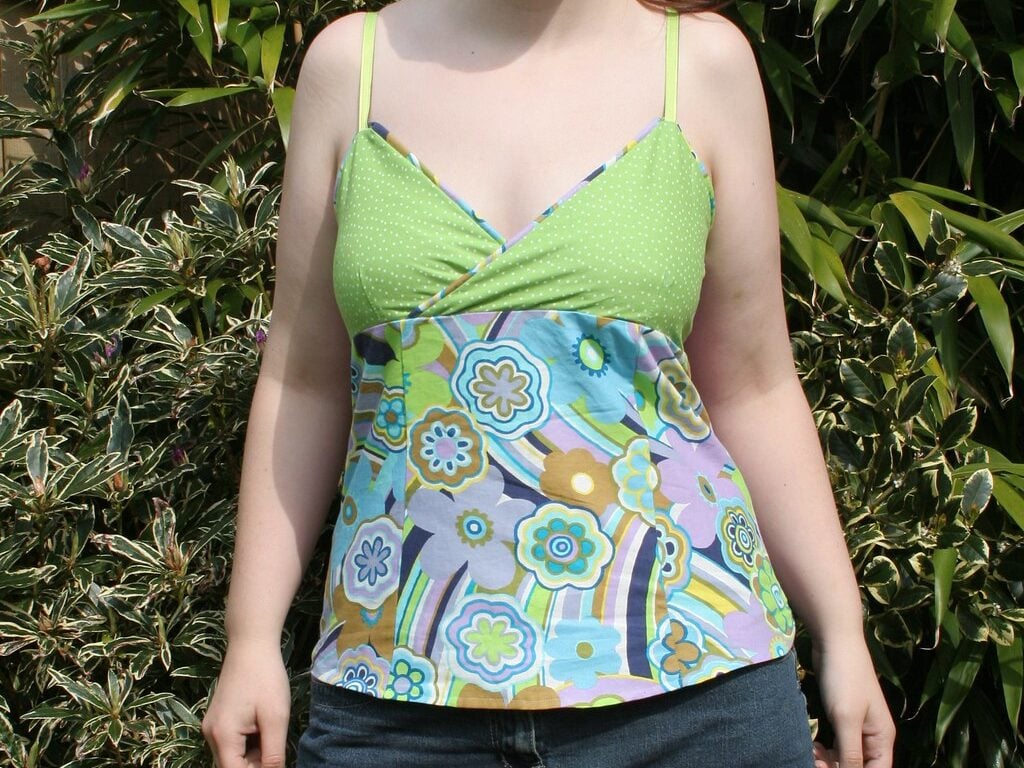
Tank tops got delicate. Dresses got strappy.
The thinner the strap, the better. Sometimes double straps appeared for extra flair.
This trend worked in summer but somehow persisted into other seasons too. People layered them over long-sleeve shirts or under cardigans.
Jennifer Aniston wore them constantly on Friends. The silhouette looked fragile but felt rebellious against the power shoulders that preceded it.
Tommy Hilfiger Everywhere You Looked
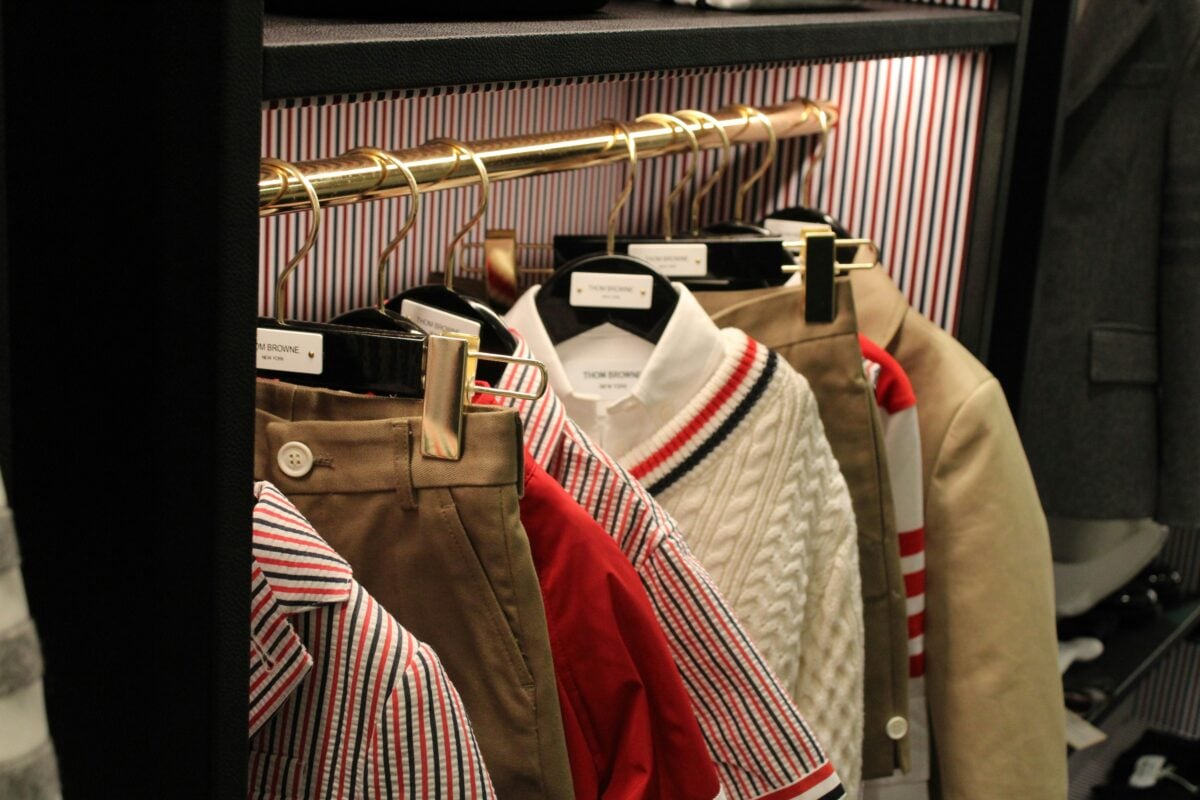
The red, white, and blue logo appeared on every surface. Oversized rugby shirts, polo shirts, jackets, jeans—the brand dominated 90s fashion.
Hip hop culture embraced Tommy early. Aaliyah made it look effortless.
Soon suburban kids wanted in too. The preppy designs got remixed into streetwear.
The logo itself became the point. People wore it proudly, prominently, repeatedly.
Jelly Sandals That Made Your Feet Sweat
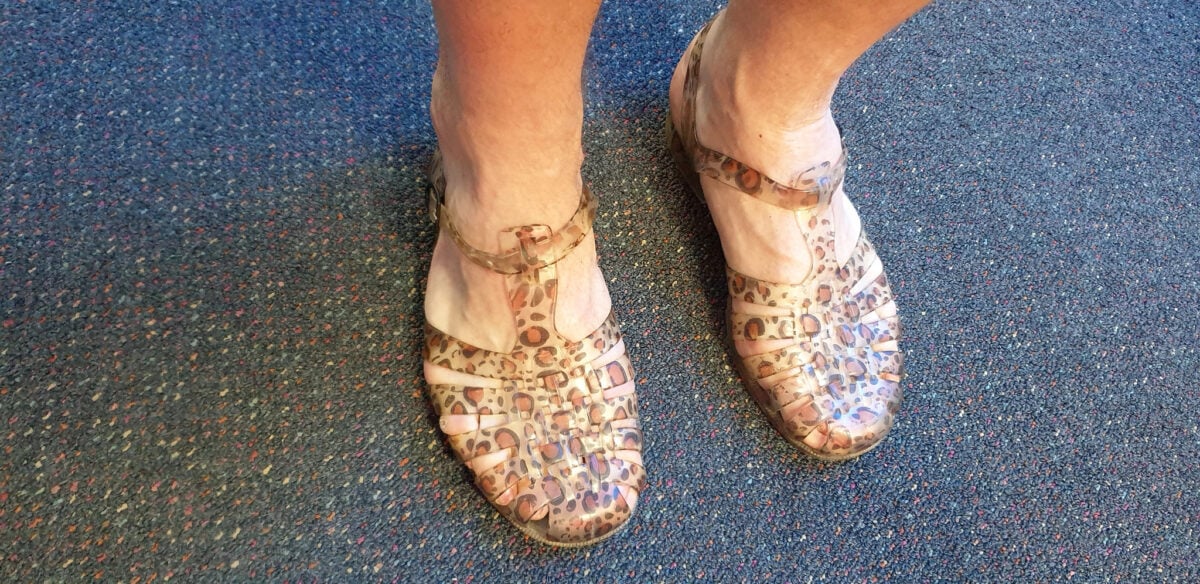
These translucent plastic shoes came in every color. They looked like candy.
They smelled like plastic. They gave everyone blisters.
But they cost almost nothing and came in fun styles. Kids wore them to the pool.
Teenagers wore them to the mall. Some versions had glitter embedded in the plastic.
Most had that distinctive weave pattern. Comfort was sacrificed for aesthetics that looked vaguely futuristic.
Minimalist Calvin Klein Everything
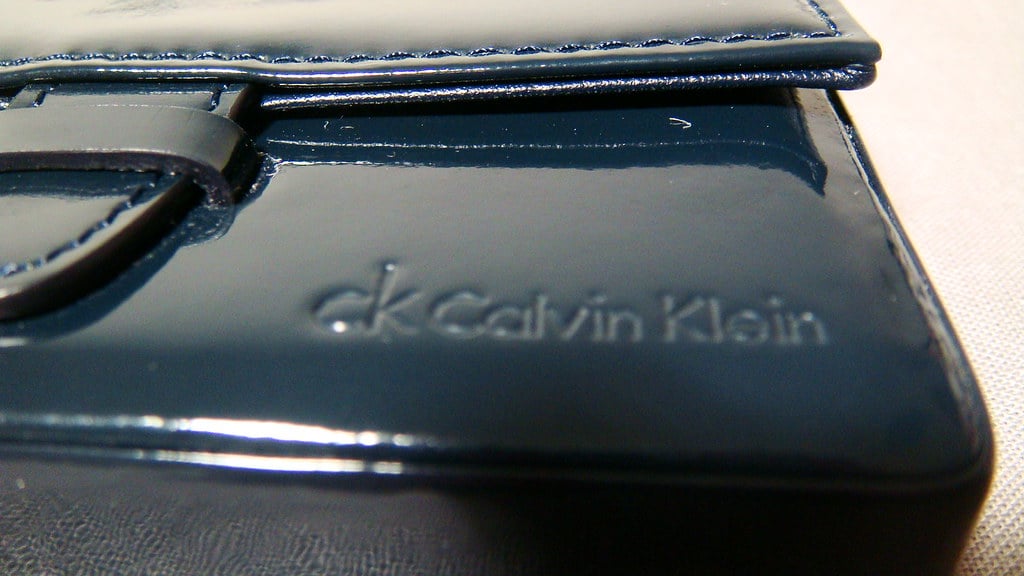
While some brands went loud, Calvin Klein went quiet. Clean lines, neutral colors, simple logos.
The aesthetic influenced underwear first, but it spread to jeans, shirts, and accessories. Kate Moss became the face of this minimalism.
The ads suggested sophistication through restraint. Everyone wanted that effortless, understated look.
The simplicity cost more than it should have, but that was part of the appeal.
Denim on Denim Without Apology
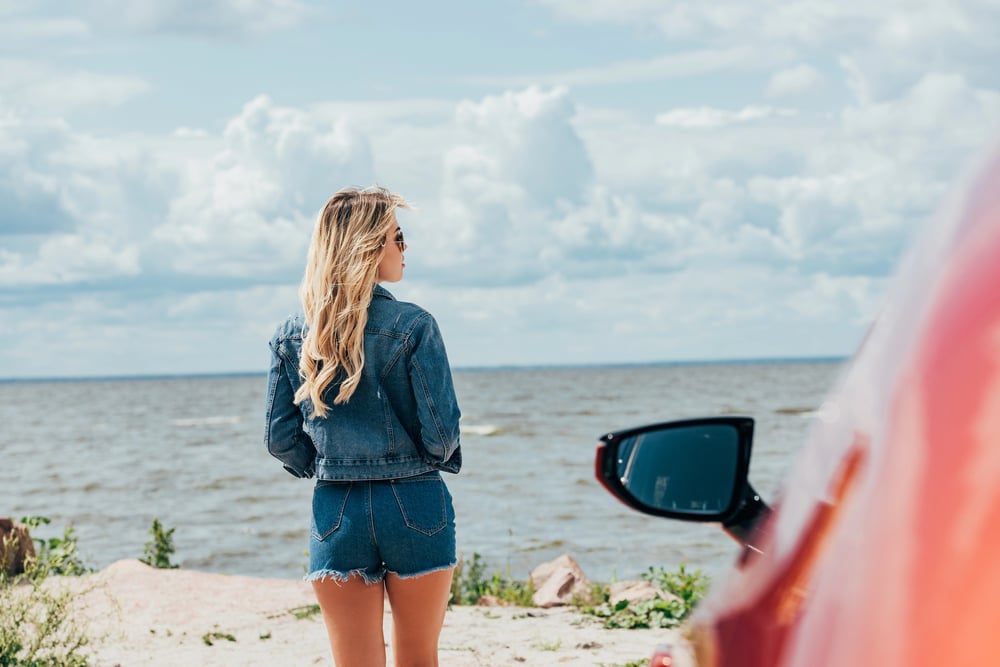
The Canadian tuxedo stopped being a joke. Justin Timberlake and Britney Spears wore matching denim to the American Music Awards in 2001, but the trend started years earlier.
Denim jackets over jeans looked intentional, not accidental. Different washes created some contrast, but matching was fine too.
The texture and material created enough visual interest. Fashion rules from previous decades no longer applied.
Tiny Sunglasses That Barely Protected Eyes
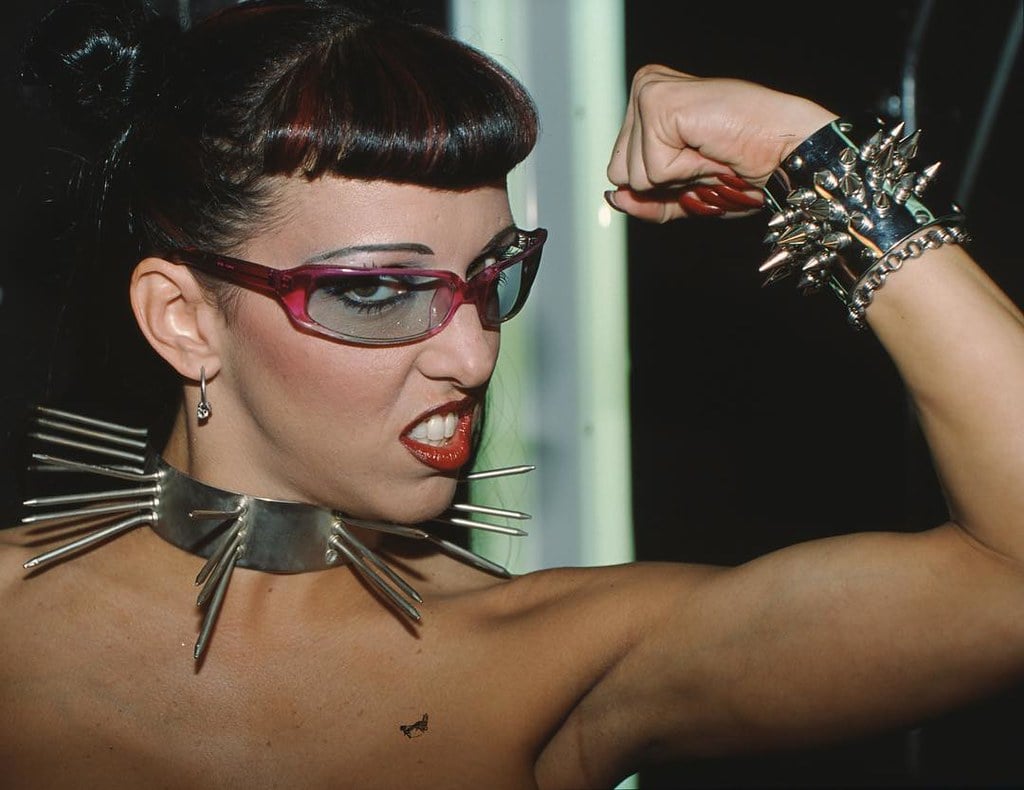
Oval frames shrank to impractical sizes. These narrow lenses sat high on the face, exposing most of the eye area to sun.
They looked cool but served minimal function. The Matrix popularized them.
So did boy bands. Soon gas stations sold cheap versions to everyone.
The shape was futuristic and retro simultaneously. Practicality lost to aesthetics consistently throughout the decade, and these sunglasses proved it.
Doc Martens for Everyone’s Feet
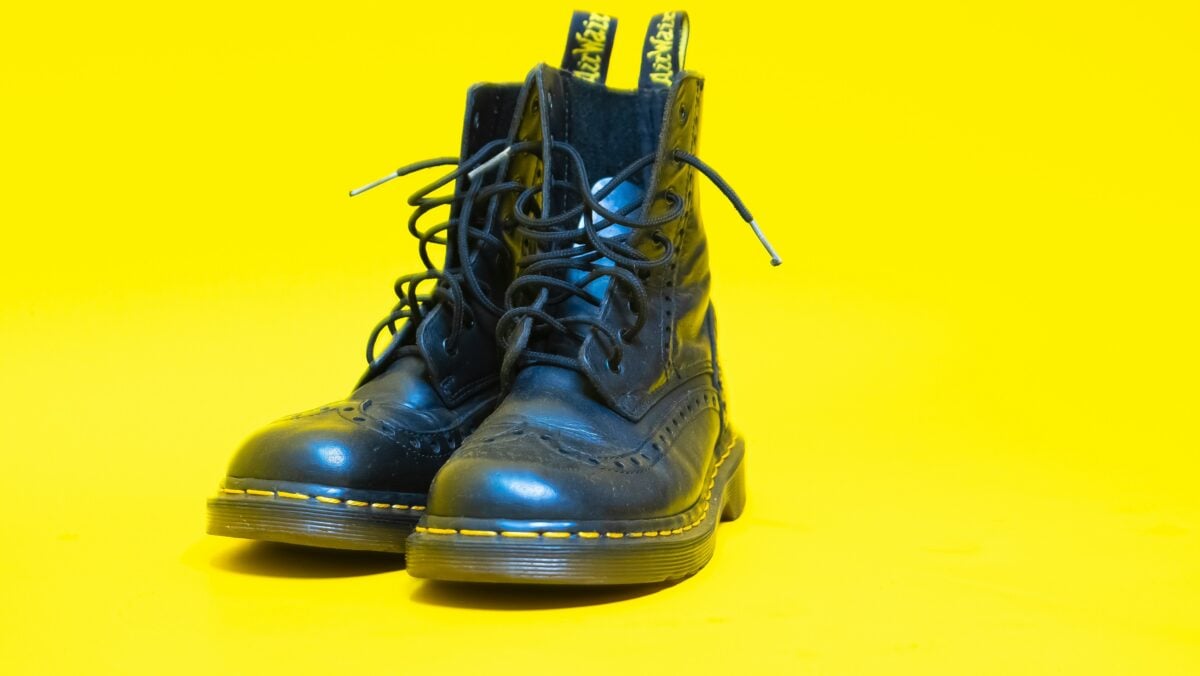
These boots crossed every subculture boundary. Grunge kids wore them. Ravers wore them. Prep school students wore them.
The chunky sole and distinctive yellow stitching created instant recognition. Breaking them required patience and Band-Aids.
But once molded to your feet, they lasted forever. The British brand became global.
The rebellious connotation faded as mainstream adoption increased. They just became the default boot.
Scrunchies Taking Over Ponytails
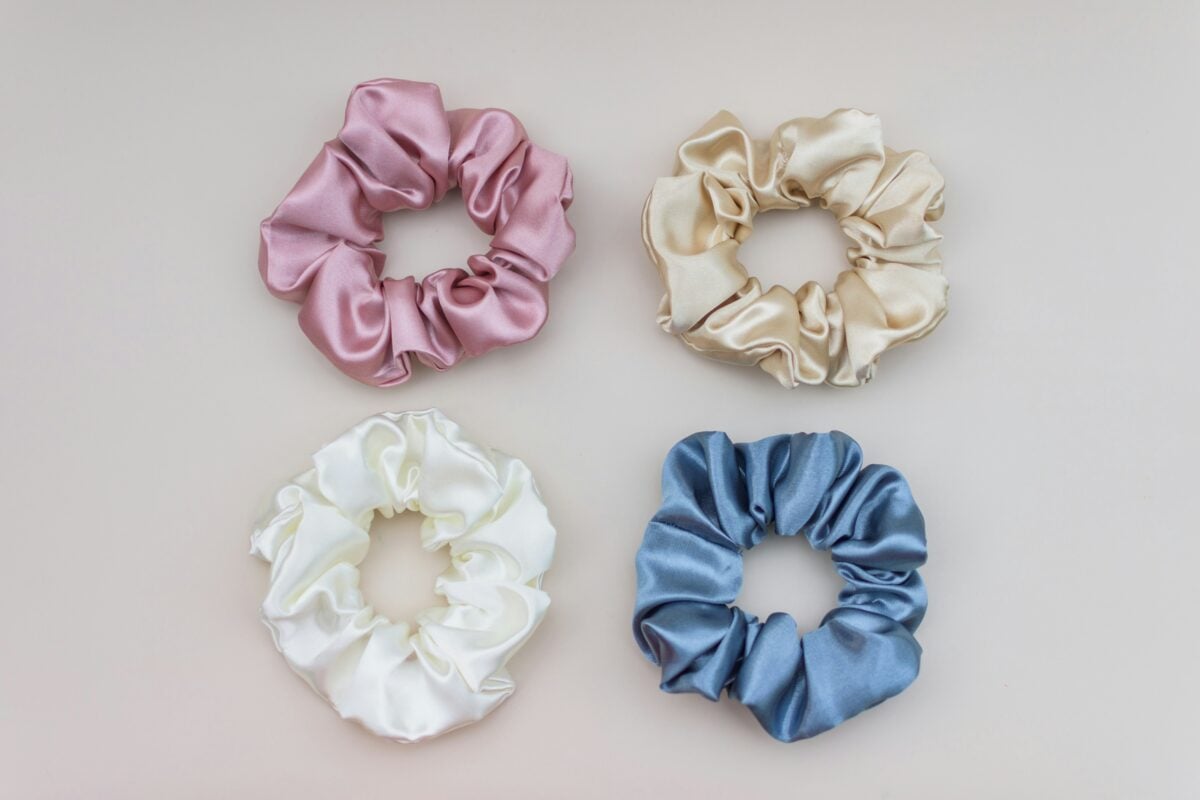
Starting strong with soft loops of cloth, hair bands got gentler on strands. These little rings, stretched just right, kept styles in place minus the breakage.
Patterns popped up everywhere – fuzzy velvet, slick satin, rugged denim, even wild animal spots. Outfits found partners in these ties, sometimes matching perfectly, other times shouting contrast.
On your wrist, it turned into style – no longer just about holding back strands. Big they were, nothing like today’s slim loops, yet somehow fitting perfectly within the era’s bold shapes.
Everything Returned to Where It Began
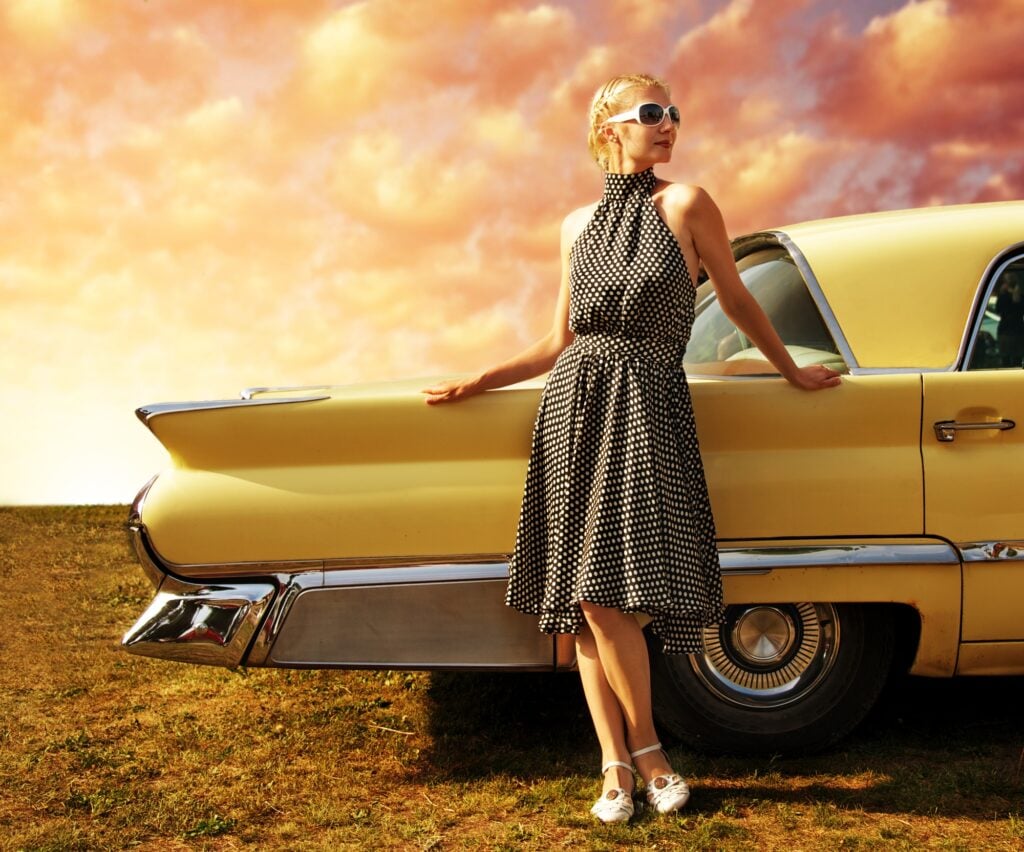
Out of nowhere, these styles popped up together – messy, clashing, yet somehow working. Wearing platforms with cargos, a tiny tee, plus a tight necklace? Totally normal.
Nobody agreed on what was right. Back then, fitting in mattered less than standing out. Because of that loose approach, old outfits return today without feeling dated.
Wrong could look right back then. Maybe that was its truest trait – wearing what fit your mood, not the mirror.
A lack of second-guessing made rules dissolve. Feeling sure while seeming offbeat became normal.
More from Go2Tutors!

- The Romanov Crown Jewels and Their Tragic Fate
- 13 Historical Mysteries That Science Still Can’t Solve
- Famous Hoaxes That Fooled the World for Years
- 15 Child Stars with Tragic Adult Lives
- 16 Famous Jewelry Pieces in History
Like Go2Tutors’s content? Follow us on MSN.



