Rarest Plant Species Native to North America
A few plants live where almost nothing else can – tucked into lonely ridges or one narrow canyon after another across North America’s vast stretches of tundra, sand, grassland, marsh, and coastal forest. Just because a flower blooms nowhere else does not mean it draws crowds.
More likely, its survival hinges on the tilt of a hillside, the pH of ancient rock, a solitary bee, or luck holding through ten thousand seasons. One county holds certain plants found nowhere else.
Where populations cling by a thread, experts track every single stalk. Staying alive often comes down to guarded habitats, hands-on care, yet also random chance.
Franklin Tree
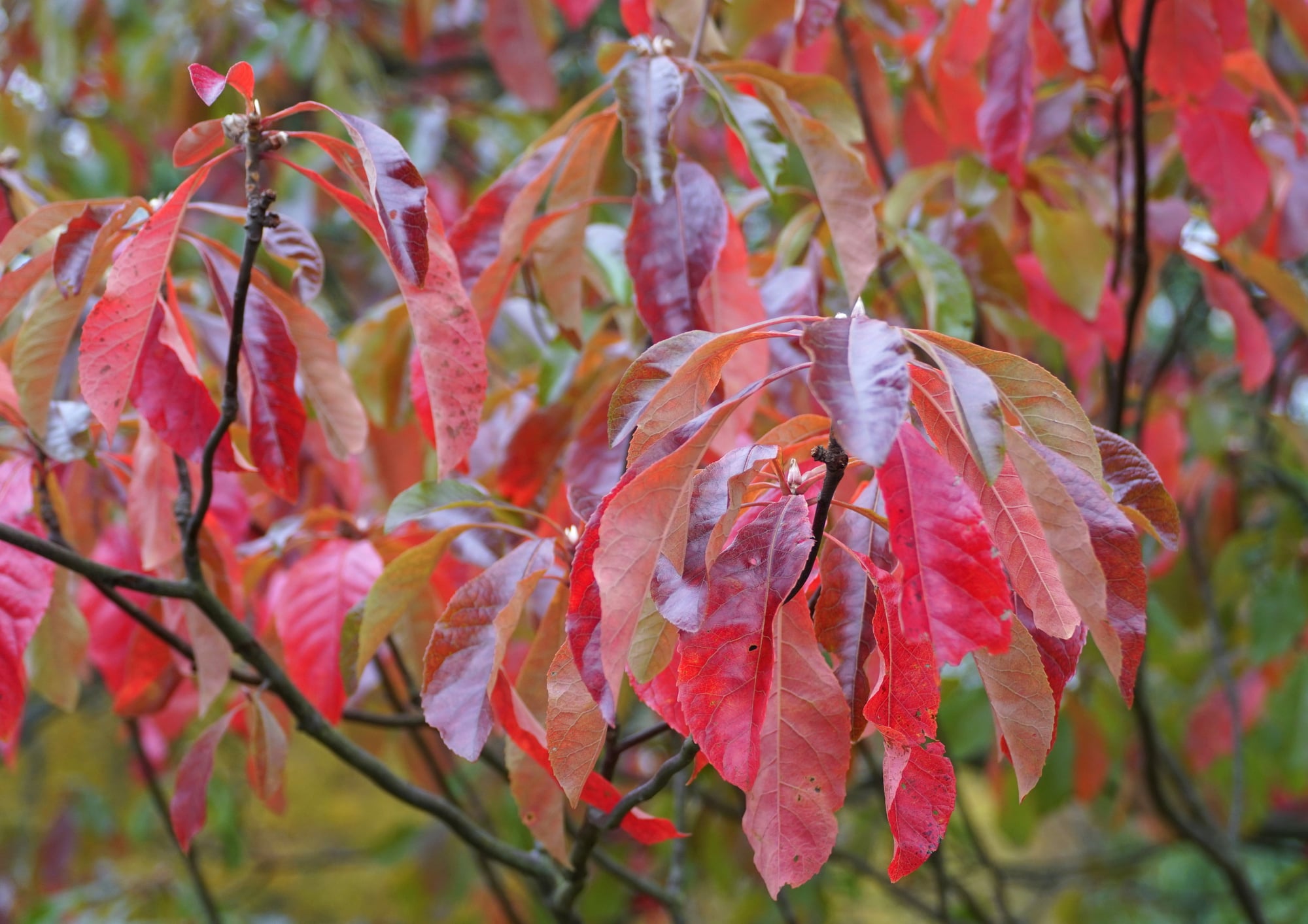
The Franklinia alatamaha once grew along Georgia’s Altamaha River but has not been seen in the wild since the early 1800s. It survives today only through cultivation, thanks to seeds collected by botanists John and William Bartram.
This small tree produces striking white blossoms with golden centers, yet its disappearance from natural habitat remains a mystery. Disease, flooding, or overcollection may have played roles.
Its continued existence in gardens is both a botanical triumph and a reminder of how quickly wild populations can vanish. Without early seed collection efforts, the species would likely be entirely extinct.
Arizona Crested Coralroot

Hexalectris arizonica is among the rarest orchids in the American Southwest, found in limited pockets of Arizona and New Mexico. Unlike showy greenhouse orchids, this species grows in muted tones beneath woodland canopies.
It relies heavily on symbiotic fungi for nutrients, drawing sustenance from underground networks rather than direct sunlight. That dependency ties its fate to soil health and forest stability.
When habitat is disturbed by development or prolonged drought, the delicate fungal partnerships can collapse, leaving the orchid unable to recover.
Tennessee Purple Coneflower

Echinacea tennesseensis once teetered on the brink of extinction, confined to a handful of cedar glades in central Tennessee. Unlike more common purple coneflowers, its petals remain upright rather than drooping.
Urban expansion and grazing reduced its habitat dramatically. Intensive conservation efforts helped recover populations, and it was eventually removed from the federal endangered species list.
Its recovery required controlled burns and careful land stewardship, demonstrating that restoration can succeed when ecological needs are understood and prioritized.
Colorado Butterfly Plant

Oenothera coloradensis grows primarily in Wyoming, Colorado, and Nebraska floodplains. Its delicate white flowers bloom in evening light, giving it a subtle glow at dusk.
Flood control projects and land conversion once threatened its existence. Because it relies on specific moisture cycles, altering river systems can disrupt reproduction.
Conservation now focuses on maintaining natural hydrology alongside agricultural use, recognizing that working landscapes and rare species can sometimes coexist.
Florida Torreya

Torreya taxifolia is one of the rarest conifers in North America. Native to a small region along the Apalachicola River in Florida and Georgia, it has suffered severe population decline due to fungal disease.
Mature trees are scarce, and many remaining specimens are small, struggling saplings. Researchers are experimenting with assisted migration to cooler regions in hopes of preserving genetic diversity.
The effort reflects a growing willingness to intervene when climate pressures exceed natural resilience.
Texas Wild Rice

Zizania texana exists naturally only in a short stretch of the San Marcos River in Texas. Unlike commercially cultivated wild rice, this species depends on steady spring-fed water flow.
Water diversion, groundwater pumping, and recreational activity have placed pressure on the plant’s habitat. Because it occupies such a confined area, even modest changes in water clarity or current speed can affect survival.
Protective buffer zones now help shield the riverbanks where it grows.
Santa Cruz Cypress

Hesperocyparis abramsiana grows in scattered populations along California’s central coast. Adapted to fire-prone chaparral ecosystems, it requires periodic wildfire to trigger seed release.
Modern fire suppression policies once disrupted that cycle, reducing natural regeneration. Controlled burns and habitat management now aim to recreate the disturbances the species depends on.
In this case, protection does not mean eliminating fire. It means restoring its natural rhythm.
Running Buffalo Clover

Trifolium stoloniferum is native to parts of the Midwest and Appalachian regions. It was thought extinct in the early 20th century before being rediscovered in West Virginia.
The plant thrives in partially shaded, disturbed soils, conditions once created by grazing bison herds. As large herbivores disappeared and forests thickened, its habitat declined.
Managed mowing and selective clearing now mimic those historical patterns, allowing populations to stabilize in carefully maintained areas.
Kankakee Mallow
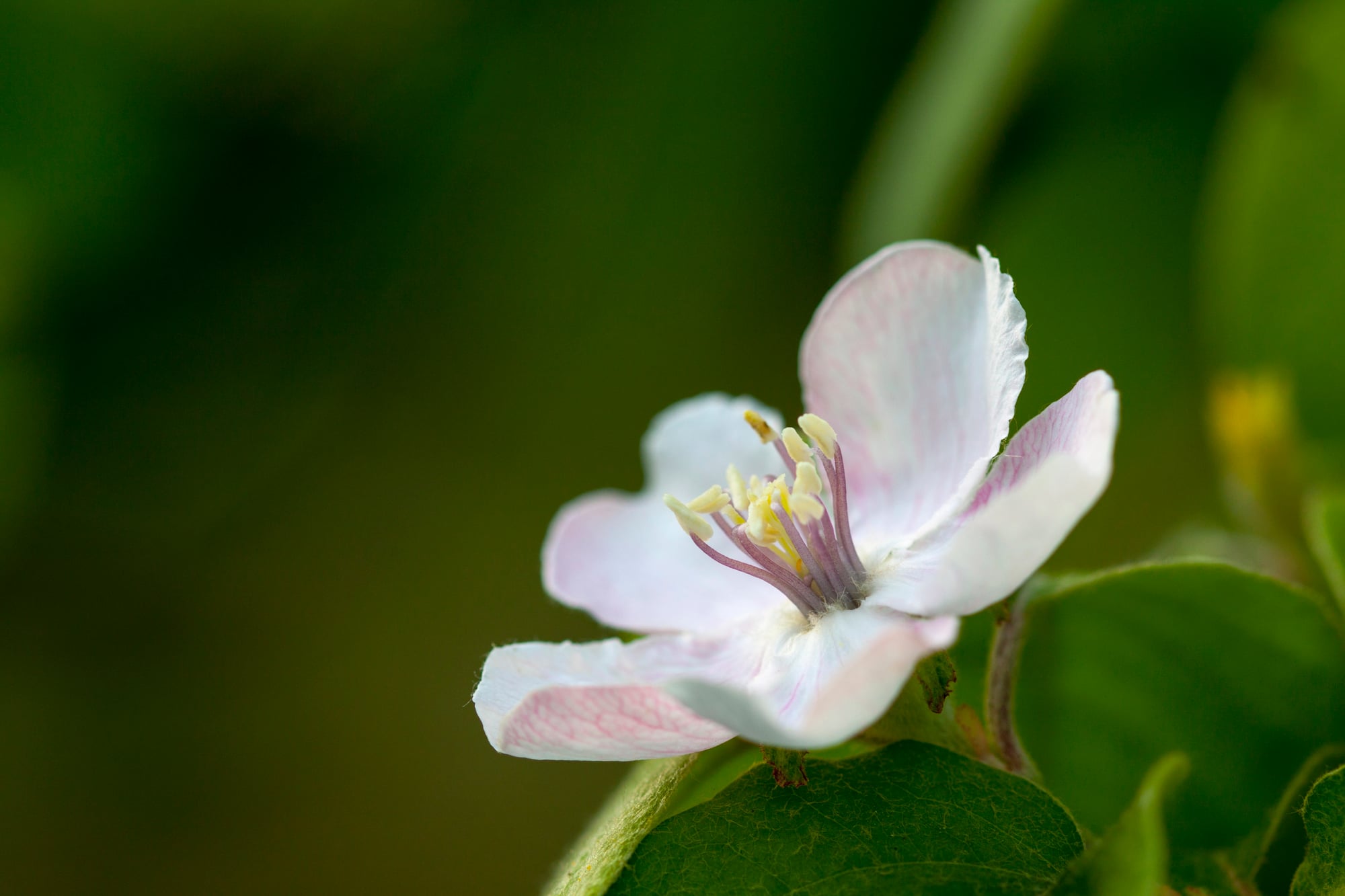
Iliamna remota survives naturally only on a single island in the Kankakee River in Illinois. Its isolation likely protected it from early agricultural expansion but also limited its distribution.
Conservationists monitor the site closely, removing invasive species and maintaining open habitat conditions. The plant’s extremely narrow range makes it vulnerable to flooding events and shifting river patterns, underscoring how geographic isolation can both protect and endanger a species.
Virginia Round-Leaf Birch
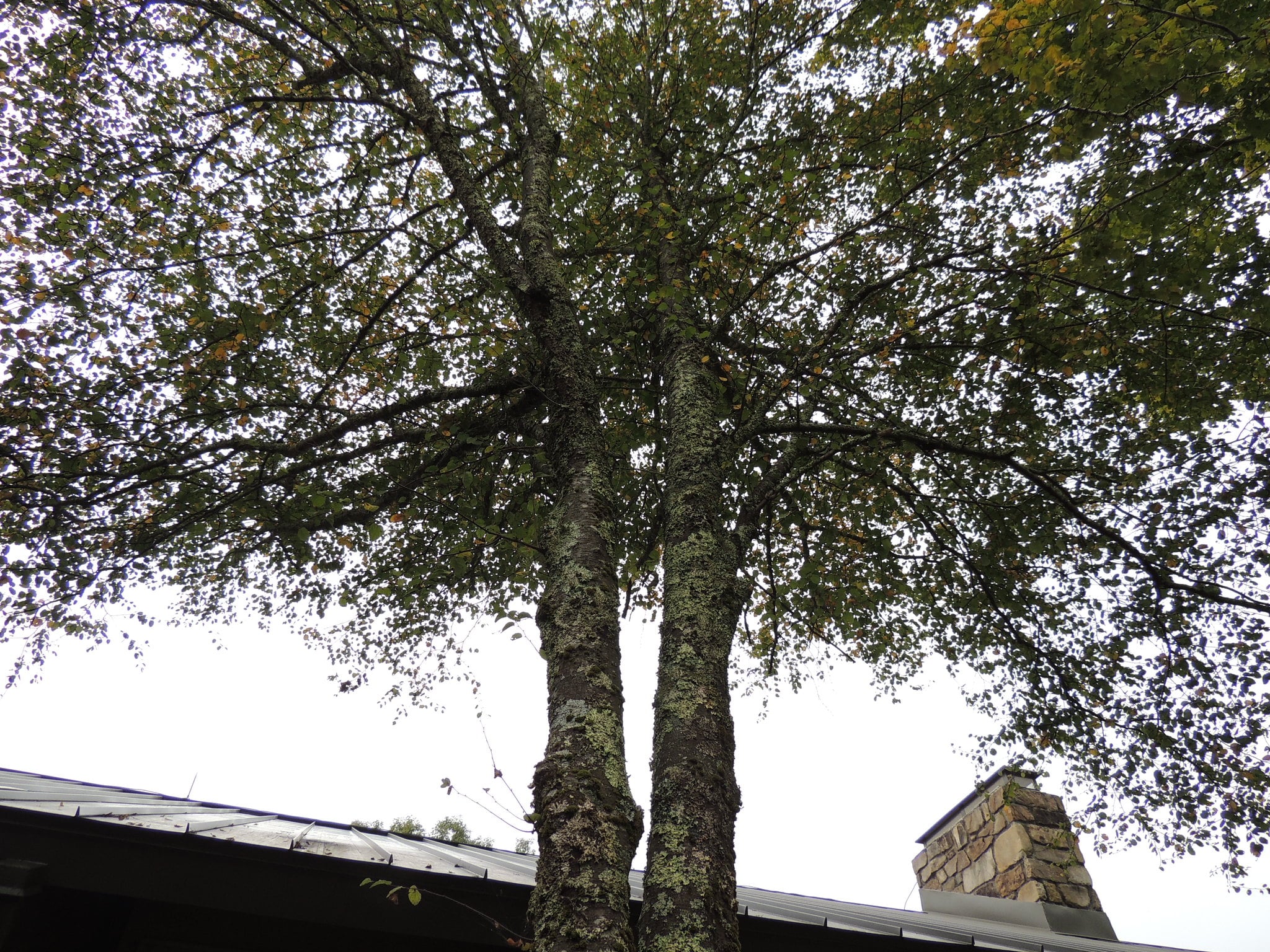
Betula uber is one of the rarest tree species in North America. Once presumed extinct, it was rediscovered in Virginia in the 1970s, growing in a limited mountainous region.
The tree competes with faster-growing species and faces pressure from habitat fragmentation. Active planting programs and seed collection efforts aim to expand its numbers while maintaining genetic health.
Its rediscovery offered hope, but long-term stability requires continued vigilance.
Why Rarity Happens

Plant rarity often stems from specialization. Some species adapt to highly specific soil types rich in certain minerals.
Others depend on narrow temperature ranges, unique pollinators, or seasonal flooding patterns. When those conditions change, populations shrink rapidly.
Geographic isolation also plays a role. Mountain ridges, river valleys, and coastal bluffs can trap plant populations in small pockets where evolution proceeds independently.
Over time, these isolated groups become distinct species, remarkable yet inherently vulnerable.
Conservation As Stewardship

Federal and state endangered species protections play a critical role in preserving rare plants. Land trusts, botanical gardens, and seed banks contribute additional layers of security.
In some cases, cultivated populations serve as genetic reservoirs in case wild numbers collapse. Even so, preservation requires more than fencing off land.
It demands understanding the ecological relationships that support each species. Soil microbes, insects, fire cycles, and water flow all matter, forming invisible systems that sustain visible growth.
Fragile Roots In A Changing Climate
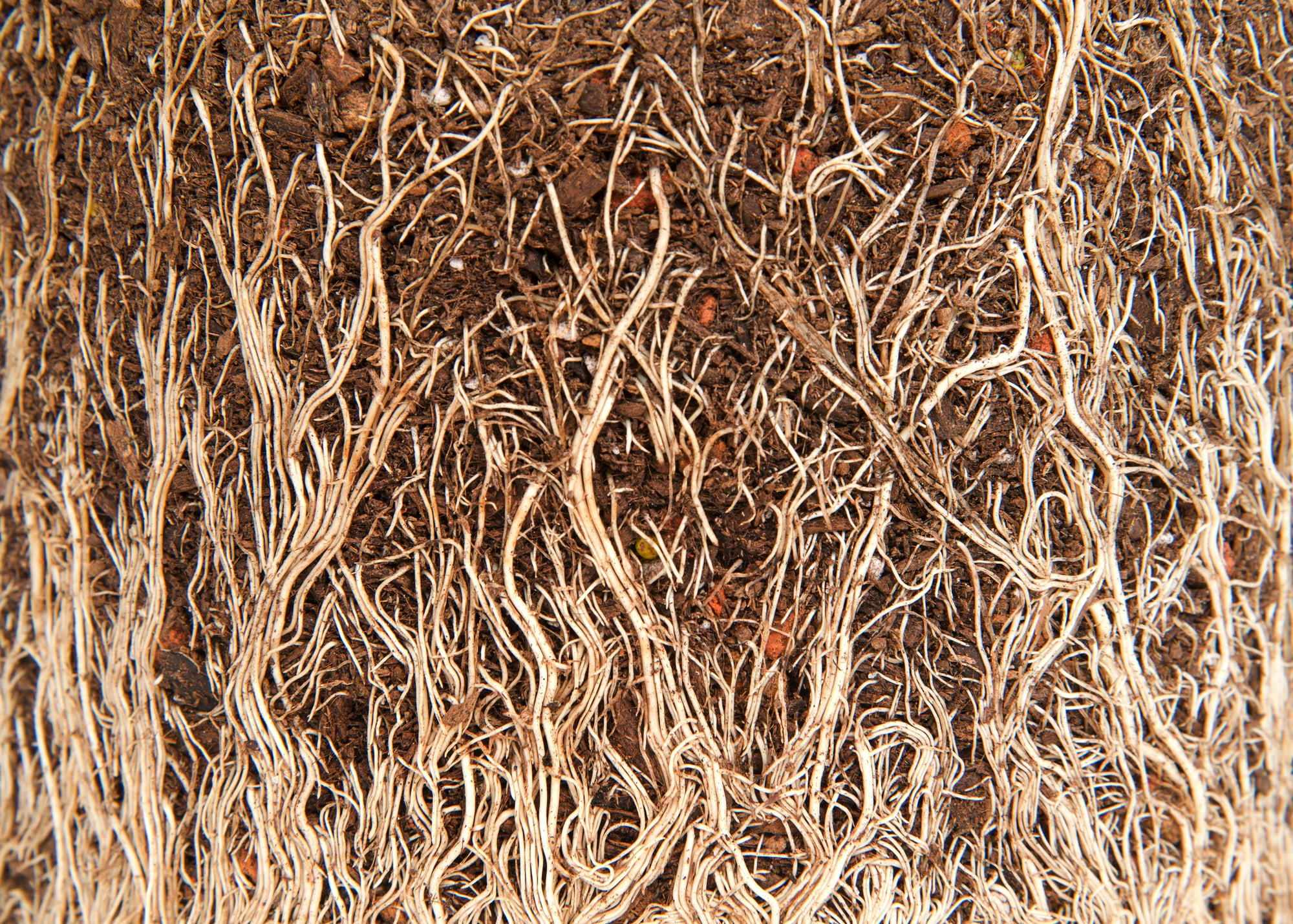
Climate change introduces new uncertainty for already rare plants. Altered rainfall patterns, rising temperatures, and invasive species can destabilize carefully balanced habitats.
Species with narrow ranges face heightened risk because they lack room to migrate naturally. Researchers increasingly explore assisted migration, habitat corridors, and long-term monitoring to help vulnerable species adapt.
These strategies reflect a shift from passive protection to active ecological management.
The Quiet Importance Of Survival
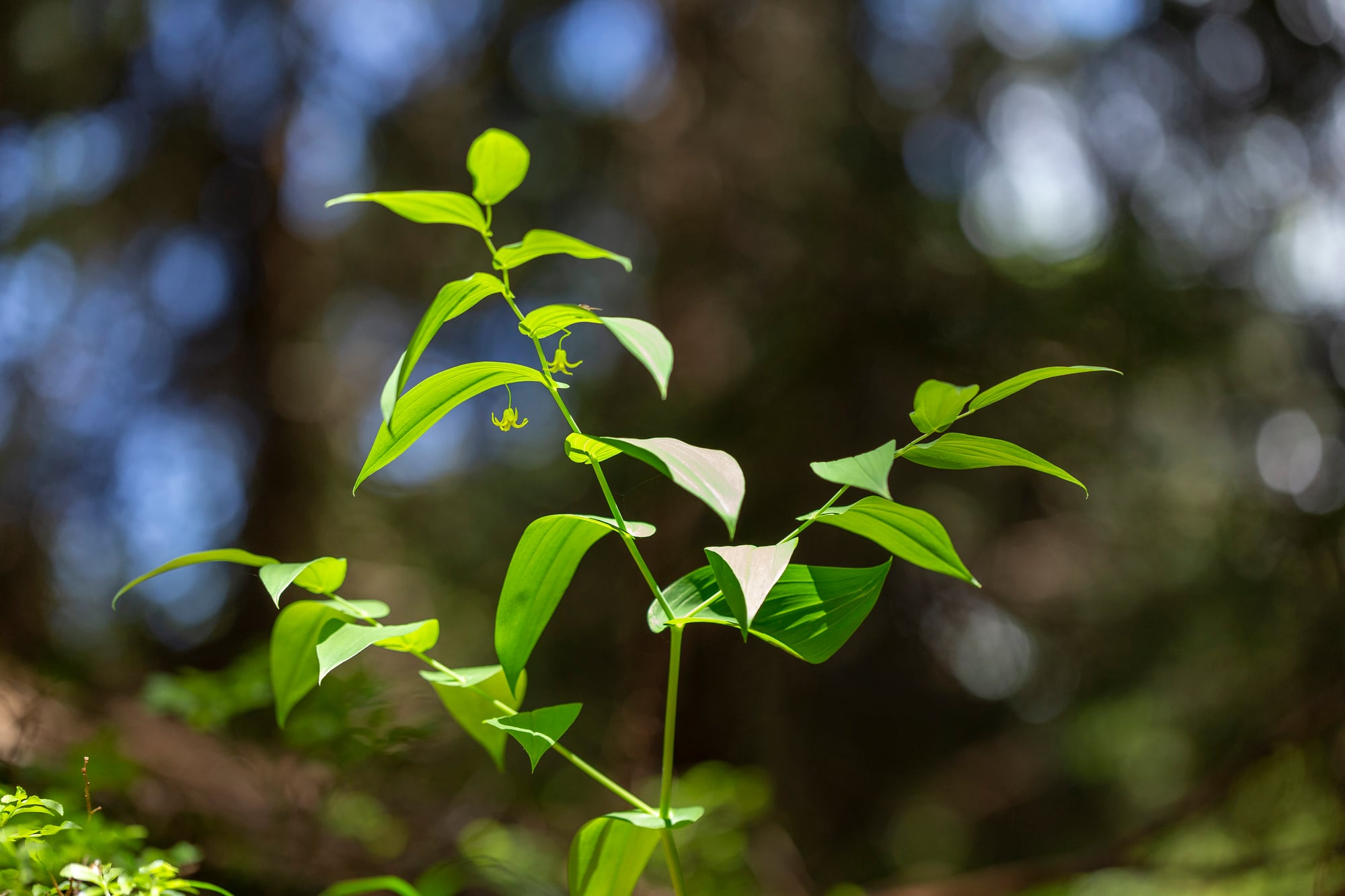
Out in the wilds of North America, some plants barely show up at all. Still, they carry stories older than forests.
One grows where ice once pressed down hard. Another survives on thin soil atop ancient rock.
Through droughts, shifts, silence – each stayed different. Distance changed them.
Seasons bent their forms. Time made them what they are.
Staying alive often comes down to being noticed, not making a show. A lone stretch of riverside, patch of woods, or slope on a hill might hold the key to a whole branch of life.
Far from meaning something doesn’t matter, scarcity whispers duty instead. What sticks around matters just as much as what spreads wide – diversity lives through endurance, not numbers alone.
More from Go2Tutors!

- The Romanov Crown Jewels and Their Tragic Fate
- 13 Historical Mysteries That Science Still Can’t Solve
- Famous Hoaxes That Fooled the World for Years
- 15 Child Stars with Tragic Adult Lives
- 16 Famous Jewelry Pieces in History
Like Go2Tutors’s content? Follow us on MSN.



