14 Legal Battles Over Who Really Wrote Famous Songs
Music history is rich with iconic hooks and unforgettable lyrics — yet behind many of these hits lie bitter legal showdowns over songwriting credit. When massive royalties are involved, disputes often turn personal, with courtroom drama revealing just how tangled the creative process can get.
From overlooked collaborators to heated plagiarism claims, the following legal cases pull back the curtain on the messier side of the music business.
“He’s So Fine” vs. “My Sweet Lord”

— Illustration by Artkreator
In 1976, George Harrison was taken to court by Bright Tunes Music, who claimed his hit My Sweet Lord sounded strikingly similar to He’s So Fine by The Chiffons — and not without reason. The court agreed, stating Harrison had “subconsciously plagiarized” the earlier tune. Even though it wasn’t deliberate, the ruling cost him $587,000. To put the matter to rest, he eventually bought the rights to the original song.
“Blurred Lines” Copyright Clash
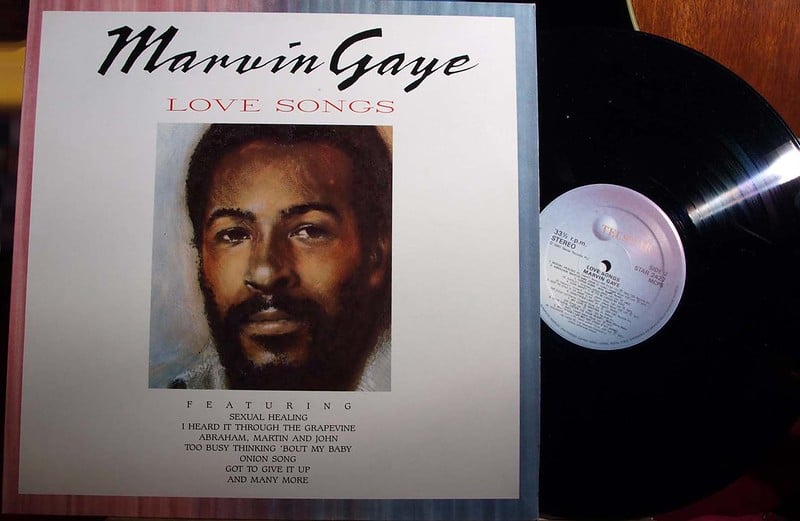
Robin Thicke and Pharrell Williams landed in legal trouble when Marvin Gaye’s family alleged their 2013 chart-topper lifted the vibe of Got to Give It Up. After a high-profile trial, a jury sided with the Gaye estate, initially awarding $7.4 million — later reduced. The verdict sparked fierce debate in the music world over where influence ends and plagiarism begins.
“Stairway to Heaven” Under Fire
— Photo by sergii.kl.ua
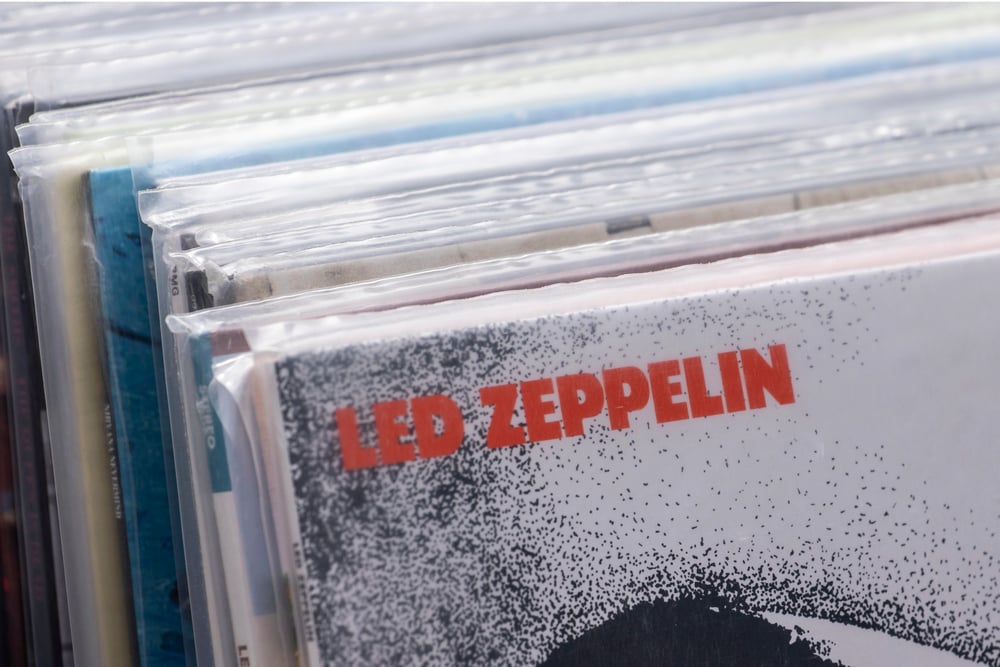
Led Zeppelin’s legendary Stairway to Heaven came under scrutiny when the estate of Randy Wolfe, guitarist of the band Spirit, claimed it borrowed too heavily from Taurus. The fight escalated all the way to the U.S. Supreme Court. Ultimately, the judges ruled in Zeppelin’s favor — concluding that any similarities in the chord progressions were too generic to warrant copyright protection.
“Surfin’ U.S.A.” vs. Chuck Berry
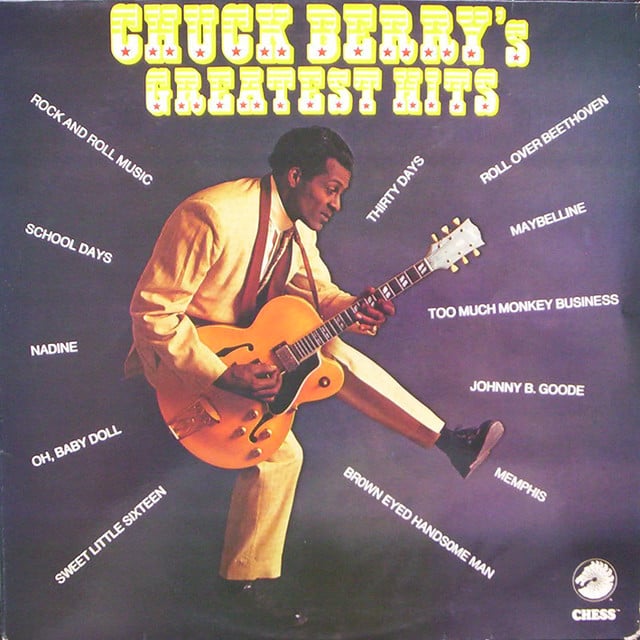
When Surfin’ U.S.A. dropped, Chuck Berry’s publisher noticed something familiar — the melody was almost identical to Sweet Little Sixteen. Different lyrics, same tune. Rather than drag things out, The Beach Boys handed over writing credit and royalties to Berry, acknowledging the obvious influence.
“Come On Eileen” Credit Tussle
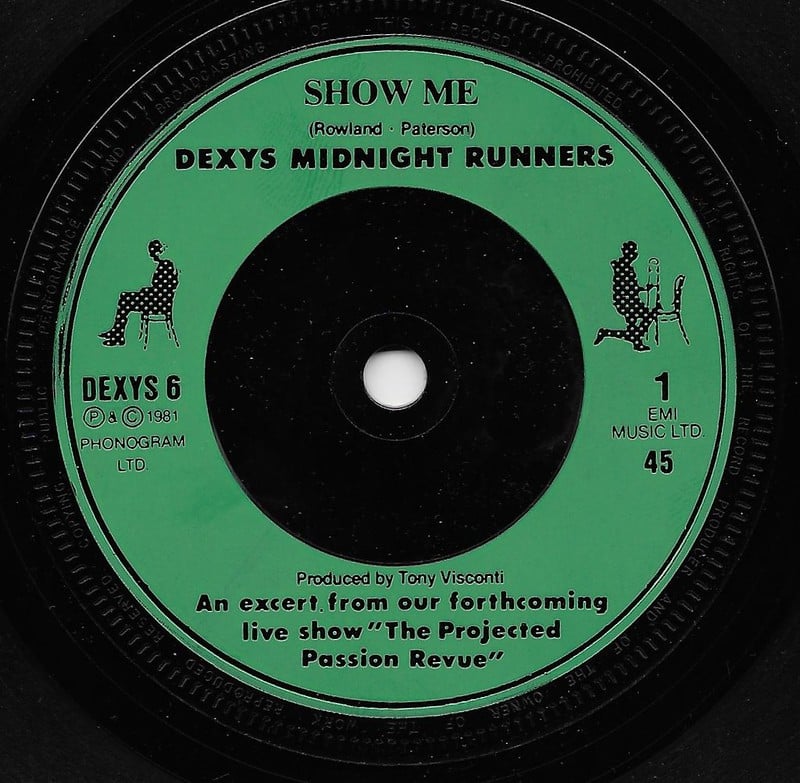
Dexys Midnight Runners may have found global success with Come On Eileen, but behind the scenes, credit disputes brewed. Though Kevin Rowland and Jim Paterson were the official writers, other band members argued they had helped shape the song’s defining sound. What followed was a drawn-out legal battle over who deserved recognition.
“Bitter Sweet Symphony” Sampling Nightmare

The Verve thought they had cleared a sample from an orchestral version of The Rolling Stones’ The Last Time for Bitter Sweet Symphony. Turns out — they used more than agreed. ABKCO Records swooped in, winning 100% of the royalties. Years later, in 2019, Jagger and Richards finally gave back the rights to The Verve’s Richard Ashcroft.
“Ice Ice Baby” and the Bassline Debate

Vanilla Ice’s breakout hit came with baggage. The bassline bore a striking resemblance to Queen and David Bowie’s Under Pressure. Though he initially claimed they were different, the overlap was undeniable. A lawsuit followed — and ended with Queen and Bowie receiving both writing credit and a sizable payout.
“Spirit in the Night” Production vs. Composition

Bruce Springsteen ran into legal friction with former manager Mike Appel, who claimed a share of songwriting credit on several early tracks — Spirit in the Night included. Appel insisted that his production work went beyond the booth. Though part of a larger contract dispute, the claim underscored how blurred the lines can be between producing and co-creating.
“A Whiter Shade of Pale” and the Organ Line

Decades after the release of Procol Harum’s A Whiter Shade of Pale, organist Matthew Fisher sued for credit — arguing that his haunting organ part was integral to the song’s identity. After a lengthy legal battle, Fisher prevailed in 2009, securing partial songwriting rights long after the song became a classic.
“Taurus” vs. “Stairway to Heaven” — Round Two
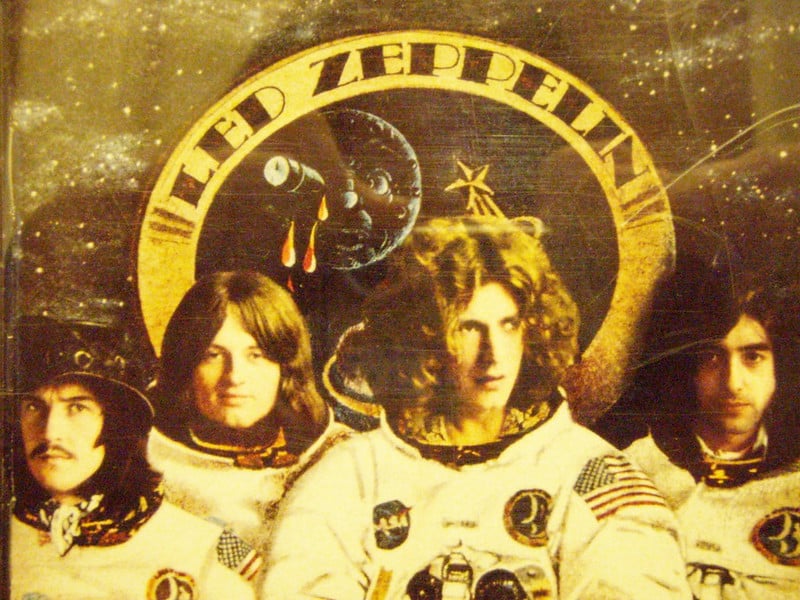
Although Led Zeppelin ultimately triumphed in the Stairway case, the six-year ordeal wasn’t without tension. The estate claimed that Zeppelin had shared stages with Spirit, implying they’d heard Taurus before crafting their own track. The legal tug-of-war underscored how tricky it is to prove musical plagiarism when shared influences are everywhere.
“Good Times” vs. “Rapper’s Delight”
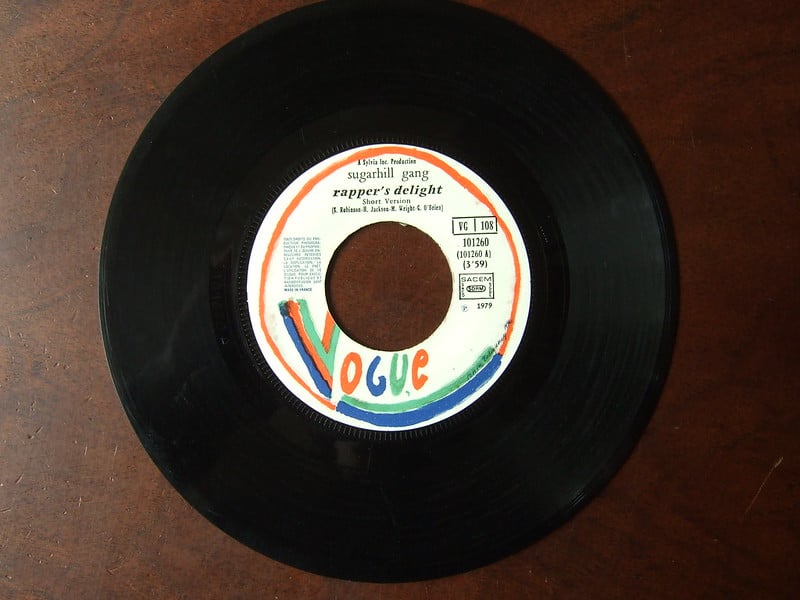
Hip-hop’s early days were defined by innovation — and legal blind spots. When The Sugarhill Gang’s Rapper’s Delight lifted the Good Times bassline, Chic’s Nile Rodgers and Bernard Edwards took action. The result? A pioneering legal settlement that earned them songwriting credit and royalties, while also shaping the future of sampling law.
“Oh, Pretty Woman” — The Parody Ruling
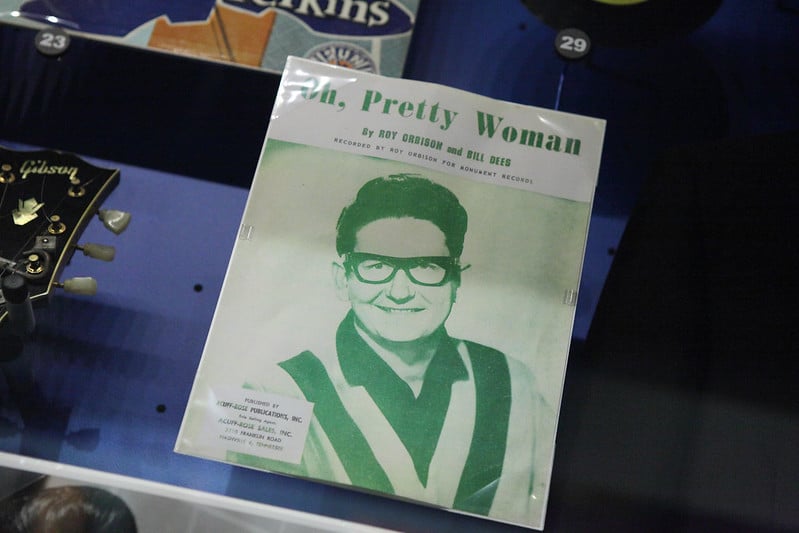
2 Live Crew’s raunchy parody of Roy Orbison’s Oh, Pretty Woman sparked a pivotal case. Orbison’s estate sued — but the group fought back, citing fair use. In 1994, the U.S. Supreme Court sided with 2 Live Crew, declaring that commercial parodies could still qualify as transformative and protected under copyright law.
“Tom Dooley” and the Folk Song Gray Zone
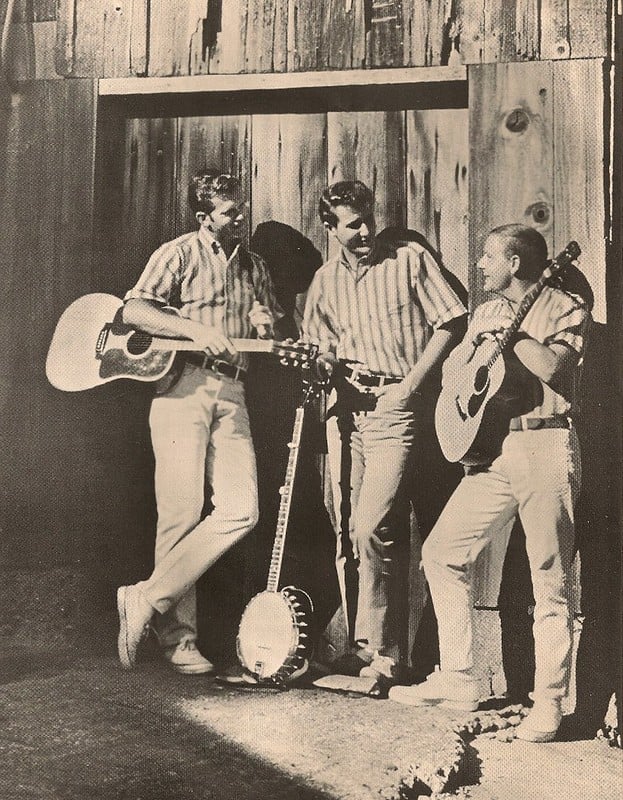
The Kingston Trio’s version of the folk ballad Tom Dooley stirred controversy when various parties scrambled to claim ownership. While the song originated in the public domain, the trio’s rearrangement introduced enough variation to cause legal confusion. Multiple lawsuits followed, showing how even traditional songs can spark fresh copyright wars.
“My Girl” and the Motown Maze
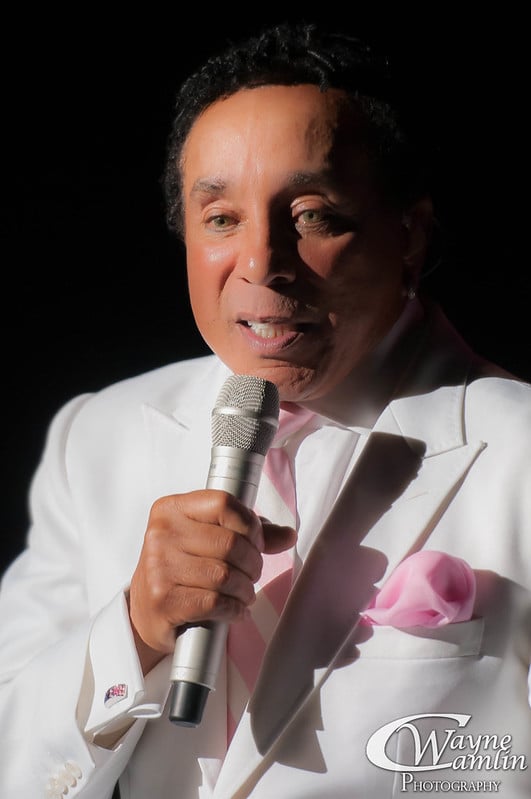
My Girl remains one of The Temptations’ most beloved tracks, officially credited to Smokey Robinson and Ronald White. Yet over the years, other Motown writers surfaced — insisting they, too, had shaped the song. The case exposed how collaborative Motown’s creative process really was, and how credit wasn’t always distributed fairly.
When Creativity Meets the Courtroom
These cases highlight how complicated things can get when art meets business. While some lawsuits revolve around blatant copying, others dive deep into murkier waters — where influence, collaboration, and memory collide. In an age where music constantly references its past, the courts play an ever-larger role in deciding who truly deserves credit — and who just took a little too much inspiration.
More from Go2Tutors!

- 16 Historical Figures Who Were Nothing Like You Think
- 12 Things Sold in the 80s That Are Now Illegal
- 15 VHS Tapes That Could Be Worth Thousands
- 17 Historical “What Ifs” That Would Have Changed Everything
- 18 TV Shows That Vanished Without a Finale
Like Go2Tutors’s content? Follow us on MSN.