Reasons Certain Animals Vanished From Regions Where They Once Thrived
Extinction is rarely instantaneous. Species vanish from regions through gradual processes—habitat destruction, hunting pressure, introduced predators, climate shifts, and disease—leaving ghost populations in places where they once dominated. Understanding why lions no longer roam much of the Middle East, why elephants disappeared from the Midwest, and why wolves virtually vanished from Europe reveals how human activity fundamentally reshaped animal distributions. Reintroduction efforts sometimes restore species to former haunts, but many animals will never reclaim their ancestral ranges. These disappearances represent not failure of the animals but transformation of the environments they depended on.
Lions in the Middle East and North Africa

Lions once ranged from Greece through the Middle East into India. Today they’re restricted to sub-Saharan Africa (with a small Asian lion population in India). Habitat loss, hunting for sport and protection of livestock, and declining prey populations drove lions from their former ranges. The transformation of Mediterranean and Middle Eastern forests into agricultural land and urban development eliminated suitable habitat long before conservation awareness emerged.
Mammoths in Northern Latitudes
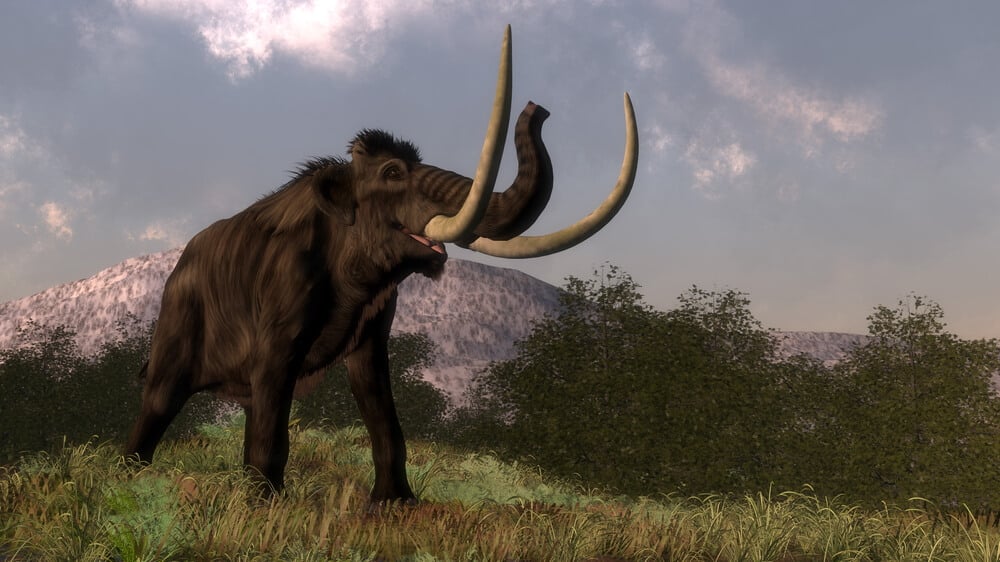
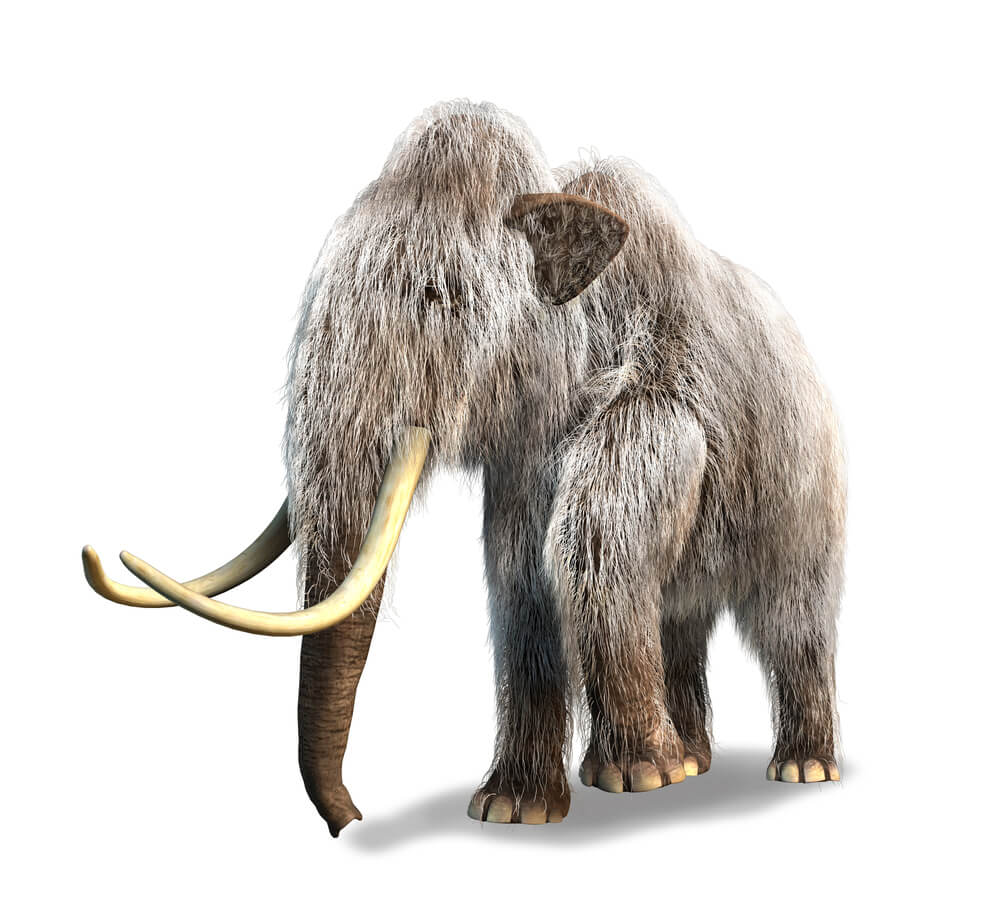
Wooly mammoths dominated Arctic and subarctic regions for hundreds of thousands of years. Climate warming at the end of the ice age reduced tundra and grassland habitat. Simultaneously, human hunting pressure intensified. The combination of shrinking habitat and increased predation from humans eliminated populations across Siberia and North America within a few millennia.
Passenger Pigeons in North America

Passenger pigeons formed the largest bird populations ever recorded—flocks so massive they darkened the sky for hours. Unregulated hunting targeting their meat and feathers, combined with habitat loss from forest clearing, reduced billions of birds to extinction within decades. By 1914, the last passenger pigeon died in captivity, demonstrating how rapidly commercial hunting can eliminate species.
Aurochs in Europe
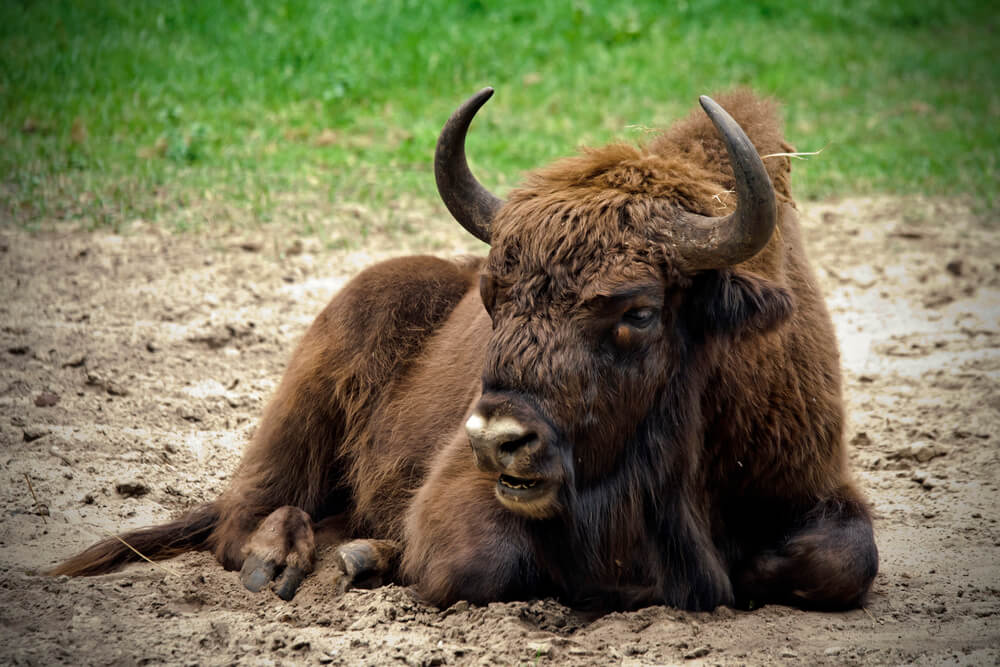
The aurochs (wild ancestor of domestic cattle) roamed forests across Europe, Asia, and North Africa. Habitat loss from forest clearing and unregulated hunting by nobility seeking trophy kills gradually eliminated populations. The last aurochs died in 1627 in Poland, leaving only genetic memory in domestic cattle breeds.
Elephants in North Africa and the Middle East
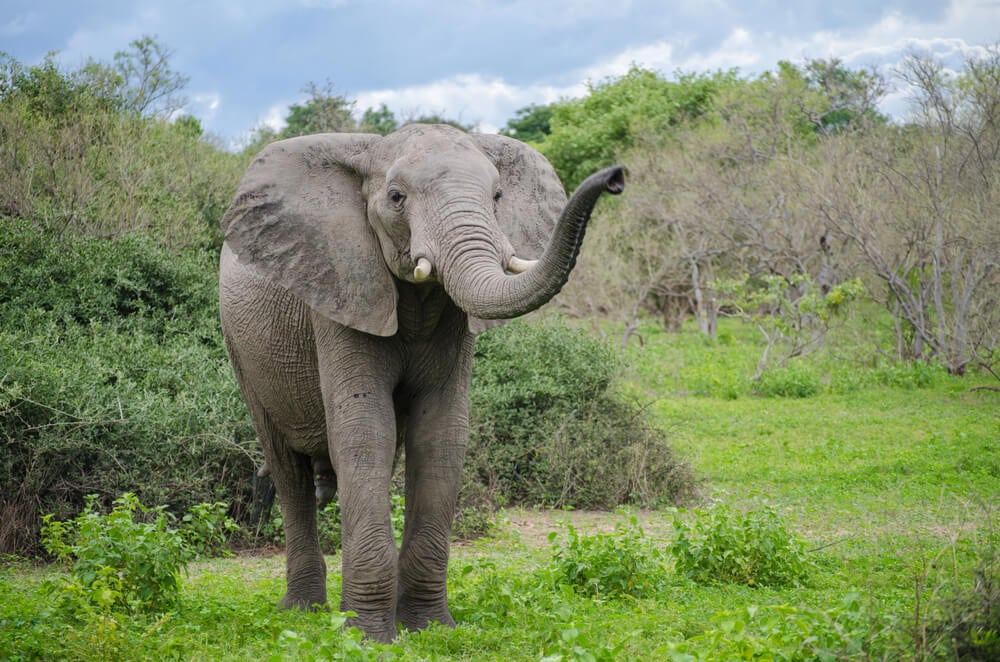
Elephants formerly ranged across North Africa and the Middle East, featured in Egyptian and Carthaginian armies. Loss of forest and grassland habitat to agriculture and desiccation of the Sahara combined with hunting pressure gradually eliminated populations north of sub-Saharan Africa.
Wolves in Europe and Eastern North America
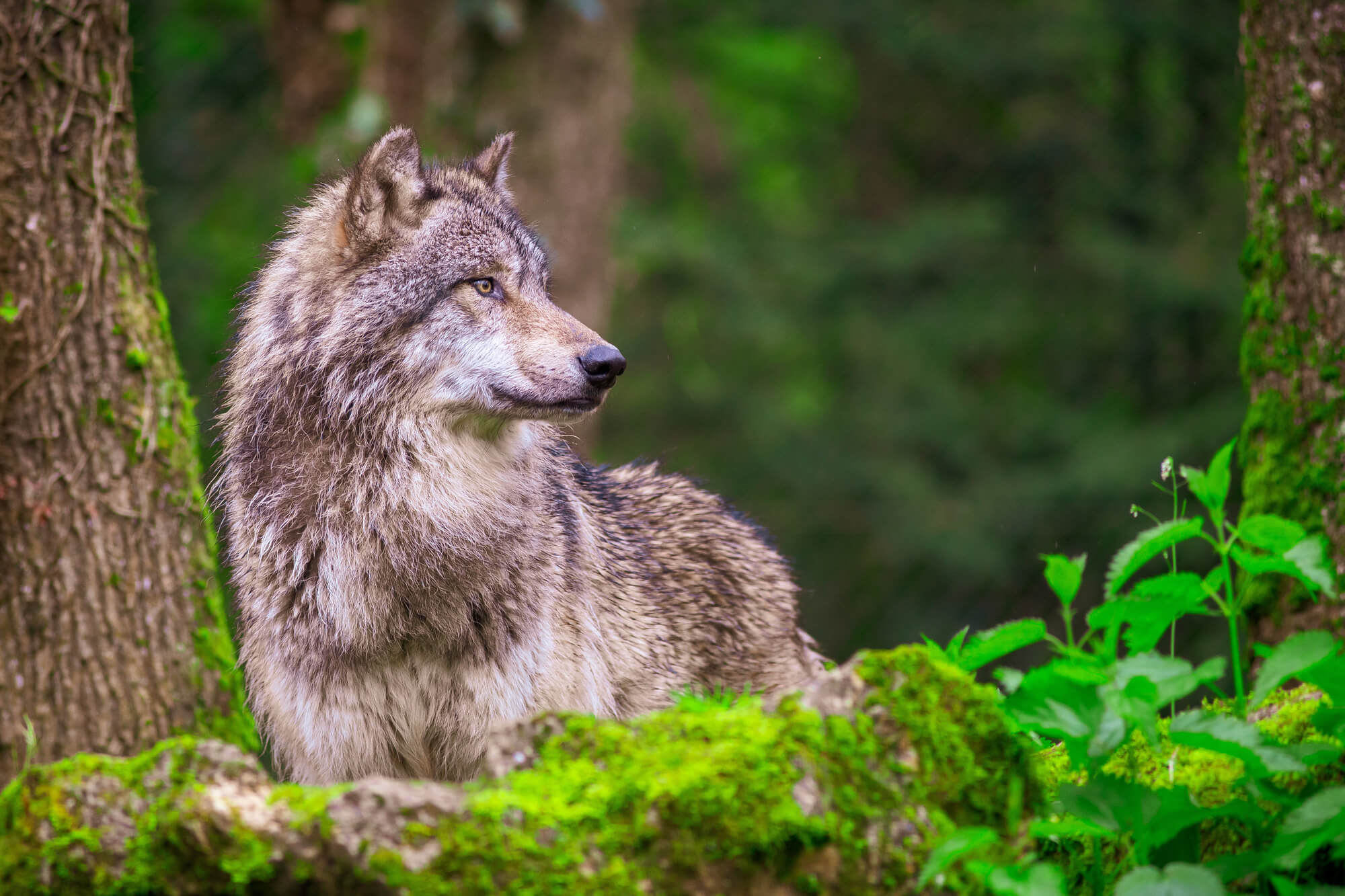
Wolves were systematically eliminated from most of Europe and eastern North America through bounty programs, habitat destruction, and prey depletion. Predator control campaigns justified protection of livestock killed targeted wolves across continents. Wolves survived only in remote Siberian and interior North American forests until reintroduction efforts began.
Bears in the Middle East and Mediterranean
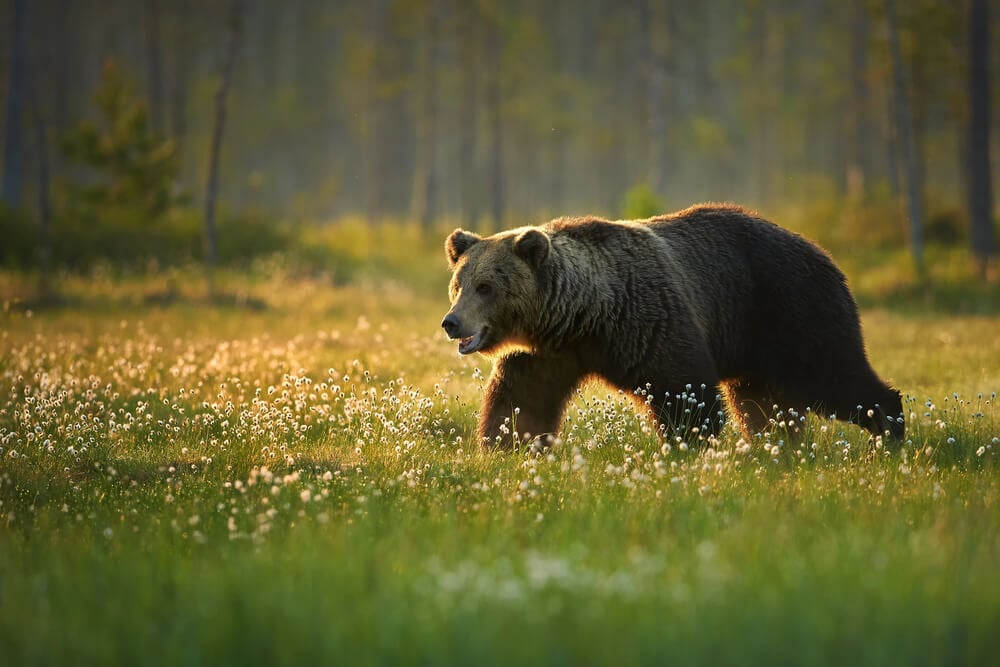
Bears once roamed Mediterranean forests and Middle Eastern mountains. Forest conversion to agriculture, hunting for sport, and persecution as livestock threats eliminated bears from most of their former range. Reintroduction programs in Europe have gradually restored small populations.
Cheetahs in the Middle East and Central Asia
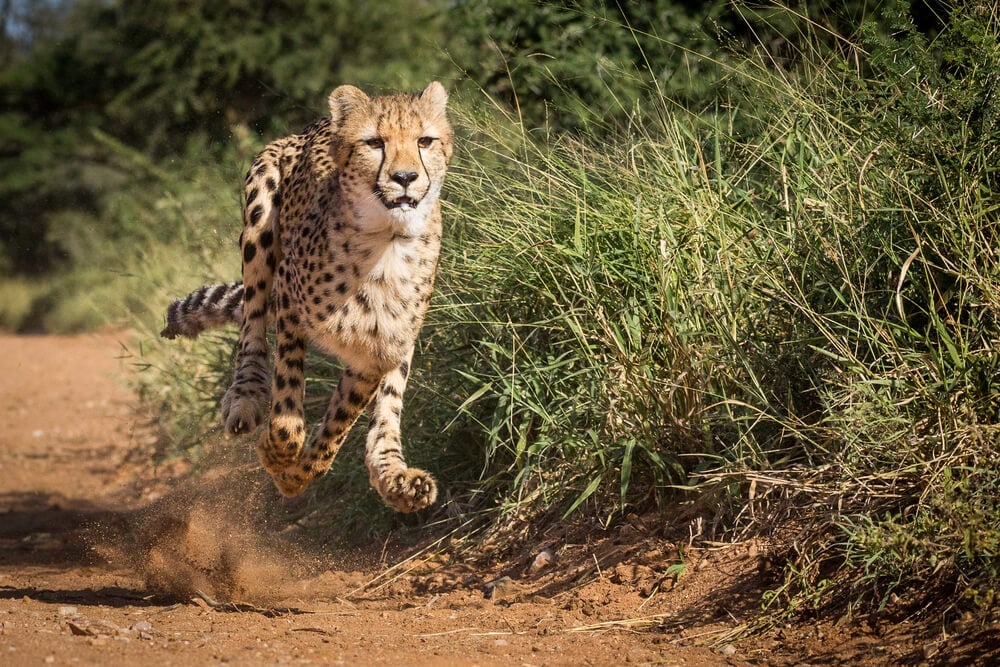
Cheetahs historically ranged across Central Asia, the Middle East, and Africa. Habitat loss from desertification and agricultural expansion, combined with prey depletion and persecution, eliminated cheetahs from their northern ranges. They now survive primarily in Africa and a small population in Iran.
Rhinos in Asia and Africa
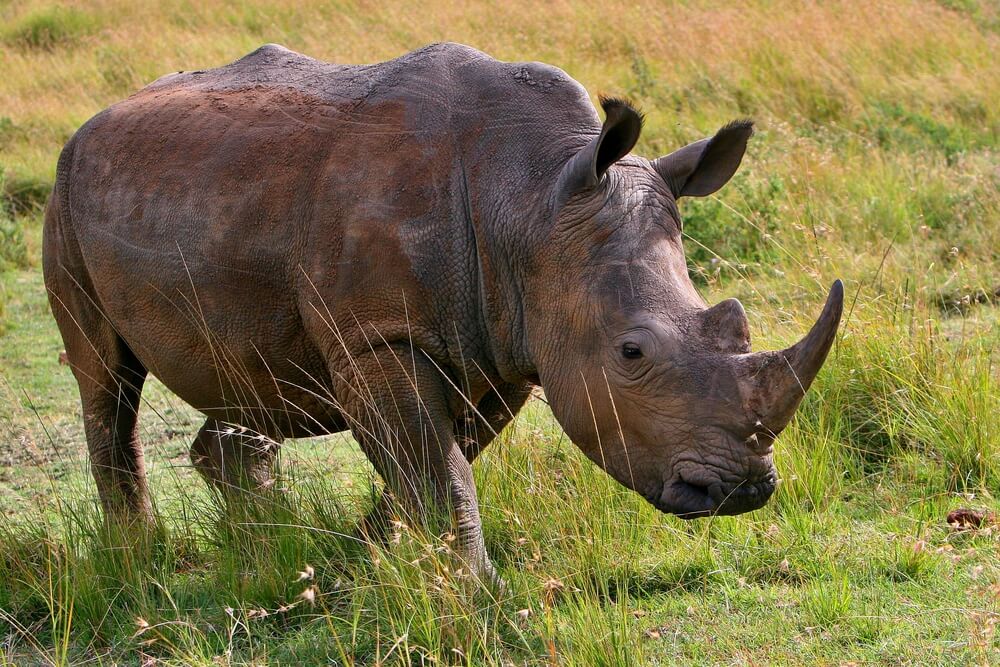
All rhino species declined dramatically from broad ranges to isolated populations. Habitat loss from human settlement and agricultural expansion fragmented populations. Poaching for horns used in traditional medicine became catastrophic in the late 20th century, reducing populations to thousands.
Tigers in Asia

Tigers once ranged across Asia from the Middle East to Eastern Russia to Indonesia. Habitat loss from deforestation and agricultural expansion fragmented populations. Hunting pressure for sport, traditional medicine, and livestock protection reduced tiger populations to critical levels.
Hippopotamuses in the Mediterranean and Middle East
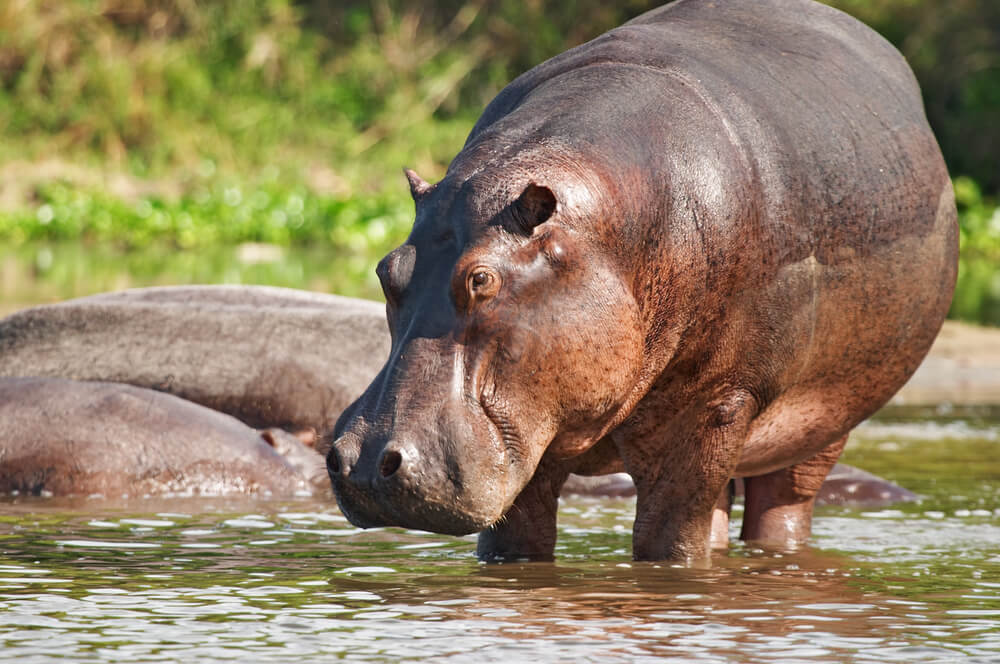
Hippos once ranged throughout African waterways, the Nile delta, and Mediterranean regions. Habitat loss from water management, dam construction, and agricultural diversion eliminated hippos from much of their former range. They survive now primarily in isolated sub-Saharan populations.
Beavers in North America and Europe

Beavers were hunted nearly to extinction for pelts valued in the fur trade. Wetland destruction combined with unregulated trapping nearly eliminated populations. Reintroduction and protection programs have restored populations, though to much smaller ranges than historically.
Sea Otters on the Pacific Coast

Sea otters were hunted nearly to extinction for their pelts. Coastal hunting eliminated sea otter populations across the Pacific coast of North America and Russia. A small population survived off California, providing the genetic foundation for reintroduction efforts.
Arabian Oryx in the Arabian Peninsula
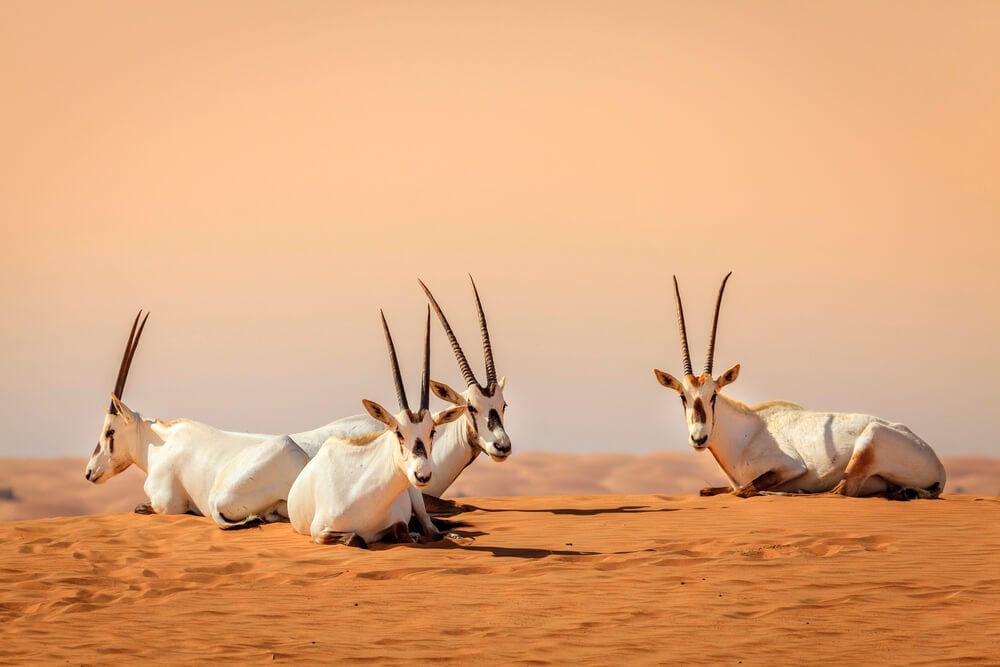
Arabian oryx were hunted to near-extinction through trophy hunting in the early 20th century. Only a handful survived in protected zoos, providing the foundation for captive breeding and reintroduction programs that have restored populations to their native range.
Dodos in Mauritius
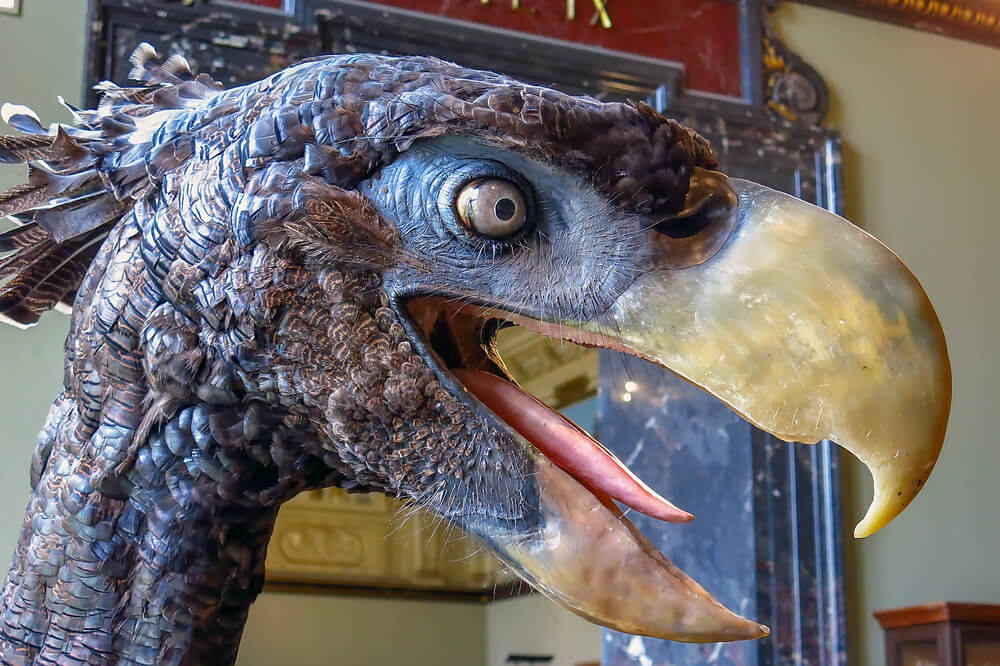
The dodo, found nowhere else, vanished through combination of hunting by sailors and predation from introduced rats and pigs. Habitat loss from settlement and trade activity in Mauritius eliminated the species within 100 years of European contact.
Steller’s Sea Cow in the North Pacific
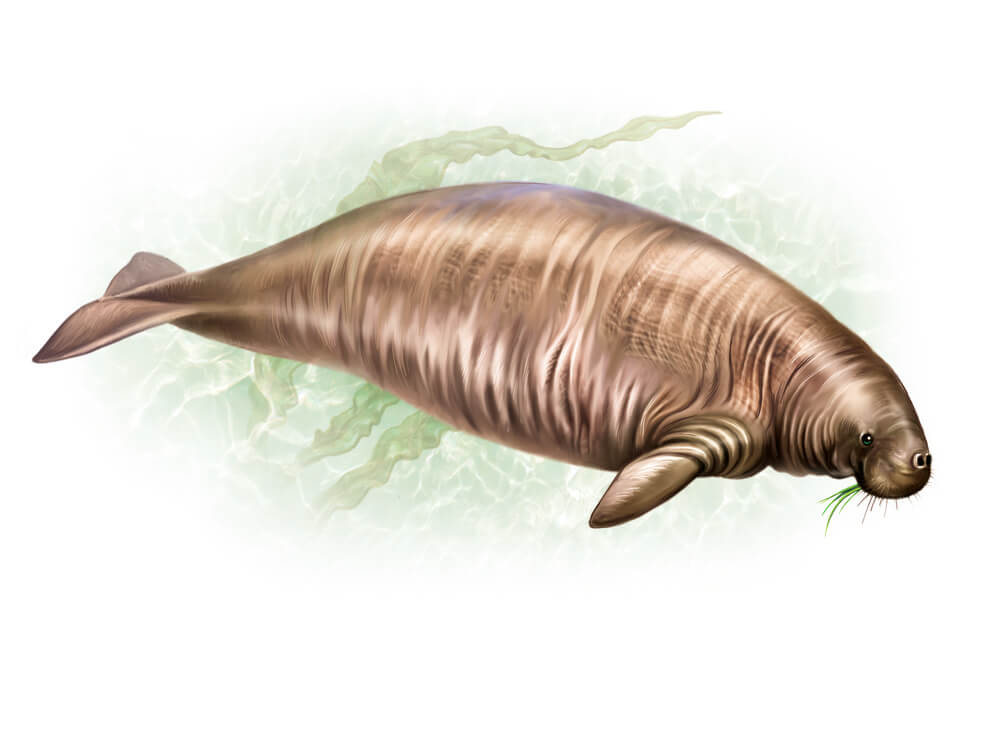
Steller’s sea cow, related to manatees, was hunted to extinction within 27 years of its discovery by European hunters. Located only in the waters around Bering Island, it lacked evolutionary history with human predation and could not avoid extinction once hunting began.
Arabian Tahr in the Arabian Peninsula
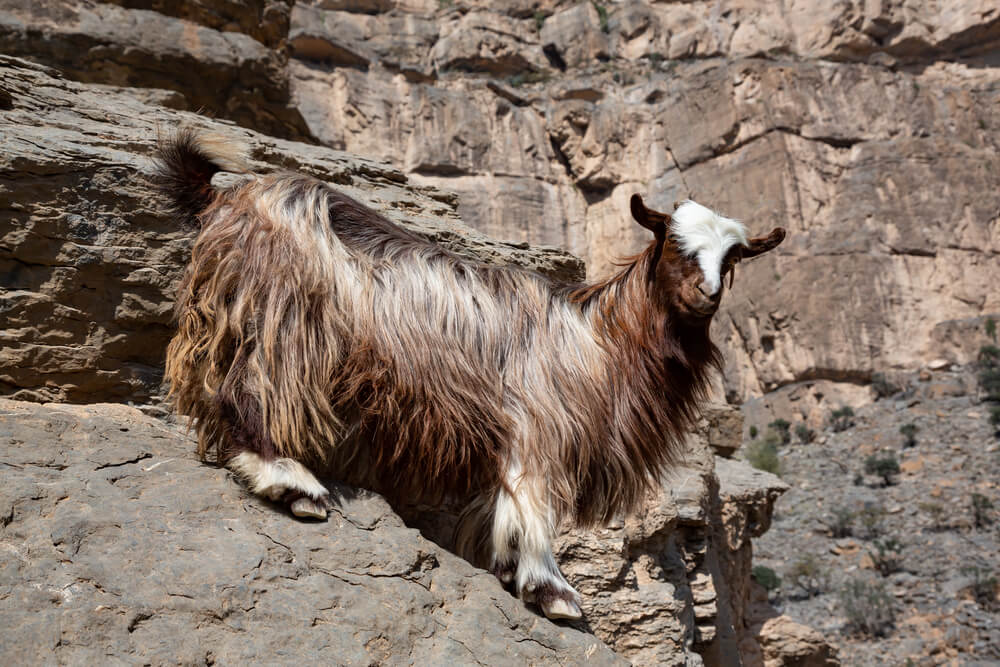
The Arabian tahr, a wild goat species, was hunted to near-extinction in its mountainous Arabian habitat. Protection efforts and habitat conservation have allowed limited population recovery in protected areas.
North African Elephants in Atlas Mountains
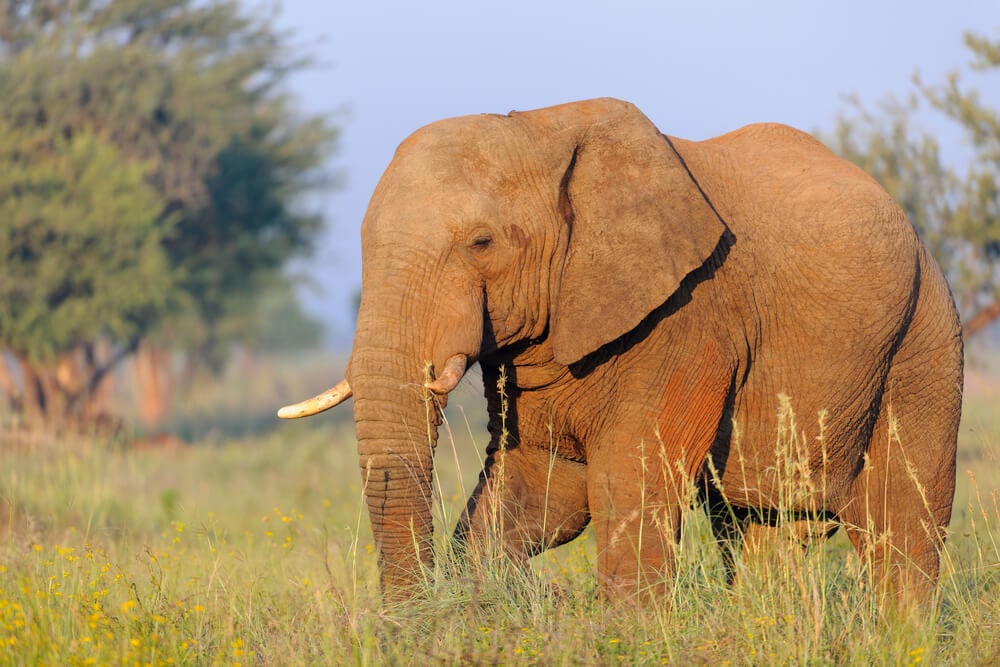
A small elephant population persisted in the Atlas Mountains of North Africa into the Roman era. Habitat loss from deforestation, hunting for ivory, and agricultural expansion eliminated them within historical times.
Mountain Goats in European Alps
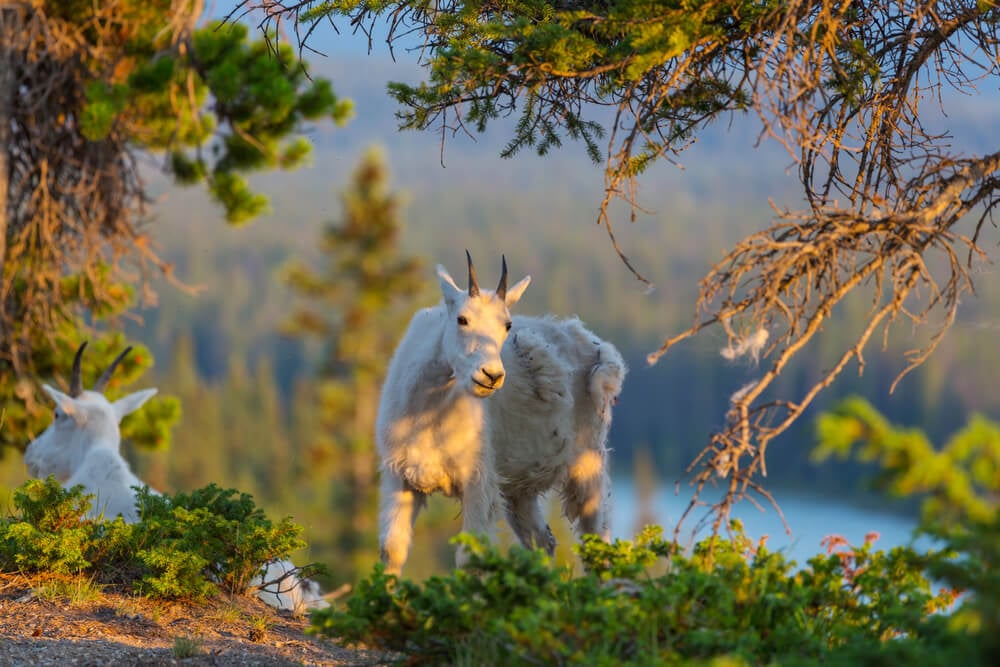
Ibex and chamois were hunted nearly to extinction in the Alps for medicinal body parts and sport. Habitat degradation from pasture expansion and hunting pressure eliminated populations across much of their range until protection efforts allowed limited recovery.
Musk Deer in Central Asia
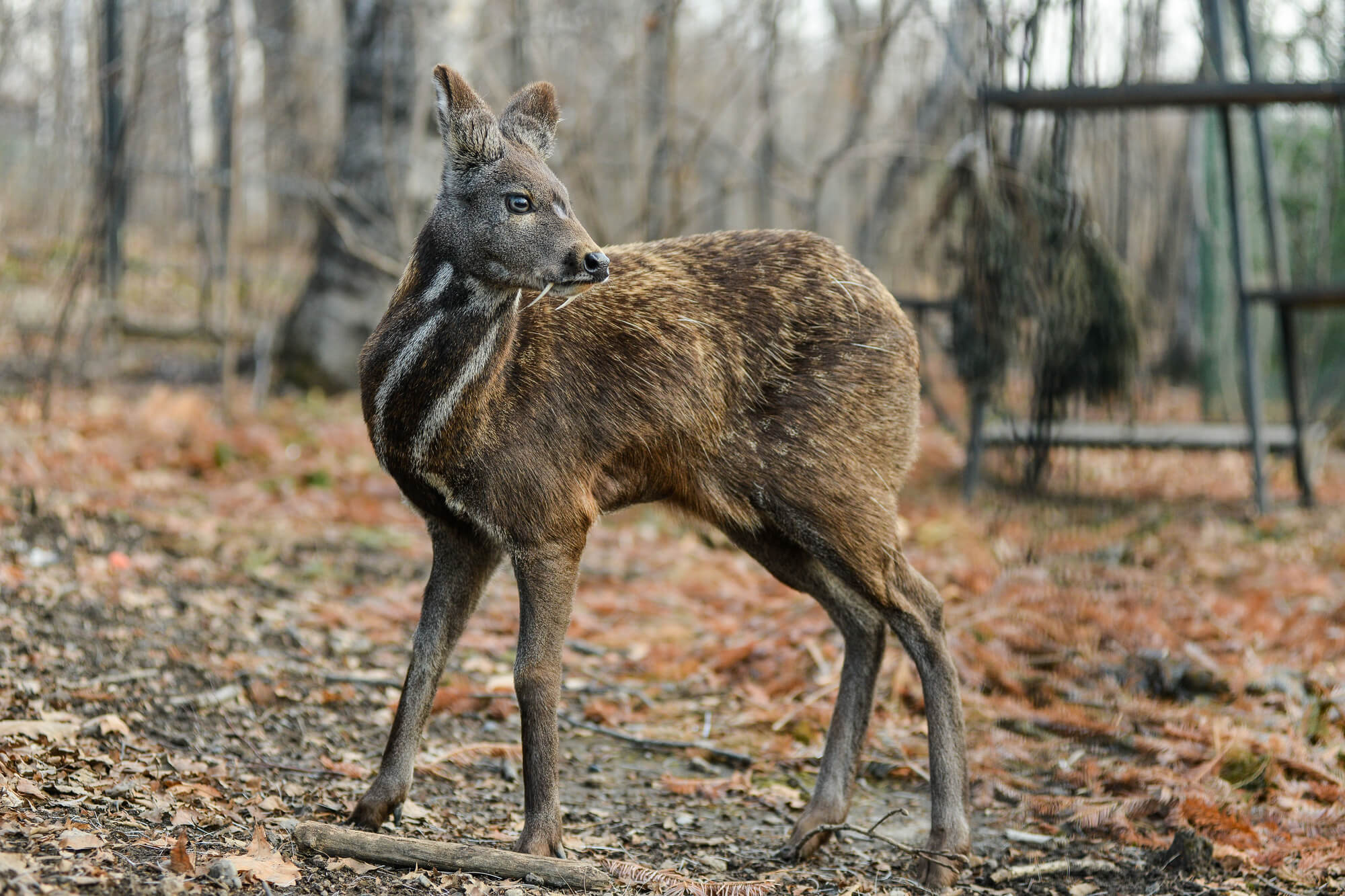
Musk deer are hunted for scent glands used in traditional medicine and perfume. Habitat loss and hunting pressure have eliminated populations from much of Central Asia, restricting them to remote mountain areas.
Saber-Toothed Cats in North America
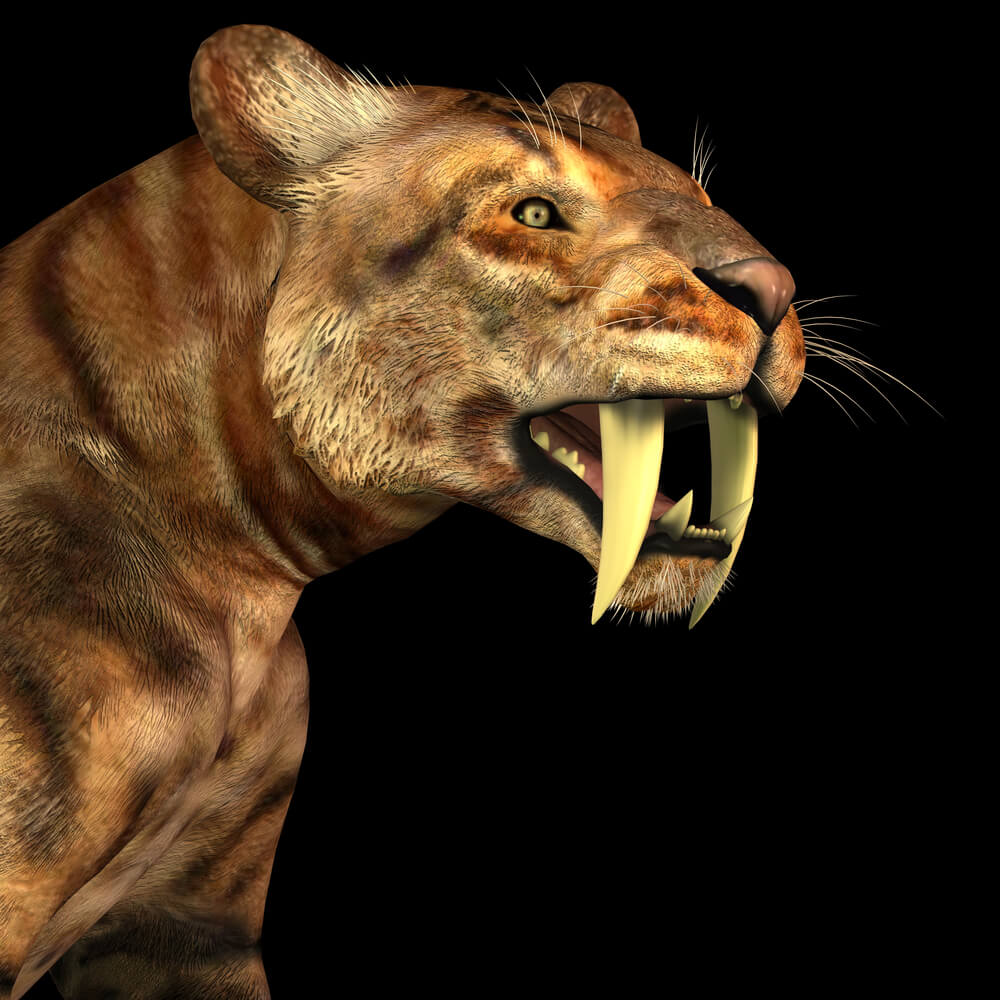
Saber-tooth cats vanished from North America at the end of the ice age as their megafauna prey populations collapsed. Climate change and human hunting combined to eliminate prey species, starving the specialized predators.
Giant Ground Sloths in the Americas
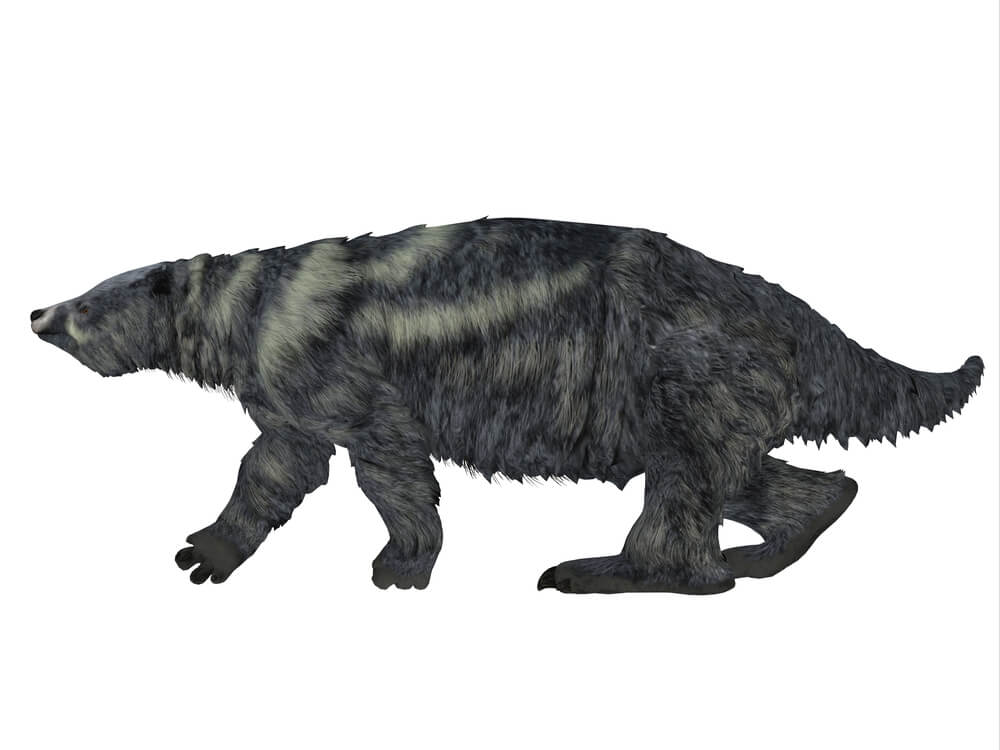
Giant ground sloths, some larger than elephants, vanished from the Americas within a few thousand years of human arrival. Whether human hunting or climate change was primary remains debated, but combined pressure likely eliminated these browsing megafauna.
Woolly Rhinos in Arctic Asia
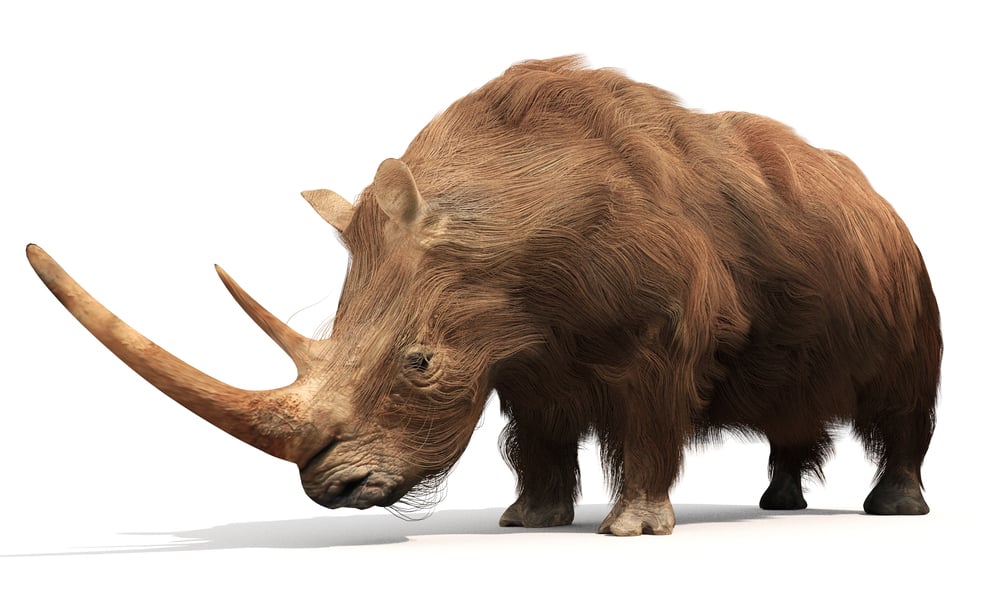
Woolly rhinos adapted to ice-age grasslands vanished as climate warming transformed their habitat into tundra and taiga. Human hunting pressure during the late ice age intensified the pressure from habitat loss, eliminating populations gradually across Arctic Asia.
The Pattern of Vanishment
Most animal extinctions result not from single catastrophic events but from compounding pressures: habitat loss, hunting, disease, climate shifts, and introduced species. Rarely does one factor alone eliminate species. Instead, erosion of habitat limits populations, reducing their resilience against other pressures. This gradual process means species can disappear without dramatic notice, leaving regions where they once thrived with no large predators, no mega-herbivores, fundamentally altered ecosystems. Understanding these vanishments reveals that ecological communities depend on species that can take centuries to restore.
More from Go2Tutors!

- The Romanov Crown Jewels and Their Tragic Fate
- 13 Historical Mysteries That Science Still Can’t Solve
- Famous Hoaxes That Fooled the World for Years
- 15 Child Stars with Tragic Adult Lives
- 16 Famous Jewelry Pieces in History
Like Go2Tutors’s content? Follow us on MSN.