15 Aviation Tragedies That Altered Safety Protocols
Aviation has come a long way since the Wright Brothers’ first flight in 1903. Today’s commercial aircraft are marvels of engineering that can carry hundreds of passengers across continents with remarkable reliability. However, this level of safety didn’t happen overnight—it was earned through hard lessons, many of which came at a devastating cost.
The history of aviation safety is written in tragedy, with each catastrophic event serving as a stark reminder that even the smallest oversight can have enormous consequences. These disasters, while heartbreaking, have driven the industry to develop increasingly sophisticated safety measures that protect millions of travelers today.
Here is a list of 15 aviation tragedies that fundamentally changed how we approach flight safety, creating the robust protocols that make modern aviation one of the safest forms of transportation.
The Hindenburg Disaster (1937)

The Hindenburg was supposed to represent the future of luxury air travel when it caught fire while docking in New Jersey on May 6, 1937. The massive German airship—filled with highly flammable hydrogen gas—became an inferno in just 34 seconds, killing 36 people.
The disaster was captured on film and radio, with reporter Herbert Morrison’s emotional commentary becoming one of the most famous broadcasts in history. This tragedy effectively ended the era of passenger airships and highlighted the dangers of using hydrogen as a lifting gas.
The aviation industry learned that helium, while less efficient, was far safer for lighter-than-air aircraft. The disaster also demonstrated the importance of having emergency procedures in place—though the need for better understanding of fire safety in aviation became crystal clear.
United Airlines Flight 624 (1948)
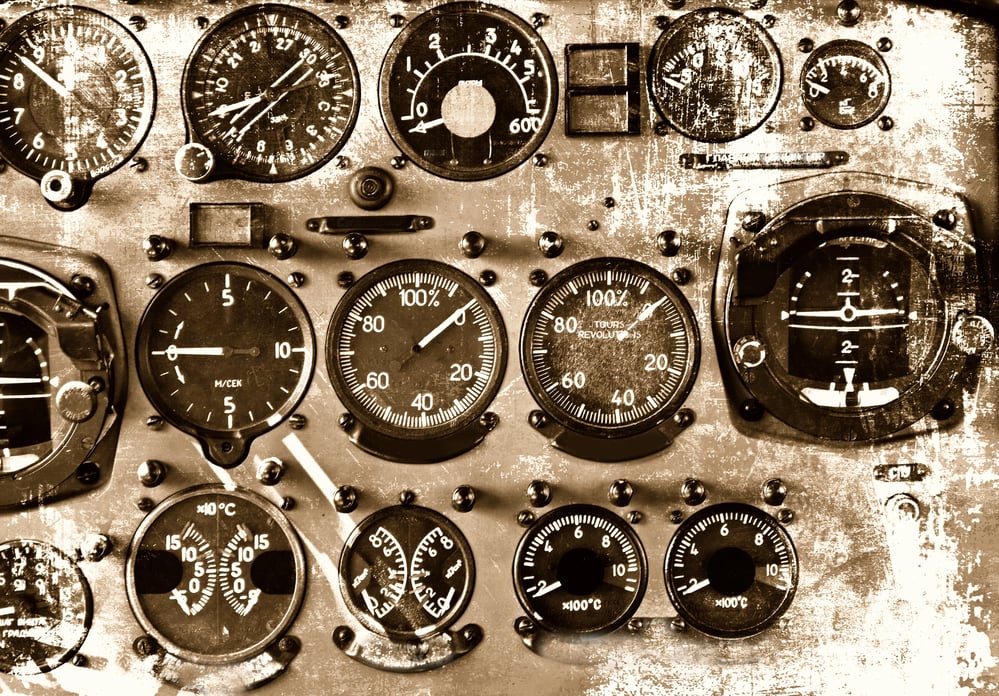
On June 17, 1948, United Airlines Flight 624 crashed near Mount Carmel, Pennsylvania, killing all 43 people aboard. The investigation revealed that the crew had become disoriented in clouds—they’d lost control of the aircraft.
This wasn’t just pilot error; it exposed a fundamental flaw in how crews were trained to fly solely by instruments. The crash led to revolutionary changes in instrument training requirements for commercial pilots.
Airlines began requiring extensive simulator training focused on instrument flying, yet the concept of ‘blind flying’ became a central part of pilot certification. The tragedy also spurred development of better navigation aids and standardized instrument approach procedures that pilots still use today.
Air France Flight 4590 (2000)
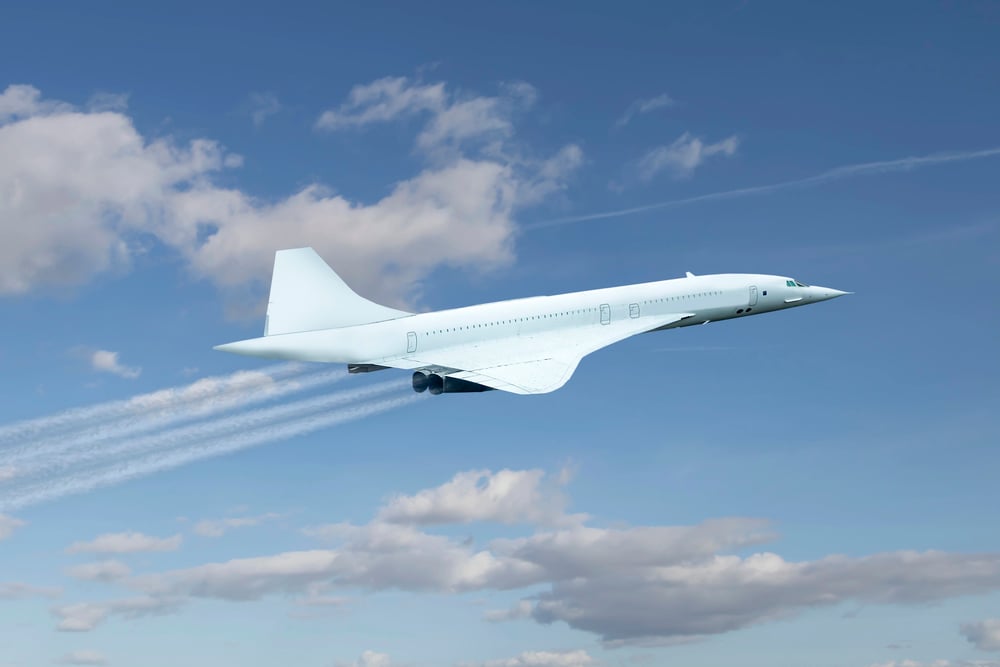
The only fatal accident involving a Concorde supersonic passenger jet occurred on July 25, 2000, when Air France Flight 4590 crashed shortly after takeoff from Paris. A piece of metal on the runway punctured the aircraft’s fuel tank—causing a massive fire that brought down the plane and killed all 109 people aboard plus four on the ground.
This disaster grounded the entire Concorde fleet. It led to significant improvements in runway debris detection and removal procedures.
Airports worldwide implemented more rigorous runway inspection protocols, while aircraft manufacturers began designing more robust fuel tank systems. The tragedy also highlighted the unique safety challenges posed by supersonic aircraft, contributing to the eventual retirement of the Concorde in 2003.
Eastern Air Lines Flight 401 (1972)

Eastern Air Lines Flight 401 crashed into the Florida Everglades on December 29, 1972, killing 101 people. The crew had become so focused on troubleshooting a faulty landing gear indicator light that they failed to notice the autopilot had been accidentally disengaged—causing the plane to gradually descend into the swamp.
This accident revolutionized crew resource management training throughout the aviation industry. Airlines began teaching pilots to better communicate, delegate tasks, and maintain situational awareness even during emergencies.
The concept of the ‘sterile cockpit’ also emerged, requiring crews to avoid non-essential conversation during critical phases of flight.
Tenerife Airport Disaster (1977)
The deadliest accident in aviation history occurred on March 27, 1977, when two Boeing 747s collided on the runway at Tenerife’s Los Rodeos Airport—killing 583 people. Poor radio communication, heavy fog, and unclear phraseology led to a catastrophic misunderstanding between air traffic control and the pilots.
This disaster completely transformed aviation communication protocols worldwide. Standard phraseology was established to eliminate ambiguity, yet the phrase ‘cleared for takeoff’ became reserved exclusively for actual takeoff clearance.
Ground radar systems were also improved to help controllers track aircraft movements in poor visibility conditions.
United Airlines Flight 232 (1989)
On July 19, 1989, United Airlines Flight 232 suffered a catastrophic engine failure that severed all hydraulic systems—leaving the crew with virtually no flight controls. Captain Al Haynes and his crew managed to crash-land the DC-10 in Sioux City, Iowa, saving 185 of the 296 people aboard through extraordinary skill and teamwork.
This accident led to major improvements in aircraft hydraulic system design and crew training for handling multiple system failures. Airlines began incorporating more realistic emergency scenarios into simulator training, though aircraft manufacturers redesigned hydraulic systems to be more redundant and resistant to total failure.
Pan Am Flight 103 (1988)
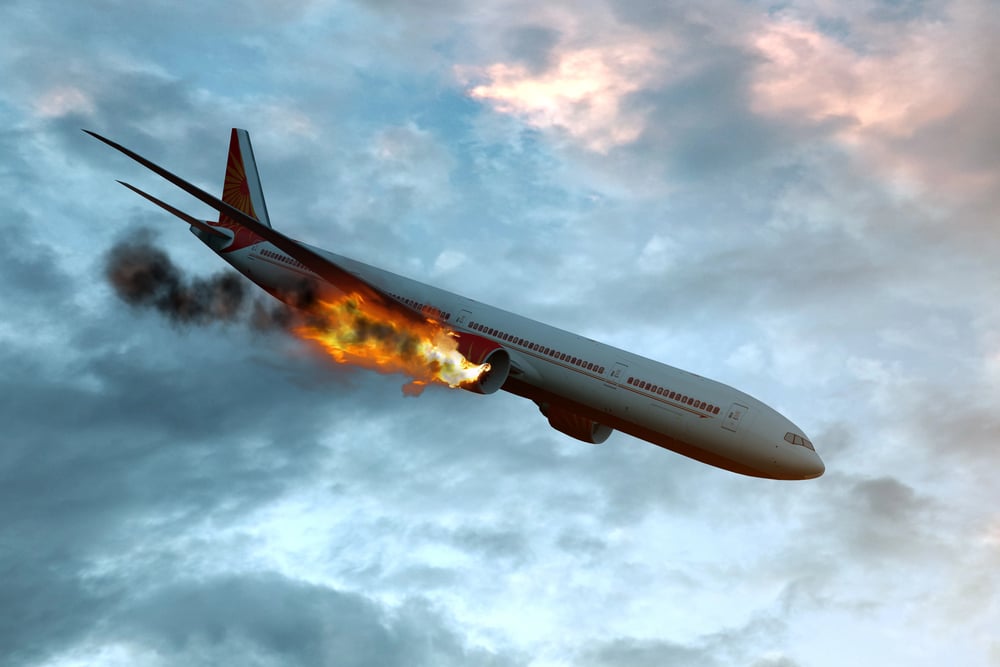
Pan Am Flight 103 was destroyed by a terrorist bomb over Lockerbie, Scotland, on December 21, 1988—killing all 259 people aboard and 11 on the ground. The attack exposed serious vulnerabilities in airport security and baggage screening procedures that had been largely overlooked.
This tragedy led to comprehensive overhauls of aviation security worldwide. New baggage screening technologies were developed, passenger-bag matching became mandatory, while security screening procedures were significantly enhanced.
The disaster also highlighted the need for better intelligence sharing between nations regarding aviation security threats.
Aloha Airlines Flight 243 (1988)
On April 28, 1988, Aloha Airlines Flight 243 experienced explosive decompression when a large section of the fuselage roof tore away at 24,000 feet. Despite the massive structural damage—the crew managed to land safely with only one fatality: flight attendant Clarabelle Lansing, who was swept out of the aircraft.
This accident revealed the dangers of metal fatigue in aging aircraft. It led to more stringent inspection requirements for older planes.
The concept of ‘widespread fatigue damage’ became a critical consideration in aircraft maintenance, though airlines began implementing more comprehensive structural inspection programs.
ValuJet Flight 592 (1996)
ValuJet Flight 592 crashed into the Florida Everglades on May 11, 1996, killing all 110 people aboard after oxygen generators in the cargo hold ignited. The fire was caused by improperly packaged hazardous materials that had been loaded without proper declaration or handling procedures.
This disaster led to major changes in how hazardous materials are transported by air—plus stricter oversight of low-cost airlines. New regulations required better training for cargo handlers, improved packaging requirements for dangerous goods, and enhanced fire suppression systems in cargo compartments.
Turkish Airlines Flight 981 (1974)
Turkish Airlines Flight 981 crashed in a forest near Paris on March 3, 1974, killing all 346 people aboard when a cargo door blew out—causing explosive decompression and loss of control. The accident was caused by a design flaw in the DC-10’s cargo door locking mechanism that had been known but not adequately addressed.
This tragedy led to significant improvements in aircraft door design and certification processes. Manufacturers were required to conduct more thorough testing of critical systems, while the concept of ‘fail-safe’ design became paramount in aviation engineering.
The accident also highlighted the importance of proper maintenance documentation and crew training.
Japan Airlines Flight 123 (1985)
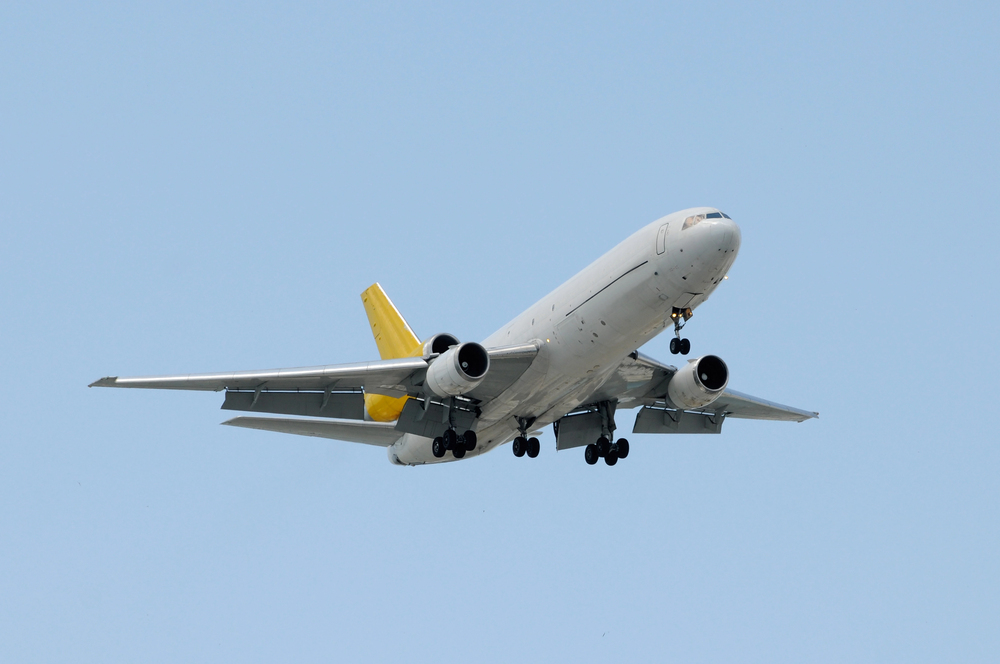
On August 12, 1985, Japan Airlines Flight 123 crashed into a mountain ridge, killing 520 people in the deadliest single-aircraft accident in history. The crash was caused by a faulty repair to the aircraft’s rear pressure bulkhead that had been made seven years earlier, which eventually led to explosive decompression and loss of control.
This disaster emphasized the critical importance of proper maintenance procedures and quality control in aircraft repairs. Airlines worldwide implemented more rigorous inspection and documentation requirements for structural repairs, though manufacturers developed better repair techniques for pressure vessel components.
American Airlines Flight 191 (1979)
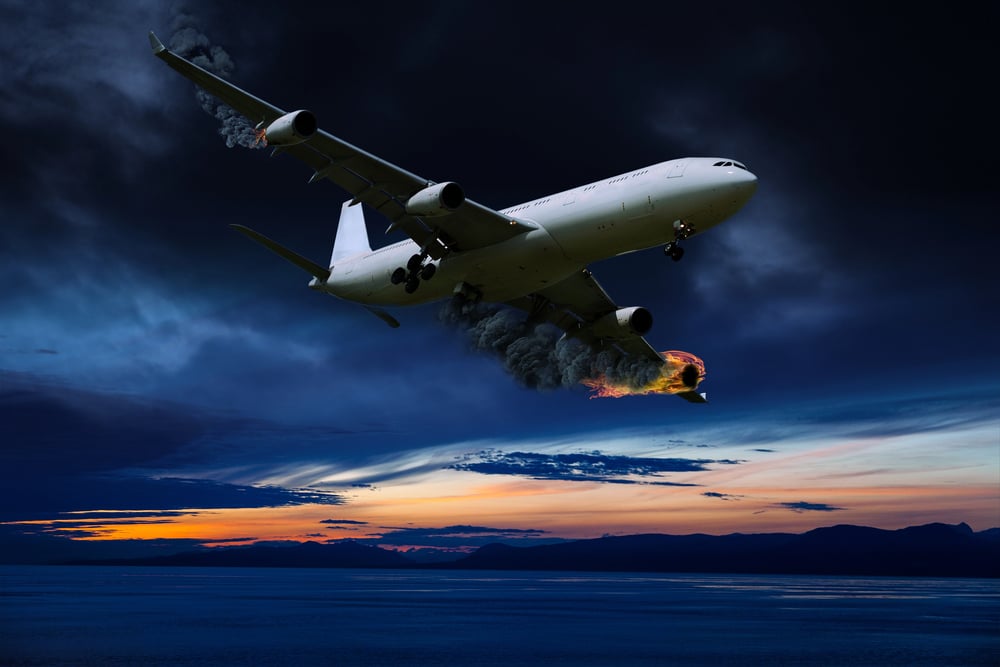
American Airlines Flight 191 crashed shortly after takeoff from Chicago O’Hare on May 25, 1979, killing all 271 people aboard when the left engine detached from the wing. The accident was caused by improper maintenance procedures that had cracked the engine pylon during routine maintenance.
This tragedy led to major changes in aircraft maintenance procedures and engine mounting design. Airlines were required to follow more precise maintenance protocols, yet manufacturers redesigned engine attachment systems to be more tolerant of maintenance-induced damage.
The accident also highlighted the importance of proper maintenance training and supervision.
Arrow Air Flight 1285 (1985)
Arrow Air Flight 1285 crashed shortly after takeoff from Gander, Newfoundland, on December 12, 1985, killing all 256 people aboard, including 248 American soldiers returning from peacekeeping duty in Egypt. The accident was likely caused by ice contamination on the wings that went undetected before takeoff.
This disaster led to improved de-icing procedures and better understanding of how ice formation affects aircraft performance. Airlines implemented more comprehensive pre-flight ice detection procedures, while airports improved their de-icing equipment and protocols.
The tragedy also highlighted the unique challenges of operating in harsh winter conditions.
China Airlines Flight 611 (2002)

China Airlines Flight 611 broke apart in flight over the Taiwan Strait on May 25, 2002, killing all 225 people aboard. The accident was caused by metal fatigue that had developed around a poorly repaired tail strike that had occurred 22 years earlier.
This disaster emphasized the long-term consequences of inadequate aircraft repairs and the importance of thorough damage assessment. Airlines worldwide reviewed their repair procedures and implemented better tracking systems for aircraft damage history.
The accident also led to improved inspection techniques for detecting hidden structural damage.
Swissair Flight 111 (1998)
Swissair Flight 111 crashed into the Atlantic Ocean near Nova Scotia on September 2, 1998, killing all 229 people aboard after an in-flight fire spread rapidly through the aircraft’s electrical systems. The fire was likely caused by faulty wiring in the aircraft’s entertainment system.
This tragedy led to significant improvements in aircraft wiring standards and fire detection systems. Airlines were required to inspect and replace aging wiring systems, yet manufacturers developed better fire-resistant materials for aircraft interiors.
The accident also highlighted the dangers of in-flight fires and the need for better emergency procedures for dealing with smoke and fire.
How Tragedy Shaped Modern Aviation
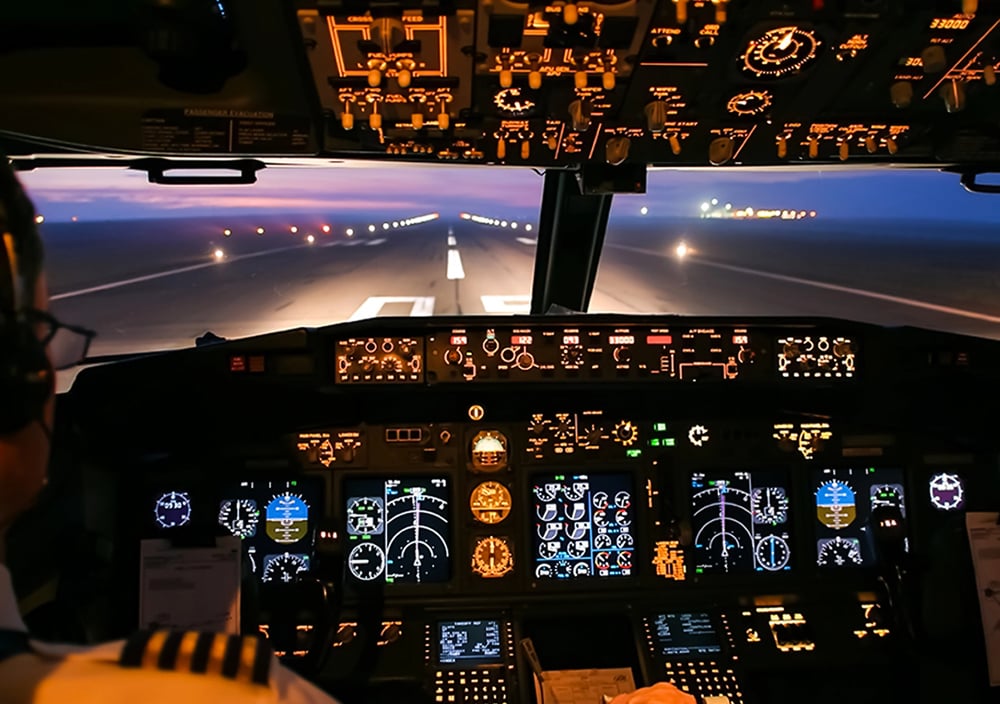
These disasters collectively transformed aviation from a relatively dangerous endeavor into one of the safest forms of transportation available today. Each accident contributed specific lessons that became embedded in training programs, maintenance procedures, and design standards that protect millions of passengers annually.
The aviation industry’s commitment to learning from these tragedies has created a culture of continuous improvement that makes flying safer with each passing year. Modern aircraft benefit from decades of hard-won knowledge about everything from metal fatigue to crew communication, creating multiple layers of safety that would’ve been unimaginable to early aviators.
Though these accidents represent immense human loss, their lessons continue to save lives every day in airports and aircraft around the world.
More from Go2Tutors!

- The Romanov Crown Jewels and Their Tragic Fate
- 13 Historical Mysteries That Science Still Can’t Solve
- Famous Hoaxes That Fooled the World for Years
- 15 Child Stars with Tragic Adult Lives
- 16 Famous Jewelry Pieces in History
Like Go2Tutors’s content? Follow us on MSN.