Return Policies Shaped By Years Of Customer Abuse
Walk into any major retailer today and you’ll notice the return counter looks different than it did twenty years ago. Signs list restrictions.
Staff scan IDs. Receipt printers time-stamp transactions down to the second.
These changes didn’t happen by accident. They evolved as businesses learned hard lessons about trust, generosity, and the small percentage of shoppers who saw leniency as an invitation to take advantage.
The Genesis of Generous Returns
Retail return policies once operated on a simple principle: make customers happy and they’ll come back. Nordstrom famously accepted returns without question.
L.L.Bean promised satisfaction for life. These policies built legendary reputations and fierce customer loyalty.
The cost of occasional abuse seemed worth the goodwill generated. But something shifted. What started as isolated incidents grew into patterns.
Businesses began noticing trends they couldn’t ignore.
Wardrobing Takes Center Stage

Fashion retailers faced a persistent problem they initially tried to dismiss. Customers bought expensive outfits, wore them to events, then returned them days later with tags carefully reattached.
The garments showed obvious wear—makeup stains on collars, stretched fabric, missing buttons hastily sewn back on. Some shoppers treated stores like rental services without the rental fees.
A graduation dress purchased on Friday came back Monday. A suit bought for a job interview returned after the meeting.
Wedding guest attire made a round trip in under a week. Retailers absorbed millions in losses as they marked down returned clothing or sent it to outlet stores.
The practice got a name—wardrobing—and it forced the industry to rethink its approach.
Electronics Become Disposable Trials

Consumer electronics departments watched a troubling pattern emerge. Customers bought expensive cameras for vacations, then returned them afterward with memory cards full of photos.
Big-screen TVs came back right after the Super Bowl. Gaming consoles returned once kids finished the latest release.
Best Buy started tracking return rates and found some customers had essentially created free rental programs for themselves. They’d cycle through products, return them just before the window closed, then repeat the process with different items.
The behavior transformed generous return windows into product trial periods at the store’s expense. Restocking fees arrived first.
Then shortened return windows. Eventually, opened electronics faced stricter scrutiny and reduced refund amounts.
Receipt-Free Returns Create Opportunities

Stores that accepted returns without receipts intended to help legitimate customers who’d lost paperwork. The policy backfired spectacularly.
People began returning items they’d shoplifted. Others bought clearance items at one location and returned them at full price elsewhere.
Professional return fraudsters emerged. They’d hit multiple store locations, returning stolen merchandise for gift cards, then selling those cards for cash.
Loss prevention teams struggled to track individuals moving across regions and using fake names. Target, Walmart, and other major chains started requiring ID for non-receipted returns.
They fed the information into databases that flagged suspicious patterns and outright fraud.
The Lifetime Guarantee Gets Boundaries
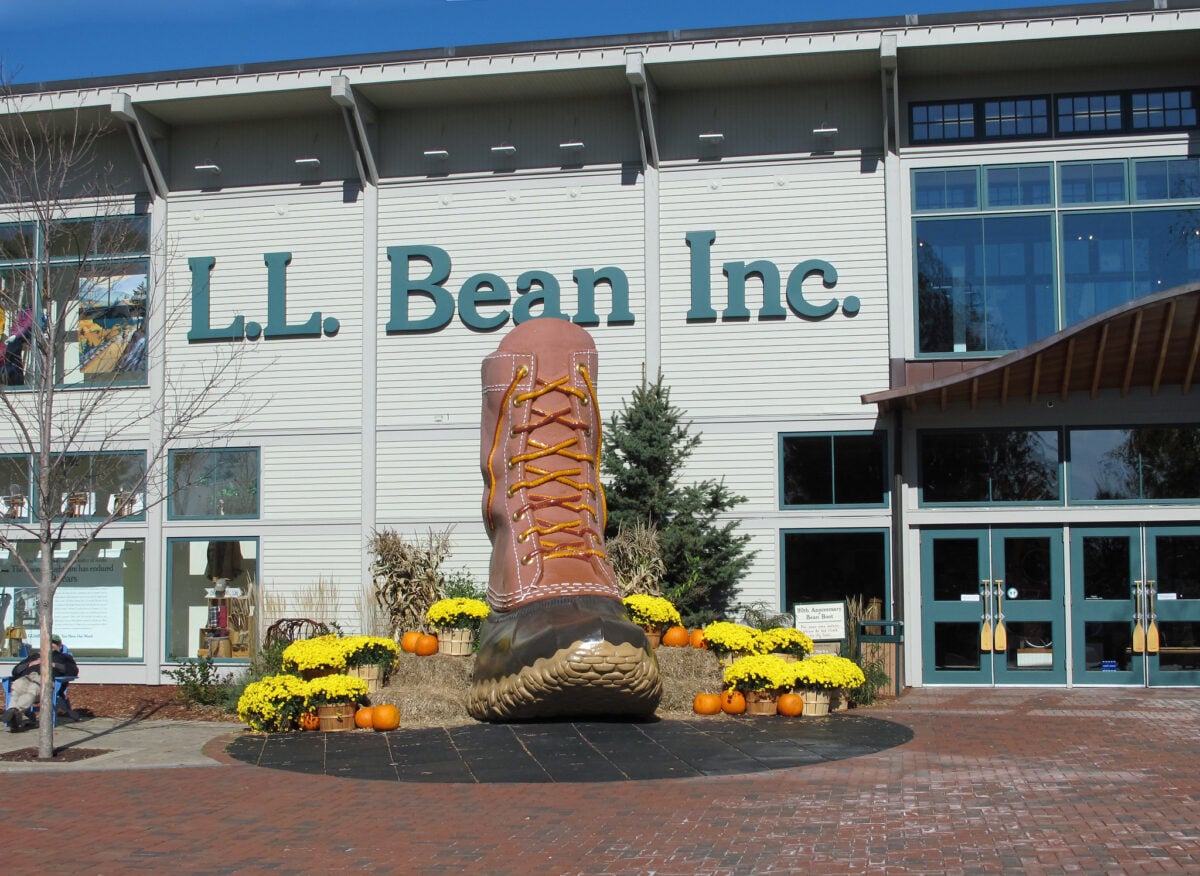
L.L.Bean’s lifetime return policy stood for over a century as a testament to quality and customer service. But the company watched that goodwill get exploited beyond recognition. People returned decade-old items they’d bought at yard sales.
Others brought back completely worn-out products expecting brand-new replacements. The abuse reached a tipping point when return rates spiked and the company realized it was replacing products that had given customers years of legitimate use.
In 2018, L.L.Bean changed its policy to a one-year return window. The announcement made headlines—not because the new policy was strict, but because it marked the end of an era.
REI faced similar pressures with its satisfaction guarantee. Customers returned heavily used camping gear, bikes that had seen years of trails, and skis worn down to the base.
The cooperative finally added a one-year limit in 2013.
Online Returns Multiply the Problem

E-commerce introduced return challenges physical stores never imagined. Customers couldn’t touch or try products before buying, so return rates naturally ran higher.
But some shoppers took systematic advantage of the convenience. Fashion sites saw people order multiple sizes and colors with no intention of keeping more than one item.
Others practiced bracket ordering—buying several options, choosing one, and returning the rest. Each return created shipping costs, processing time, and potential damage to products.
Amazon started charging return fees for certain items. Other retailers began shortening return windows for online purchases or requiring customers to pay return shipping for non-defective items.
The free returns era that fueled online shopping’s growth began cracking under financial pressure.
Serial Returners Face Consequences

Data analytics gave retailers new weapons against chronic abuse. Companies started tracking customer return rates and flagging accounts that exceeded normal thresholds.
Some banned repeat offenders entirely. One woman in California made news after receiving a lifetime ban from Amazon.
Her return rate had climbed so high that the algorithm flagged her account as problematic. She protested, claiming legitimate reasons for each return, but the ban stood.
Similar stories emerged from other retailers implementing AI-driven fraud detection. The systems aren’t perfect.
Legitimate customers sometimes get caught in the net, creating public relations nightmares. But retailers decided the occasional error was preferable to ongoing systematic abuse.
Seasonal Surge Exploitation

Holiday shopping brought its own return abuse patterns. People bought gifts in bulk during Black Friday sales, then returned unwanted items at full price in January.
Some purchased decorations, used them for one season, then brought them back claiming dissatisfaction. Christmas tree returns became legendary.
Customers would purchase real or artificial trees in early December, display them through the holidays, then attempt returns in early January. Home Depot and Lowe’s eventually shortened return windows on seasonal items to prevent the practice.
Party supplies, costumes, and event decorations followed similar patterns. Retailers learned to recognize the signs—items purchased weeks before major holidays coming back days after.
The Receipt Requirement Tightens

Digital receipts promised to solve lost paperwork problems. Instead, they created new loopholes.
People learned to manipulate digital records, present receipts for different items, or use photo editing to change dates and prices. Retailers responded by linking purchases directly to payment methods and loyalty cards.
This eliminated some fraud but also removed flexibility for gift returns and purchases made with cash. The balance between security and convenience shifted firmly toward security.
Stores began printing return policies directly on receipts with highlighted deadlines. Some added QR codes that encoded purchase details, making manipulation harder.
The simple paper receipt evolved into a sophisticated tracking document.
Gift Card Fraud Intersects Returns

Scammers found creative ways to turn returns into untraceable currency. They’d steal merchandise, return it for gift cards, then sell those cards for cash through online marketplaces.
The practice worked because gift cards were essentially bearer instruments—whoever held them owned them. Retailers started requiring ID for gift card refunds and limiting amounts.
Some switched to requiring original payment methods for returns instead of offering store credit. Others implemented daily limits on gift card purchases and returns to the same person.
The changes frustrated legitimate customers wanting to return gifts, but stores calculated that annoyance was cheaper than massive fraud losses.
Subscription Service Returns Emerge

As subscription boxes and membership programs grew popular, new return abuse appeared. Customers would sign up for trials, receive products, cancel immediately, then return items while still getting refunds for subscription fees.
Beauty box subscribers ordered products, used them, then claimed they arrived damaged or wrong.
Meal kit services saw customers report missing ingredients after they’d already cooked and eaten the meals. The honor system that these services relied on proved too tempting for dishonest customers.
Companies responded with stricter photo requirements for damage claims, non-refundable subscription fees, and blacklists for suspicious accounts. The flexibility that made these services attractive got sacrificed to prevent exploitation.
Staff Training Evolves

Desk staff once handled returns, but now they keep an eye out for shoplifting tricks. Classes help them notice fake return attempts, catch sneaky behavior, or apply rules firmly while staying fair to honest shoppers.
It’s a tricky line to walk. Workers have to guard business property, yet still keep things welcoming for guests.
Feelings got heavier when team members faced frustrated buyers who thought rules were out to get them. Some shops teach staff to spot lies through gestures.
Meanwhile, a few go hard on rules – zero wiggle room for workers. As scams got smarter, companies tweaked how they handle comebacks from customers.
Where Trust Went

The shift in return rules shows more than just changes in stores. Because trust between companies and shoppers has weakened over time.
Easy returns used to work because most acted honestly. But when too many abused the system, adjustments became necessary.
You might recall simpler days at return desks – when showing up empty-handed meant walking out happy. Those moments faded not due to greed, yet from a few buyers turning flexibility into abuse.
Each rule you face today shows up thanks to past misuse piling high. The price pops up in little things: longer lines at checkout, tight return periods, annoying restock charges.
Yet the deeper toll’s trickier to pin down – gone is that automatic goodwill, the sense people are honest, the basic comfort of sorting out errors without hassle. Companies started shielding themselves since enough buyers proved generosity couldn’t last when taken for granted.
More from Go2Tutors!

- The Romanov Crown Jewels and Their Tragic Fate
- 13 Historical Mysteries That Science Still Can’t Solve
- Famous Hoaxes That Fooled the World for Years
- 15 Child Stars with Tragic Adult Lives
- 16 Famous Jewelry Pieces in History
Like Go2Tutors’s content? Follow us on MSN.