15 Strange WWII Inventions That Worked
The Second World War pushed the boundaries of human creativity. Military engineers and scientists embraced the strange, the unexpected, and the downright weird, abandoning conventional thinking when millions of lives were at stake.
Some genuinely amazing innovations resulted from the pressure to obtain any advantage over the enemy.In actuality, many of these odd devices performed better than anyone had anticipated.
These 15 strange WWII inventions were surprisingly useful in combat.
Inflatable Decoy Tanks
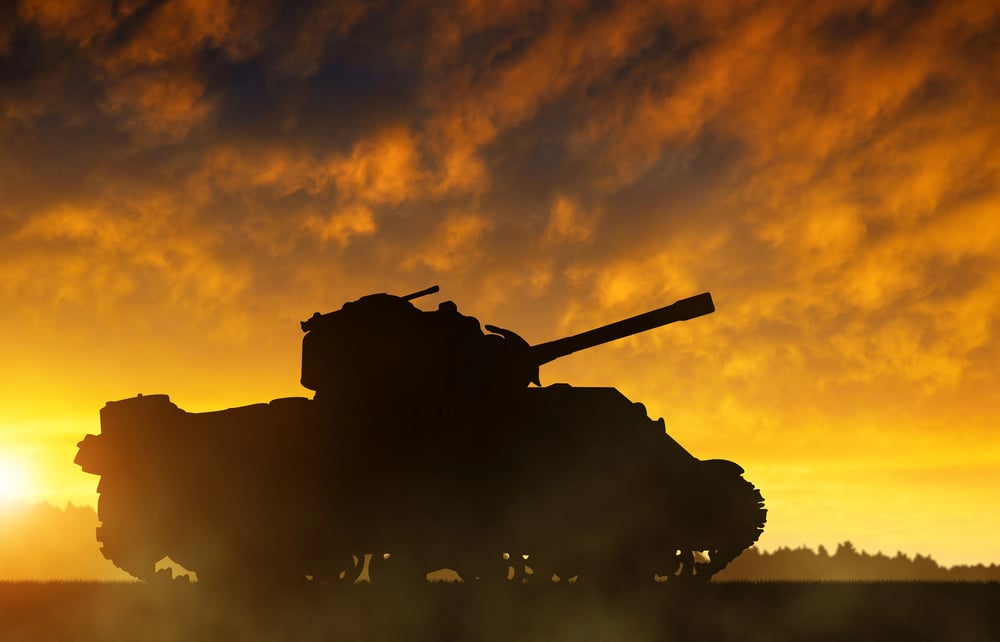
Large-scale German reconnaissance was tricked by the Ghost Army’s rubber tanks. A few soldiers could assemble these inflatable Sherman tank replicas in just twenty minutes, but from aerial surveillance, they appeared to be entirely real.
These decoys were used by the 23rd Headquarters Special Troops to operate as close as a quarter mile from enemy lines, simulating forces 30 times their real size. Attacking phantom divisions that only existed in rubber and hot air cost the Germans countless resources.
Bouncing Bombs

Barnes Wallis created bombs that skipped across water like stones thrown by a giant. These ‘Upkeep’ bouncing bombs were designed to bounce to their targets across water, avoiding obstacles like torpedo nets while allowing precise timing of detonation.
The RAF used them in Operation Chastise to breach German dams by bouncing into them and exploding underwater. The physics seemed impossible, but the dams came down.
Bat Bombs
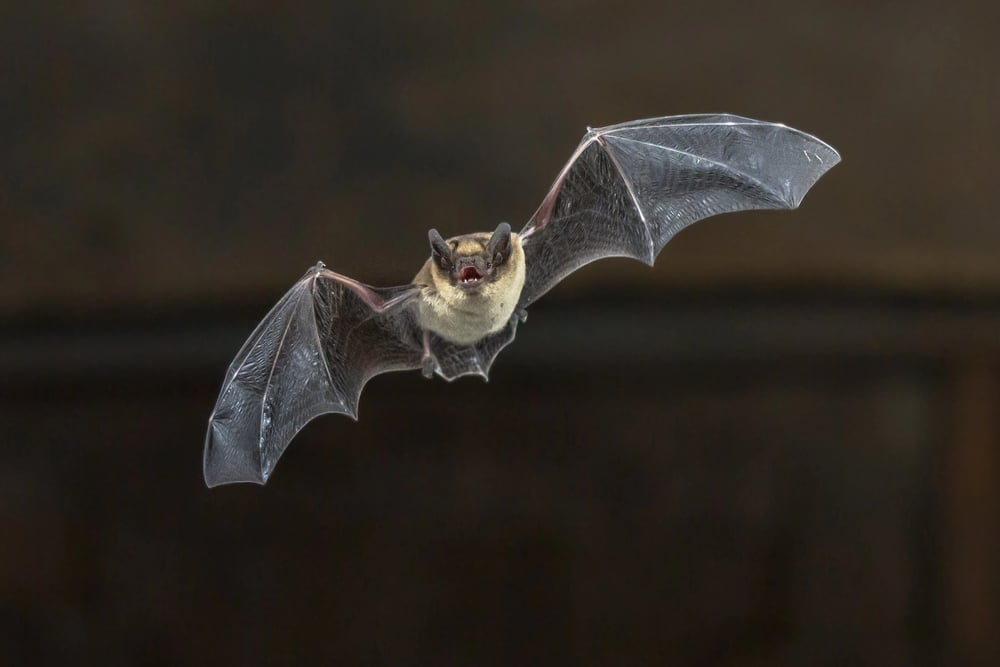
A Philadelphia dentist convinced the military to strap tiny incendiary devices to thousands of bats. Dr. Lytle Adams observed Mexican Free-Tailed Bats and realized they could carry substantial weight while flying long distances and naturally roosting in dark, high places like building eaves.
The idea was that bats would disperse throughout Japanese cities and roost in buildings, igniting fires across target areas. Tests showed promise, but one trial accidentally set fire to a U.S. base and the program was canceled before operational use.
Pink Aircraft Camouflage

Painting warplanes pink sounds like a joke, but it made them nearly invisible at dawn and dusk. Some fighters were so specialized that they flew only at certain times of day, and pink paint made aircraft less noticeable both at sunset and sunrise.
Pilots initially protested the color scheme, but reconnaissance photos showed pink planes blended perfectly with the horizon during twilight hours when many missions took place.
Pigeon-Guided Missiles

Psychologist B.F. Skinner trained pigeons to guide missiles by pecking at target images on screens. Skinner built mock nosecones with seats for several pigeons in individual tiny cockpits with electronic screens, teaching them to peck when they saw enemy ships.
If the target moved toward the outer areas of the screens, the pigeons’ pecking steered the missile back on course. The system worked flawlessly in tests, though electronic guidance eventually replaced the feathered pilots.
Curved Rifle Barrels
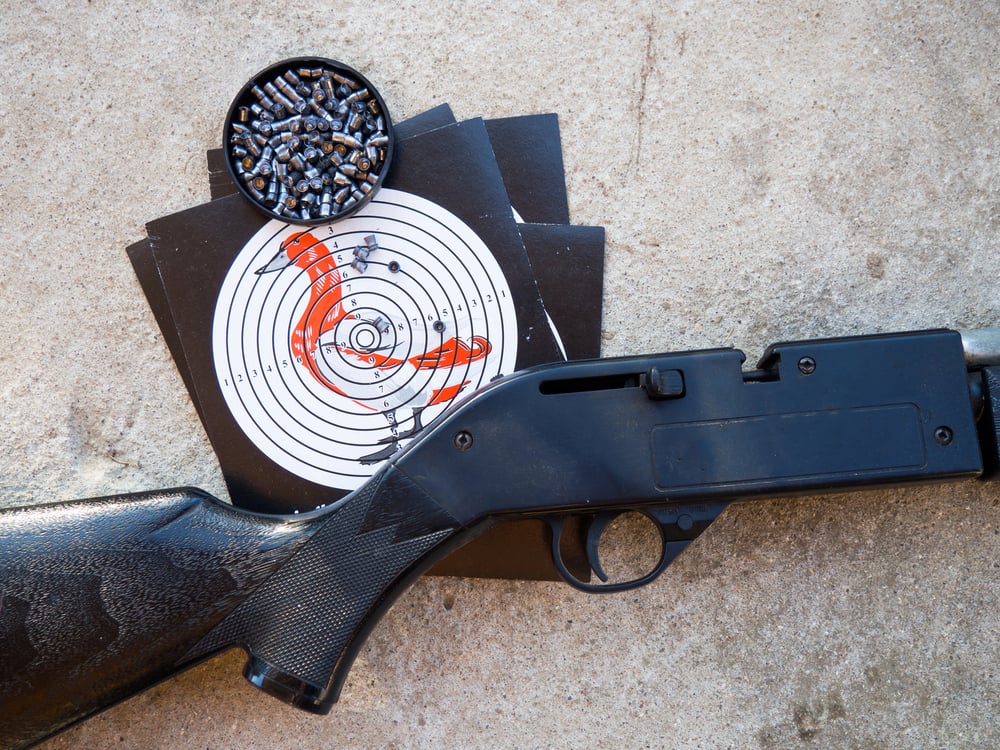
German engineers created rifle attachments that let soldiers shoot around corners without exposing themselves. The Krummlauf was a curved barrel attachment for the Sturmgewehr 44 assault rifle, featuring a periscope sight to assist with aiming.
Despite its unusual design, the Krummlauf proved effective in urban combat and trench warfare situations. Soldiers could fire from complete cover, though the barrels wore out quickly from the stress.
Itchy Powder Sabotage

Allied agents disguised skin irritants as talc powder and smuggled them into German-occupied territories. Resistance members distributed this powder in clothing factories and laundry facilities where they secretly applied it to German uniforms.
At least one German U-boat was forced to return to port because sailors thought they had a strange skin condition, and Norwegian resistance successfully put the powder in items intended for German troops. The scheme caused chaos without anyone realizing they were under chemical attack.
Explosive Fake Manure

British intelligence created realistic-looking animal droppings packed with explosives. Members of the Resistance throughout Europe received imitation manure filled with explosives, designed to be left on roads where drivers would run over them without suspicion.
The actual fake material was copied from real specimens supplied by the London Zoo. German vehicles hit these roadside surprises regularly, never suspecting that nature’s calling cards had become weapons.
Like Go2Tutors’s content? Follow us on MSN.
Wind Cannons

German scientists built experimental cannons that fired concentrated blasts of air instead of projectiles. The wind cannon, or WindKanone, and the vortex gun were anti-aircraft projects designed to use wind power to damage enemy aircraft in flight.
While these experimental weapons were built and tested, they never proved operationally effective and remained more of a scientific curiosity than a practical battlefield weapon.
Project Habakkuk Ice Ships

The British planned to build aircraft carriers from pykrete, a composite material of ice and wood pulp. The idea was to create an unsinkable aircraft carrier that could operate in the North Atlantic, providing a base for aircraft to protect convoys from German U-boats.
Tests showed pykrete was incredibly strong and buoyant. While the full-scale ship was never built, smaller prototypes proved the concept could work in Arctic conditions.
Duct Tape

Johnson & Johnson created what soldiers called ‘duck tape’ to solve a serious ammunition storage problem. The Permacel division developed this new product to keep moisture out of military ammunition cases, calling it ‘duck’ tape because it repelled water like duck feathers.
Troops quickly discovered it fixed everything from jeep windshields to torn clothing. The adhesive was so strong and waterproof that it became essential field equipment.
Super Glue

A young scientist accidentally discovered an incredibly strong adhesive while trying to make clear plastic gun sights. Harry Coover discovered the active ingredient in Super Glue while searching for materials he could use to make transparent rifle sights during wartime research.
The substance stuck to everything it touched, including fingers and laboratory equipment. While the discovery happened during WWII, its widespread practical use came decades later.
Radar Detection Systems

British scientists developed radio wave detection that could spot incoming aircraft dozens of miles away. Sir Robert Watson Watt, grandson of famous inventor James Watt, helped form Britain’s Radio Research Station and developed the first practical radar navigation system just before WWII.
The Chain Home radar system became so vital for Britain’s defense that German radar technology became the target of perhaps the most daring commando mission of the war. The invisible electronic shield saved London from destruction.
Jet Engines

German and British engineers independently created engines that pushed aircraft faster than anyone thought possible. Dr. Hans von Ohain and Sir Frank Whittle developed jet engines separately, patenting designs in the early 1930s and achieving first flights in the early 1940s.
The German ME 262 became the first operational jet fighter, with the British Gloucester Meteor following closely behind. These screaming metal birds changed aerial combat forever and laid the foundation for modern aviation.
Mass-Produced Penicillin

Scientists turned a laboratory curiosity into a life-saving medicine that could be manufactured by the ton. While Alexander Fleming discovered penicillin’s antibacterial properties in 1928, Howard Florey and his team developed ways to mass-produce the drug for human trials by 1941.
By 1944, Allied soldiers carried vials of penicillin with them onto the beaches at Normandy. This medicine saved millions of lives during the war and became the foundation for most antibiotics prescribed today.
When Necessity Breeds Innovation

Something profound about human ingenuity under pressure is revealed by these odd inventions. From life-saving medications to battlefield tricks, scientists and engineers produced a constant flow of new goods that made victory possible.
The most successful inventions frequently resulted from thinking entirely outside the box of traditional military doctrine. Our contemporary world is still shaped by the legacy of these inventions, demonstrating that sometimes the most bizarre concepts function best when lives are at stake.
More from Go2Tutors!

- The Romanov Crown Jewels and Their Tragic Fate
- 13 Historical Mysteries That Science Still Can’t Solve
- Famous Hoaxes That Fooled the World for Years
- 15 Child Stars with Tragic Adult Lives
- 16 Famous Jewelry Pieces in History
Like Go2Tutors’s content? Follow us on MSN.