15 Unbelievable Facts About Turkmenistan’s Bizarre Dictatorship
Most people couldn’t point to Turkmenistan on a map if their life depended on it. This landlocked Central Asian nation of six million people has remained largely invisible to the outside world, hidden behind a curtain of isolation that makes North Korea look chatty.
What lies behind that curtain, though, reads like something dreamed up by a satirist with too much time and too vivid an imagination. The reality of Turkmenistan’s decades-long dictatorship defies belief at every turn.
Gold Teeth and Gold Caps Were Banned

Saparmurat Niyazov decided gold dental work was unpatriotic. The first dictator issued a decree banning gold teeth and gold dental caps because they didn’t align with traditional Turkmen culture.
Never mind that gold had been used in dentistry for centuries across Central Asia. Citizens with existing gold dental work faced a choice: remove it or risk persecution.
Dentists stopped offering gold crowns entirely. The ban remained in effect until Niyazov’s death in 2006.
Opera, Ballet, and Circus Were Declared “Incompatible with Turkmen Culture”
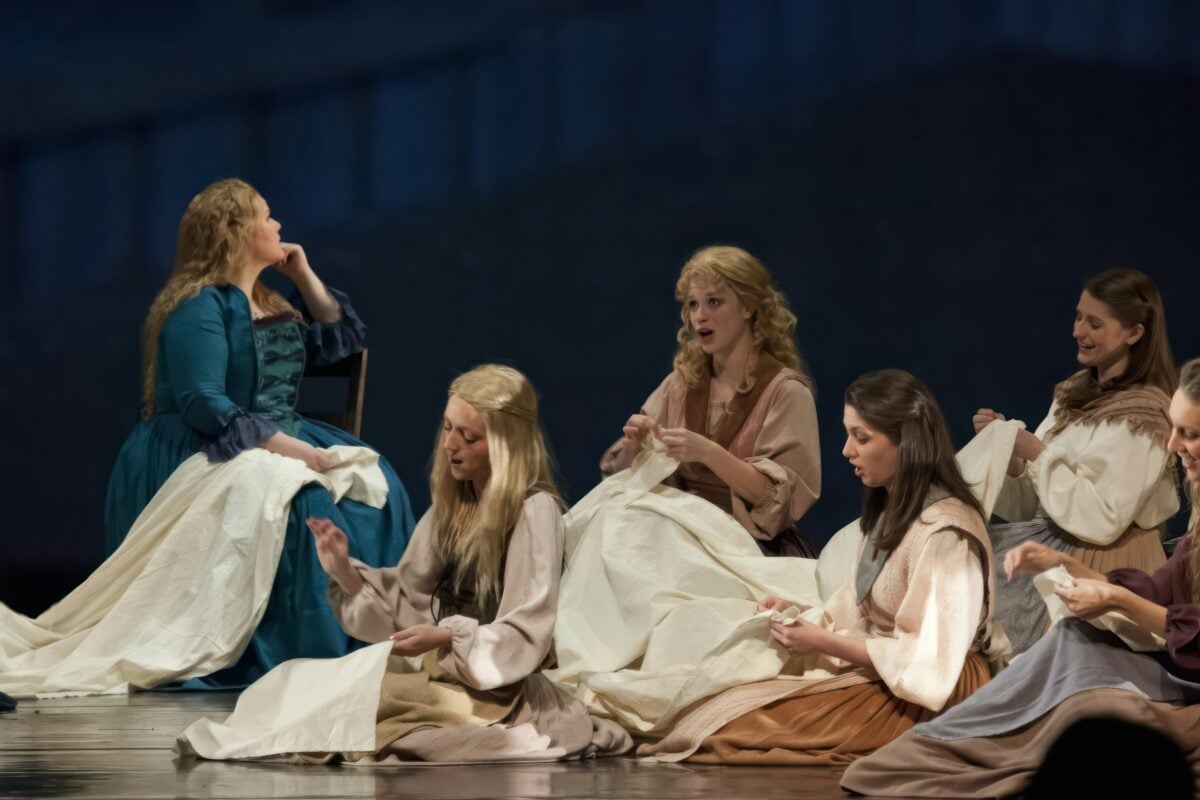
The arts took a particularly strange hit under Niyazov’s rule, though the reasoning behind his cultural purge reveals something deeper about how totalitarian control operates (and how arbitrary it becomes when filtered through one person’s whims and prejudices). Ballet dancers, opera singers, and circus performers found themselves suddenly unemployed when the president decided these art forms were foreign corruptions that had no place in Turkmen society — which is fascinating, considering that traditional Turkmen culture actually included plenty of acrobatic performances and musical storytelling that bore striking similarities to the banned forms.
So the decree wasn’t really about cultural purity at all. And yet it stood for years, turning Turkmenistan into perhaps the only country on earth where you could be arrested for practicing a pirouette.
But that’s how these systems work: logic takes a backseat to control, and control often wears the mask of cultural authenticity, no matter how thin that mask might be.
The Month Names Were Changed to Honor His Family and Ideology

Imagine if someone rewrote the calendar to center their own family tree. That’s exactly what Niyazov did, transforming the months into a personal monument that every citizen would be forced to recite throughout their lives.
January was renamed “Türkmenbaşy” after Niyazov’s own title meaning “Leader of the Turkmen.” April became “Gurbansoltan,” named after his mother. September was renamed “Ruhnama” after his spiritual book.
Other months honored his grandmother, national symbols, and various Niyazov-approved concepts. Children learned these new month names in school. Government documents used them exclusively.
Weather reports announced temperatures for “Gurbansoltan” instead of April. The entire nation operated on Niyazov Standard Time, where the calendar itself served as a daily reminder of who held absolute power.
Recorded Music Was Banned at Public Events
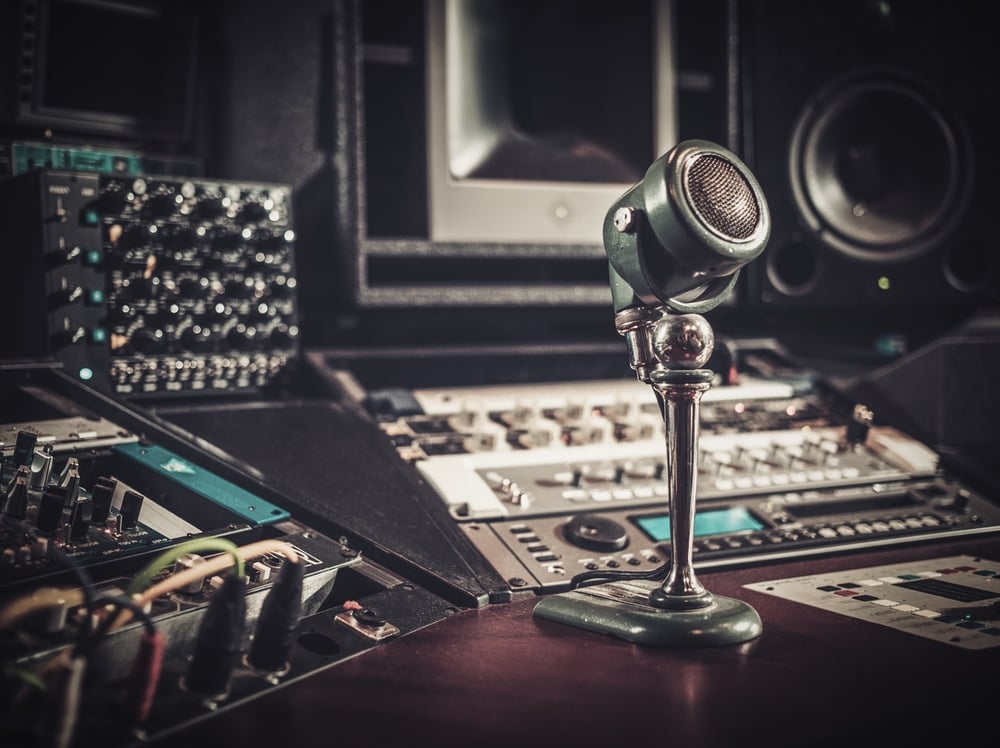
Live music only. Niyazov banned recorded music at cultural events and public celebrations because he believed it would preserve authentic Turkmen musical traditions.
Professional musicians suddenly found themselves in high demand — and under intense government scrutiny. Wedding planners scrambled to book live bands instead of DJs.
Cultural festivals had to completely restructure their programming. The policy created an odd renaissance for traditional musicians while making simple celebrations exponentially more expensive and complicated.
Gold Dental Caps Were Replaced with Bone
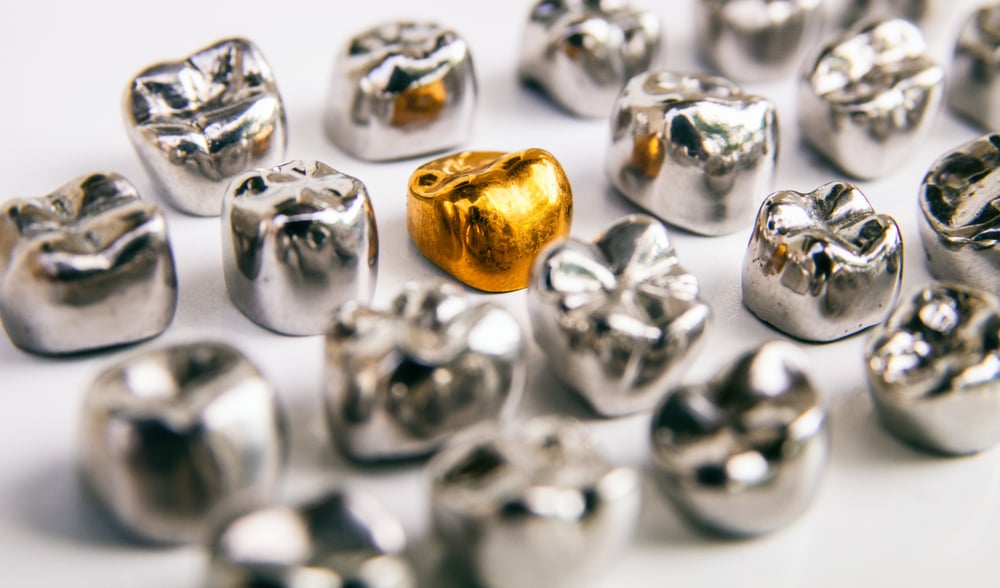
The gold teeth ban created an unexpected medical problem. Turkmen dentists had to find alternatives for dental caps and crowns, leading to some creative and disturbing solutions.
Bone became the preferred substitute material. Animal bones were processed and shaped to fit over damaged teeth.
The results were functional but far from attractive. Many citizens simply went without dental work entirely rather than submit to bone implants.
The policy remained in place until Niyazov’s death.
All Hospitals Outside the Capital Were Closed
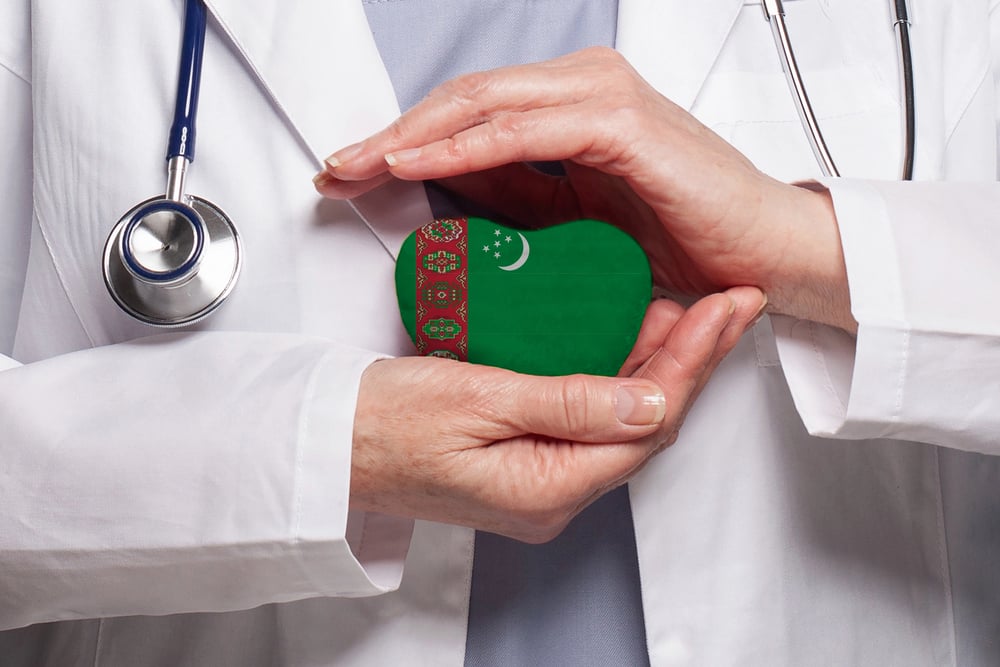
Healthcare in Turkmenistan took a devastating turn when Niyazov decided that sick people should travel to Ashgabat for treatment, the way pilgrims journey to holy sites — an analogy that probably appealed to him more than it should have, given his tendency to view himself as a quasi-religious figure (his book, the Ruhnama, was treated as sacred text and required reading in all schools). The closure of rural hospitals meant that someone suffering a heart attack in a remote village now faced a potentially hours-long journey to receive care, assuming they could afford transportation and assuming they survived the trip.
Emergency medicine effectively ceased to exist outside the capital. But the policy fit Niyazov’s broader vision of centralized control: if you needed something important — healthcare, education, government services — you came to him, in his city, under his watchful eye.
Renaming Bread After His Mother
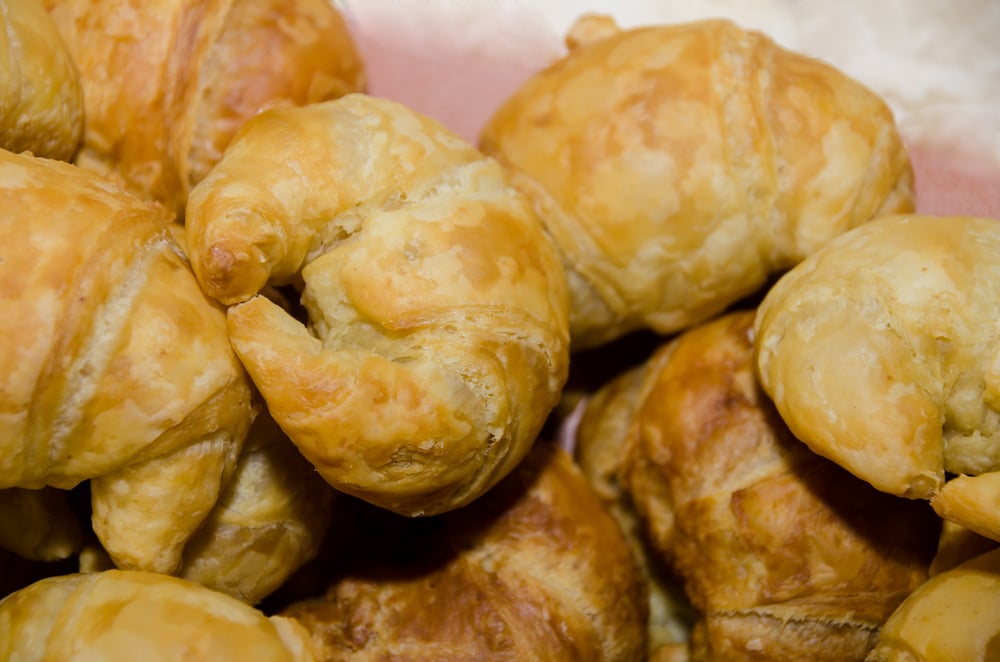
Niyazov renamed bread “Gurbansoltan” after his mother. Every bakery, every menu, every grocery store had to use the new term.
Ordering a sandwich meant asking for “Gurbansoltan” instead of bread. The psychological impact was deliberate.
Citizens couldn’t eat their most basic food without invoking Niyazov’s family. Even the most private moments — breakfast at home — became reminders of state power.
The rename lasted throughout his rule.
The Ruhnama Was Required Reading for Driver’s License Tests
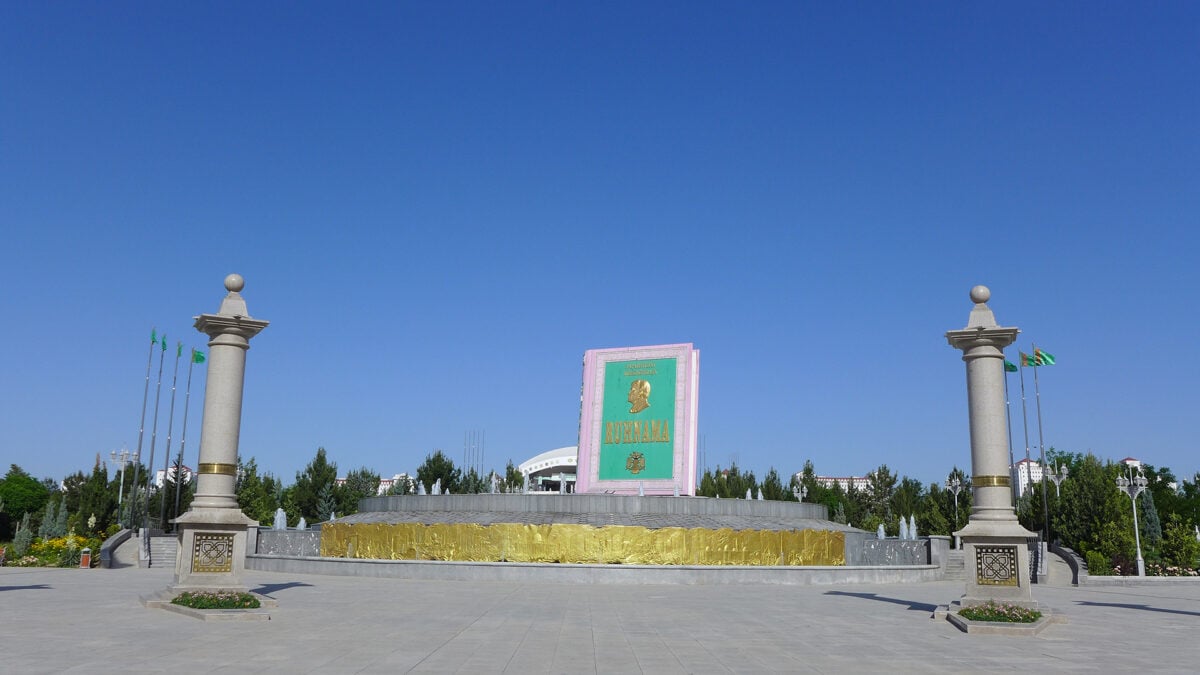
Getting a driver’s license in Turkmenistan meant memorizing passages from Niyazov’s spiritual guidebook. The Ruhnama wasn’t just required reading — it was the primary text for citizenship, education, and apparently, traffic safety.
Driving instructors had to incorporate spiritual lessons into parallel parking tutorials. The book contained Niyazov’s thoughts on morality, history, and proper living.
None of it had anything to do with road rules or vehicle safety. Citizens memorized random philosophical passages to earn the right to drive legally.
The policy made getting a license absurdly difficult for ordinary people while ensuring that Niyazov’s ideology reached every corner of daily life.
Libraries Were Ordered to Burn Books That Weren’t the Ruhnama
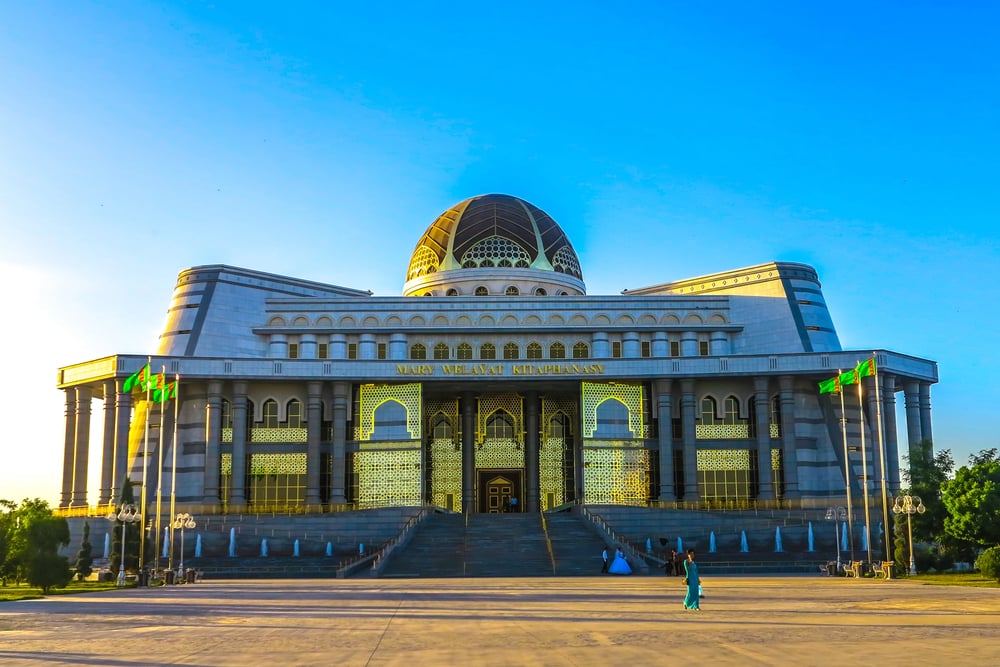
Libraries across Turkmenistan received orders to destroy their collections and replace everything with copies of the Ruhnama. Centuries of literature, history, and scholarship went up in smoke to make room for one man’s spiritual guidebook.
Librarians became book burners by government decree. The few books that survived were hidden by brave librarians who risked imprisonment to preserve knowledge.
Most libraries became single-book institutions, with shelves full of identical copies of the same text. Reading culture essentially died, replaced by mandatory meditation on Niyazov’s wisdom. Students had access to one book throughout their entire education.
A Revolving Golden Statue of Niyazov Was Built to Always Face the Sun
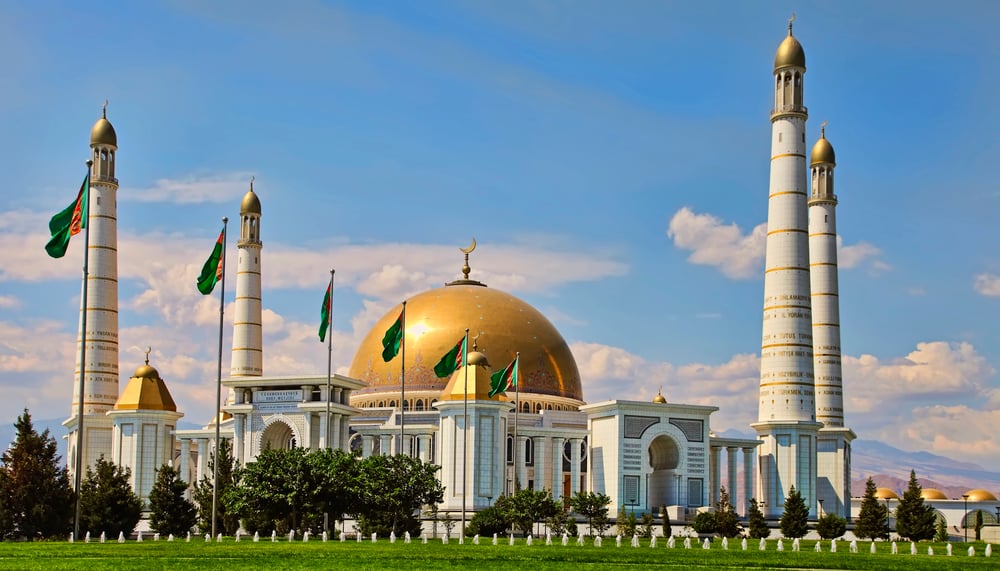
The centerpiece of Ashgabat became a massive golden statue of Niyazov that rotated throughout the day to always face the sun — like some sort of metallic sunflower with delusions of grandeur, except this particular flower cost millions and served as a daily reminder that the president considered himself worthy of celestial tracking. The engineering required to keep a multi-ton golden statue properly oriented toward the sun throughout its arc across the sky was genuinely impressive, which makes the whole project even more surreal: someone spent serious time calculating rotation speeds and solar angles so that Niyazov could literally follow the sun.
The statue dominated the city skyline. And it worked exactly as designed, tracking from east to west every single day, until his successor finally had it moved to a less prominent location (though notably, not destroyed — even dictators who replace other dictators apparently recognize good craftsmanship when they see it).
Smoking Was Banned in All Public Places
Niyazov went after tobacco with the same authoritarian thoroughness he applied to gold teeth and recorded music. Public smoking became illegal throughout Turkmenistan.
Restaurants, offices, and government buildings went smoke-free by presidential decree. The ban extended to government officials and public figures, who faced additional scrutiny for tobacco use.
Niyazov positioned the policy as a health initiative, though critics noted it was really about control. Citizens who wanted to smoke had to do it in private, adding another layer of regulation to daily life.
The Days of the Week Were Renamed After Family Members

Not content with renaming months, Niyazov redesigned the weekly calendar around his relatives. Days of the week received new names honoring his mother, grandmother, and other family members.
Tuesday might become “Ogulabat” day, named after his grandmother. Government offices, schools, and media outlets had to use the new day names in all communications.
Citizens learned to navigate a calendar where “Wednesday” no longer existed — just another day named after someone in Niyazov’s family tree. The policy turned timekeeping into a daily exercise in state-mandated ancestor worship.
Air Conditioning Was Banned in Government Buildings

Niyazov banned air conditioning in government offices because he believed it made people weak and dependent on technology. Bureaucrats worked through Central Asian summers in stifling heat while their president enjoyed climate-controlled comfort in his palace.
The policy applied only to government workers, creating a clear hierarchy of comfort. Private businesses could still use air conditioning, but civil servants sweated through meetings and paperwork in buildings that regularly exceeded 100 degrees Fahrenheit.
Productivity dropped, but ideological purity was maintained.
Ashgabat Was Rebuilt Entirely in White Marble
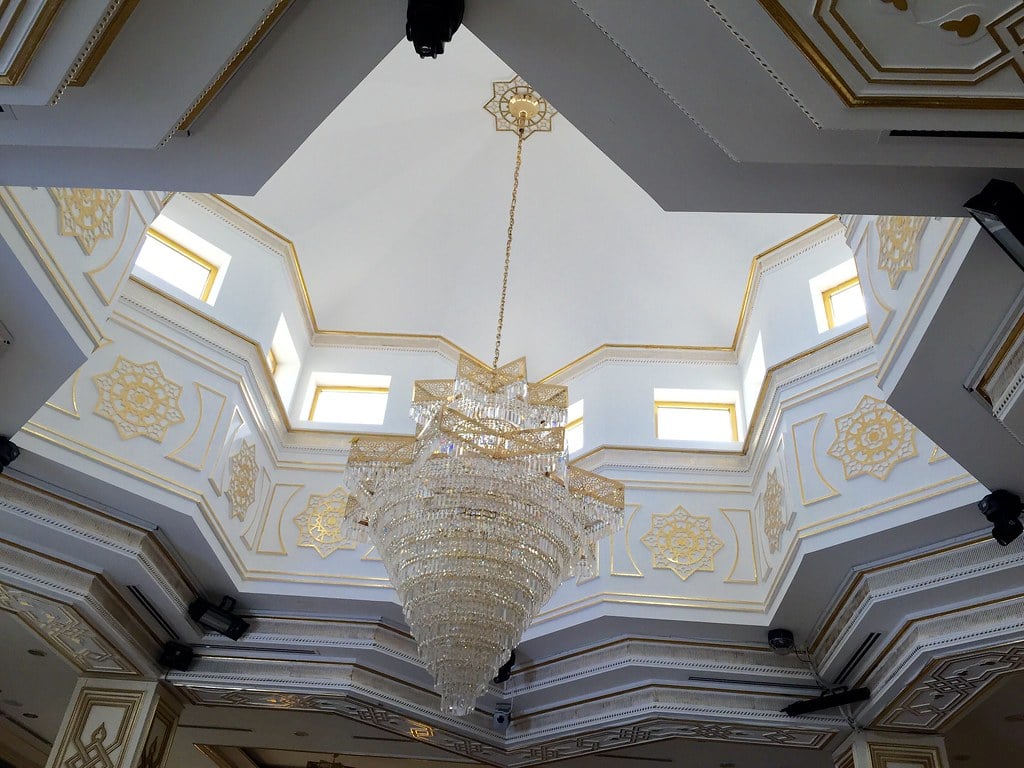
The capital city became Niyazov’s personal monument, rebuilt entirely in white marble at enormous cost. Every building, every street, every public space was clad in imported marble that gleamed blindingly in the desert sun.
The project bankrupted the national treasury while creating a surreal marble wasteland. Citizens were required to keep the marble clean and unmarked.
Touching buildings could result in fines. The city looked spectacular from a distance but felt sterile and unwelcoming up close.
Maintenance costs alone consumed huge portions of the national budget, while rural areas went without basic infrastructure.
The Ruhnama Was Sent Into Space
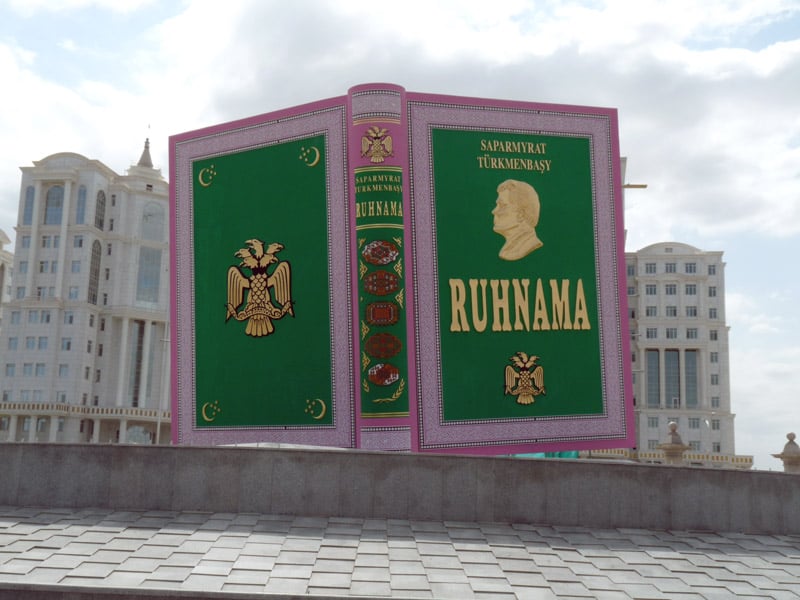
Niyazov’s spiritual guidebook became the first and probably only book of presidential philosophy to orbit the earth. The Ruhnama was included on a space mission, officially making it cosmic literature.
The symbolism was intentional: Niyazov’s wisdom was literally universal. The space-bound book received more fanfare than most actual scientific experiments.
State media covered its journey extensively, treating the book’s orbital period as a national achievement. Citizens were expected to take pride in their president’s cosmic literary success, even as terrestrial problems like healthcare and education went unaddressed.
When Reality Becomes Satire
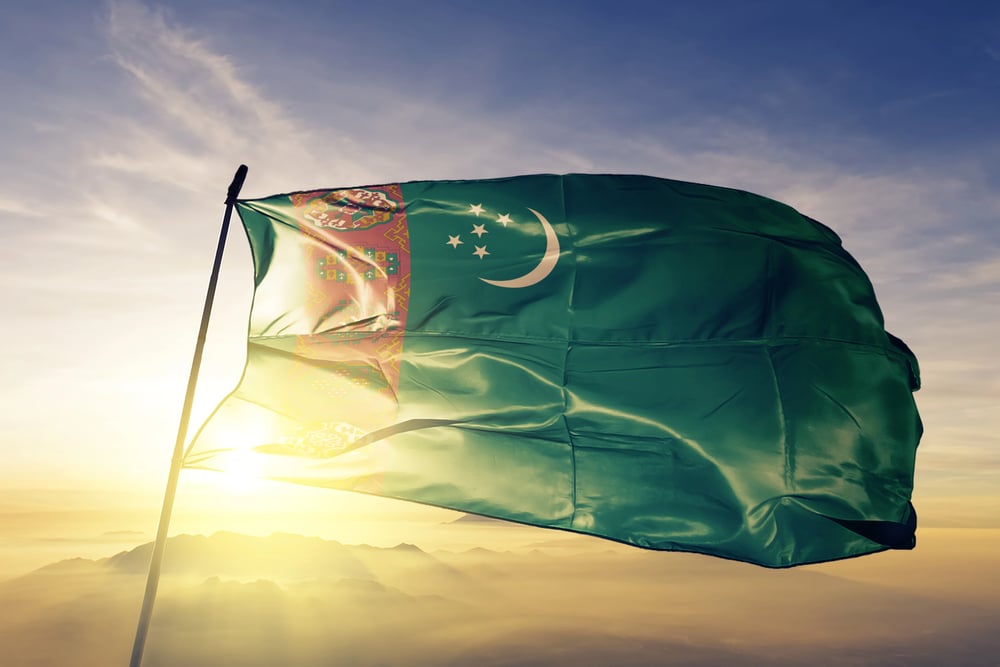
These aren’t the fever dreams of a political satirist or the exaggerated tales told by disgruntled exiles. Every golden statue, every renamed month, every banned ballet performance actually happened in Turkmenistan over the course of two decades.
The country continues to operate under similar restrictions today, with power now held by Serdar Berdimuhamedov — son of longtime ruler Gurbanguly Berdimuhamedov, who transferred the presidency in 2022 but retained significant influence as chairman of the upper house. Some dictatorships announce themselves with tanks and midnight arrests.
Others sneak up on you with golden statues that follow the sun.
More from Go2Tutors!

- The Romanov Crown Jewels and Their Tragic Fate
- 13 Historical Mysteries That Science Still Can’t Solve
- Famous Hoaxes That Fooled the World for Years
- 15 Child Stars with Tragic Adult Lives
- 16 Famous Jewelry Pieces in History
Like Go2Tutors’s content? Follow us on MSN.



